Urinary Health Supplements
(0 Results)
Supporting your urinary health is essential for overall wellness and comfort. Our range of Urinary Health Supplements is specially formulated to promote a healthy urinary tract and bladder function. Whether you are looking to maintain urinary tract health or seeking targeted support for specific concerns, our selection of supplements offers natural ingredients and potent formulas to help you stay proactive about your urinary well-being. Discover our collection of supplements designed to support a healthy urinary system and enhance your daily wellness routine.


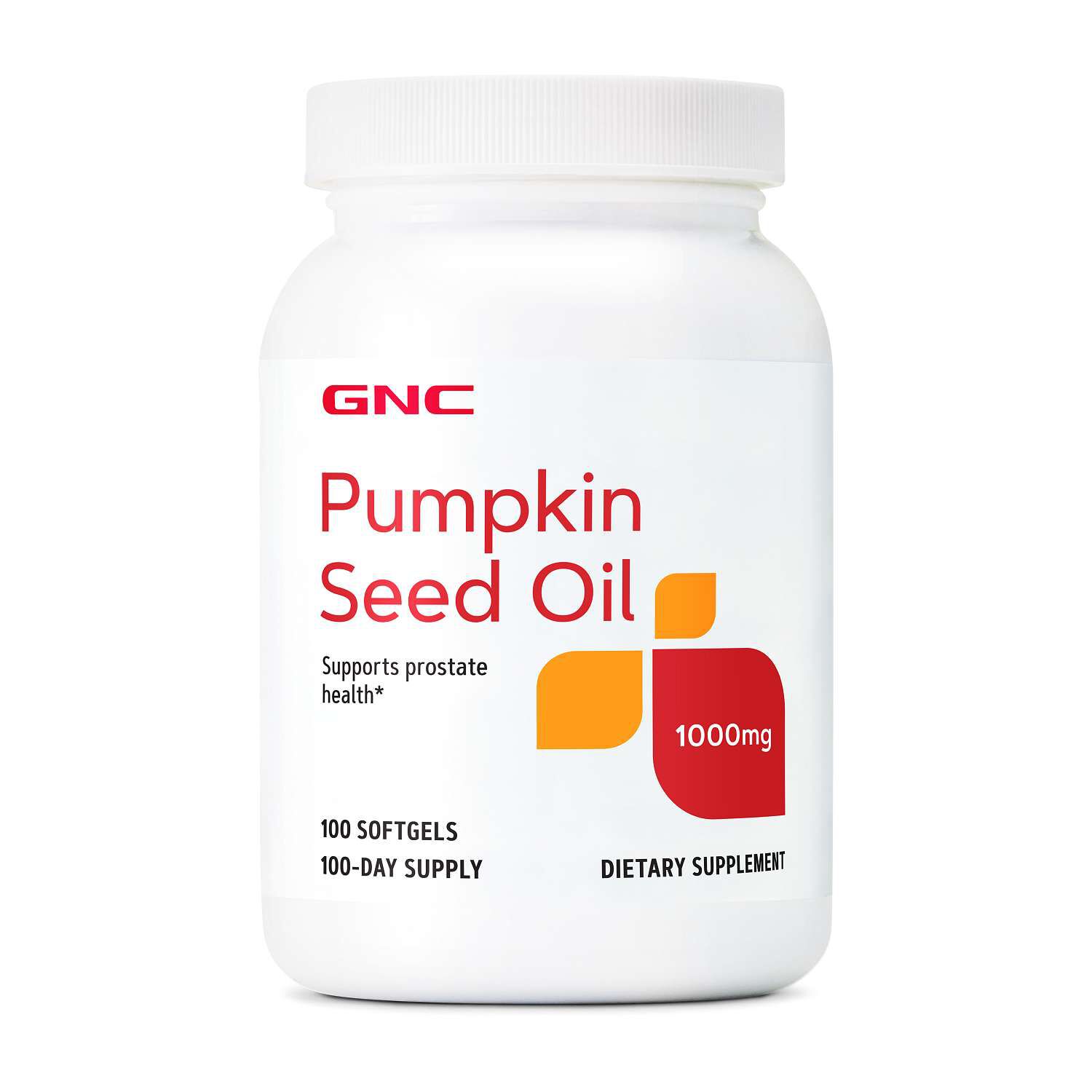


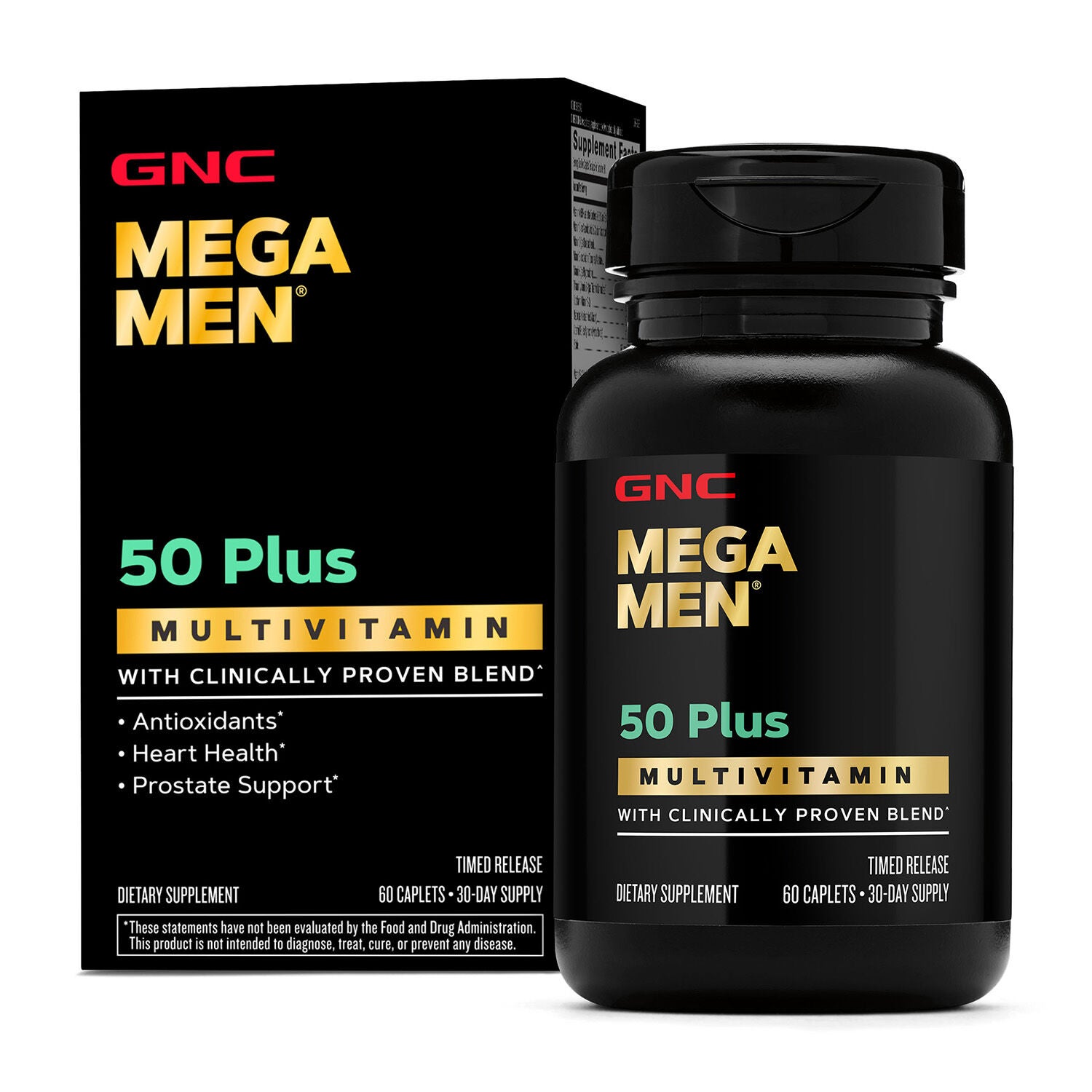


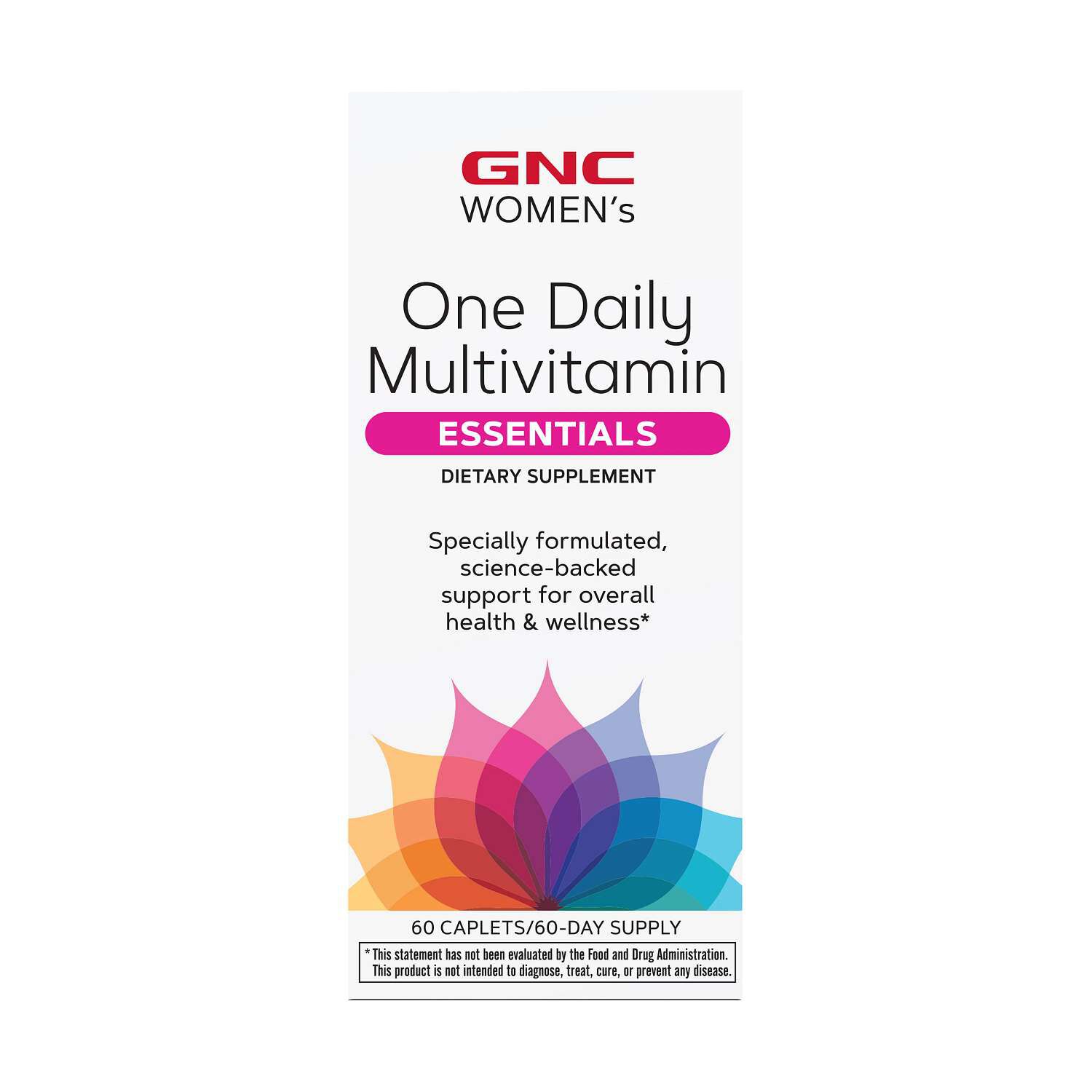


Urinary health supplements are dietary supplements made with ingredients such as cranberry, D-mannose, probiotics, and selected botanical extracts. The category includes single-ingredient formulas and blends, with capsules, tablets, softgels, powders, and chewable formats offering different ways to fit a supplement into an everyday routine. Cranberry is a familiar ingredient in urinary tract supplements, but its form matters when comparing labels: whole-fruit powder and cranberry extract are not interchangeable descriptions. Cranberries contain naturally occurring plant compounds called proanthocyanidins, often abbreviated as PACs. Some labels state an amount of these compounds, while others list only the weight of the cranberry ingredient. An extract’s weight alone does not tell the whole story about its composition, and a larger number on the front of a bottle does not necessarily describe the same ingredient profile as another formula. D-mannose is a type of sugar found naturally in certain fruits and is used in both standalone supplements and combination formulas. Probiotic options contain live microorganisms identified by genus, species, and sometimes an individual strain designation. Botanical blends may include pumpkin seed extract alongside other ingredients, with the precise composition shown on the label. These distinctions give urinary health supplements a broader range of formats and ingredient profiles than their similar-looking packaging might suggest. For an adult comparing a straightforward cranberry capsule with a cranberry and D-mannose powder, the meaningful differences include the ingredient forms, amounts per serving, serving size, and preparation involved. A single-ingredient formula offers a narrower ingredient list, while a blend brings several components into one serving. Neither description, by itself, establishes how well a supplement will suit an individual. The most useful product information is specific: what the formula contains, how much is in a serving, which audience the labeling addresses, and how the product is intended to be taken. This category is about dietary supplementation, with choices shaped by personal preferences as well as the details on each package.
Format is often what makes one urinary health supplement feel more practical than another. Someone who keeps a small morning routine might prefer a capsule taken according to its label, while another person might favor a powder mixed into the stated amount of liquid. Tablets and capsules require little preparation, but their dimensions, coating, and serving count can vary. A serving may consist of more than one capsule, so bottle count and number of servings describe different things. Powders introduce their own considerations, including flavor, texture, mixing directions, and whether the package uses a scoop or individual portions. An unflavored powder is not necessarily without taste, and a fruit-flavored formula may contain sweeteners, acids, or other ingredients that influence the drinking experience. Chewable options have a different texture and often include ingredients for sweetness and consistency. For someone who already takes other dietary supplements, a combination formula adds another ingredient list to consider alongside the existing routine. The Supplement Facts panel and the other ingredients list provide different, complementary information: one describes the declared dietary ingredients and serving amounts, while the other identifies components such as capsule materials, binders, colors, and flavorings. Capsule shells may be made from gelatin or plant-derived materials, a distinction that can matter to shoppers with dietary preferences. Allergen statements and dietary designations also deserve attention as individual label details rather than assumptions based on the main ingredient. A cranberry supplement, for example, is not described fully by the word cranberry on its front panel. Shopping for a particular audience adds another layer of context. The Urinary Tract Support Supplements For Women collection offers a focused category for shoppers interested in formulas labeled for women. Audience-specific packaging is one part of that comparison; the ingredient list, serving directions, and format still distinguish one type of formula from another. Urinary health products are personal purchases, and preferences about ingredients and daily use often matter more than packaging style or a familiar flavor.
Storage and handling are also part of choosing urinary tract supplements for everyday use. Unlike reusable wellness accessories, these products have a dated shelf life and package-specific storage requirements. A tightly closed container in a location that meets the label’s temperature and moisture directions presents a different storage situation from a bottle left in a humid bathroom or a bag inside a parked car. During the cooler months, indoor heating, travel, and changes to household routines can make a consistent storage location especially useful. A kitchen cabinet away from steam may be convenient if it meets the package instructions, while a bedside location might not suit a product with different storage requirements. Probiotic formulas deserve particular attention to their stated storage conditions, since requirements vary by formulation. Their labels may list colony-forming units, commonly abbreviated as CFUs, along with information about when that count applies. The strain names, count statement, and storage directions describe separate aspects of the product; none should be inferred from the word probiotic alone. Powder containers also have handling details worth considering, such as keeping the lid secure and following any directions about the measuring utensil. Individually packaged portions involve less measuring, although they still require the preparation and storage specified on the label. For travel, original packaging keeps the ingredient panel, directions, date information, and product identification together. That can be more practical than carrying an unlabeled container, particularly when several supplements look alike. Intended use matters just as much as portability: these formulas are dietary supplements, not substitutes for individualized medical care, and their labels define the audience and directions for each formulation. A household purchase for another adult is best grounded in that person’s expressed preferences rather than assumptions about age or gender. Across cranberry supplements, D-mannose formulas, probiotic options, and botanical blends, a thoughtful comparison comes back to clear ingredient information, an appropriate format, manageable preparation, and storage that fits the household. Those concrete details make a category with many similar names easier to understand without treating every formula as equivalent.
Best Sellers
-
 GNC Men's