

Vanilla Flavored Protein Isolates
(0 Results)
Vanilla flavored protein isolates offer a smooth and versatile way to support your nutrition goals. With their delicious taste and easy mixability, these protein options may fit seamlessly into a variety of recipes, shakes, or smoothies. Whether you’re looking to enhance your daily routine or simply enjoy a classic vanilla flavor, vanilla flavored protein isolates could be a convenient choice for those seeking quality protein with a hint of sweetness.

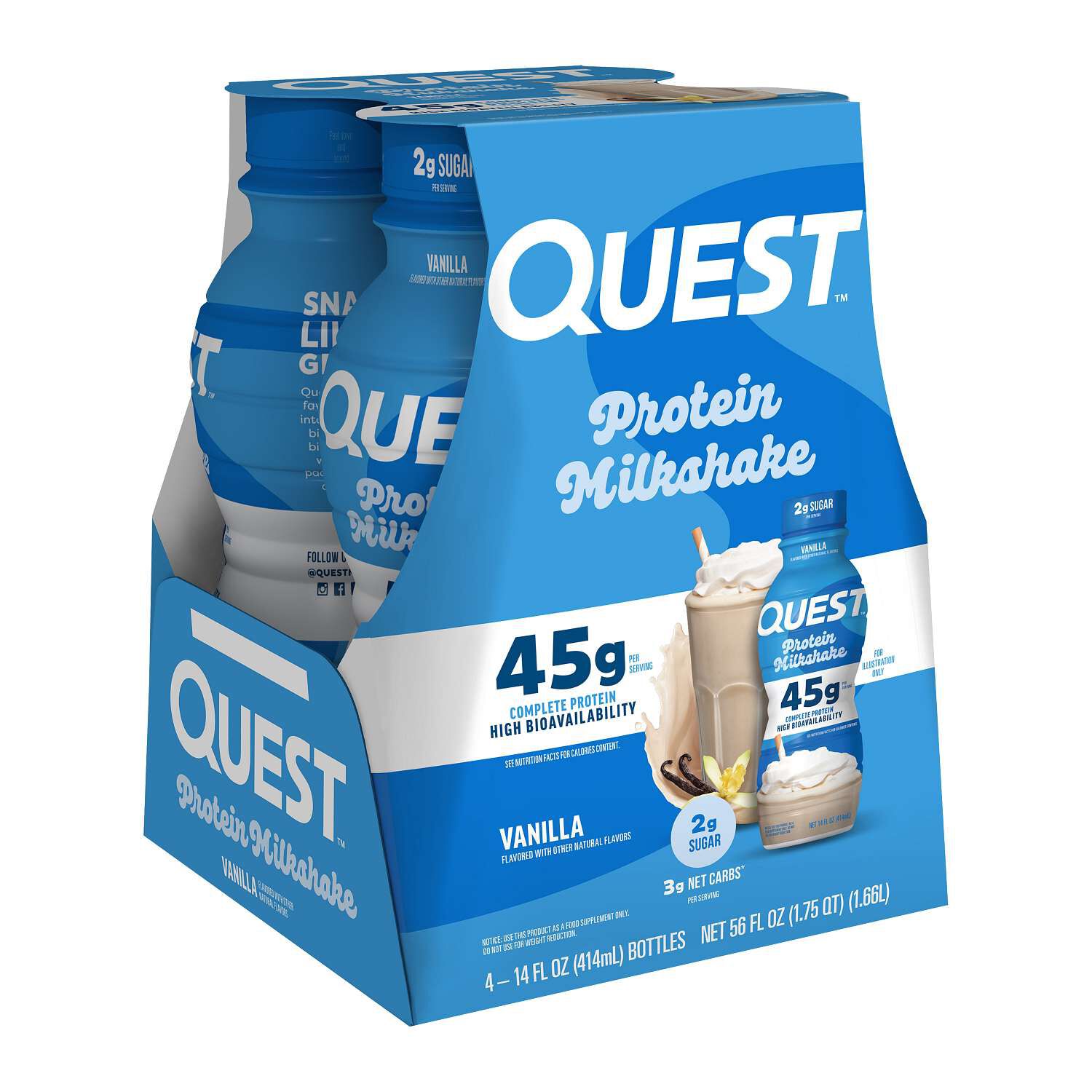
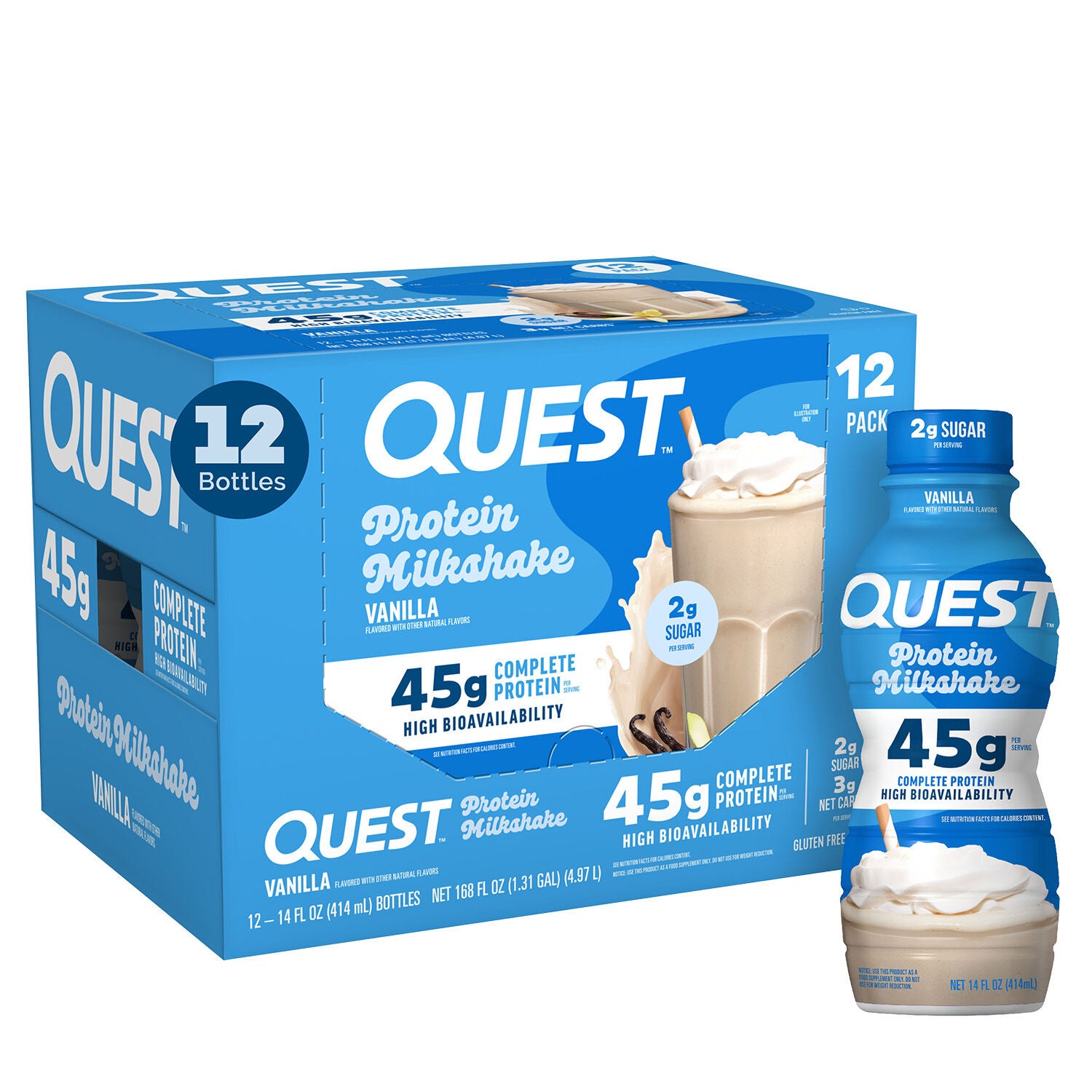
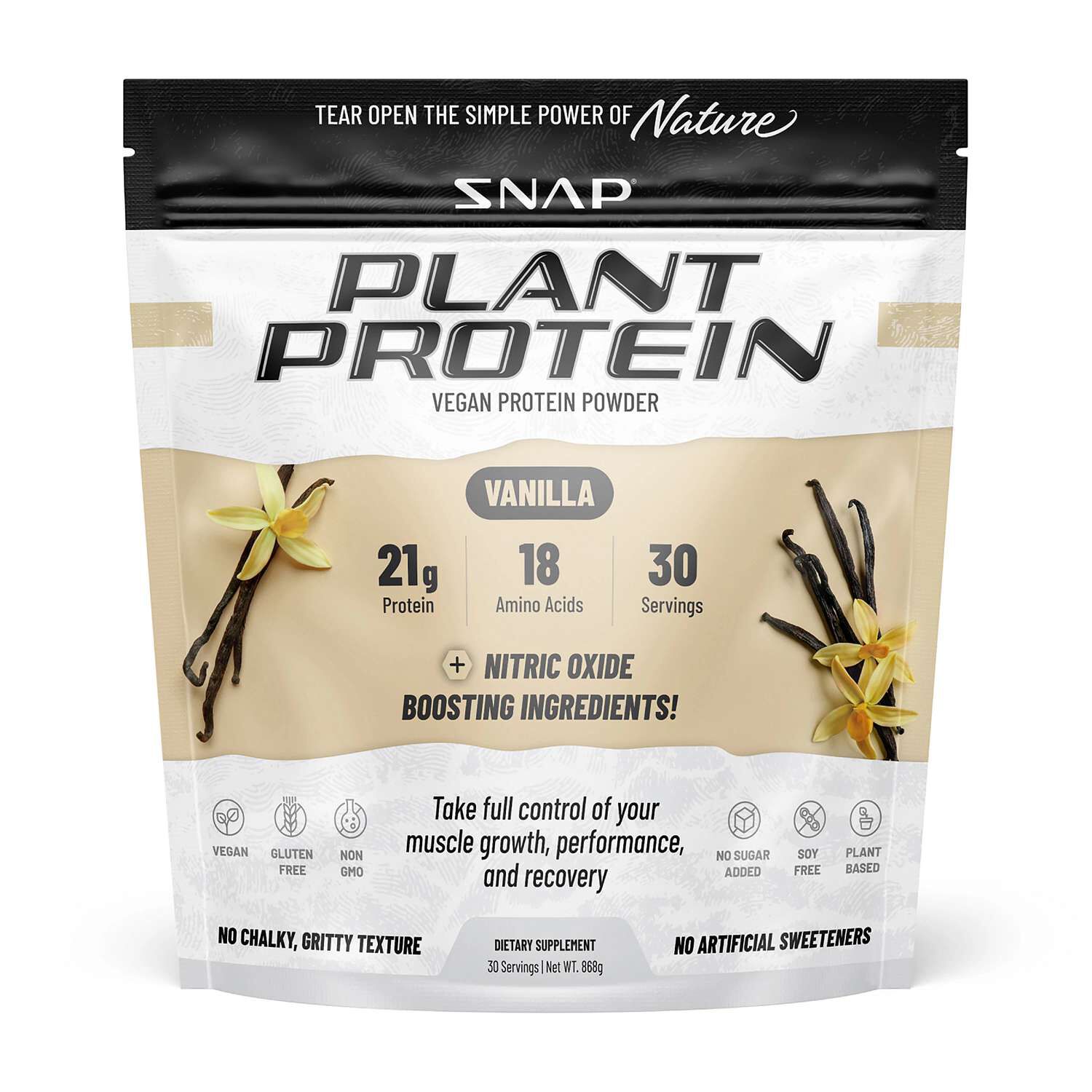
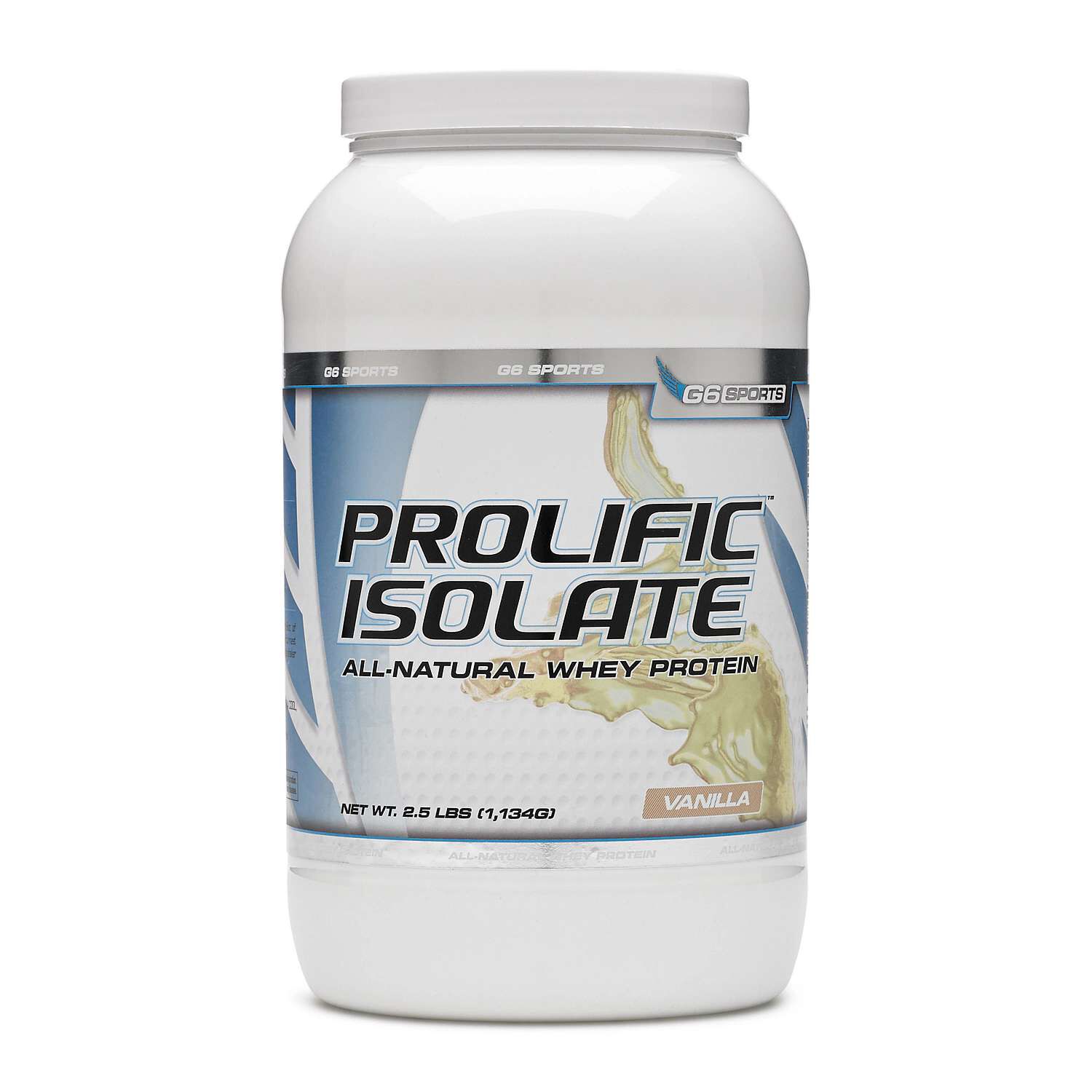
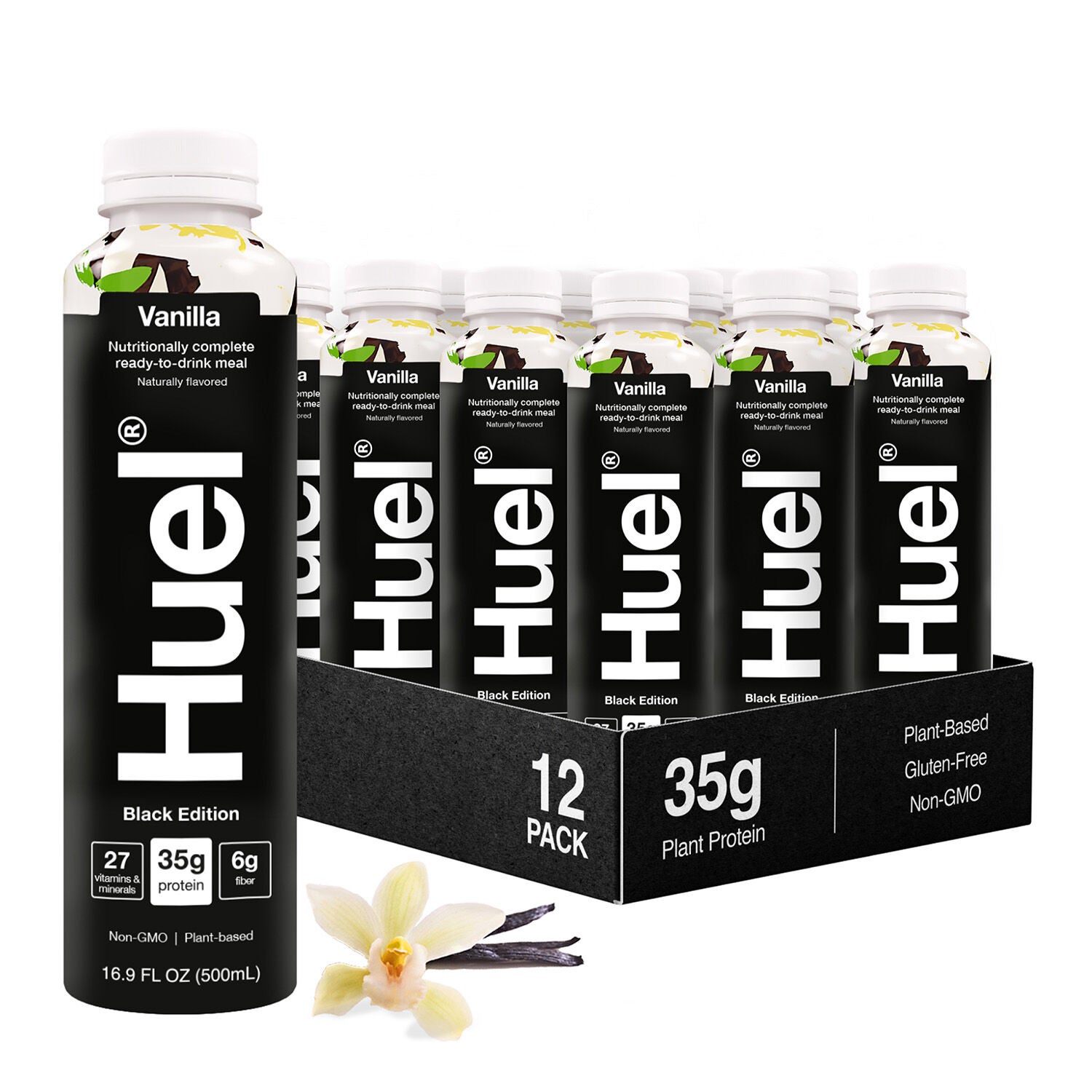
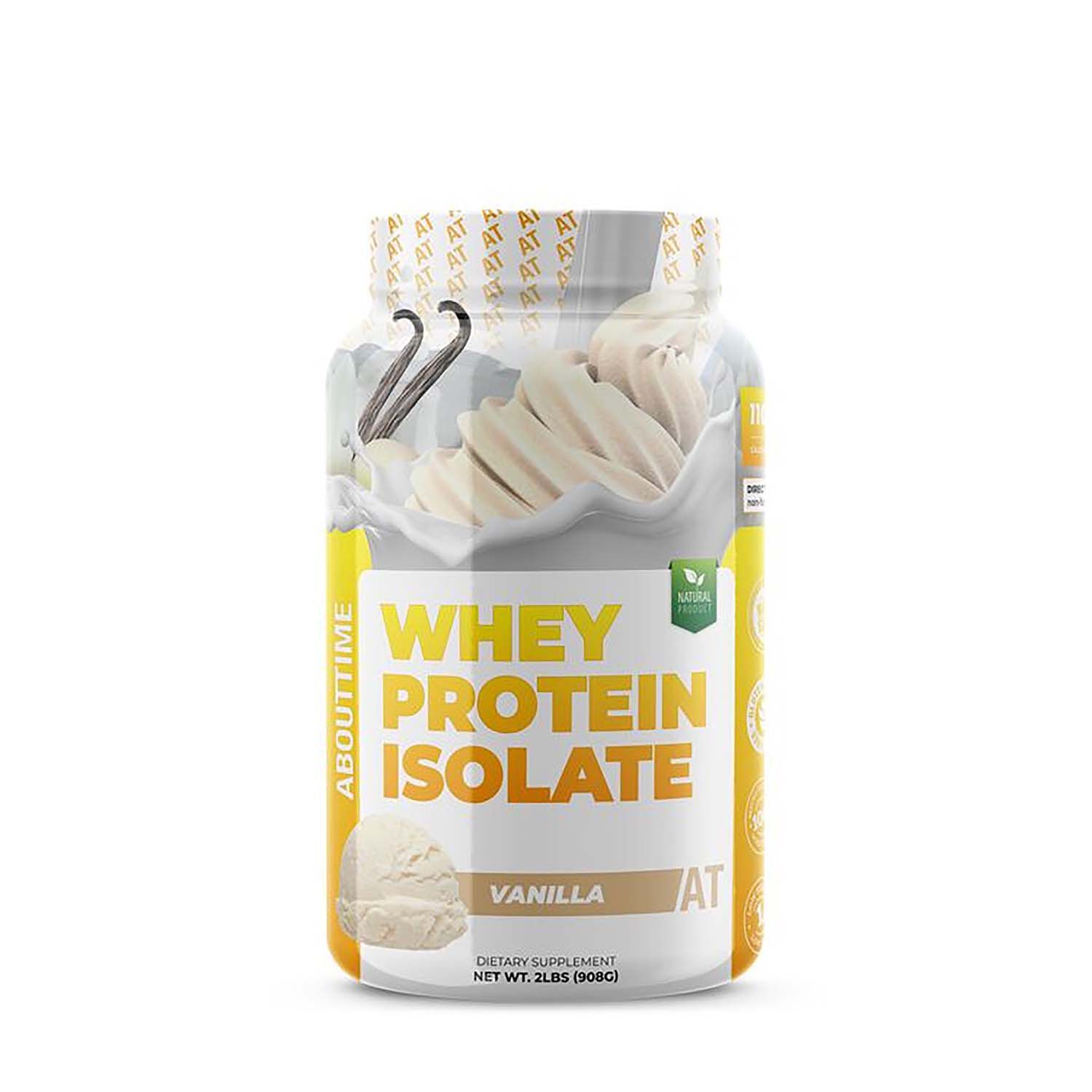
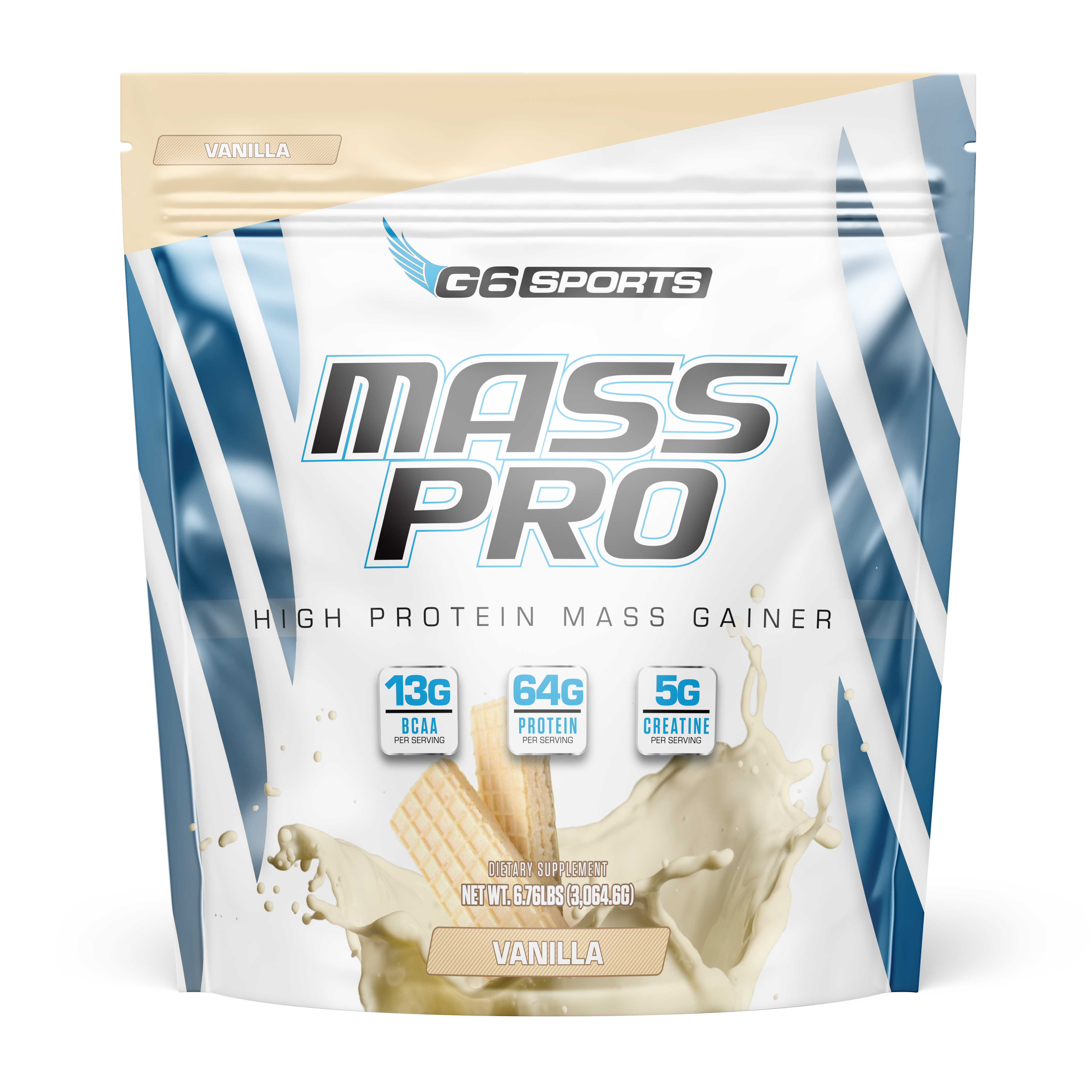


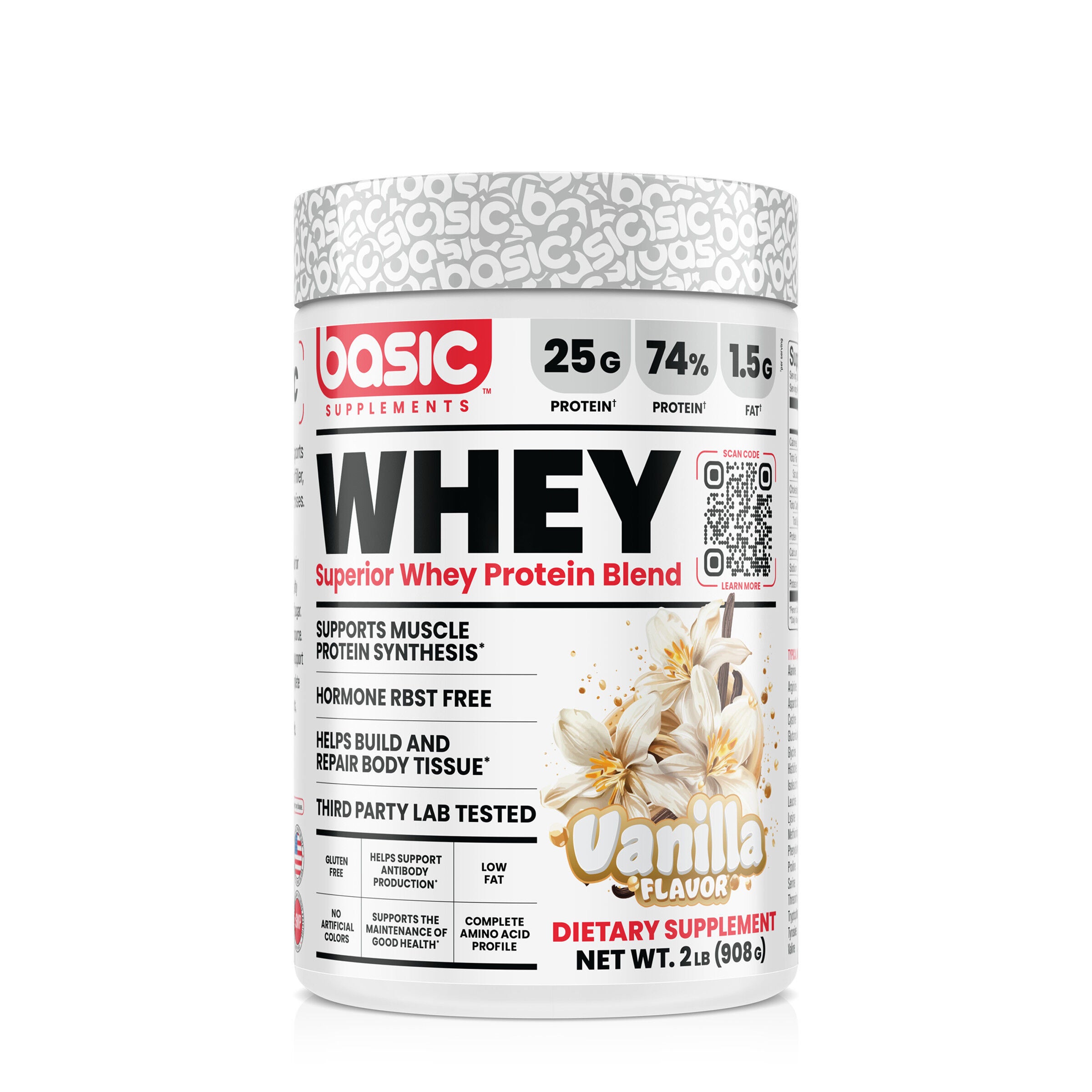
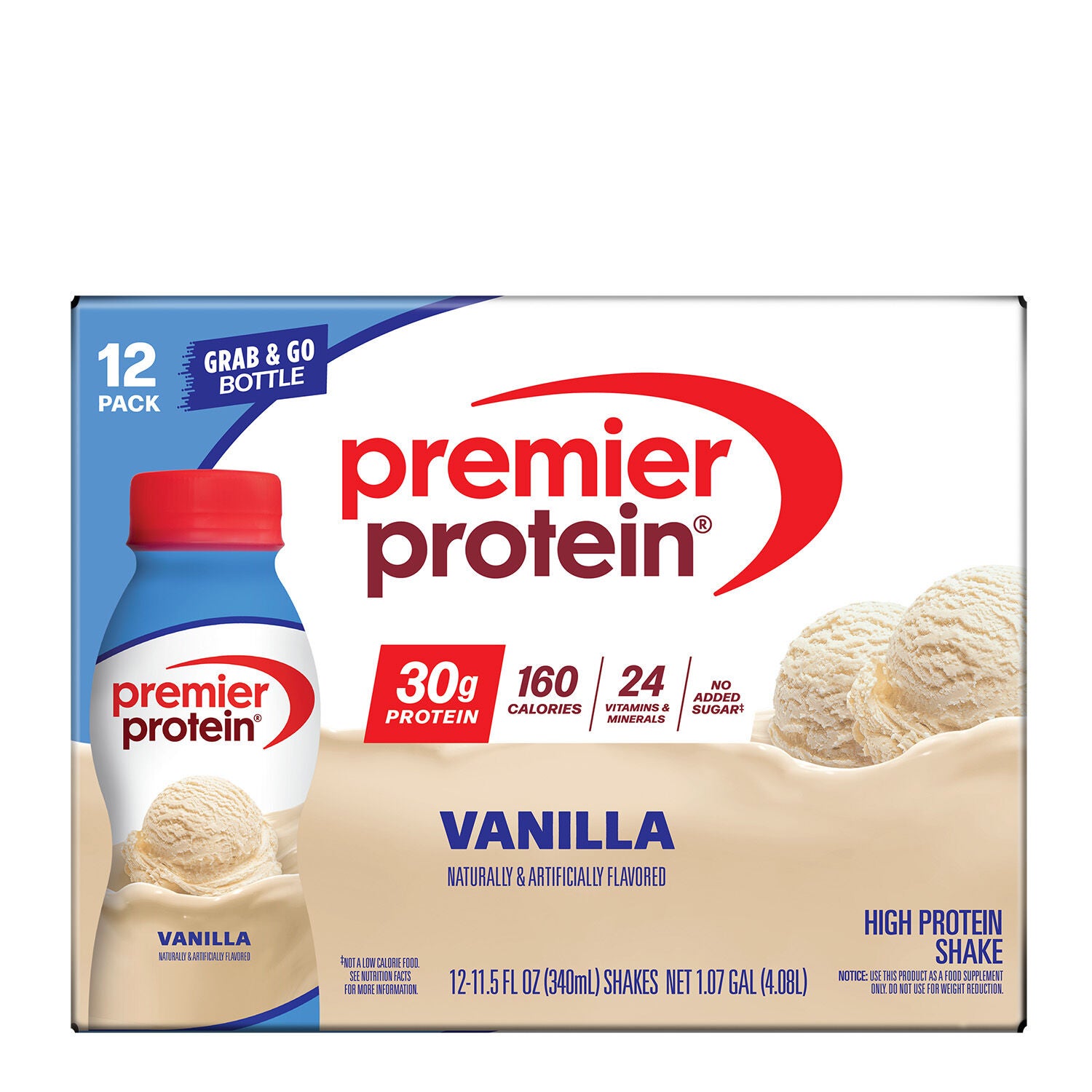
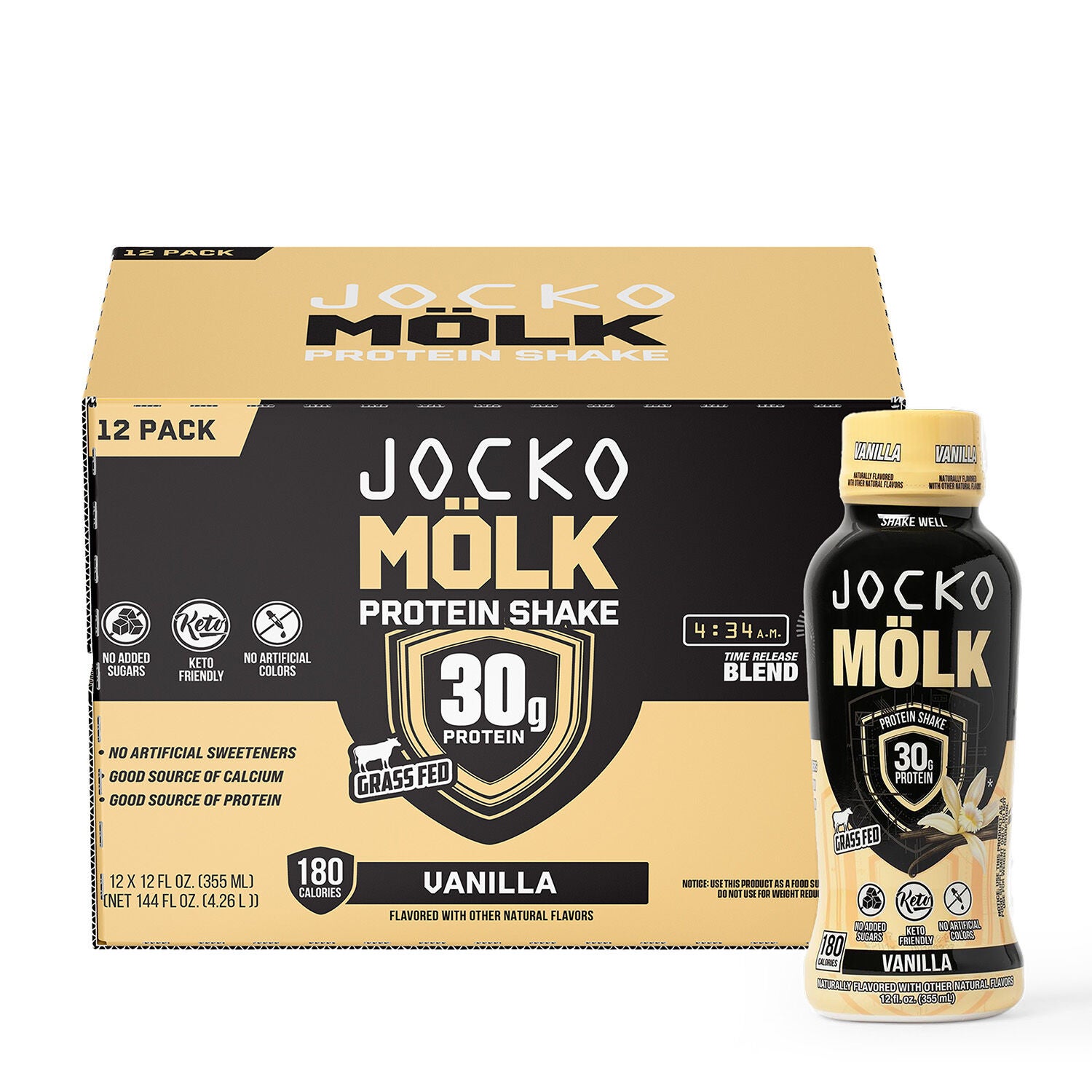
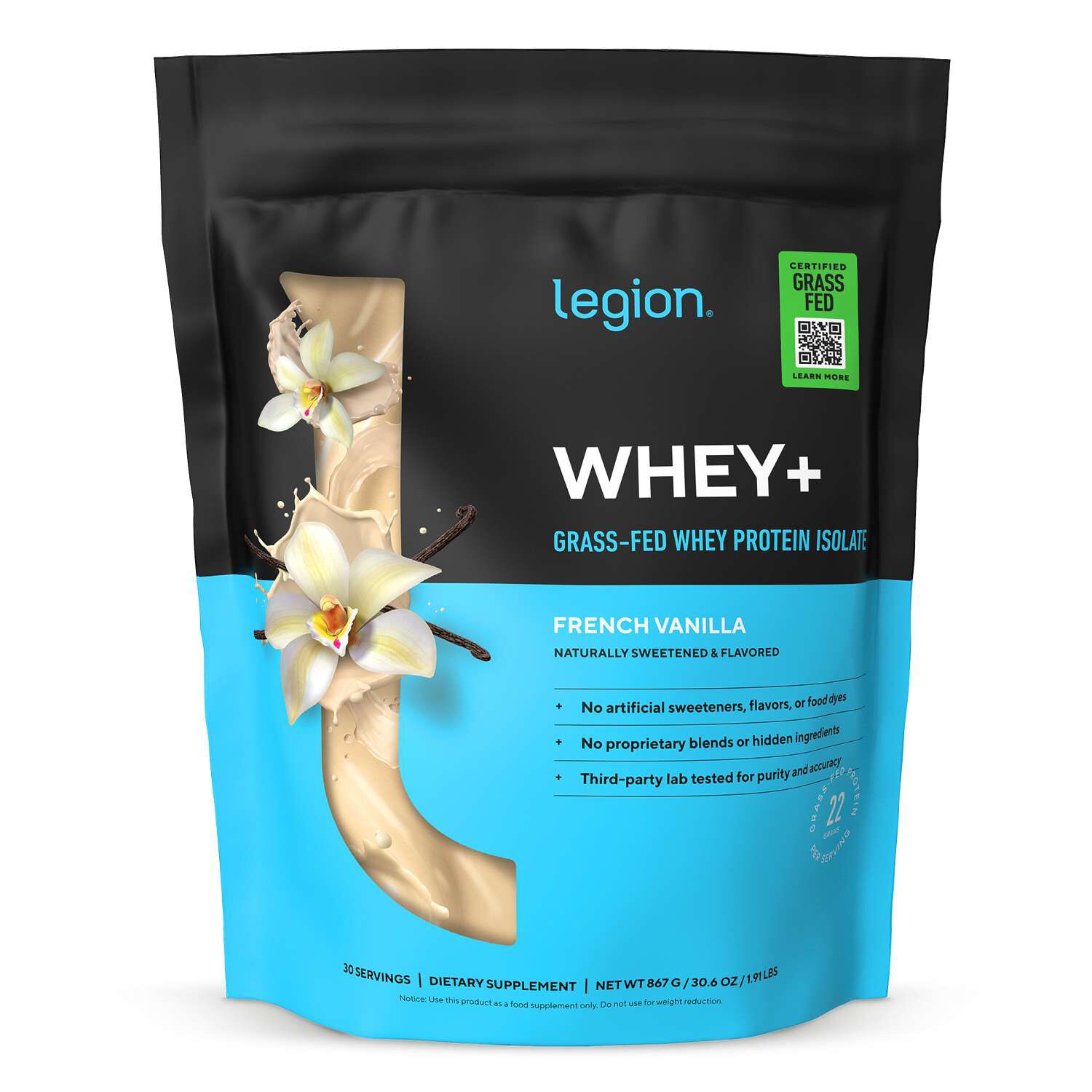
Vanilla flavored protein isolates pair a concentrated protein source with a familiar flavor that fits into shakes, smoothies, and everyday recipes. An isolate is a protein ingredient processed to separate much of the protein from other components of its original source, such as fat and carbohydrates. Whey protein isolate comes from milk, while plant-derived isolates may come from sources such as peas or soy. The word “isolate” describes the protein ingredient, not every ingredient in the finished powder: flavorings, sweeteners, emulsifiers, and other additions still shape its nutritional profile and preparation characteristics. Many vanilla protein isolate powders provide approximately 20 to 30 grams of protein per serving, though the amount varies by formula and serving size. Carbohydrate, fat, and sugar amounts also differ, so the Nutrition Facts or Supplement Facts panel is more useful than flavor names or front-label descriptions alone. A serving is not always a single scoop, and scoops are not interchangeable between containers. Comparing the labeled serving weight alongside the protein amount gives a clearer picture of what each portion contains. Vanilla itself covers a surprisingly broad range of tastes, from a gentle, almost milk-like note to a richer flavor reminiscent of custard or vanilla bean. Some formulas emphasize sweetness; others have a more restrained profile intended to blend with additional ingredients. Descriptions such as creamy vanilla or French vanilla suggest a flavor direction, but the ingredient list provides more concrete information about sweeteners and flavoring ingredients. For someone who prefers a familiar base rather than a strongly flavored shake, vanilla offers room for variety without requiring a different powder for every recipe. It belongs just as naturally beside frozen berries and a blender as it does beside a shaker bottle packed for a busy day. That flexibility makes vanilla protein isolate relevant to people with varied schedules, taste preferences, and ways of preparing food.
The most useful distinctions between vanilla protein isolates begin with their protein source and intended use. Someone who chooses dairy ingredients may prefer whey isolate, while someone who follows a plant-based eating pattern may look for a plant-derived isolate and check the rest of the formula for animal-derived ingredients. Whey isolate is still milk-derived, even when processing reduces its lactose content; the isolate designation alone does not establish whether a powder suits a particular dietary restriction. Allergen statements, ingredient lists, and any relevant certifications deserve a careful read. Soy-derived ingredients can appear in formulas that use another protein source, including as emulsifiers, so the main protein name does not tell the whole story. Sweetener preferences matter, too. Some powders contain sugar, some use high-intensity sweeteners, and others combine sweetening ingredients. The listed sugar amount does not necessarily describe how sweet the prepared drink will taste. For a simple shake mixed with water, the powder’s own flavor has little to hide behind, making sweetness, aroma, and aftertaste particularly noticeable. In a smoothie with banana, oats, and nut butter, those same characteristics share space with several other flavors. Texture preferences are equally personal: a thin, lightly flavored drink and a thick, spoonable smoothie call for different preparation choices. Mixing directions provide a useful starting point for the liquid amount, while the nutrition panel helps distinguish the powder’s contribution from that of milk, fruit, or other additions. Someone tracking protein intake for an exercise routine may focus on protein per labeled serving, while a frequent traveler may place more emphasis on portioning and preparation. For athletes whose organizations require particular testing standards, the exact certification and its scope matter more than a general statement about testing. Shoppers comparing vanilla across other supplement categories can also explore Vanilla Flavored Supplements, keeping in mind that a shared flavor does not mean a shared protein source, serving size, or nutritional profile.
Everyday preparation is where the differences between vanilla flavored protein isolates become most tangible. A shaker bottle at a desk, a blender on the kitchen counter, and a bowl of oats each present a different setting for the same flavor. For a straightforward drink, follow the package directions for the order of ingredients, liquid quantity, and mixing method. Where those directions allow, adding liquid before powder may help limit dry pockets around the bottom of the container. A little more liquid may produce a lighter consistency, while a smaller amount may leave a thicker mixture; the powder’s own formulation matters as much as the ratio. Water keeps the recipe simple, whereas milk or a plant-based beverage brings its own flavor and nutrients. Vanilla pairs with ingredients as different as tart raspberries, ripe banana, cinnamon, and cocoa, so small changes in the recipe offer variety without changing the basic flavor of the powder. During the cooler months, oatmeal and baked recipes may be appealing alternatives to a cold shake, but not every isolate behaves the same way when heated. Use recipes developed for protein powder rather than treating it as an equal replacement for flour, and follow any preparation guidance on the label. Start with a modest batch when trying an unfamiliar recipe; sweetness and texture are easier to assess before preparing several portions. Storage and handling also matter for a powder used repeatedly over time. Keep the container closed in the location specified on its label, use a clean, dry scoop, and avoid introducing moisture into the powder. For days away from home, a clean, securely closed portion container keeps dry powder separate until mixing time. Prepared shakes containing perishable ingredients need appropriate refrigeration, and bottles deserve thorough washing between uses, including around lids and seals. Package size is worth considering in relation to serving frequency and the labeled date, rather than simply choosing the largest container. The most suitable vanilla isolate is one whose ingredients, serving details, flavor, and preparation requirements fit comfortably into the way it will actually be used.