





Vegetarian Joint Supplements For Mobility
(0 Results)
Vegetarian joint supplements for mobility offer a convenient way to support your active lifestyle while aligning with plant-based preferences. These supplements may provide nutrients and herbal ingredients that could help maintain joint comfort and flexibility. Whether you’re looking to stay active or simply want to support overall joint wellness, vegetarian joint supplements for mobility might fit seamlessly into your daily routine. Explore options designed with vegetarian-friendly formulas that may complement your commitment to mindful living.
-

-

-
-
-

-

-

-

-
-

-

-

-

-

-

-

-

-
 $39.99
 -
 $44.99


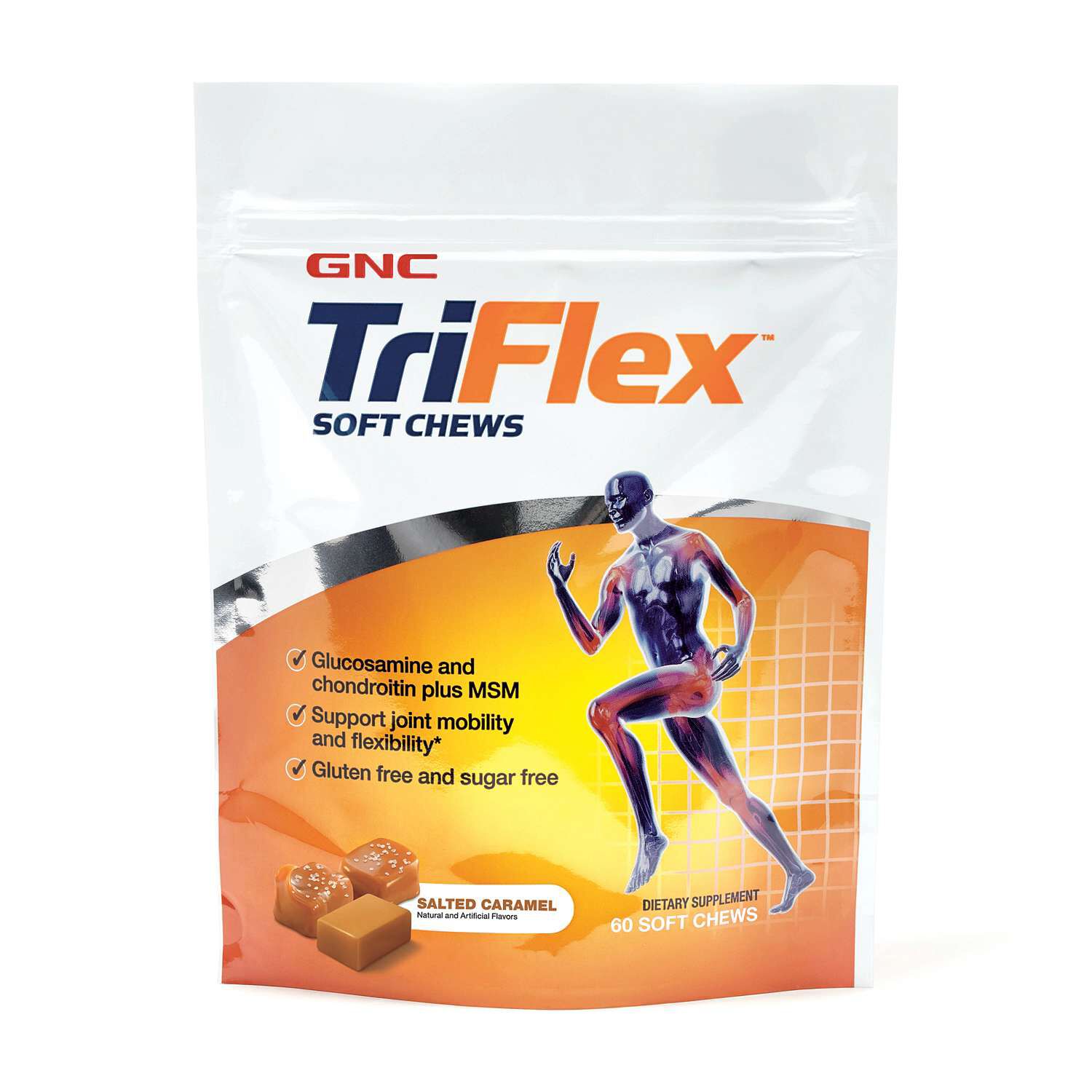
Vegetarian joint supplements for mobility are dietary supplements formulated with ingredients and serving formats suitable for a vegetarian eating pattern. They may complement a wellness routine that includes everyday movement, varied meals, and time for rest. For someone who enjoys neighborhood walks, spends afternoons gardening, or moves between a desk and an active commute, the category connects an interest in mobility with preferences about ingredient sourcing. The vegetarian distinction depends on more than a botanical name on the front of a bottle. Both the main ingredients and the capsule, coating, or other delivery materials matter. Glucosamine illustrates why sourcing deserves attention: conventional glucosamine often comes from shellfish, while some vegetarian forms are produced through fermentation using plant-based starting materials, such as corn. The ingredient name alone does not establish its origin, so an explicit source statement or vegetarian designation provides useful context. Gelatin is another consideration because it is animal-derived and can appear in capsules or gummies. Cellulose capsules and pectin-based gummies represent alternative formats, although the entire formula still needs to match the stated dietary preference. Vegetarian and vegan are not interchangeable descriptions. A vegetarian formula may contain certain animal-derived ingredients that a vegan shopper would avoid, such as ingredients associated with dairy or wool. Clear labeling helps distinguish those choices without relying on assumptions about packaging color or imagery. Similarly, a formula containing turmeric or another plant extract is not necessarily vegetarian if its other components come from animal sources. Reading the active ingredients alongside the other ingredients gives a fuller picture of the formulation. For shoppers who already follow a vegetarian eating pattern, this attention to detail connects supplement selection with the same ingredient awareness used when choosing groceries. For those simply exploring alternatives to shellfish-derived formulas, it creates a practical starting point. The most useful distinction is the actual source and composition of the supplement, rather than a broad impression that every joint-focused formula has the same ingredients.
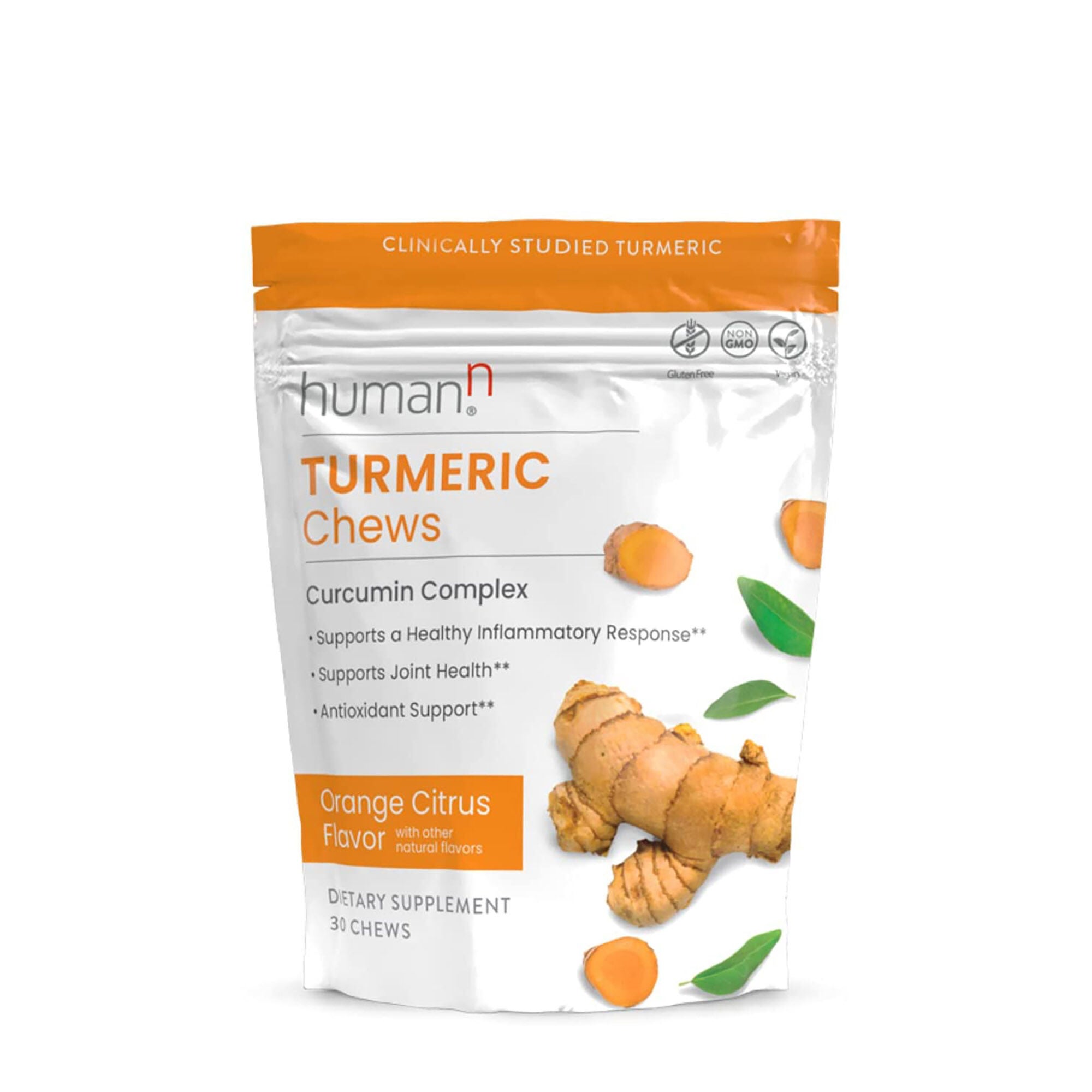
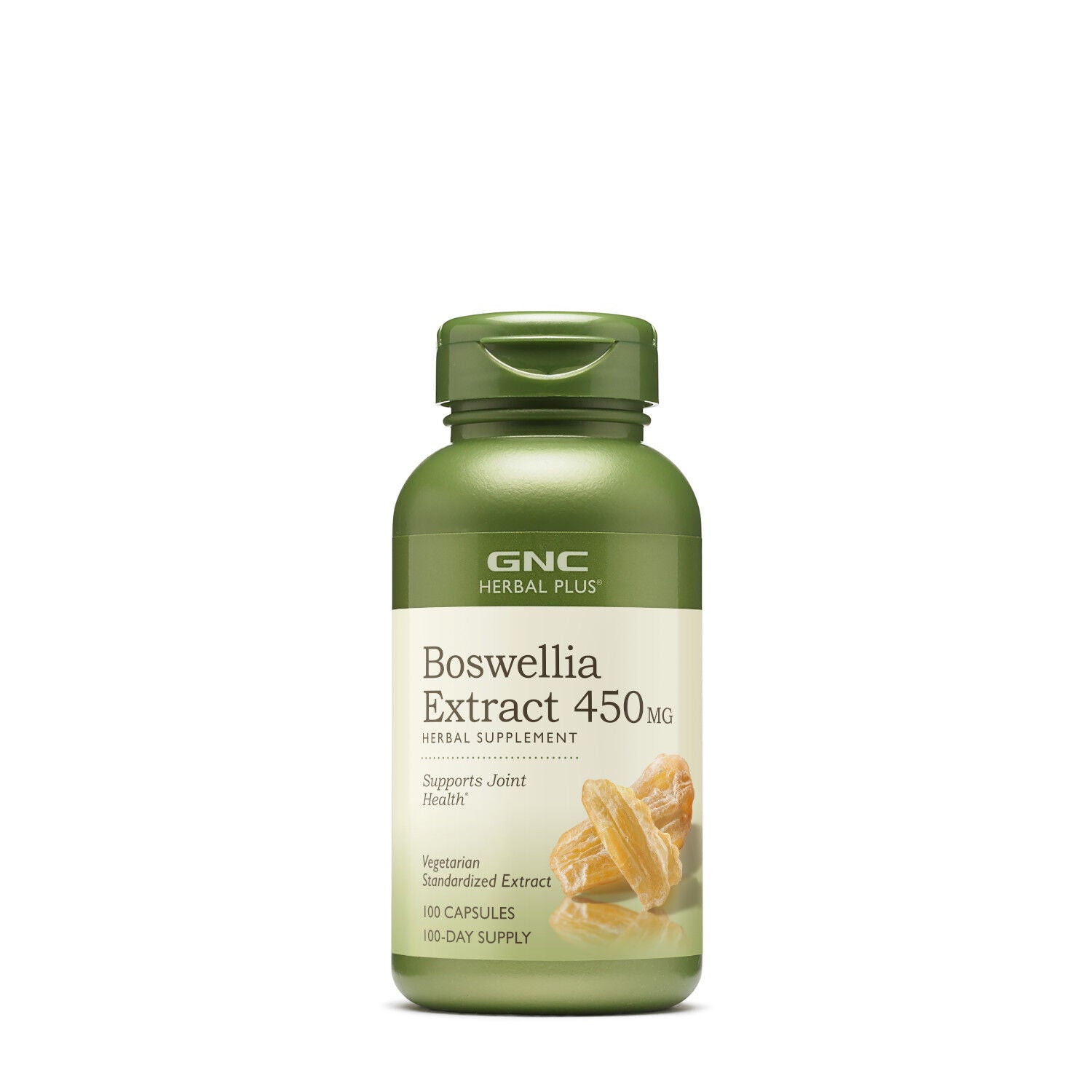
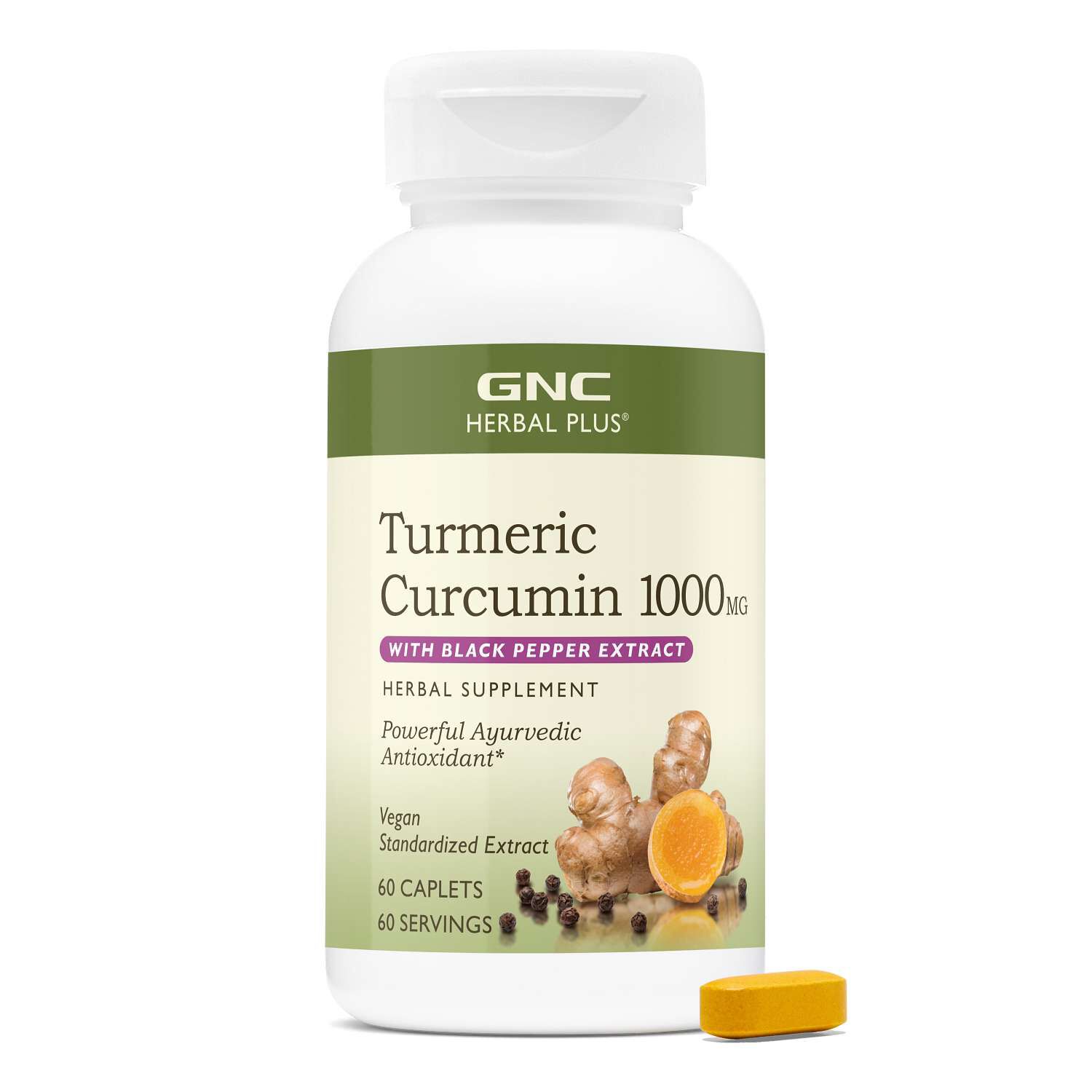
Common ingredients in vegetarian joint supplements include fermentation-derived glucosamine, methylsulfonylmethane, often abbreviated as MSM, turmeric, and boswellia. These names describe different substances, not interchangeable versions of one ingredient. MSM is a sulfur-containing compound found in some joint-focused formulas; its name does not identify an animal source, but a vegetarian designation remains useful when evaluating the finished supplement. Turmeric is a plant whose underground stem, or rhizome, is used to make powders and extracts. Curcumin is one of the compounds found in turmeric, so turmeric powder and a concentrated curcumin-containing extract are not identical forms. Boswellia extracts come from the resin of trees in the Boswellia genus, with Boswellia serrata commonly appearing on supplement labels. A formula may feature one of these ingredients or combine several, depending on its intended use. Those differences make the Supplement Facts panel more informative than a short description on the front label. It shows the listed ingredients, their amounts, and the serving size used to calculate those amounts. Two bottles can display similar ingredient names while using different serving sizes or proportions. A stated amount per serving also differs from an amount per capsule when a serving includes several capsules. With botanical ingredients, the plant part, extract description, and any stated standardization provide additional context. Standardization identifies a specified amount or proportion of selected compounds; it does not make every extract interchangeable or establish that a larger number is a better match. Single-ingredient formulas keep the ingredient list focused, while combination formulas bring several components into one serving routine. Neither format is automatically the better choice for every shopper. Comparing the full ingredient lists is particularly useful when other supplements are already part of the daily routine. Flavorings, sweeteners, colors, and coatings also belong in that comparison. For vegetarian shoppers, the practical goal is a clearly described formula whose ingredient sources, serving requirements, and format align with personal preferences.
The serving format shapes how a vegetarian joint supplement fits into an ordinary day. Capsules may suit someone who prefers a format with little preparation, while tablets bring their own considerations around dimensions, coating, and the number included in a serving. A powder requires measuring and mixing, making the suggested serving and preparation directions worth reviewing before choosing it for a morning routine. Flavored powders also introduce taste and texture considerations, especially when paired with a familiar beverage. Chewables and gummies have different textures, and their sweeteners, flavorings, and gelling ingredients can matter as much as the main ingredients when selecting a vegetarian option. Someone who leaves early for a walk before work may prefer a different format than someone who has time to mix a drink at the kitchen counter. A shopper who travels frequently may pay closer attention to container size and the practicality of keeping the supplement in its original labeled packaging. These are everyday fit considerations rather than signs that one format is inherently more effective. The broader Supplements For Daily Mobility collection offers another way to explore this category, with ingredient sourcing remaining an important consideration for vegetarian preferences. Once a format is selected, its labeled storage conditions and expiration date provide the relevant care information. A tightly closed container, protection from moisture where directed, and storage away from a steamy bathroom may help preserve the intended condition of the contents. Powders and gummies can have different storage requirements from tablets or capsules, so the instructions on the particular package matter. Keeping the label accessible also preserves serving information and ingredient details for later reference. Intended use matters throughout the selection process: vegetarian joint supplements may support an everyday mobility-focused wellness routine, but the category name alone does not establish what an individual formula may offer. Clear sourcing, readable ingredient information, manageable serving requirements, and suitable packaging make meaningful points of comparison for adults who want their supplement choices to reflect both their dietary preferences and the practical rhythm of daily life.

