





Vegetarian Metabolism Tablets
(0 Results)
Vegetarian metabolism tablets offer a convenient way to support your wellness routine while aligning with plant-based preferences. Formulated for those seeking vegetarian-friendly options, these tablets may fit seamlessly into a balanced lifestyle. Whether you’re looking to complement your daily nutrition or explore new ways to prioritize your well-being, vegetarian metabolism tablets could be a great addition to your supplement regimen. Explore a variety of options designed to suit your unique needs and goals.
-
-

-
-

-

-
-
-
-

-
 Purity Products$49.99
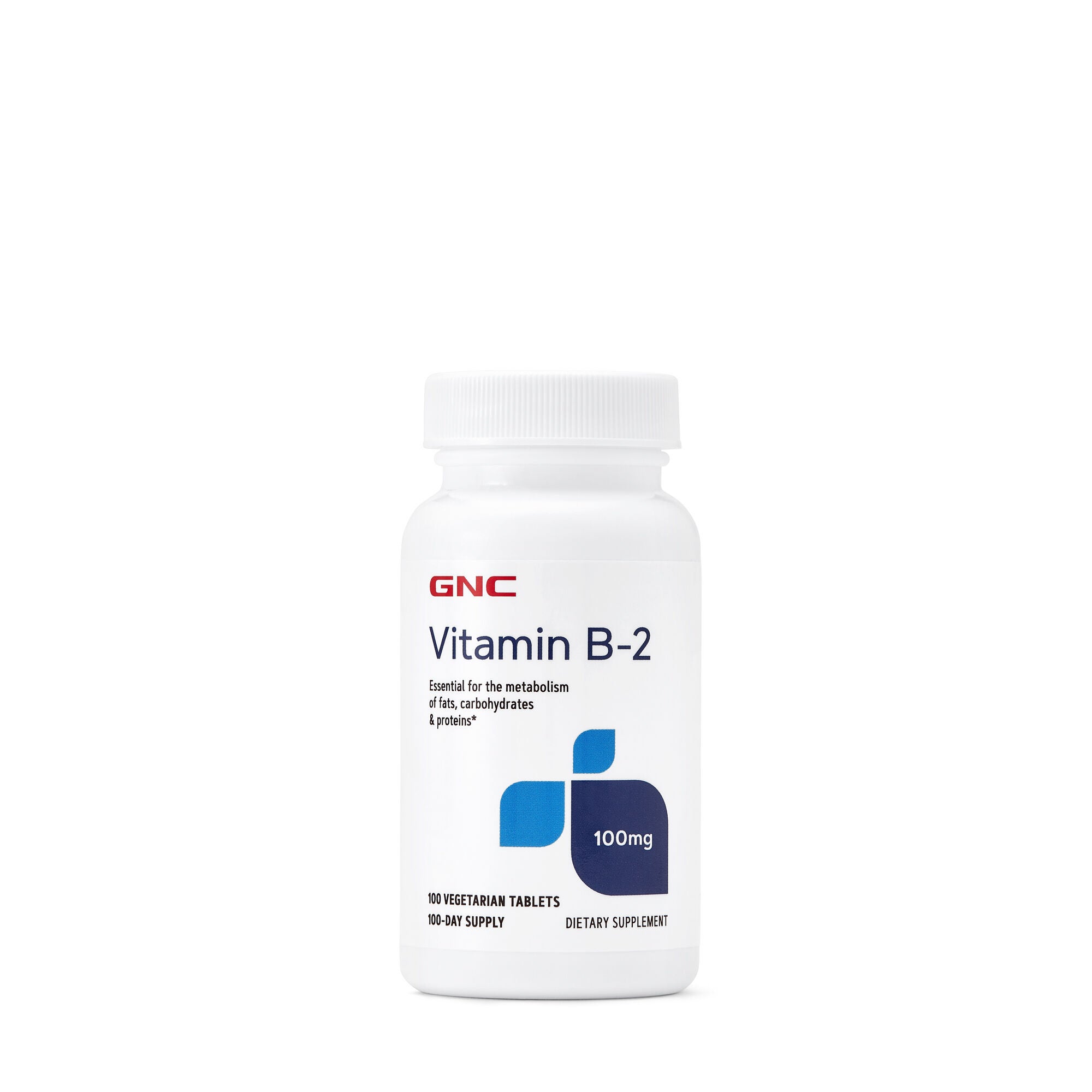
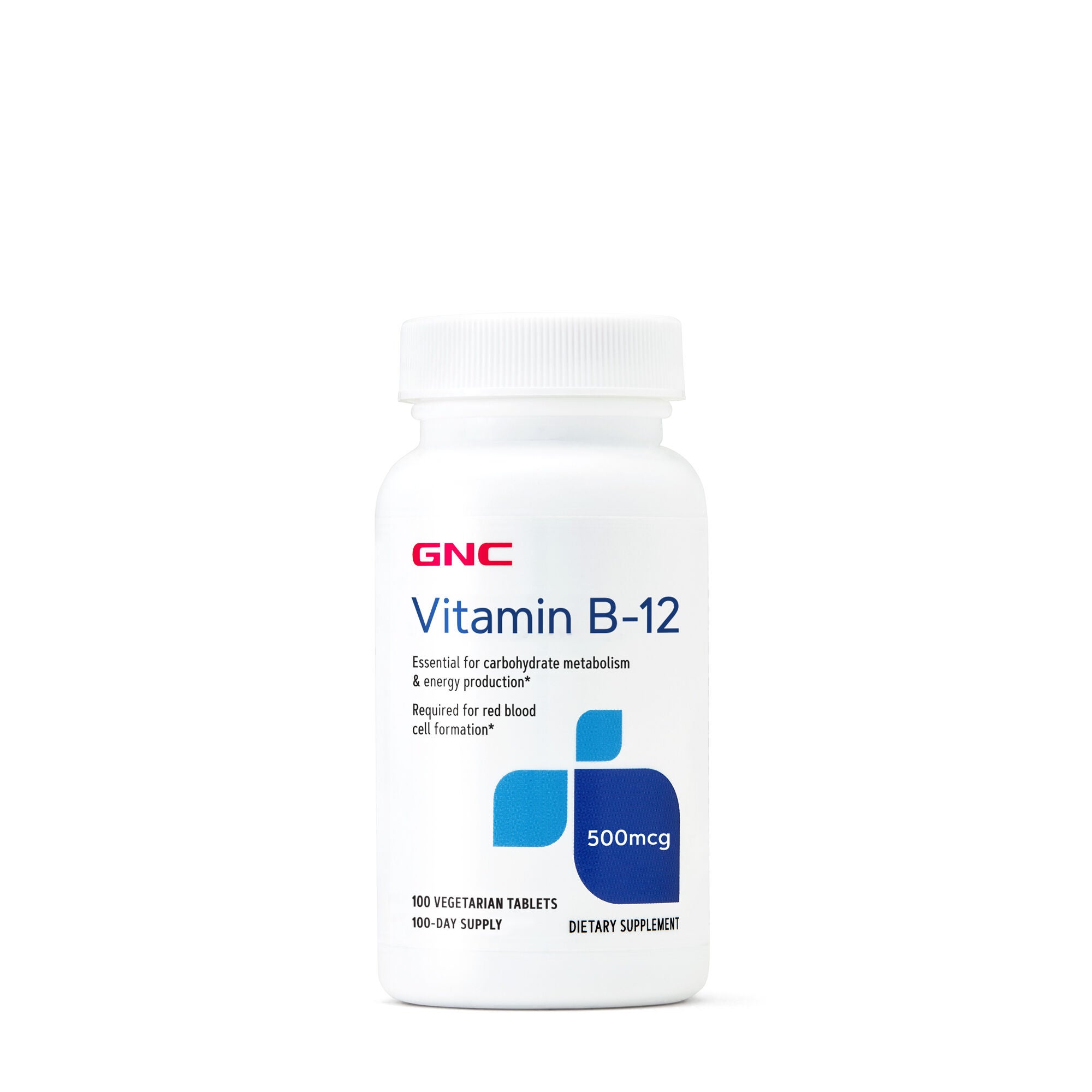
Vegetarian metabolism tablets are dietary supplements intended for adults who prefer a tablet format and ingredients suited to a vegetarian eating pattern. Depending on the formula, they may contain individual vitamins, minerals, botanical extracts, or combinations of these ingredients. The word “metabolism” describes the many processes through which the body uses nutrients, including the conversion of food into energy; it does not identify one standard supplement formula. That distinction matters when comparing bottles with similar descriptions. A tablet centered on B vitamins has a different ingredient profile from one featuring green tea extract or a blend of botanicals. Certain nutrients, including vitamin B12, may support normal energy metabolism, but that is not the same as producing a noticeable burst of energy or changing body weight. Ingredient identity, amount per serving, and intended use provide a clearer picture than the category name alone. For someone who eats mostly beans, grains, vegetables, eggs, and dairy, the relevant considerations may differ from those of someone whose meals contain no animal-derived ingredients. Naturally occurring vitamin B12 is found primarily in animal foods, while fortified foods and supplements provide additional sources. Even so, a vegetarian eating pattern does not automatically call for every ingredient found in a metabolism supplement. These tablets are best understood as distinct formulas to compare within the context of everyday food choices, rather than interchangeable additions to any routine. Some shoppers prefer a narrowly focused ingredient list because it is easier to review alongside their other supplements. Others are interested in a combination formula and want to understand the role and quantity of each component. In either case, the Supplement Facts panel offers the most useful starting point: it identifies the listed dietary ingredients, their serving amounts, and, where established, their Daily Values. Reading that panel alongside the directions makes the difference between recognizing an appealing category description and understanding what a serving actually contains.
The vegetarian designation deserves a close look because the dietary ingredients are only part of a tablet. Binders, coatings, colorants, and other ingredients also belong in the comparison. Tablets are generally made by compressing ingredients into a solid form, sometimes with a coating, while capsules hold their contents inside a shell. A tablet does not have a capsule shell, but its shape alone does not establish whether every component meets a vegetarian preference. The label’s dietary statements and other-ingredients list are more informative than appearance. Vegetarian and vegan also have different meanings: a vegetarian designation does not necessarily exclude ingredients derived from eggs or dairy, whereas a vegan designation generally indicates the exclusion of animal-derived ingredients. For shoppers with more specific preferences, clearly stated ingredient sources and identified third-party certifications can make the selection process less ambiguous. A botanical name on the front of a bottle likewise does not establish the suitability of the entire formula. Green tea extract, for example, can appear in products with different extract amounts, different accompanying ingredients, and different caffeine content. An extract amount is not automatically a statement of its caffeine amount. Someone who already drinks coffee with breakfast or tea throughout the afternoon may want the caffeine information to be readily identifiable when comparing formulas. If the label does not specify it, the botanical name alone is not enough to determine the quantity. Blend labeling warrants similar attention. When several ingredients appear under a shared blend amount, the individual quantities may not be disclosed, which can make direct comparisons more difficult. Serving size introduces another practical distinction: one serving may consist of one tablet or several, depending on the product. A bottle containing more tablets does not necessarily contain more servings. Comparing the amount per serving, the number of tablets in that serving, and the labeled directions keeps the focus on the actual format and intended use. These details are particularly relevant for adults who already take a multivitamin or another supplement with overlapping ingredients, since similar nutrients can appear across very different product categories.
Everyday fit is another part of choosing vegetarian metabolism tablets. A compact tablet and a larger coated tablet can feel quite different to someone who has a strong preference about supplement size or texture. Product descriptions may identify those physical details, but photographs do not always convey dimensions accurately. Directions also vary, including whether a serving is taken with food and whether it is divided across the day. For a person whose breakfast is usually eaten at a desk, a formula with mealtime directions presents a different practical consideration from one intended for another schedule. The useful comparison is between the labeled routine and the routine that person actually follows, not an imagined version of a perfectly organized day. Tablet format can appeal to shoppers who prefer supplements without the preparation involved in powders or the flavor and texture of chewable formats. Still, tablets and capsules are separate formats, and a preference for one need not extend to the other. Shoppers comparing adjacent categories can also explore Vegetarian Weight Loss Supplements Capsules, while keeping the ingredient list, dietary designation, and intended use of each formula distinct. Category labels are not evidence of a particular outcome, and a metabolism supplement should not be equated with weight loss. For storage and handling, the original packaging provides a useful reference for directions, ingredient details, and the expiration date. Keeping the container closed and following its storage instructions are practical ways to care for tablets between uses. Packaging condition and legible labeling matter more than treating a supplement as a durable household item; tablets have a stated shelf life rather than an indefinite period of use. Across this category, the most meaningful differences are often concrete: a clearly identified nutrient source, an explicit vegetarian statement, a readable serving size, and directions that suit the intended user. Those details make vegetarian metabolism tablets easier to compare on their actual characteristics without relying on broad expectations about energy or body weight.
Best Sellers
-
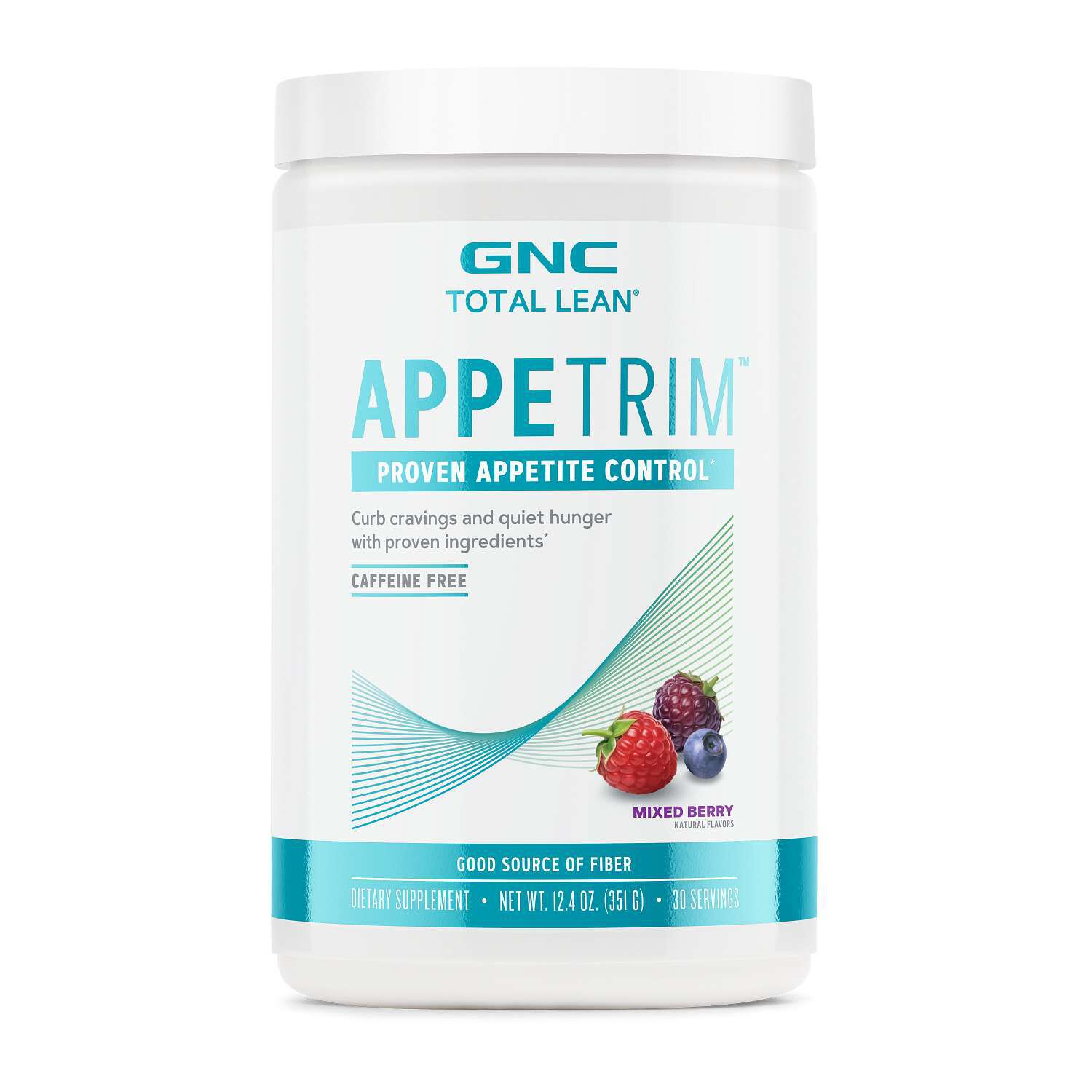
GNC Total Lean

Related Pages


Top Collections
- Daily Collagen Supplements | Top Brands & Deals | GNC
- Natural Collagen Supplements | Top Brands & Deals | GNC
- Top Rated Collagen | Shop Customer Favorites | GNC
- Cortisol Supplements
- Vitamins For Hair Loss
- Spirulina Tablets
- NAD+ Supplement Tablets
- Peptide Supplements
- Best Brand of Magnesium Glycinate
- Vitamins That Help Support Weight Gain