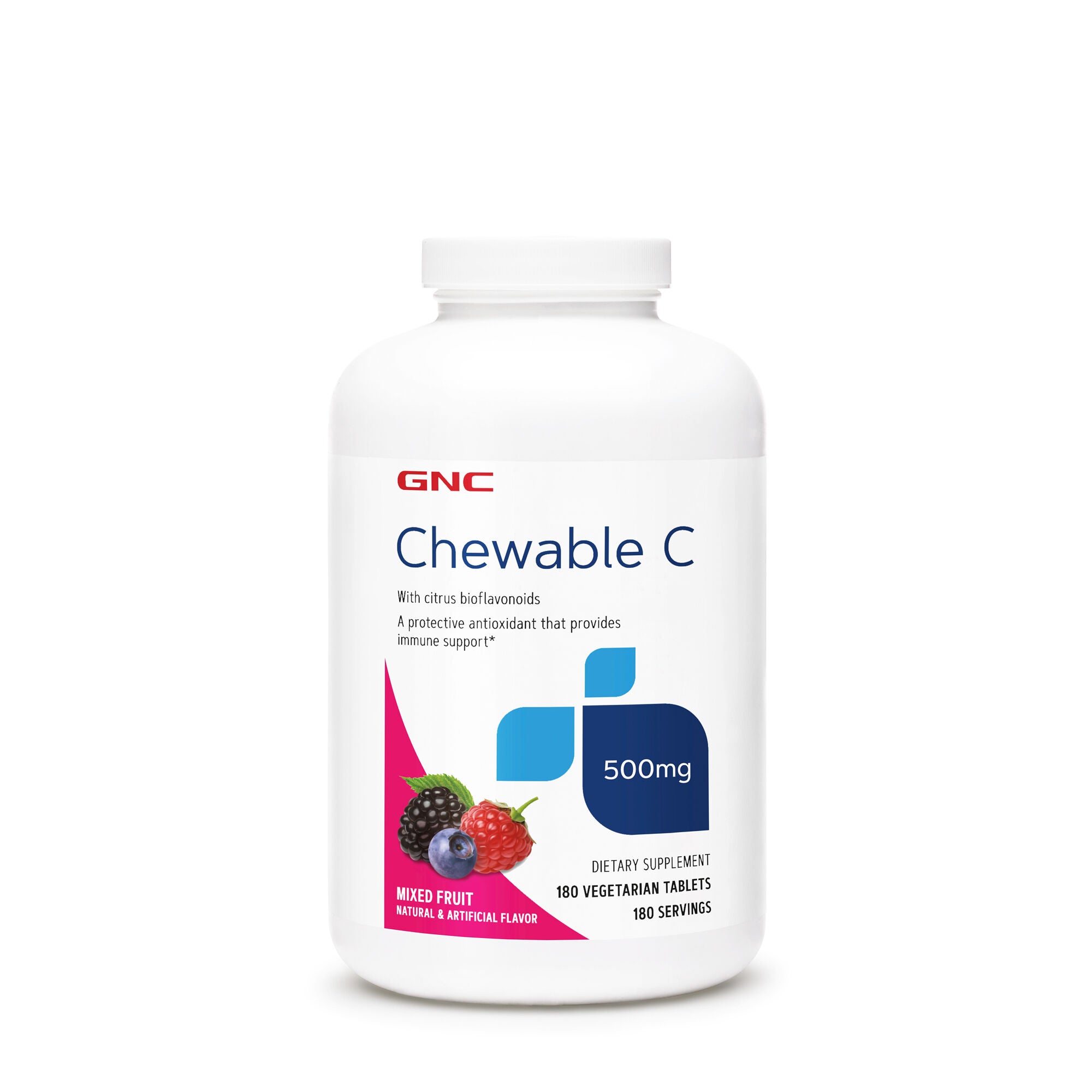
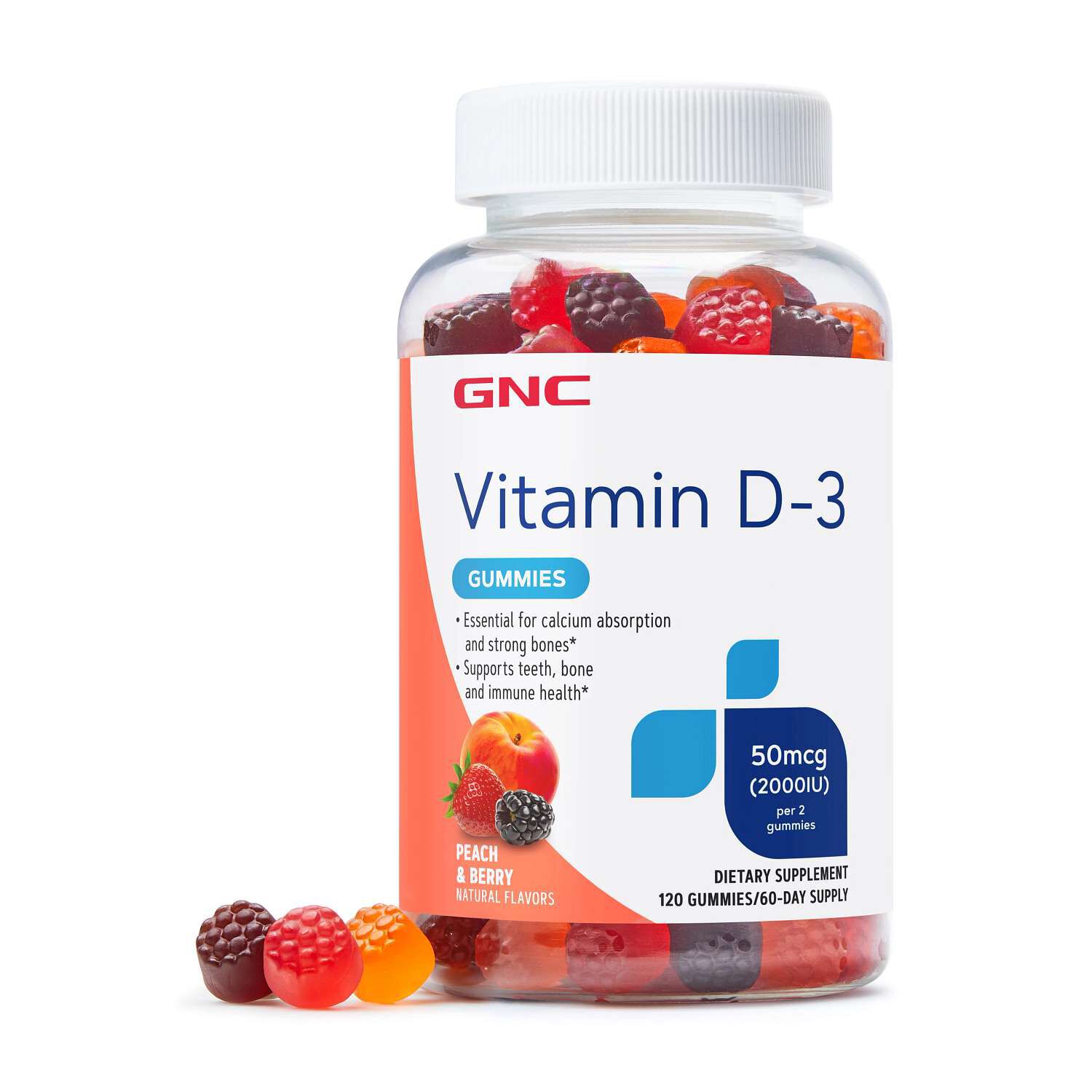
Vitamin C Chewables For Adults With Dietary Restrictions
(0 Results)
Vitamin C chewables for adults with dietary restrictions offer a convenient and flavorful way to support your wellness routine. Designed to fit a variety of lifestyles and preferences, these chewable supplements may be a great addition for those seeking alternatives to traditional tablets or capsules. With options that cater to different dietary needs, vitamin C chewables for adults with dietary restrictions could help make it easier to prioritize your daily regimen without compromise.
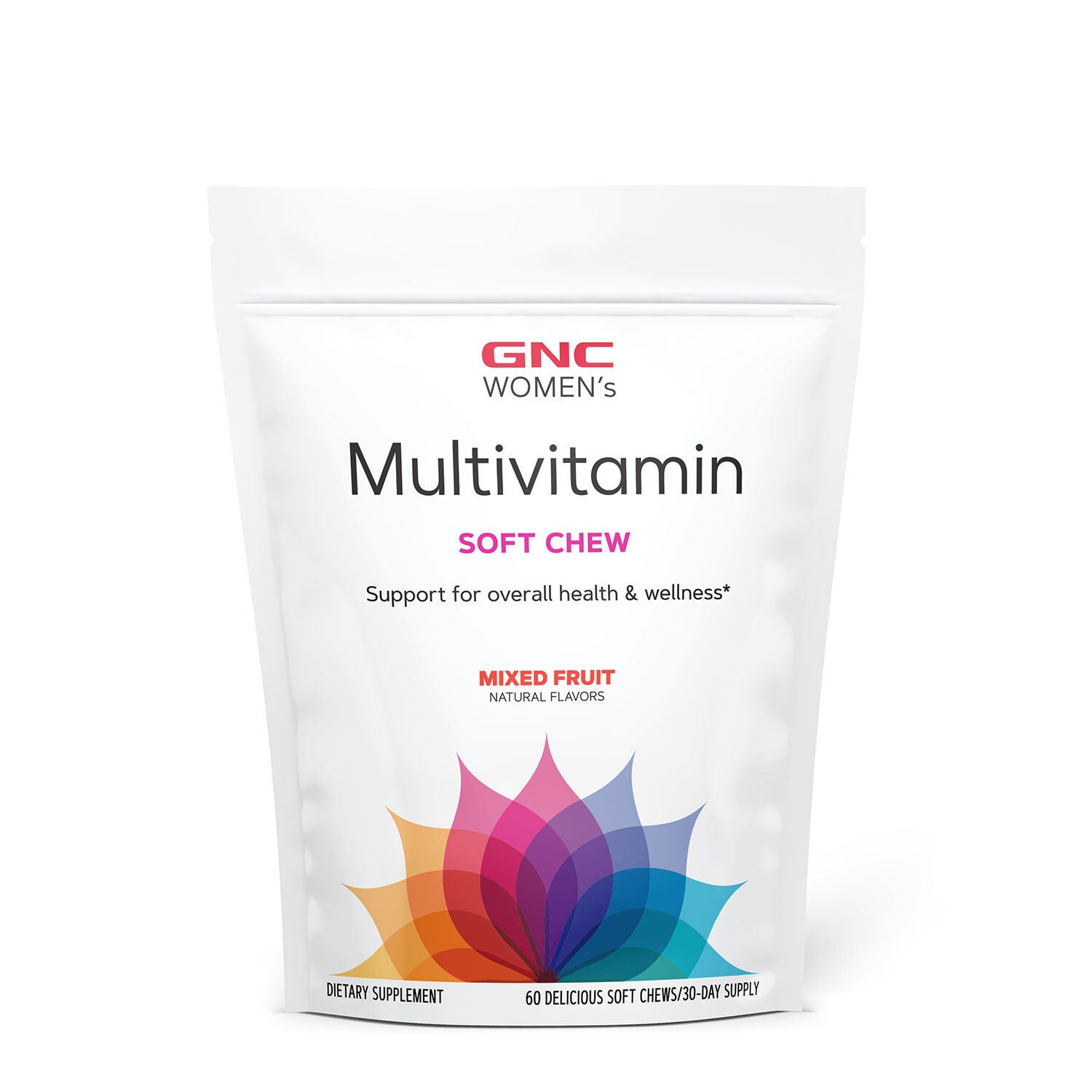


Vitamin C chewables for adults with dietary restrictions bring together two shopping priorities: a format that does not require swallowing a whole tablet and an ingredient list that fits a particular eating pattern. The category includes chewable tablets and gummies, with differences in texture, sweeteners, flavorings, and animal-derived ingredients. For someone who avoids wheat, milk, or soy, a familiar orange flavor says little about whether a formula matches those needs; the ingredient list and allergen statement provide more useful detail. Adults following a vegan eating pattern may prefer formulas identified as vegan, while those limiting added sugar can compare the declared sugar content per serving. These attributes are separate: a vegan designation does not establish sugar content, and a formula made without wheat does not automatically establish the absence of gluten. The clearest match is a chewable whose label addresses each relevant restriction rather than relying on a broad description such as “plant-based” or “natural.” Vitamin C amounts also differ, so comparisons are most meaningful when they use the labeled serving rather than a single piece. A serving might consist of one tablet or multiple gummies, and the amount shown prominently on a package should be read alongside that serving information. Some formulas focus on vitamin C alone, while others include additional vitamins, minerals, or botanical ingredients. A shorter nutrient list may suit someone seeking a more focused addition to an existing routine, although the other ingredients still matter for dietary compatibility. For adults who prefer a fruit-flavored chewable over a capsule, the appeal is as much about everyday usability as it is about the nutrient itself. Texture, sweetness, serving size, and clearly documented ingredient exclusions help distinguish options that otherwise look similar. An adult shopping for a shared household may also value packaging that makes those distinctions easy to recognize, especially when different people avoid different ingredients.
Dietary compatibility depends on the entire formula, not just the vitamin C source. On a Supplement Facts panel, vitamin C may appear as ascorbic acid or a mineral ascorbate, such as sodium ascorbate or calcium ascorbate. Those names identify the nutrient form; they do not describe every ingredient used to make the finished chewable. The separate ingredient list can include sweeteners, binding ingredients, coatings, colors, flavors, and components that create a particular texture. Gummies commonly use pectin or gelatin for their structure. Pectin is plant-derived, while gelatin is animal-derived, but the presence of pectin alone does not establish that every component meets vegan preferences. Coatings and glazing ingredients deserve attention as well when avoiding animal-derived materials. Chewable tablets have their own texture-building ingredients and should not be assumed to suit a dietary restriction simply because they are not gummies. Sweetener choices create another useful point of comparison. Formulas may contain sugar, sugar alcohols, stevia, or combinations of sweeteners, and a description about added sugar does not tell the whole carbohydrate story. The labeled serving provides the context for comparing sugars and carbohydrates, especially when one formula uses one piece and another uses several. Flavor descriptions also deserve a closer look. Orange, berry, and mixed-fruit names describe the flavor experience, not necessarily the presence of juice or a particular fruit ingredient. Someone avoiding specific colors or flavoring ingredients can look beyond the front label to see how that flavor and appearance are achieved. When dietary requirements involve allergens, an ingredient exclusion and a statement about shared manufacturing equipment answer different questions. Certification marks, allergen declarations, and manufacturer information can provide additional context, but each addresses its own criteria. If a needed detail is not stated, the packaging alone may not resolve it. This distinction matters when a shopper is trying to match several requirements at once, such as a vegan eating pattern alongside avoidance of soy and a preference for limited added sugar.
The best everyday fit also depends on how a chewable feels, tastes, and fits into an adult’s routine. A compressed tablet typically has a firmer bite and may leave a powdery texture, while a gummy has a softer, springier consistency. Citrus flavors often bring a tart note, and sweetness varies with both the flavor system and the sweetener blend. Adults who dislike a lingering sweet taste may weigh those details differently from someone who prefers a candy-like texture. Neither appearance nor flavor changes the intended use: these are dietary supplements, and the labeled directions establish how the manufacturer intends them to be taken. Adult labeling is particularly useful because similar-looking bottles can be intended for different age groups. Package count is another practical detail that becomes clearer when viewed alongside serving size; a bottle containing more pieces does not necessarily provide more servings. For a bottle kept beside breakfast supplies or packed for an overnight trip, preserving the original label keeps serving directions, ingredient information, and the expiration date close at hand. Storage instructions matter for product quality, too. Following the package directions, keeping the closure secure, and protecting the contents from moisture may help preserve their intended texture. A tightly closed original container also keeps the formula identifiable in a household with several supplements. If the shopping goal extends beyond vitamin C alone, Multivitamin Gummies For Adults With Dietary Restrictions offers a related category to compare for nutrient variety, ingredient preferences, and chewable format. A multivitamin is a different formula, not simply another flavor of vitamin C, so its nutrient panel and serving directions warrant a separate review. Across either category, useful comparisons come back to the same concrete details: the nutrients listed, the amount per serving, the ingredients that shape taste and texture, and the label statements relevant to the shopper’s eating pattern. Those details make the selection more personal than choosing by flavor or bottle size alone.
Best Sellers
-
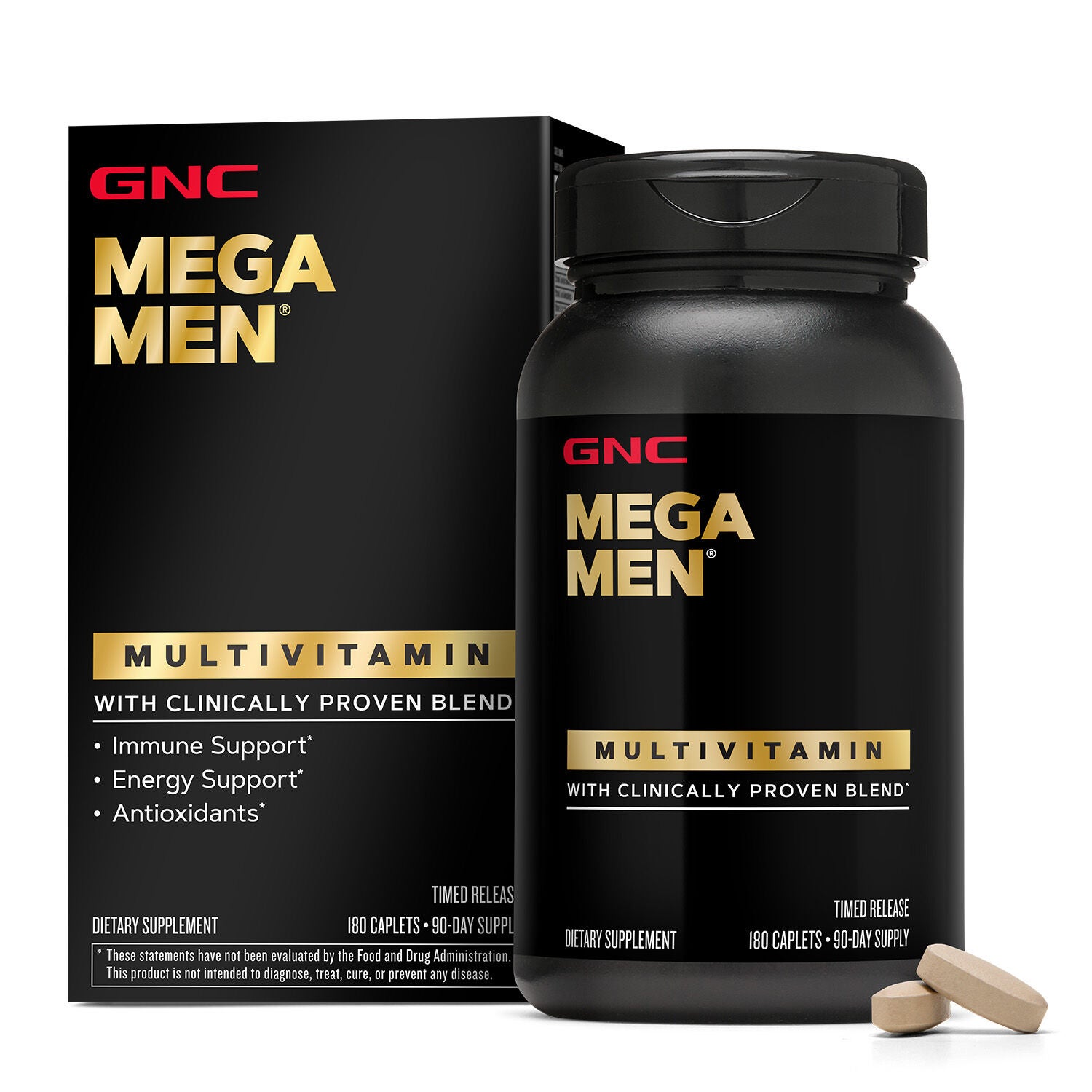 GNC Mega Men
-
 GNC Mega Men
-
 GNC Mega Men
-
 GNC Mega Men