





Vitamin D Absorption
(0 Results)
Achieving optimal health and wellness could be significantly influenced by proper nutrient intake, and understanding the process of "how to improve" or "maximize" your body's ability to absorb these nutrients might be crucial. When it comes to maintaining strong bones, supporting immune function, and promoting overall well-being, ensuring effective "absorption of" or "utilization of" vitamins is key. Discover how you may optimize your body's ability to absorb and benefit from this vital nutrient with our range of products designed to support efficient "absorption of" or "utilization of" vitamins.


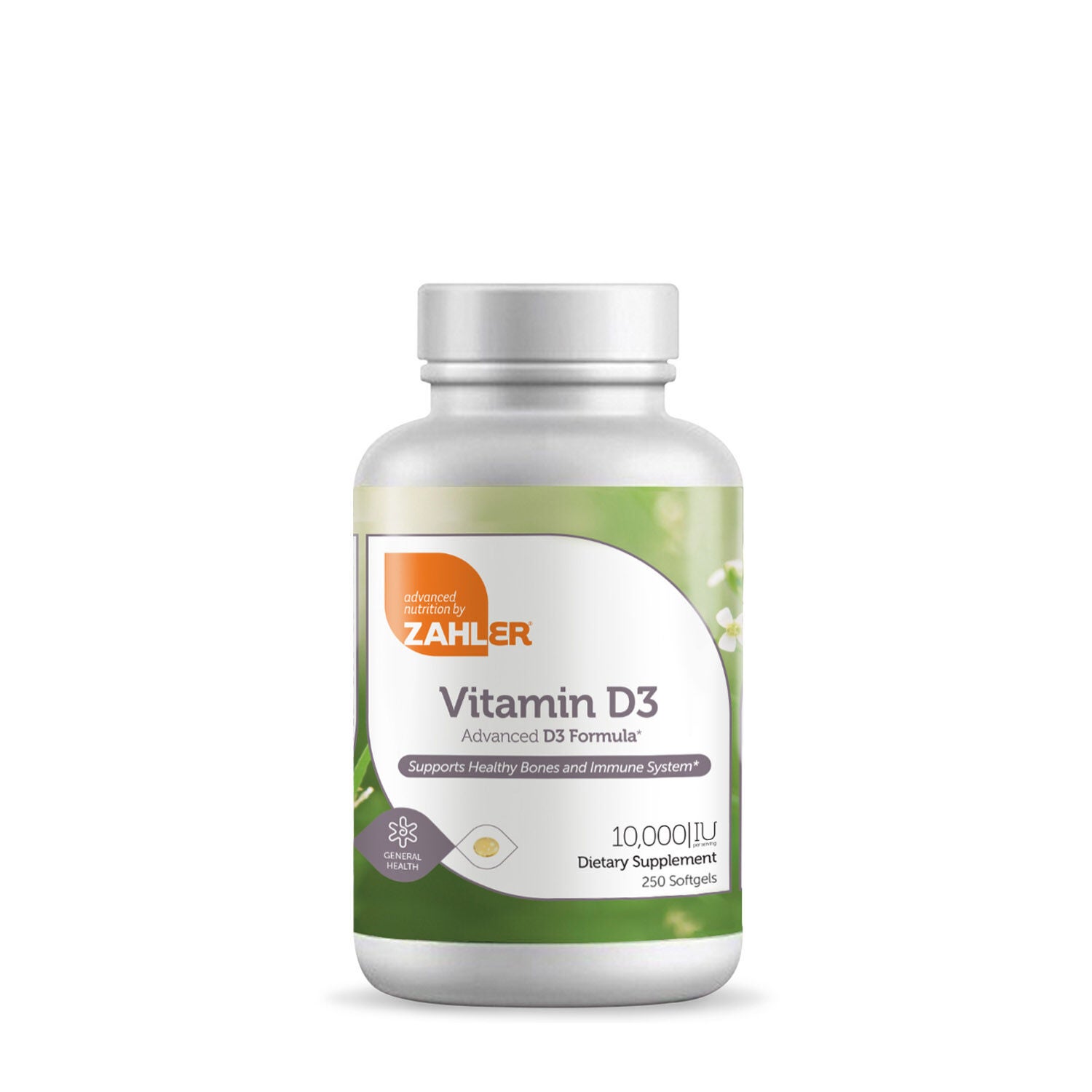
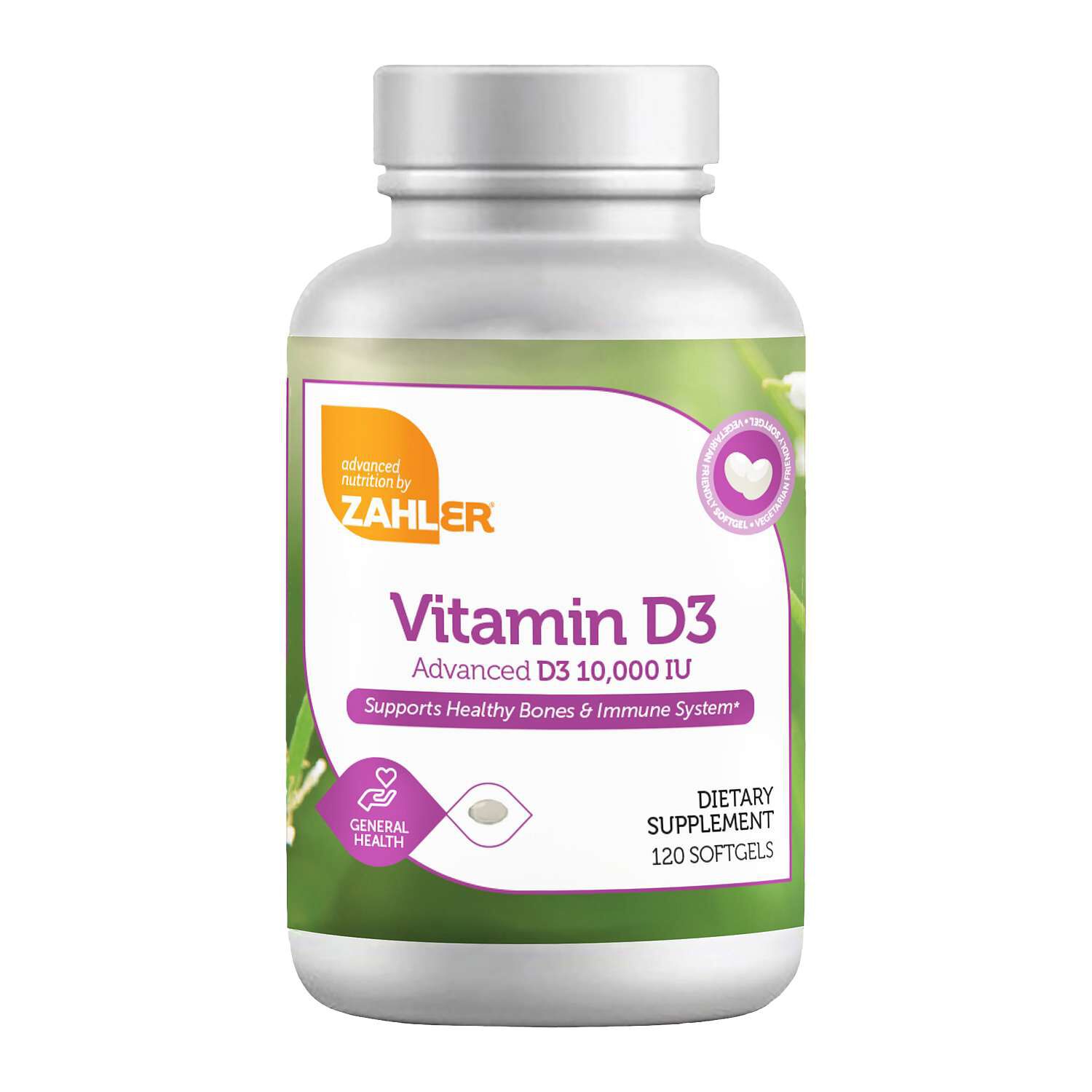


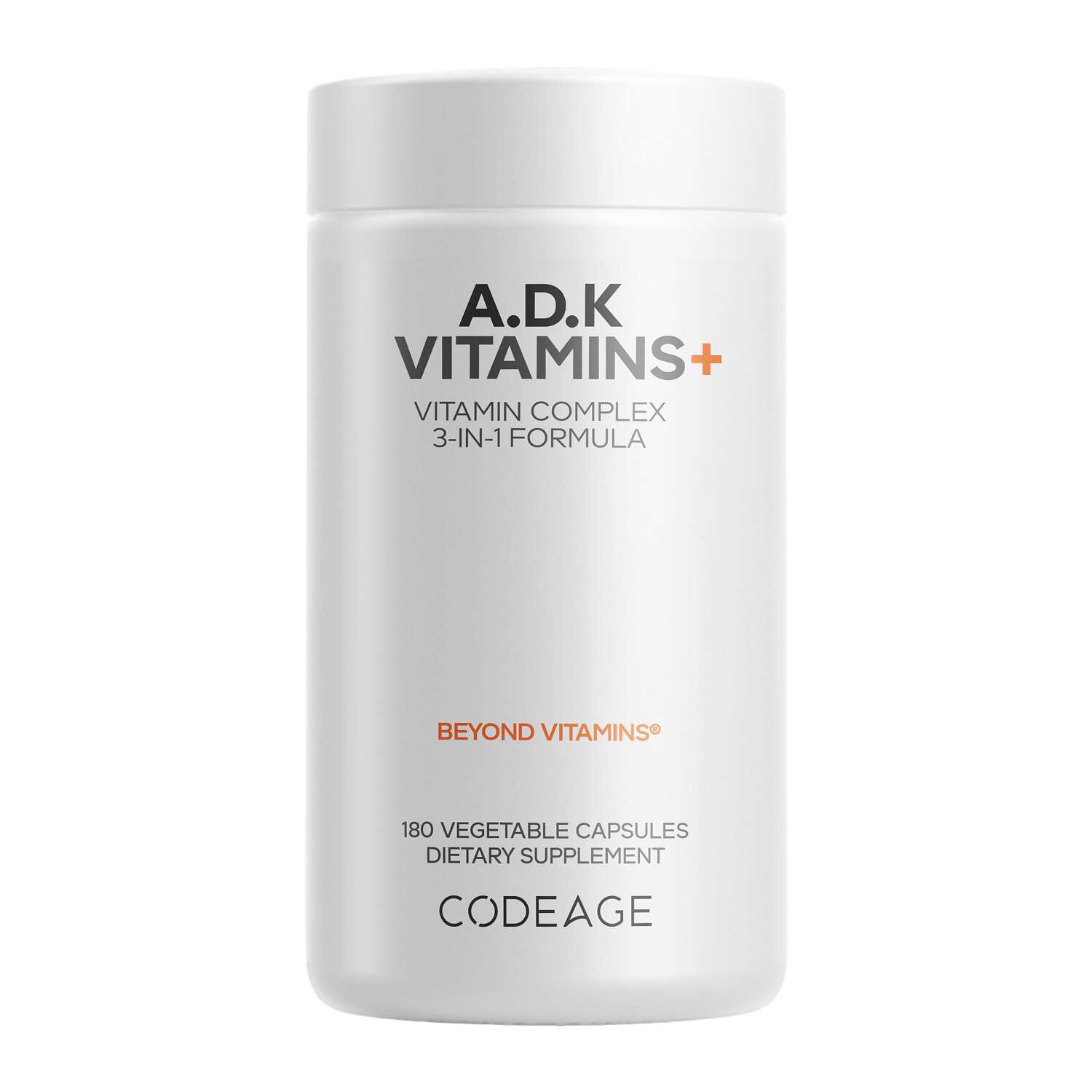


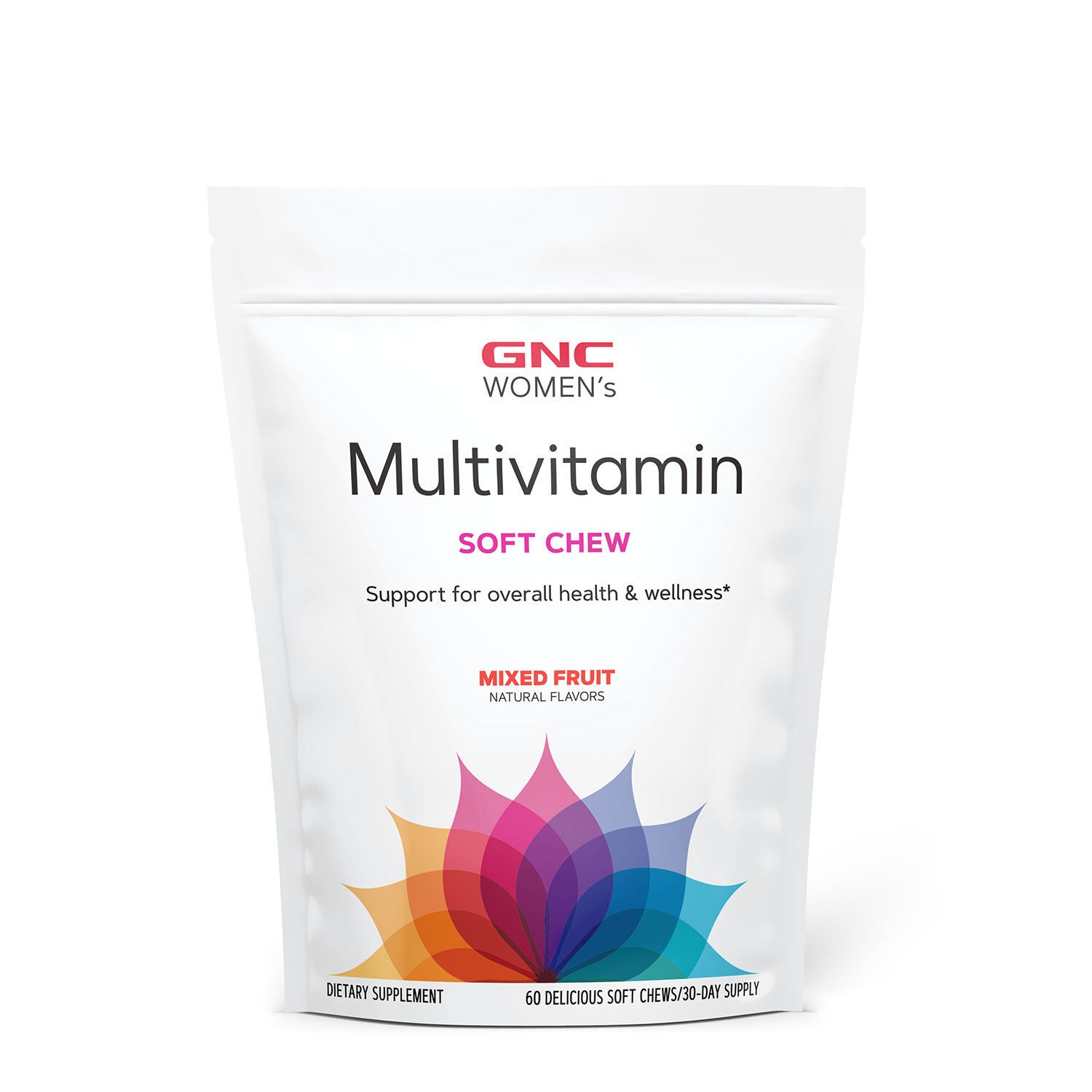


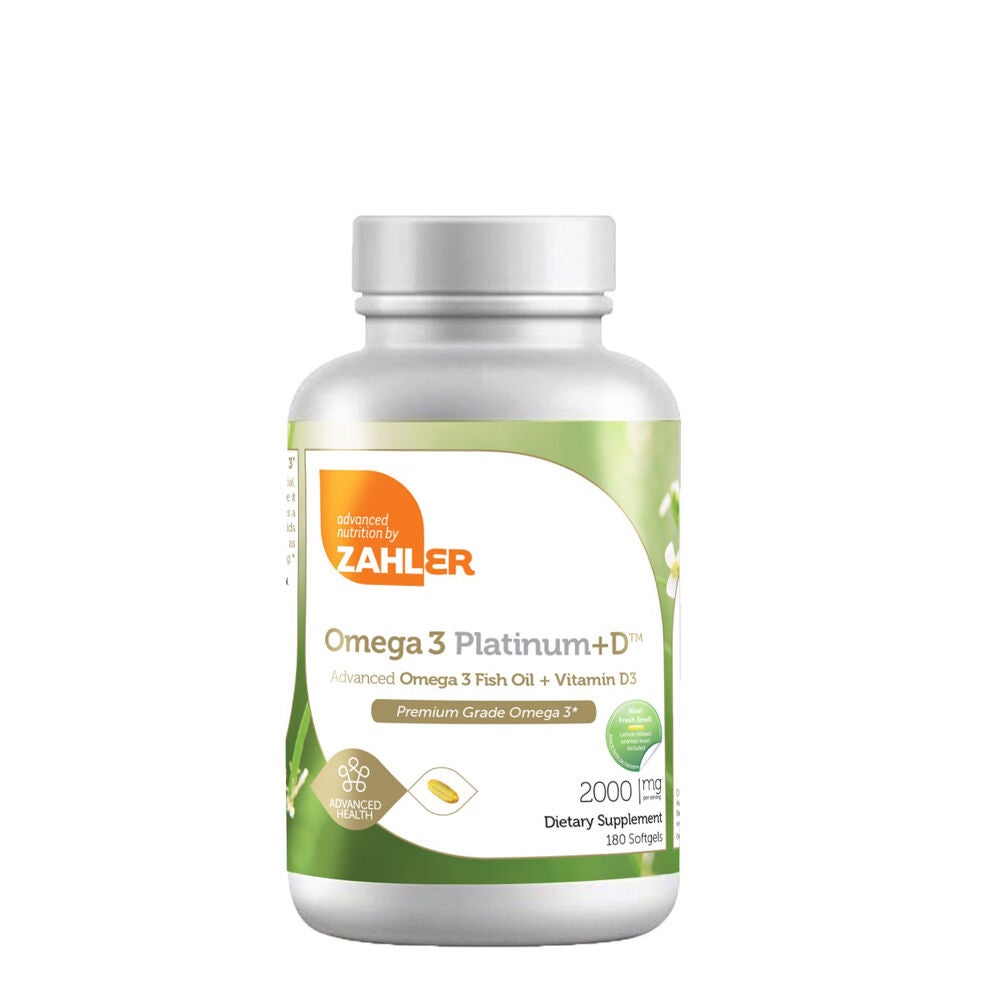

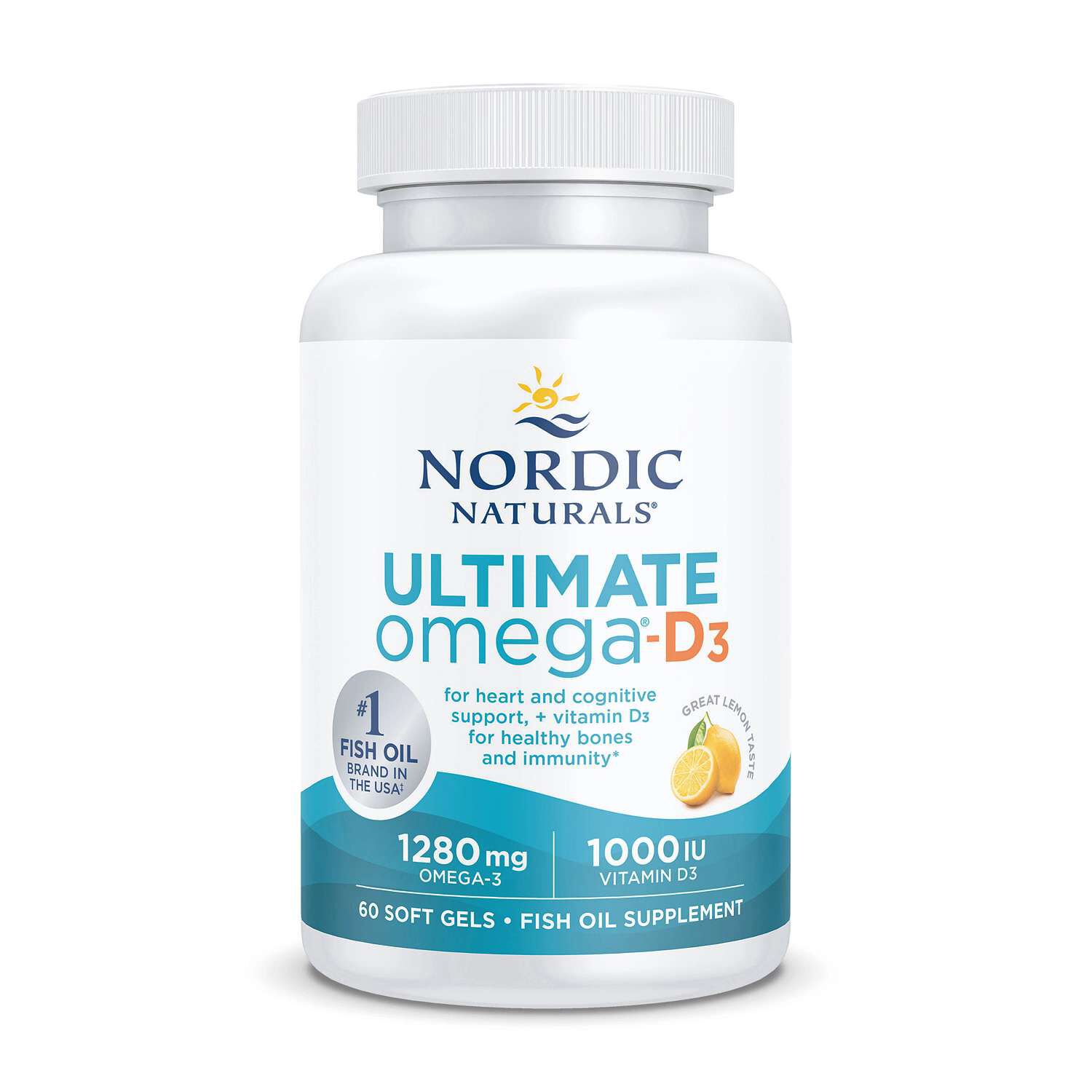
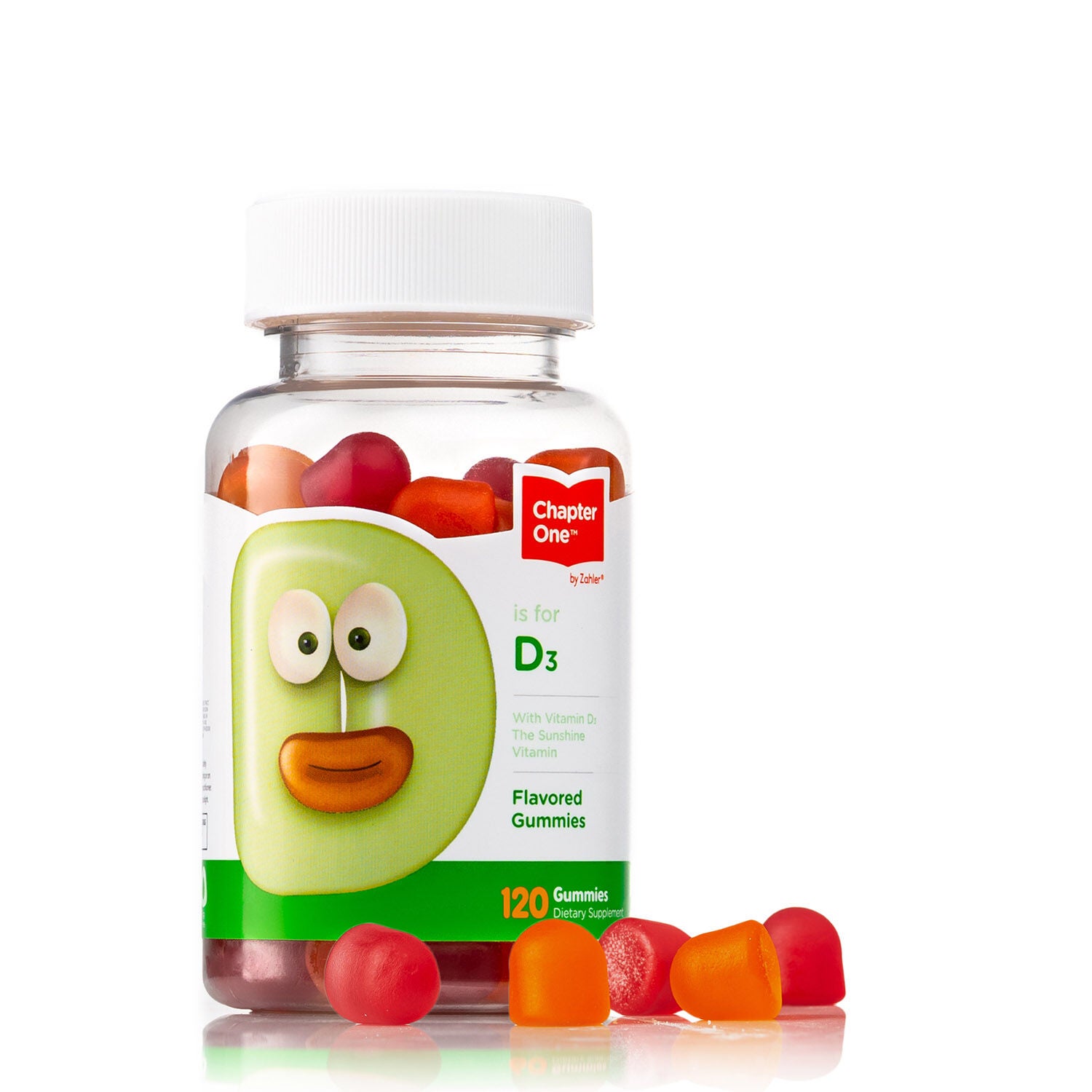


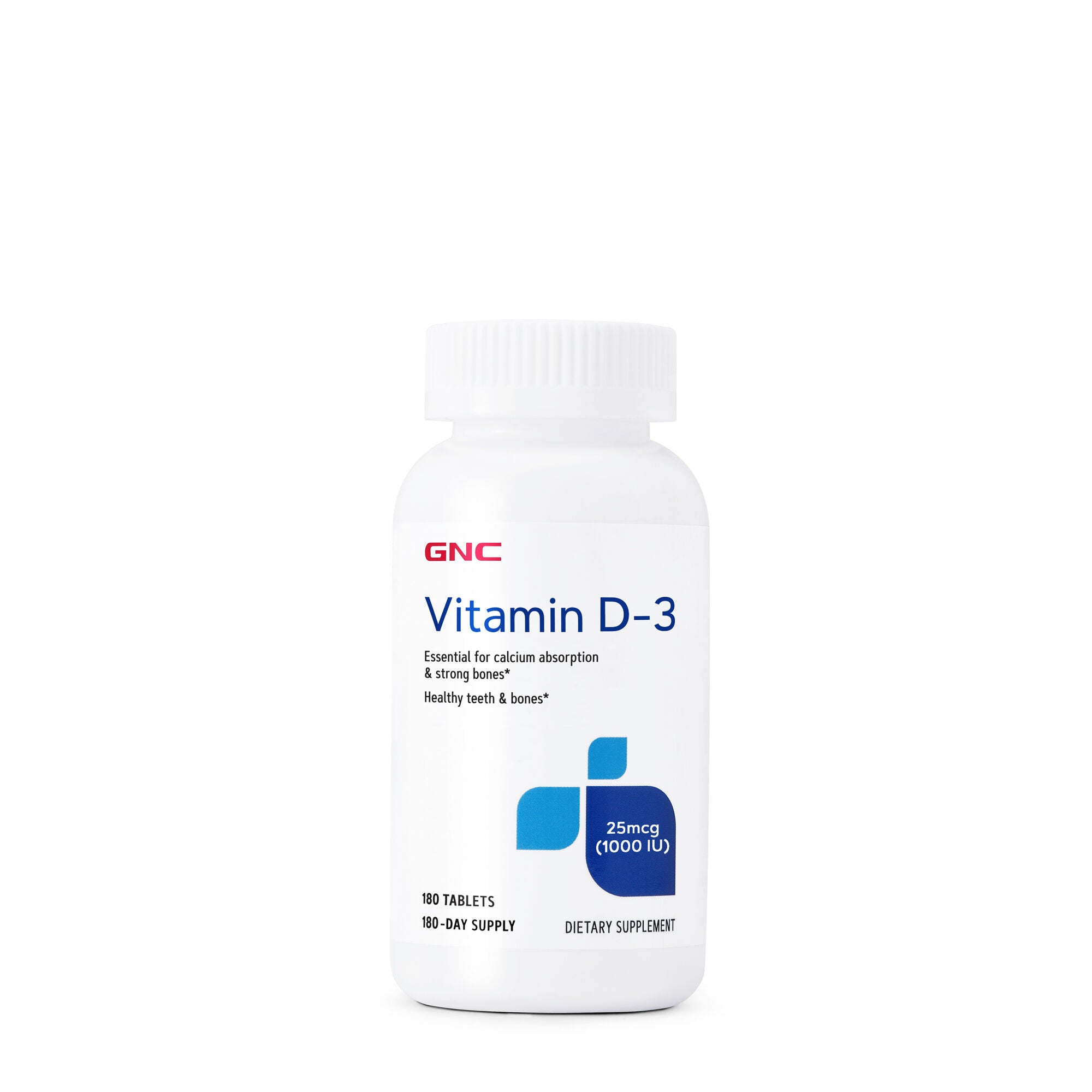

Vitamin D absorption is an important consideration when choosing a supplement for a daily nutrition routine. Vitamin D is a fat-soluble vitamin, which means the body may absorb it more readily when it is taken with a meal that includes dietary fat. A breakfast with eggs and avocado, a lunch with nuts or seeds, or a dinner with salmon, olive oil, or full-fat dairy could provide a practical setting for taking a vitamin D supplement. The vitamin is absorbed in the small intestine, where dietary fat, bile from the liver, and pancreatic enzymes may help it move through the digestive process. Afterward, vitamin D travels to the liver and kidneys, where it may be converted into forms the body can use. These details make timing and routine worth considering when shopping for products connected with Vitamin D Absorption. Rather than taking a supplement on an empty stomach and hoping to remember it later, many people may find it easier to pair it with a familiar meal. A consistent food-based cue, such as placing the supplement near a breakfast setting or keeping it with a lunch routine, could make daily use feel more natural. Always follow the serving directions on the package, and consider discussing supplement use with a qualified healthcare professional when personal nutrition needs, medications, pregnancy, or a digestive condition may affect product selection.
When comparing products, shoppers may want to review the form, serving size, ingredient list, and suggested use. Vitamin D may be available in several supplement formats, including capsules, softgels, tablets, liquids, and chewable options, so personal preference can play a meaningful role in choosing something that fits comfortably into an established routine. Some people may prefer a compact format that slips into a cabinet or travel pouch, while others could appreciate a liquid or chewable option that does not require water. The label may also show whether the formula includes additional nutrients, oils, or other ingredients intended to complement the product’s purpose. Reading the Supplement Facts panel can help shoppers compare serving information without relying on appearance or packaging alone. Those who prefer a simple routine may look for a focused formula with a short ingredient list, while people already using a multivitamin or other nutrition products may wish to compare labels to avoid unnecessary overlap. Vitamin D may work well as part of a broader approach to everyday nutrition that includes varied meals, outdoor activity when appropriate, and attention to regular eating habits. During cooler months, when people may spend more time indoors or enjoy richer shared meals, pairing a supplement with dinner can feel especially easy to remember. As the weather warms, a breakfast or midday meal may provide a similarly dependable cue. For shoppers building a care package, preparing a wellness basket, or choosing a practical gift for a family member, a vitamin D supplement could be a considerate addition when the recipient already uses supplements and the format matches their preferences. A gift may feel more personal when paired with a reusable organizer, a favorite breakfast food, or a note encouraging the recipient to follow the package directions.
Vitamin D absorption also connects with broader nutrition choices, including nutrients involved in bone-focused wellness. Shoppers exploring related options may wish to browse Supplements For Calcium Absorption while considering how different products fit together. Magnesium is another nutrient often discussed alongside vitamin D because it participates in processes involved in vitamin D use; however, individual needs can vary, and adding several supplements at once may not be the right choice for everyone. People with digestive conditions that affect fat absorption, including celiac disease, Crohn’s disease, cystic fibrosis, or liver disease, may want personalized guidance before selecting a vitamin D product, since the digestive process could influence how the body takes in fat-soluble nutrients. The same care may be useful for anyone who has had a procedure affecting digestion or who takes prescription products on a regular basis. A well-chosen supplement should fit the shopper’s existing habits, dietary preferences, and comfort with the format, rather than adding unnecessary complexity. Store products in accordance with the label, keep them in a dry location, and use the included serving guidance. With a meal containing foods such as avocado, eggs, nuts, seeds, olive oil, or dairy, a vitamin D supplement may become a simple part of a familiar routine. Reviewing labels thoughtfully and choosing a format that feels easy to use could help make Vitamin D Absorption a practical consideration during everyday supplement shopping.


