





Vitamin D3 Wellness
(0 Results)
Vitamin D3 wellness could play a crucial role in supporting overall health and vitality. With the potential to help maintain bone strength, immune function, and mood balance, incorporating Vitamin D3 into your daily routine might be an excellent choice for those looking to support their well-being. Explore a range of high-quality Vitamin D3 supplements designed to fit various lifestyles and dietary needs, and discover how they might contribute to your journey towards optimal health.


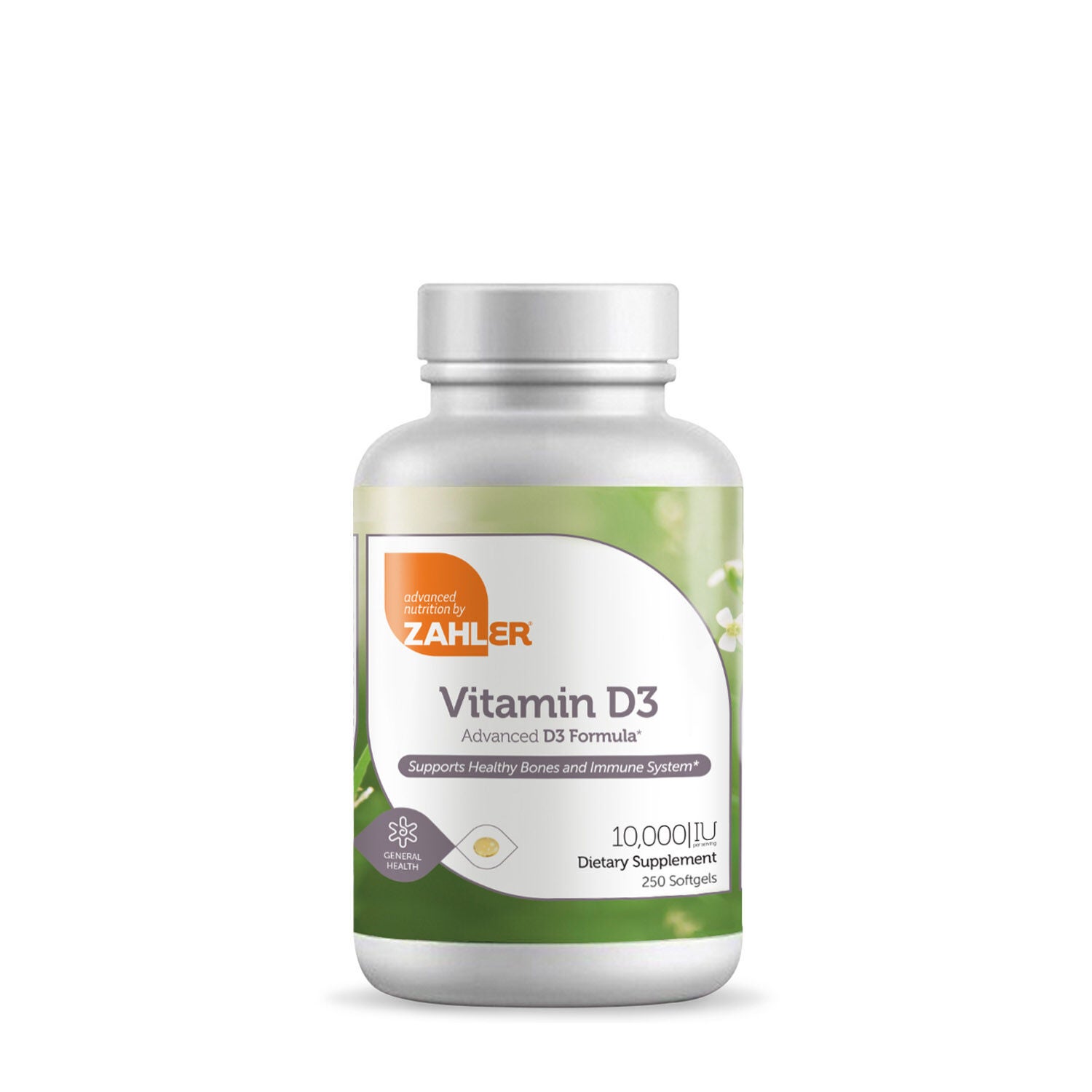
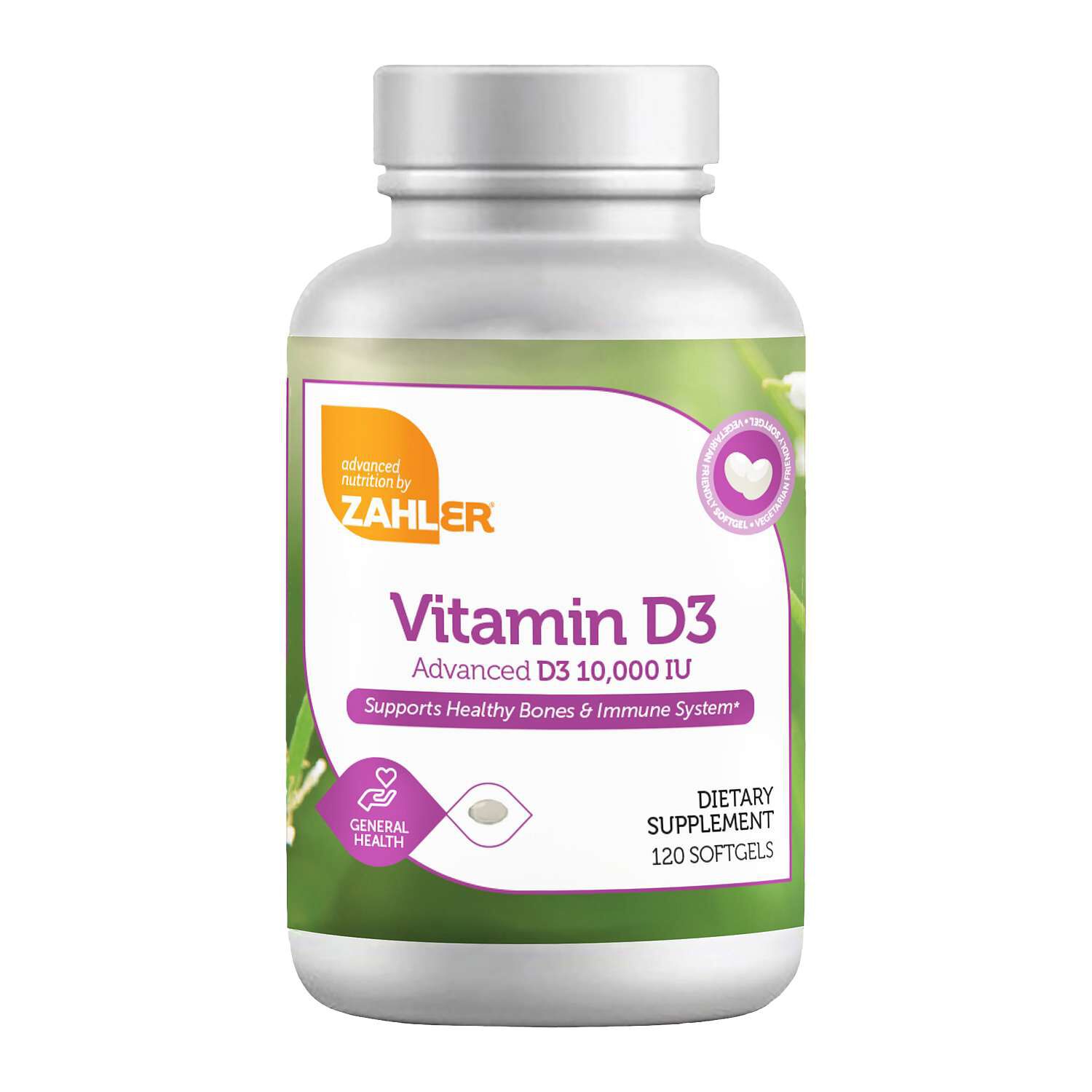


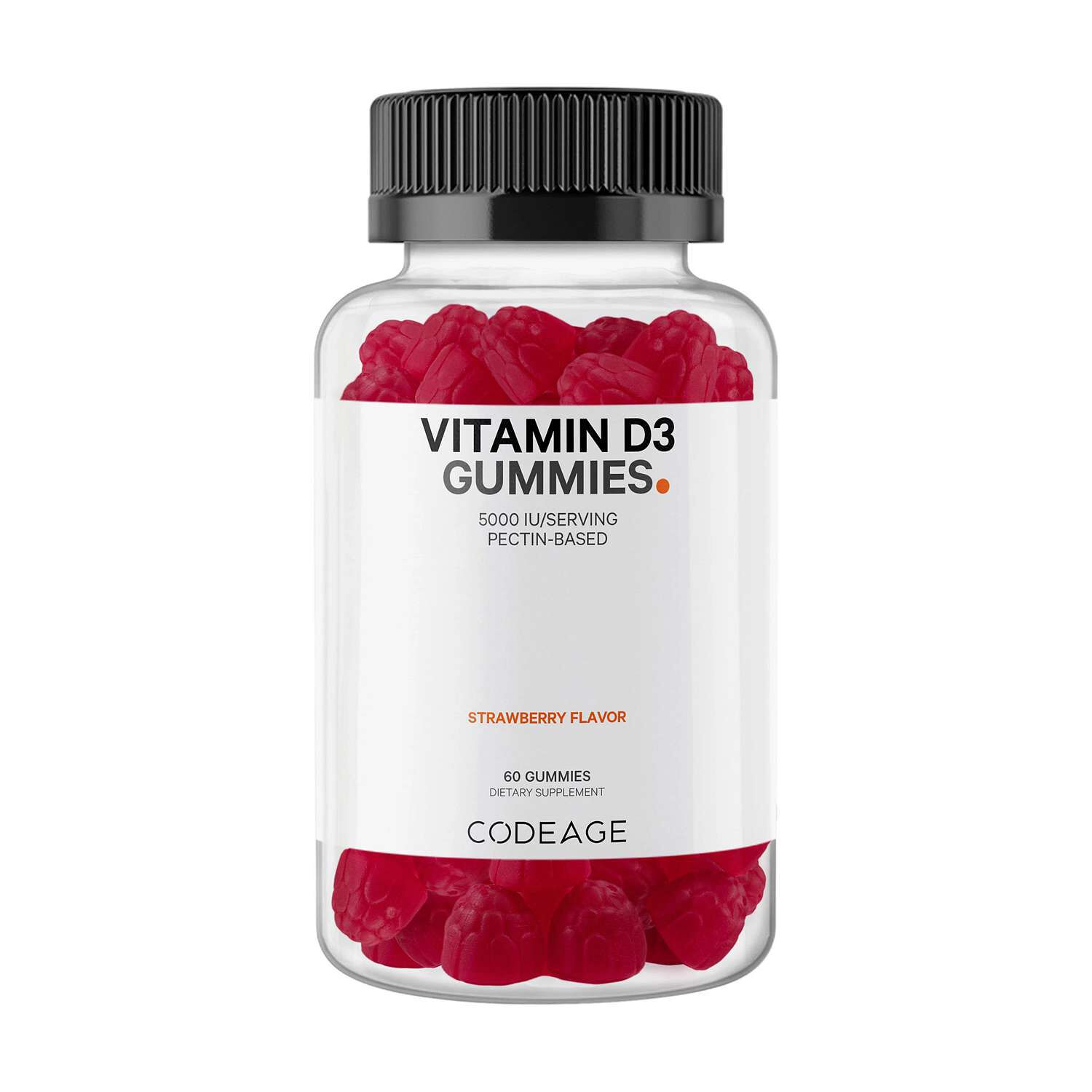
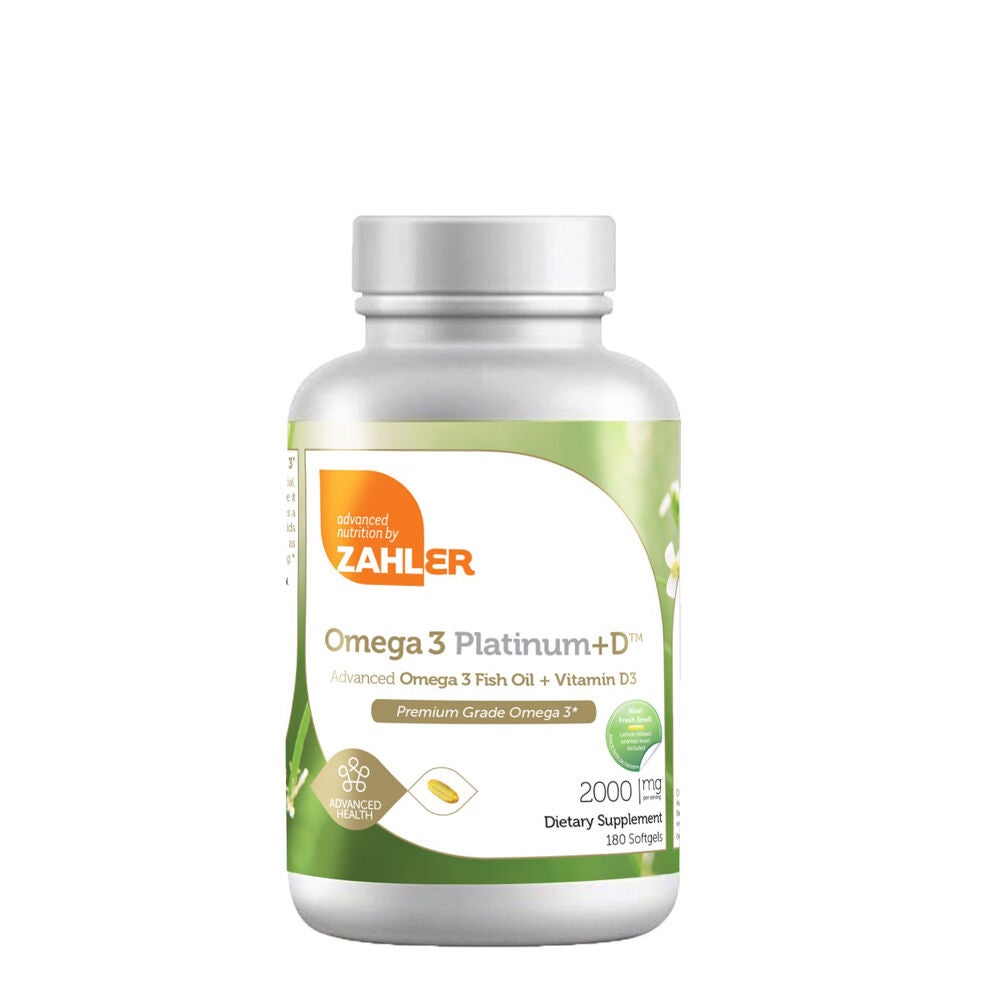

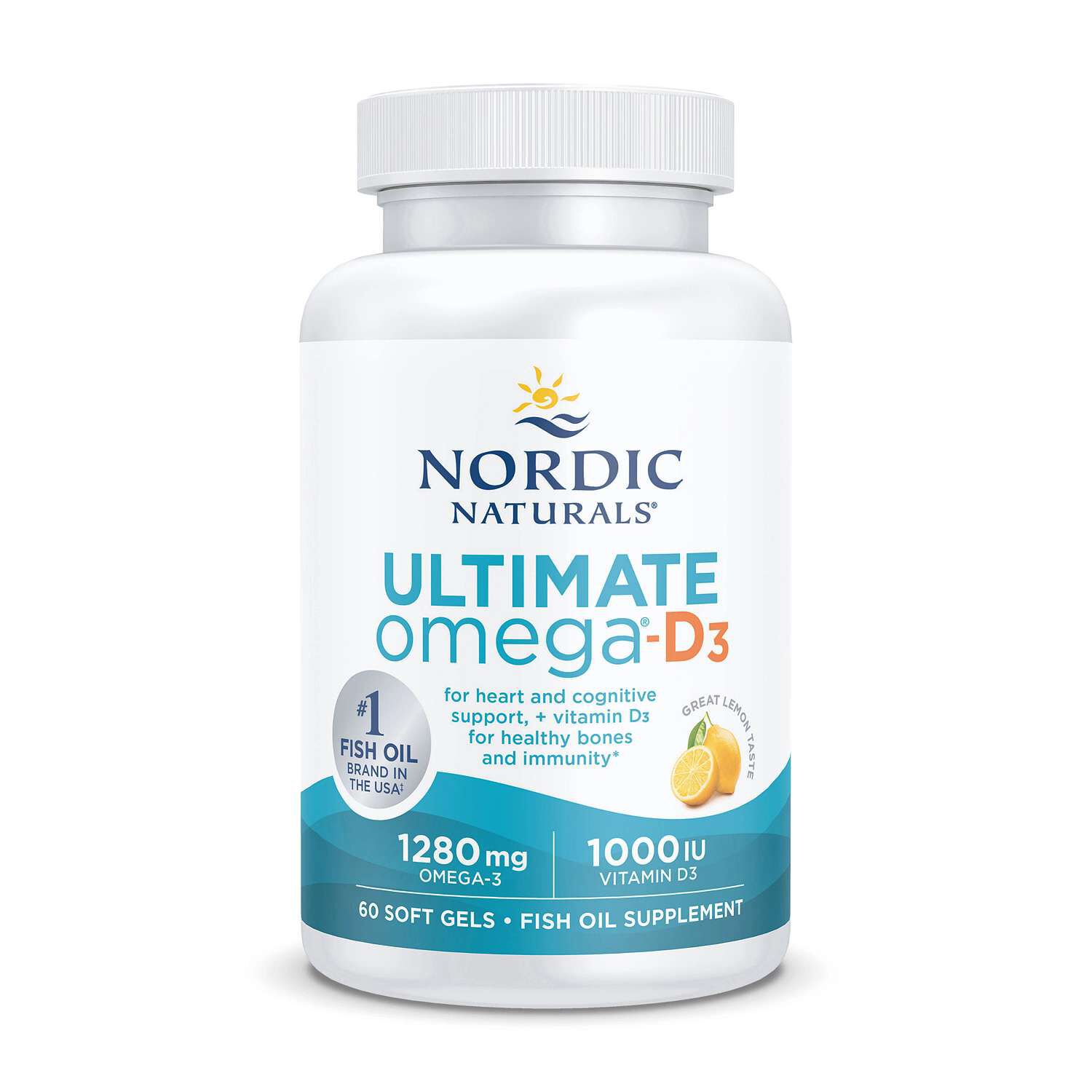
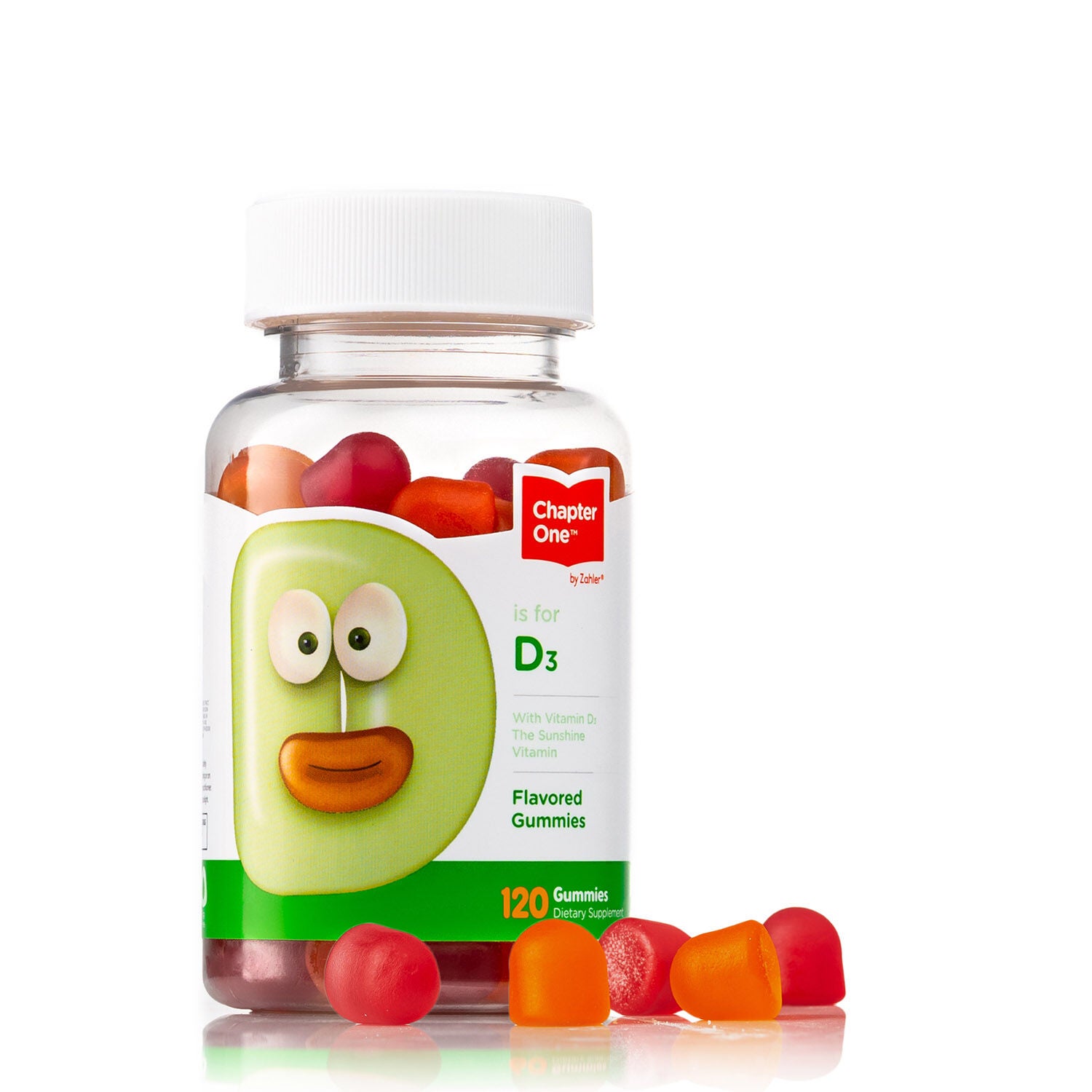

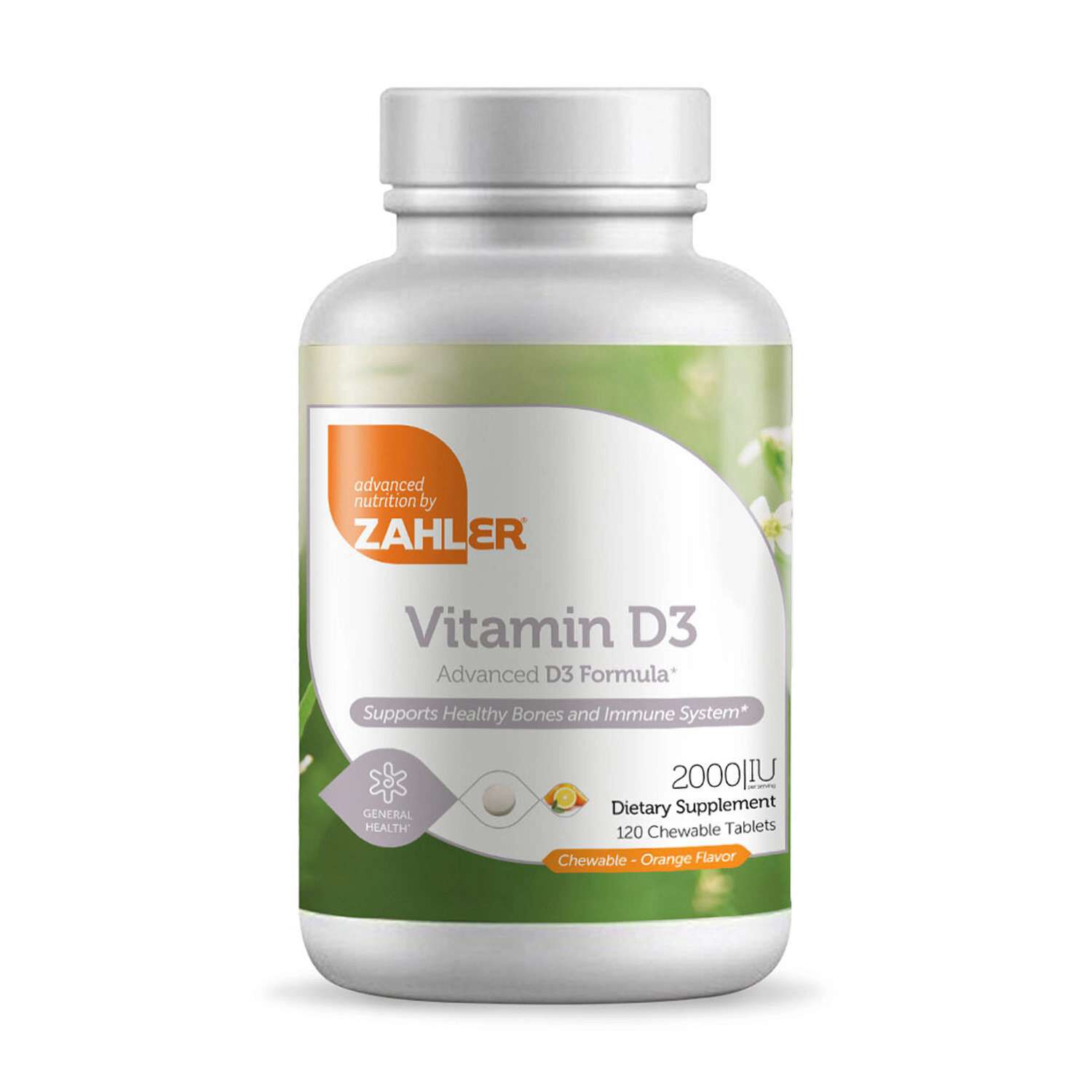
Vitamin D3 wellness brings together supplements centered on a familiar nutrient in several everyday formats, from small softgels and tablets to chewable gummies and liquid drops. Vitamin D3 is also called cholecalciferol, a name that often appears in the Supplement Facts panel or ingredient list. It is a fat-soluble vitamin, meaning it dissolves in fat rather than water. Food sources include fatty fish such as salmon and trout, along with smaller amounts in egg yolks; some fortified foods also contain added vitamin D. Supplements offer another format for incorporating this nutrient into a personal wellness routine, with differences in serving size, ingredient source, texture, and packaging. Those details matter when comparing two bottles that look similar at first glance. A compact softgel has a different feel from a flavored gummy, while a bottle of drops introduces a measuring step that tablets do not have. Some shoppers prefer a straightforward vitamin D3 formula, while others are interested in combinations that include vitamin K2 or calcium. The distinction is about what is inside each serving, not simply how prominently vitamin D3 appears on the front label. A single-nutrient formula keeps the focus on D3; a combination formula brings additional ingredients into the same serving. Neither format is automatically the right match for every shopper. Dietary preferences, an established supplement routine, and the practical details of everyday use all shape the comparison. For a closer look at formats built around regular use, Daily Vitamin D3 Supplements provides a related category to explore. Across vitamin D3 supplements, the most useful distinctions are often concrete ones: the source of the nutrient, the amount in a labeled serving, the number of pieces or drops that make up that serving, and the ingredients used to create the finished format. These details give the category context beyond a bottle’s front-panel description and make comparisons more meaningful than judging by packaging alone.
The format of a vitamin D3 supplement shapes how it fits into an ordinary day. Softgels typically enclose a liquid fill in a smooth shell, and some formulas use an oil such as olive oil or coconut-derived oil as a carrier. The shell itself can contain gelatin, so both the fill and the outer material are relevant to shoppers with dietary preferences. Tablets have a solid, compressed form and may include ingredients that help hold the tablet together. Capsules offer another enclosed format, with shell materials that vary by formula. Gummies and chewables introduce flavor and texture into the choice: fruit flavors, sweetness, firmness, and the number of pieces per serving can all affect personal preference. Their ingredient lists may include pectin or gelatin, along with sugars, sweeteners, colors, or flavorings. Liquid vitamin D3 has its own practical distinctions, including the type of dispenser and whether the labeled serving is expressed in drops or a measured volume. A small bottle does not necessarily mean a small amount per serving, and two liquid formulas can use different serving measurements. Ingredient origin is another point of comparison. Vitamin D3 can be derived from lanolin, a material associated with sheep’s wool, or from sources such as lichen. Shoppers seeking a vegan formula can look for an explicit vegan designation and examine the full ingredient list rather than relying on the nutrient name alone. A plant-derived D3 source and a plant-derived capsule shell are separate characteristics, so both deserve attention. The same attention applies to other dietary preferences: the full formula matters, including carrier oils and ingredients used for texture. For someone who prefers an unflavored supplement, a capsule or softgel may be a more appealing format than a sweet chewable. Someone who prefers a liquid may value a clearly marked dispenser and straightforward serving information. These are everyday usability differences, not evidence that one format produces a better result than another.
Reading the label closely helps distinguish vitamin D3 formulas without treating the largest printed number as the deciding feature. Vitamin D amounts can appear in micrograms, abbreviated mcg, and International Units, abbreviated IU. For vitamin D, one microgram equals 40 IU, so 25 mcg and 1,000 IU express the same amount. This conversion is useful when comparing labels that emphasize different units; it is not a suggested serving amount. Serving size is equally important. A listed amount may refer to one softgel, two gummies, or a specified measure of liquid rather than the entire package or each individual piece. The container count and the number of servings therefore describe different things. The Supplement Facts panel also separates vitamin D3 from other nutrients in a combination formula, while the ingredient list identifies materials such as oils, shell ingredients, and flavorings. Together, these sections offer a clearer picture than broad front-label language. For an established routine, practical fit extends to the package itself. A securely closing bottle, readable directions, and a dispenser suited to the liquid format can make handling more straightforward. Picture a compact bottle stored in a kitchen cabinet rather than left beside the sink, or a travel bottle kept in its labeled packaging instead of loose among toiletries. Those small distinctions preserve access to serving information and storage directions. Care requirements vary by formulation, so the package’s instructions remain the reference for storage and handling. Moisture, direct light, and an unsecured cap are relevant considerations when choosing a storage location, and the printed expiration date is another useful detail. Flavor, texture, ingredient source, serving measurement, and package design all contribute to whether a supplement feels practical for its intended user. Vitamin D3 wellness is not defined by a particular bottle shape or an elaborate combination of ingredients. It is a product category with meaningful differences that become easier to understand through clear labeling and close attention to format. A thoughtful comparison stays grounded in those observable details, making room for personal preferences without assuming that a larger amount or a longer ingredient list is necessarily a better fit.
