

Whey Protein Isolates For Protein Balls
(0 Results)
Elevate your homemade protein snacks with whey protein isolates for protein balls. These versatile powders could blend smoothly into your favorite recipes, offering a convenient way to support your active lifestyle. Whether you’re looking to customize flavors or experiment with new ingredients, whey protein isolates for protein balls might be the perfect addition to your kitchen routine. Explore options that may help you create delicious, nutrient-packed treats to enjoy anytime.


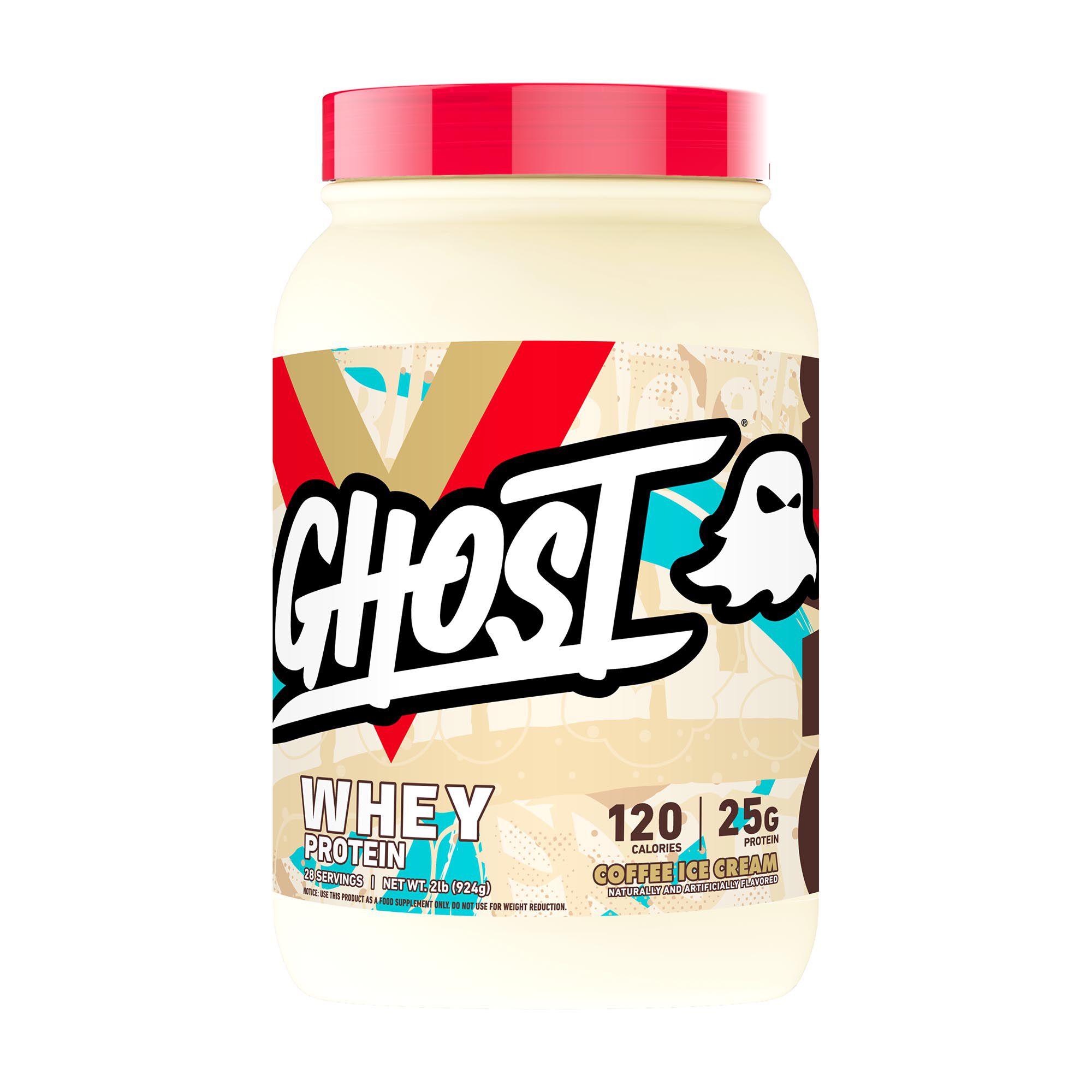

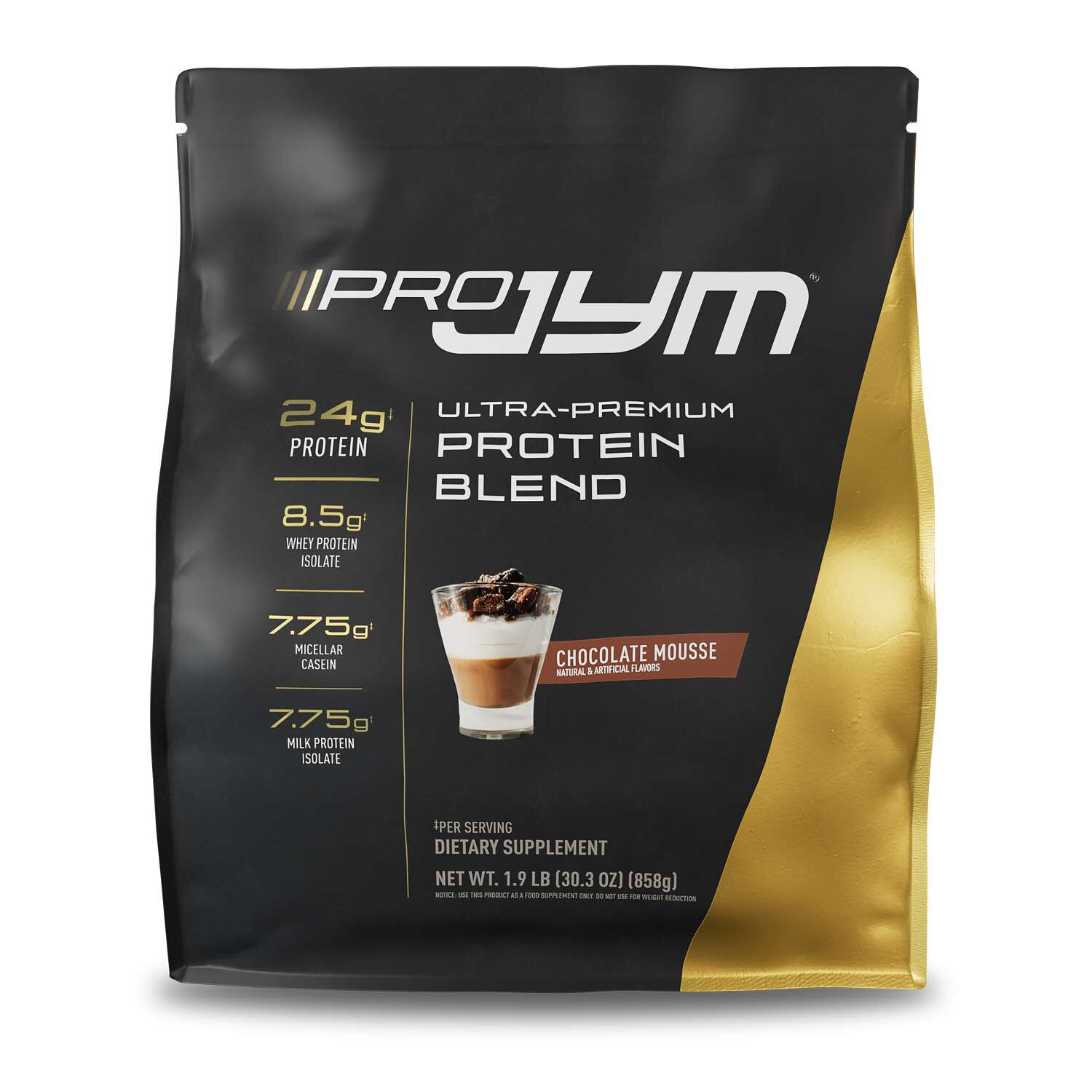
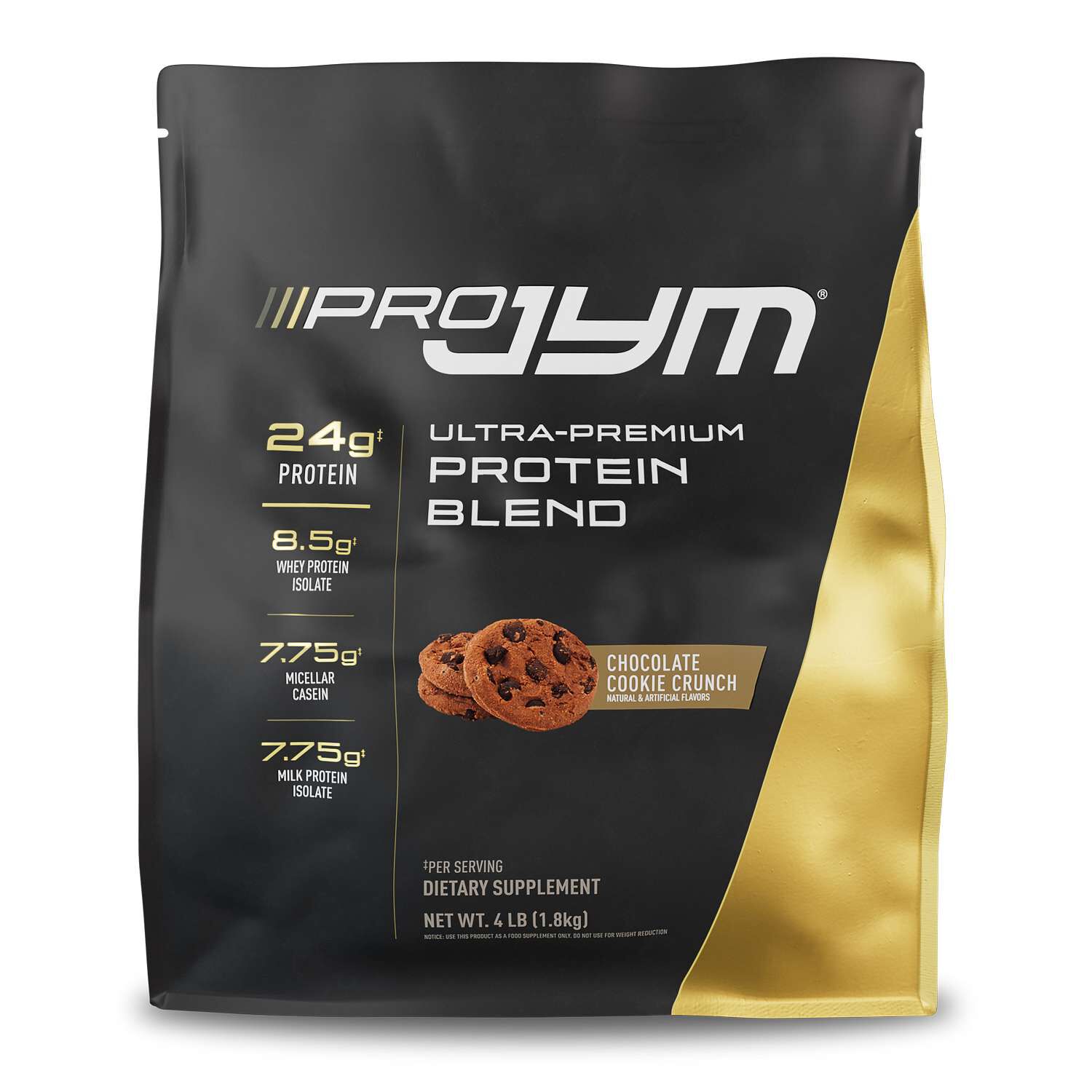

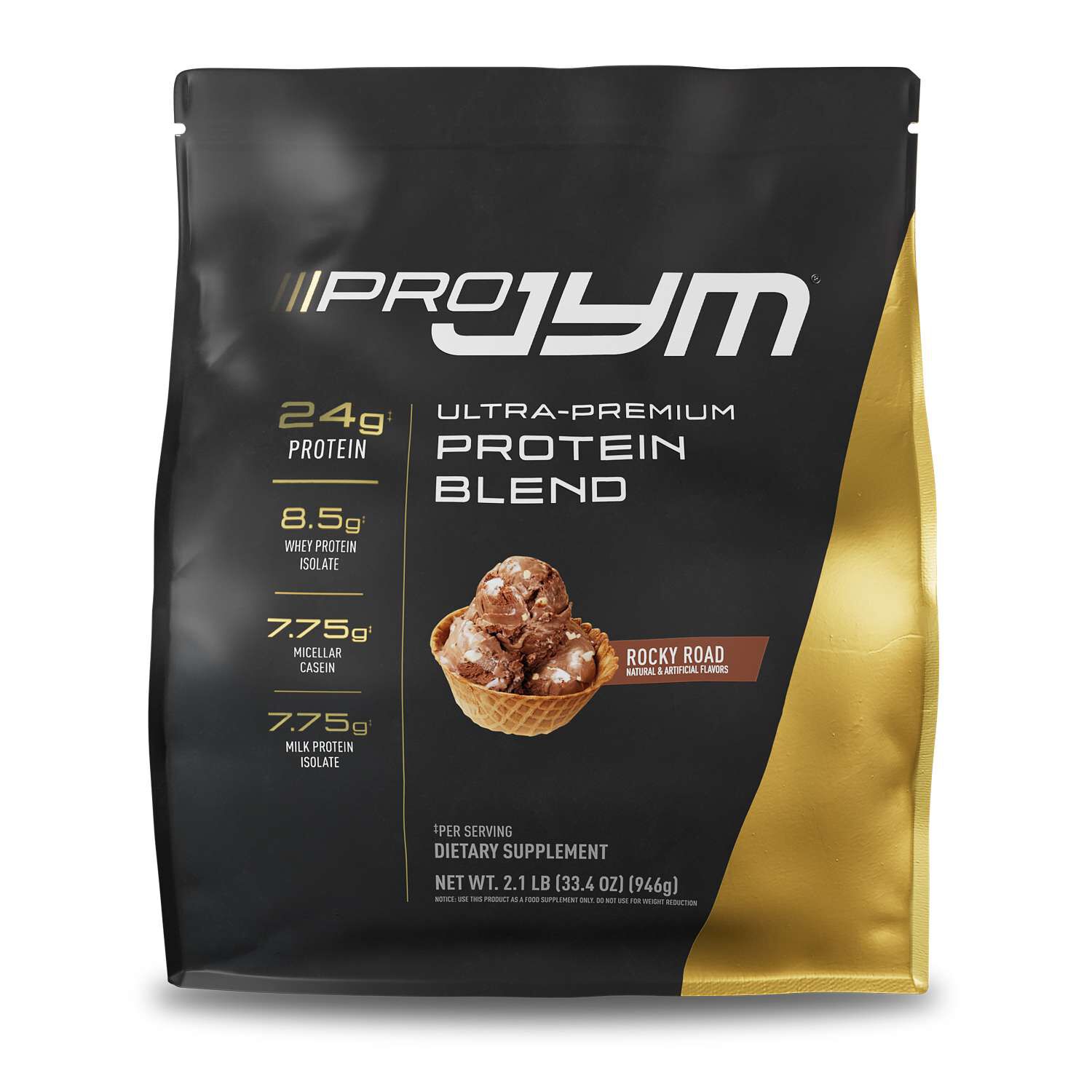


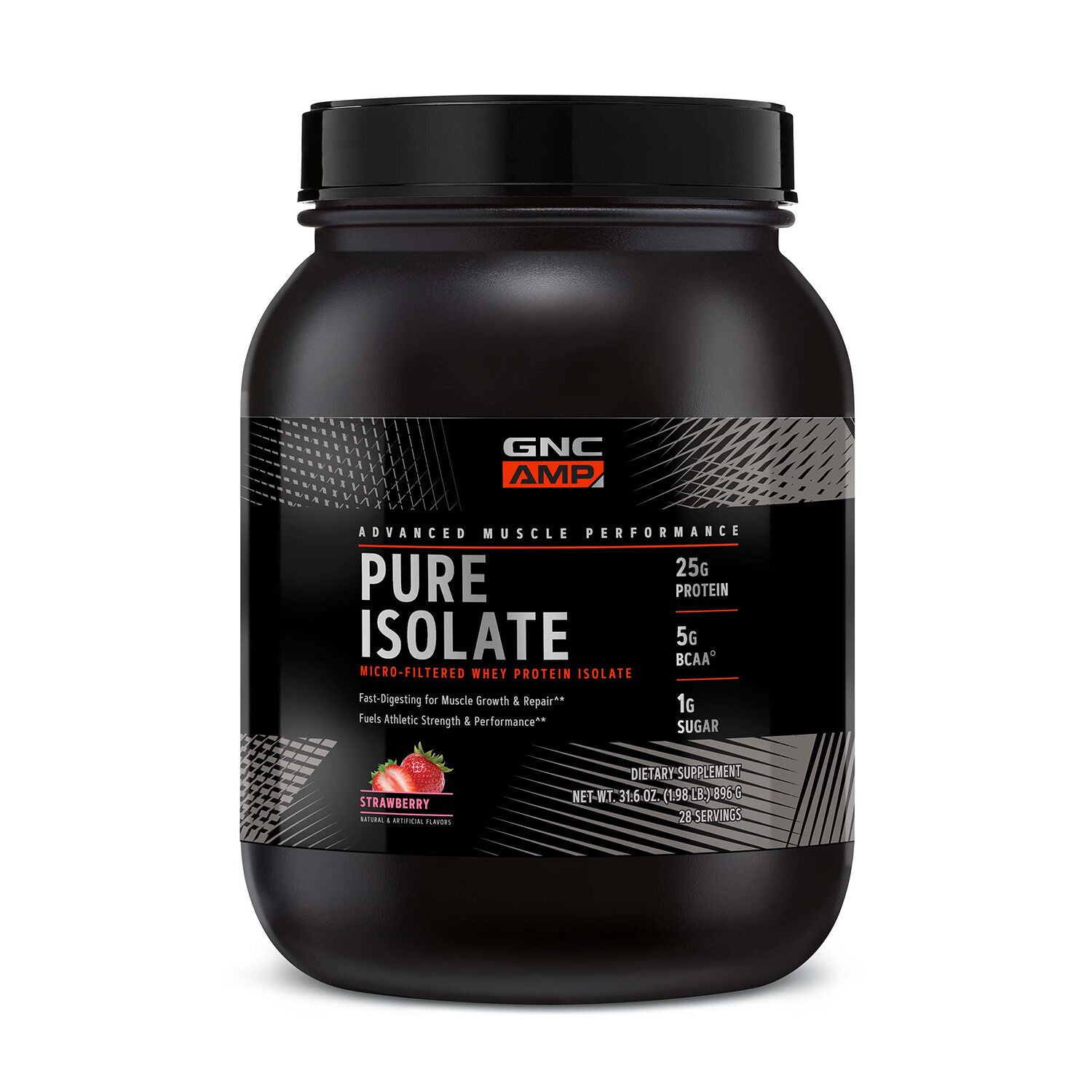


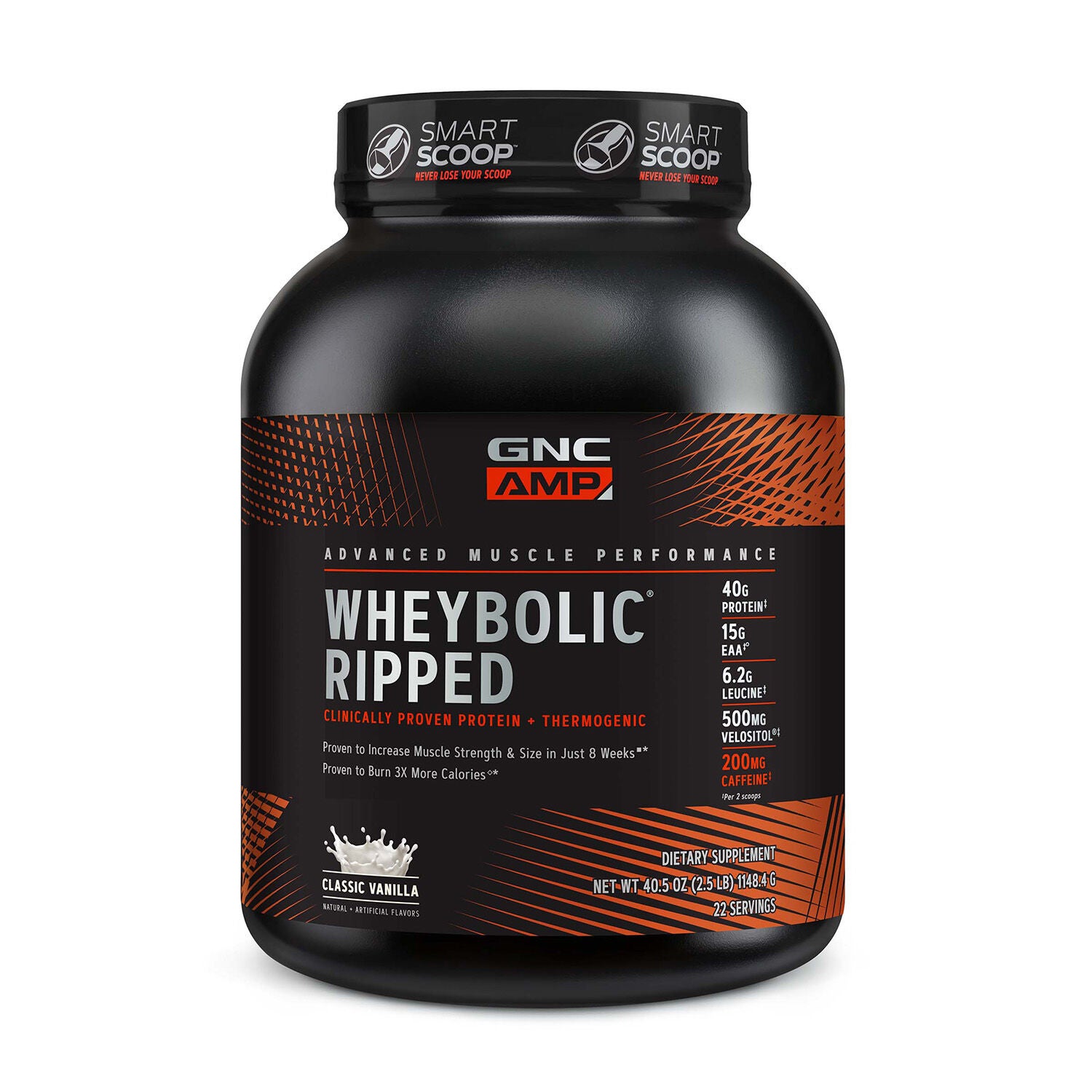

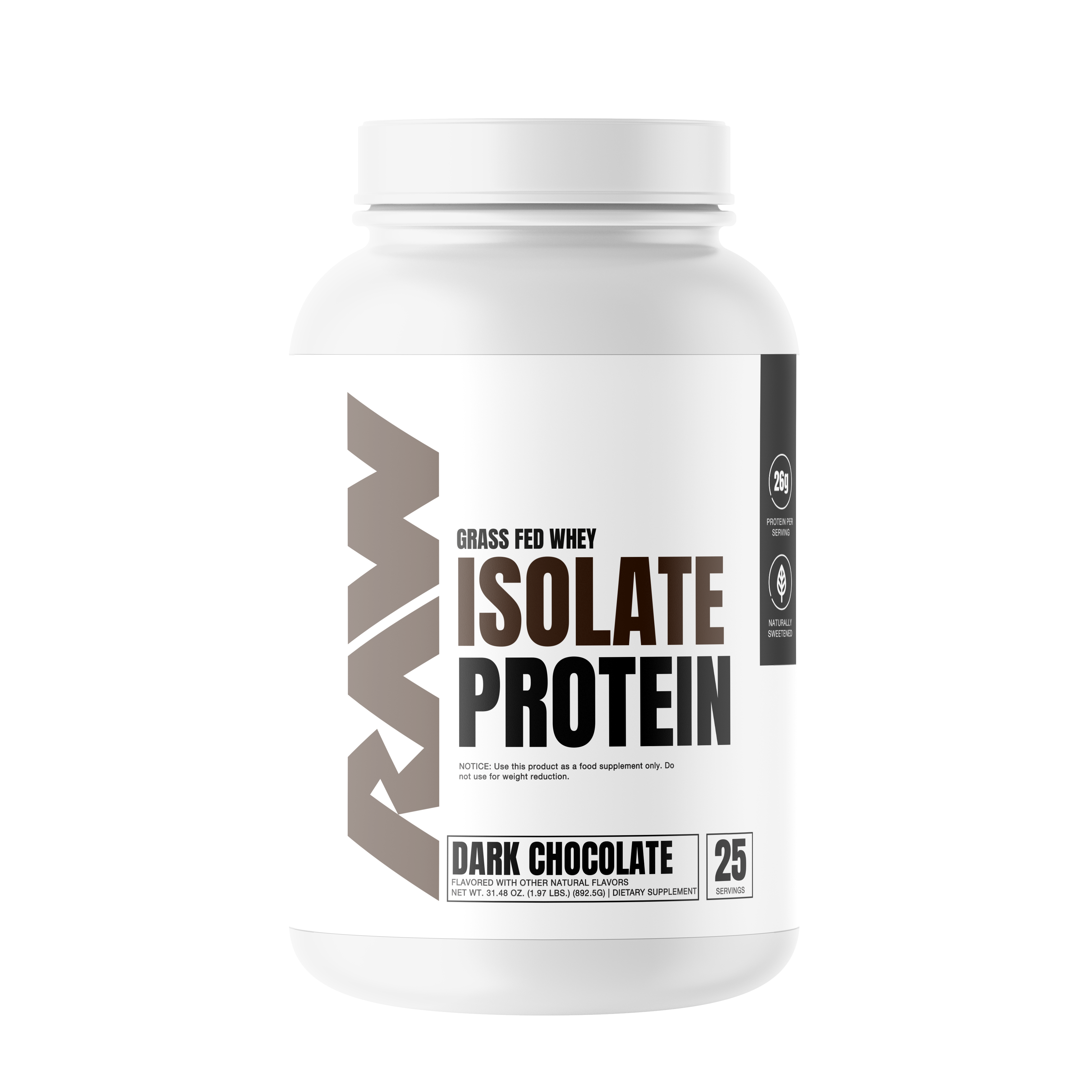
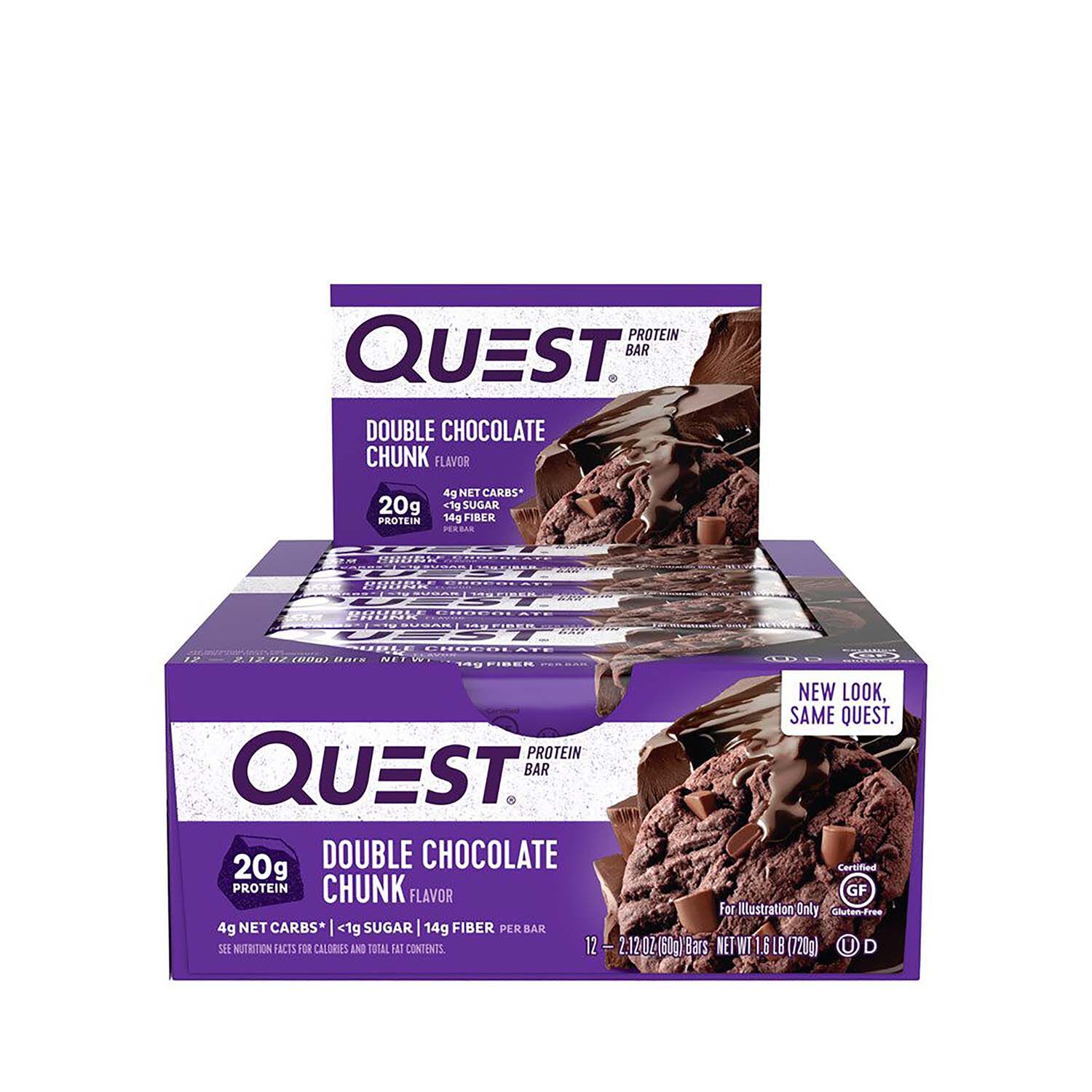
Whey protein isolates for protein balls bring a familiar supplement format into a different part of the kitchen: the mixing bowl. These milk-derived powders are commonly paired with rolled oats, creamy nut butter, and honey or maple syrup to make compact, no-bake snacks. Whey isolate undergoes filtration that removes much of the fat and lactose found in the starting whey, resulting in a concentrated protein ingredient. The exact protein content, remaining lactose, and other ingredients vary by formula, making the nutrition label and ingredient list useful points of comparison. For protein balls, the best match depends as much on flavor and texture as on the amount of protein per serving. A powder that tastes pleasant mixed with water may taste stronger in a dense oat-and-nut-butter mixture, where there is much less liquid to dilute it. Vanilla offers a versatile starting point for combinations with cinnamon, almond butter, or dried fruit, while chocolate suits peanut butter, cocoa, and small chocolate pieces. Unflavored varieties offer another direction when the character of toasted oats, sesame paste, or a particular nut butter is meant to stand out. Unflavored does not necessarily mean tasteless; a mild dairy note can still be present. Sweetened powders also contribute to the finished flavor, so their sweetness belongs in the same comparison as the honey, syrup, dates, or chocolate included in the mixture. These considerations make whey isolate relevant to adults who enjoy preparing snacks at home, people who already use protein powder in drinks, and home cooks looking for another use for a familiar pantry ingredient. A batch tucked into a covered container can fit into an afternoon snack routine, a lunch packed for work, or a relaxed weekend of kitchen prep. The appeal is the combination of recognizable ingredients, flexible flavors, and a format that does not require an oven.
Texture is a particularly useful distinction when comparing whey protein isolate powders for no-bake protein balls. Powders differ in particle size, added ingredients, and how they behave when mixed with moisture. Some formulas include lecithin or other ingredients used to help with mixing, while others have shorter ingredient lists. Neither approach alone determines how the finished snack will feel. The surrounding ingredients matter: oats contribute chew, nut butter supplies richness and binding, and liquid sweeteners contribute both sweetness and moisture. As a general reference, a mixture containing about one cup of oats, one-half cup of whey isolate, one-half cup of creamy nut butter, and one-third cup of honey or maple syrup illustrates the balance between dry ingredients and binders. Those proportions are a starting reference rather than a fixed formula, since powder density, oat size, and nut butter consistency vary. A small amount of milk or a plant-based beverage may help a dry mixture hold together, while too much liquid may leave it difficult to shape. A powder with a pleasant texture in a shake may still produce a dry or chalky impression when used generously in a no-bake mixture. Creamy nut butter with an even consistency may work more smoothly than a stiff portion taken from the bottom of a jar. Rolled oats create a more noticeable chew, whereas quick oats give the mixture a finer texture. Small additions such as finely chopped nuts, shredded coconut, or miniature chocolate pieces bring contrast without dominating every bite. Chia and ground flax absorb moisture, so mixtures containing them may become firmer as they rest. These details make intended use an important part of powder selection: a formula chosen mainly for a thin drink is not automatically the preferred option for a dense snack. For shoppers comparing several flavors, familiar pairings such as chocolate with peanut butter or vanilla with cinnamon offer a practical point of reference before considering more distinctive combinations.
Beyond flavor, the label provides information that matters for both household preferences and everyday use. Whey isolate comes from milk and is not a vegan ingredient; filtration does not change its milk origin. Formulas may also contain soy ingredients, added sweeteners, colors, or other components worth reviewing, and the ingredients added to protein balls bring their own considerations. Peanut butter, almond butter, sesame paste, and oats are not interchangeable for every household. A sunflower seed butter mixture, for example, has a different flavor and consistency from one made with almonds, even when both use the same vanilla powder. Protein per serving is another useful comparison, but a scoop of powder and a finished protein ball represent different portions. The protein in each ball depends on the amount of powder, the contributions from other ingredients, and the number of pieces in the batch. Scoop sizes also differ between formulas, so the serving weight printed on the package gives a more consistent reference than scoop volume alone. Container size and packaging deserve attention as well. A securely closing lid or resealable pouch suits repeated kitchen use, while a package that fits comfortably in a dry cupboard is easier to keep away from sink splashes and cooking steam. Dry powder belongs in its original, tightly closed packaging under the storage conditions stated on the label, with a clean, dry utensil used for measuring. Prepared protein balls need separate storage consideration because their moisture and perishable ingredients differ from those of the powder; a covered container in the refrigerator is a practical choice, with storage time determined by the recipe and ingredients. For someone who enjoys experimenting with protein powder across breakfast and snack recipes, Whey Protein Powders For Protein Waffles offers a related category to explore, although batter and no-bake mixtures place different demands on the powder. Whether the preferred combination is cocoa and oats or vanilla with a touch of cinnamon, a well-matched whey isolate starts with the flavor, ingredient profile, and mixing characteristics that suit the way the snack will be made and enjoyed.