

Mood Support Supplements | Shop Top Brands & Great Deals | GNC
(0 Results)
Discover a range of mood support supplements designed to help you maintain emotional well-being and mental clarity. Our carefully curated selection offers natural solutions to support a positive mood, reduce stress, and promote relaxation. Whether you're looking to uplift your spirits, stay calm under pressure, or simply enhance your overall emotional balance, these supplements are crafted with high-quality ingredients to help you feel your best every day. Explore our collection and find your perfect mood-boosting companion.
-

-

-

-

-

-
 Portions Master$24.99
 -
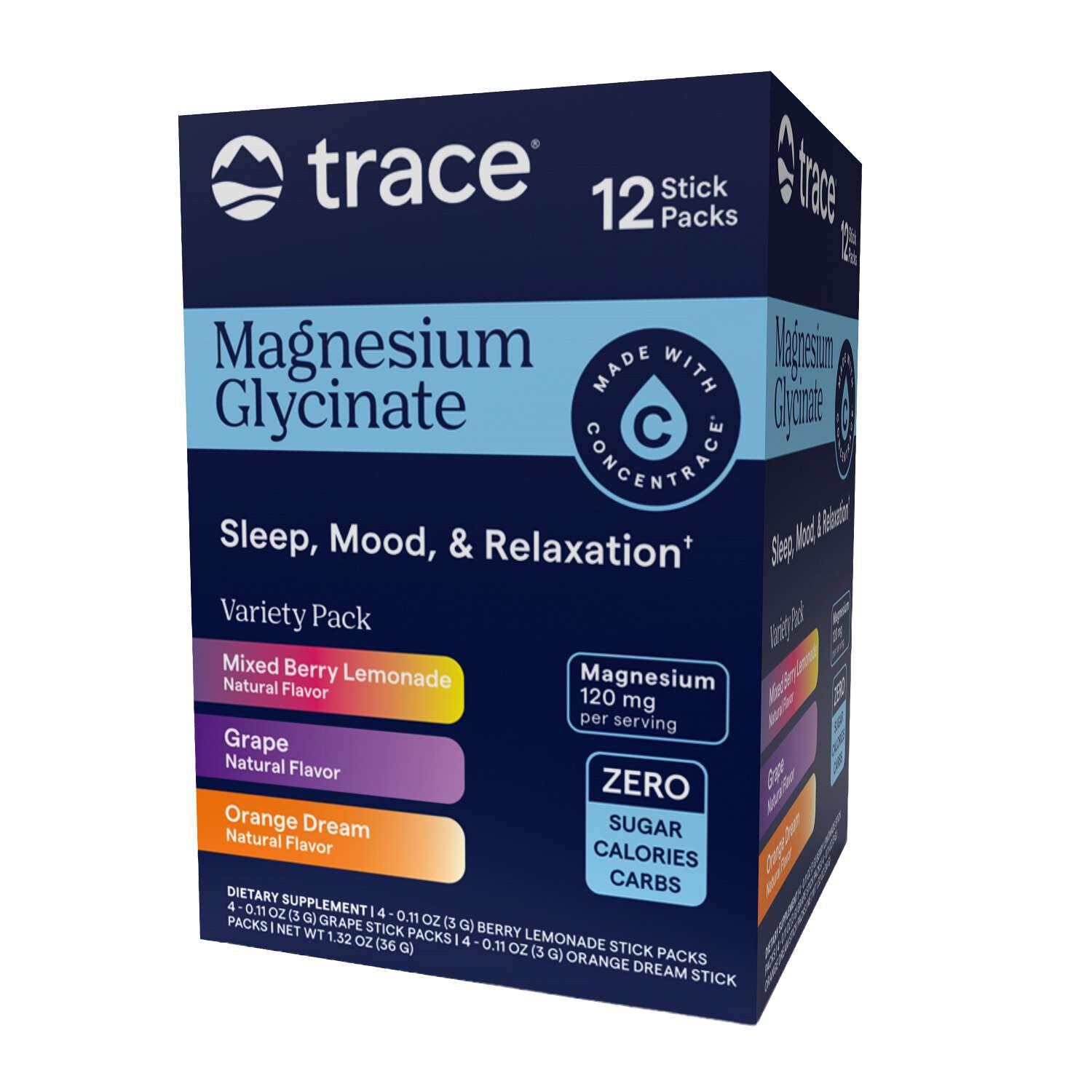 Trace Minerals$14.99
 -
 You Matter Wellness$49.99
 -
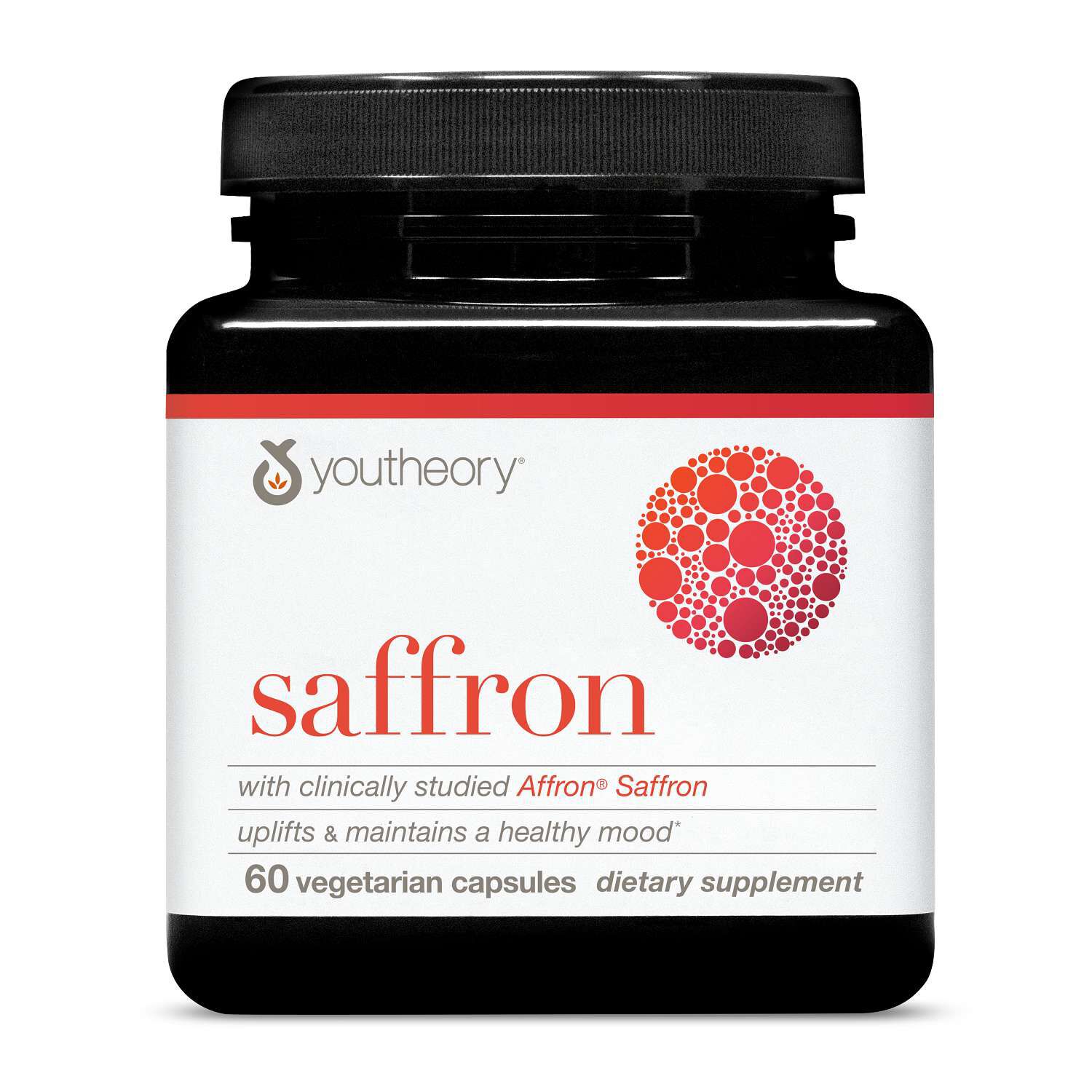 $32.99
 -
-
-
-
-
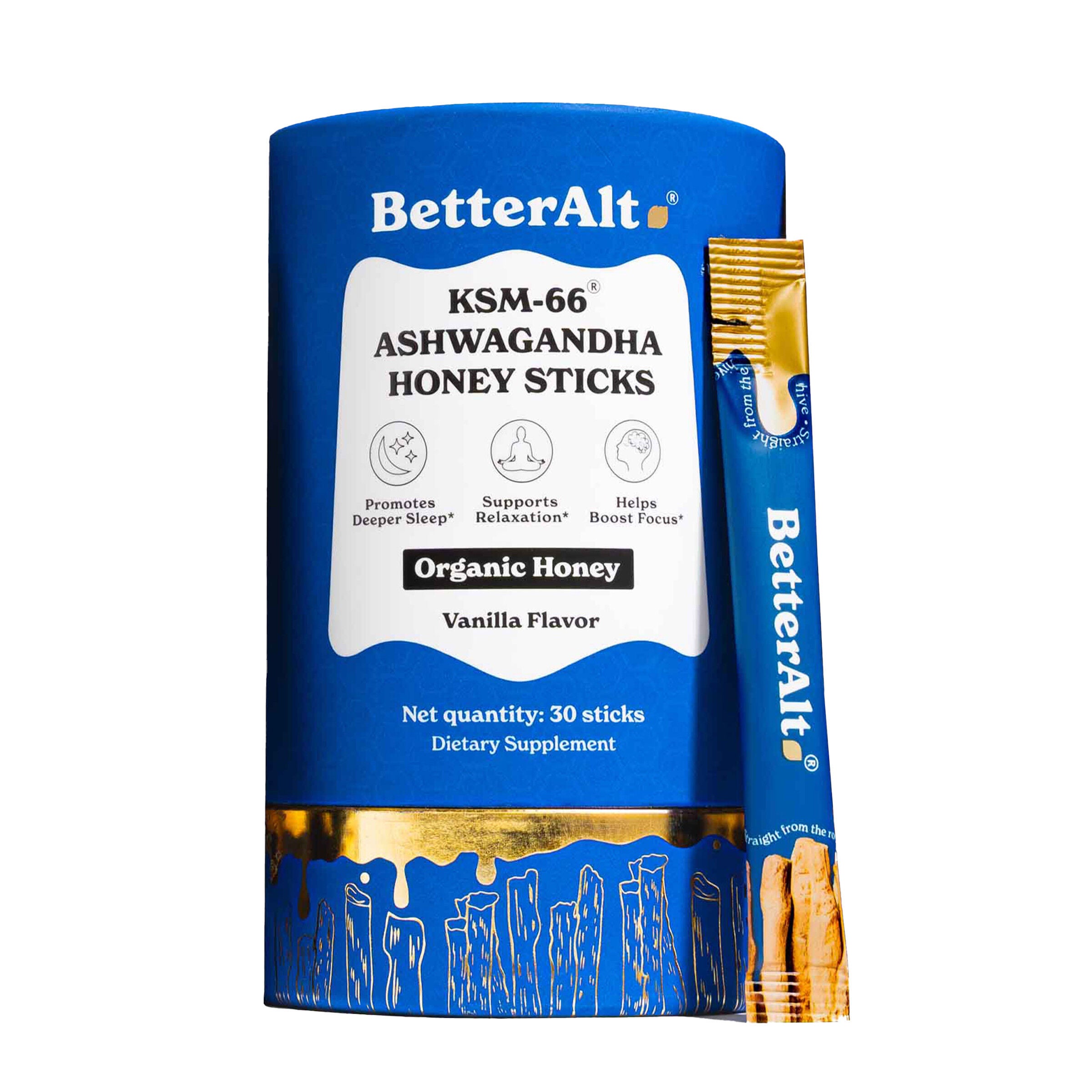
-
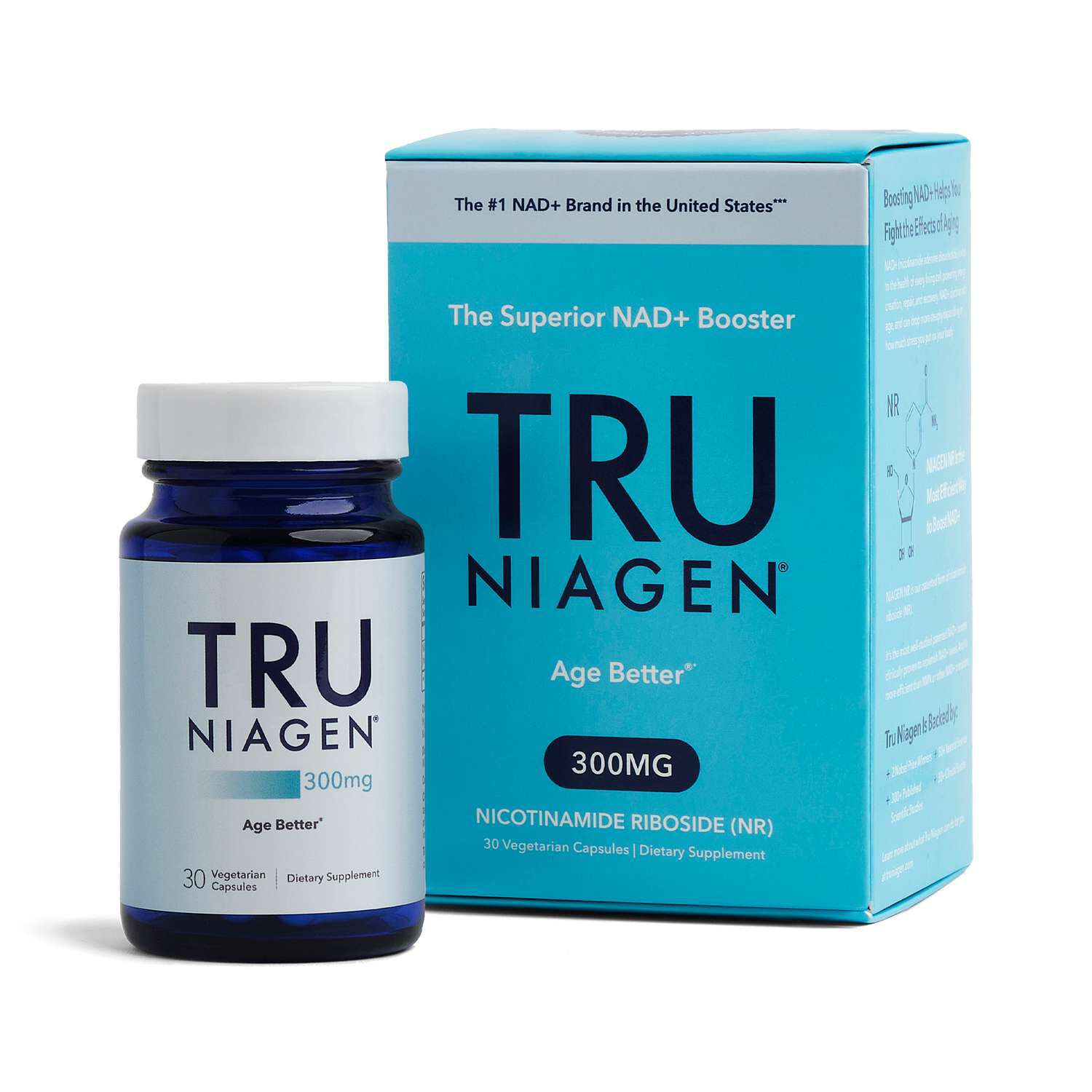
-
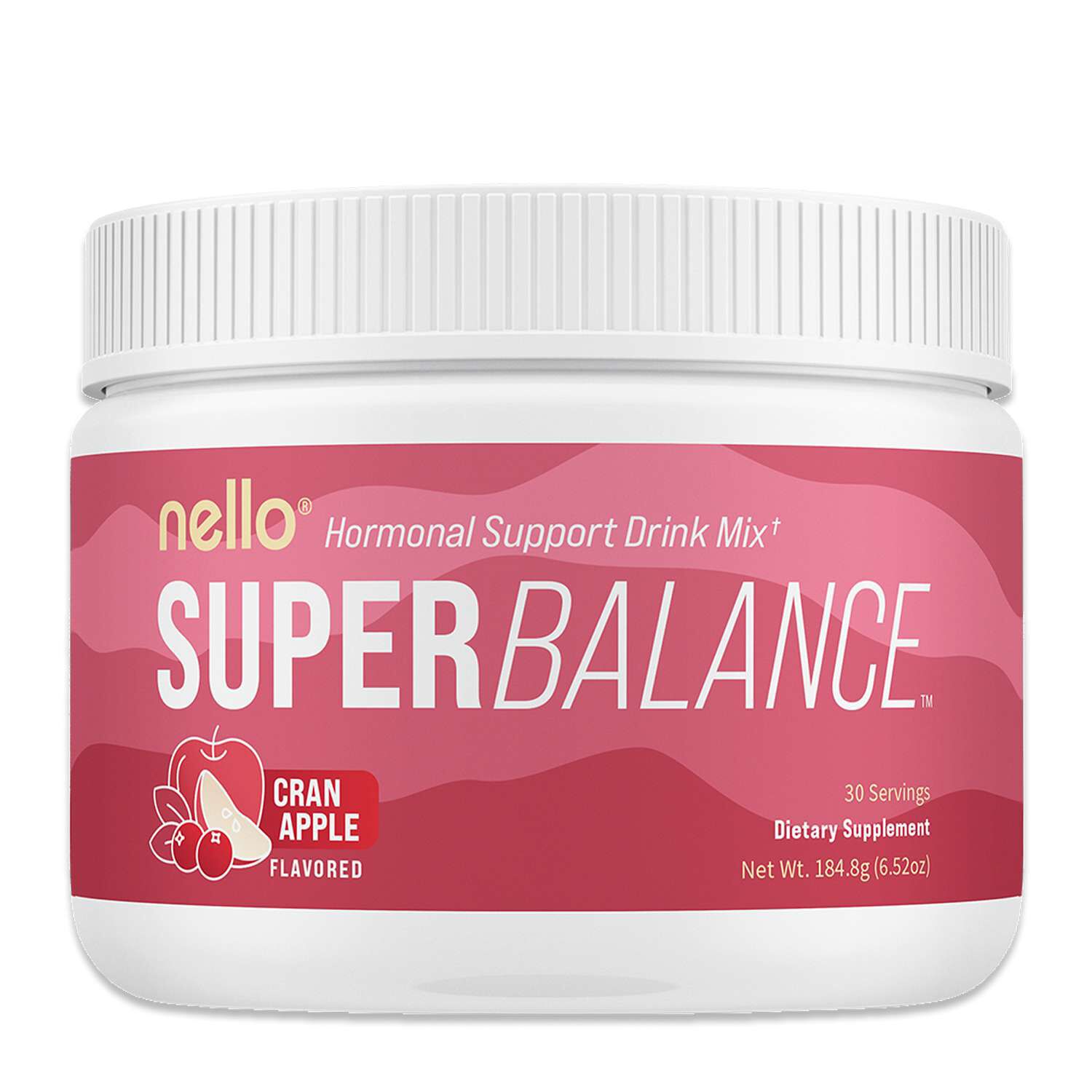
-
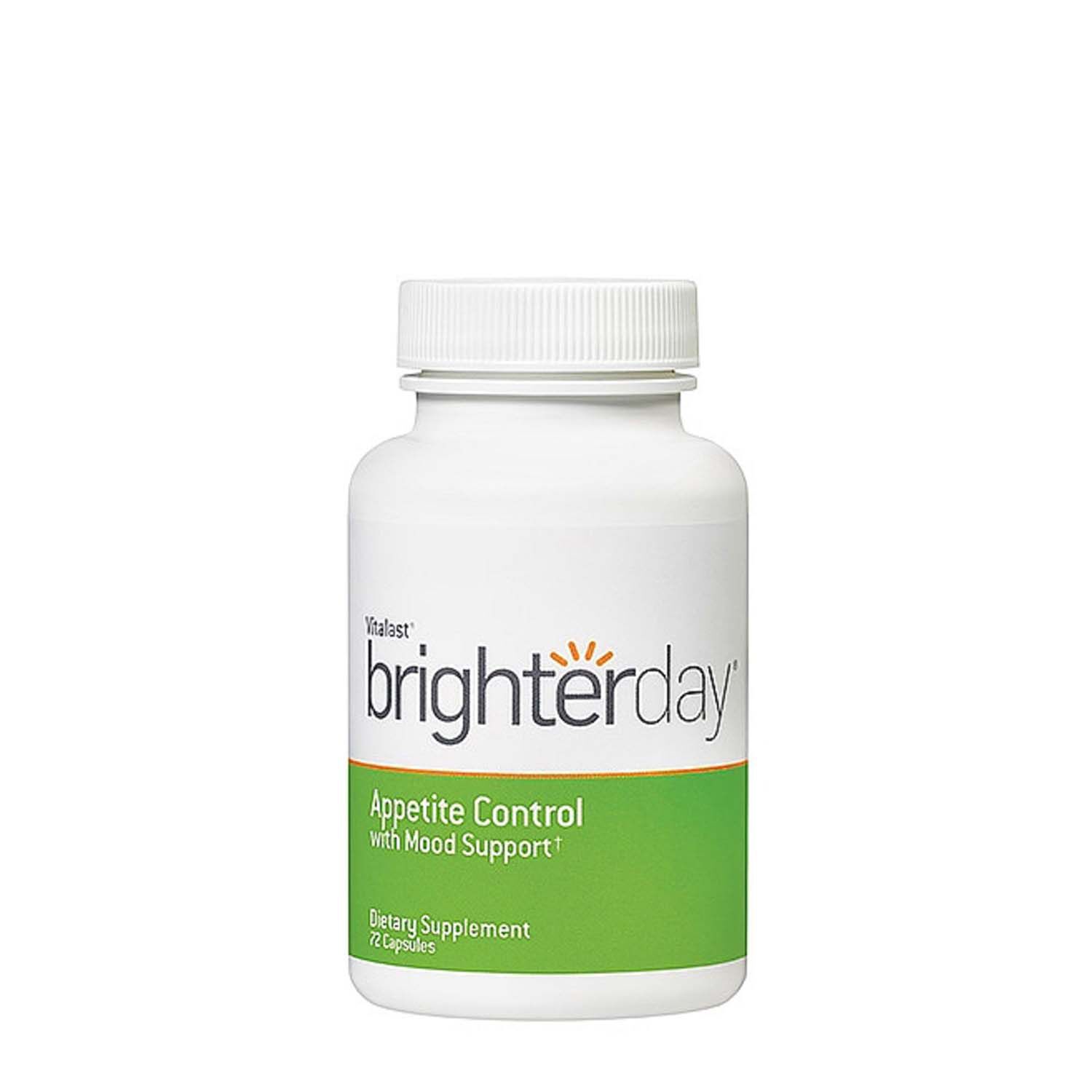
-

-
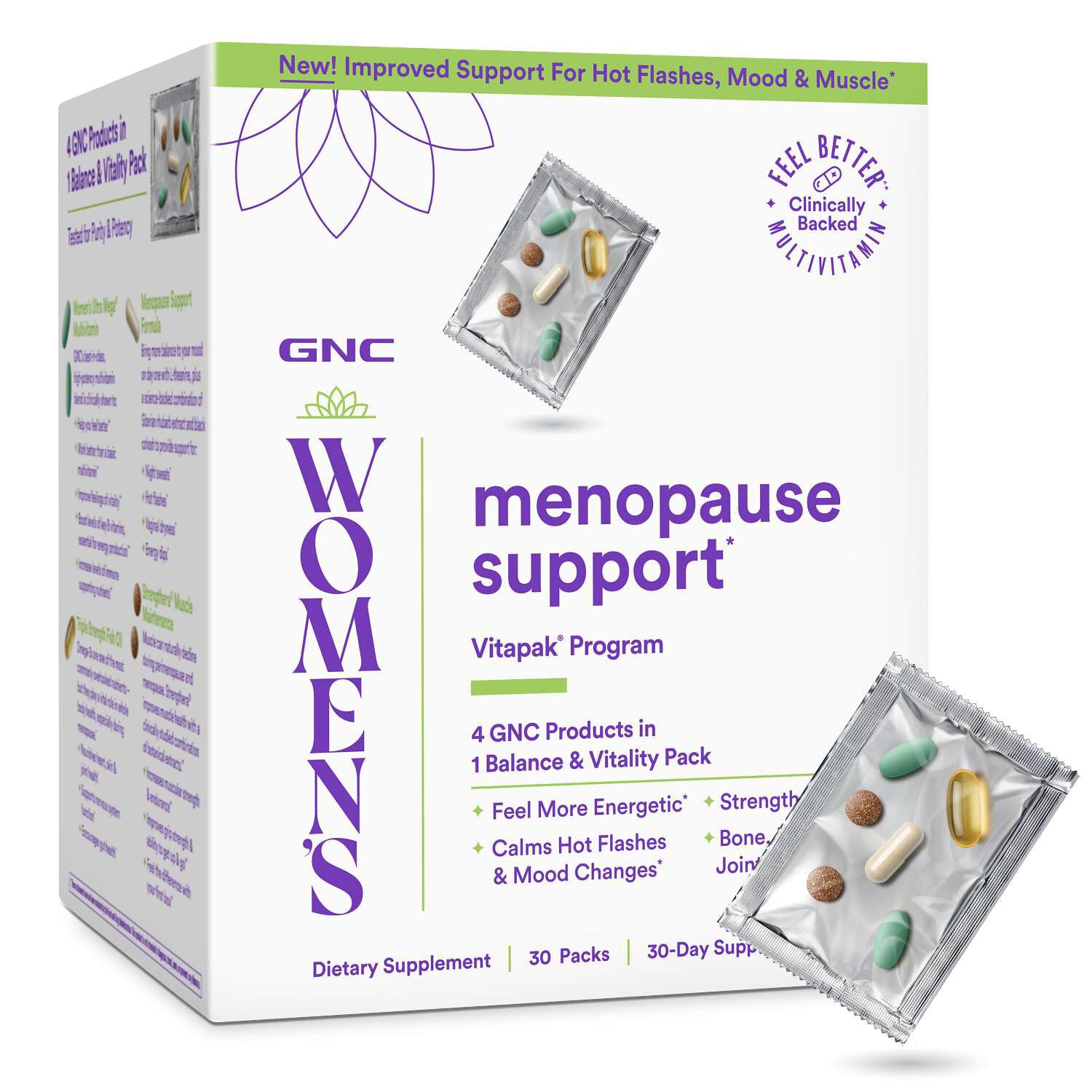
-
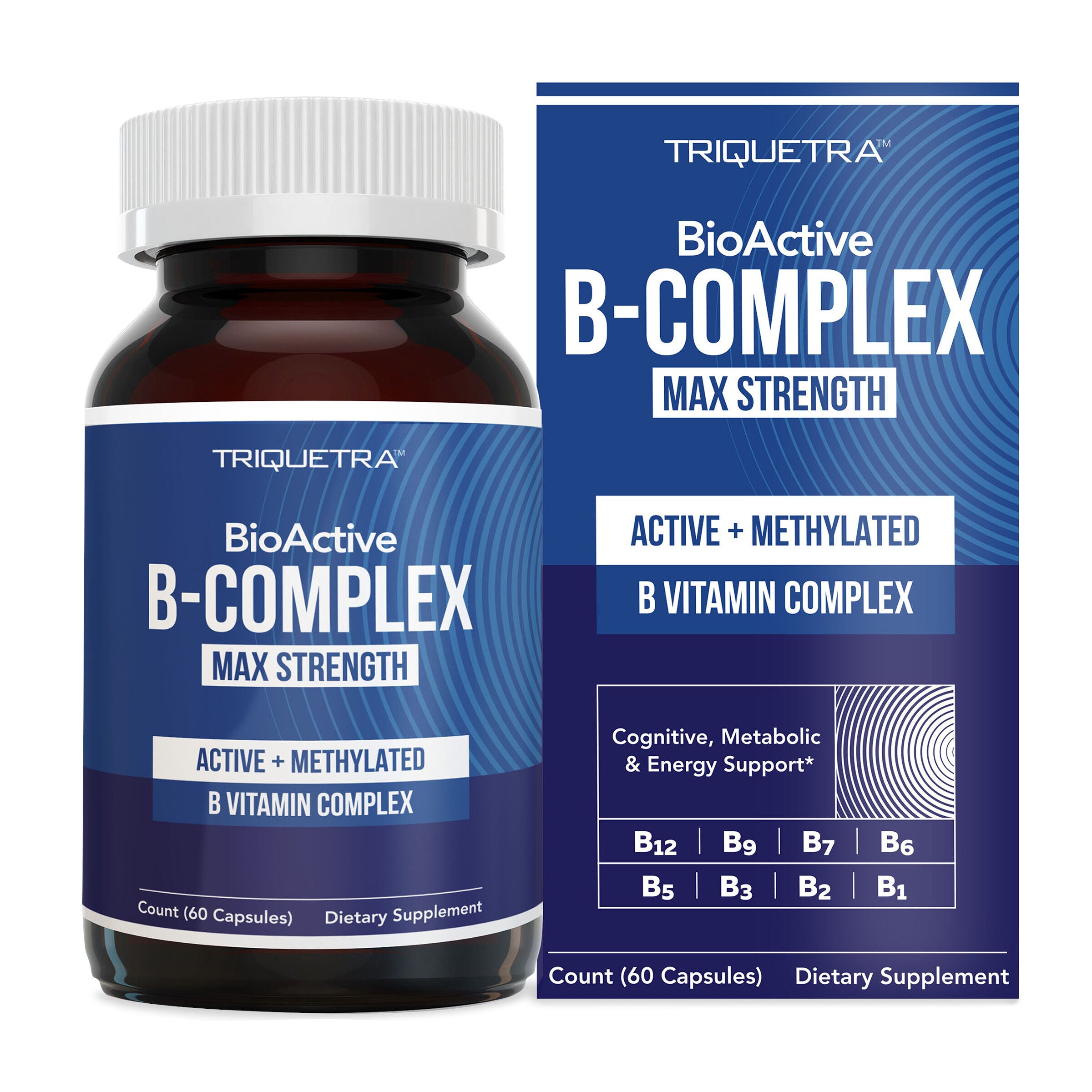
-
 Chewable Tablets_Front.jpg?sw=305&sh=305&sm=fit "ChildCalm - 60 Chewable Tablets (30 Servings) | GNC")
-
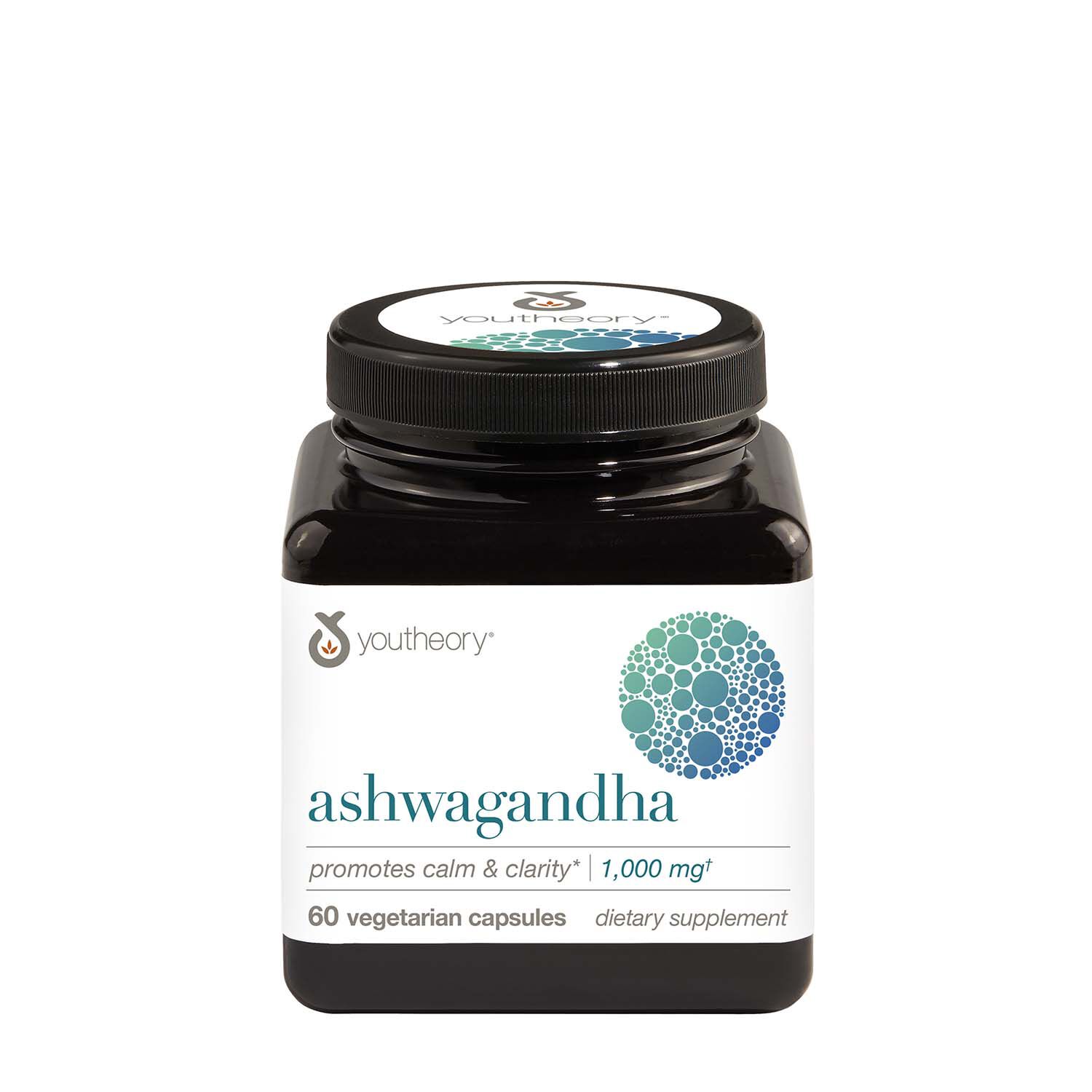

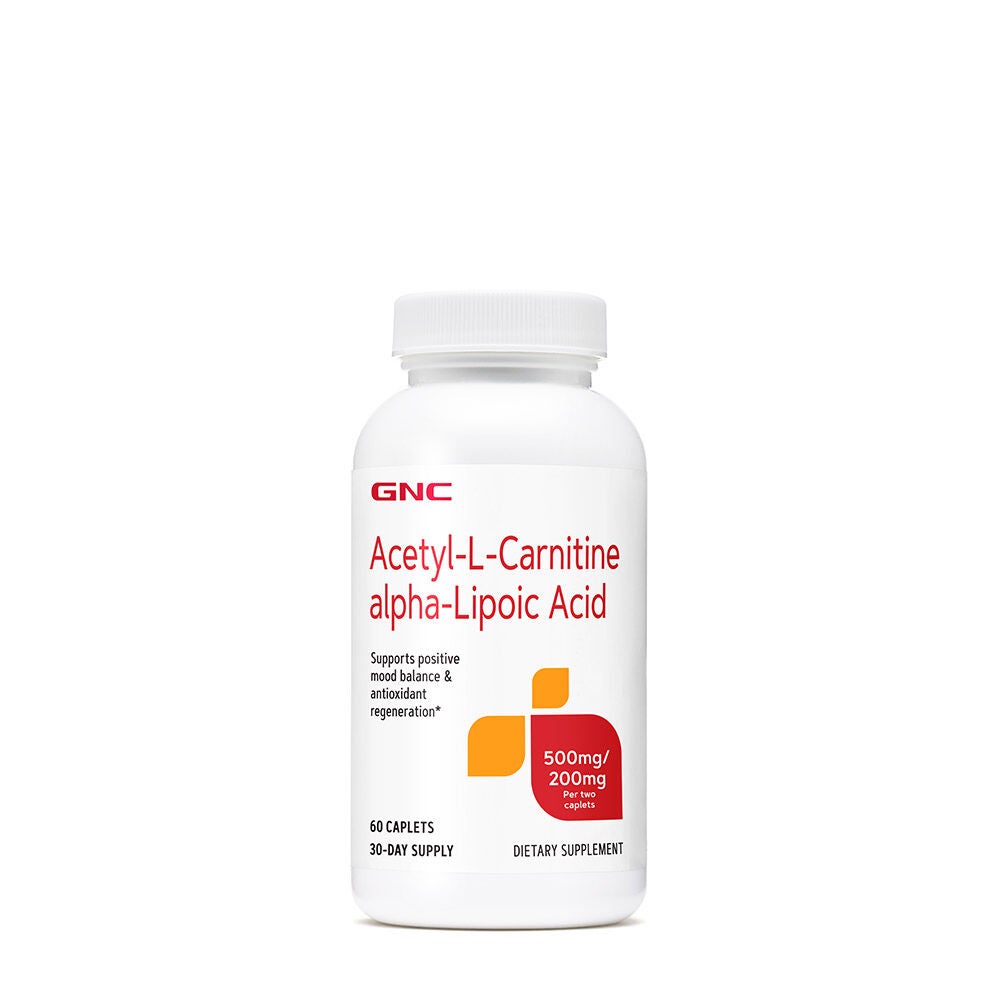
Mood support supplements are dietary supplements made with vitamins, minerals, botanicals, or other ingredients that may support everyday emotional well-being. The category includes a variety of formulas and serving formats, with options that reflect different preferences around ingredients, taste, texture, and daily routines. Some formulas center on a single nutrient, while others combine several ingredients in one serving. Their intended use is nutritional support within a broader approach to personal wellness, rather than a substitute for regular meals, restful downtime, or professional care. For adults balancing a busy workday, household responsibilities, and time for themselves, the appeal often starts with finding something that fits an established routine. A capsule alongside breakfast, a tablet stored with other daily supplements, or a powder prepared according to its label can each offer a different experience. That practical fit matters as much as the description on the front of the package. Mood support is also a broad term, so products grouped under it do not necessarily share the same ingredients or suggested use. Some emphasize vitamins and minerals, while others feature plant-based ingredients associated with general wellness. The ingredient panel provides a clearer picture of what each formula contains than the category name alone. Serving size, amounts per serving, and the full list of additional ingredients distinguish otherwise similar-looking options. The number of capsules or tablets in a serving can also vary, making the serving information more useful than the bottle count by itself. For shoppers browsing mood support supplements, these details create a more meaningful basis for comparison than a familiar ingredient name on its own. A straightforward formula may appeal to someone who prefers a short ingredient list, while a blended formula may suit a preference for several ingredients in the same format. Neither style describes a universal fit; the distinction is about composition, intended use, and individual preferences.
The ingredients in mood support supplements can span several familiar supplement categories, including B vitamins, vitamin D, magnesium, amino acids, and botanical extracts. These ingredients are not interchangeable, and their presence does not mean every formula has the same purpose or characteristics. A mineral formula differs from an herbal blend in both its composition and the information that matters on its label. For a botanical ingredient, the plant name, plant part, and extract description can help distinguish one formulation from another. For vitamins and minerals, the named nutrient form and amount per serving offer additional context. Blends may list individual amounts or present ingredients together under a blend name, so the amount of detail on the label can differ. Beyond the featured ingredients, capsule shells, coatings, flavors, colors, and sweeteners contribute to the finished product. Capsule materials may include gelatin or plant-derived alternatives, which can matter to shoppers with dietary preferences. Gummies and chewables bring taste and texture into the decision, along with the amount of sugar and the type of sweetener used. Powders introduce another set of practical considerations, including the suggested liquid, mixing directions, and serving measurement. An unflavored powder and a flavored chewable create very different daily experiences, even when they sit within the same category. Dietary statements and allergen information are also useful parts of the comparison, particularly for households where ingredient preferences shape everyday purchases. Package details provide a more specific reference than assumptions based on a format or ingredient category. A plant-based featured ingredient, for example, does not by itself describe the material used for the capsule. Likewise, a familiar flavor name does not explain the full sweetener blend. These distinctions make mood support supplements a category where the back label deserves as much attention as the front. The most informative descriptions connect the ingredient list with serving details, format, and stated intended use, without treating every blend as equivalent.
Day-to-day convenience also depends on the container, storage requirements, and how a serving fits into an ordinary schedule. A bottle that stays in a kitchen cabinet has different handling considerations from a package carried between home and the office. Clear closures, readable serving information, and packaging that protects the contents all contribute to a practical experience. Many supplements include directions for storage in a cool, dry place, although the instructions on the individual package remain the relevant reference. A steamy bathroom, a sunny windowsill, or a car exposed to changing temperatures may not match those storage conditions. Powders can have particular handling directions related to moisture, while gummies may require attention to heat. These are care and product-condition considerations rather than measures of how a formula may affect someone. The printed date and the original container also provide useful context for keeping track of a supplement over time. As routines shift during the cooler months, a simple format may feel more manageable than one that requires extra preparation. Someone eating breakfast at home may have a different preference from an adult packing a bag before an early commute. Neither setting calls for an elaborate routine; the relevant details are the labeled serving, preparation needs, and suitability for the intended user. Mood support supplements are generally a personal purchase rather than an automatic gift choice, since dietary preferences and individual circumstances are not always visible to others. They are not interchangeable with general snack foods, even when offered in a fruit-flavored or chewable format. Shoppers exploring related category language can also browse Mood Swing Supplements, with the understanding that category names alone do not establish whether two formulas are alike. Across these options, careful product descriptions and clear labels keep the focus on what can actually be compared: ingredients, serving amounts, format, storage, and intended use. That grounded view leaves room for personal preferences without suggesting that a supplement can account for every part of emotional well-being.
Best Sellers
-
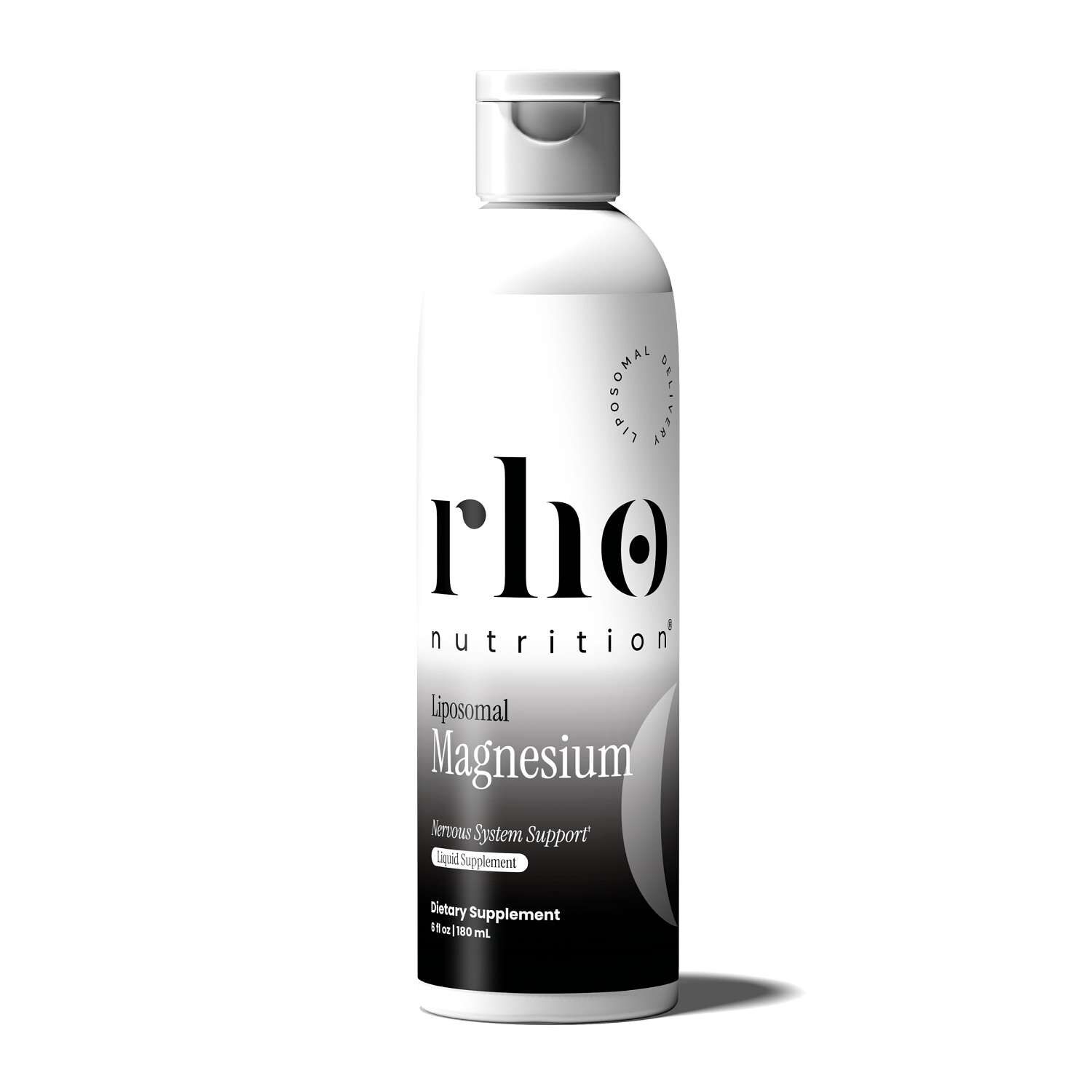 Rho Nutrition
 -
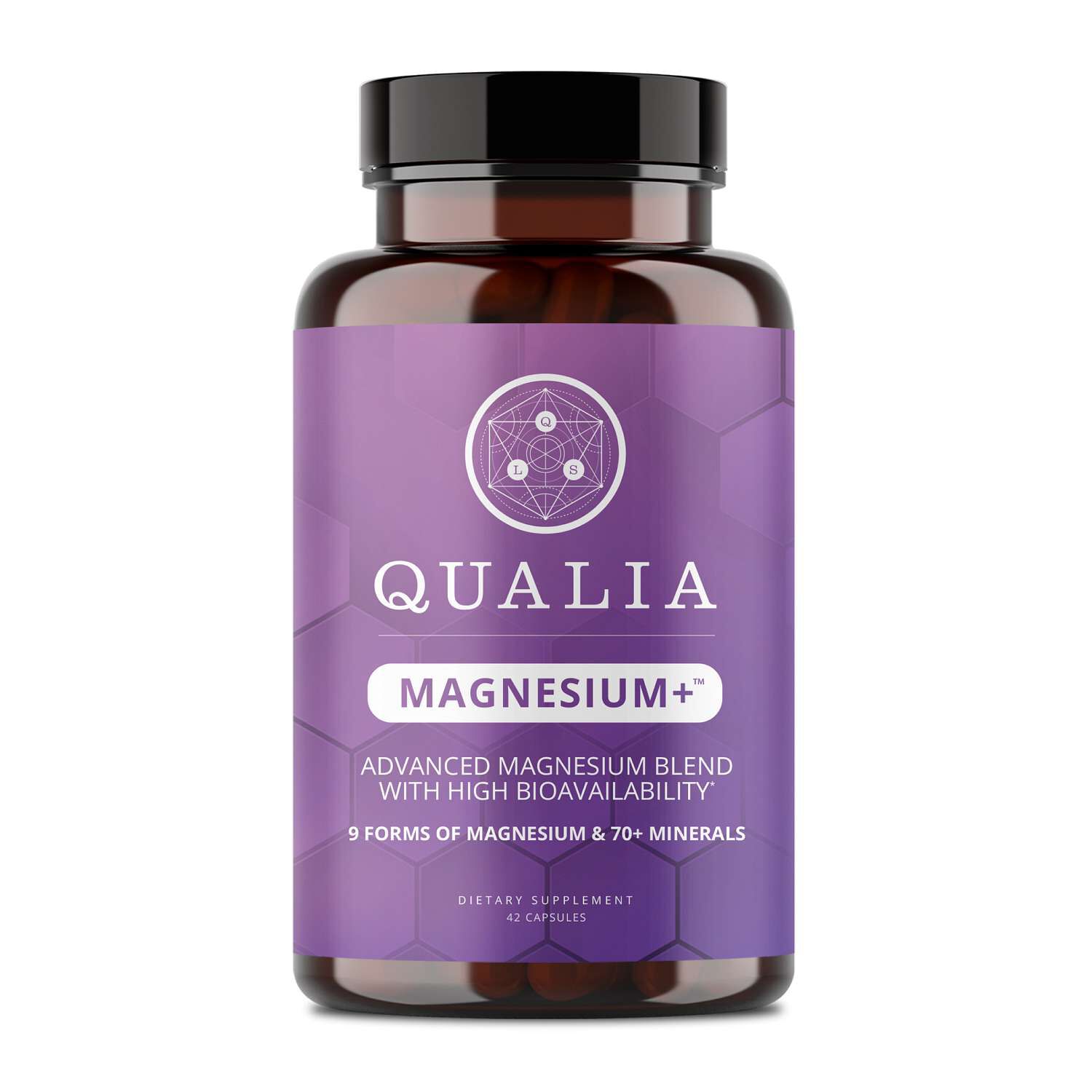 Qualia Life Sciences