

Whole Food Vitamin C Capsules
(0 Results)
Whole food vitamin C capsules offer a convenient way to incorporate plant-based sources of vitamin C into your daily routine. These capsules are crafted with ingredients derived from fruits and vegetables, making them a popular choice for those seeking a supplement option rooted in whole foods. Explore a variety of whole food vitamin C capsules that may fit seamlessly into your wellness journey.
-

-
-
 $34.99
 -

-

-

-
-

-
-
-
-

-

-

-
-

-

-


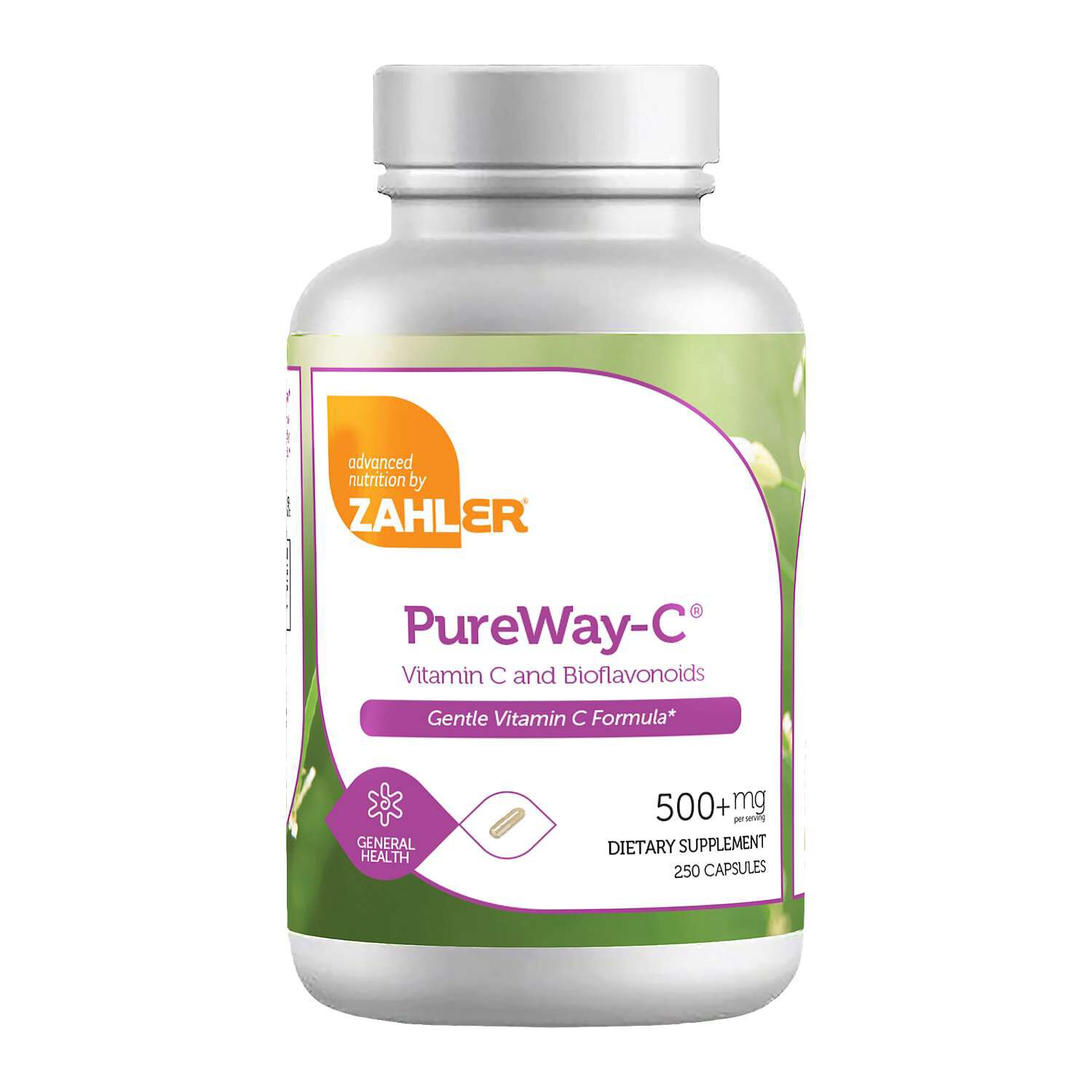

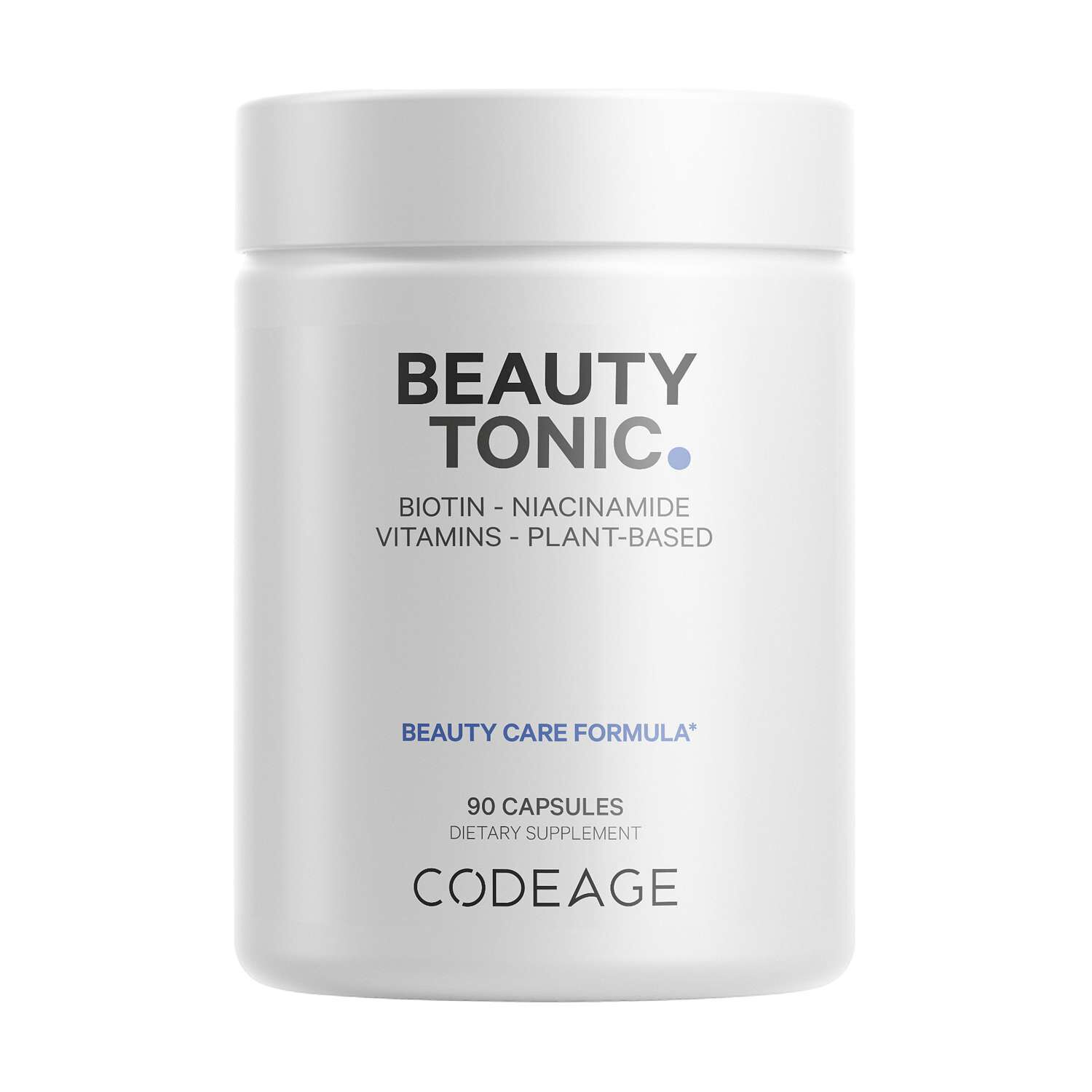

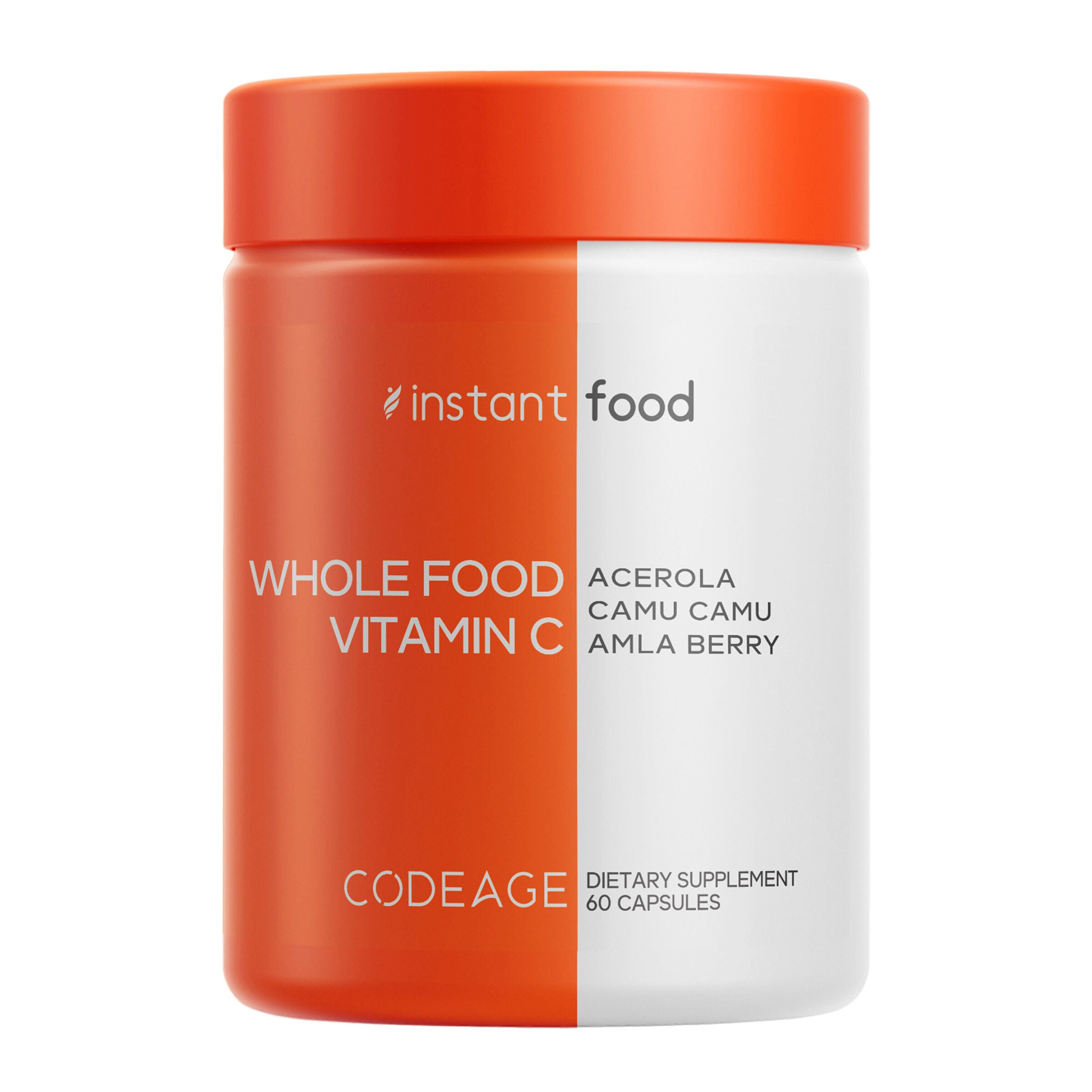
Whole food vitamin C capsules offer a convenient way to shop for vitamin C sourced from concentrated fruit and plant ingredients. Rather than relying only on isolated ascorbic acid, these formulas may feature familiar foods such as acerola cherry, amla berry, camu camu, citrus, or other botanical sources. These fruits may also contribute naturally occurring plant compounds, including bioflavonoids and rutin, which remain part of the broader ingredient profile. For shoppers who enjoy the idea of a food-based approach, a whole food vitamin C capsule may feel like a thoughtful addition to a daily supplement routine, especially when fresh produce is not always easy to keep on hand. Capsules can fit neatly beside a morning glass of water, a packed work bag, or a travel toiletry case, making them practical for people who prefer a simple routine without blending powders or measuring liquid servings. As the weather warms, they may suit active schedules that include day trips, outdoor plans, and busy family calendars; during the cooler months, they may remain a convenient choice for maintaining a consistent supplement habit alongside a varied diet. These products are dietary supplements, not substitutes for meals, and shoppers may wish to consider how a capsule fits with their overall food choices and personal routine.
When comparing whole food vitamin C capsules, the Supplement Facts panel offers a useful place to begin. Look for the amount of vitamin C per serving, the listed food sources, the suggested serving size, and any additional ingredients included in the formula. Some shoppers may prefer a focused capsule made with one primary fruit source, while others may enjoy a blend that brings together acerola, amla, camu camu, citrus bioflavonoids, or other plant ingredients. The source may matter to people who favor organic agriculture, vegan capsules, or short ingredient lists, although certifications and formulation details can vary from one product to another. Capsule materials may also differ, so shoppers following a plant-based lifestyle may want to check whether the shell is made from vegetable cellulose. Those avoiding particular ingredients can review allergen statements, sweeteners, colorants, and common processing aids before placing an order. Potency is another personal consideration: a lower amount may feel appropriate for someone seeking a modest addition to an established routine, while a higher amount may appeal to shoppers who have selected that format as part of their supplement preferences. Reading the label helps set clear expectations, particularly because serving sizes and fruit-source concentrations are not identical across the category. If a shopper has questions about supplements, ingredients, or how a product fits with personal circumstances, a qualified healthcare professional or pharmacist may offer individualized guidance.
Whole food vitamin C capsules may also appeal to people building a practical wellness basket for a partner, parent, roommate, student, or frequent traveler. They can make a considerate gift for someone who appreciates pantry-style ingredients, organized routines, and compact formats, especially when paired with other food-based supplements or a reusable water bottle. A small bottle tucked into a desk drawer may be useful for an office routine, while a capsule container can travel easily in a weekend bag during the cooler months. Gift shoppers may want to choose based on the recipient’s preferences rather than assuming that one formula suits everyone: an organic preference, a vegan lifestyle, a desire for fewer ingredients, or an interest in fruit-based nutrition may each point toward different label details. For personal use, many people choose a consistent time of day, such as alongside breakfast or another regular meal, while following the serving directions printed on the package. Keeping the container stored as directed may help preserve the intended quality of the product. Those interested in exploring related food-based formats may also browse Whole Food Vegetable Capsules for another way to compare plant-sourced supplement options. With source, serving size, capsule materials, certifications, and ingredient preferences in view, shoppers can narrow the selection to a whole food vitamin C capsule that feels well suited to their household and everyday rhythm.