





Whole Food Vegetable Capsules
(0 Results)
Whole food vegetable capsules offer a convenient way to incorporate more plant-based nutrition into your daily routine. With a focus on harnessing the potential of fruits, vegetables, and other natural ingredients, these supplements may support a balanced lifestyle. Explore a variety of whole food vegetable capsules designed to fit seamlessly into your wellness journey.

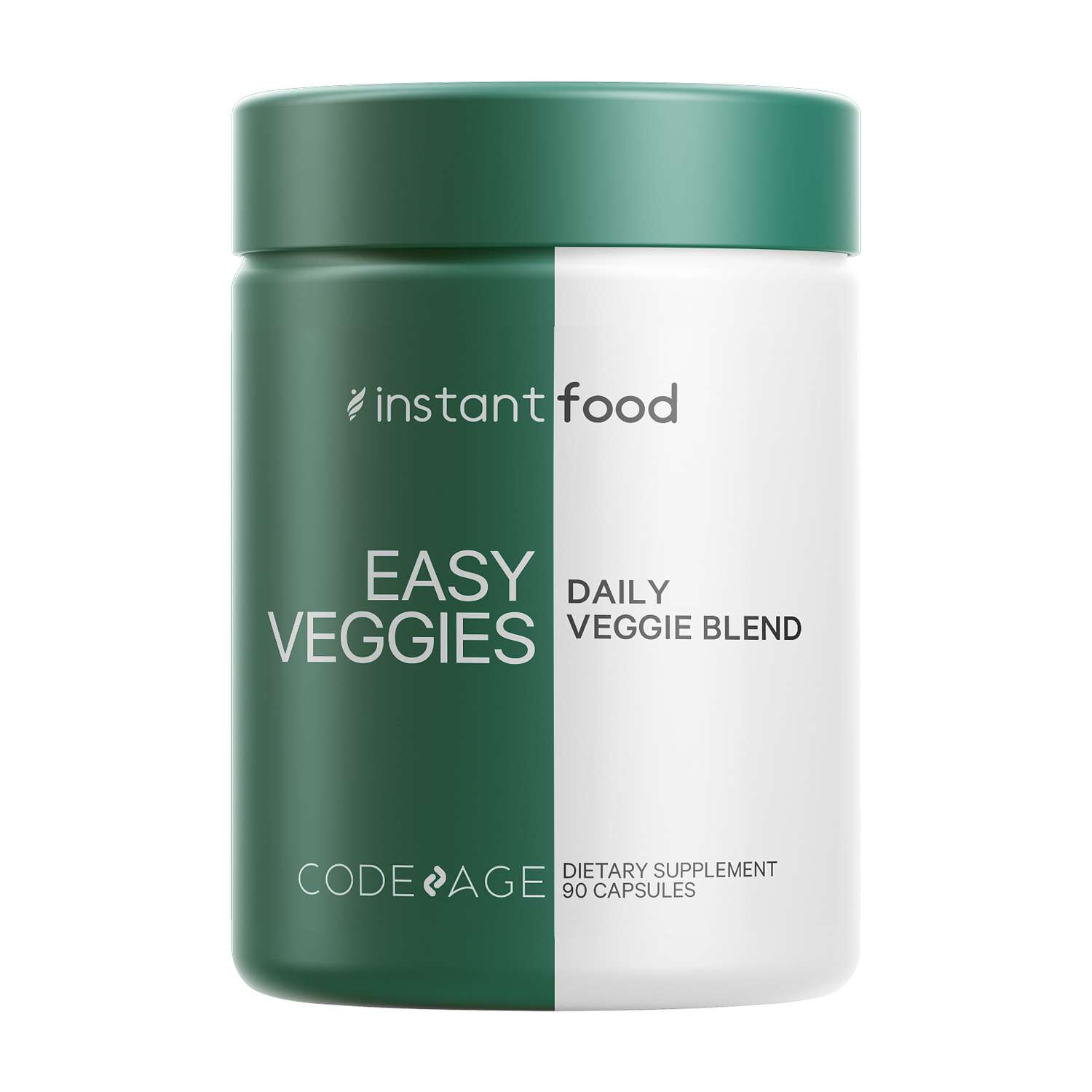






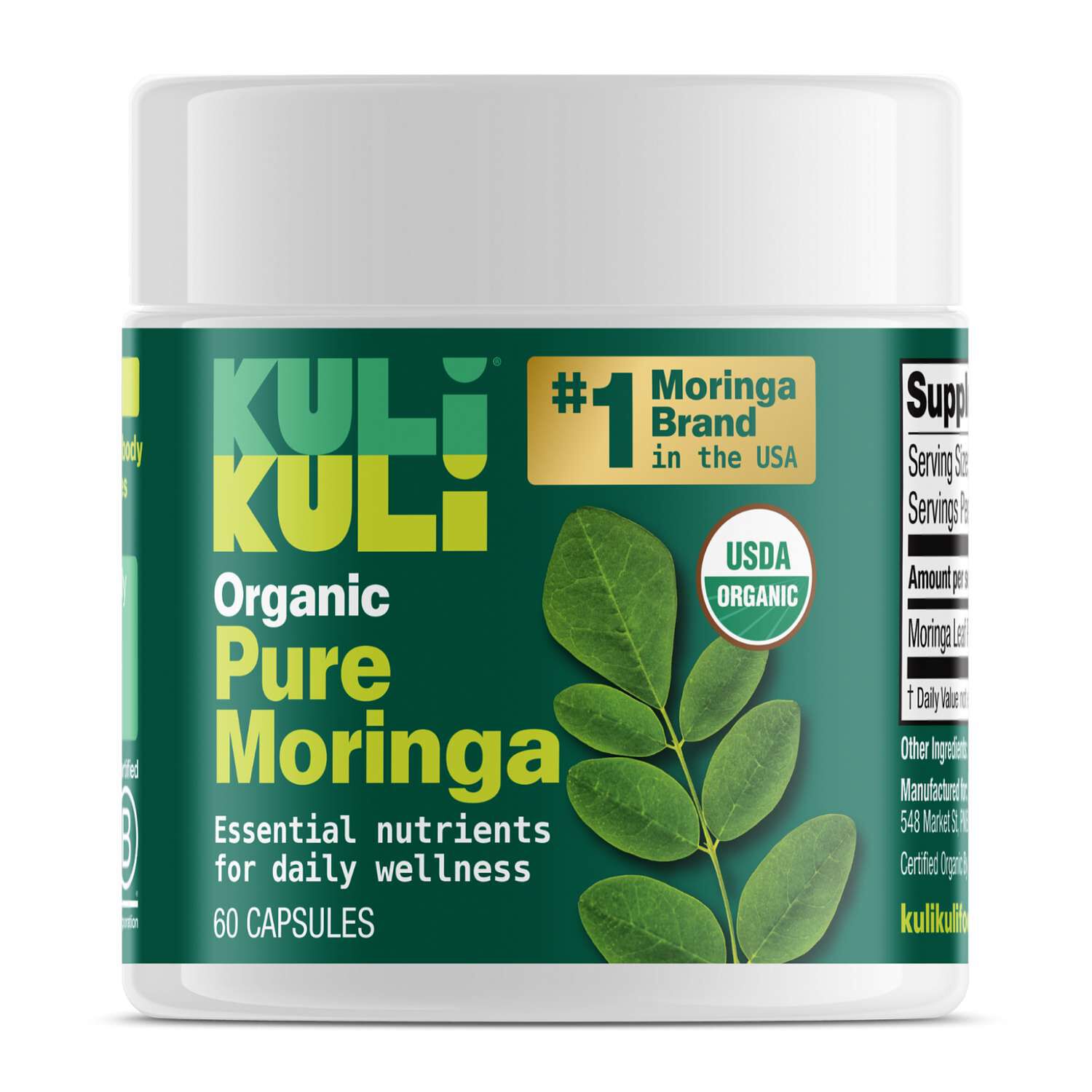
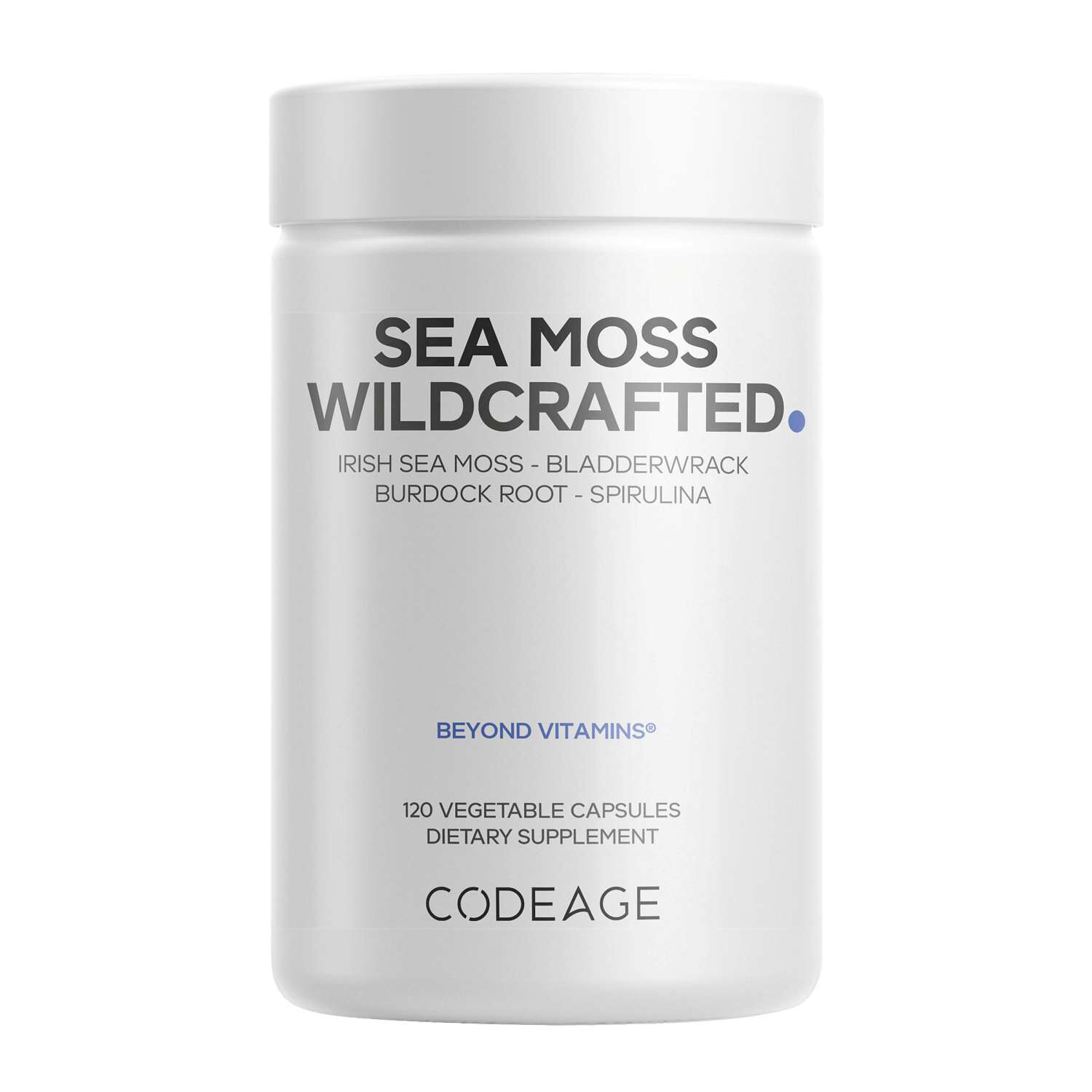
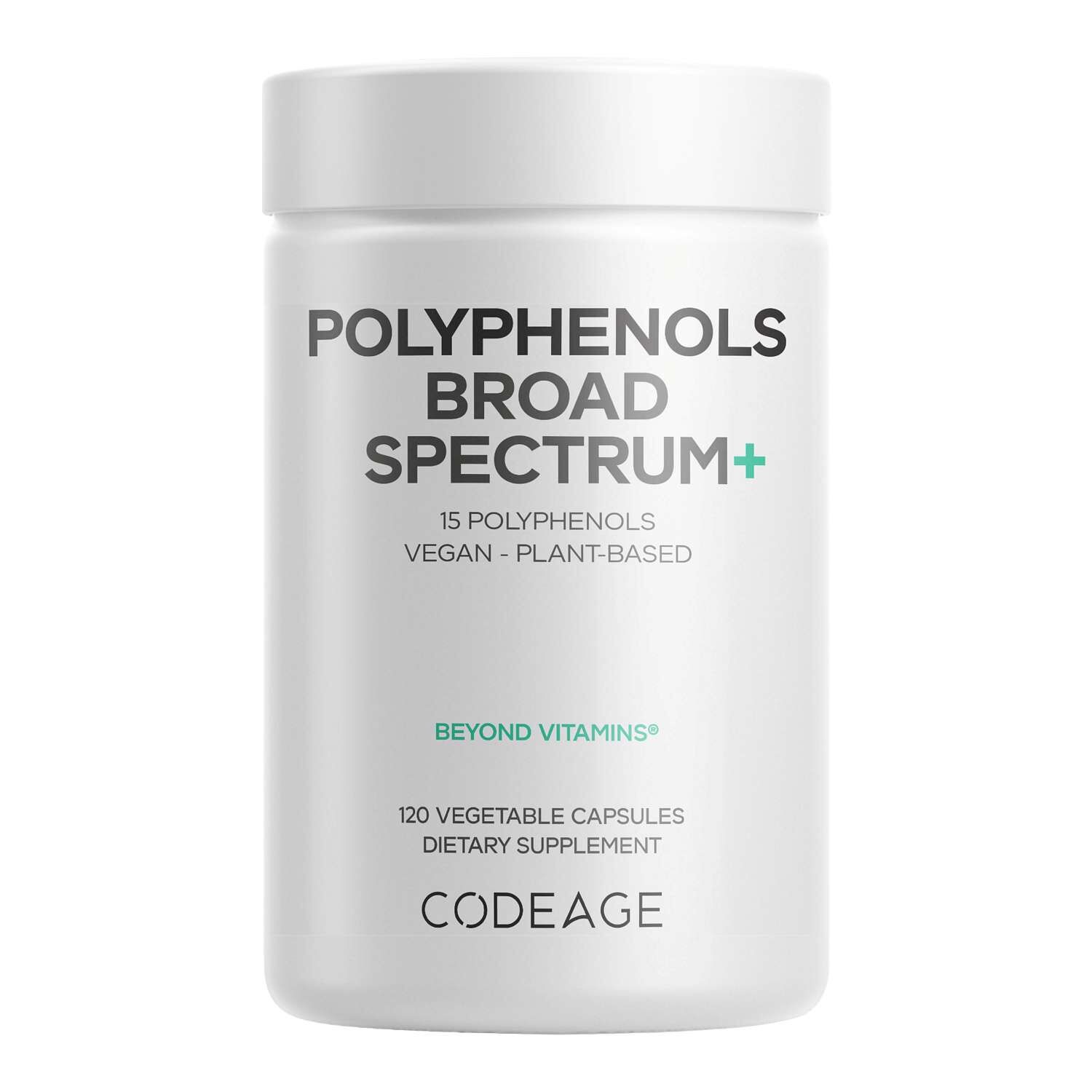
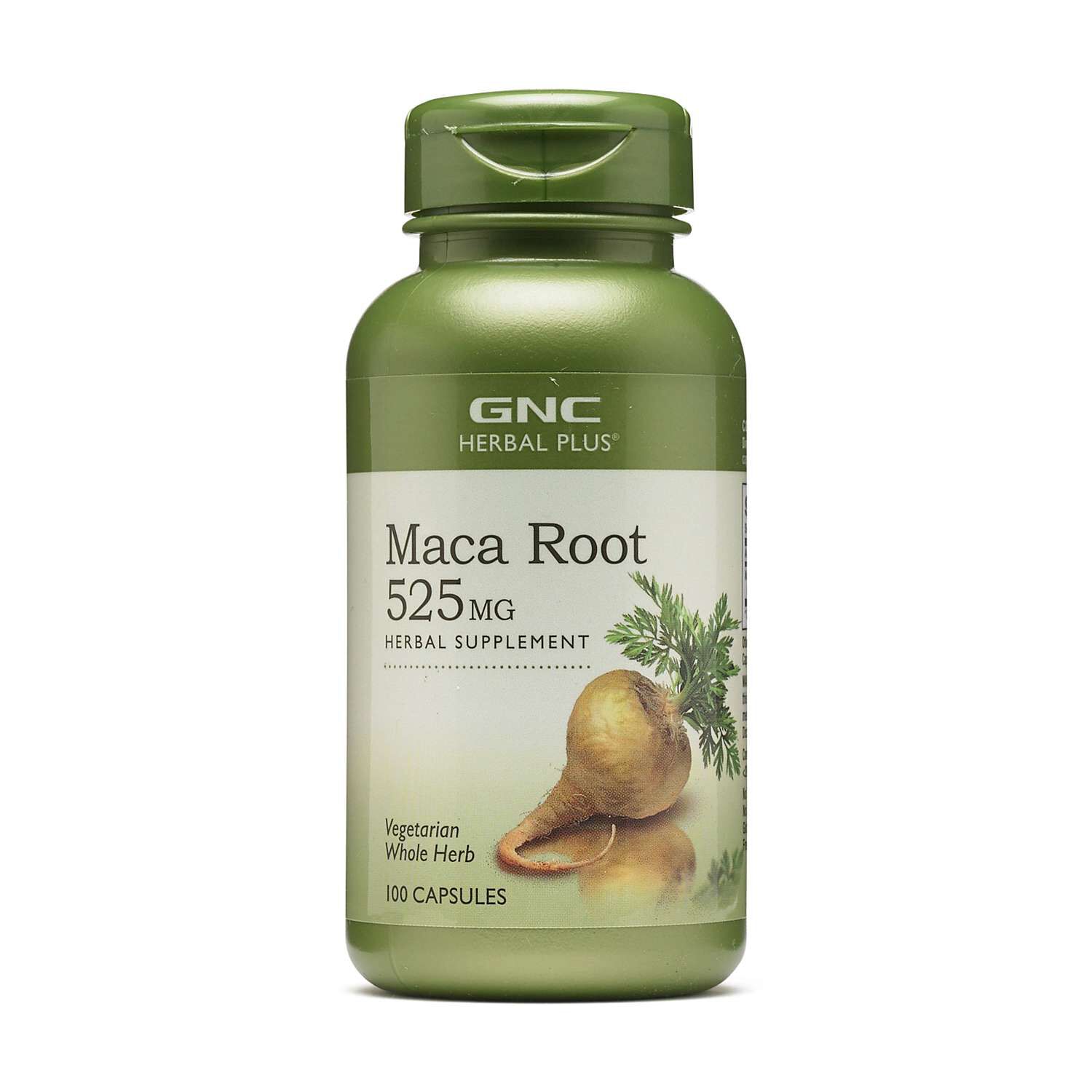

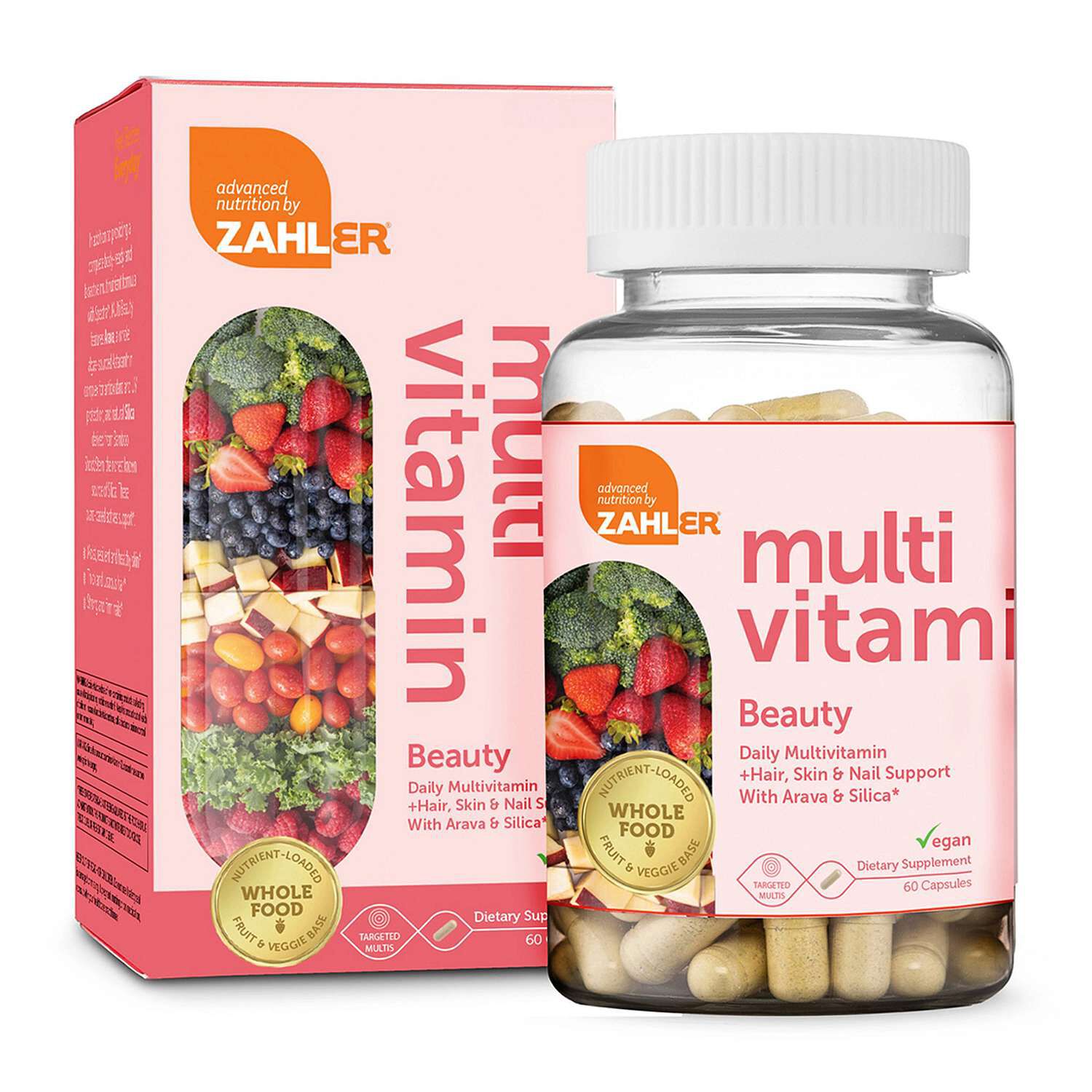
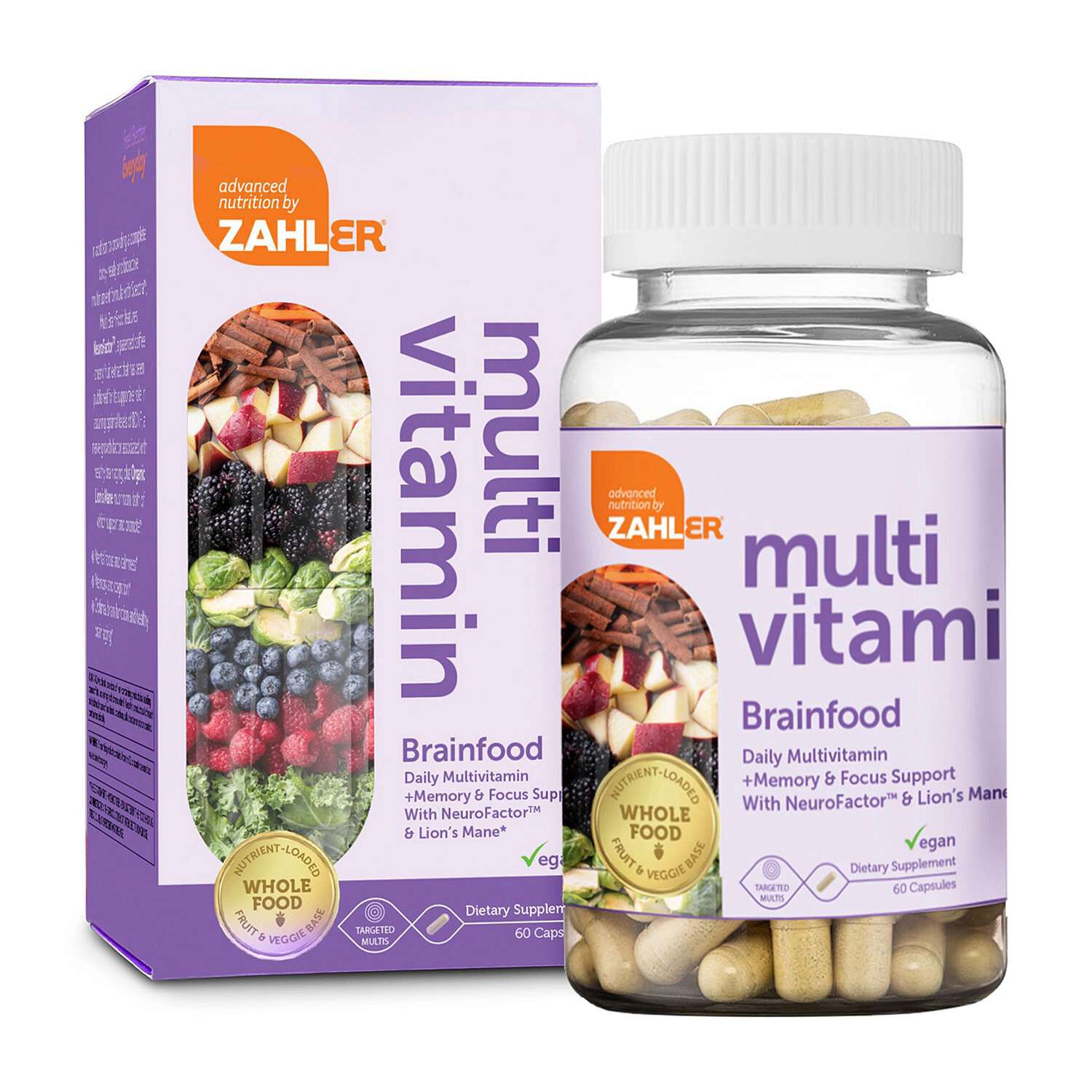

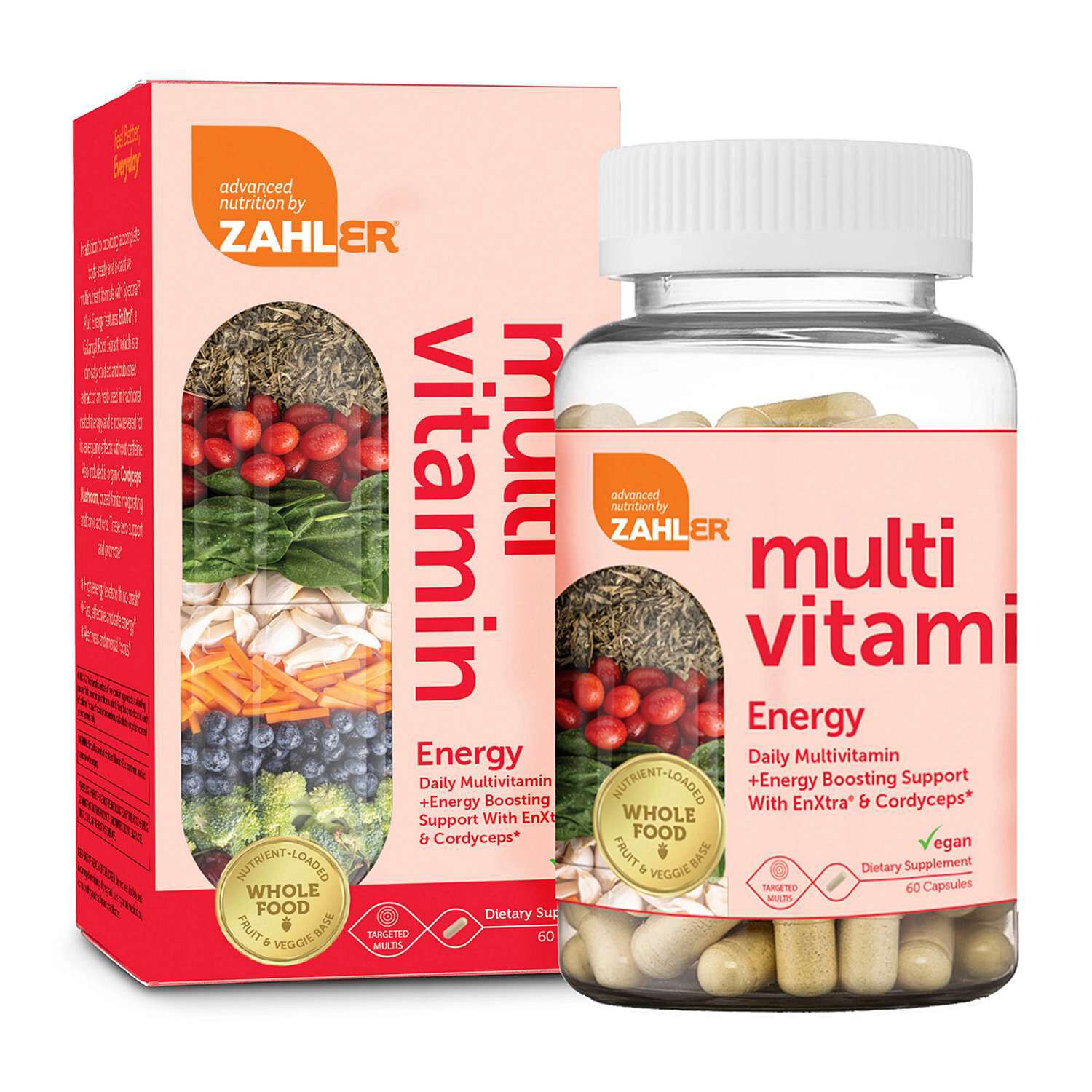
Whole food vegetable capsules are dietary supplements that contain dried vegetable powders, sometimes combined with fruit powders, leafy greens, or other plant ingredients. The ingredients are enclosed in a capsule shell, which may be made from plant-derived cellulose or another suitable material. These supplements offer a different format from drink mixes, chewables, and liquid concentrates, with the blend packaged into individual capsules rather than measured into a beverage. The phrase “whole food” generally describes the source or form of certain ingredients; it does not mean every formula has the same composition. Some blends center on vegetable powders such as kale, spinach, broccoli, carrot, or beet, while others include fruits, grasses, herbs, or separately added vitamins and minerals. A whole food multivitamin and a vegetable powder blend can therefore have quite different ingredient panels, even when both feature food-derived ingredients. The distinction between the capsule shell and its contents also matters. A vegetable capsule can describe a plant-based shell without indicating that the ingredients inside are vegetables. For shoppers interested in whole food vegetable ingredients, the contents deserve as much attention as the capsule material. Dehydration removes moisture from produce before it is milled into powder, while extracts involve processing to obtain selected components. A formula may contain powders, extracts, or a mixture of the two, and those terms are not interchangeable. Ingredient lists and Supplement Facts panels provide a more useful picture than a front-label image of a basket of produce. The stated serving size and the amount of each disclosed component help distinguish a broad blend from a simpler formula. When ingredients appear together in a proprietary blend, their individual amounts may not be shown. Neither a longer ingredient list nor a larger number printed on the package, by itself, establishes how well a formula matches a shopper’s preferences. Comparisons are more meaningful when formulas have similar purposes and their serving information is considered alongside their ingredients.
For someone who prefers capsules to mixing a greens powder into a glass, the format may fit more comfortably into an established routine. There is no beverage to prepare, and the vegetable ingredients are contained within the shell rather than stirred into breakfast or a snack. That distinction may appeal to adults who prefer not to add an earthy flavor or gritty texture to a smoothie. Capsule dimensions and the number of capsules per serving are practical considerations, however, since a serving is not necessarily a single capsule. Package count and serving count describe different things, and the serving directions explain how the manufacturer intends the formula to be used. Intended age groups are also label-specific rather than implied by the word “vegetable.” These supplements are not interchangeable with a plate of vegetables: dried powders in capsules do not provide the same portions, water content, fiber, or eating experience as whole produce. A colorful salad, roasted carrots, and a bowl of steamed broccoli remain different foods from a measured capsule blend. Dietary preferences add another point of comparison. A cellulose shell does not establish that every ingredient in a formula is suitable for a vegan eating pattern, since other components may come from animal sources. Likewise, organic wording should be considered in relation to the certification and ingredients described on the package, rather than assumed to cover every component. Ingredient and allergen statements are particularly relevant for shoppers who avoid milk, soy, wheat, or other ingredients. Some blends also contain added vitamins, minerals, enzymes, or probiotic cultures, while others focus more narrowly on vegetable powders. Those additions change the formula’s composition and may overlap with ingredients in another supplement. A simple vegetable blend and a multi-ingredient formula serve different shopping preferences, even when their packaging uses similar images of leafy greens and garden vegetables.
The broader assortment of Veggie Supplement Capsules offers another way to compare capsule materials, vegetable ingredients, and formula types. Meaningful differences include whether vegetables appear as named powders or extracts, whether fruits share space in the blend, and whether the formula includes separately added nutrients. Botanical names and plant-part descriptions provide additional detail when they appear on the label. A leaf powder, a root powder, and a seed extract describe different ingredients, even if they come from familiar plants. Capsules may also contain supporting ingredients used during manufacturing, so a short front-label description rarely tells the entire ingredient story. For shoppers who value sourcing information, package statements about ingredient origin, manufacturing practices, and testing are worth distinguishing from general descriptions such as “greens” or “plant-based.” Any certification should be read according to what it actually covers. Care after purchase matters as well. Dried plant ingredients and capsule shells are typically packaged with storage directions, and a bottle’s closure helps limit exposure to moisture when used as intended. A tightly closed original container, stored according to its label and away from direct sunlight or excess heat, is generally a more suitable setting than an open bottle beside a steaming kettle. A dry cabinet outside the bathroom may offer a practical place to keep the package and its directions together. Expiration information and any instructions specific to the formula deserve attention, especially when additional ingredients have their own storage requirements. Naturally derived powders can differ in color and aroma, so appearance alone is not a reliable way to judge ingredient amounts or product quality. Packaging condition, readable labeling, and clear serving information are more useful shopping details than an especially bright green capsule. Whether the preference is for a straightforward vegetable powder blend or a broader combination of plant ingredients, the best fit depends on the contents, capsule format, dietary preferences, and intended use—not simply the number of vegetables pictured on the bottle.
Best Sellers
-
 Yemaya Organics
-
 BetterAlt
-
 Yemaya Organics

Related Pages

Top Collections
- GLP 1 Support For Adults
- Supplements For Yoga Joint Flexibility
- Supplements For Balance
- Joint Mobility Supplement Packs
- Zinc Supplements | Top Brands at Great Prices | GNC
- Capsule Supplements For Energy And Stamina
- Supplements For Anxiety Relief Support
- Chronic Fatigue Supplements
- Zinc Supplements For Men
- Iron Supplements