Veggie Supplement Capsules
(0 Results)
Discover the potential benefits of veggie supplement capsules, a convenient and easy way to incorporate more plant-based nutrients into your daily routine. These capsules might offer a boost of essential vitamins and minerals that are typically found in vegetables, helping you to fill nutritional gaps in your diet. Whether you're looking to support overall wellness or enhance your nutrient intake, veggie supplement capsules could be a versatile addition to your health regimen. Explore how these supplements may contribute to a balanced lifestyle and support your journey towards optimal well-being.
-
-

-
 Amazing Nutrition$21.99
-

-
-
-

-

-

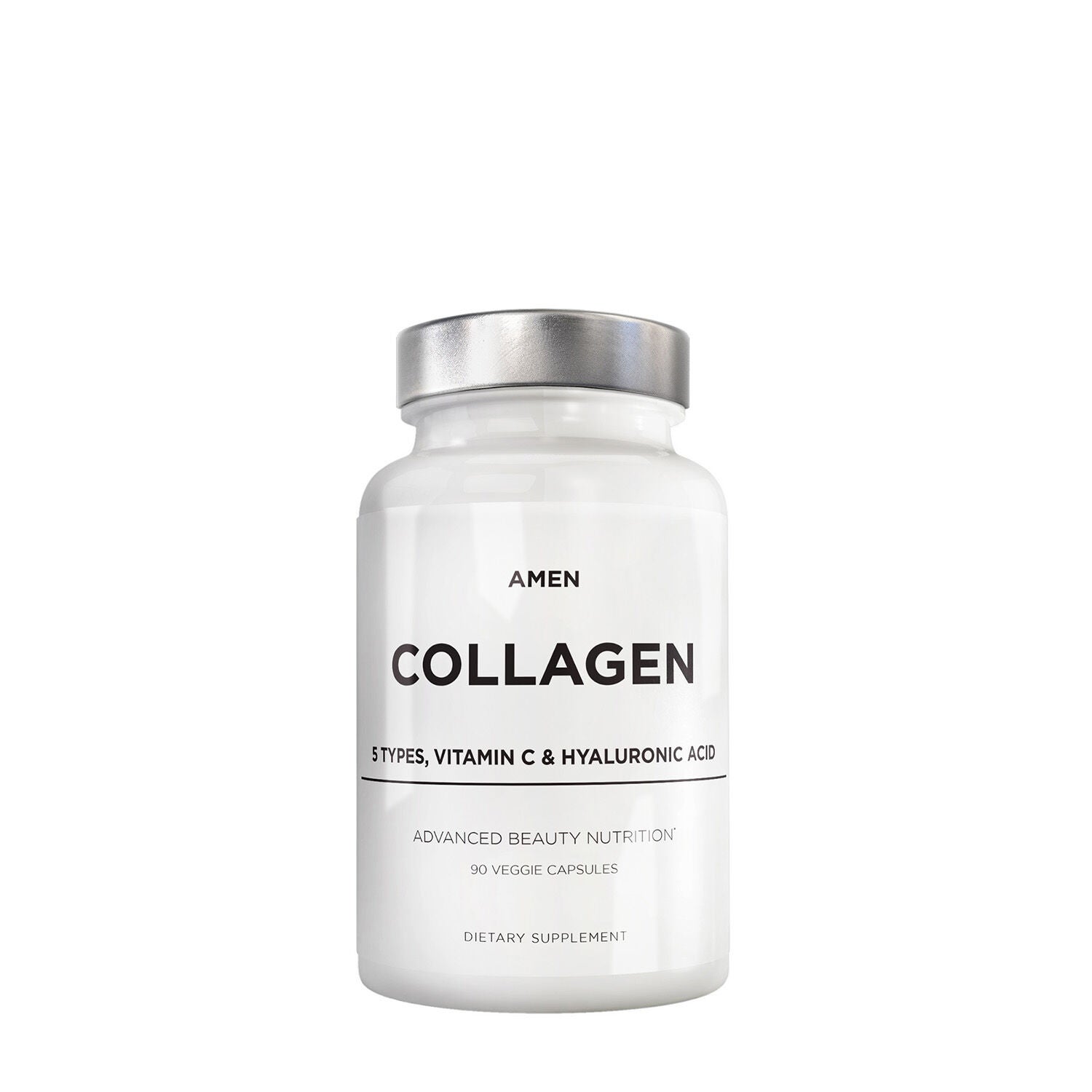
Veggie supplement capsules are dietary supplements that contain dried vegetable powders, vegetable extracts, or blends of plant ingredients inside a capsule shell. Some formulas focus on vegetables alone, while others combine vegetables with fruit powders, herbs, or added vitamins and minerals. Common vegetable ingredients include spinach, broccoli, carrots, beets, kale, and other leafy greens, although the combination and amount vary by formula. These supplements may appeal to adults who want an additional source of vegetable-derived ingredients alongside their usual meals, particularly when their routines involve packed lunches, frequent travel, or limited time for food preparation. The distinction between the contents and the capsule material matters: “veggie capsules” can describe a vegetable-based supplement, but it can also refer to a supplement enclosed in a vegetarian capsule shell. A plant-derived shell does not necessarily mean the contents include vegetables, and a vegetable blend does not automatically establish that every ingredient meets a vegetarian or vegan preference. The ingredient list and dietary labeling provide a more precise picture than the name alone. Vegetable supplement capsules also differ from fresh vegetables in important ways. They contain measured amounts of processed plant material rather than the water, texture, and serving volume found in a bowl of roasted broccoli or a plate of mixed greens. Their fiber and nutrient content may differ considerably from those foods, so they are not a substitute for varied meals. A long list of vegetables on a bottle describes ingredient variety, not an equivalent number of vegetable servings. For shoppers comparing formats, capsules may suit a preference for supplements without a beverage to mix or a chewable format. The most useful comparisons begin with what the formula contains, how much it provides per serving, and how its intended use fits an existing routine. Those details distinguish a straightforward vegetable powder blend from a broader supplement with several types of plant ingredients.
The Supplement Facts panel gives veggie supplement capsules more context than a colorful collection of produce pictured on the packaging. Serving size is a useful starting point because the listed ingredient amounts generally apply to the stated serving, which may include more than one capsule. A bottle’s capsule count therefore is not necessarily the same as its number of servings. Where amounts for individual ingredients are listed, shoppers can compare those figures directly; where a blend has one combined weight, the label may not disclose the amount of each vegetable within it. Milligrams of vegetable powder are also different from measured amounts of individual vitamins or minerals. The presence of a familiar vegetable does not, by itself, establish how much of a particular nutrient the finished formula supplies. Processing terminology adds another distinction. Dried whole-vegetable powders and vegetable extracts describe different ingredient forms, and an extract should not be assumed to match the composition of the original food. Products with added nutrients deserve a separate look at those declared amounts rather than being treated as vegetable powders alone. The capsule shell and supporting ingredients matter as well. Vegetarian shells often use cellulose-derived materials or pullulan instead of gelatin, while other ingredients may help the powder flow during manufacturing or maintain the capsule’s structure. An ingredient’s function is separate from whether it fits an individual dietary preference. For someone who avoids animal-derived ingredients, a clear vegan designation offers different information from a statement about the shell alone. Organic certification, allergen statements, and manufacturing disclosures are additional details to compare when those attributes matter to the household. Organic labeling describes production standards; it does not establish that one blend contains more of every nutrient than another. Similarly, the number of plants in a formula is not a stand-alone measure of its suitability. A shorter ingredient list with clearly stated quantities may be a closer match for some preferences than a much longer blend with less detail about its proportions.
Everyday fit involves the physical capsule, the serving directions, and the way the bottle will be stored between uses. Capsule size varies, and a serving that requires several capsules creates a different routine from one with fewer. Someone who already uses a daily supplement organizer may want to check both capsule dimensions and the labeled serving before choosing a format. A person who prefers not to prepare a flavored drink may find capsules a more practical option than a vegetable powder intended for mixing, although capsule contents can still have a noticeable plant aroma. Color may range from green to earthy brown depending on the ingredients; appearance alone does not establish nutrient content or quality. Intended use should come from the package directions rather than assumptions based on the vegetables pictured on the label. Formulas intended for adults should not be assumed suitable for every member of a household, and a men’s designation does not establish a uniform ingredient profile across that category. Shoppers interested in that grouping can also explore Men's Veggie Capsules, with the same attention to contents, serving size, and dietary labeling. For care and storage, the package provides the relevant conditions and date information. Keeping the original container preserves access to the ingredient list, directions, and identifying details, especially when several supplements share a cabinet. A tightly closed lid and storage away from moisture help protect the contents from unnecessary exposure; a steamy bathroom or an open bottle beside a kitchen sink is a different setting from a dry cupboard. Travel planning also deserves attention to the container rather than just the number of capsules packed. The original packaging keeps product information close at hand when a routine moves between home and a suitcase. Whether the preference is for a vegetable-only formula, a fruit-and-vegetable combination, or a particular capsule material, meaningful selection rests on transparent labeling and a manageable format. Veggie supplement capsules may have a place alongside everyday eating habits, while vegetables at meals remain distinct foods with their own textures, flavors, and nutritional contributions.
Best Sellers
-
 Ancient Nutrition
-
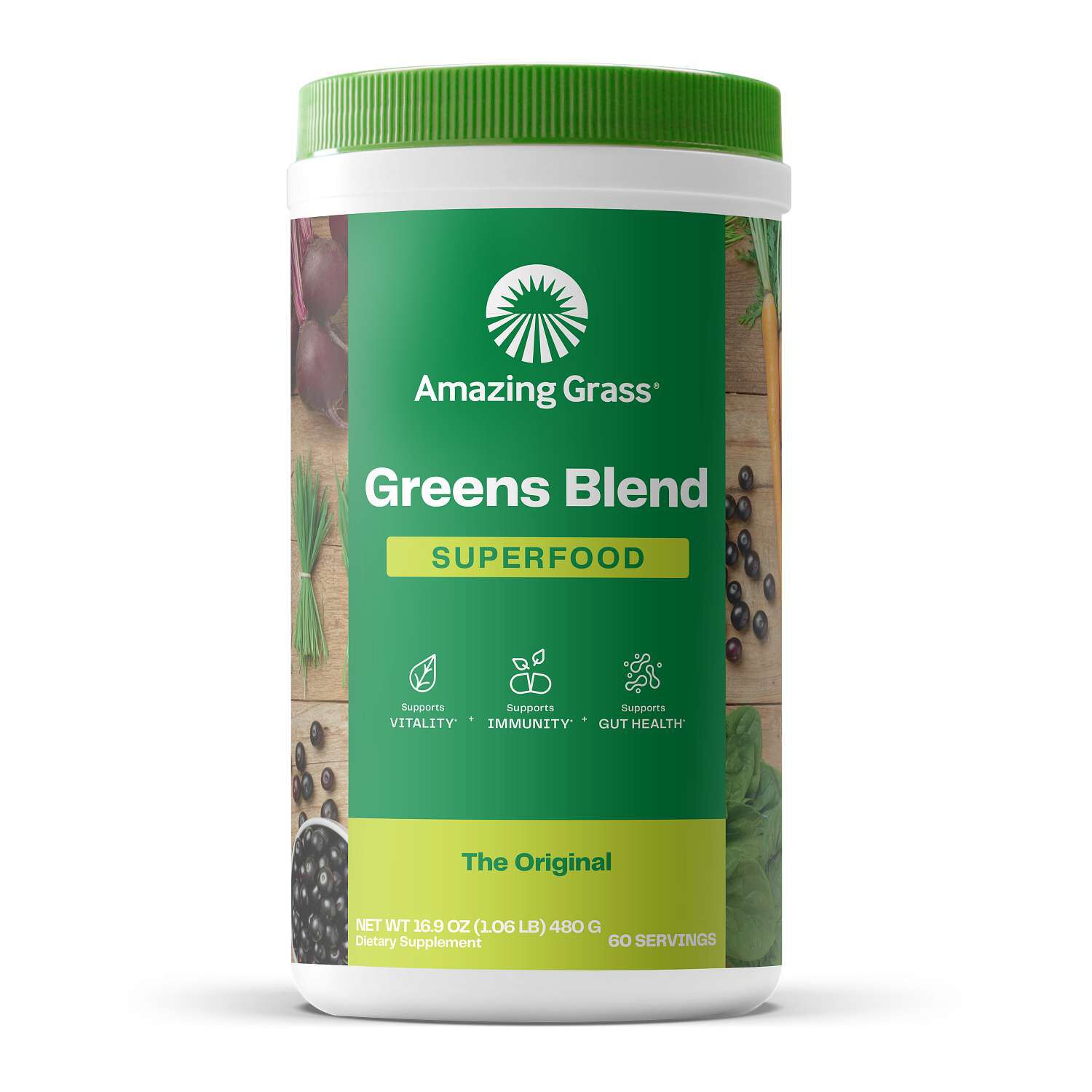 Amazing Grass