





Vegan Vegetable Complex Capsules
(0 Results)
Vegan vegetable complex capsules offer a convenient way to support your plant-based lifestyle and daily wellness routine. Packed with a blend of vegetable ingredients, these capsules may help you increase your intake of essential nutrients while keeping your supplement regimen aligned with vegan values. Explore a variety of vegan vegetable complex capsules that could fit seamlessly into your routine and help you stay on track with your health goals.
-
-
-
-

-
 185$24.99
-

-
-

-

-

-

-

-

-
-
-

-
-
-



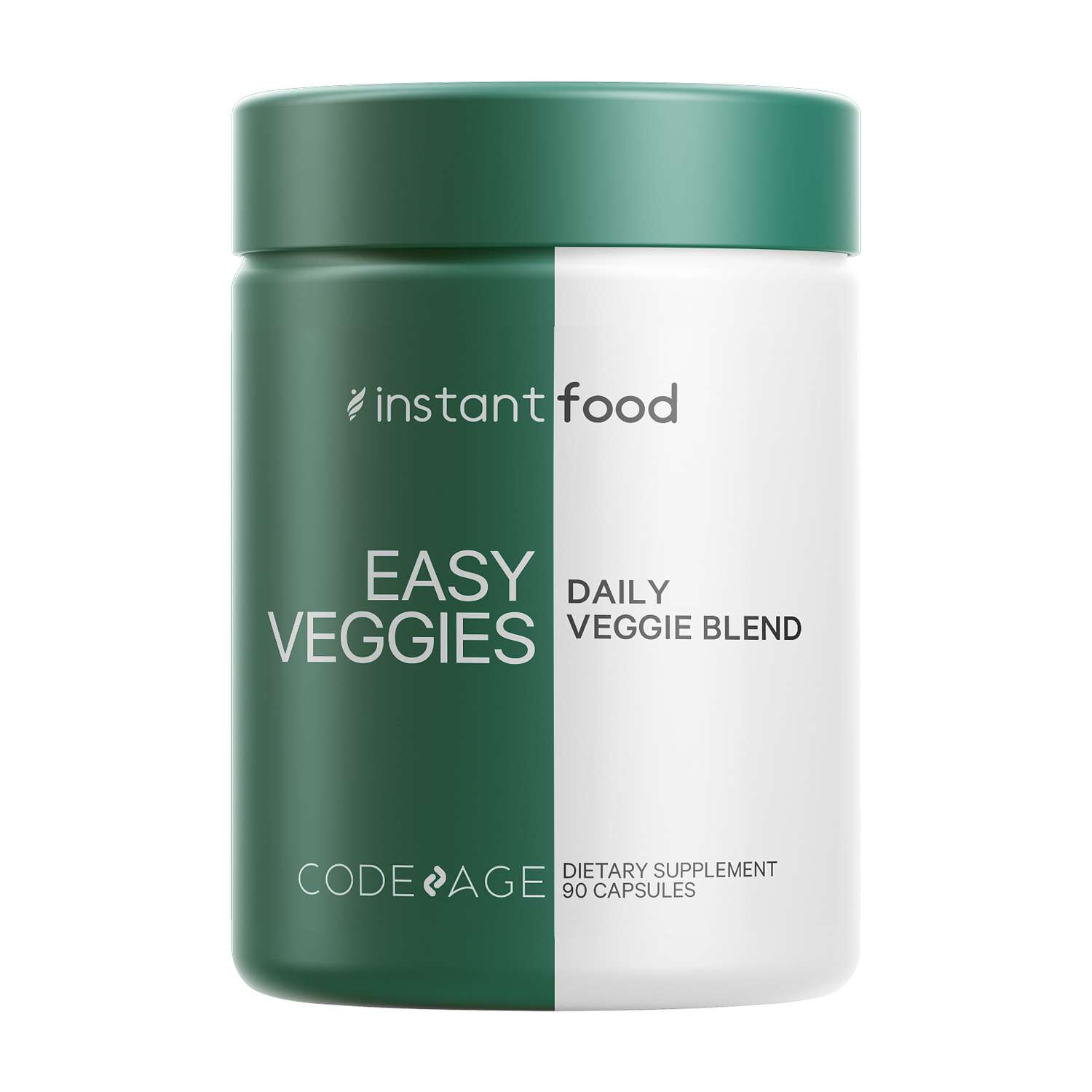
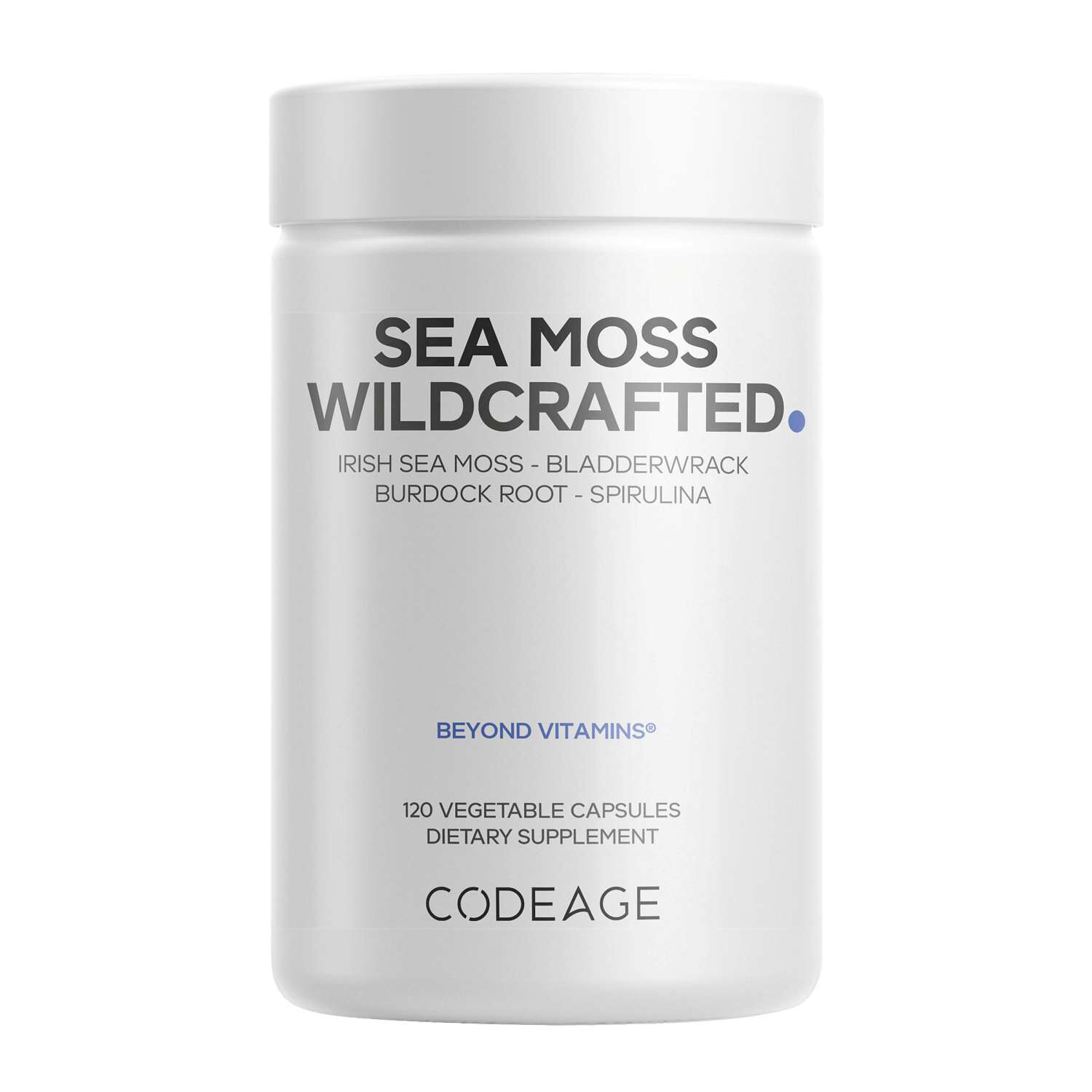
Vegan vegetable complex capsules are dietary supplements that combine vegetable powders, plant extracts, or other plant-focused ingredients in a capsule made without animal-derived materials. Depending on the formula, a blend might feature leafy greens, root vegetables, cruciferous vegetables, grasses, or algae. These ingredients are not interchangeable: a powder made from dried broccoli differs from an extract prepared from a particular part of the plant, while a marine blend featuring kelp has a different composition from one centered on spinach and carrots. The ingredient list identifies what is included, and the Supplement Facts panel provides the serving size and declared amounts. Some formulas list each component separately; others present several ingredients together as a blend, with one amount shown for that blend. Those distinctions matter when comparing vegetable complex capsules because a longer ingredient list does not, by itself, establish how much of any individual vegetable is present. Capsule construction is another important part of the description. Hypromellose, also called HPMC, is a cellulose-derived material commonly used for vegetarian and vegan capsule shells. Pullulan, a material produced through fermentation, is another option. A plant-derived shell addresses the capsule material, but the rest of the formula still deserves attention, including added ingredients, carriers, and processing aids disclosed on the label. Vegan labeling concerns the absence of animal-derived ingredients; it does not automatically describe growing methods, ingredient concentration, or testing practices. Organic certification, when present, addresses a separate set of criteria. For shoppers who follow a vegan eating pattern, the most informative comparison brings these details together: the source ingredients, the form in which they appear, the capsule material, and the information supporting any stated certifications. A clearly described formula makes it easier to understand what is in the bottle without relying on imagery of overflowing produce baskets or broad language about greens.
The intended use of vegan vegetable capsules is supplemental rather than culinary. They offer a different format from a greens powder stirred into water, a chewable supplement, or vegetables served as part of a meal. Someone who already follows a plant-based routine may prefer capsules because there is no mixing step, while another shopper may simply want a format that fits beside other packaged supplements in a kitchen cabinet. Capsule count, serving size, and physical dimensions all influence that everyday fit. A bottle containing many capsules can still represent relatively few servings if the labeled serving includes several capsules, so the number of servings is more useful than capsule count alone when considering how a package fits a routine. Size matters, too: a small-looking bottle does not necessarily contain small capsules, and a concentrated blend does not necessarily require fewer capsules per serving. Product descriptions and label images are useful places to check those details before choosing a format. The nutritional context also matters. Vegetable powders and extracts should not be assumed to provide the same quantities of fiber, water, or nutrients as a plate of vegetables, and the presence of a familiar vegetable name does not establish an equivalent number of food servings. A blend containing kale, beet, and carrot is a supplement with its own composition, not a substitute for the texture and variety of those foods at a meal. Likewise, algae and sea vegetables introduce different ingredient considerations from garden vegetables. Kelp, for example, can contribute iodine, so any declared iodine amount is a relevant label detail rather than a reason to treat all greens blends as alike. Comparing disclosed ingredients and nutrient amounts keeps the focus on the actual formula instead of assumptions based on color, capsule appearance, or the number of plants pictured on the packaging.
Quality information and practical care round out the comparison. Independent testing or certification can add useful context, but the meaning depends on the named program and what it evaluates. A statement about testing for selected contaminants is different from certification that evaluates label accuracy or manufacturing practices. Neither should be interpreted as evidence of a particular health outcome. Specific, verifiable information is more useful than a general claim that a supplement has been tested. Allergen statements and shared-facility disclosures also deserve a separate look, since vegan labeling does not address every dietary restriction. For capsule materials and other ingredients, clear identification is especially helpful when a shopper is comparing formulas with different binders, flow agents, or carriers. Once a bottle becomes part of a household routine, storage is straightforward: follow the package directions, keep the closure secure, and retain the original labeling so ingredient details and serving information remain accessible. A dry cabinet away from direct sunlight, steam, and kitchen heat is generally a more suitable location than a damp bathroom shelf or a spot beside the stove, unless the package specifies otherwise. Check the printed date and any instructions for handling after opening; packaging, moisture exposure, and storage conditions all matter to the condition of the capsules. For travel, a securely closed container with accessible label information keeps the contents identifiable, and leaving a bottle in a vehicle exposes it to conditions that may differ from its storage directions. Shoppers interested in a neighboring plant-based category can also explore Vegan Herbs Capsules, while keeping the distinction between vegetable blends and herb-focused formulas in view. The categories may share capsule materials or some botanical ingredients, but their compositions and intended uses can differ. Across these choices, the clearest basis for selection is a readable label, a format that suits the person using it, and a transparent account of the plants and supporting ingredients inside.

_Front.jpg?sw=305&sh=305&sm=fit "Junior Multi - 180 Tablets - 180 Tablets (180 Servings) | GNC")

