Vegan Dietary Capsules
(0 Results)
Vegan dietary capsules offer a convenient way to support plant-based lifestyles and wellness goals. With options that align with vegan values, these capsules may fit seamlessly into daily routines. Explore a wide selection of vegan dietary capsules designed to suit various preferences and nutritional needs. Whether you’re looking to complement your diet or expand your supplement choices, discover options that could help you stay on track with your wellness journey.
-

-

-
-

-
-

-

-

-
-
 185$24.99
-
-

-

-
-
-

-
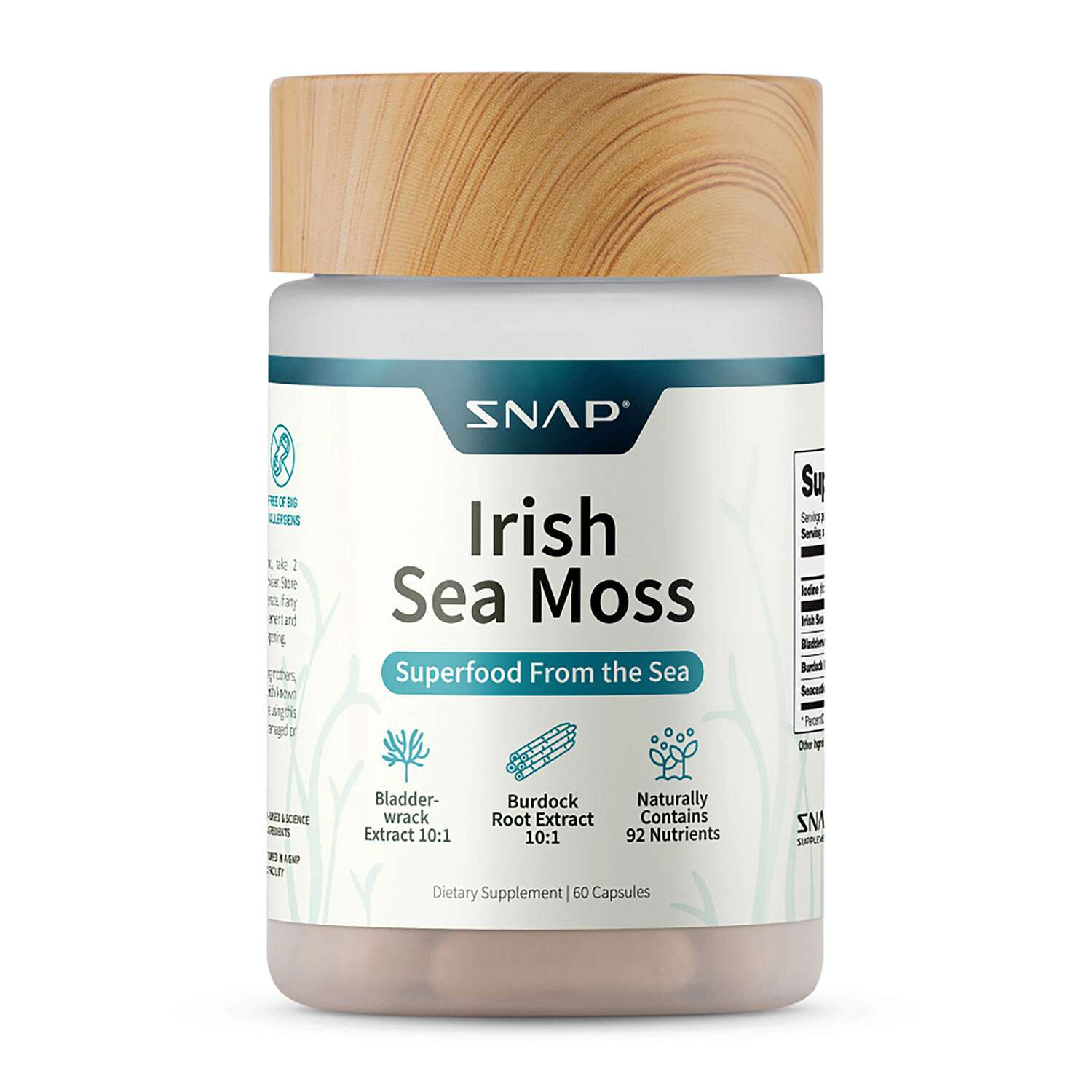
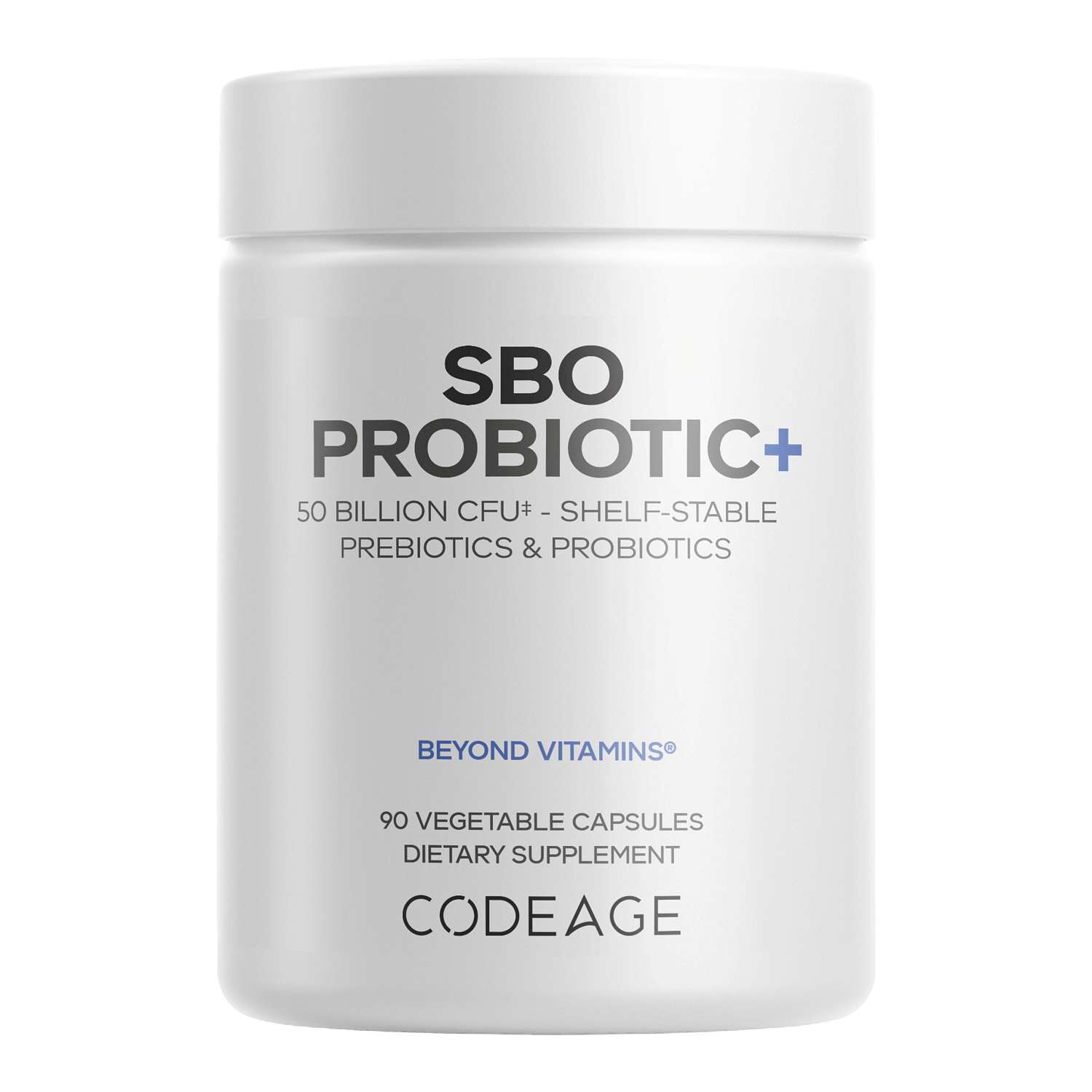

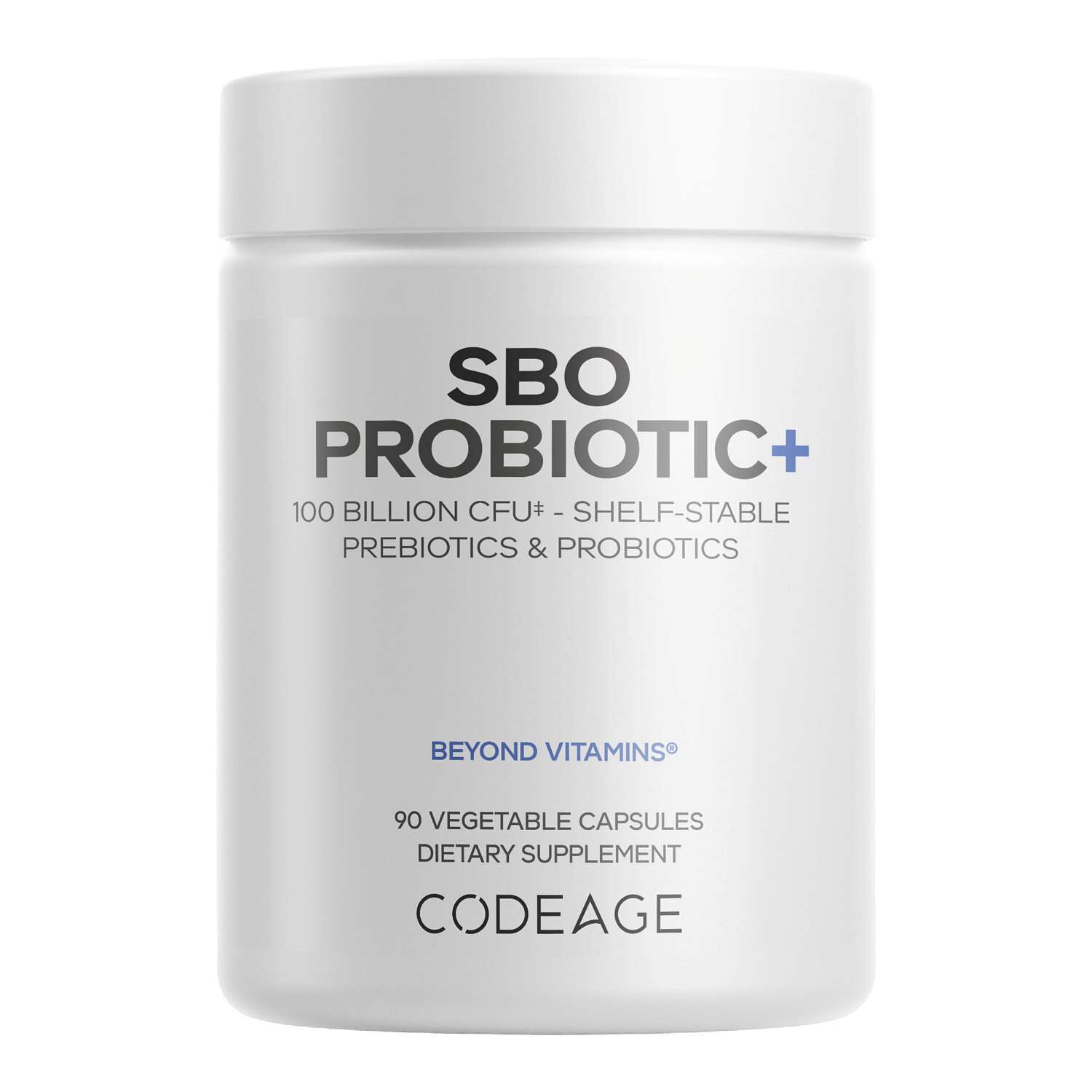


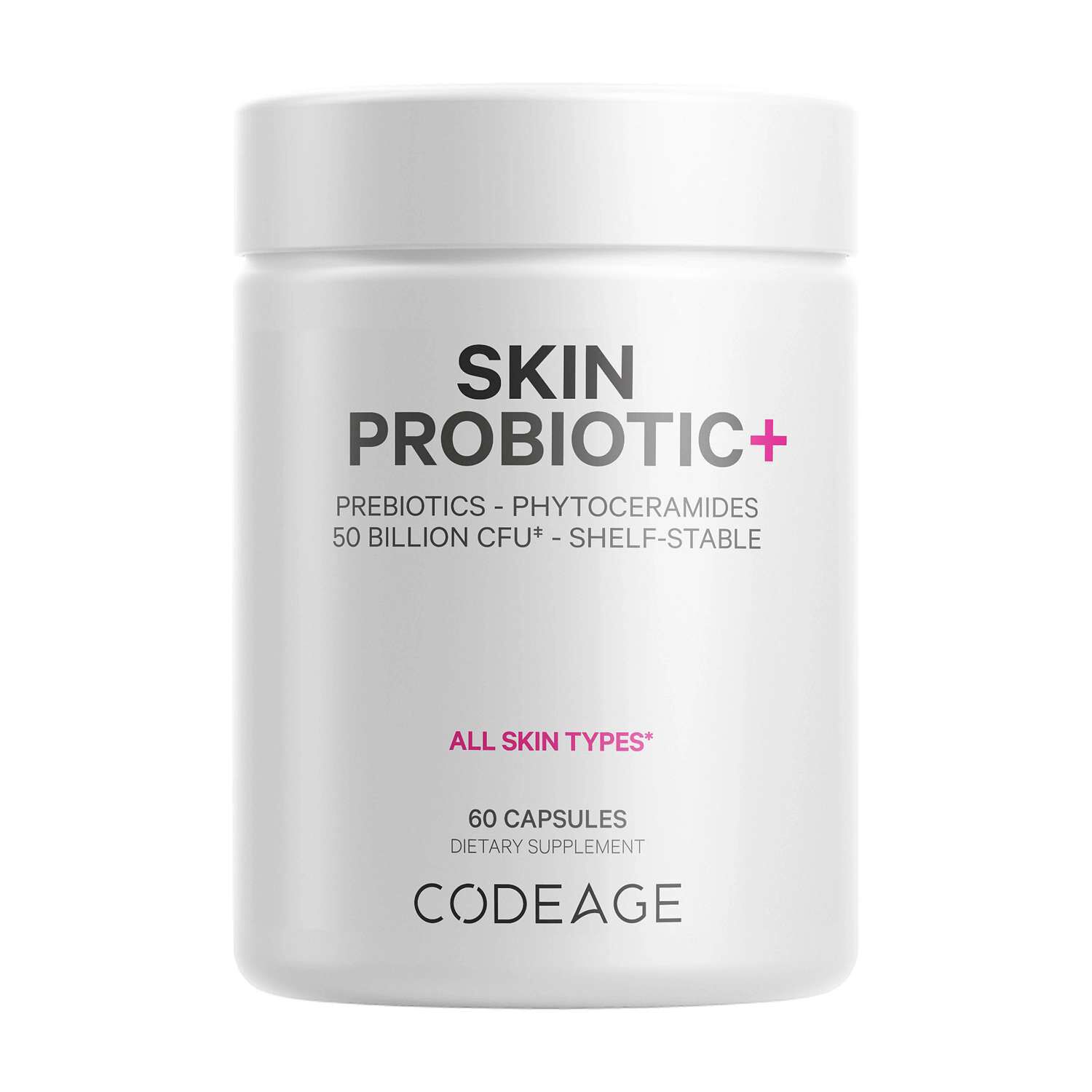
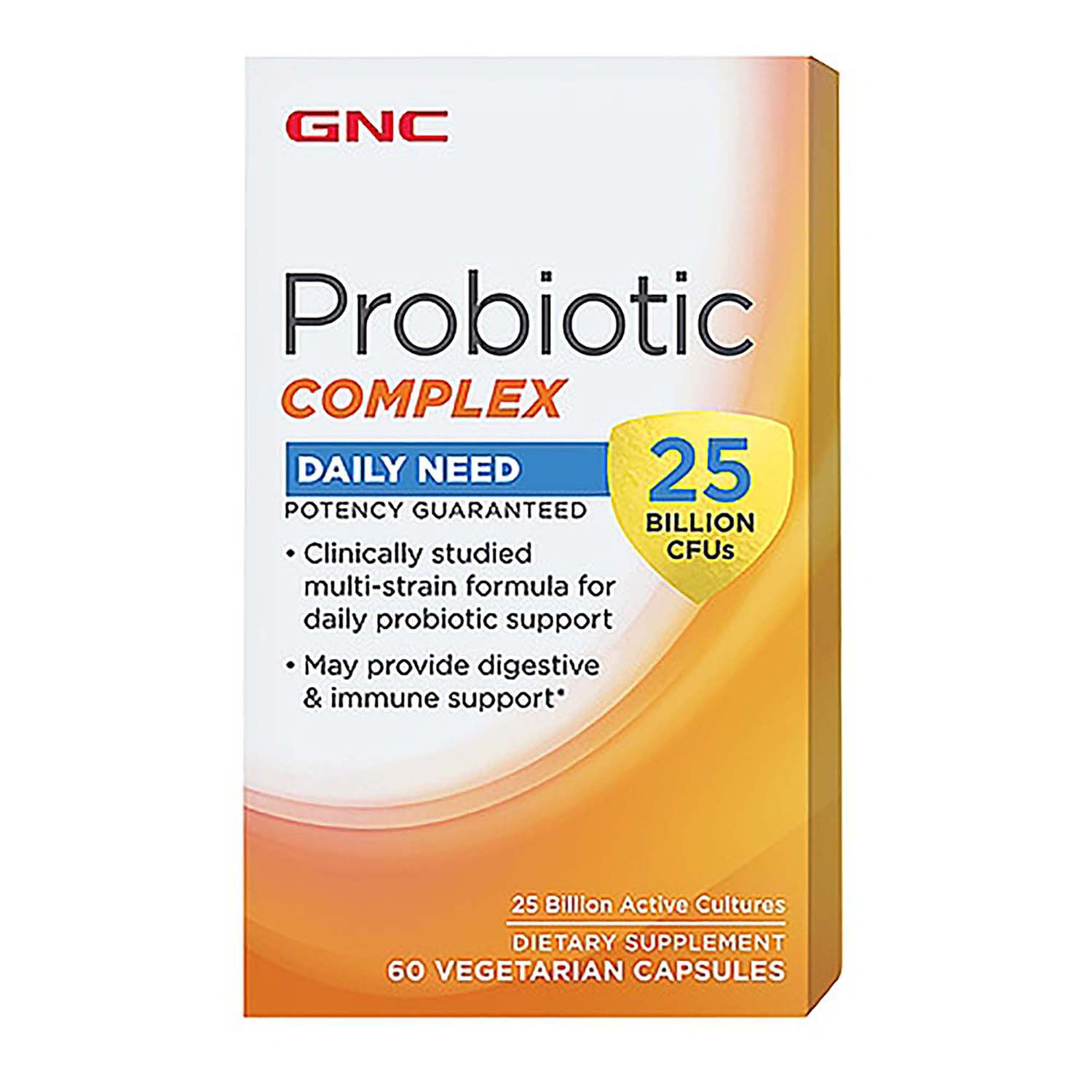
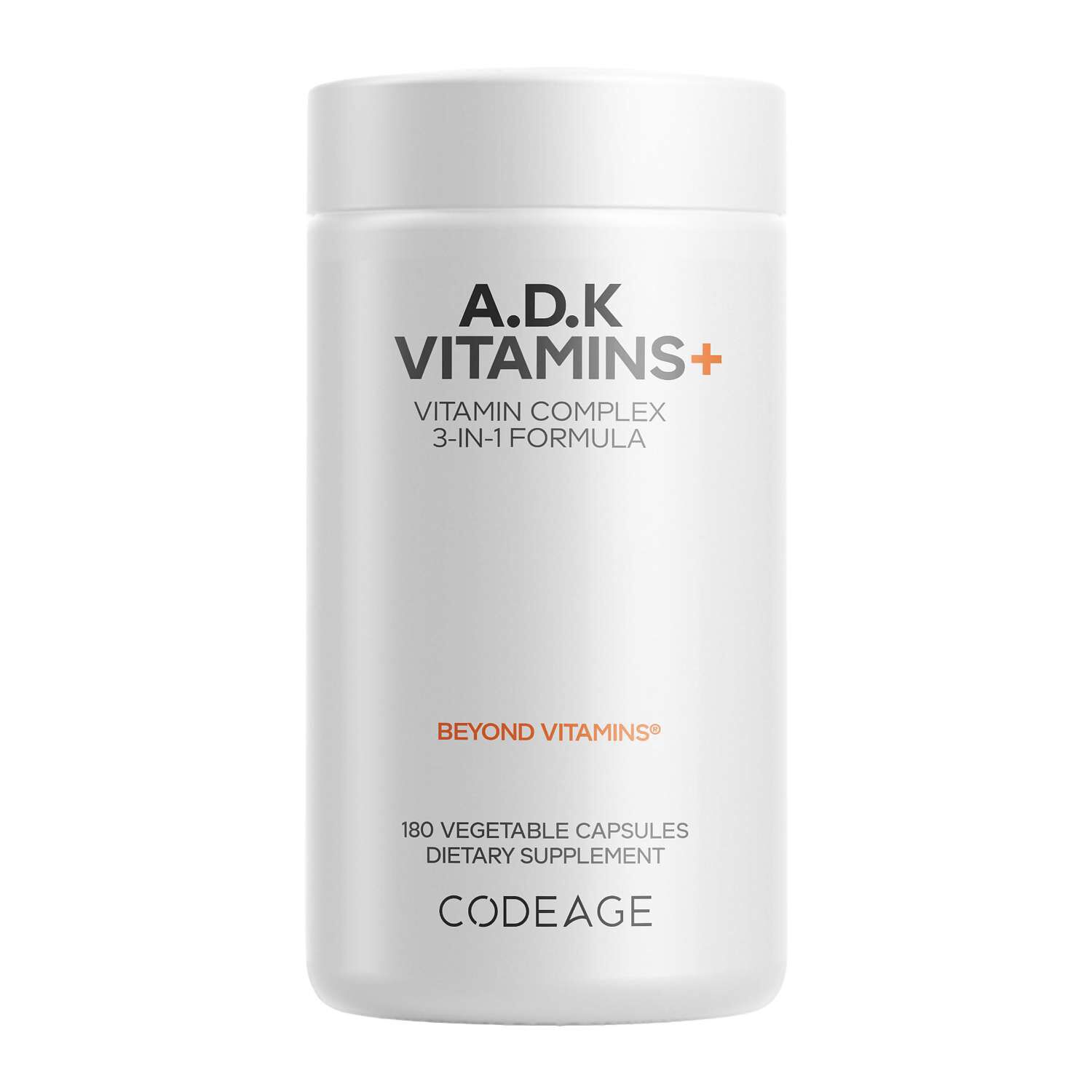
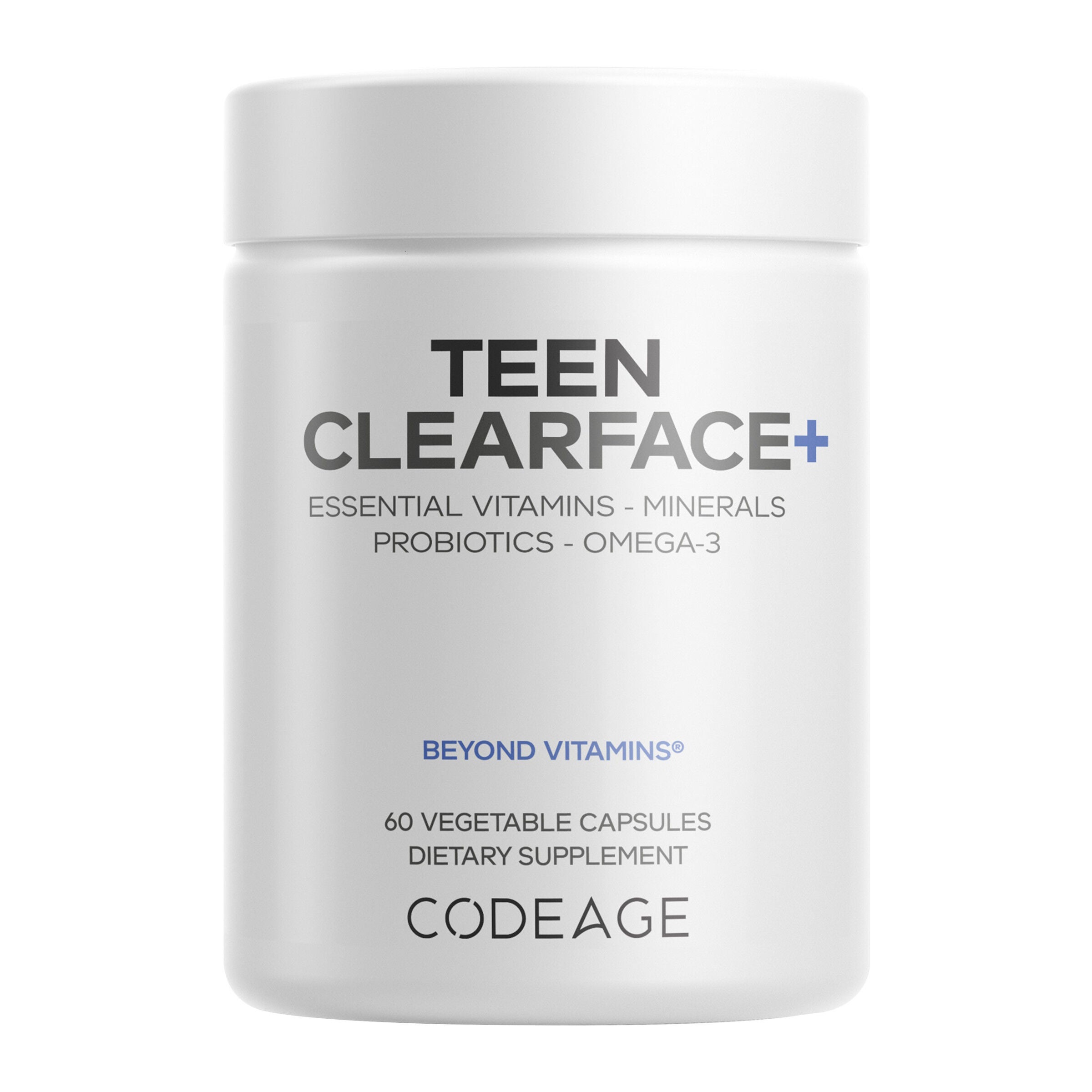
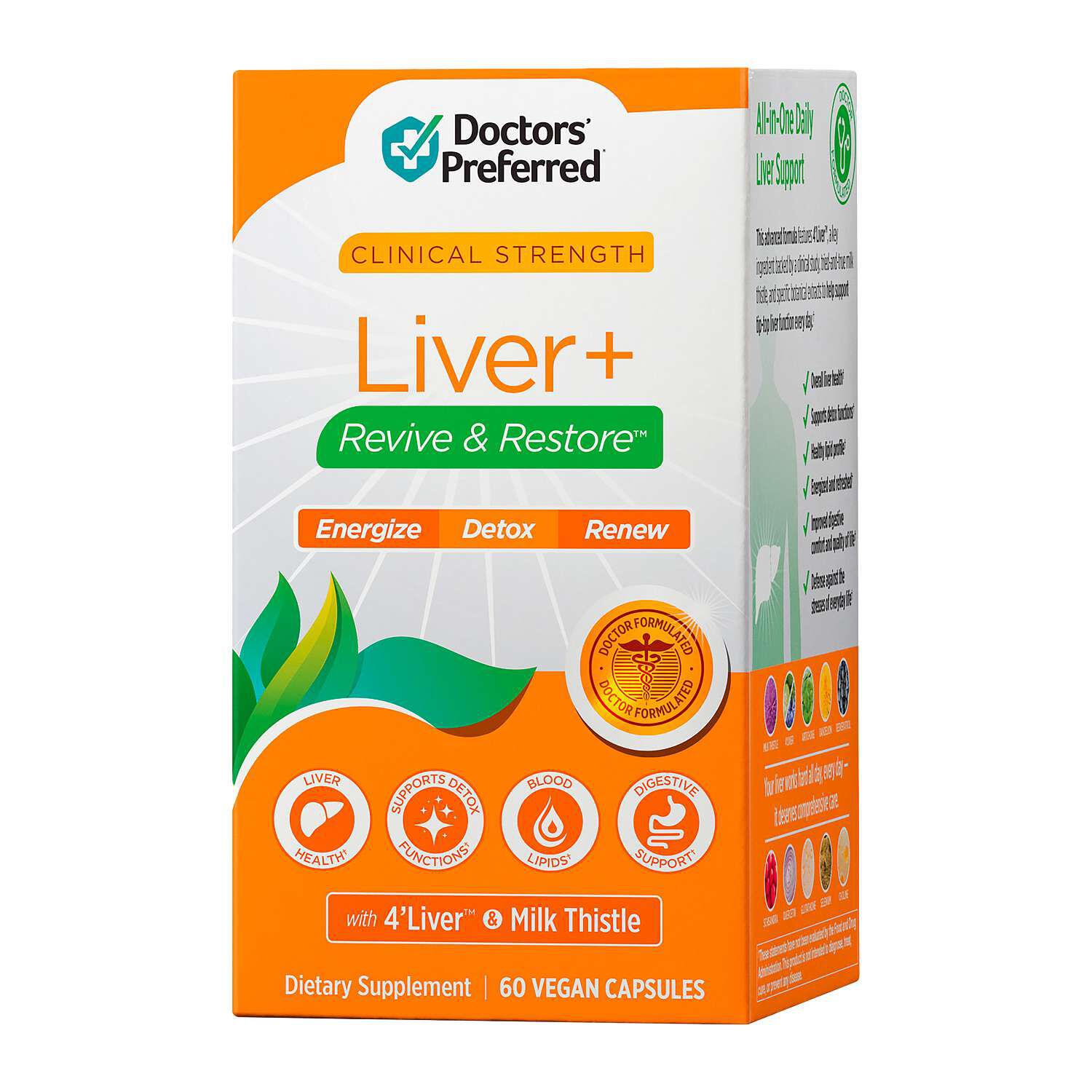
Vegan dietary capsules are dietary supplements made without animal-derived ingredients, including a capsule shell made from cellulose or another material suitable for vegan formulations rather than animal-derived gelatin. The category includes single-nutrient formulas, multivitamins, mineral blends, algae-derived oils, and botanical ingredients packaged in capsule form. Hypromellose, also listed as HPMC, is a cellulose-derived shell material commonly used for vegetarian and vegan capsules. Pullulan, a material produced through fermentation, is another shell option. A plant-based shell is only one part of the picture, though: the ingredients inside the capsule, along with processing aids and other components, also matter when assessing whether a formula meets vegan preferences. A capsule labeled vegetarian does not necessarily mean every ingredient meets a vegan standard. Looking at both the dietary designation and the ingredient list gives a clearer picture than relying on the shell description alone. This distinction matters for shoppers who follow a vegan eating pattern, avoid animal-derived ingredients for personal reasons, or prefer a particular supplement format. Capsules differ from tablets, which are compressed into a solid shape, and from powders intended to be mixed into food or beverages. Their enclosed format may appeal to someone who would rather follow capsule directions than measure a scoop or prepare a drink. Capsule dimensions, the number required per serving, and whether the contents are a powder or an oil are practical differences between formulas. A smaller capsule is not necessarily a smaller serving, and a bottle containing more capsules does not necessarily contain more servings. For a shopper comparing two similar nutrient formulas, those details may matter as much as the name on the front label. Vegan dietary capsules describe an ingredient standard and a delivery format, not one particular nutritional purpose, so the Supplement Facts panel remains central to understanding what each formula contains.
Ingredient sourcing is especially relevant when comparing vegan vitamin and omega-3 capsules. Vitamin B12 formulas may list methylcobalamin or cyanocobalamin, and B12 used in supplements is commonly produced through microbial fermentation. The presence of B12 alone does not establish that the entire formula is vegan; the shell and accompanying ingredients still warrant attention. Vitamin D requires a similar distinction. Vitamin D2 is generally derived from fungal sources, while vitamin D3 may come from either animal-derived lanolin or vegan sources such as lichen. A label that identifies lichen-derived D3 provides more sourcing detail than one that simply lists vitamin D3. For omega-3 capsules, algae-derived oils offer a non-fish source of DHA, EPA, or both, depending on the formula. The amount of oil and the stated amounts of DHA and EPA are different measurements, so two capsules with similar oil quantities may contain different amounts of those named fatty acids. Multivitamin capsules combine several vitamins and minerals, while single-nutrient formulas focus on a narrower ingredient selection. Mineral labels may also identify forms such as citrate or glycinate, with the declared mineral amount listed separately from the weight of its associated compound. These distinctions describe composition rather than establish that one form is universally preferable. Botanical capsules bring another set of details, including the plant species, plant part, and whether the contents are ground plant material or an extract. Other ingredients may include materials used for capsule formation, flow, or consistency during manufacturing. Vegan labeling does not by itself establish organic certification or address every food allergy consideration; those are separate label details. Independent verification marks may provide information about ingredient identity, manufacturing practices, or testing within a defined program. The meaning depends on the program, and a seal should not be interpreted as proof of a particular personal outcome. Clear sourcing descriptions, readable serving information, and transparent ingredient lists make comparisons more straightforward.
Everyday fit involves more than choosing a nutrient name. A serving of one capsule presents a different routine from a serving of three or four, particularly for someone organizing several supplements alongside breakfast or packing a small travel case. The suggested use, servings per container, and amount per serving help distinguish those formats without relying on bottle size or capsule count alone. Directions may specify taking a formula with food or following another preparation requirement, and those details vary by formulation. Capsule contents are not interchangeable with loose powders simply because both appear dry; opening, crushing, or mixing a capsule is appropriate only when the product directions permit it. For shoppers considering a different nutritional category, Vegan Protein Capsules provides a related format to compare, with particular attention to the amount of protein listed per serving. A capsule count is not a protein measurement, and a capsule serving should not be assumed to match the protein amount in a shake or a food serving. Storage is another practical consideration for vegan dietary capsules. The original container keeps the ingredient list, directions, lot information, and date marking together, while a securely closed lid helps limit exposure to moisture. A dry cupboard away from a steamy bathroom sink is a more suitable setting when the label calls for dry storage. Capsule shells are packaging materials, not protection against every storage condition, and their appearance or texture may change if the container is handled contrary to its directions. For travel, keeping label information accessible makes it easier to identify the contents and serving instructions. Before purchase, clear photographs of the back label are useful for checking shell materials, nutrient forms, and serving details that may not appear in a short product description. Vegan dietary capsules may fit a plant-based routine, but meaningful comparisons rest on the formula inside, the sourcing information provided, and the practical requirements of its intended use.
Best Sellers
-
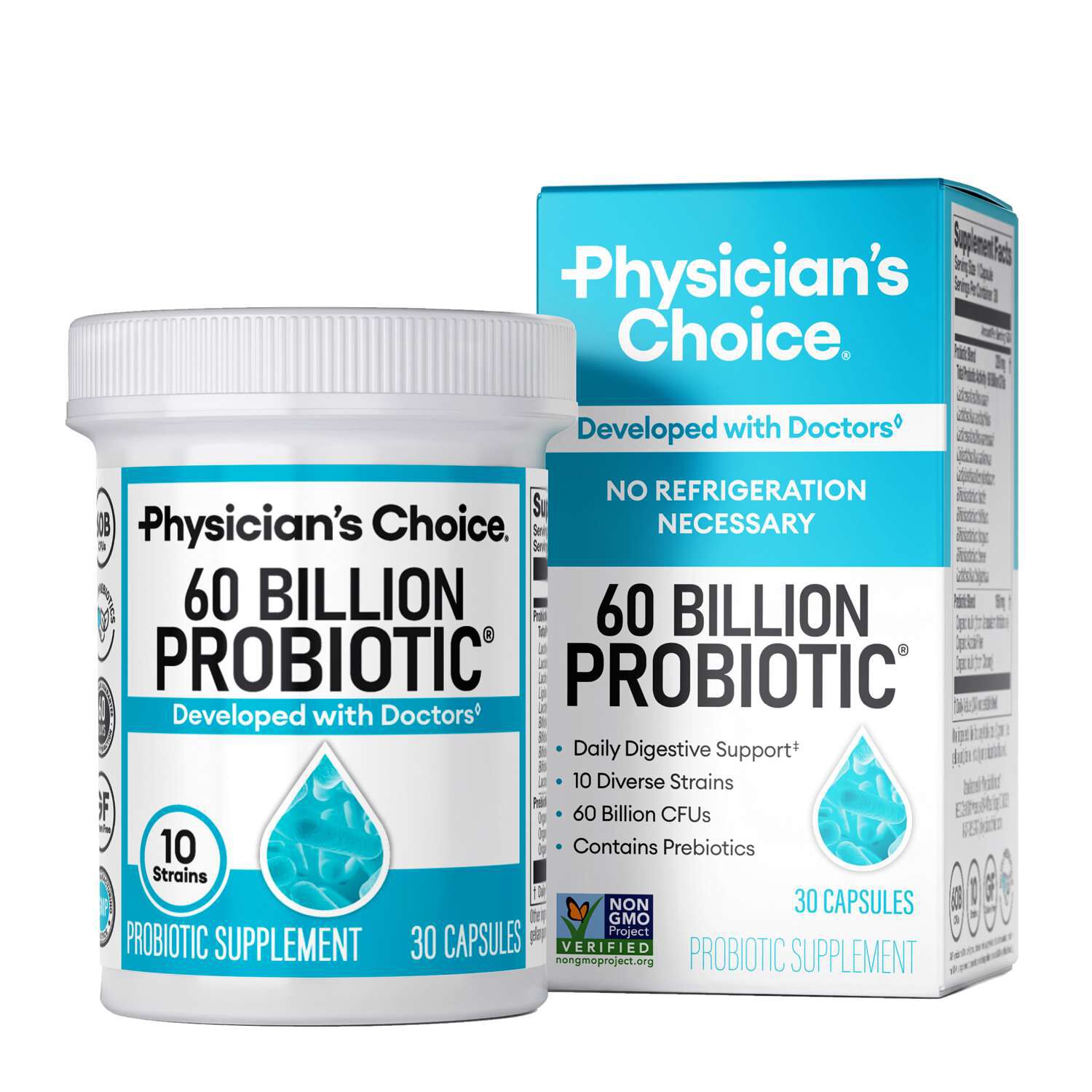 Physician's Choice