Vegan Protein Capsules
(0 Results)
Vegan protein capsules offer a convenient way to support plant-based nutrition goals. With options that fit seamlessly into busy lifestyles, vegan protein capsules may help those seeking alternatives to traditional protein sources. Explore a variety of vegan protein capsules designed for individuals who prioritize plant-based wellness and are looking for easy-to-take supplements to complement their daily routine.


Vegan protein capsules bring a capsule format to a category more often associated with shakes, bars, and plant-based foods. The name can describe several different types of dietary supplements, including capsules containing amino acids, plant-derived protein ingredients, or blends of plant ingredients and other nutrients. Those distinctions matter because a capsule marketed alongside protein supplements does not necessarily provide a substantial amount of dietary protein. Amino acids are the building blocks of protein, but an amino acid blend and a serving of whole protein are not interchangeable descriptions. Capsules have limited space for their contents, so a serving generally contains much less material than a scoop of powder. The amount varies by formula, capsule size, and number of capsules per serving; the serving information on the label is more useful than the capsule count on the front of the bottle. A bottle containing many capsules may represent relatively few servings when each serving includes several capsules. For shoppers comparing vegan protein pills with powders, the clearest distinction is the quantity and type of ingredients in a labeled serving, rather than the format alone. A capsule listing an amino acid amount in milligrams should not be read as providing that same number of grams of protein: 1,000 milligrams equals 1 gram. Likewise, the weight of a plant concentrate does not automatically equal its protein content, since plant ingredients can contain other components. This makes vegan protein capsules a distinct shopping category rather than a compact substitute for every use of protein powder. They may appeal to adults who prefer capsules, already follow a plant-based eating pattern, or want a supplement format that does not involve mixing a drink. Whether the intended use is part of a fitness routine or everyday nutrition, the most relevant comparison starts with what the formula actually contains and how that information is presented.
The vegan designation involves both the ingredients inside the capsule and the capsule shell itself. Plant-derived shells commonly use cellulose-based materials, while gelatin comes from animal sources. A label describing a vegetable capsule identifies the shell material, but it does not, by itself, establish that every ingredient inside is vegan. A clearly stated vegan designation provides more context than the appearance of the capsule or a leaf illustration on the packaging. Depending on the formula, plant protein ingredients can come from peas, rice, soy, or other sources, while individual amino acids may be produced through fermentation. Ingredient sourcing and manufacturing details are particularly relevant for shoppers who want their supplements to align with dietary preferences. Other components, such as fillers and flow agents, may also appear in the ingredient list; these serve formulation or manufacturing purposes and are separate from the featured nutrients. Soy and other declared allergens deserve attention even when the formula is plant-based, because vegan and allergen labeling describe different characteristics. Capsule size, serving count, and the presence of additional ingredients also shape how a formula fits into a routine. Someone who prefers a short ingredient list may compare differently from someone looking for a blend with several named amino acids. A person accustomed to a single daily capsule may find a serving of several capsules less suitable for their preferences. Transparent labeling makes these differences easier to evaluate: named ingredients, stated quantities, and clear serving directions offer more useful detail than broad language about fitness or wellness. When a blend lists only its combined weight, the amount of each individual ingredient may not be shown. Manufacturing information and independent certifications, when present, provide another point of comparison, although each certification addresses its own criteria. For adults who participate in organized sports, a certification focused on substances restricted in sport serves a different purpose from a vegan certification. Neither designation changes how much protein or how many amino acids a serving contains.
Everyday use is another meaningful distinction between vegan protein capsules and other plant-based nutrition formats. Capsules do not require a shaker bottle, a blender, or a flavored beverage, which may suit someone who prefers to keep supplements separate from meals and drinks. A person heading from the office to an evening workout might prefer that format, while someone looking for a substantial serving of dietary protein may find food or powder more suited to that purpose. Beans, lentils, tofu, tempeh, and other plant-based foods contribute protein within meals, along with other nutrients and the experience of eating. Capsules occupy a different role and are not meal replacements. Protein powders also have room for a larger quantity of ingredients per serving, so comparing them with capsules requires attention to the labeled protein amount rather than simply counting one serving of each. Storage and packaging deserve similar practical consideration. The original container keeps serving directions, ingredient details, and the expiration date together, and a securely closed lid helps limit exposure to moisture. Label-specific storage directions matter, particularly when a bottle spends time in a gym bag, desk drawer, or travel case. Packaging is intended to protect the contents during ordinary handling, but capsules are not designed for rough handling or contact with liquids before use. For shared households, a clearly identified bottle also helps keep different supplements from being confused with one another. Shoppers exploring adjacent plant-based supplement categories can compare Vegan Dietary Capsules, while keeping the purpose and ingredients of each formula distinct. Across these categories, capsule format, vegan status, and nutrient content answer separate questions. A vegan shell describes a material choice; the ingredient list describes the formula; and the serving information describes the amount provided. Together, those details offer a grounded way to compare vegan protein capsules with personal preferences, existing eating habits, and the practical demands of an everyday routine.
Best Sellers
-
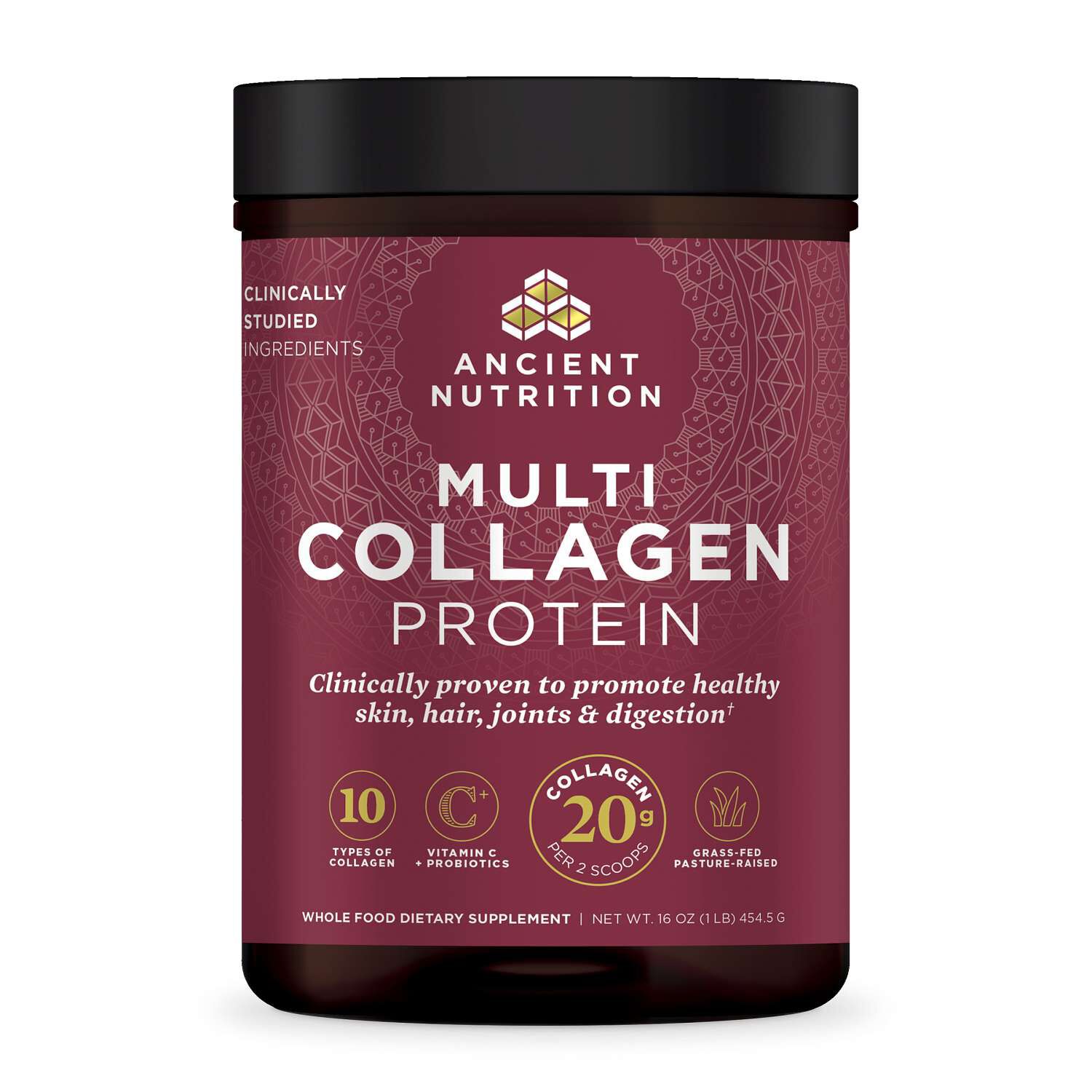 Ancient Nutrition
-
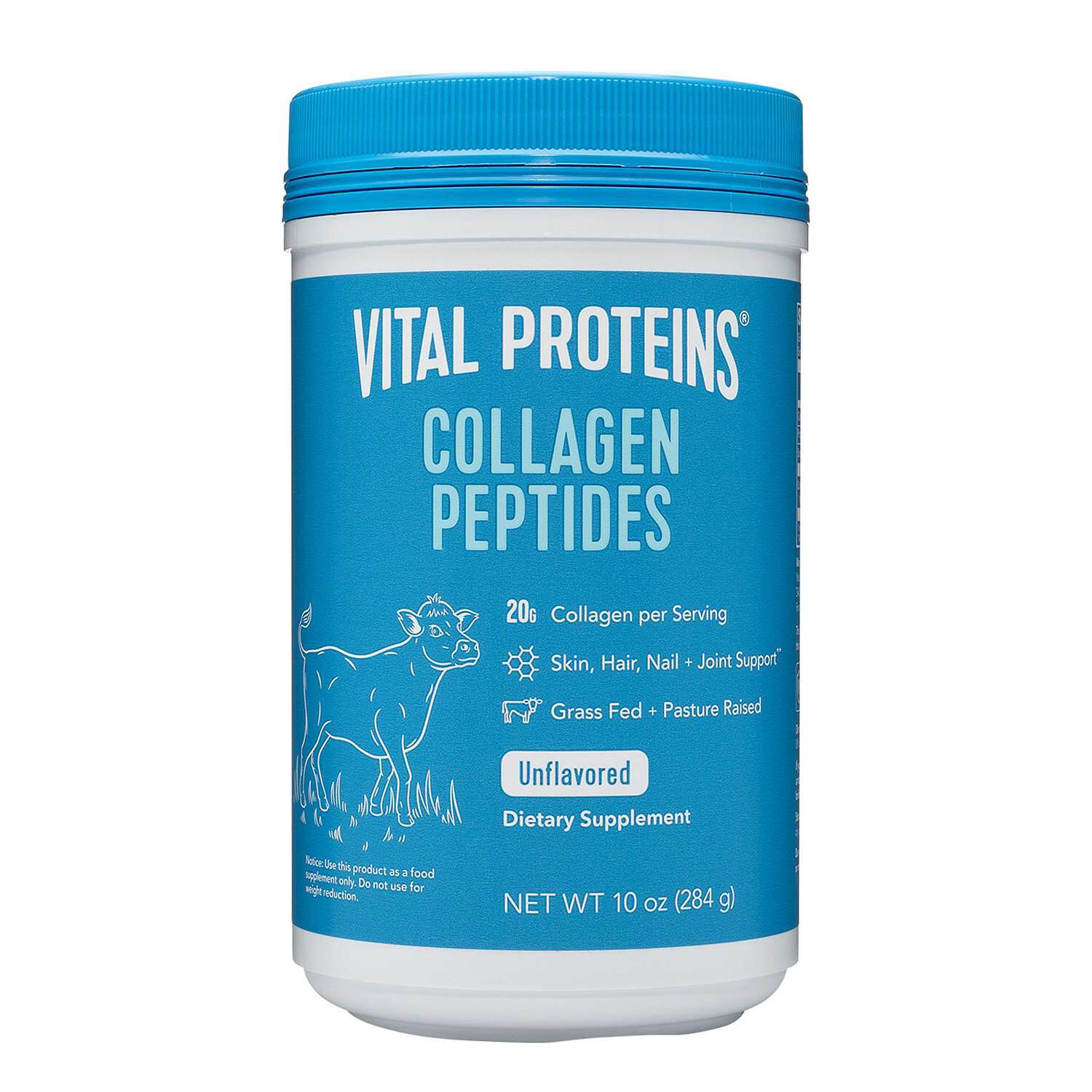 Vital Proteins