





Whole Food Plant Based Capsules
(0 Results)
Whole food plant based capsules offer a convenient way to incorporate a variety of fruits, vegetables, and herbs into your daily routine. These capsules are crafted with ingredients sourced from plants and whole foods, making them a popular choice for those seeking plant-powered wellness options. Explore a selection of whole food plant based capsules that may fit seamlessly into an active lifestyle or balanced nutrition plan.
-

-

-

-
-
-
-

-
 185$24.99
-

-
-
-

-
-

-

-

-
-
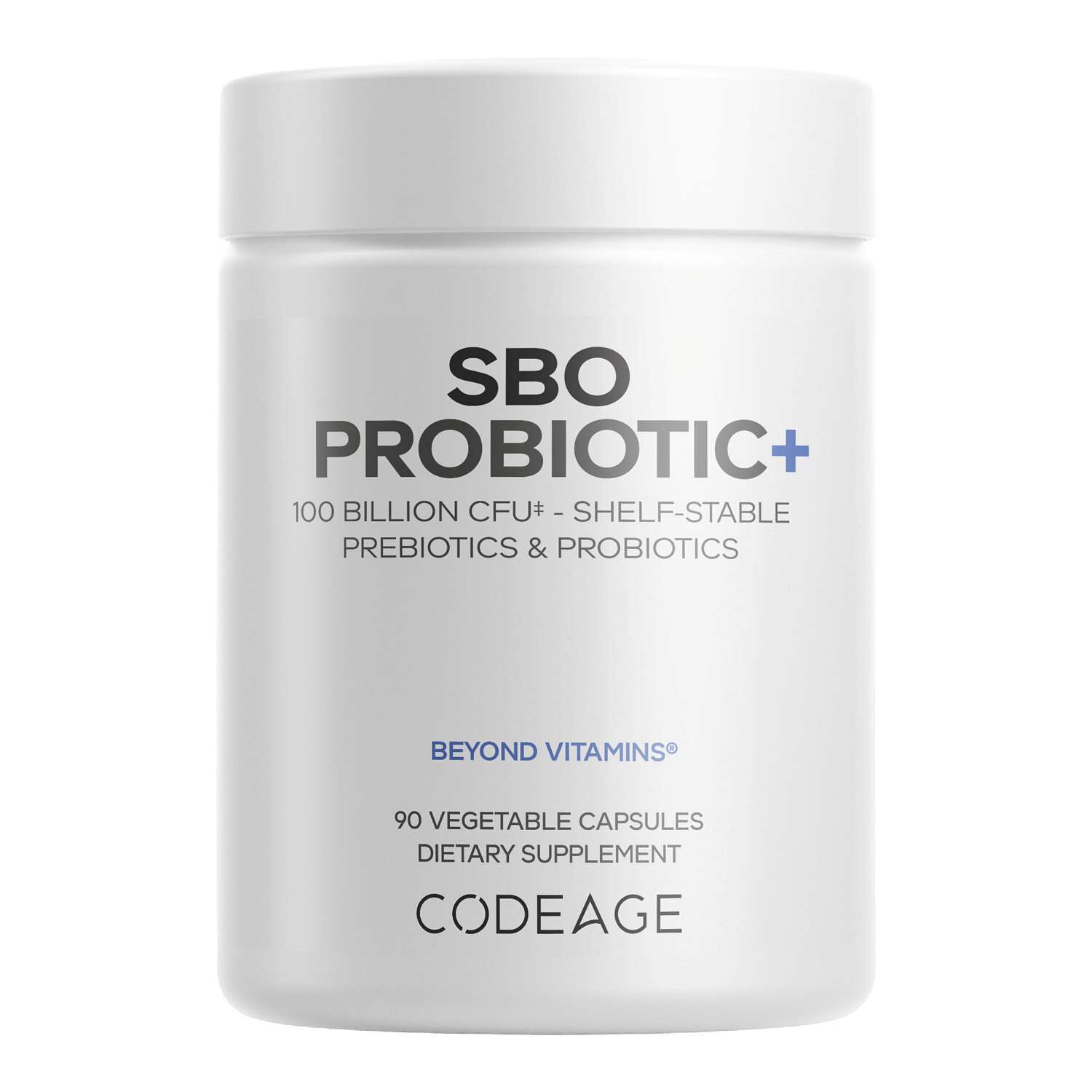


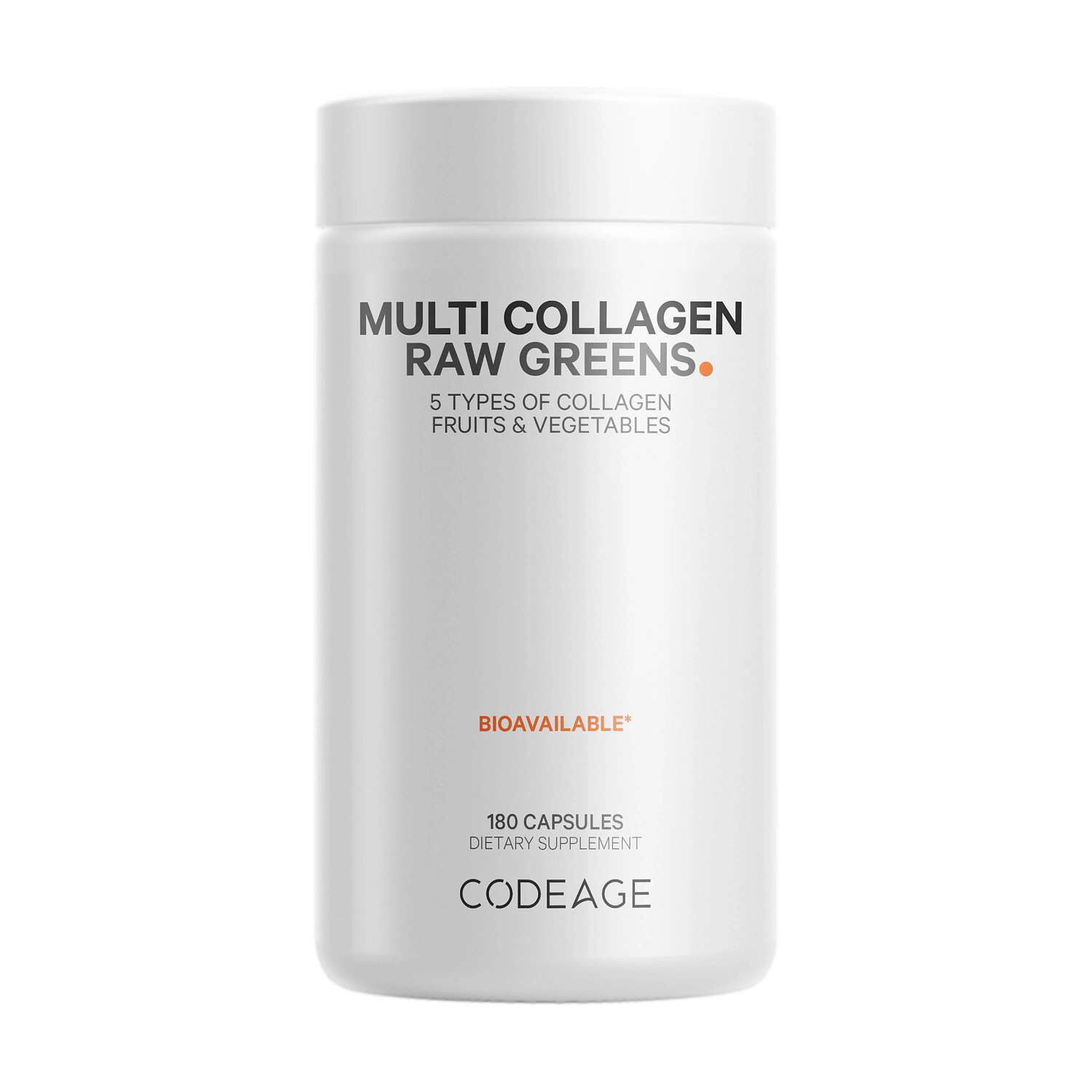

Whole food plant-based capsules are dietary supplements that typically contain dried, powdered, or concentrated ingredients derived from fruits, vegetables, berries, herbs, and other plant sources, enclosed in a plant-based shell. Their defining features are the origin of the contents and the material used to form the capsule, but those two details deserve separate attention. A vegetable powder can be enclosed in a gelatin shell, while a plant-based shell can hold ingredients that are not derived from whole foods. Looking at both the ingredient list and the capsule material gives a clearer picture of how a formula fits a plant-focused preference. Common shell materials include cellulose derivatives such as hydroxypropyl methylcellulose, sometimes listed as HPMC or vegetable cellulose. Inside, a blend might feature leafy greens, root vegetables, orchard fruits, or berries, with the exact composition varying by formula. Some ingredients are dried and milled into powders; others undergo extraction, which separates selected components from the original plant material. Those processes produce different ingredients, even when the same fruit or vegetable appears on the label. The phrase “whole food” alone does not describe the processing method, establish the amount of each ingredient, or mean that a capsule contains the same nutritional profile as the original food. These supplements are intended to accompany a varied diet rather than stand in for meals, produce, or other everyday foods. A capsule containing several fruit powders is not equivalent to a bowl of berries, and the amount of fiber or other nutrients may be quite different. For someone who prefers capsules to mixing a scoop into water or tasting a greens powder, this format may be a practical option. The enclosed format may also appeal to shoppers who prefer a supplement without preparing a drink, measuring a loose powder, or choosing a flavored chew.
The most useful distinctions among whole food plant-based capsules often appear in the label details rather than the largest words on the front of the bottle. The Supplement Facts panel identifies the serving size and declared amounts, while the ingredient list provides additional information about the shell and other components. A serving may consist of more than one capsule, so the capsule count on a container and the number of servings are not interchangeable. Likewise, a blend described with several plant names does not necessarily contain equal amounts of each one. Some labels state individual ingredient amounts, while others list a combined amount for a blend. That difference matters when comparing a straightforward vegetable powder formula with a broader mixture of greens, fruits, and herbs. Ingredient form matters, too: an extract and a milled powder from the same plant are not necessarily comparable milligram for milligram. Named nutrients, when present, should be considered according to their declared amounts rather than inferred from pictures of produce on the package. Separate designations also describe separate attributes. An organic designation concerns applicable production standards, while a vegan designation concerns ingredients and the criteria associated with that designation; neither term alone answers every question about sourcing, processing, or composition. Shoppers with ingredient preferences can also examine colors, coatings, fillers, and processing aids instead of assuming that a plant-based shell describes the entire formula. Clear information about testing, manufacturing, and ingredient sourcing may be useful when comparing otherwise similar options. Any testing statement is most informative when it explains what was assessed, such as ingredient identity or specified quality measures. The Advanced Plant Based Superfood Capsules collection provides a related selection for comparing plant-focused formulas. Across these categories, the clearest comparison comes from matching the actual composition and serving information to personal preferences, not simply counting the number of plants named on a label.
Everyday handling is another consideration for this supplement format. Someone who packs breakfast before an early commute may prefer a bottle that fits neatly beside other daily-use items, while a frequent traveler may pay closer attention to container size and the number of capsules per serving. A person who enjoys making smoothies might still prefer capsules on days when a blender is not part of the routine. These are questions of format and preference rather than a reason to expect the same experience from every formula. Capsule dimensions, shell texture, and serving size all vary, and the appearance of a small capsule does not reveal how many are listed in a serving. Package photography may not show actual size, making clearly stated dimensions or other manufacturer details more useful when available. Storage instructions deserve similar attention because plant powders and capsule shells can be sensitive to their surroundings. Moisture may cause capsules to stick together or soften, while unsuitable storage conditions may affect their appearance and texture. A bathroom cabinet beside a steamy shower or a bag left in a parked car may not match the storage conditions specified on the label. The original container keeps the ingredient information, serving instructions, lot identification, and date marking together, which is helpful when checking a formula or organizing a routine. Keeping the closure secure and handling capsules with dry hands may help limit exposure to moisture. Any desiccant packet belongs in the container as directed and is not intended for consumption. For shared households, a designated storage location separate from cooking ingredients and children's snacks may make organization simpler. Ultimately, choosing whole food plant-based capsules involves several concrete details: what plant ingredients are included, how those ingredients were prepared, what forms the shell, how the serving is defined, and how the container needs to be stored. Those details offer a more meaningful basis for comparison than a colorful produce image or a broad plant-focused description alone.
Best Sellers
-
 Yemaya Organics
-
BetterAlt
-
Yemaya Organics

