





Winter Wellness Products
(0 Results)
Winter wellness products may offer support as you navigate the colder months, helping you stay on top of your daily routine. Explore a variety of options designed to fit your lifestyle and preferences, from supplements to help fill nutritional gaps to essentials that might keep you feeling your best all season long. Discover how winter wellness products could become part of your everyday regimen, supporting your goals no matter what the weather brings.


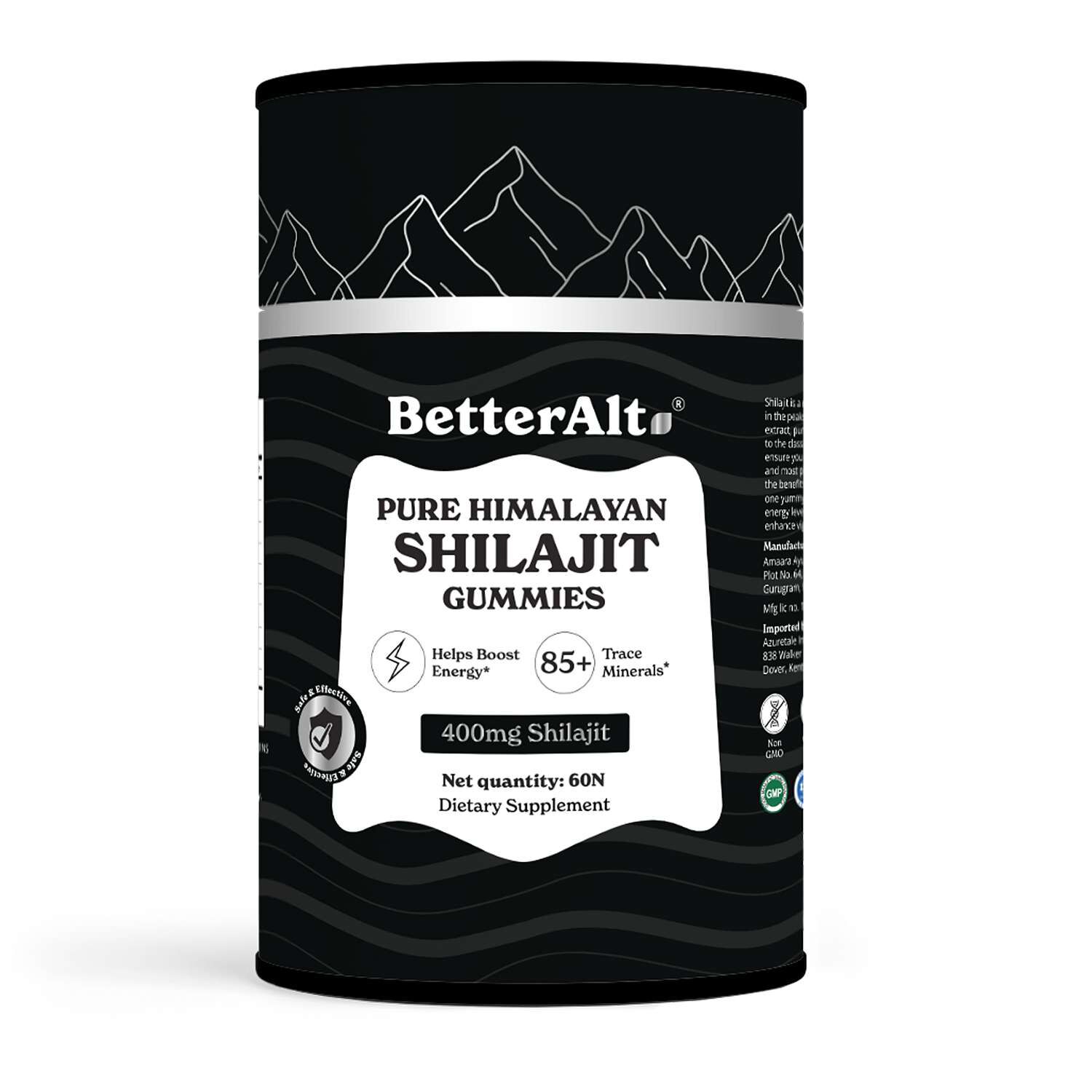
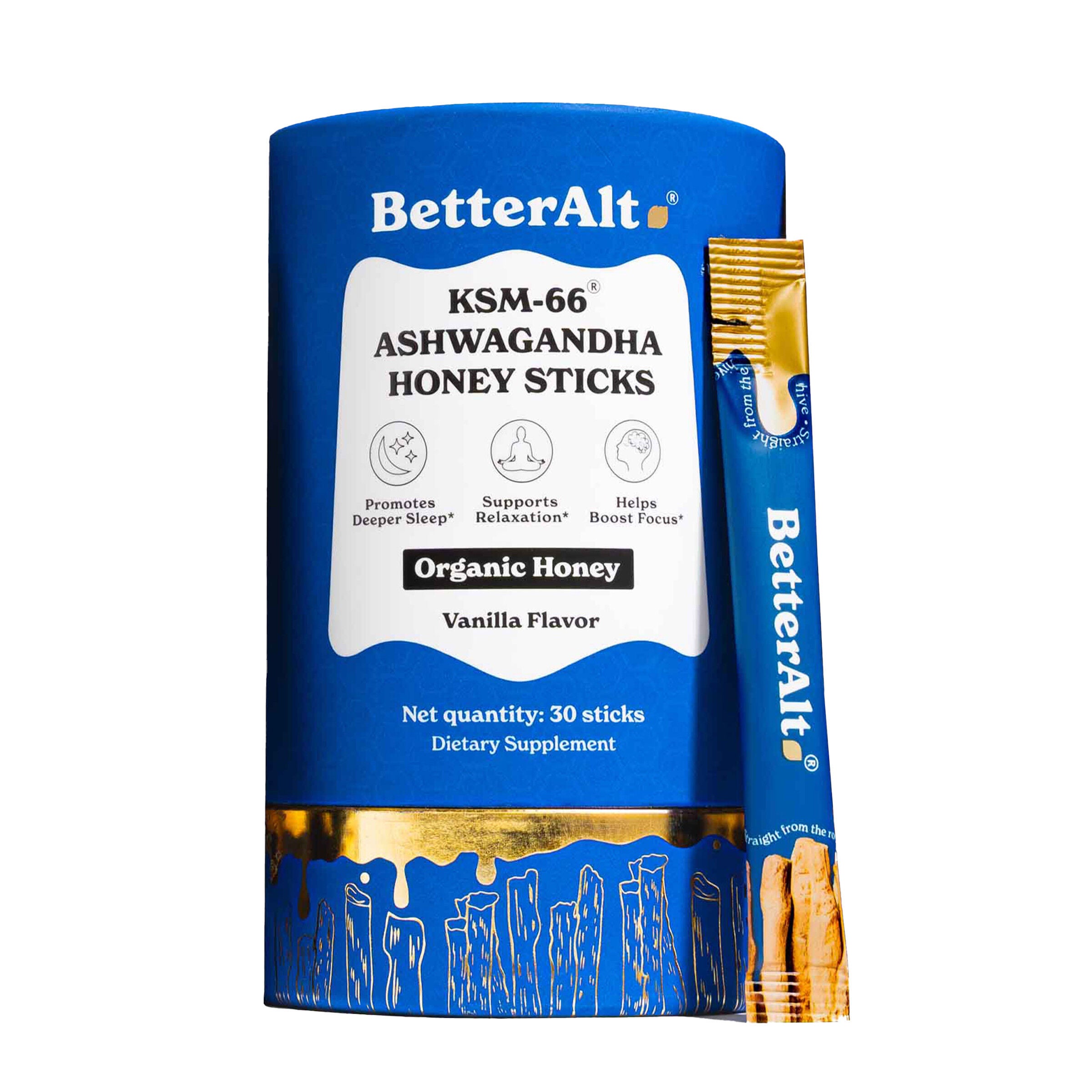

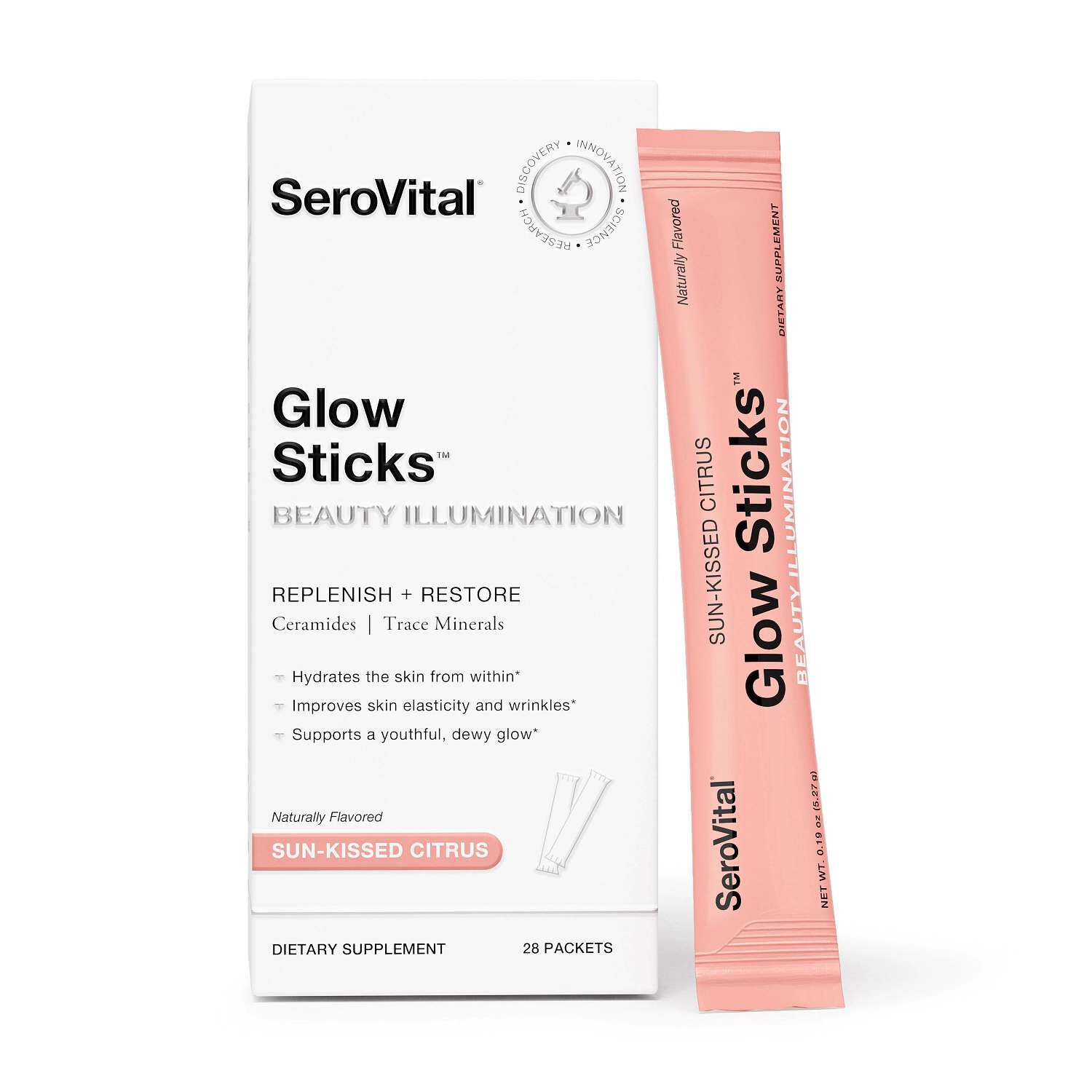
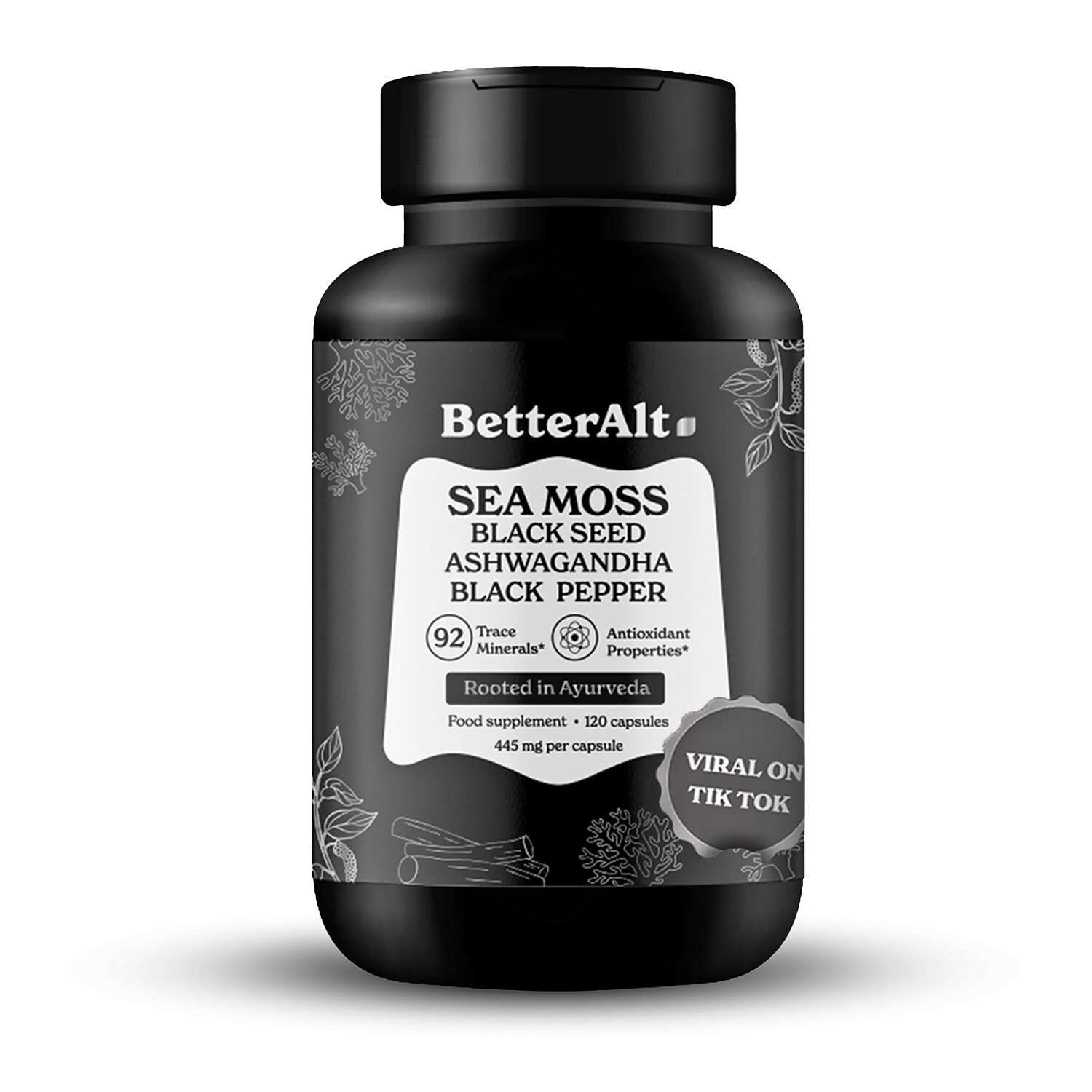

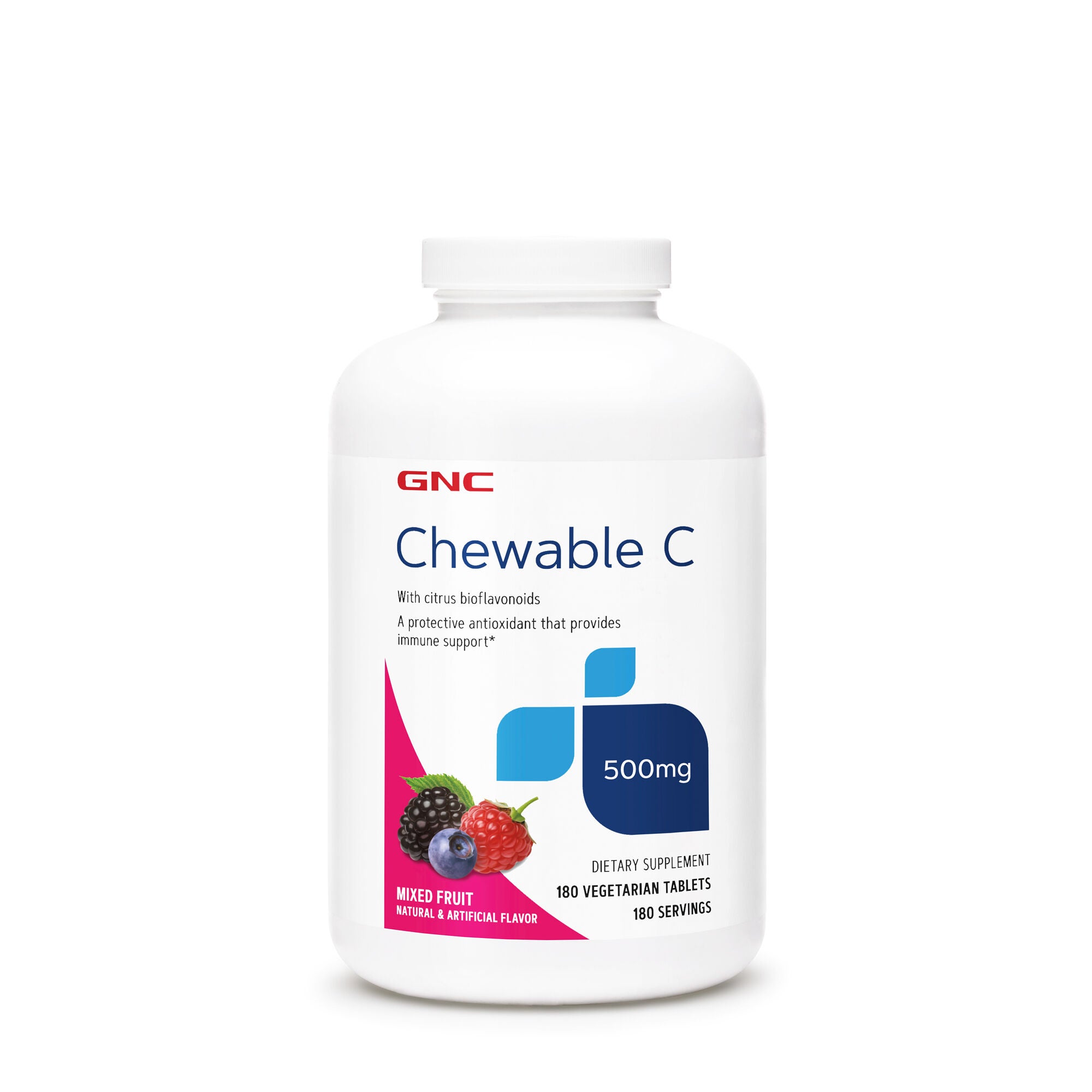


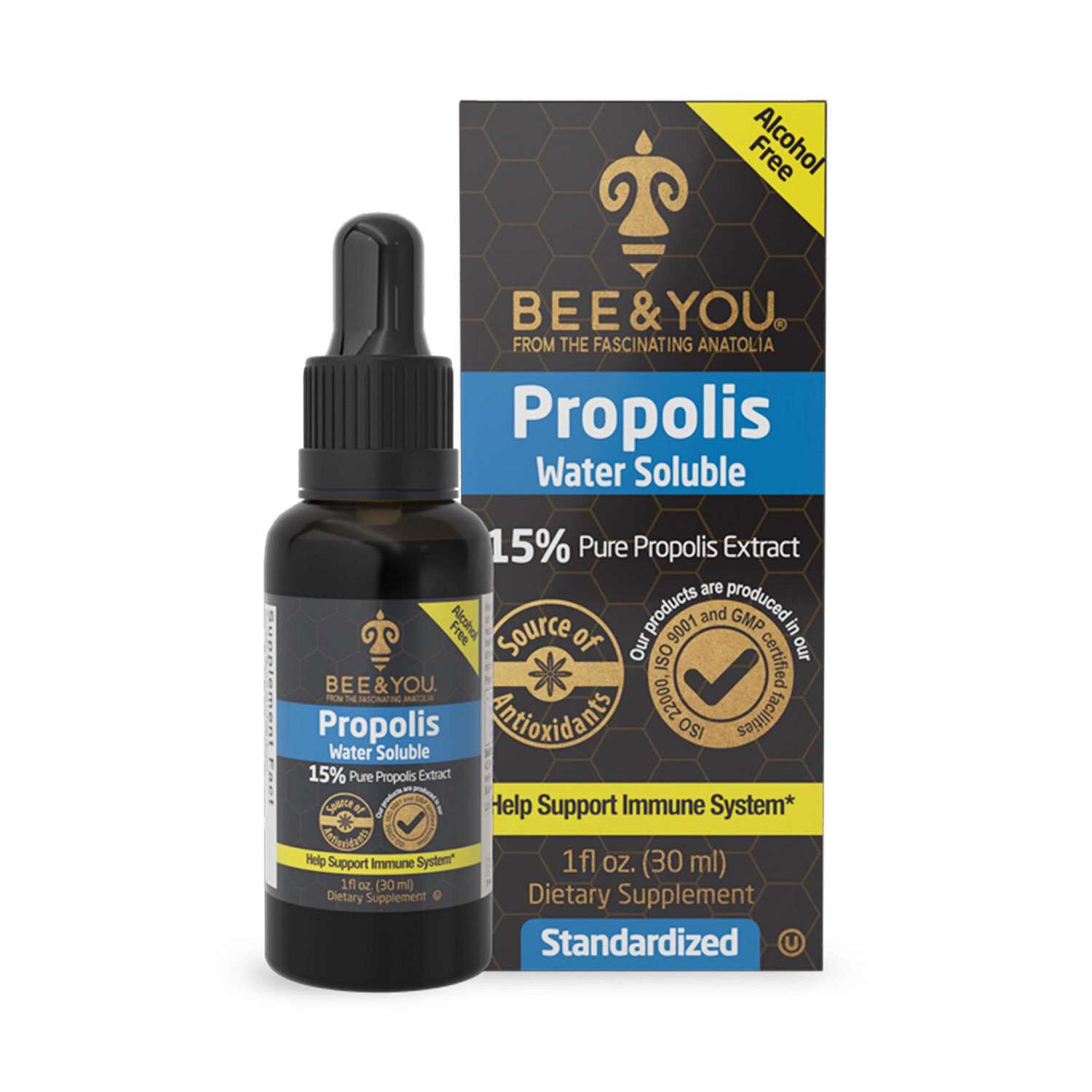


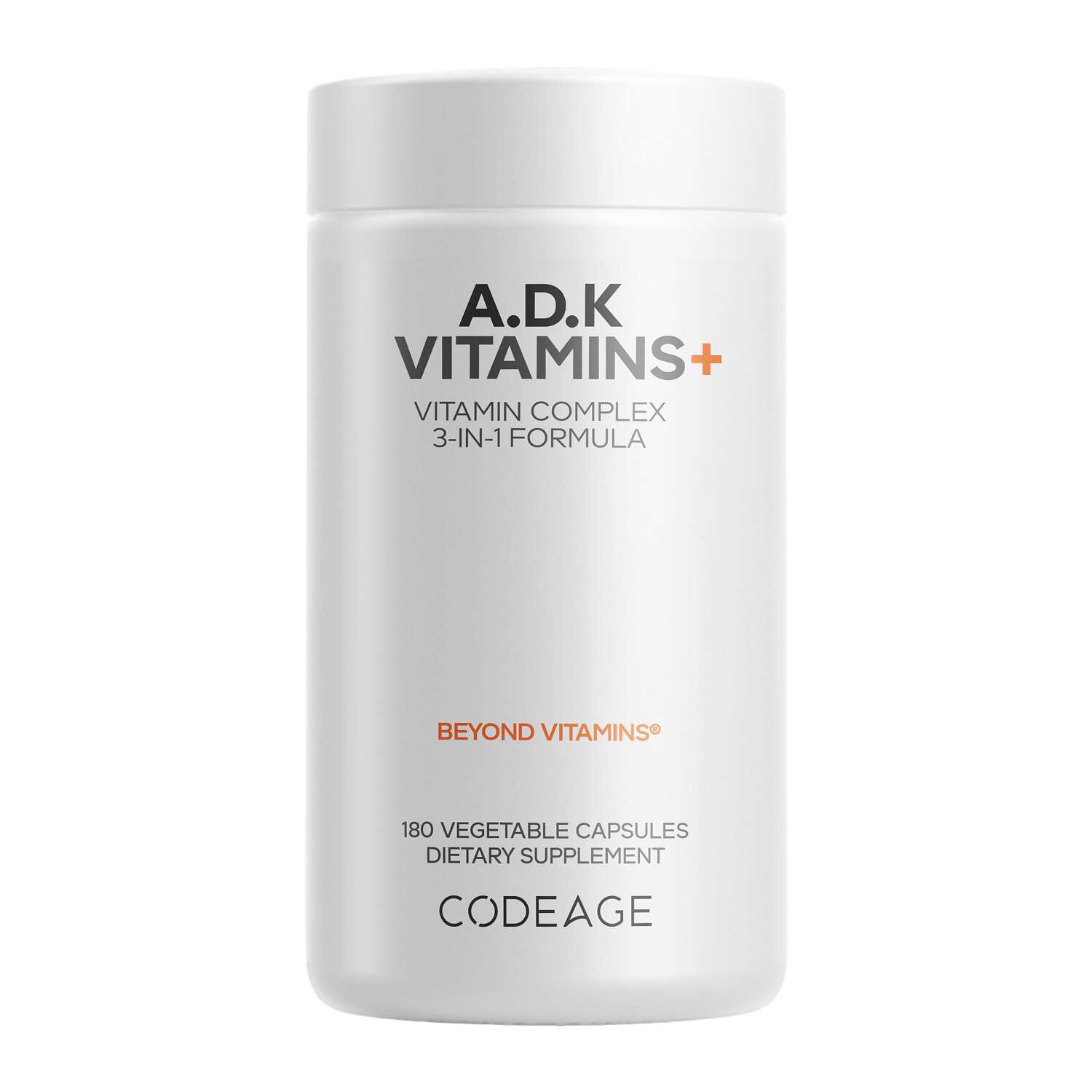


Winter wellness products bring together nutrition and self-care categories suited to the everyday routines of winter, from vitamins and minerals to protein powders, drink mixes, and personal care formulas. Their place in a seasonal routine depends on intended use: a multivitamin offers a combination of nutrients in one format, a protein powder provides a measured amount of protein per serving, and a moisturizing lotion may help skin feel softer after exposure to dry indoor air. These categories serve different purposes, so the most useful comparison starts with what a product contains and how it fits into an ordinary day. A commuter packing breakfast before a dark morning departure may prefer a portable format, while someone who eats breakfast at home may have room for a powder mixed into oatmeal or a smoothie. Winter routines can include indoor workouts, weekend outings, travel, and evenings spent cooking at home, each with different preferences for preparation and portability. Supplements may complement everyday nutrition, but they are not substitutes for varied meals or a balanced routine. Ingredient lists, serving sizes, flavor, texture, and storage requirements offer more meaningful distinctions than seasonal packaging alone. For vitamins and minerals, the nutrient amounts on the Supplement Facts panel make comparisons clearer; the number of capsules in a container does not necessarily equal the number of servings. For food-based powders and beverages, the relevant facts panel shows protein, carbohydrate, sugar, and other declared nutrient amounts. Dietary preferences matter, too, including whether a formula uses dairy ingredients, plant ingredients, gelatin, or particular sweeteners. Someone who prefers a straightforward morning routine may value a short preparation process, while a person who enjoys making smoothies may welcome a format that allows more mixing options. Across winter wellness categories, the details that matter most are often practical: a readable label, a serving format that suits the intended user, and directions that work with the way that person actually eats, drinks, travels, and stores everyday products.
Format makes a noticeable difference when comparing winter wellness products. Capsules, tablets, chewables, gummies, liquids, and powders each have distinct requirements for measuring, carrying, and storage. A capsule or tablet needs no mixing, while a powder generally requires a suitable beverage or food and the measuring method specified on its label. Gummies and chewables have their own flavors, textures, and serving sizes, which deserve the same attention as any other supplement format. Liquid formulas may include a measuring cap or dropper, and their labels can specify storage conditions after opening. For shoppers who prefer a mixable option, Winter Wellness Powders offers a focused way to explore that format. Within the powder category, intended use varies considerably: protein blends, vitamin and mineral formulas, and electrolyte mixes are not interchangeable simply because they dissolve into a drink. The amount per serving, suggested liquid volume, and preparation directions provide the context needed to compare them. Flavor also becomes part of the daily experience. A rich cocoa or vanilla profile may suit a breakfast shake, whereas a lighter fruit flavor may be preferable in a water-based drink. An unflavored formula can still have its own taste or texture, particularly when stirred into a small amount of liquid. Some powders mix with a spoon, while others call for shaking or blending; directions also determine whether a formula is suitable for warm beverages. A kitchen counter, an office kitchenette, and a bag packed for a weekend away offer very different preparation spaces. Single-serving packets are compact, while larger containers require room for both storage and measuring. Packaging materials and closures matter for repeated use: a firmly fitting lid, a resealable pouch, and a measuring scoop that can be kept clean and dry are practical details worth considering. Moisture exposure, an open lid, or storage beside a steamy kettle can conflict with a product’s care instructions, making label-directed storage an important part of everyday use.
Personal preferences and household habits give winter wellness shopping its context. An adult who enjoys indoor strength training may be interested in protein options, while someone with a busy travel schedule may prefer familiar nutrition formats that pack neatly and require little preparation. A person who spends long stretches outdoors may also appreciate personal care textures suited to their preferences, such as a richer hand cream rather than a lighter lotion. For these formulas, ingredients, fragrance, finish, and packaging distinguish the experience as much as container size. A tube can be convenient in a work bag, while a pump may suit a bathroom counter; either format needs a closure and storage location appropriate to its label. Product care is particularly relevant when bags move between heated rooms and cold vehicles. Temperature limits vary, and a car trunk or a spot beside a radiator may not meet the stated storage conditions. Original packaging keeps ingredient information, directions, and dates with the product, which is useful both at home and while traveling. Reusable mixing accessories, when part of the routine, have their own material and durability considerations, including washing instructions, lid construction, and suitability for the intended beverage temperature. Any dishwasher or hot-liquid use should match the accessory’s stated care directions. Winter gifting brings another set of considerations, especially because flavor preferences, dietary choices, and personal care textures are individual. A thoughtful selection reflects something already known about the recipient, such as a preference for plant-based protein, a familiar beverage flavor, or fragrance preferences, rather than an assumption about a nutritional need. Clearly labeled packaging and an approachable preparation process can make a gift easier to understand and use. Whether the purchase is for a daily breakfast routine, a gym bag, a travel kit, or a seasonal gift, winter wellness products are best considered by their actual purpose and product details. Comparing ingredients, serving formats, preparation steps, and care requirements keeps the focus on choices that fit real routines, from a quiet morning at the kitchen table to a full day away from home.


