





3lb Protein Powders
(0 Results)
Fuel your fitness journey with our selection of high-quality, versatile, and convenient protein supplements. Perfectly portioned for those who want to maintain a consistent supply, these protein powders come in a manageable and easy-to-store size of three pounds. Whether you're aiming to support muscle recovery after an intense workout or seeking to supplement your daily protein intake, the variety of flavors and formulations available might cater to diverse dietary needs and preferences. Explore the possibilities that our range of expertly crafted protein powders could bring to your wellness routine today.
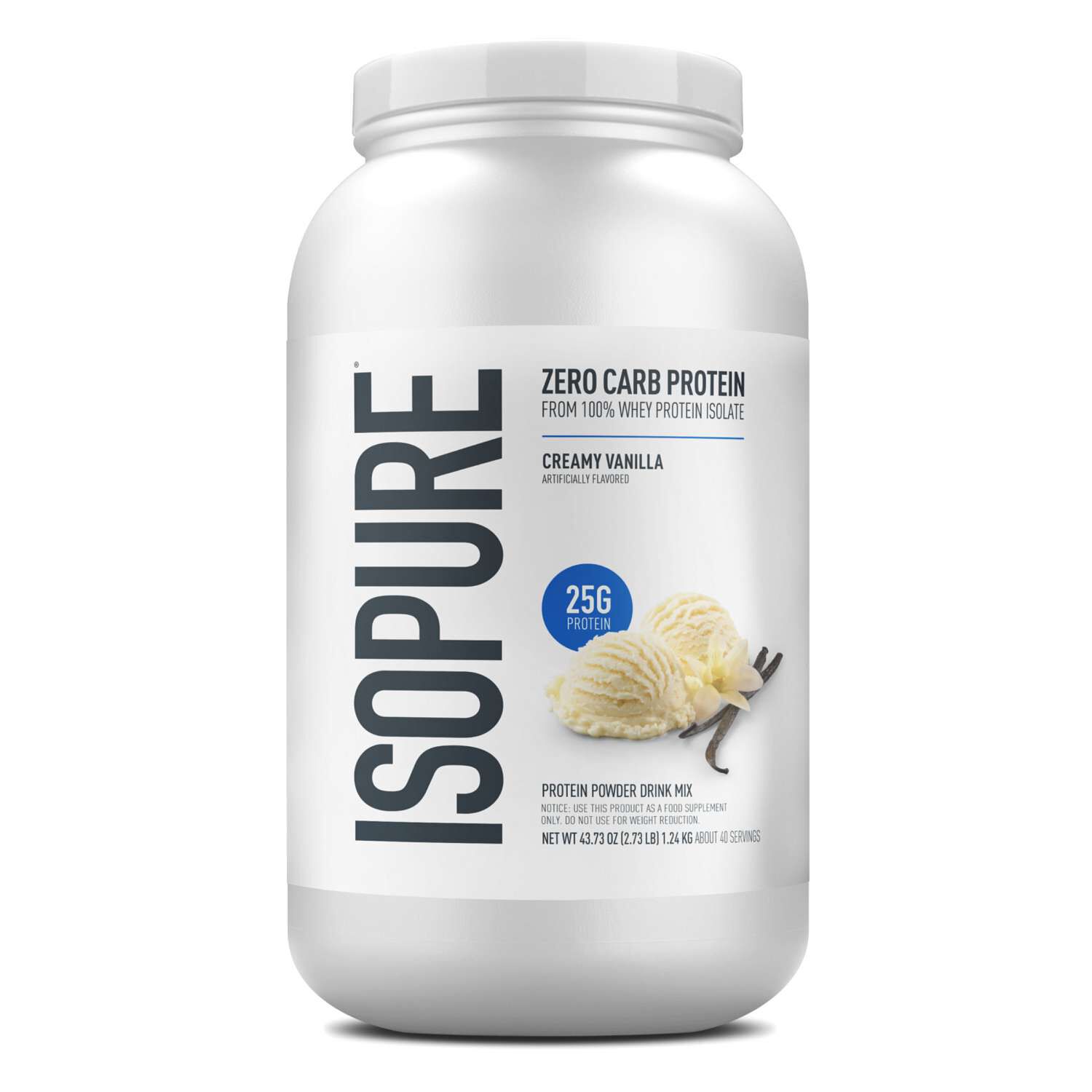

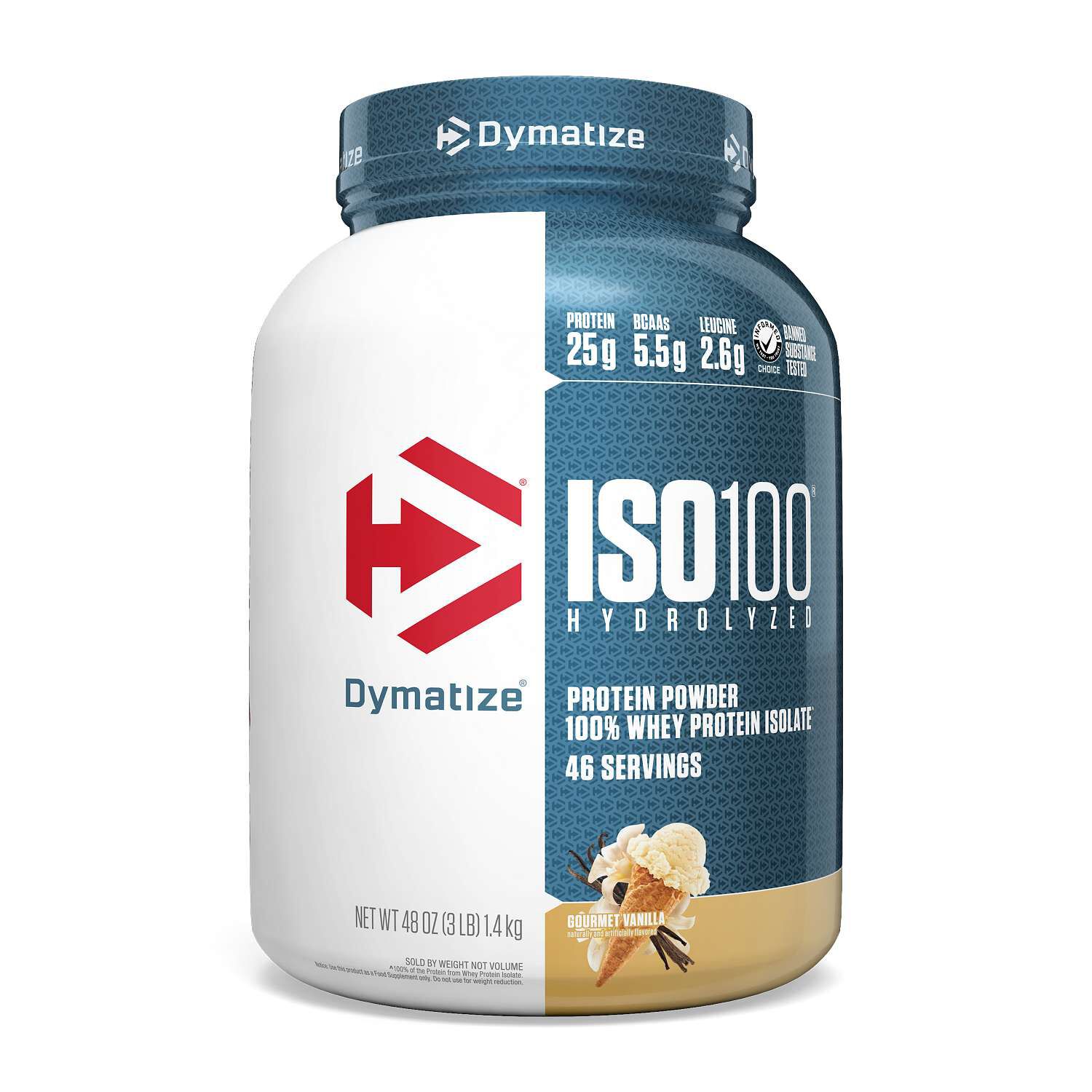
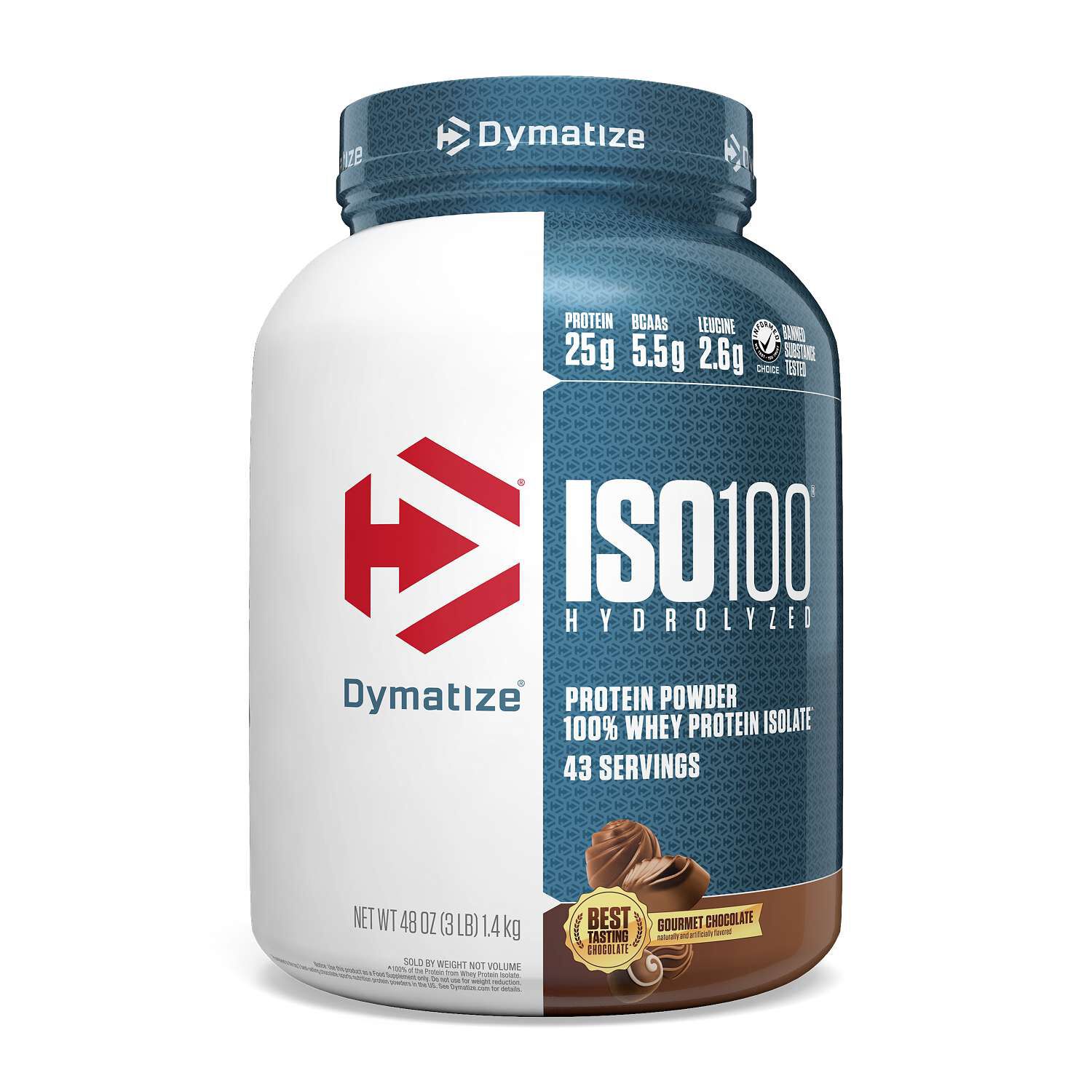
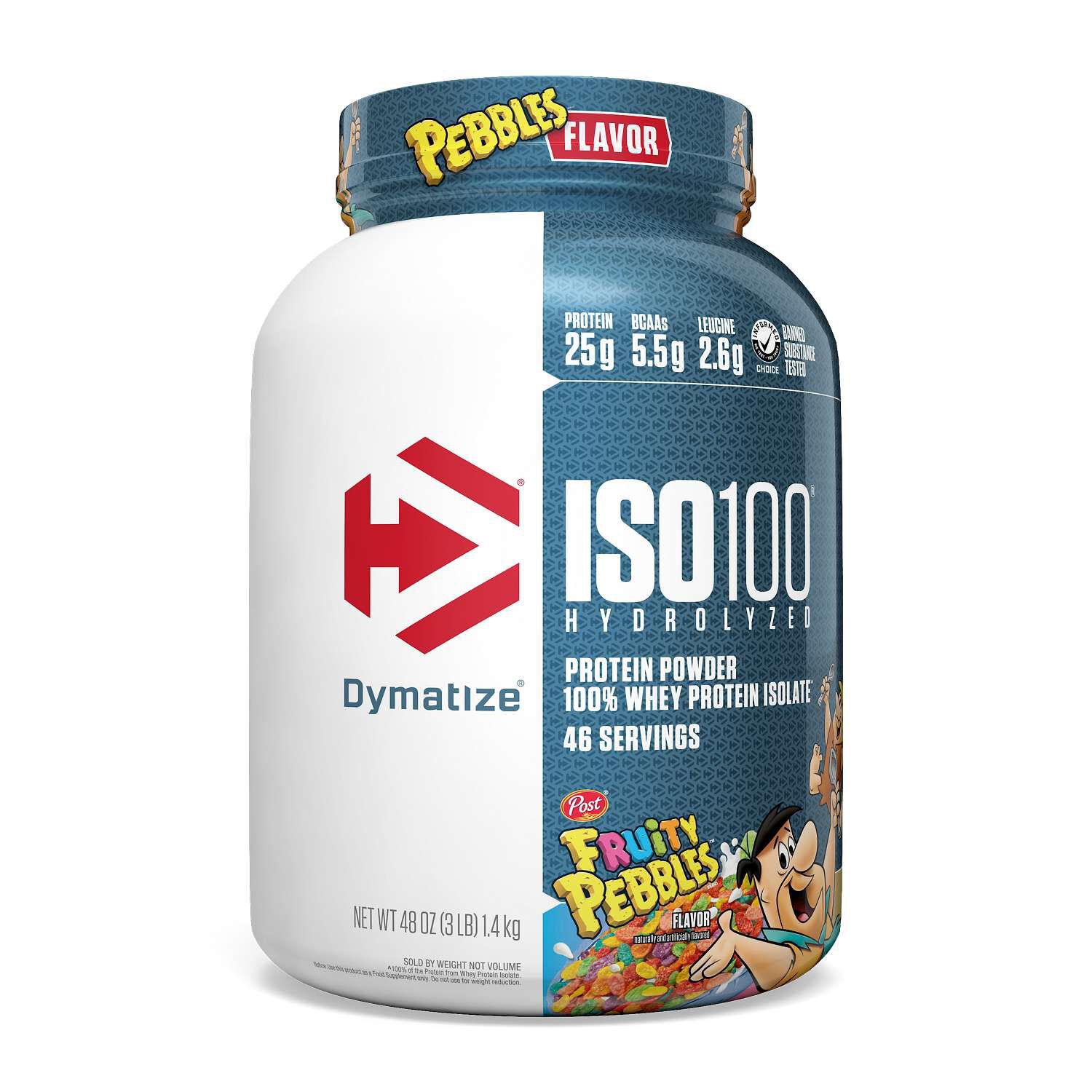
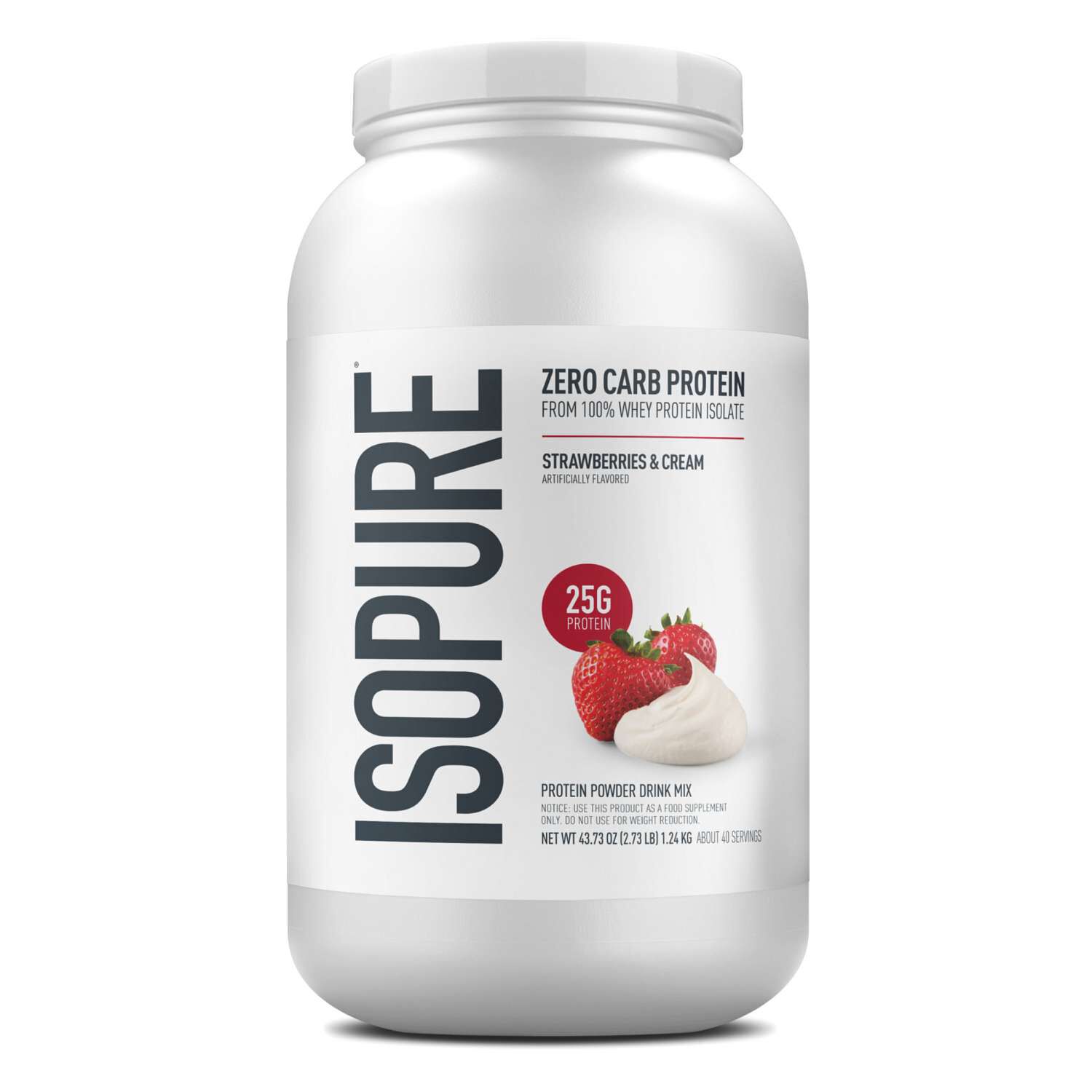
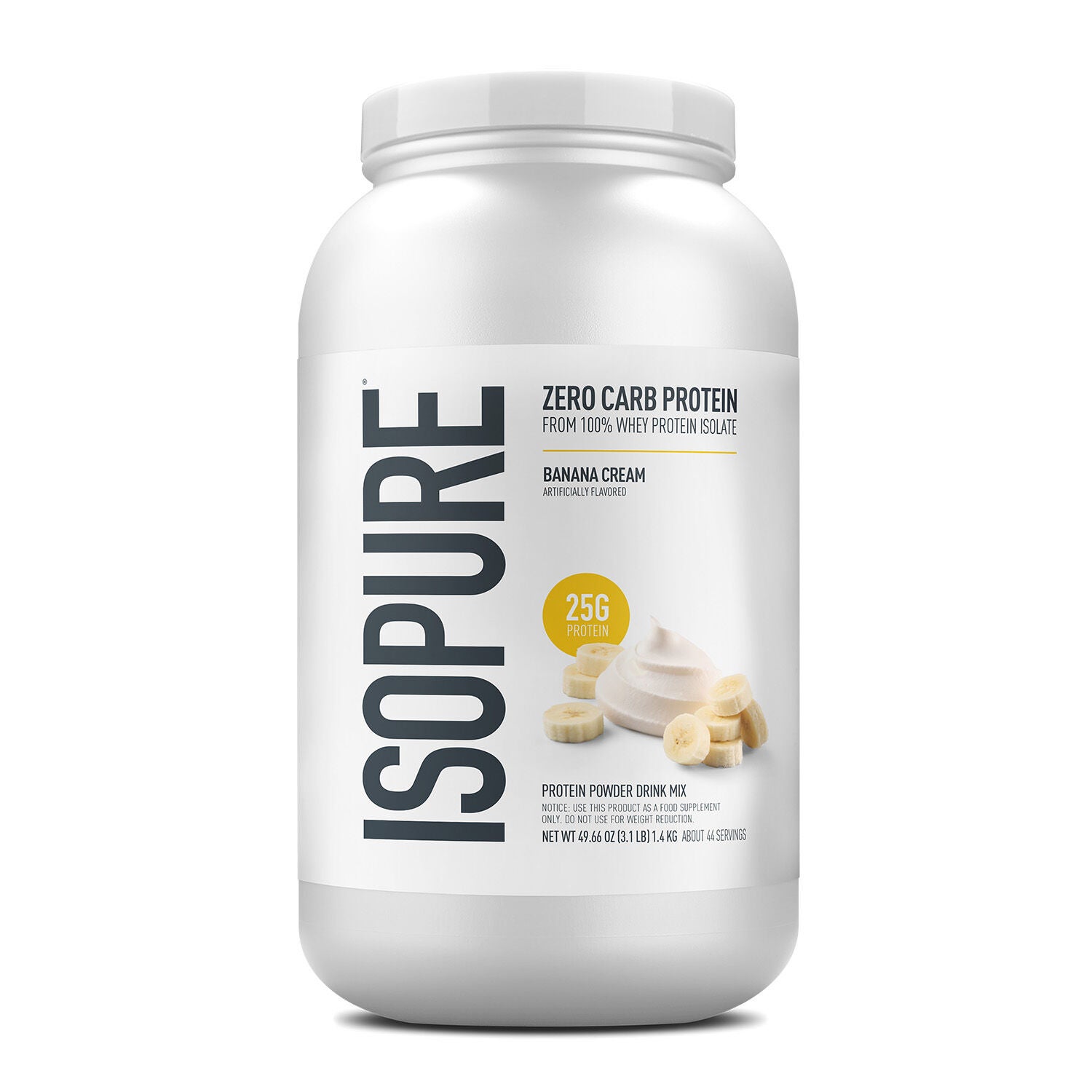
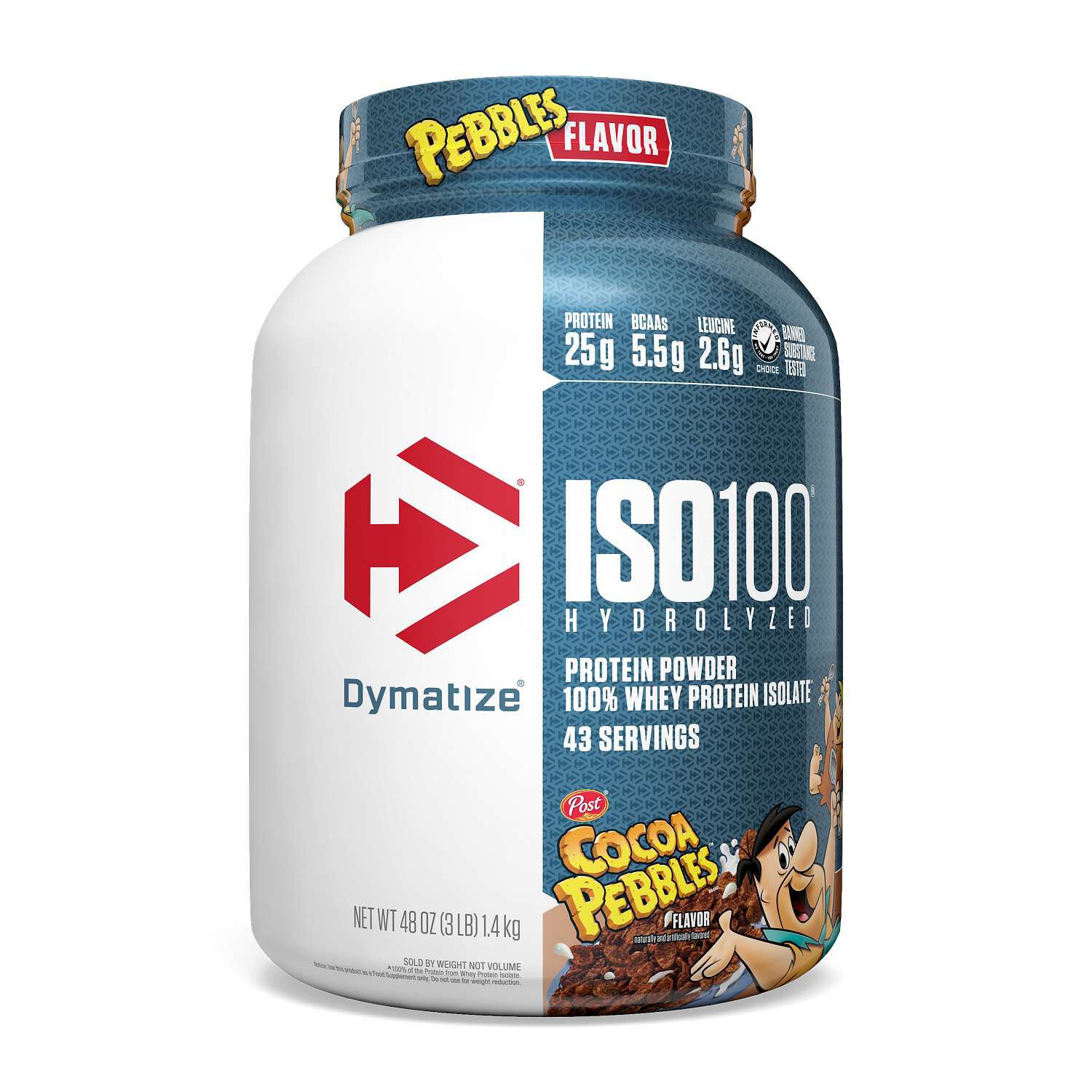
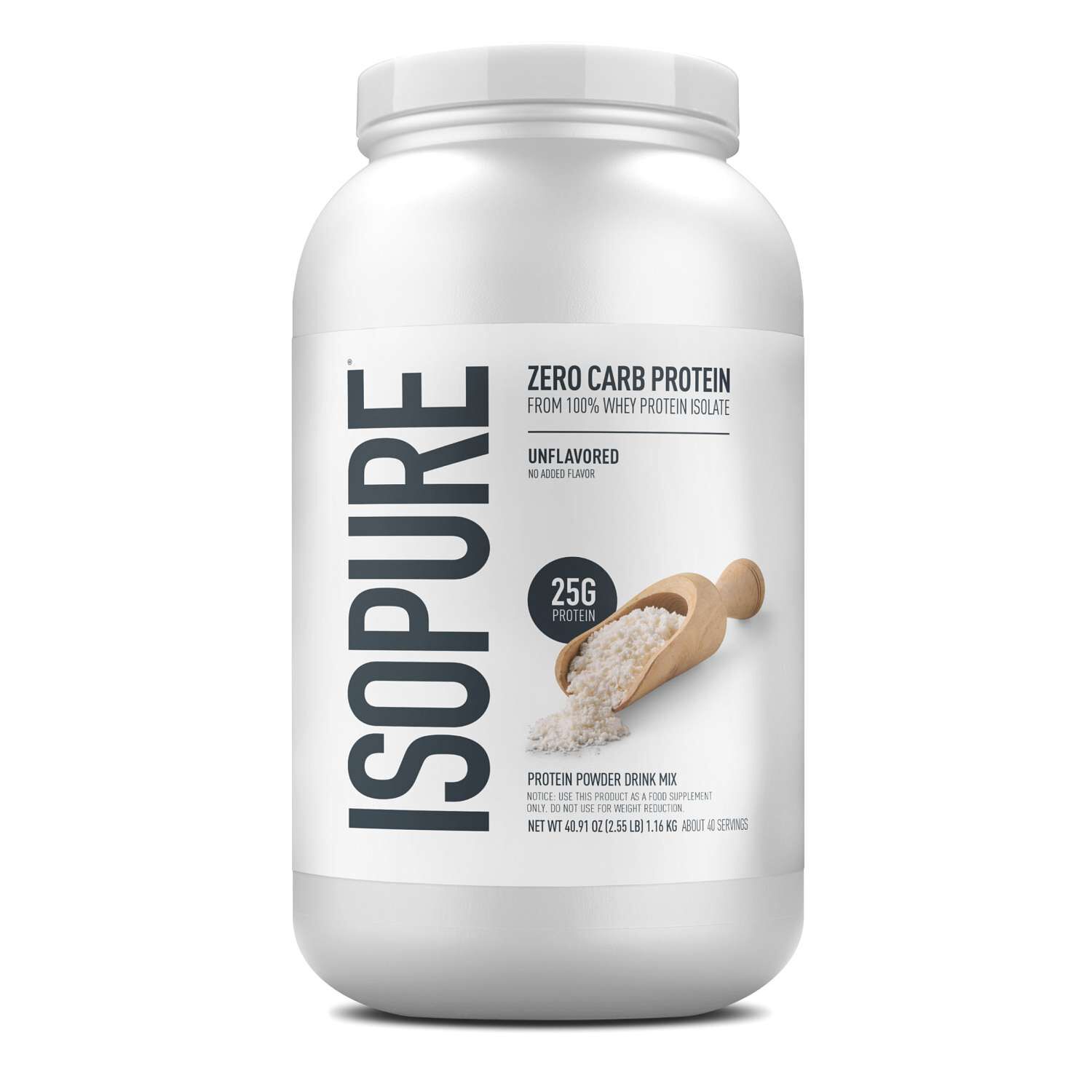

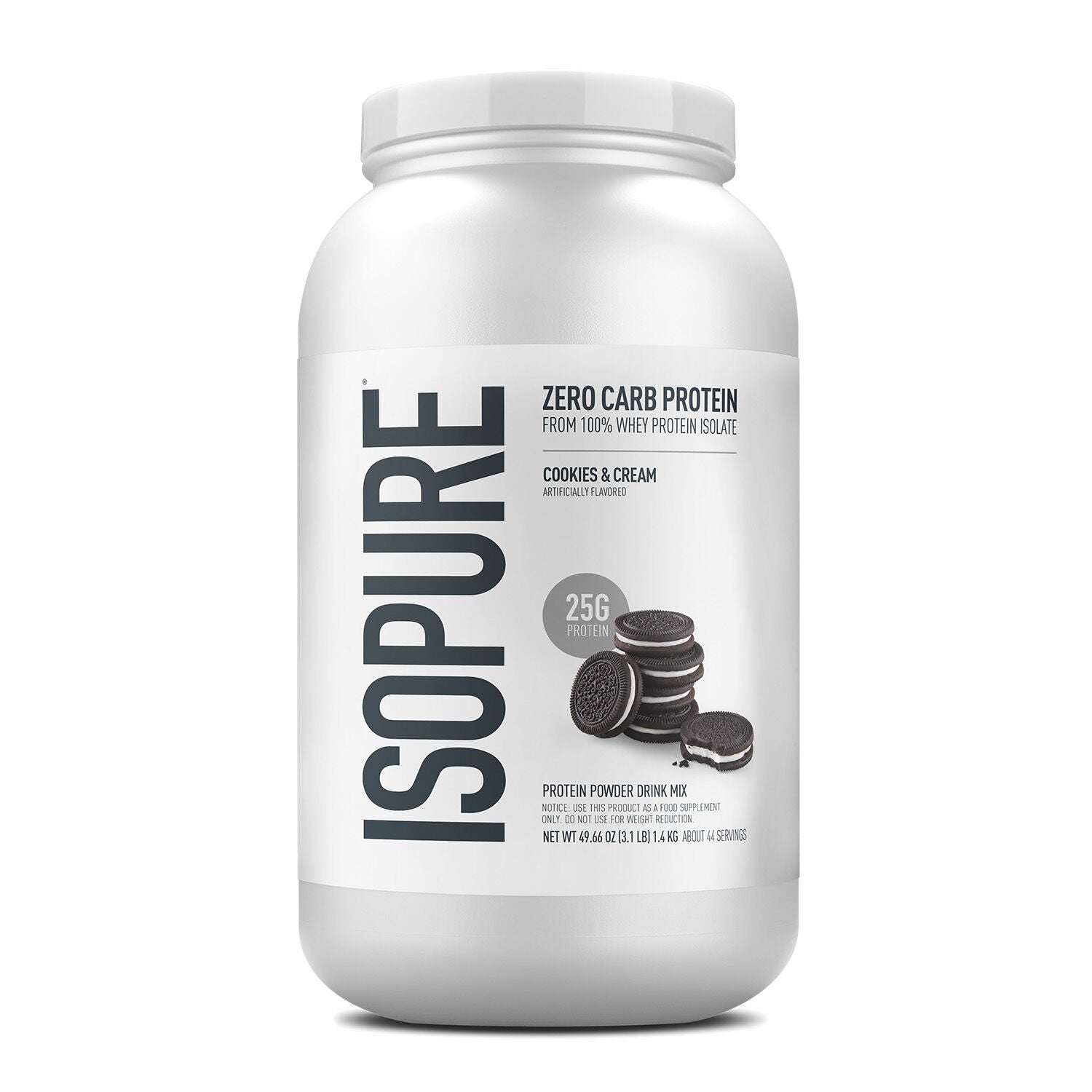

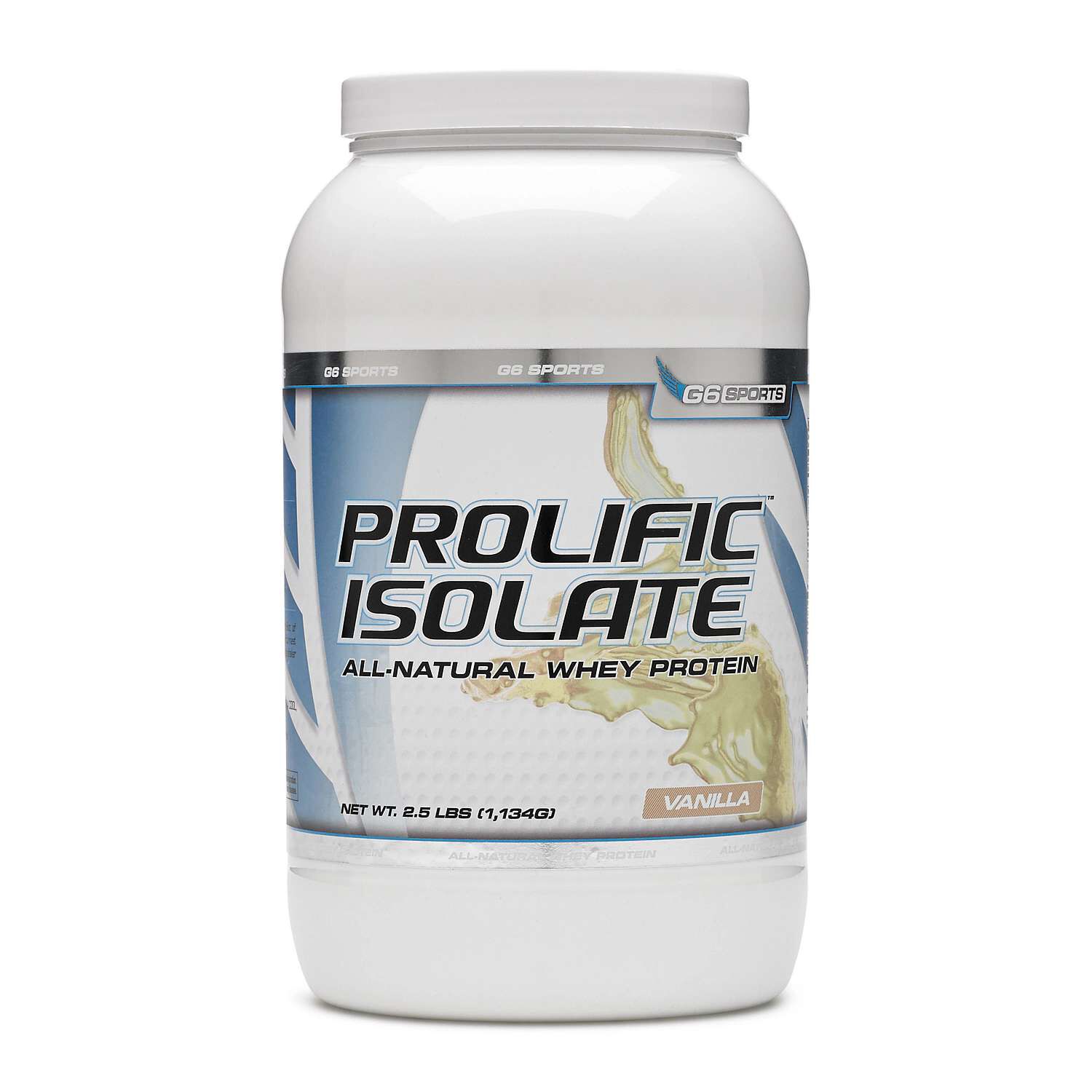


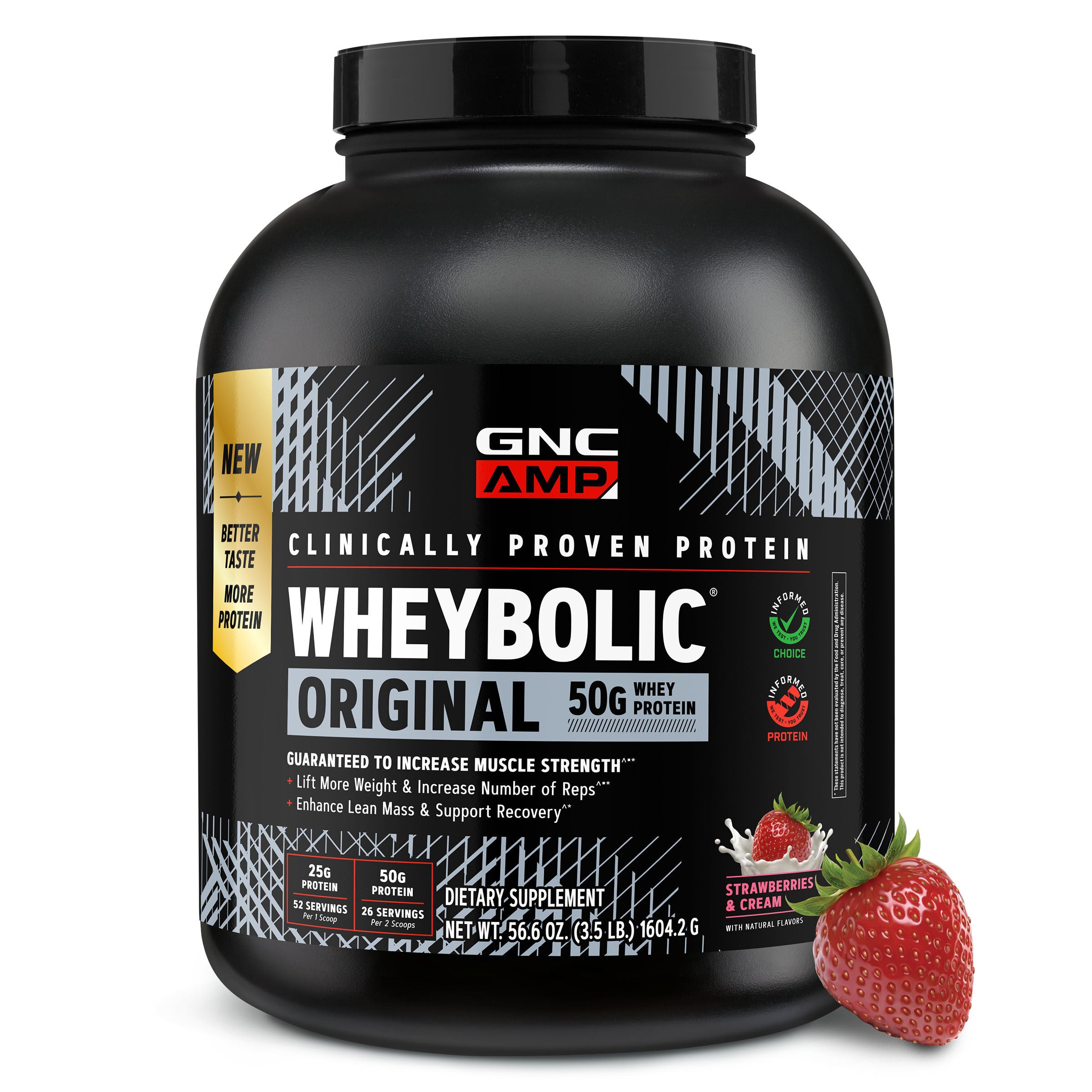
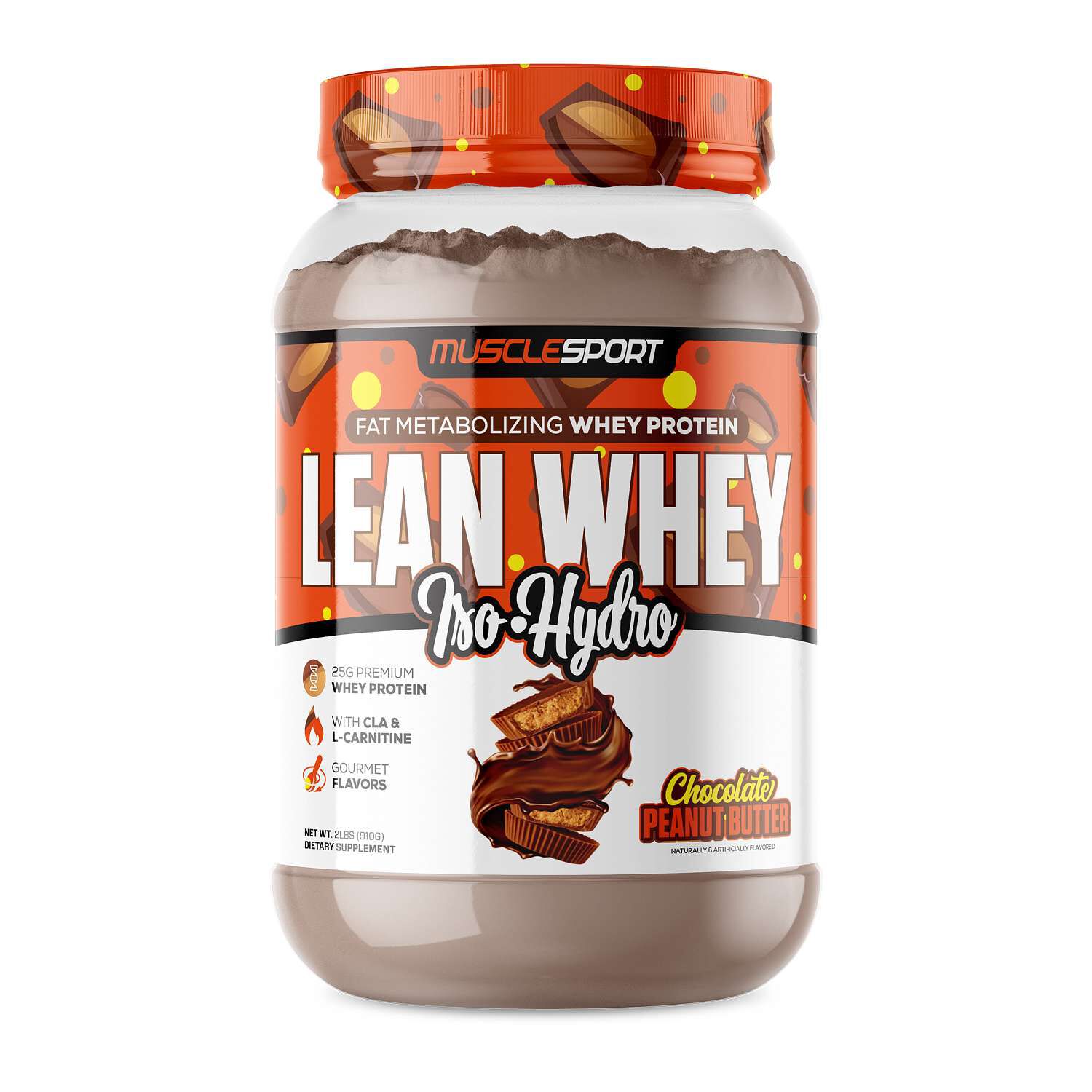


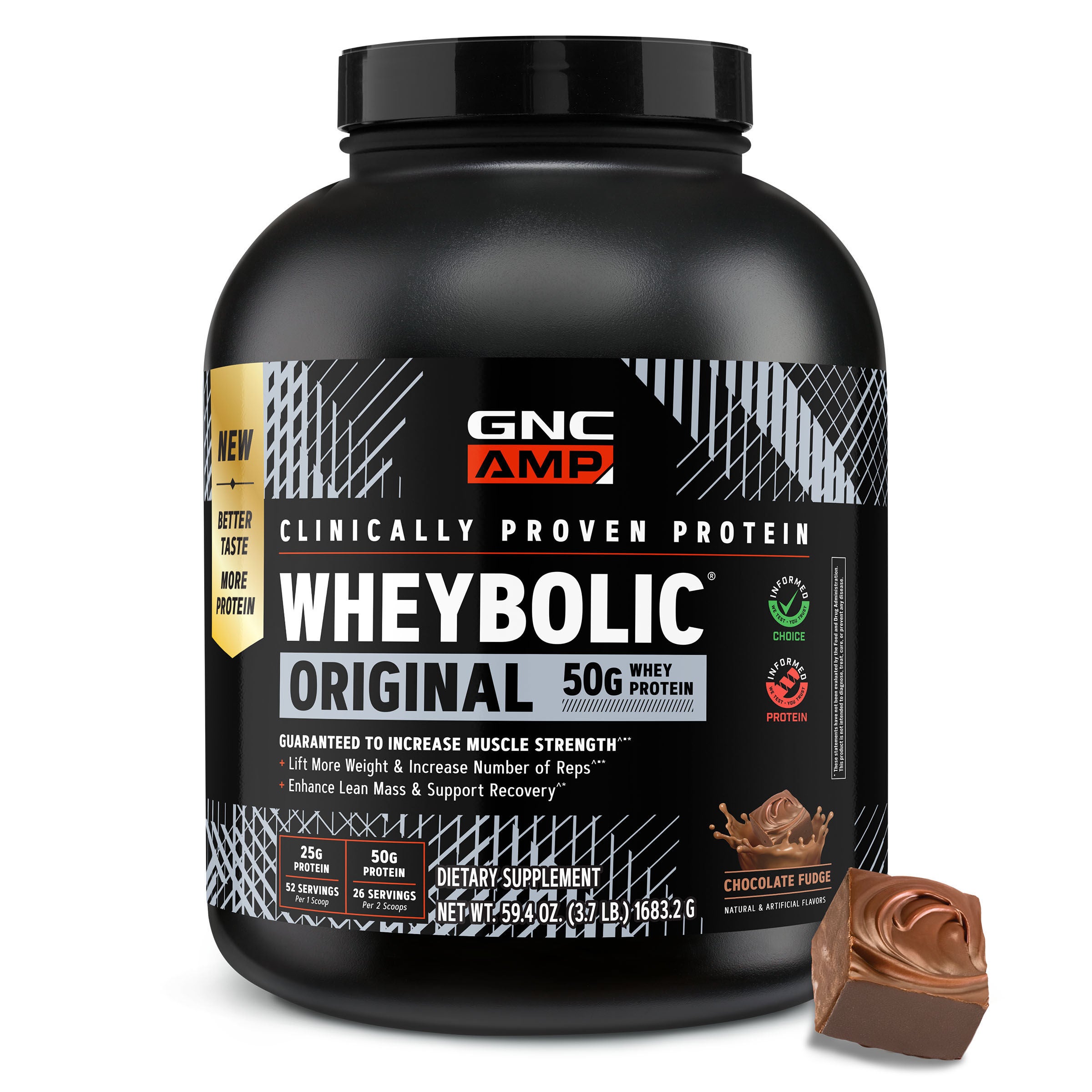

A 3 lb protein powder container holds 48 ounces, or approximately 1,361 grams, of powder, making package size a useful starting point when comparing options for a regular shake routine. That weight describes the contents of the container, not the amount of protein inside it. Protein per serving, scoop size, ingredients, and preparation directions vary by formula, so two containers with the same net weight can offer different numbers of servings. For example, a 3 lb container with a 30-gram serving size would provide approximately 45 servings, while one with a 40-gram serving size would provide approximately 34. Those serving weights include flavorings and other ingredients as well as the protein source; a 30-gram scoop does not necessarily contain 30 grams of protein. The serving count printed on the label is the best reference for the particular formula. For someone who mixes a shake after a workout, blends a smoothie before commuting, or adds protein powder to a familiar breakfast, this package format may suit repeated use without requiring a different container for every setting. A countertop tub can stay beside the blender, while a measured portion can travel separately in a clean, dry container for mixing later. Choosing among 3 lb protein powders involves more than comparing the size of the package: the protein source, taste, texture, and serving directions all shape the everyday experience. A powder intended mainly for water-based shakes may call for a different flavor preference than one destined for banana smoothies or yogurt bowls. Think about the preparation that will happen most often, whether that means a quick shaker bottle at the office or a blender drink shared across a household. Package dimensions and closure style matter, too, particularly when the container needs to fit on a pantry shelf beneath other kitchen supplies. The most practical match is one with ingredients and preparation requirements that suit the intended routine.
Protein sources give these powders much of their character. Whey comes from milk, and common forms include whey concentrate, whey isolate, and blends of the two. Whey isolate generally contains a higher proportion of protein by weight and less lactose than whey concentrate, although the finished formula determines the actual nutrient amounts. An isolate is still milk-derived, so that distinction matters when comparing ingredients. Casein is another milk-derived protein and often creates a thicker mixture, which may suit someone who prefers a spoonable preparation over a thin shake. Plant-based protein powders can use peas, rice, soy, or combinations of plant sources, with flavor and texture varying according to the ingredients and processing methods. Egg white protein is another option within the broader category. Protein powders may support muscle maintenance and post-workout recovery alongside suitable exercise and an otherwise varied eating pattern, but the package weight alone does not indicate how a formula will fit those uses. The nutrition panel offers a more useful comparison: check protein grams per serving alongside carbohydrates, sugars, fat, and calories, then look at the serving size behind those figures. Some formulas use one scoop per serving, while others specify more, and scoop volume is not interchangeable between containers. Ingredient lists also identify sweeteners, cocoa, flavorings, thickeners, and additions that may influence taste or consistency. Anyone comparing a different protein amount per labeled serving can also browse 47g Protein Powders, keeping in mind that protein grams per serving and container weight measure different things. For dietary preferences or ingredient exclusions, review the full label rather than relying on the front of the package. Milk, soy, and egg declarations deserve particular attention when relevant, as do any third-party testing details needed for organized sports participation. Testing programs have different scopes, so the named certification and its published criteria are more informative than a broad statement about testing.
Flavor and mixability become especially important with a 3 lb container because the same powder may appear in many shakes and recipes. Chocolate can pair with banana or nut butter, while vanilla can work with berries, oats, or cinnamon. An unflavored powder offers another direction, though unflavored does not mean tasteless: milk-derived and plant-derived ingredients have their own character, and that character may be noticeable in a lightly flavored drink. A simple water mixture puts the powder’s sweetness and texture at the center, whereas milk or a plant-based beverage brings additional flavor and nutrients of its own. For a useful first comparison, follow the package’s liquid amount and mixing directions before making small adjustments to consistency. Adding more liquid usually produces a thinner drink; using less can create a denser texture, provided the powder disperses well. A shaker bottle is practical for a straightforward drink, while a blender is better suited to ingredients such as fruit, oats, and nut butter. When mixing into yogurt or oatmeal, a smaller initial portion may be easier to incorporate evenly than a full scoop added at once. Baking takes a different approach: protein powder absorbs moisture differently from flour, so recipes developed for the chosen type are a better starting point than an equal-volume substitution. These details matter for gym regulars, recreational athletes, and busy adults who want a repeatable way to prepare a protein-containing snack or drink. For a gift, a familiar flavor and a protein source the recipient already uses make a more thoughtful choice than an unfamiliar formula selected only for its container size. Once opened, keep the powder in its original packaging with the lid secured, follow the printed storage directions, and use a clean, dry scoop. Avoid introducing moisture from a freshly washed utensil, and keep the label accessible for serving instructions and date information. Rinse bottles and blender parts promptly after use and wash them thoroughly between preparations. With a larger container, attention to storage, flavor versatility, and everyday preparation may make the powder a more practical part of an established routine.
Best Sellers


Related Pages

Top Collections
- Daily Collagen Supplements | Top Brands & Deals | GNC
- Natural Collagen Supplements | Top Brands & Deals | GNC
- Top Rated Collagen | Shop Customer Favorites | GNC
- Cortisol Supplements
- Vitamins For Hair Loss
- Spirulina Tablets
- NAD+ Supplement Tablets
- Peptide Supplements
- Best Brand of Magnesium Glycinate
- Vitamins That Help Support Weight Gain