





500 Mg Vitamins
(0 Results)
Discover the potential benefits of incorporating high-potency vitamins into your daily routine with our selection of products offering a robust dose of nutritional support. Designed to fit seamlessly into various lifestyles, these supplements may contribute to overall wellness and vitality. Whether you're looking to support immune health, energy metabolism, or general well-being, explore the diverse range of options available in our collection of premium-quality vitamins. Embrace the possibility of enhanced health with our carefully curated selection of products that feature a potent strength of up to or around the recommended daily intake.
-

-
-

-

-
-

-
-

-
-

-

-
-

-

-

-
 57$54.99
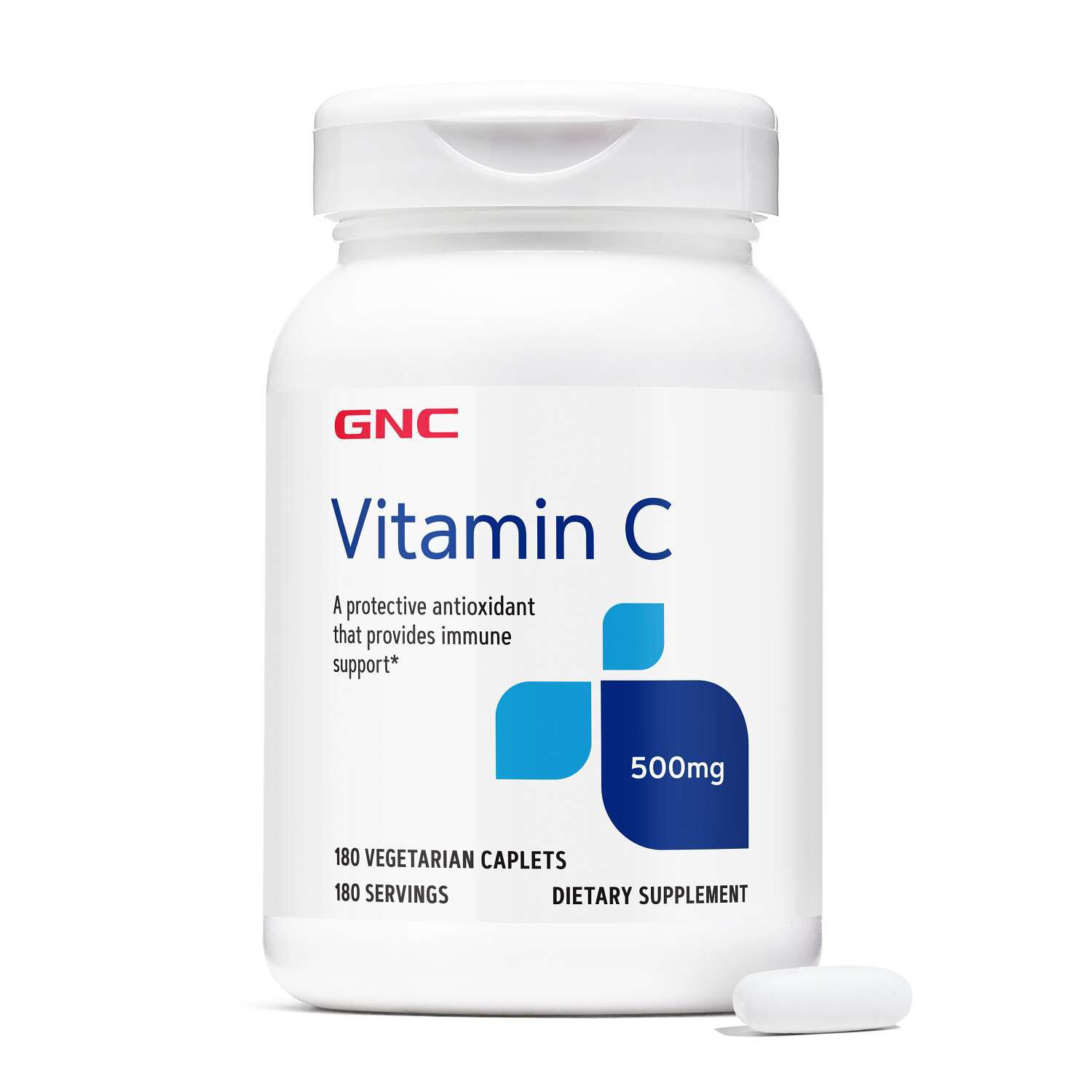
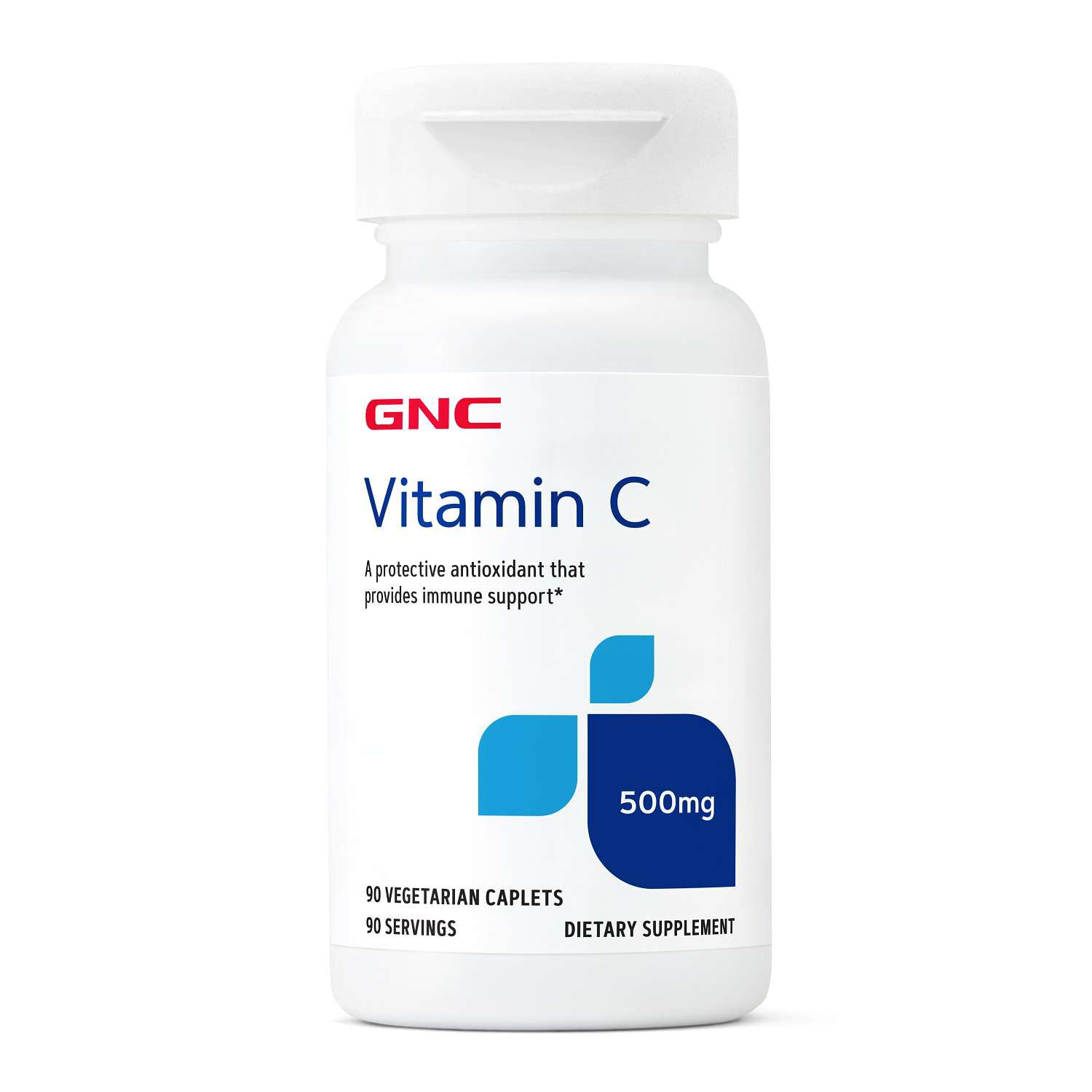


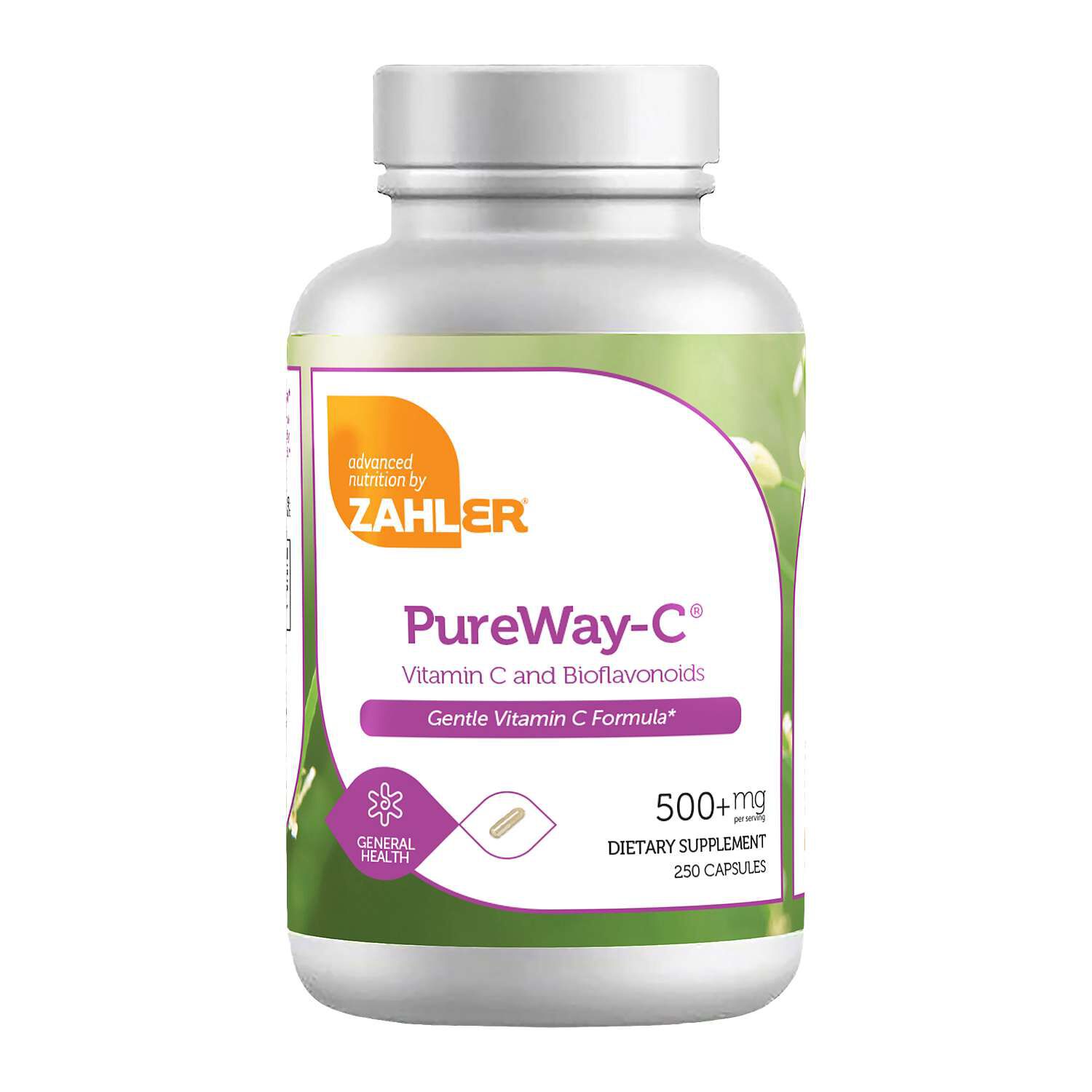
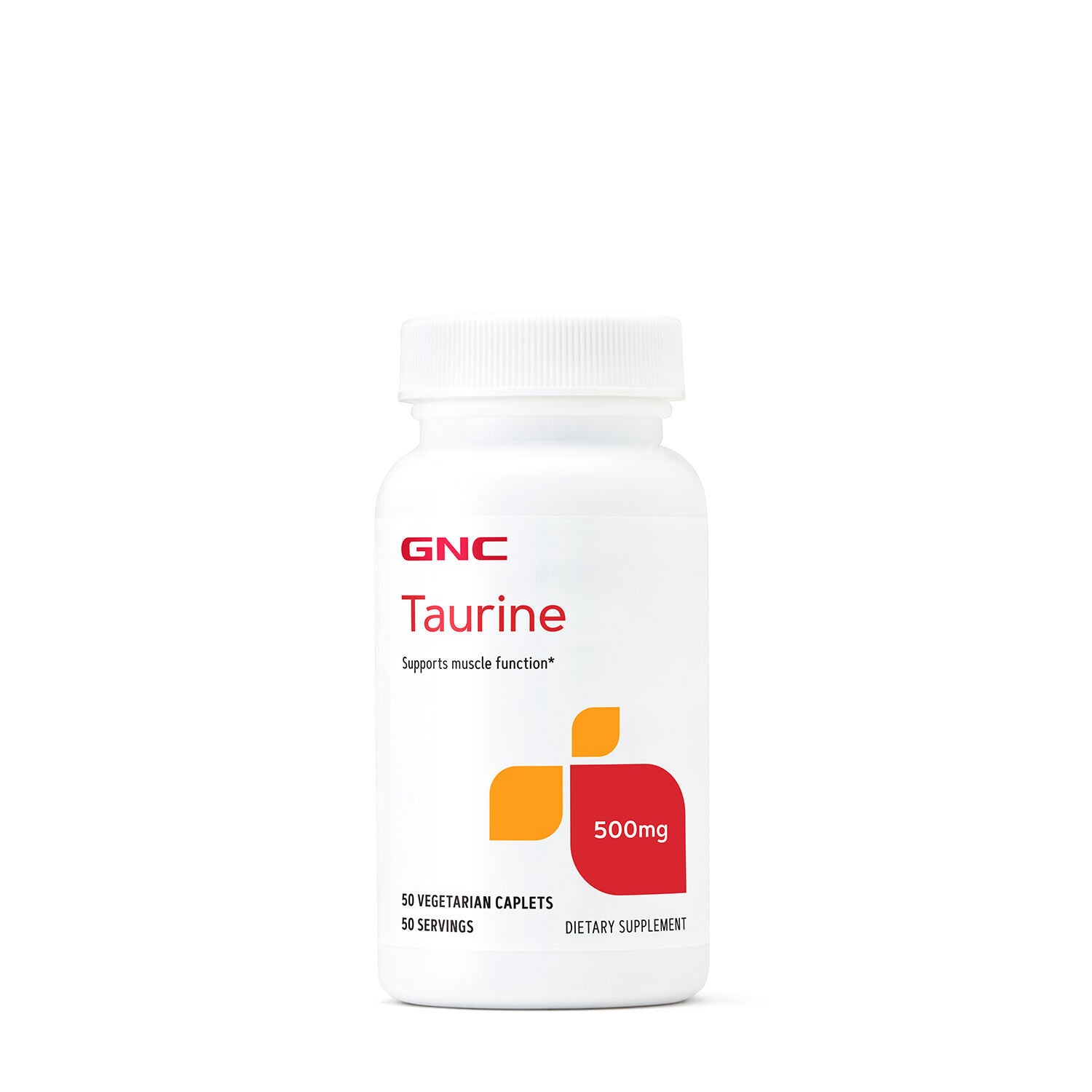


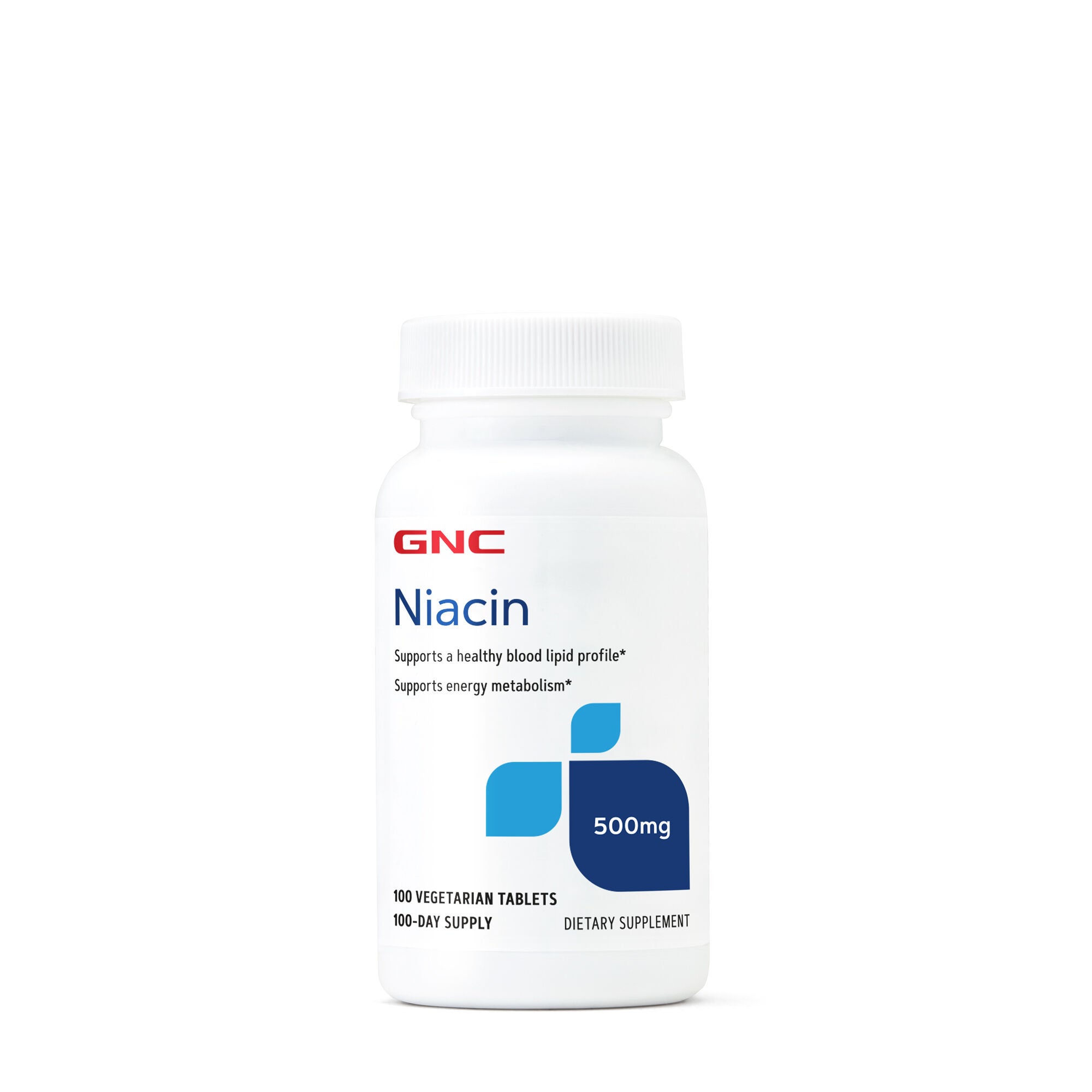
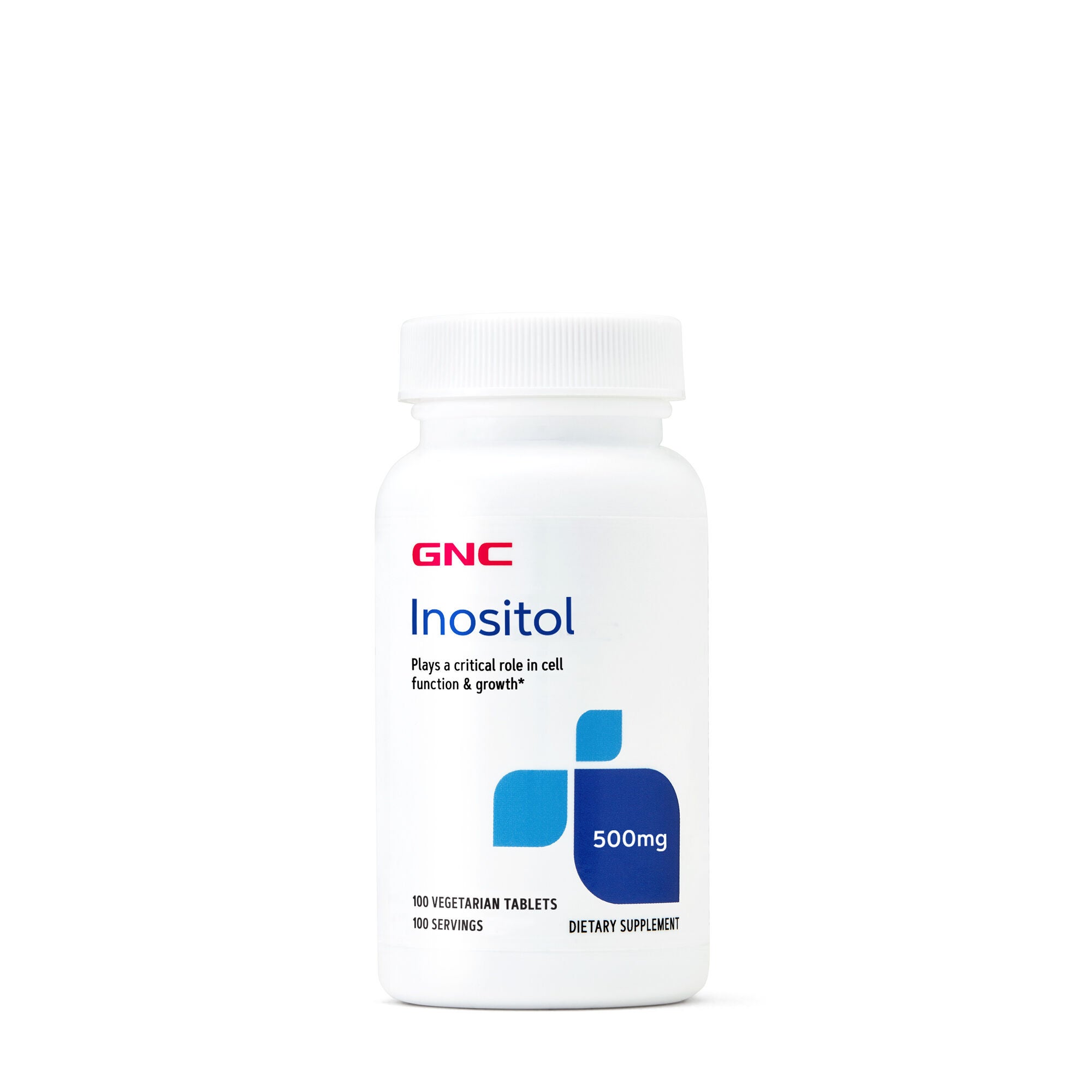
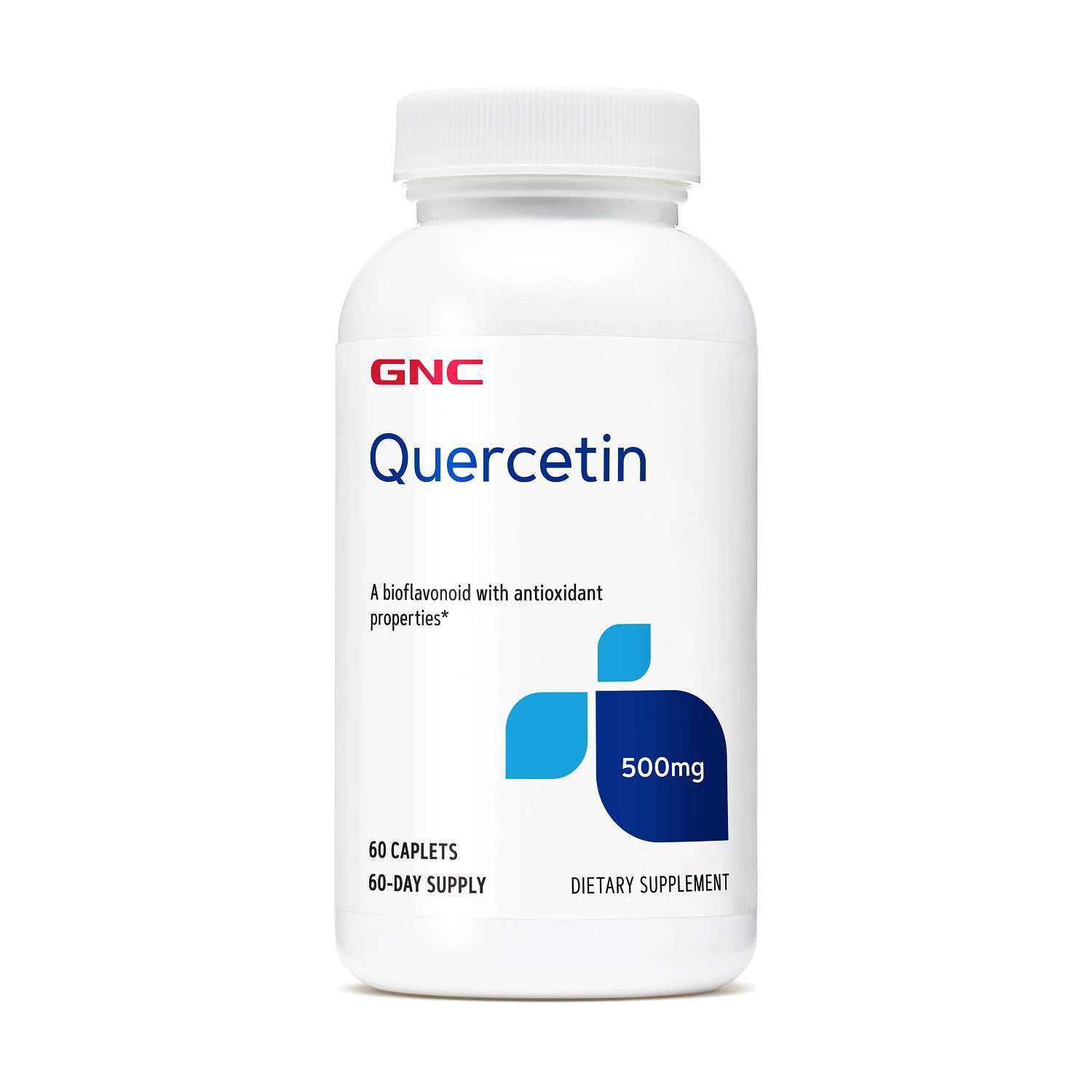
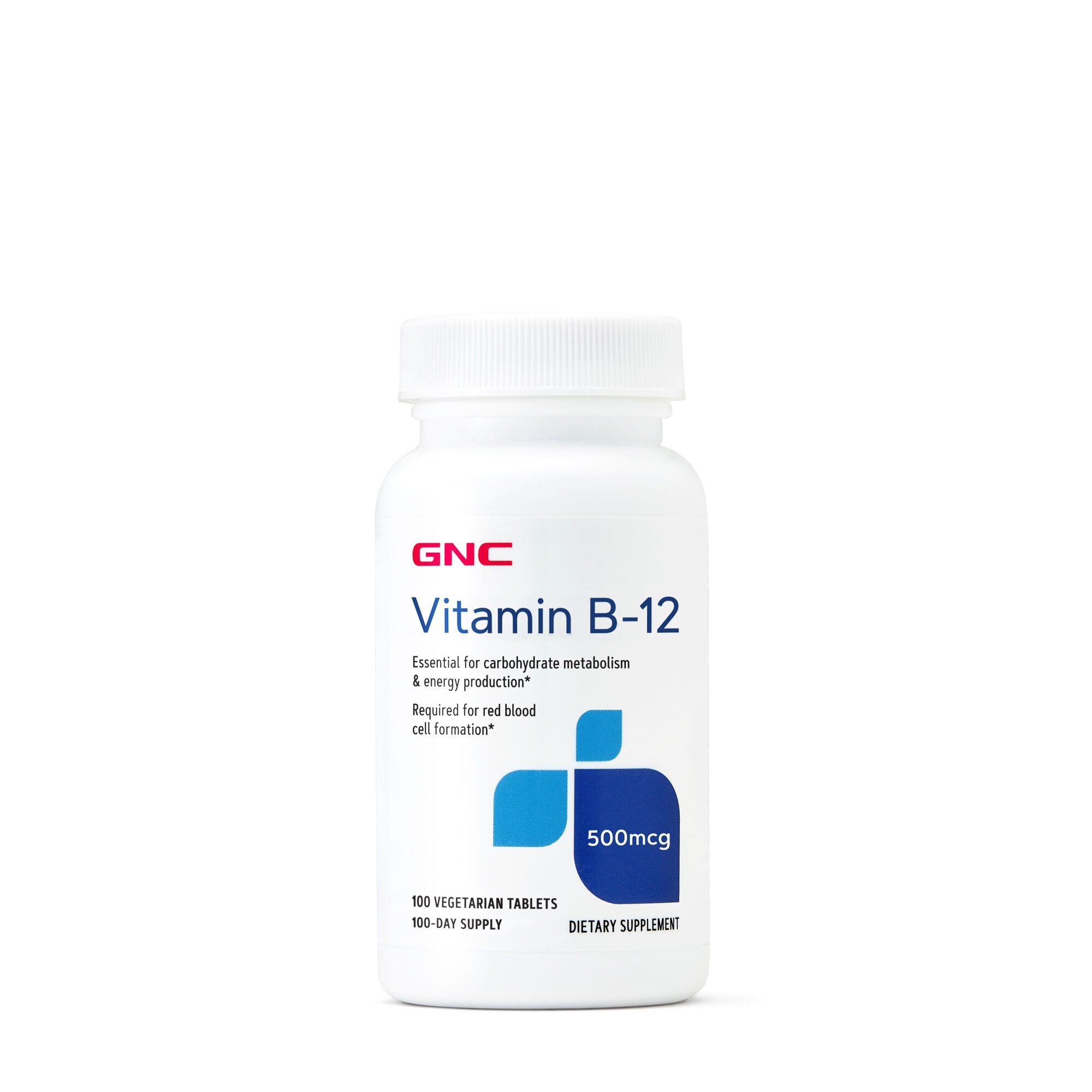
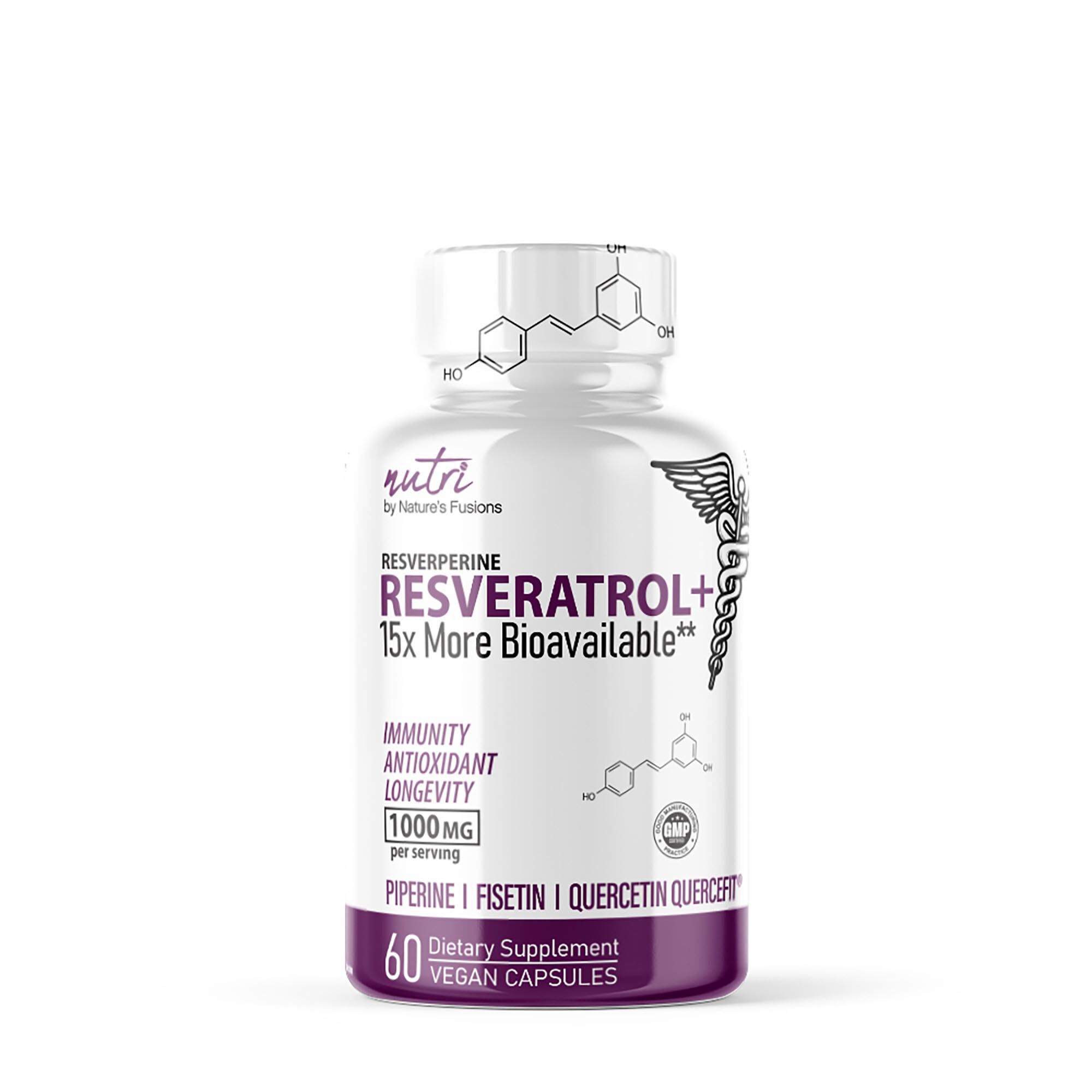
500 mg vitamins are dietary supplements labeled with 500 milligrams of a named vitamin, with the exact amount tied to the serving information on the package. Vitamin C is commonly associated with this strength, but the nutrient name matters just as much as the number. A milligram measures weight; it does not describe tablet size, ingredient quality, or how many servings a bottle contains. For vitamin C, 500 mg equals 0.5 grams of the vitamin, rather than the weight of the finished tablet, capsule, or powder mixture. That distinction is useful when browsing formulas with similar front labels but different serving sizes. One formula might list its vitamin amount per tablet, while another lists the amount across a serving of multiple pieces. The Supplement Facts panel brings those details together by identifying the serving size, nutrient amount, and percent Daily Value. Daily Value percentages also vary by nutrient, so matching milligram amounts do not necessarily represent matching percentages. Vitamin C formulas may list ascorbic acid, a mineral ascorbate, or a combination of ingredient forms; the ingredient statement identifies what is used in a particular formula. Additional vitamins, minerals, flavorings, and other ingredients have their own label entries rather than being explained by the 500 mg figure alone. Vitamin C also occurs naturally in foods such as oranges, strawberries, bell peppers, and broccoli, placing these supplements within the broader context of a varied diet. The category is therefore best understood as a way to browse a stated nutrient amount, not as a description of a whole eating pattern or a universal amount for every vitamin. For an adult comparing bottles at the kitchen counter, the most meaningful distinctions are often straightforward: which vitamin is named, what constitutes one serving, what else is included, and which format fits personal preferences. A clearly organized label makes those differences easier to see without relying on the largest number printed on the front.
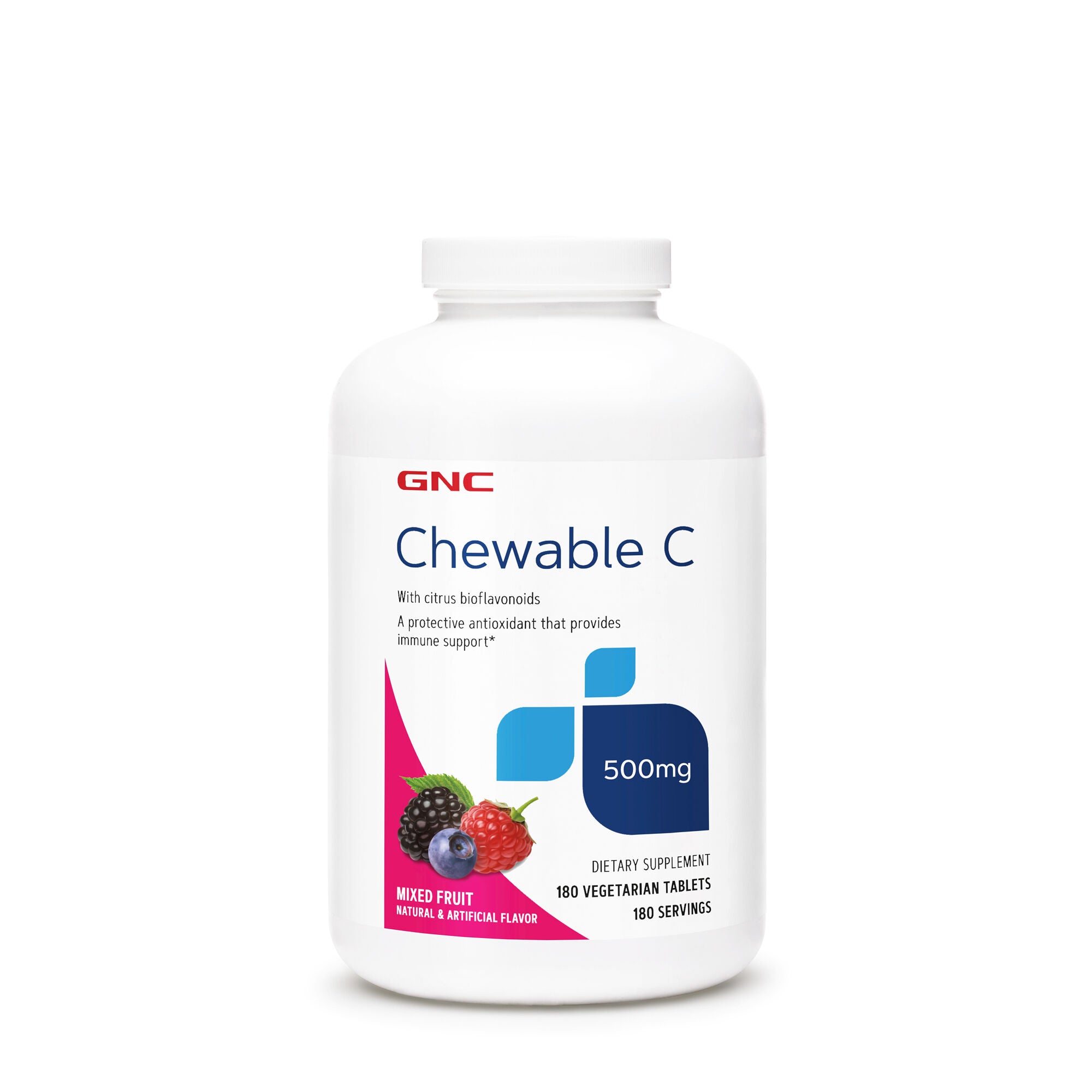
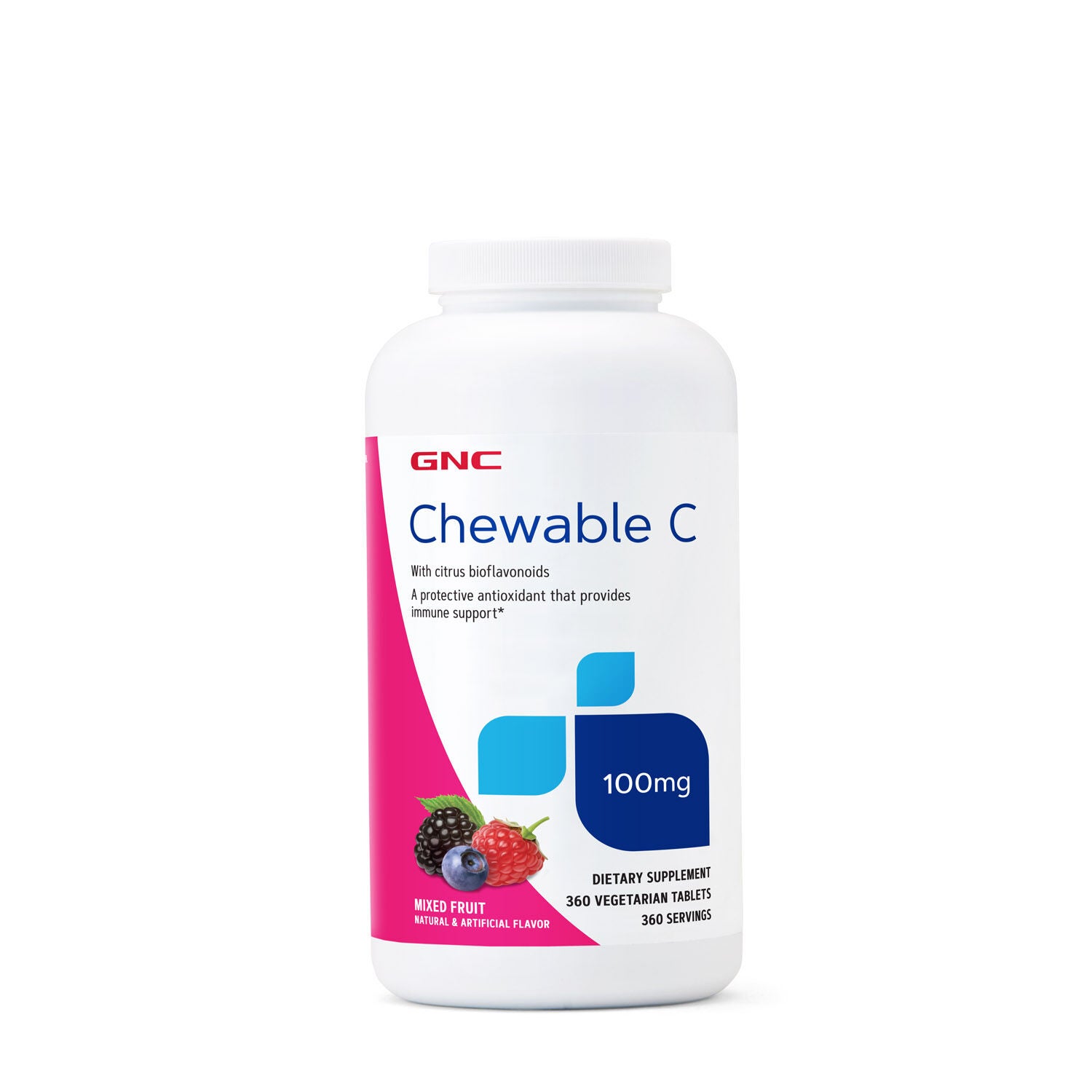
The format of 500 mg vitamins adds another layer of choice, particularly for shoppers with preferences about texture, taste, and ingredient materials. Tablets are pressed solid forms, and their dimensions, shapes, and surface finishes differ between formulas. A photograph of a bottle does not necessarily communicate the size of the tablet inside, making any listed dimensions or format descriptions useful details. Capsules have an outer shell that holds the ingredients; shell materials may include gelatin or plant-derived cellulose, depending on the formula. Vegetarian and vegan preferences relate to the entire ingredient list, including the capsule shell and supporting ingredients, rather than the vitamin name alone. Chewable formats introduce a different set of considerations, including flavor, texture, sweeteners, and the number of pieces in a serving. Fruit flavor does not by itself indicate how much fruit-derived material is present, and a sweet taste does not describe the amount of sugar. Those details belong to the ingredient statement and nutrition information. Powder formats have their own preparation directions, serving measurements, and flavor descriptions. A scoop is a measuring tool associated with its package, not a universal serving measurement across every powder. Instructions may also specify a liquid quantity or mixing method, which becomes part of the everyday experience of using that format. For someone who prefers an unflavored routine, flavor descriptions may matter less than the ingredient list and preparation details. For someone who dislikes lingering sweetness, the type of sweetener and the described flavor may carry more weight. Adults keeping supplements in a shared pantry may also value clearly distinguishable packaging and readable serving information. These are practical differences rather than a ranking of one format above another. A 500 mg capsule and a 500 mg chewable may share a stated vitamin amount while differing in serving size, supporting ingredients, and the way they are used.
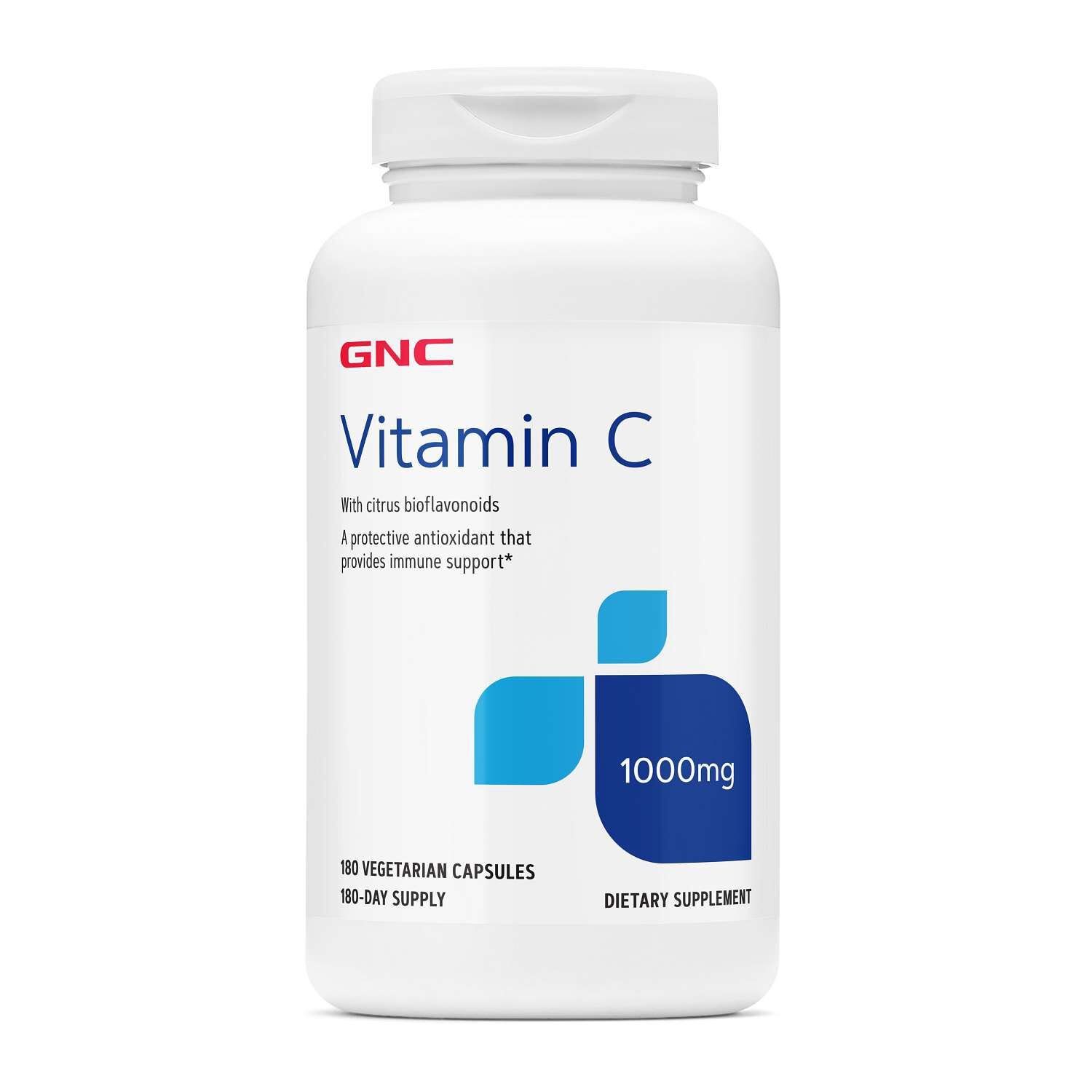
Packaging, storage directions, and serving counts help round out the comparison of 500 mg vitamin supplements. Bottle size and serving count are separate details: a container holding 120 tablets does not necessarily contain 120 servings if the listed serving uses more than one tablet. The same distinction applies to chewables and powders, where the number of pieces or the weight of the contents must be read alongside the serving information. Closure style, label readability, and container shape also matter in ordinary settings, whether a bottle sits on a pantry shelf or travels in an overnight bag. Original packaging keeps the nutrient name, ingredient statement, directions, lot information, and date marking together. Storage instructions are especially relevant to the location chosen for a bottle; a cabinet beside a steamy shower or a container left uncapped near a sink presents a different storage setting from a dry shelf. A securely closed lid and clean, dry handling are practical parts of package care, while the printed directions remain the reference for that particular formula. For travel, the package dimensions and closure design are useful details, along with whether the label remains legible after repeated handling. When comparing another stated amount, 100 Mg Vitamins offers a related category to browse. The comparison still depends on matching the nutrient, serving size, and ingredient form rather than treating the two numbers as interchangeable descriptions. A larger milligram amount is not automatically a measure of better quality, just as a smaller amount does not explain the rest of a formula. Dietary preferences, flavor choices, package design, and preparation requirements all contribute to the distinction between otherwise similar labels. Across the category, the clearest product descriptions connect the 500 mg amount to a named vitamin and a defined serving, giving shoppers concrete information about what the package contains and how its format fits their preferences.
Best Sellers


Related Pages


Top Collections
- Zinc Supplements | Top Brands at Great Prices | GNC
- Cortisol Supplements
- NAD+ Supplement Tablets
- Top Rated Collagen | Shop Customer Favorites | GNC
- Best Brand of Magnesium Glycinate
- Peptide Supplements
- Vitamins That Help Support Weight Gain
- Protein Powders For Muscle Growth Support
- Vitamins For Hair Loss
- Peptide Supplements for Muscle Growth