Accessories For Personal Health
(0 Results)
Accessories for personal health could be a helpful addition to your daily routine, supporting your wellness journey in a variety of ways. Whether you’re looking to organize your supplements, stay hydrated throughout the day, or simplify your fitness tracking, these versatile options may fit seamlessly into your lifestyle. Explore accessories for personal health that might help you stay on track and feel more confident as you pursue your goals.








Accessories for personal health bring a practical, personal dimension to everyday wellness, from wearable designs for daily activity to at-home tools for keeping a record of familiar routines. The category spans different purposes, so the most useful starting point is the intended use: following movement throughout the day, reviewing sleep habits, recording exercise sessions, or organizing personal wellness information. Depending on their design, wearable accessories may record steps, heart rate, activity duration, or sleep-related information, while connected models may display those records in a compatible app. Not every accessory measures the same things, and a long list of functions is not necessarily a better match for everyday life. Someone who walks before work might prefer a clear activity display and a comfortable fit under a jacket cuff. A person with a busy travel schedule might place more importance on battery duration, a compact charging setup, and access to saved records away from home. For someone who prefers a quieter evening routine, discreet styling and adjustable notifications might matter more than a bright screen. Measurements from consumer accessories are estimates whose accuracy varies with the device, its placement, movement, and other conditions; they are not a diagnosis or a substitute for professional evaluation. That distinction matters when comparing the information shown by different devices, especially when each uses its own methods to summarize activity or rest. A single reading offers limited context, while a record taken under similar conditions may provide a more useful view of everyday patterns. Personal health accessories are best understood through their stated purpose, documented features, and fit with the person using them, rather than through a single number on a display. For everyday use, the experience includes much more than tracking: fastening a band with one hand, reading a screen in daylight, finding the charger before a trip, and deciding how much information belongs in an app.
Materials and fit deserve just as much attention as digital features, particularly for accessories worn against the skin for hours at a time. Depending on the construction, common materials include silicone, woven textiles, stainless steel, and titanium, each with a different texture, weight, and care routine. A flexible band has a different feel from a rigid ring, and a smooth metal surface wears differently from fabric during a brisk walk or an afternoon at a desk. Dimensions, fastening style, and the range of adjustment all matter. A low-profile shape may be more comfortable beneath fitted sleeves, while an adjustable closure may accommodate changes in fit throughout the day. For ring-shaped wearables, sizing is especially important because the fit is less adjustable than that of many bands. The maker’s sizing method is more reliable than assuming that a familiar jewelry size will translate directly. For accessories used at home, footprint and storage deserve consideration alongside appearance: a device that fits neatly in a drawer has different practical demands from one that remains on a bedside table. Durability depends on construction, handling, and the environments for which an accessory is intended. A stated water-resistance rating applies to specified conditions, not every encounter with moisture, and suitability for exercise does not automatically establish suitability for swimming or showering. Care requirements also vary by material and electronic components. The relevant details include approved cleaning methods, drying requirements, charging-contact care, and whether a strap or other wearable part is removable. Fabric may need more drying time than a smooth surface, while polished finishes may show marks from everyday contact with keys or desk edges. During the cooler months, cuffs, gloves, and layered clothing add another dimension to fit. An accessory that sits comfortably beneath a sweater during a commute may suit daily wear better than a larger design that catches against clothing, even when both offer similar functions.
The digital side of personal health accessories also shapes the ownership experience. Phone compatibility, operating-system requirements, account setup, and the way records transfer between a device and an app are worth considering together. Some designs may show basic information directly on a display; others may rely more heavily on a phone for reviewing details. Battery duration depends on settings and use, so a stated estimate is only part of the picture. Frequent screen use, certain tracking modes, and notification settings may change how often charging is needed. For overnight wear, the practical consideration is whether charging fits naturally into another part of the day, such as time spent getting ready in the morning. Readability matters as well: text size, contrast, button placement, and menu layout affect the interaction with a device, especially for someone who prefers straightforward controls. Privacy is another meaningful distinction between designs. App permissions, sharing options, record storage, and account-deletion settings explain how personal information is handled beyond the display itself. Clear documentation makes those details easier to compare without relying on appearance alone. As gifts, personal health accessories call for some knowledge of the recipient’s preferences, including fit, comfort with technology, compatible devices, and interest in tracking daily activity. An accessory chosen for a walking partner or someone who enjoys organized routines is a more personal choice when it reflects an expressed interest rather than an assumption about their body or health. Personal wellness can also encompass separate interests beyond accessories, including Female Sexual Health Supplements, with each category calling for its own consideration of intended use and product information. Across personal health accessories, thoughtful selection comes down to ordinary details: materials that suit the setting, controls that feel manageable, care requirements that fit the household, and information that serves a clear purpose. Those details distinguish an appealing design from one that has a natural place beside the keys, inside a gym bag, or on the wrist through an ordinary day.
Best Sellers
-
 Universal Nutrition
 -
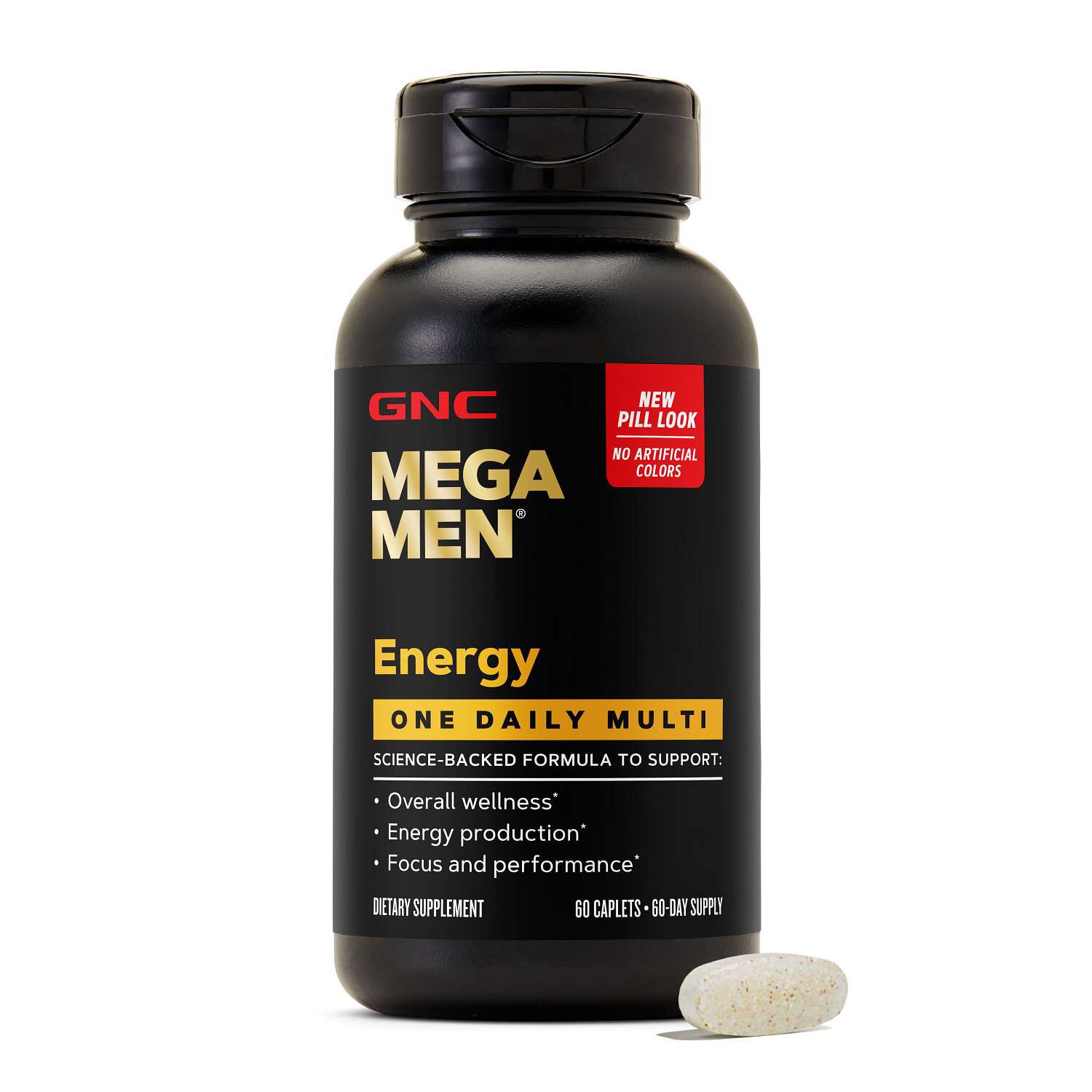 GNC Mega Men
 -
 GNC Mega Men