Acetyl L Carnitine Pure Ingredient Supplements
(0 Results)
Acetyl l carnitine pure ingredient supplements may be a popular choice for those looking to support their wellness routines. Known for their versatility, these supplements are often incorporated into daily regimens by individuals interested in maintaining a balanced lifestyle. Explore a range of acetyl l carnitine pure ingredient supplements that could be a convenient addition to your supplement lineup.
-

-

-

-

-

-

-
-

-
 1$19.99
-
 $19.99
-
-

-
-
-
-
-
-

-
-
-
-

-

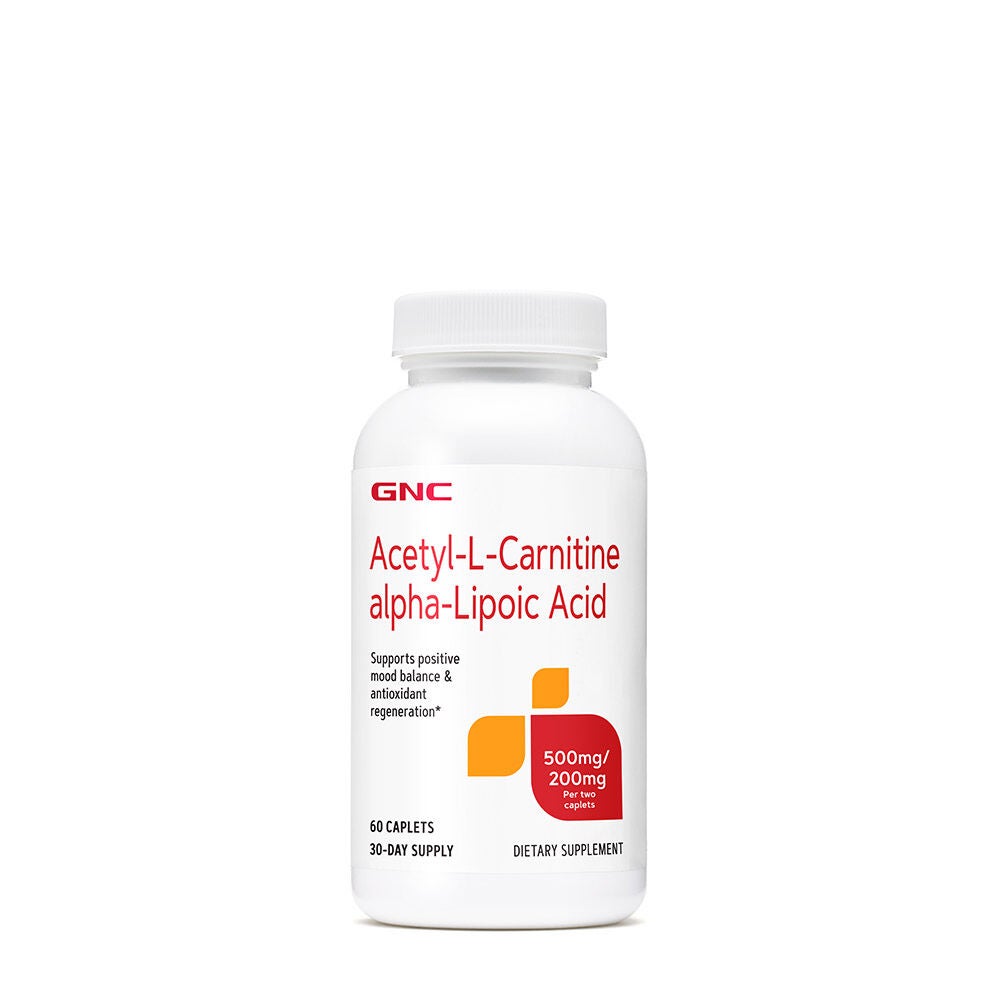
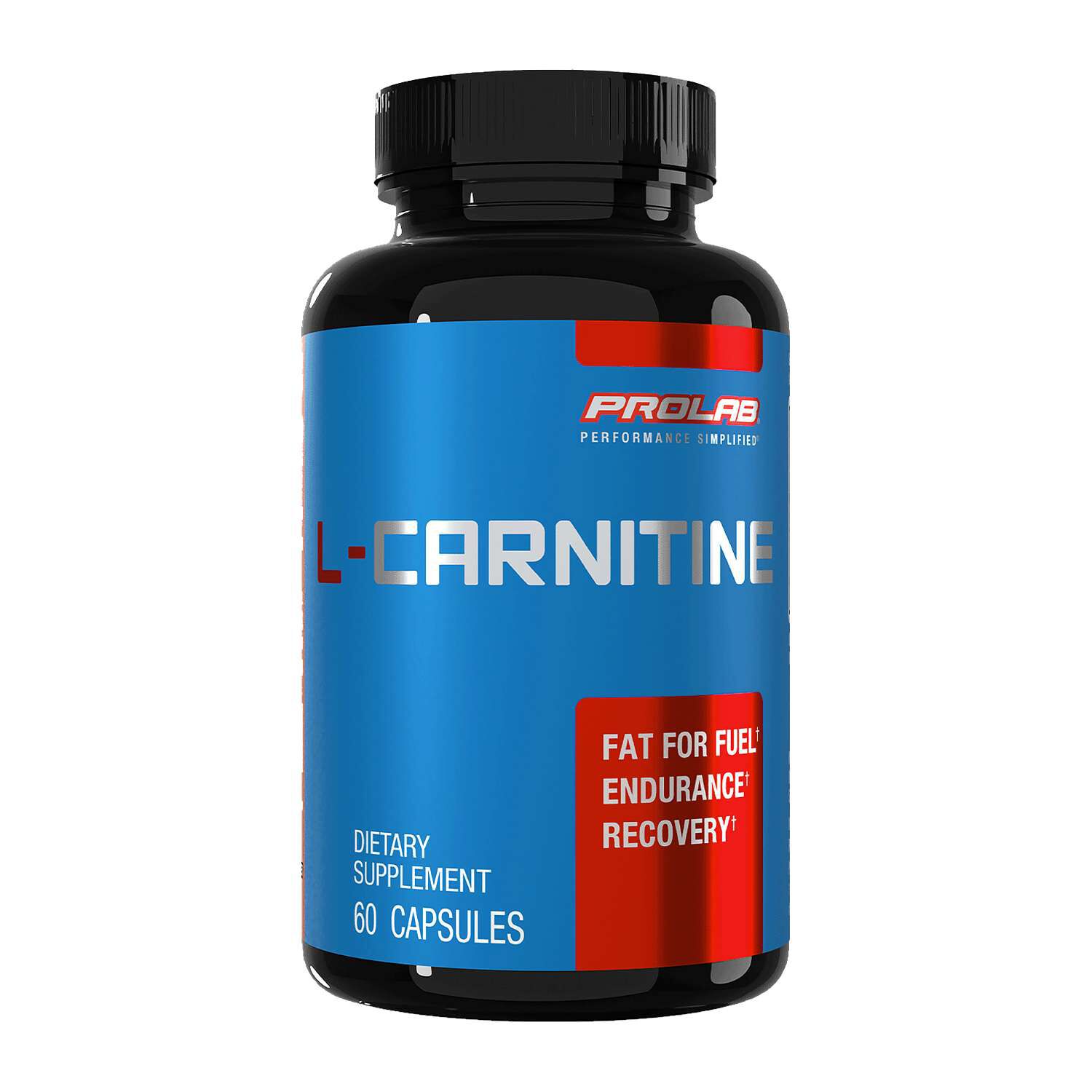
Acetyl-L-carnitine supplements with a pure ingredient focus put a clearly identified compound at the center of the formula. Often abbreviated ALCAR, acetyl-L-carnitine is an acetylated form of L-carnitine, a compound naturally present in the body. As a supplement ingredient, it may support normal cellular energy metabolism. Its name matters when comparing labels: acetyl-L-carnitine, L-carnitine, and L-carnitine L-tartrate are related forms, but they are not interchangeable names for the same ingredient. A formula labeled acetyl-L-carnitine hydrochloride, or acetyl-L-carnitine HCl, identifies the hydrochloride salt form. For shoppers seeking a focused formula rather than a blend of several active ingredients, that distinction is a useful starting point. The phrase pure ingredient does not, on its own, establish a particular purity measurement, testing standard, or absence of other ingredients. The Supplement Facts panel and ingredient statement provide more concrete information about what is inside. A capsule may contain acetyl-L-carnitine as its only dietary ingredient while also including a capsule shell and ingredients used during manufacturing. A powder may have a shorter ingredient statement, though its composition still deserves the same attention. Neither format should be assumed to have a particular certification simply because the front label uses language about purity. Ingredient identity, serving size, and clearly stated amounts offer a more practical basis for comparison. Adults who prefer straightforward supplement routines may appreciate this narrower focus, whether their day includes an early commute, time at a desk, or a planned workout. Those settings describe how a supplement might fit into a routine, not an assurance of a particular result. Acetyl-L-carnitine is also distinct from caffeine, and a focused ALCAR formula should not be treated as another name for a stimulant blend. The most informative descriptions keep the ingredient, its form, and its stated quantity separate from broader marketing language.
Capsules and powders offer different handling experiences, so format deserves attention alongside the ingredient name. Capsules may suit someone who prefers a premeasured format without preparing a drink. Their shells can be made with gelatin or plant-derived materials such as hypromellose, sometimes identified as cellulose. A plant-derived shell alone does not establish that every ingredient in the formula meets a shopper’s dietary preferences; the full ingredient statement and any explicit dietary designation remain relevant. Powders may appeal to people who prefer measuring a serving rather than taking capsules, but texture, taste, and mixing directions are practical considerations. An unflavored powder is not necessarily tasteless, and the package directions determine the intended method of preparation. The amount of acetyl-L-carnitine per serving also needs to be read alongside the serving size. A stated quantity may refer to one capsule, several capsules, or a measured portion of powder. Comparing only the largest number on the front of a container can overlook that distinction. Milligrams and grams are different units of measurement: one gram equals 1,000 milligrams. That conversion can help make label comparisons clearer without suggesting that a larger serving is a better match. When a label names acetyl-L-carnitine HCl, its Supplement Facts wording is the appropriate reference for the declared ingredient amount; assumptions based on the compound name alone can be misleading. Capsule count and container weight describe package contents, not the amount in an individual serving. Someone organizing a small kitchen cabinet may prefer a compact capsule container, while someone who already uses a shaker cup may find a powder format more familiar. Neither habit establishes a universal preference. The practical match comes from readable labeling, a manageable preparation method, and a format that suits the intended routine without requiring guesswork.
Beyond format, the details surrounding an acetyl-L-carnitine formula can reveal meaningful differences in how it is made, labeled, and cared for. Other ingredients may serve specific manufacturing purposes, such as helping powdered material flow consistently into capsules or forming the capsule itself. A shorter list can be useful to shoppers seeking fewer added ingredients, but list length alone does not establish manufacturing quality. Statements about soy, milk, wheat, or other food ingredients should be considered separately from statements about shared equipment or manufacturing facilities. Likewise, a vegan designation, an ingredient-origin statement, and an independent testing mark address different questions. Any testing claim is most useful when its scope is clearly explained rather than left to a broad description on the front panel. The same attention applies after purchase. Package storage directions, a legible date marking, and an intact closure are practical details worth noting. Keeping the original label with the container preserves access to the serving directions, ingredient information, and lot identification. A bottle left open beside a kitchen sink faces a different storage environment from one returned to a cabinet after use; following the stated storage conditions helps keep handling consistent with the manufacturer’s directions. For powders, the measuring utensil and closure also deserve attention, especially when the container is opened frequently. For capsules, the shell material and capsule dimensions, when provided, may matter as much as the amount listed per serving. These everyday details are often more useful than an expansive description that says little about the formula itself. For related browsing, visit the Best Acetyl L Carnitine page. Across those comparisons, a focused approach keeps attention on what can actually be checked: the named form of acetyl-L-carnitine, the declared serving amount, the supporting ingredients, documented dietary attributes, and the preparation and storage directions. Together, those details provide a grounded way to assess a pure ingredient supplement without treating a simple formula as an assurance of a particular outcome.