Adaptogenic Mushroom Greens Powders
(0 Results)
Adaptogenic mushroom greens powders bring together a unique blend of plant-based ingredients and mushrooms that are often used in wellness routines. These powders may offer a convenient way to incorporate adaptogens and greens into your daily regimen. Explore a variety of adaptogenic mushroom greens powders that could fit seamlessly into smoothies, shakes, or recipes, supporting your personal approach to balanced nutrition.

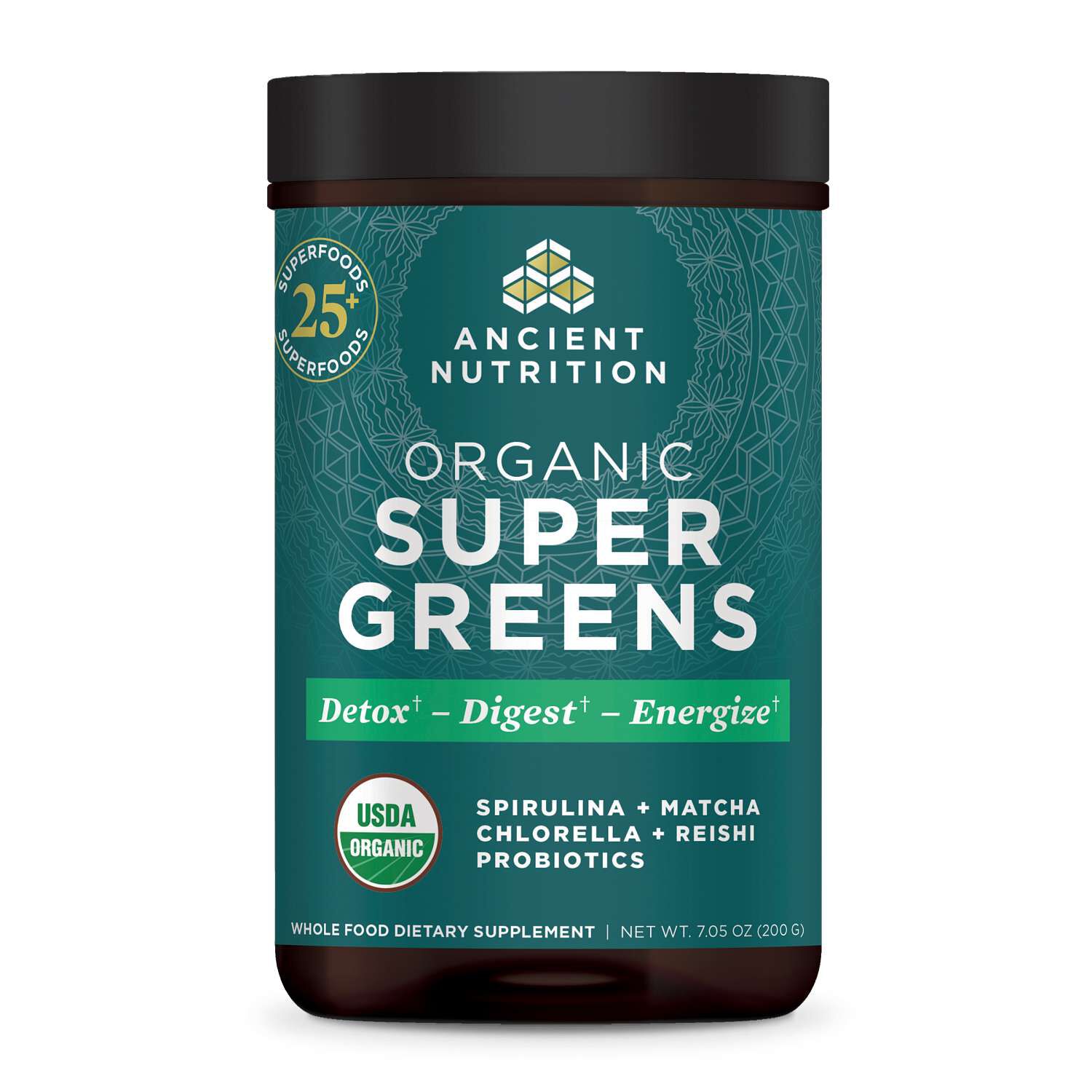

Adaptogenic mushroom greens powders bring powdered greens, mushroom ingredients, and sometimes additional botanicals together in a scoopable supplement. The category combines the familiar format of a greens drink with fungi commonly used in mushroom supplements, creating options for shoppers who prefer a blended powder over several separate preparations. Formulas vary considerably: one may center on spinach, kale, and barley grass, while another may feature spirulina, chlorella, and a smaller selection of vegetable powders. Spirulina and chlorella are algae rather than leafy vegetables, although both often appear alongside greens in these blends. Mushroom ingredients can include lion’s mane, reishi, cordyceps, chaga, and turkey tail, with different combinations and amounts from one formula to another. Some powders also contain botanicals such as ashwagandha or maca, but their presence is not a defining feature of every mushroom greens blend. The word “adaptogenic” describes how these ingredients are commonly grouped in the supplement category; it does not establish that every powder has the same composition or will produce the same experience. For shoppers comparing adaptogenic mushroom greens powders, the most useful starting point is the actual ingredient list rather than the number of ingredients highlighted on the front of the container. A short formula with clearly identified components offers a different shopping proposition from a broad blend containing greens, mushrooms, fruit powders, herbs, and added nutrients. Neither format alone establishes quality. These powders are intended as supplements to a varied eating pattern, not substitutes for vegetables, balanced meals, or drinking water. They may appeal to someone who already enjoys greens drinks, someone interested in mushroom ingredients in a mixable format, or someone who prefers a single blended preparation for an established routine. The practical match depends on serving size, ingredient preferences, flavor, and how the powder fits into something that person already likes to drink.
Ingredient details distinguish one mushroom greens powder from another more meaningfully than broad category language. Mushroom labels may identify fruiting bodies, mycelium, or both. The fruiting body is the reproductive structure associated with the familiar mushroom shape, while mycelium is the network of fungal filaments that grows through a substrate. Some mycelium ingredients are cultivated on grain, making information about the growing substrate and finished ingredient relevant when comparing formulas. A fruiting body designation is useful information, but it is not, by itself, a measure of every aspect of quality. Processing matters as well: dried mushroom powder and mushroom extract are different preparations, and an extract ratio without a stated serving amount offers only part of the picture. When provided, an ingredient amount per serving and a declared beta-glucan content add specificity to the label. Beta-glucans are naturally occurring polysaccharides found in fungal cell walls; a stated amount describes composition rather than establishing a particular outcome. A proprietary blend may list its combined weight without showing the amount of each component, which makes ingredient-by-ingredient comparisons less straightforward. Shoppers exploring the broader category can also browse Adaptogen Mushrooms to compare mushroom-focused formats with greens-based blends. Beyond the fungi, the Supplement Facts panel identifies any declared vitamins, minerals, and other dietary ingredients, while the accompanying ingredient list provides details about flavorings, sweeteners, and carriers. A long list of vegetables does not necessarily mean the serving supplies substantial amounts of every nutrient associated with those vegetables. Organic certification describes production standards rather than the nutritional value of a serving. Similarly, statements about testing are most informative when they explain what was tested and whether documentation relates to a particular batch. Independent testing for ingredient identity, heavy metals, and microbial contaminants provides more specific information than a general quality statement. Clearly named ingredients, readable serving information, and accessible sourcing details give shoppers concrete points of comparison without relying on assumptions about the category.
Taste and preparation deserve just as much attention as the mushroom names on the label, especially for a powder intended for repeated use. Greens and mushroom ingredients often have grassy, earthy, or mildly bitter notes, while cocoa, citrus, berry, or vanilla flavoring can shape the finished drink in different ways. Unflavored does not mean tasteless, and a powder mixed into plain water will usually have a more noticeable ingredient character than the same powder stirred into a banana smoothie. Sweeteners also differ: stevia, monk fruit, sugar, and sugar alcohols each have a distinct taste, and the ingredient list identifies which ones a formula uses. Someone who likes a lightly flavored drink may prefer a different blend from someone who wants a pronounced cocoa flavor alongside oats and nut butter. Texture varies with the ingredients and processing. Finely milled powders can disperse differently from blends with more fibrous plant material, and some settling is normal for mixtures that do not dissolve fully. The package directions provide the appropriate serving and mixing instructions; a shaker bottle or blender may offer a more uniform mixture when those preparation methods suit the formula. The stated scoop size matters because containers with similar dimensions can hold different numbers of servings. For a kitchen-counter routine, a resealable tub may be practical, while individually portioned packets may suit someone carrying a drink container to an office or packing for travel. Packaging is also relevant to storage: a secure closure, a dry scoop, and protection from moisture help preserve the powder’s intended condition between uses. Storage directions and the printed date take priority over assumptions based on appearance alone. Dietary preferences deserve a separate check, including allergen statements, ingredient sources, and any certifications that matter to the shopper. Added botanicals, caffeine-containing ingredients, and sweeteners can make two otherwise similar greens blends quite different. As a gift, a supplement is most appropriate for someone whose ingredient preferences and routine are already well understood. Whether selected for personal use or for a familiar recipient, a mushroom greens powder is easier to evaluate when its flavor, preparation, packaging, and label details receive the same attention as its featured ingredients.
Best Sellers
-
 Amazing Grass
-
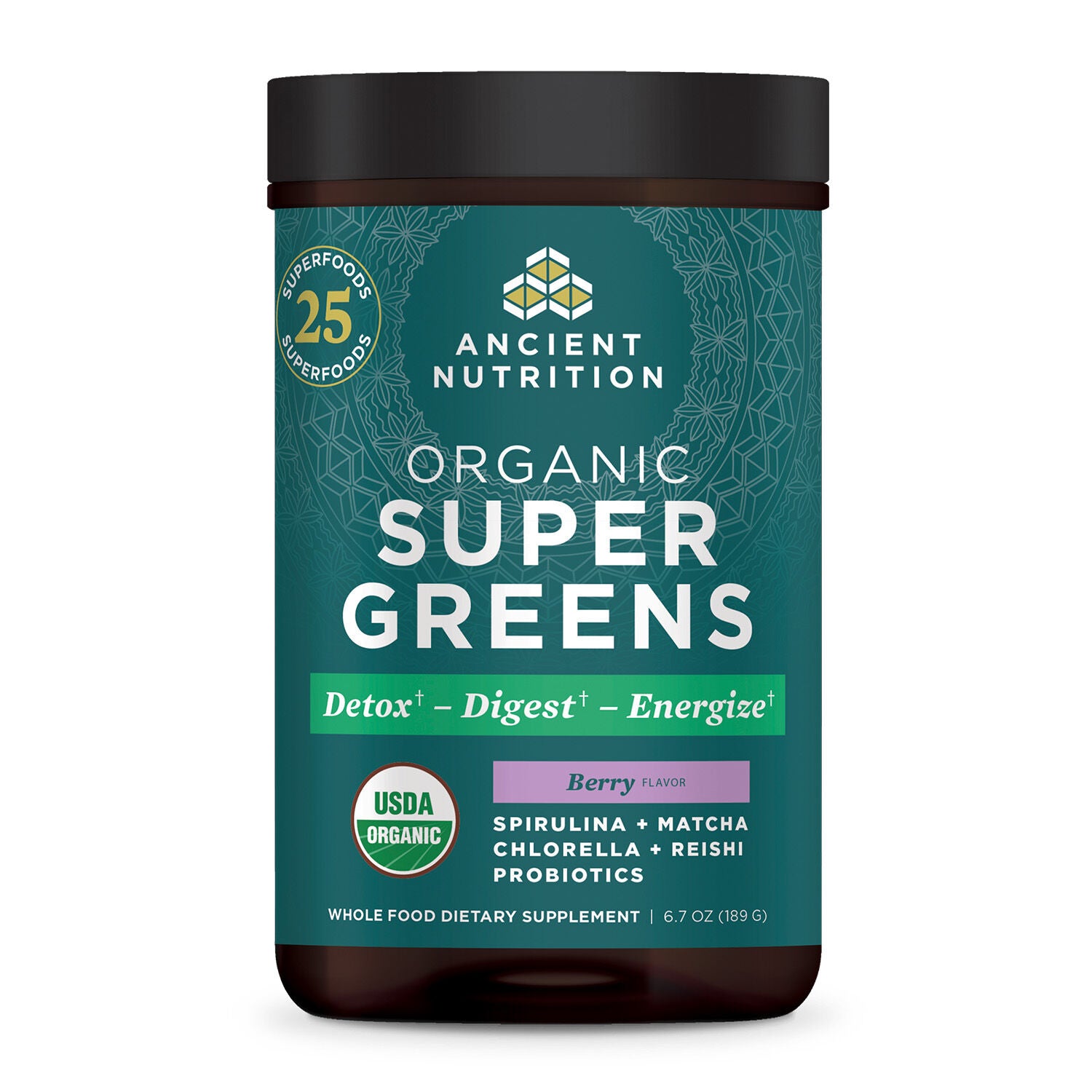 Ancient Nutrition
-
 You Matter Wellness