





Adaptogen Mushrooms
(0 Results)
Adaptogen mushrooms have gained attention for their potential to support overall wellness as part of a balanced lifestyle. These unique fungi are often incorporated into daily routines by those seeking to promote vitality and manage everyday stress. Whether added to smoothies, teas, or enjoyed in supplement form, adaptogen mushrooms may offer an easy way to complement your wellness journey. Explore a variety of adaptogen mushroom options that could fit seamlessly into your routine.
-
-

-

-

-
 $24.99
-
 Melting Forest$39.99
-
 Melting Forest$39.99
-

-
-

-
-

-
 Nature's Fusions$24.99
-
 $39.99
-
 $27.99
-
 The Genius Brand$29.99
-
 $39.99
-
-
-
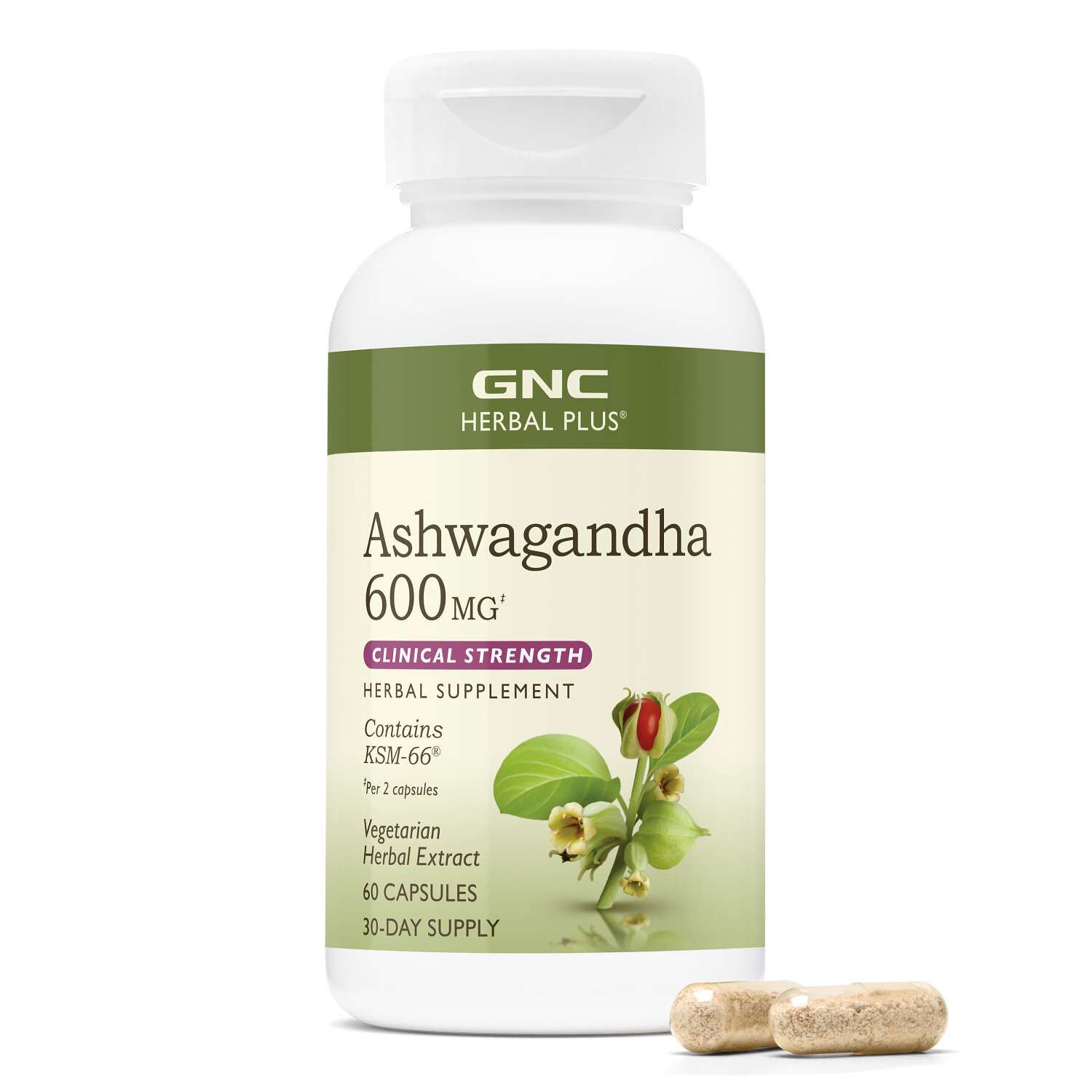
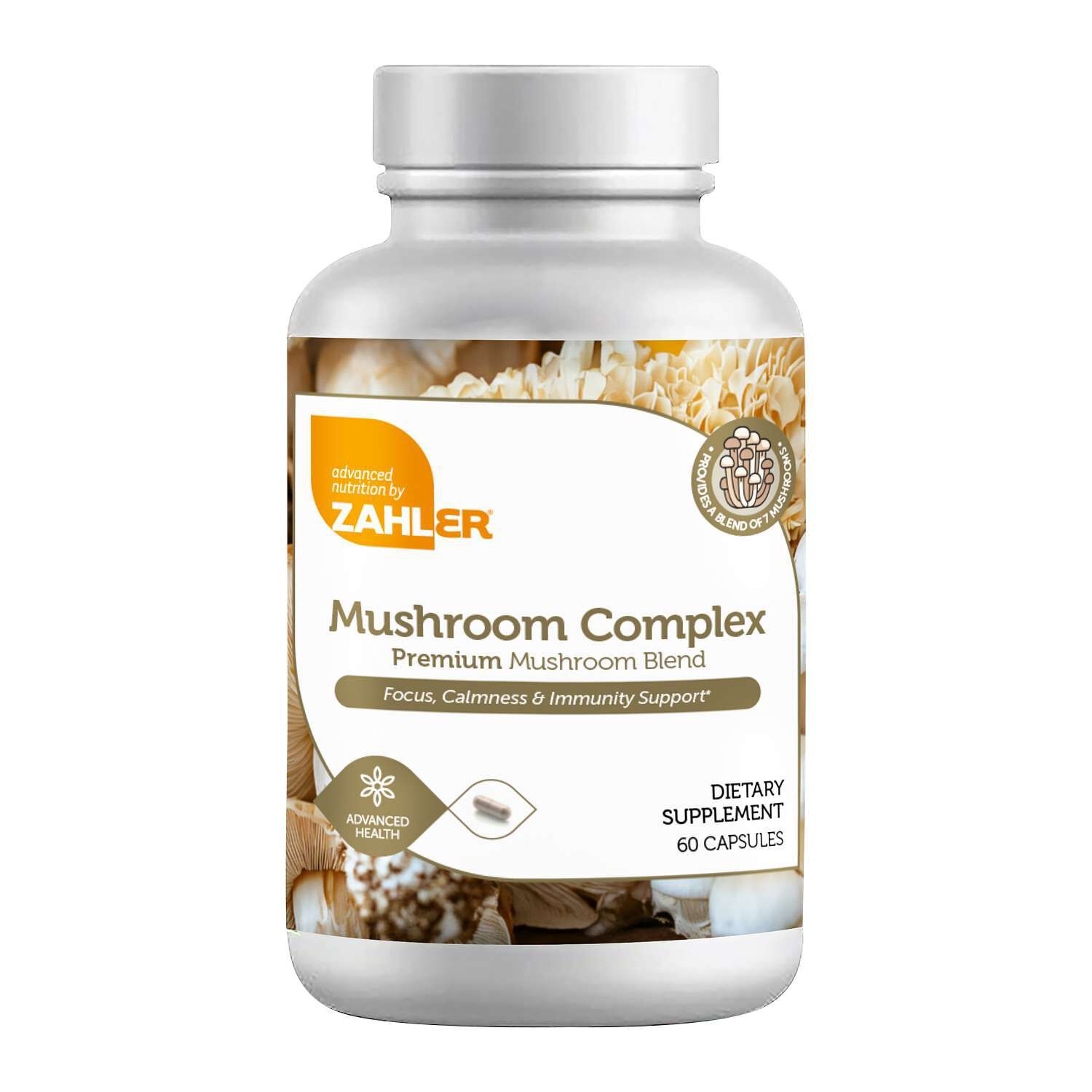
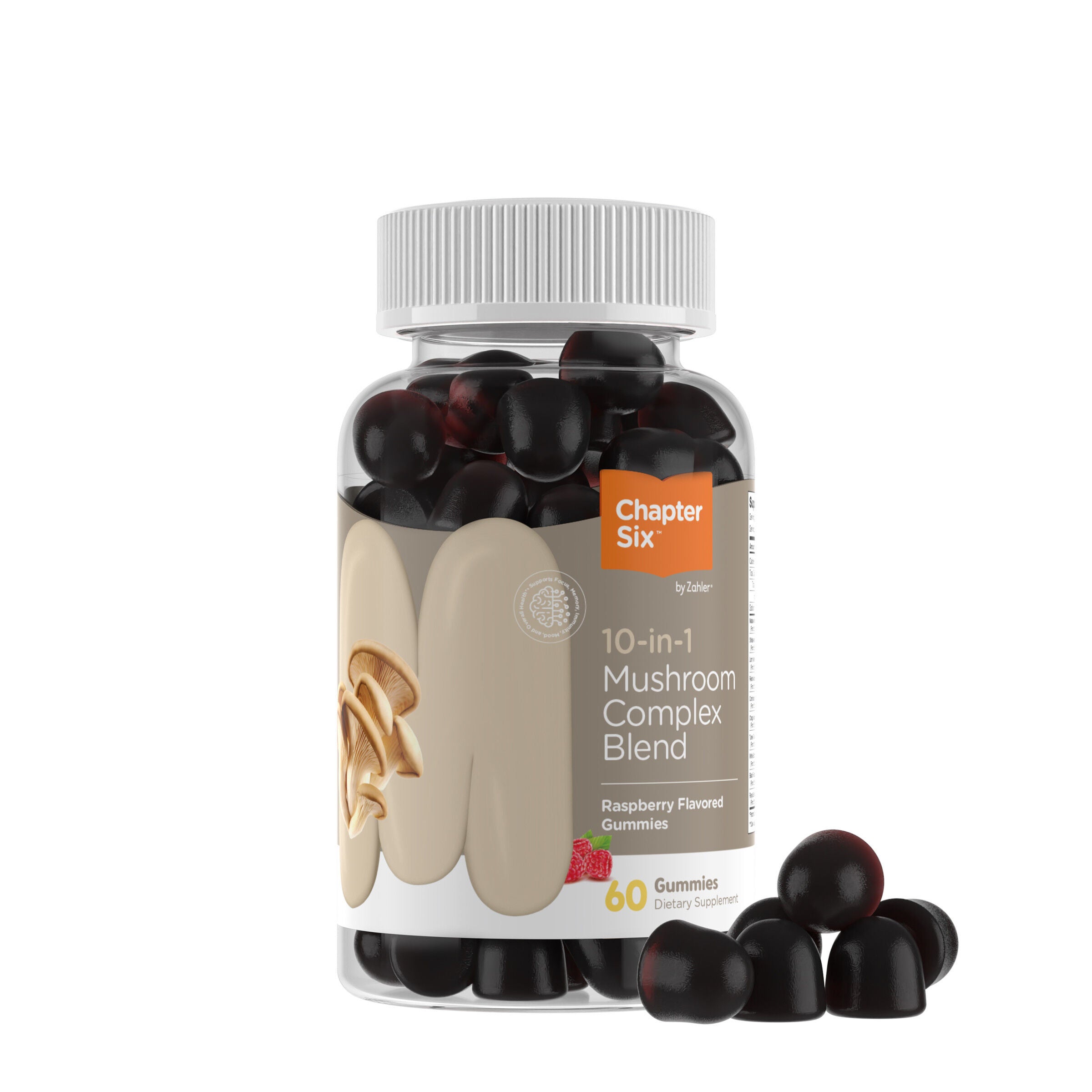
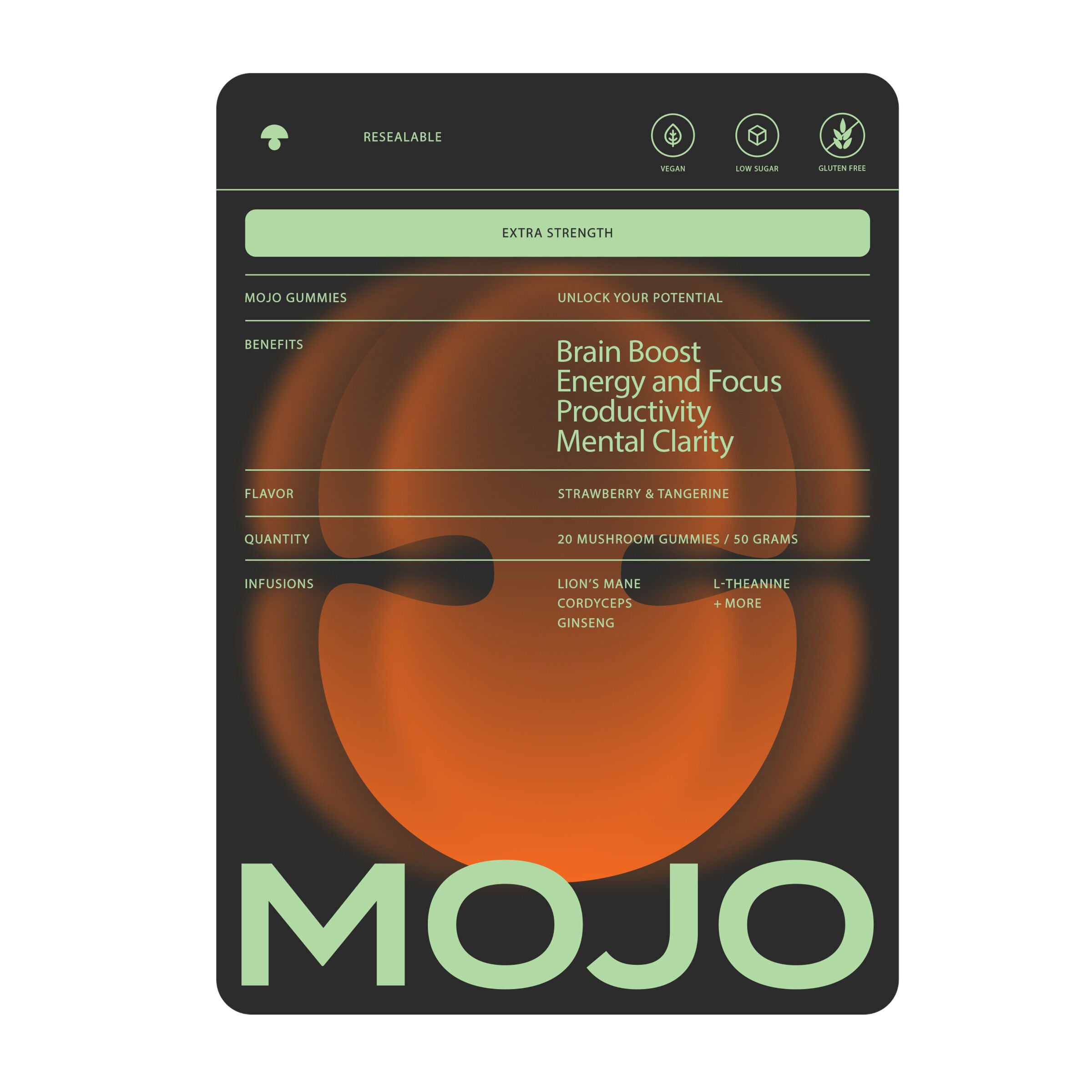
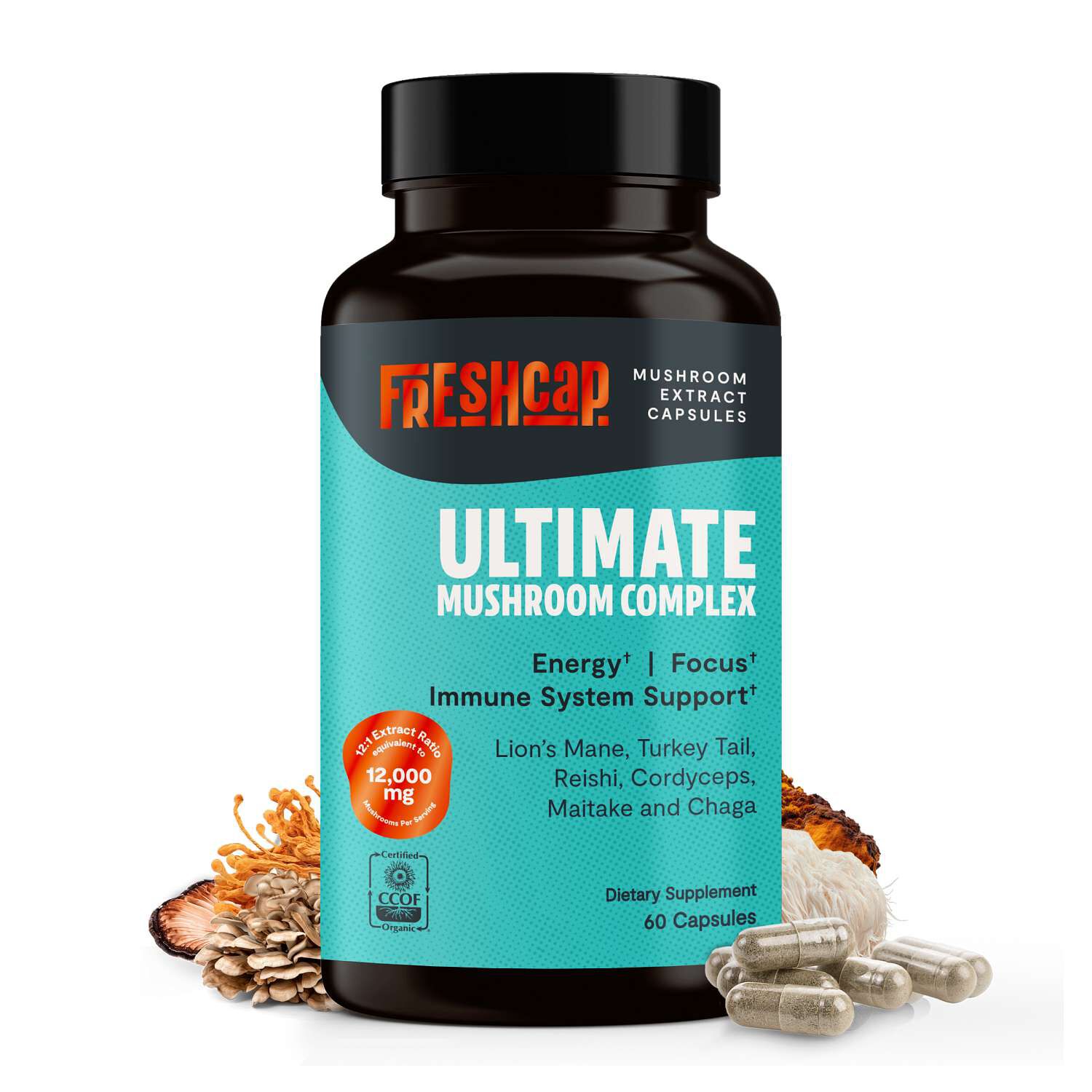
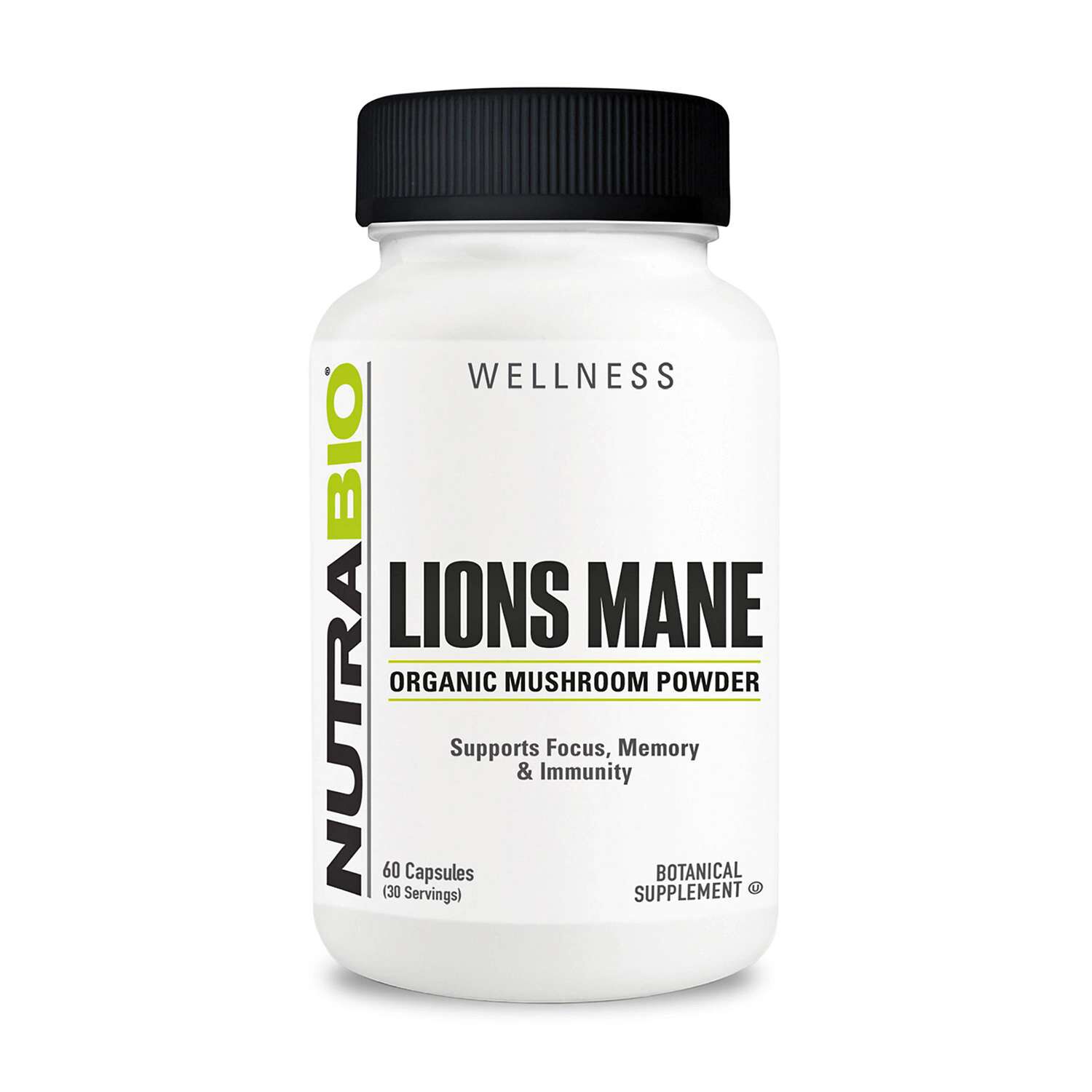
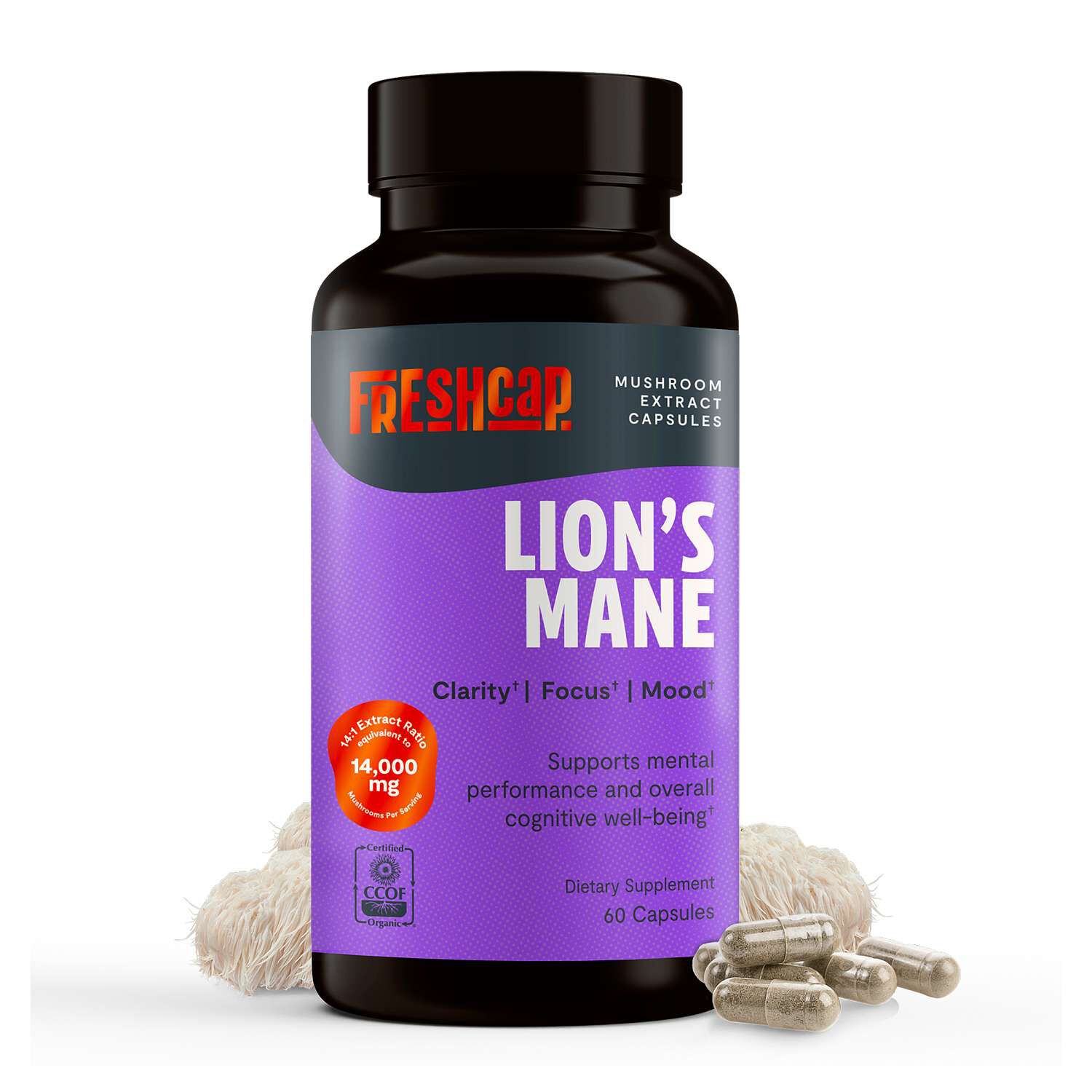
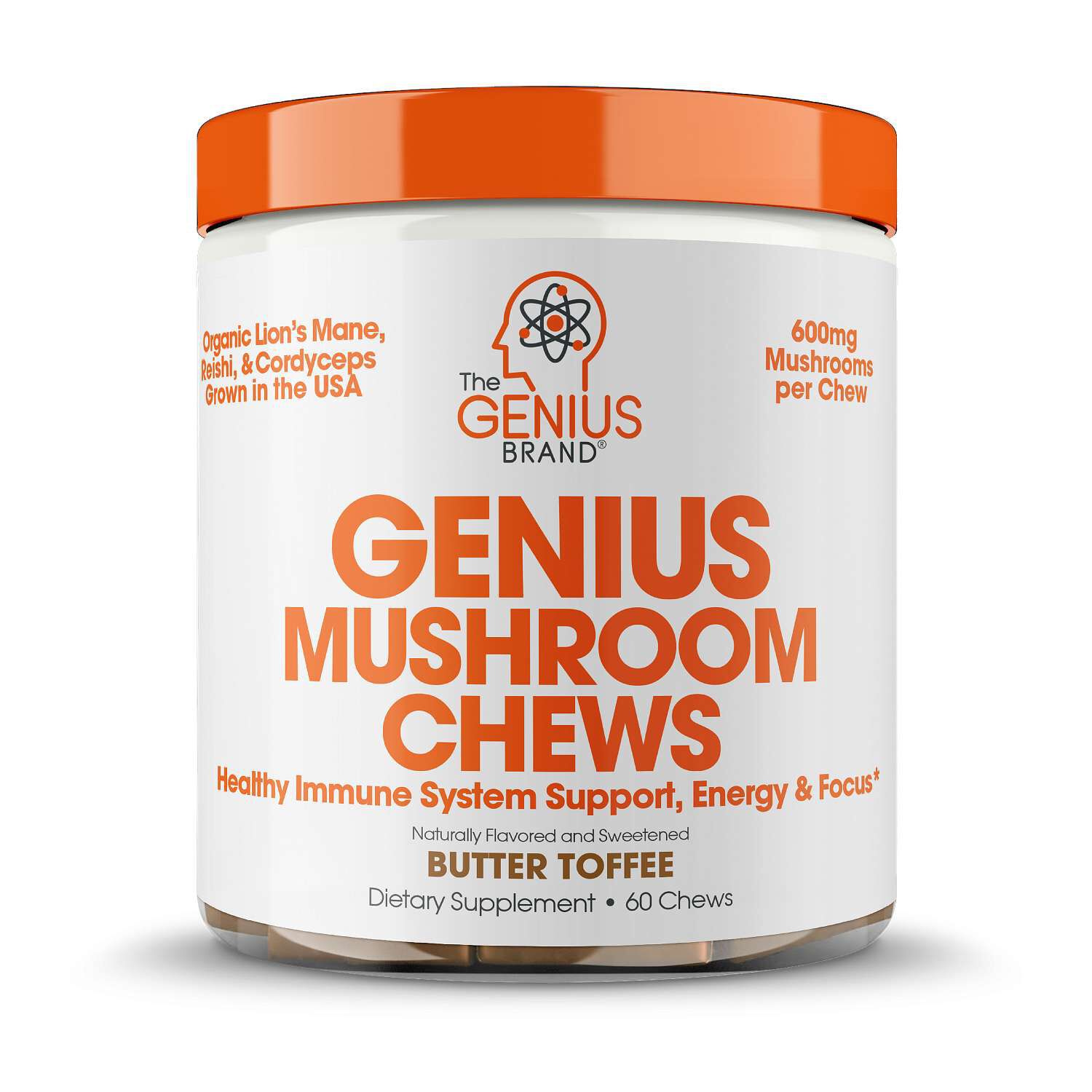
Adaptogen mushrooms are fungi used as ingredients in dietary supplements, including powders, capsules, and liquid extracts. The term “adaptogenic mushroom” describes a category of ingredients rather than a single species or a particular way of preparing them. Lion’s mane, reishi, cordyceps, chaga, and turkey tail are names often found on mushroom supplement labels. Some formulas focus on one kind of mushroom, while others bring several together. The common name is a useful starting point, and the scientific name, when listed, identifies the fungus more precisely. The label may also specify the material used. A fruiting body is the spore-producing structure of a fungus, often the part recognized as a mushroom. Mycelium is the network of fine filaments that makes up the growing body of a fungus. A formula may use one or the other, or both. Whole mushroom powder is made from dried, ground material, while an extract is made by drawing out certain constituents, sometimes with hot water. A powder can contain a ground mushroom, a dried extract, or a combination, so the word “powder” alone doesn’t tell the whole story. Some labels also list beta-glucans, a type of polysaccharide found in fungal cell walls. A beta-glucan amount and the weight of the mushroom ingredient describe different things, even when both appear on the same panel. The same distinction matters for blends: when several mushrooms are grouped under one weight, that figure describes the mixture rather than the amount of each mushroom. Two formulas that feature the same familiar name on the front can differ in the materials they contain, the way those materials are prepared, and the detail provided on the back. Those differences are more informative than a front label that simply says “mushroom blend.”
The choice between formats often comes down to what a regular day looks like. Powder may suit someone who already takes out a blender for breakfast or stirs an add-in into a mug at the kitchen counter. Taste and texture are worth considering when browsing Adaptogenic Mushroom Powder Blends. A plain powder may have an earthy or slightly bitter taste, while a flavored formula may bring its own sweetness or aroma. In a berry smoothie, the taste of an unflavored powder may be less noticeable than it is in plain water. Texture matters, too: a powder might leave some sediment at the bottom of a mug even after stirring. Mixing directions help clarify what the maker had in mind, whether that’s whisking the powder into a drink or adding it to a mixture in a blender. The ingredient list can also distinguish a formula made only with mushroom ingredients from one that includes cocoa, flavorings, or sweeteners. Capsules may fit a routine that doesn’t include a blender bottle, measuring spoon, or drink to mix. For someone who pays attention to capsule materials, the ingredient list may identify a shell made from plant-derived cellulose or gelatin. Liquid extracts are another format, often packaged in a bottle with a dropper. Those formulas may contain water, glycerin, or alcohol in addition to the mushroom extract, and the serving directions may specify a measured volume rather than a count or scoop. Serving sizes differ within each format as well. One capsule isn’t necessarily one serving, and the scoop from one powder container isn’t a reliable measure for another. A familiar format is a good starting point, but the serving information gives a clearer picture of what using that format looks like day to day.
Packaging deserves a look alongside the ingredient list, especially when a supplement will share a cabinet with coffee, pantry staples, or other powders. A wide-mouth container may be easier to scoop from at a counter, while a compact capsule bottle may take up less room on a crowded shelf. A tightly closed lid helps keep moisture away from a dry powder, and a clean, dry measuring utensil is preferable to the damp spoon sitting beside a rinsed mug. Storage directions can vary by formula, so the package is the best place to check where it belongs after opening. Keeping the original container also keeps the ingredient list, serving directions, and any printed date or lot information close at hand. These details matter when two containers look much the same or when the directions for a new formula differ from those on the last one. For someone who already enjoys mixing mushroom powder into a morning drink, a blend in a familiar flavor profile might make a thoughtful gift. Taste and texture are personal, though, and a powder that sounds appealing on paper might not suit someone who prefers plain ingredients or already has a favorite way to prepare a drink. Format is often a better starting point than an unfamiliar mix of mushroom names. For personal use, the same logic applies: a jar that fits beside the blender may make sense in one kitchen, while a small bottle and a clearly marked serving size may be a better fit somewhere else. The useful distinctions are practical ones: which mushrooms are named, what form they take, what else is in the formula, and how the package fits where it will be used and stored.
Best Sellers
Related Pages
Top Collections
- Chronic Fatigue Supplements
- Vitamins For Hair Loss
- Zinc Supplements For Men
- Active Supplements
- Supplements For Yoga Joint Flexibility
- Capsule Supplements For Energy And Stamina
- Adult Vitamins
- Joint Mobility Supplement Packs
- Zinc Supplements | Top Brands at Great Prices | GNC
- Magnesium Bisglycinate Supplements