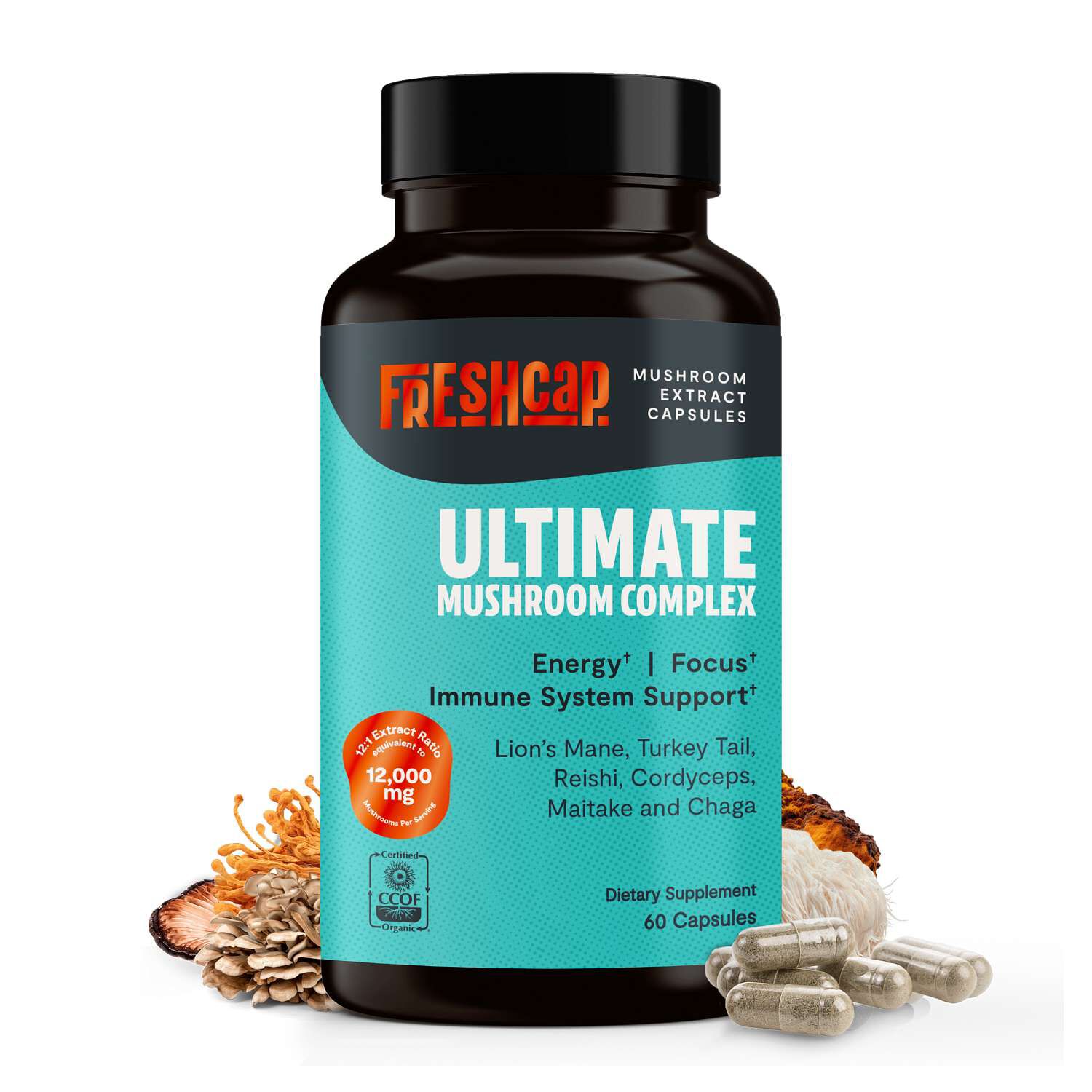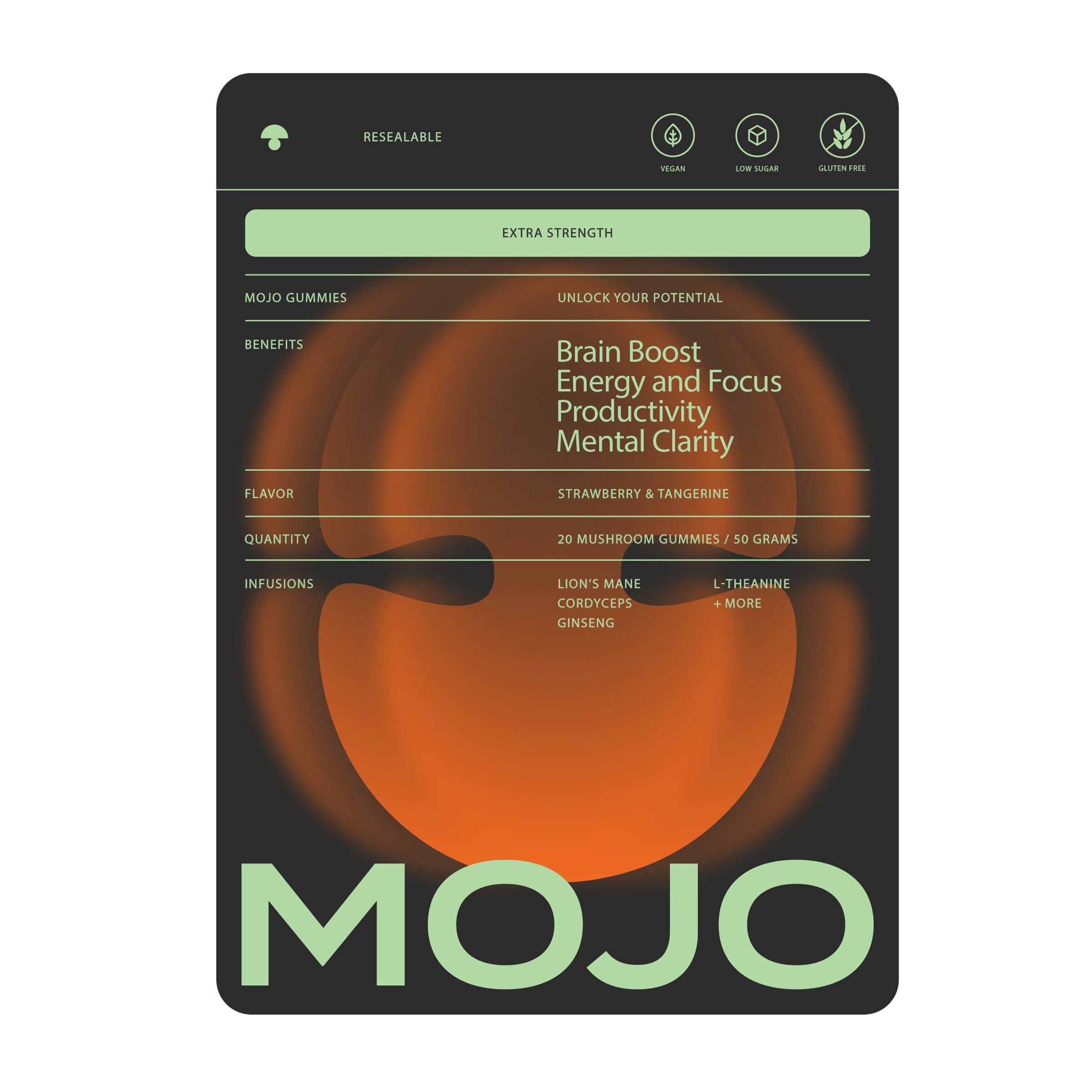


Immune Support Mushrooms Supplement
(0 Results)
Boosting your immune system could be as simple as incorporating the power of mushrooms into your daily routine. Known for their potential health-enhancing properties, immune support mushrooms may offer a natural way to help fortify your body's defenses. Packed with beneficial compounds, these fungi might assist in maintaining overall wellness and vitality. Whether you're looking to complement your diet or seeking an extra layer of protection during seasonal changes, exploring the world of immune support mushrooms could be a step towards achieving your health goals. Dive into the diverse range of options available and discover how these natural wonders may enhance your well-being.
-

-

-
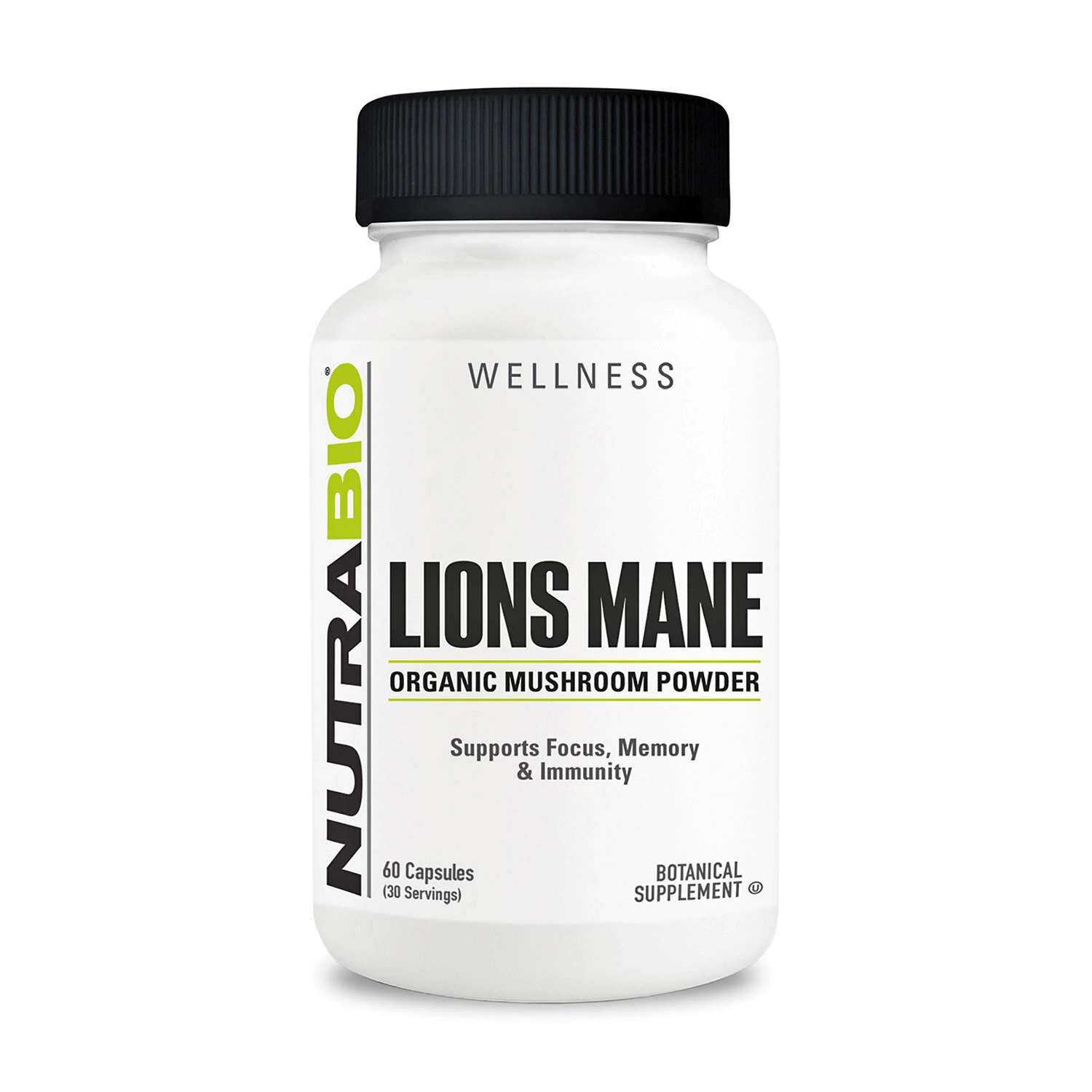 $24.99
 -
 The Genius Brand$29.99
 -
 Nature's Fusions$32.99
 -

-
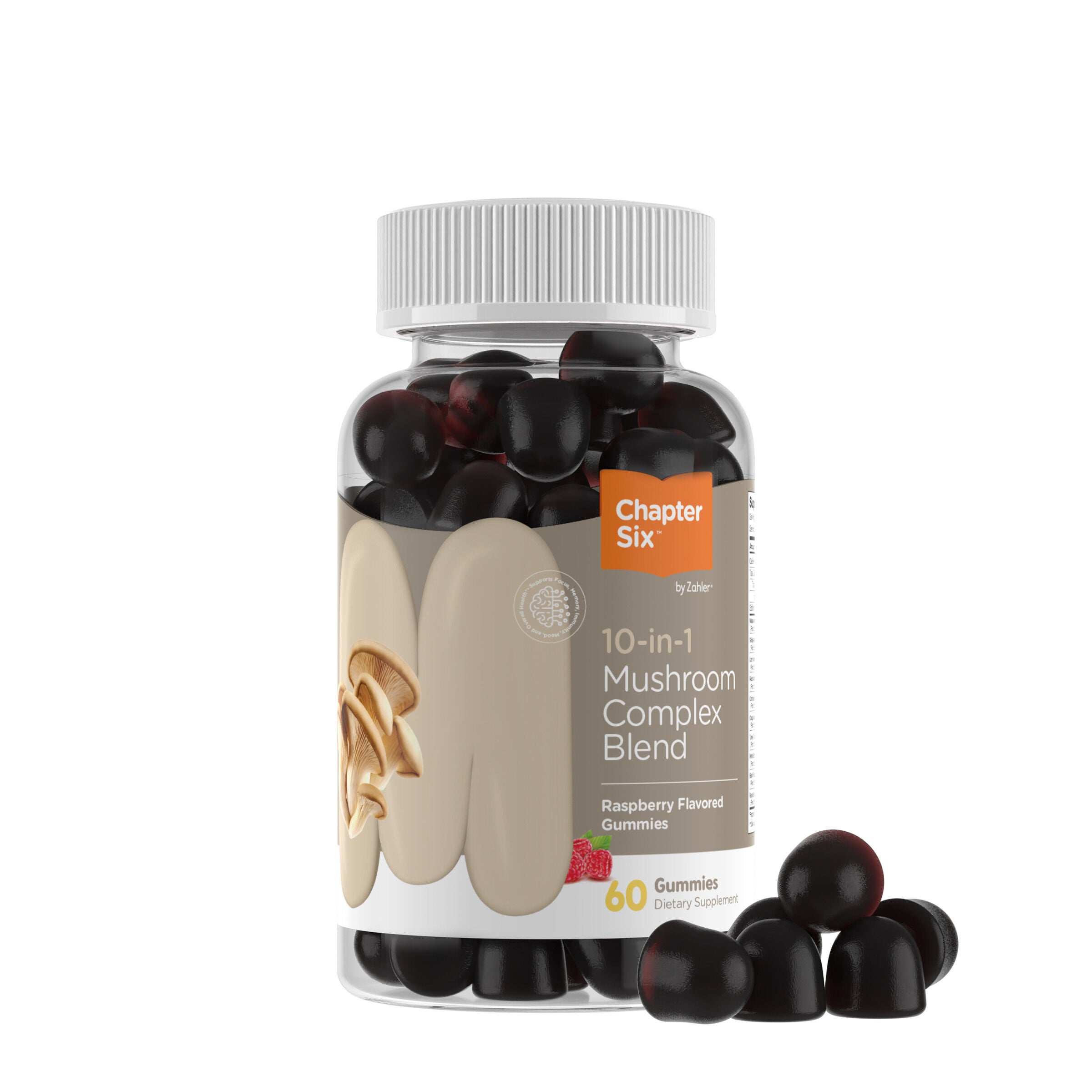
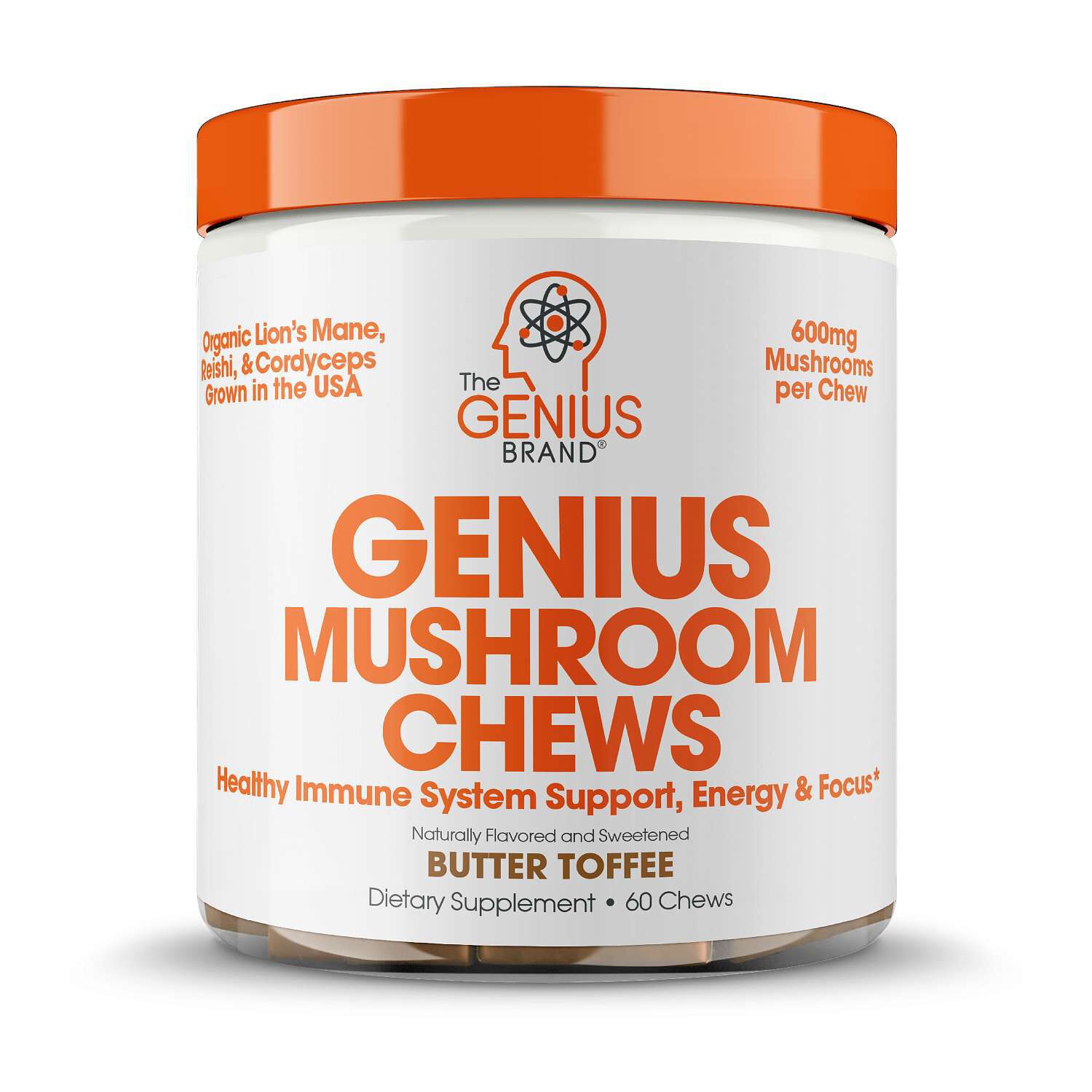
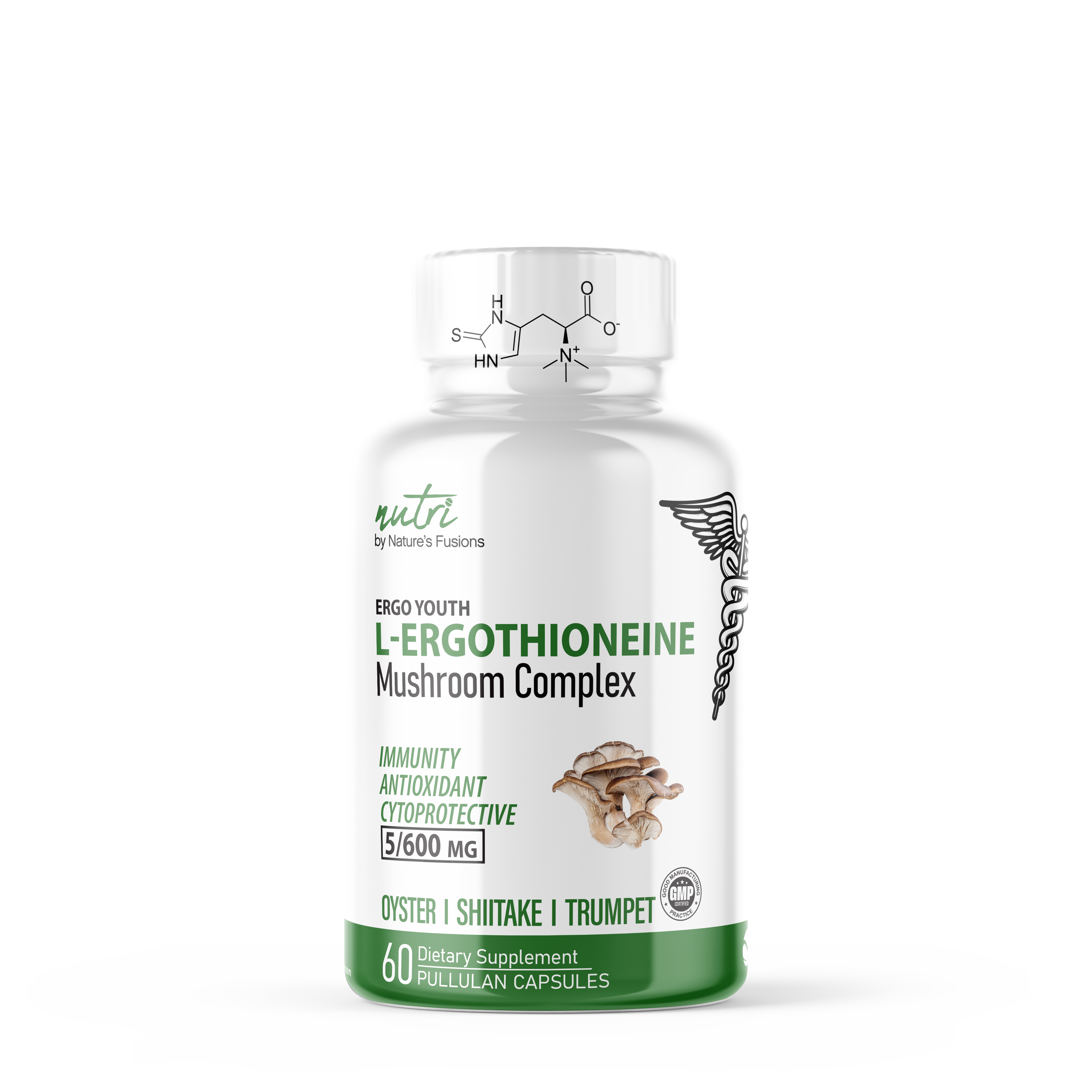
Immune support mushroom supplements are dietary supplements made with mushroom ingredients, often offered as capsules, powders, gummies, or liquid extracts. The category brings together familiar culinary mushrooms and varieties with a long history of use in traditional wellness practices. Reishi, turkey tail, shiitake, maitake, and chaga are among the names shoppers may encounter, either as individual ingredients or in combinations. Although these ingredients share a place in the mushroom supplement category, they are not interchangeable: the species, source material, preparation method, and amount per serving can differ substantially. Beta glucans are one reason mushrooms receive attention in this category. These naturally occurring polysaccharides are components of fungal cell walls, and their presence connects many mushroom formulas with broader interest in everyday immune wellness. Shoppers interested in this ingredient can explore Beta Glucan Mushroom Supplements while comparing how different formulas describe their mushroom sources and composition. A mushroom’s name alone does not explain everything inside a bottle. Some supplements contain ground mushroom material, while others use extracts produced through additional processing. Labels may also identify fruiting bodies, the structures commonly recognized as mushrooms, or mycelium, the branching network through which a fungus grows. These terms describe different source materials rather than a universal ranking of quality. A clearly written label helps distinguish those materials and puts a formula’s other details into context. For adults who already have a supplement routine, the appeal may be a straightforward single-mushroom formula with a short ingredient list. Others may prefer a blend that brings several varieties into one serving. Neither the number of mushrooms nor a large number on the front of a package tells the whole story. The more useful comparison includes the serving size, the named ingredients, their stated amounts, and the format that suits the person who will use it. That combination gives this category more definition than broad wellness language alone.
The details of a mushroom formula extend beyond the featured species. An ingredient panel may distinguish mushroom powder from mushroom extract, identify an extraction ratio, or state an amount of beta glucans. Each detail answers a different question. An extraction ratio describes a relationship between starting material and extract; it does not, by itself, establish the amount of a particular compound in a serving. Likewise, a stated amount of polysaccharides is not necessarily the same as a stated amount of beta glucans, because polysaccharides are a broader group of carbohydrates. When those distinctions are visible, comparing similar formulas becomes more meaningful. A blend may disclose each mushroom’s amount separately, or it may list several ingredients under a shared blend weight. The latter provides less information about the contribution of each individual mushroom. Beyond the mushroom ingredients, capsules can contain shell materials and ingredients used during manufacturing, while gummies may include sweeteners, flavorings, colors, and gelling agents. Powders may be unflavored or combined with cocoa, spices, or other ingredients that shape the taste. Liquid extracts can use different carriers, so their ingredient lists deserve the same attention as any other format. Dietary preferences also matter. Someone who avoids gelatin, for example, may look for a capsule shell or gummy base made from other materials, with the actual label providing the relevant detail. Organic certification, sourcing information, and clearly described testing practices can add context, but they communicate different things. An organic designation concerns production standards rather than a specific beta glucan amount, and a testing statement is most informative when it explains what was assessed. These distinctions are especially useful when two packages look similar at a glance. Rather than treating every mushroom blend as equivalent, shoppers can compare the same kinds of information across formulas: source material, preparation, serving size, ingredient disclosure, and any documented quality checks. A modest-looking label with precise information can be easier to evaluate than a busy package with little detail about its contents.
Format is another practical part of choosing an immune support mushroom supplement, especially when the goal is a routine that feels manageable rather than complicated. Capsules offer a measured format without mixing, although the number of capsules in a labeled serving can vary. A bottle’s capsule count and its number of servings are therefore different pieces of information. Powders involve measuring and preparation, with flavor and texture playing a larger role in the experience. Mushroom ingredients can have earthy or bitter notes, and a powder may disperse differently in a thick smoothie than in a glass of water. A flavored blend may suit someone who enjoys a distinct beverage ritual, while an unflavored formula may appeal to someone who prefers fewer added ingredients. Neither description means the powder will be tasteless or dissolve without sediment. Package directions provide the appropriate preparation details, including any suggested food or beverage pairings. Gummies offer a chewable format with their own texture and sweetness, and liquid extracts require attention to the labeled serving measurement rather than an assumed dropper amount. For a person packing a work bag before a commute, packaging size and a secure closure may matter as much as flavor. For someone with an established breakfast routine, the relevant distinction may be whether the serving involves opening a bottle, measuring a powder, or preparing a drink. Care and storage are similarly practical. The package’s storage directions, a securely closed lid, and a clean, dry measuring utensil where applicable are all relevant to keeping the contents in their intended condition. The date printed on the package also deserves attention, particularly when comparing container sizes with the number of labeled servings. Supplements are a personal purchase, so a mushroom formula generally makes a more thoughtful gift when the recipient has already expressed interest and shared their preferences. An attractive package cannot establish whether its ingredients or format suit another person. Across capsules, powders, gummies, and extracts, the most useful distinctions remain concrete: what the formula contains, how clearly it is described, how it is prepared, and how comfortably its intended use fits an adult’s everyday routine.