





Adaptogen Pills
(0 Results)
Discover the potential benefits of adaptogen pills, a natural way to support your body's ability to manage stress and maintain balance. These innovative supplements could help promote overall well-being by harnessing the power of adaptogenic herbs, known for their historical use in traditional wellness practices. Whether you're looking to support energy, mood, or focus, adaptogen pills may offer a holistic approach to enhancing your daily routine. Explore our selection and find the perfect fit for your lifestyle needs.
-
-

-
-
-

-
-
 $32.99
-

-
 185$24.99
-
-
-

-
-

-
 Purity Products$39.99
-
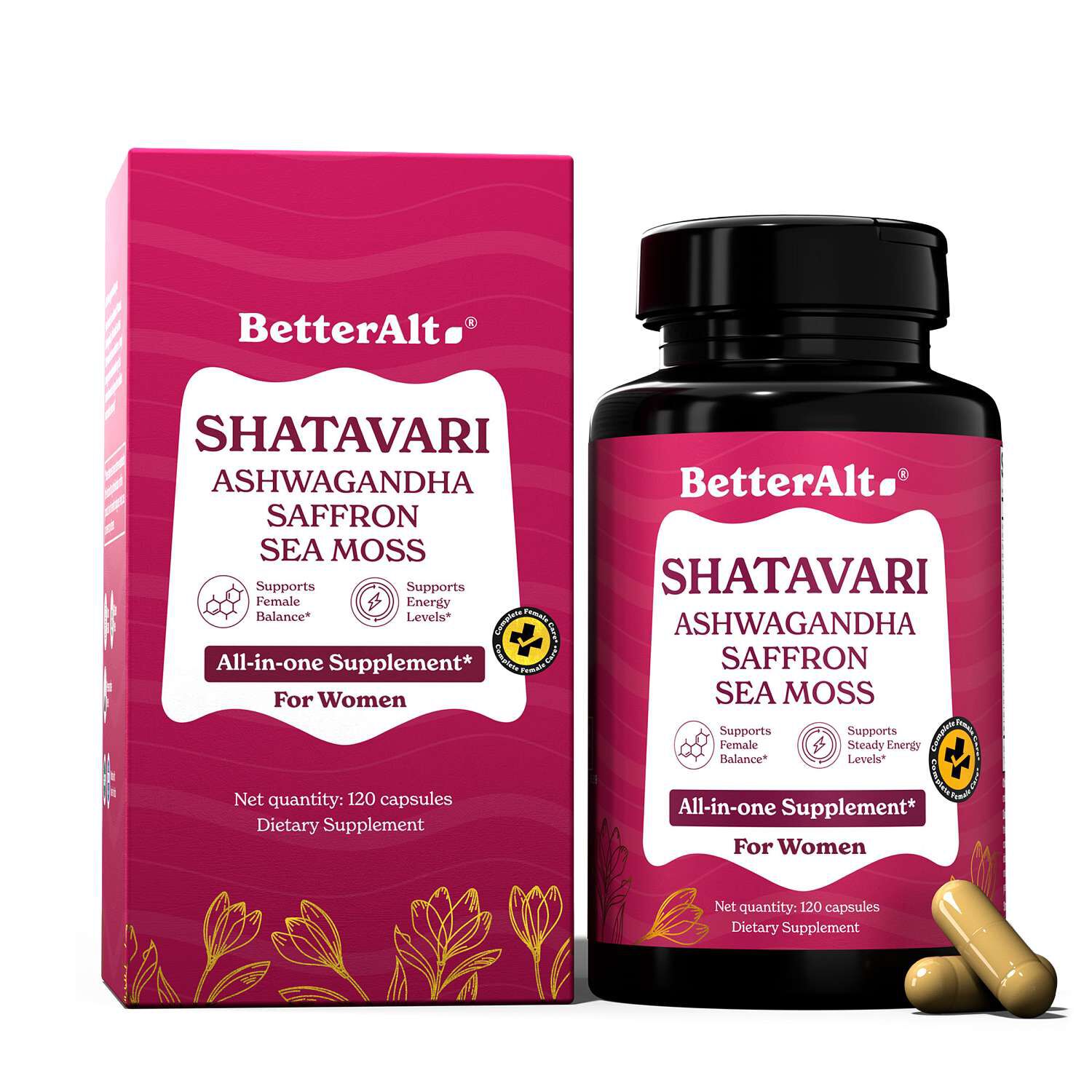 BetterAlt$39.99
-
-
-
 You Matter Wellness$49.99
-
-

-

-
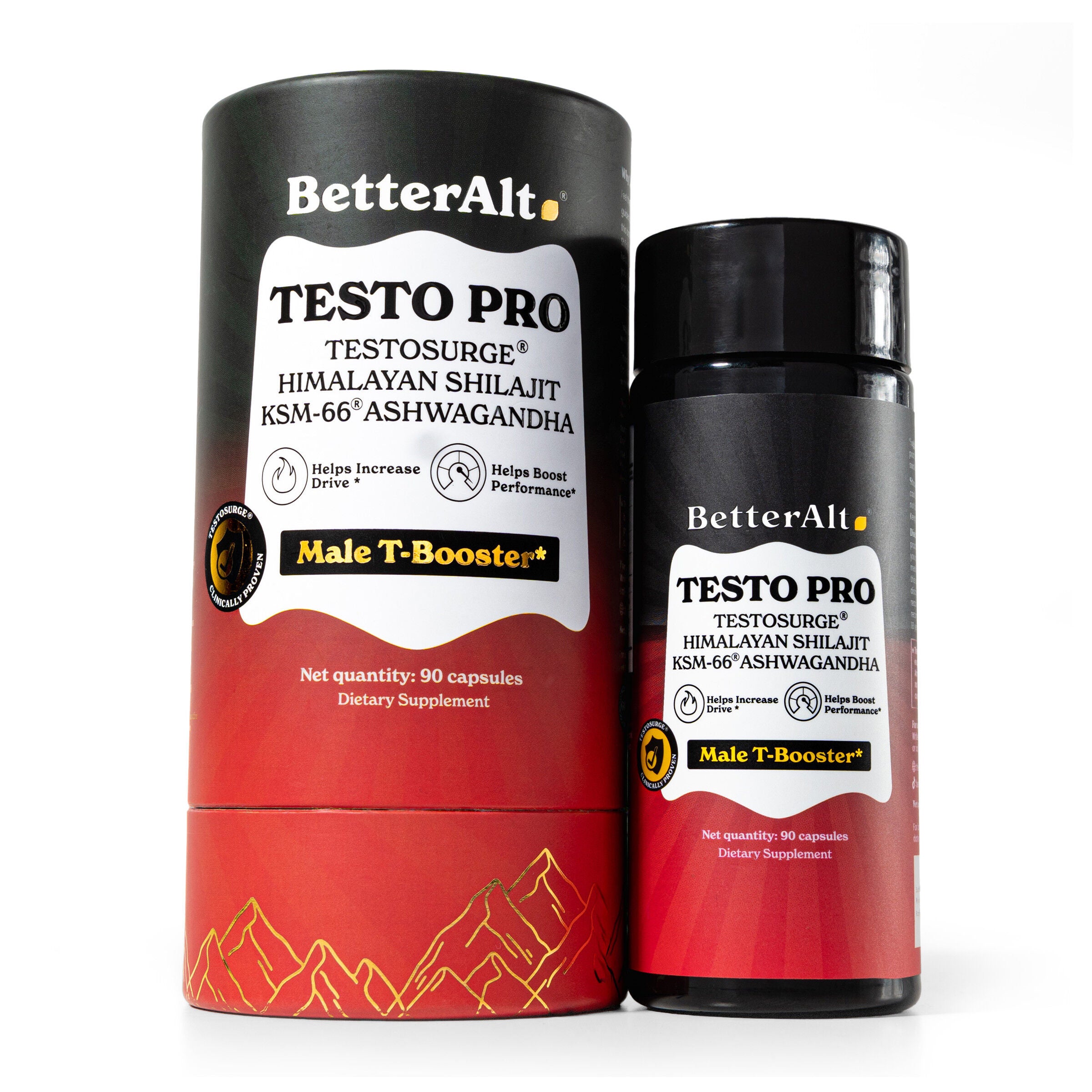
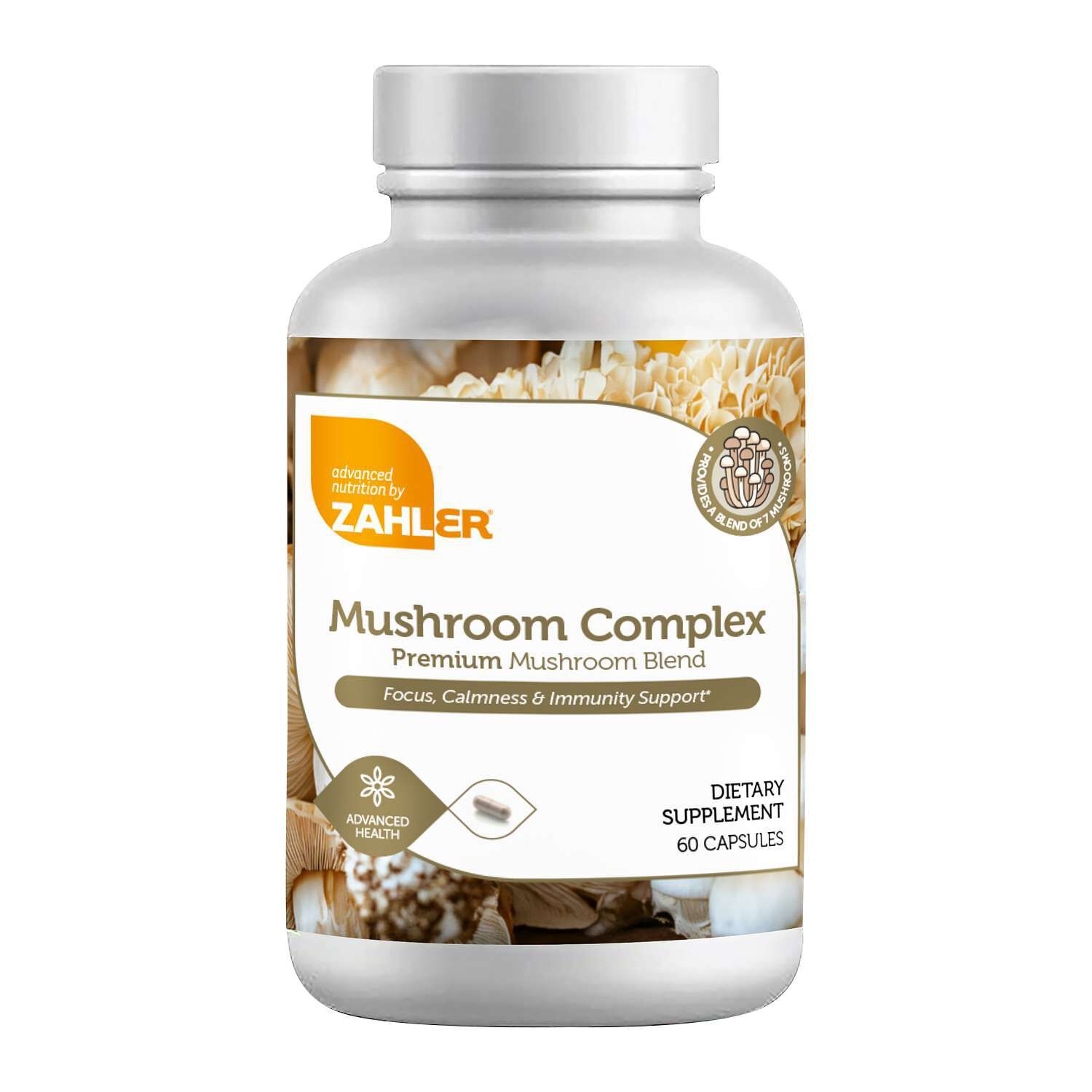
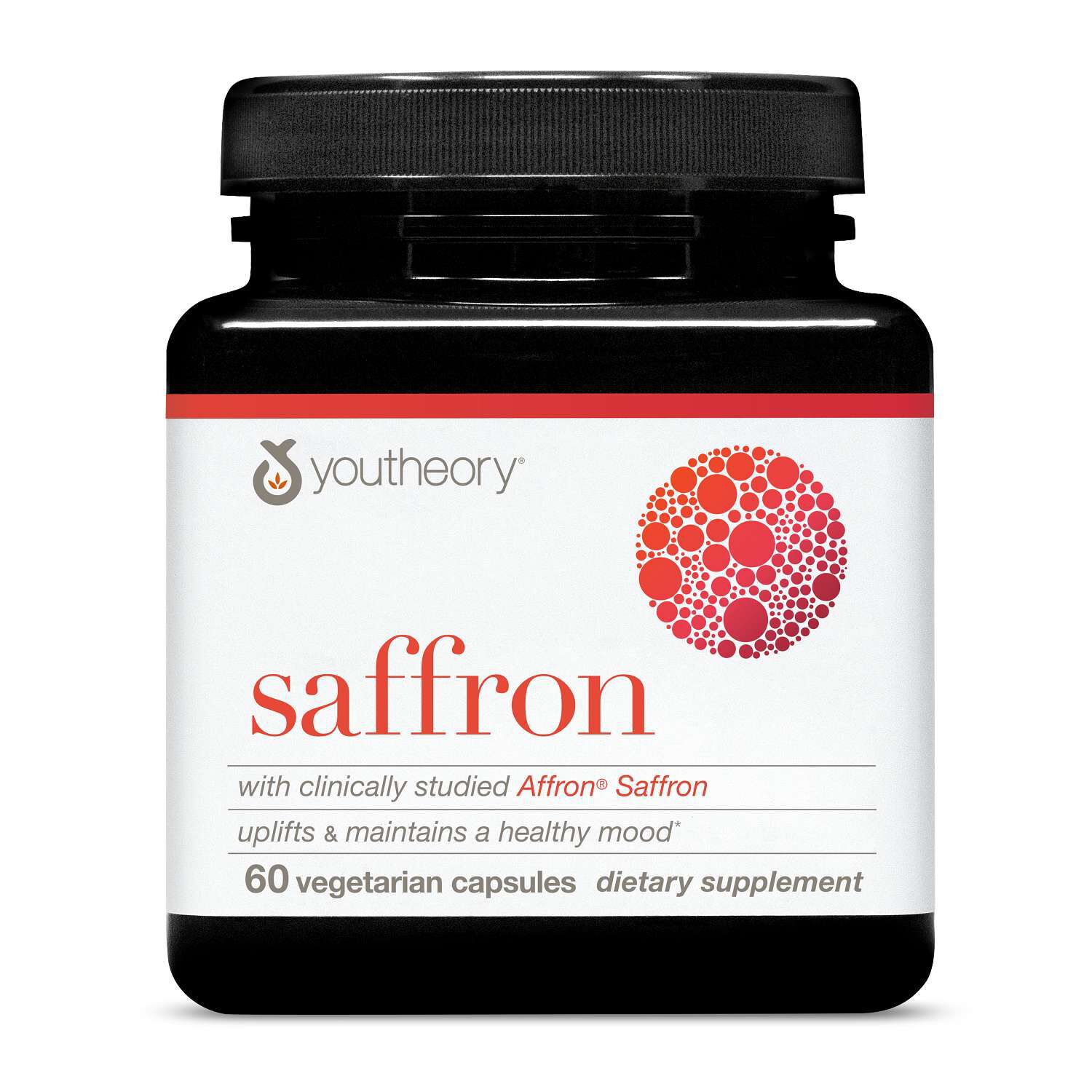
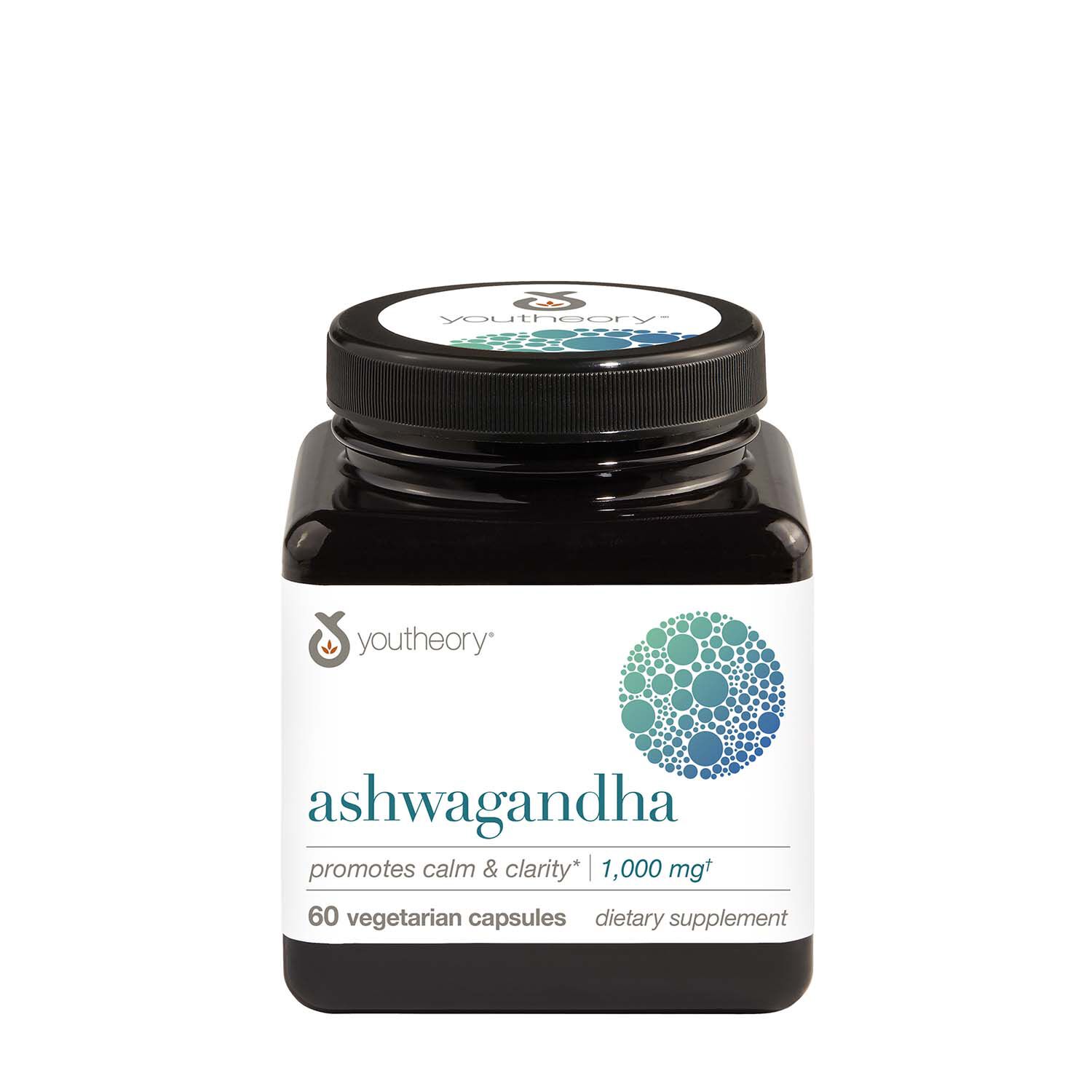
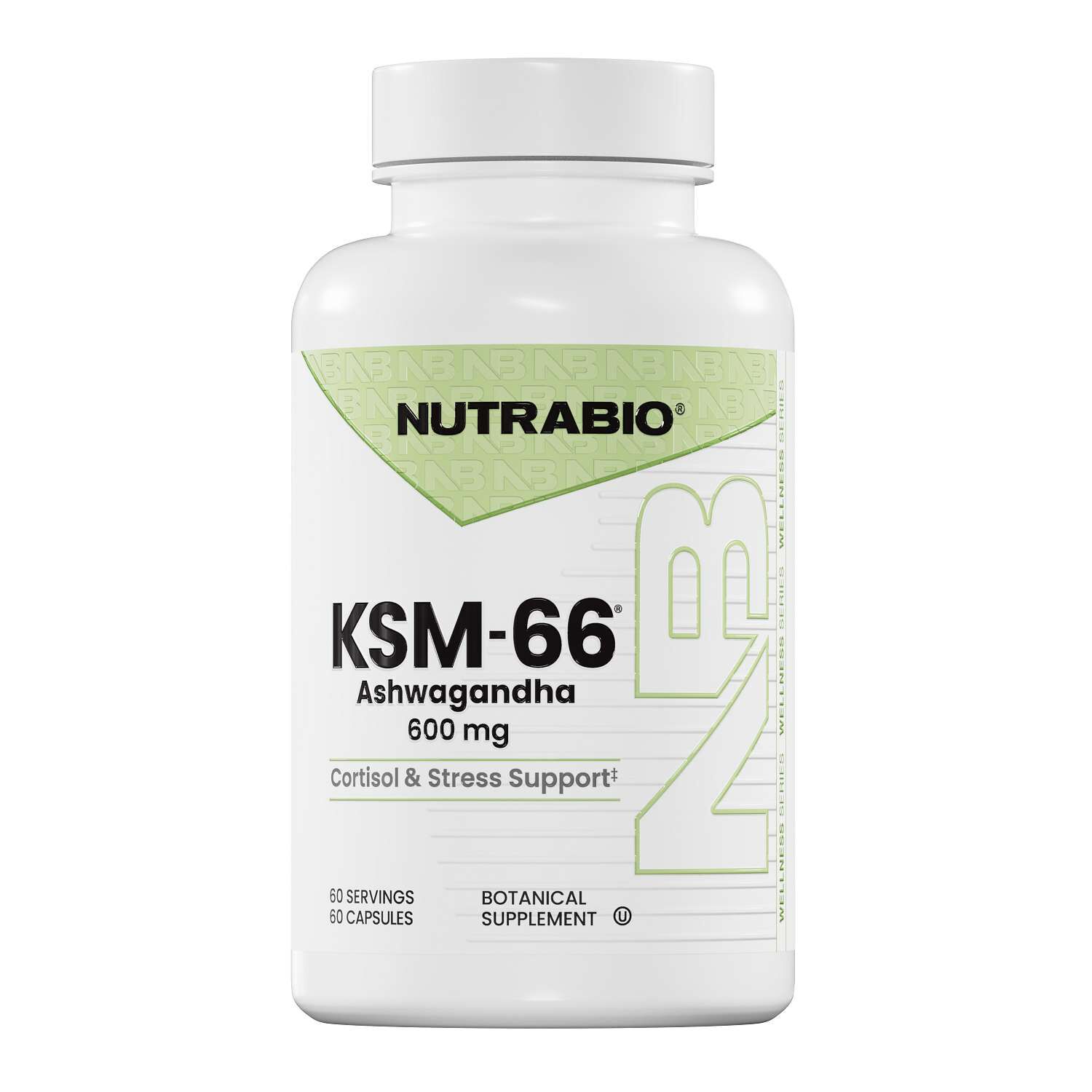
Adaptogen pills are dietary supplements that typically contain botanical or mushroom ingredients in capsule or tablet form. The term adaptogen describes a broad ingredient category associated with everyday stress and general wellness, rather than a single herb or a uniform formula. Depending on their ingredients, these supplements may support a sense of balance as part of a broader wellness routine. Ashwagandha, rhodiola, and ginseng are familiar botanical ingredients in this category, while some formulas also feature mushroom ingredients such as reishi. Single-ingredient formulas place the emphasis on one botanical, while blends bring several ingredients together in one serving. That distinction matters when comparing labels: two bottles described as adaptogen supplements can have very different compositions, serving sizes, and directions. Capsules generally enclose powders or extracts within a shell, while tablets contain ingredients pressed into a solid shape. Neither format tells the whole story about what is inside. Someone who prefers a short ingredient list might gravitate toward a single-botanical formula, while someone comparing several ingredients may spend more time reviewing blend details. For an adult with a breakfast routine or a crowded desk drawer, the practical appeal of pills is their measured format without the need to stir a powder into a drink. Even so, a serving may consist of more than one capsule or tablet, so the front label alone is not enough to understand daily use. Capsule dimensions, tablet shape, and the number of pills per serving are useful details for shoppers who have a strong format preference. The word adaptogen also does not indicate whether a formula contains caffeine, added vitamins, or other ingredients. Those details belong to the individual label, making a closer look at the Supplement Facts panel and ingredient list an important part of comparing this category.
Ingredient descriptions offer a more useful basis for comparison than a long list of botanical names alone. A label may identify the plant by its common name and botanical name, along with the part used, such as the root or leaf. Those distinctions help separate formulas that might otherwise look similar at a glance. A powdered botanical and an extract are different ingredient preparations; an extract involves processing selected constituents from the starting material. Some labels specify an extract ratio or identify a measured amount of a particular constituent. These details describe the ingredient preparation, but they do not make unlike formulas directly interchangeable. A larger milligram number is not, on its own, a reliable way to compare different botanicals or different kinds of extracts. The amount listed should also be read alongside the serving size, since one panel may describe a single capsule and another may describe several. In a blend, look at whether individual ingredient amounts are shown or whether several ingredients appear together under one blend amount. This can make a meaningful difference in how much information is visible during a comparison. The Other Ingredients section addresses another set of preferences, including capsule-shell materials, binders, and other ingredients used to make the finished tablet or capsule. Gelatin and plant-derived cellulose are common capsule-shell materials, and shoppers following a vegetarian eating pattern can look for a clearly stated designation rather than making assumptions from the bottle’s appearance. Allergen statements and dietary certifications, when present, provide additional context. Manufacturing or testing information can also be useful, especially when the label explains what was tested and identifies the organization behind a certification. A botanical illustration or the word natural does not provide the same information as a detailed ingredient panel. In the United States, the FDA does not approve dietary supplements for safety and effectiveness before they are marketed. Clear labeling and specific, verifiable product information therefore deserve more attention than sweeping descriptions of what an ingredient might do.
The best format for a personal routine depends as much on everyday preferences as on the ingredient list. A person who keeps supplements beside a breakfast place setting may value an easy-to-read label and a manageable serving size. Someone who regularly packs an overnight bag may pay closer attention to container dimensions and packaging instructions. Bottle count and serving count are not necessarily the same: a bottle containing many capsules may represent fewer servings when the labeled serving includes several pills. Reading those details together gives a clearer picture of the format without relying on the size of the container. Suggested use, intended age group, and label cautions are also part of that comparison; adaptogen pills are not one interchangeable category with identical directions. A formula’s suitability cannot be determined from the word adaptogen alone. Ingredient preferences are particularly relevant when choosing a supplement for someone else, since a familiar botanical name may not match that person’s dietary preferences or established routine. Packaging and care deserve attention, too. Capsule shells and compressed tablets can be affected by moisture, so a bathroom shelf beside a steamy shower may not match the storage conditions printed on the bottle. Original packaging retains the ingredient list, directions, lot information, and date markings in one place. A securely closed container and storage consistent with the label are practical considerations for keeping the contents in their intended condition. For shoppers comparing formats beyond capsules and tablets, Adaptogen Beverages presents a drink-based approach to the category, with its own serving sizes, ingredient combinations, and preparation details. Pills may appeal to those who prefer no added beverage, while a drink format may better suit someone who enjoys a preparation ritual. Neither format alone establishes ingredient quality or personal suitability. A useful comparison comes back to the named botanicals, their amounts and preparations, the supporting ingredients, and the directions on the label. Together, those details offer a grounded way to distinguish adaptogen pills by what they contain and how they are intended to fit into an adult wellness routine.
Best Sellers
-
GNC Herbal Plus
-
GNC Herbal Plus
Related Pages


Top Collections
- Zinc Supplements | Top Brands at Great Prices | GNC
- Cortisol Supplements
- NAD+ Supplement Tablets
- Top Rated Collagen | Shop Customer Favorites | GNC
- Best Brand of Magnesium Glycinate
- Peptide Supplements
- Vitamins That Help Support Weight Gain
- Protein Powders For Muscle Growth Support
- Vitamins For Hair Loss
- Peptide Supplements for Muscle Growth