





Adaptogenic Herbal Supplement Blends
(0 Results)
Adaptogenic herbal supplement blends bring together time-honored botanicals that may support your daily wellness routine. These unique combinations often feature a variety of roots, herbs, and plant extracts inspired by traditional practices from around the world. Whether you're looking to complement your active lifestyle or simply add balance to your day, adaptogenic herbal supplement blends could be a versatile addition to your supplement regimen. Explore options designed to fit a range of preferences and discover how these blends might become part of your everyday routine.
-

-
 $32.99
-
 185$24.99
-
-
-
-
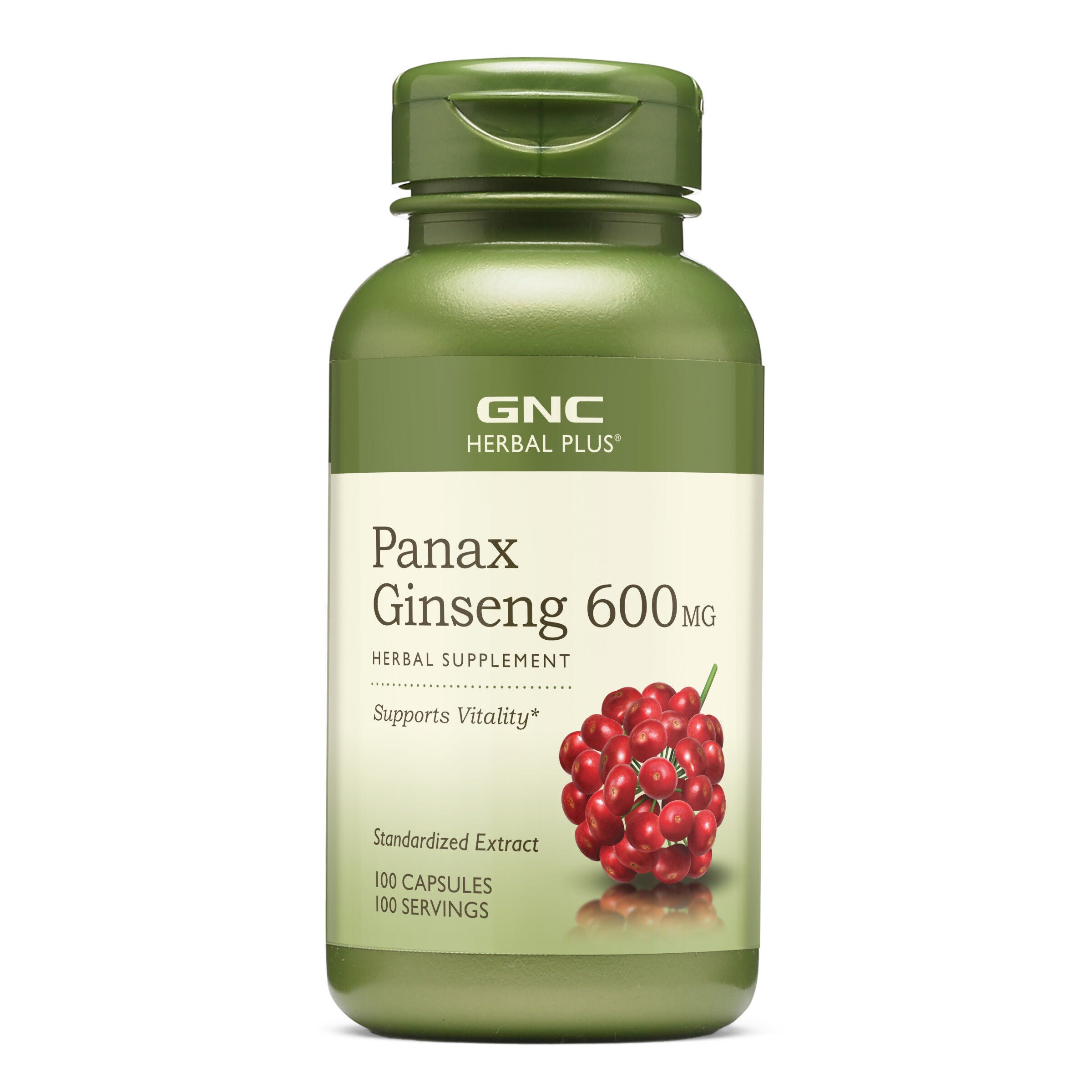
-
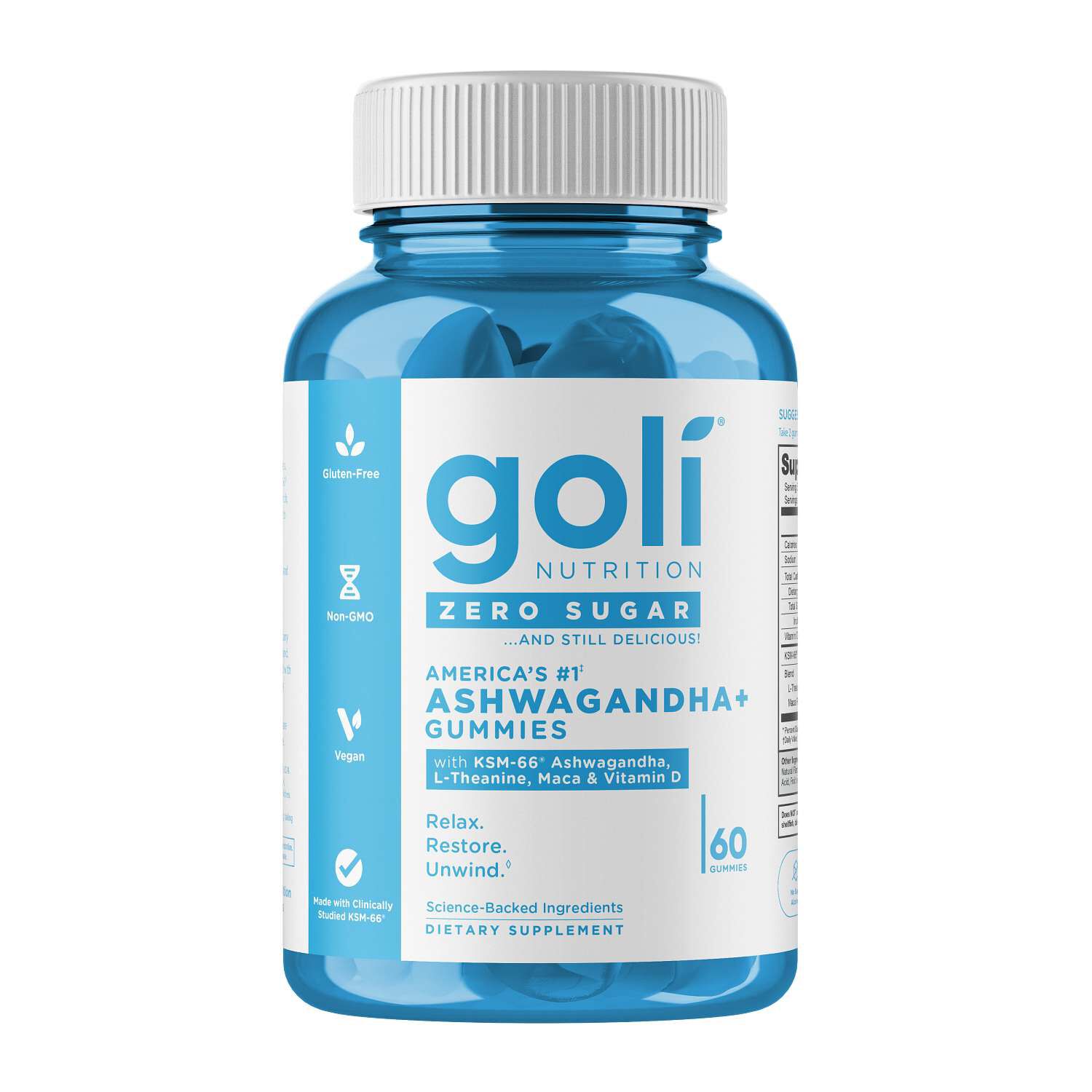 Goli Nutrition$18.99
-

-
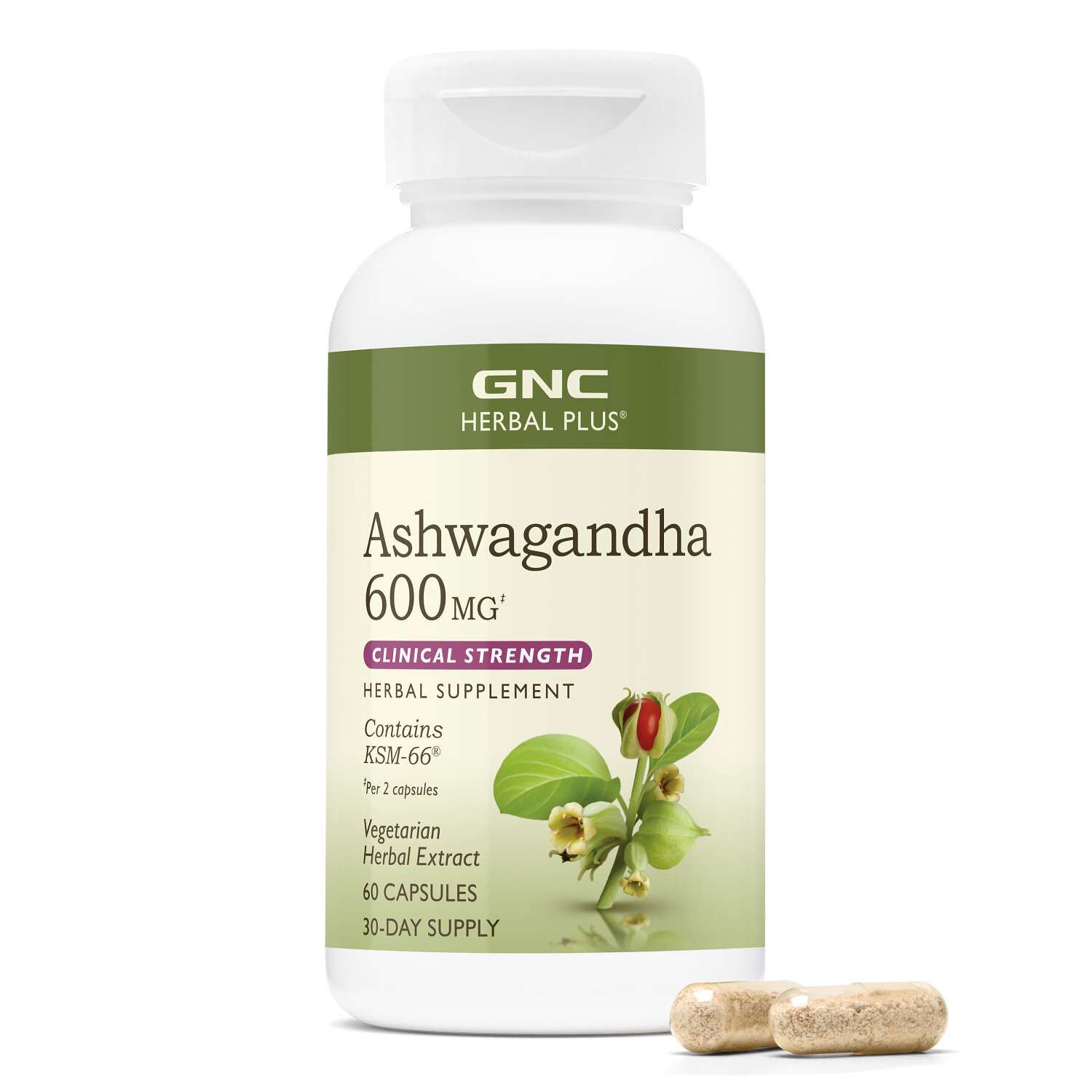
-
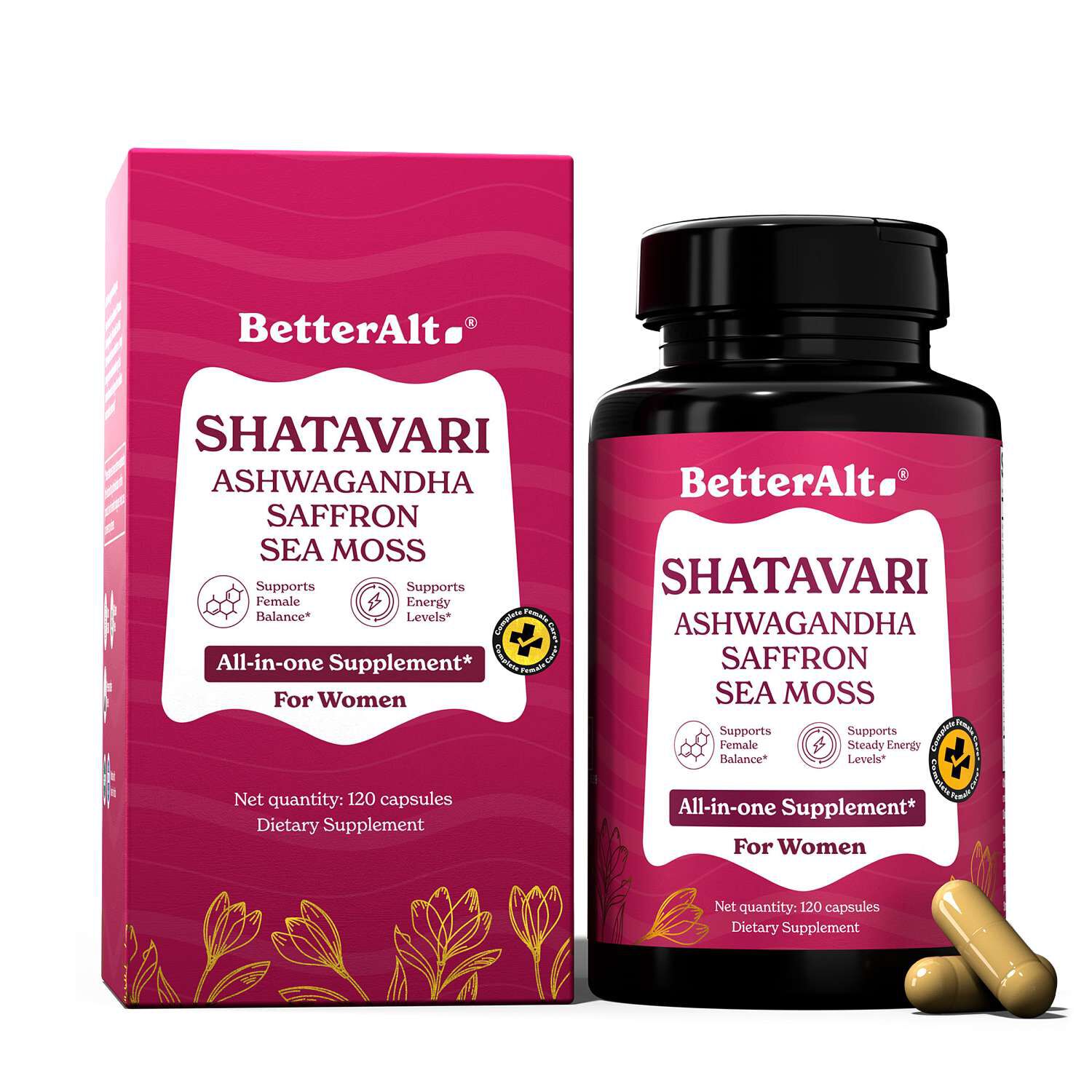 BetterAlt$39.99
-
-

-
 Purity Products$39.99
-
-

-

-
-
 You Matter Wellness$49.99
-
-
-
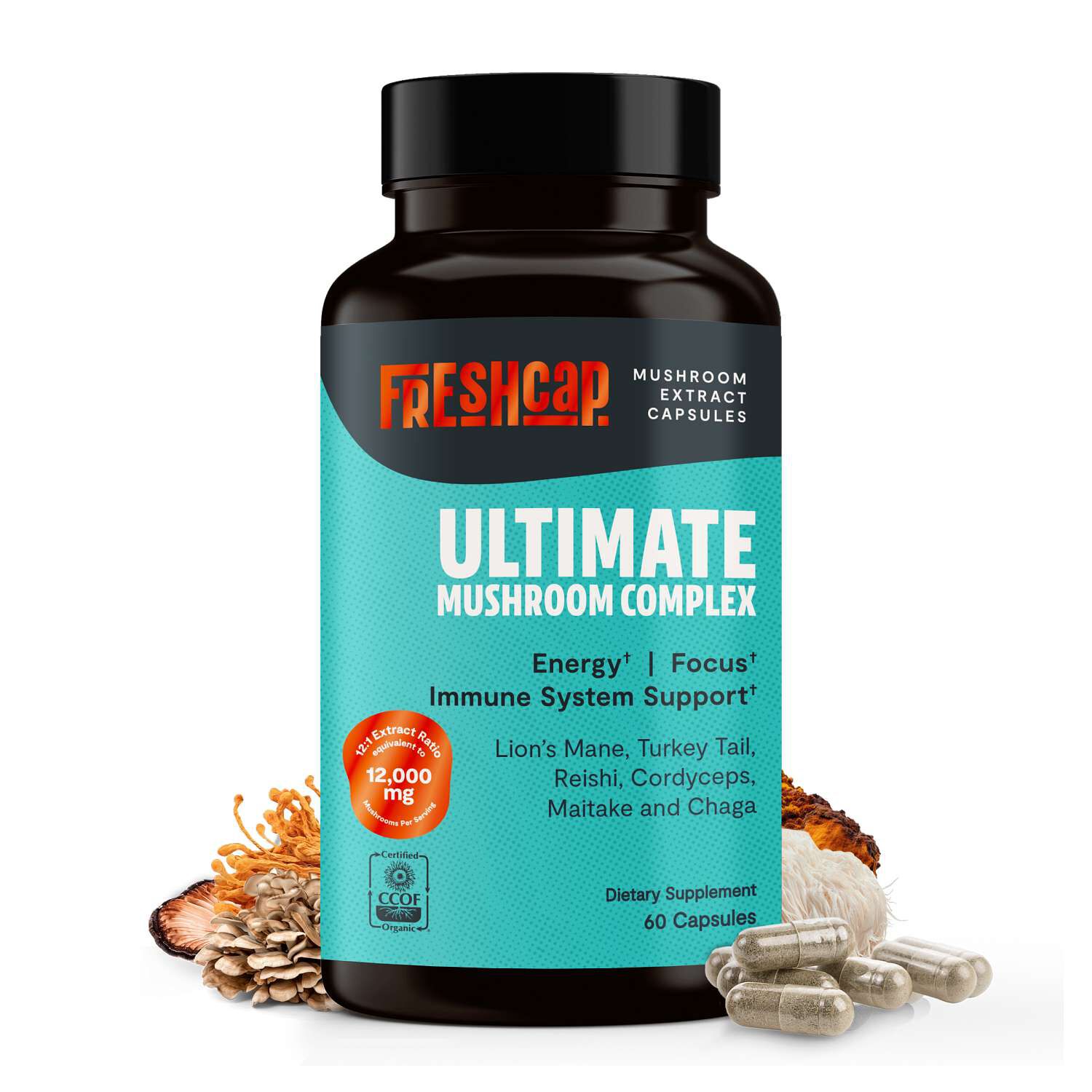
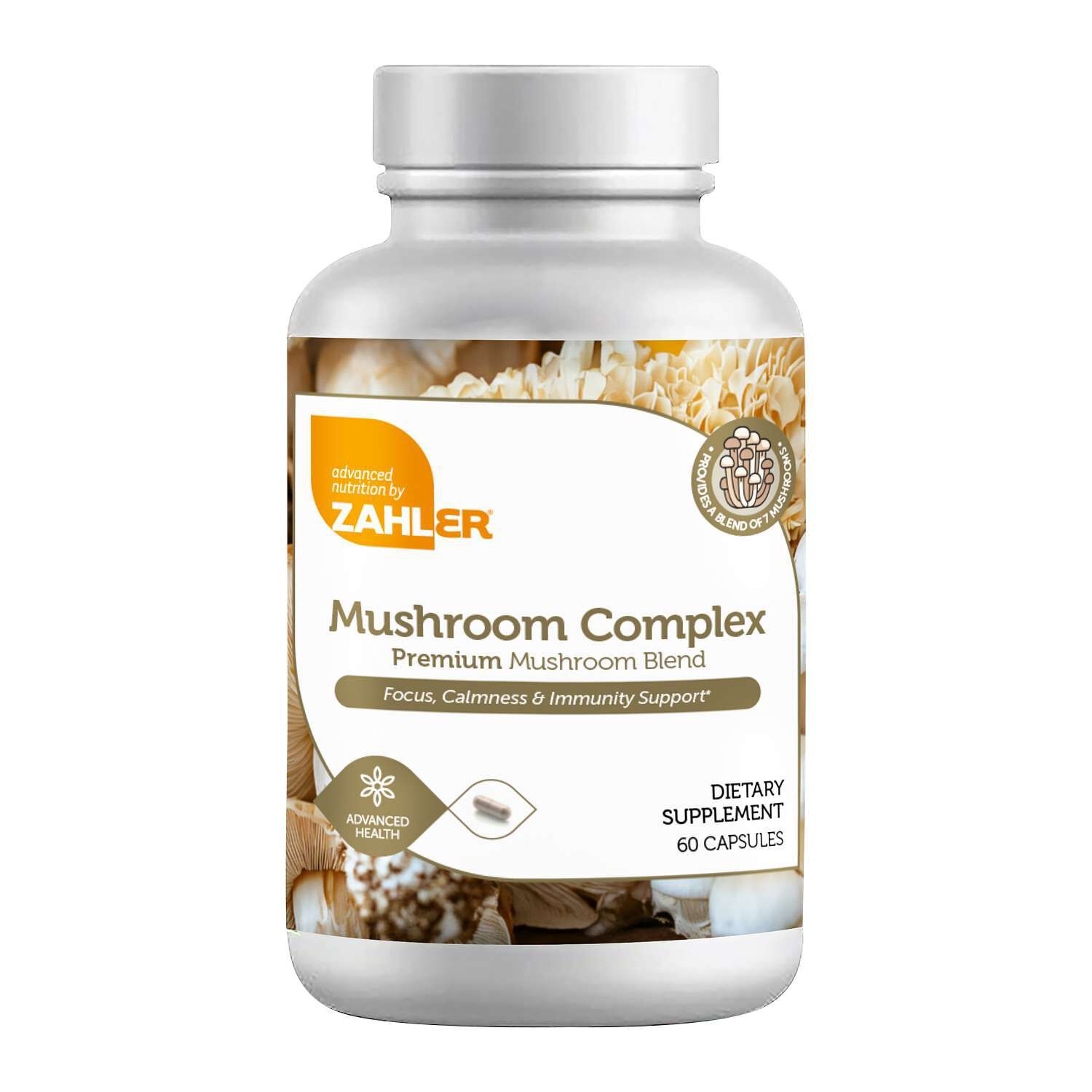

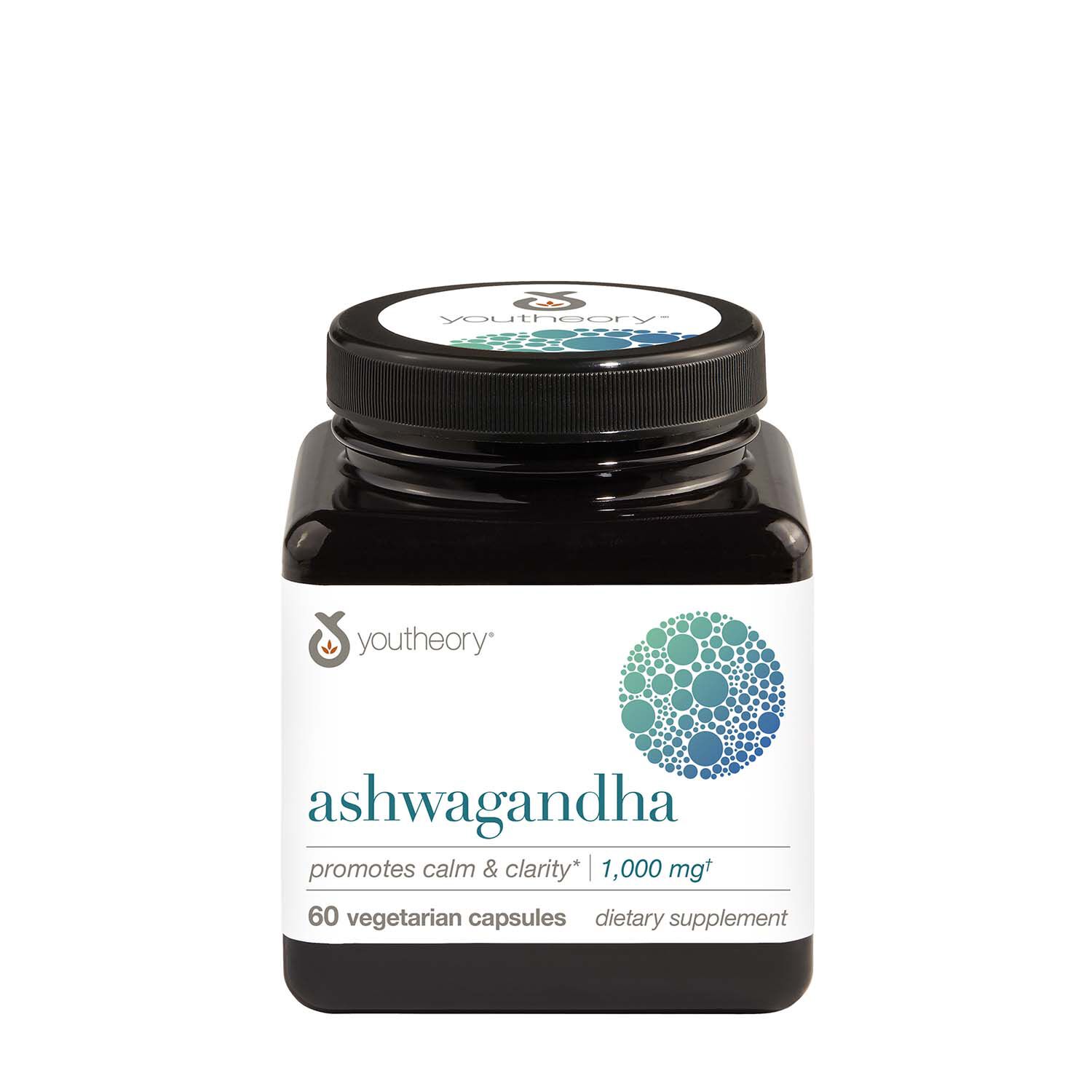
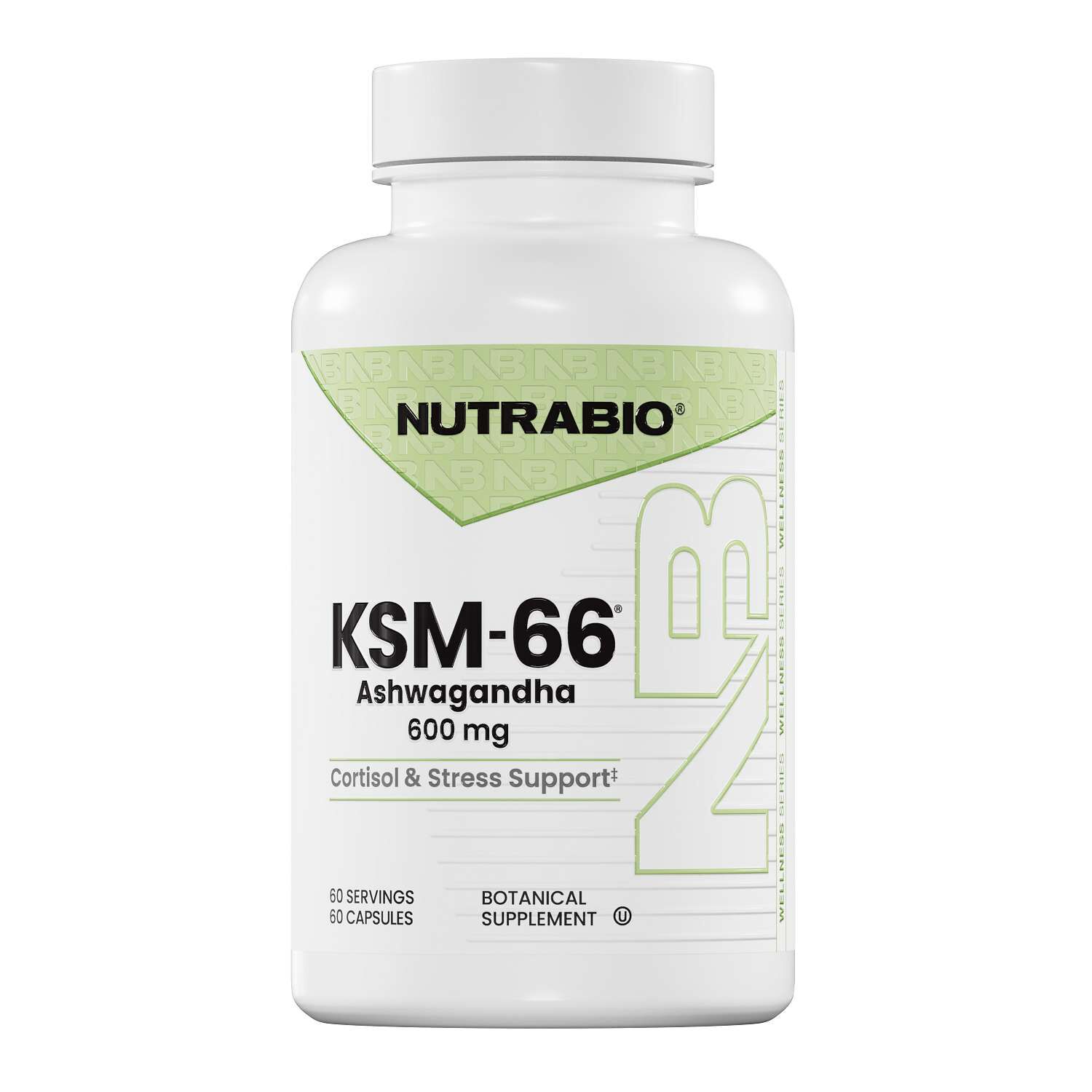
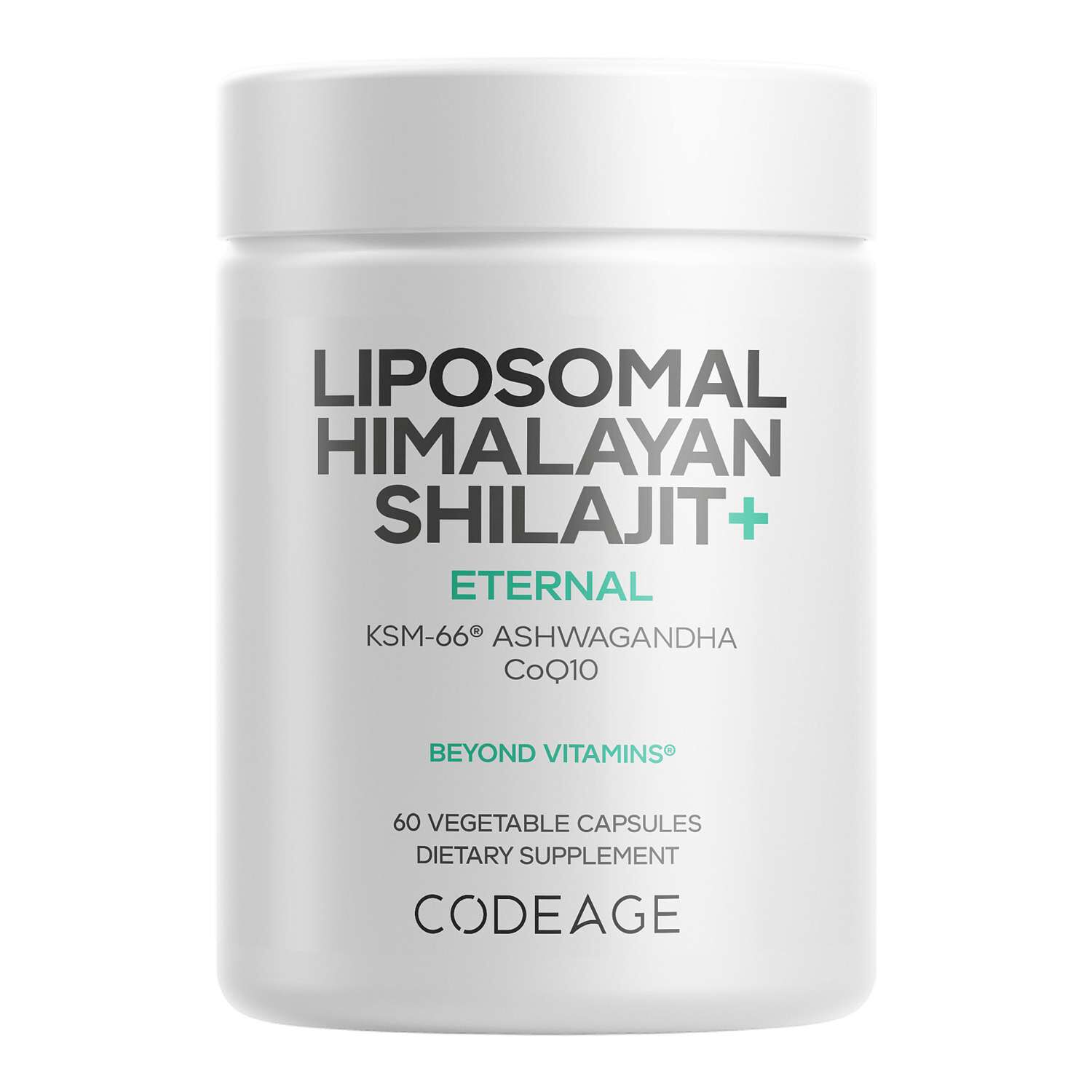
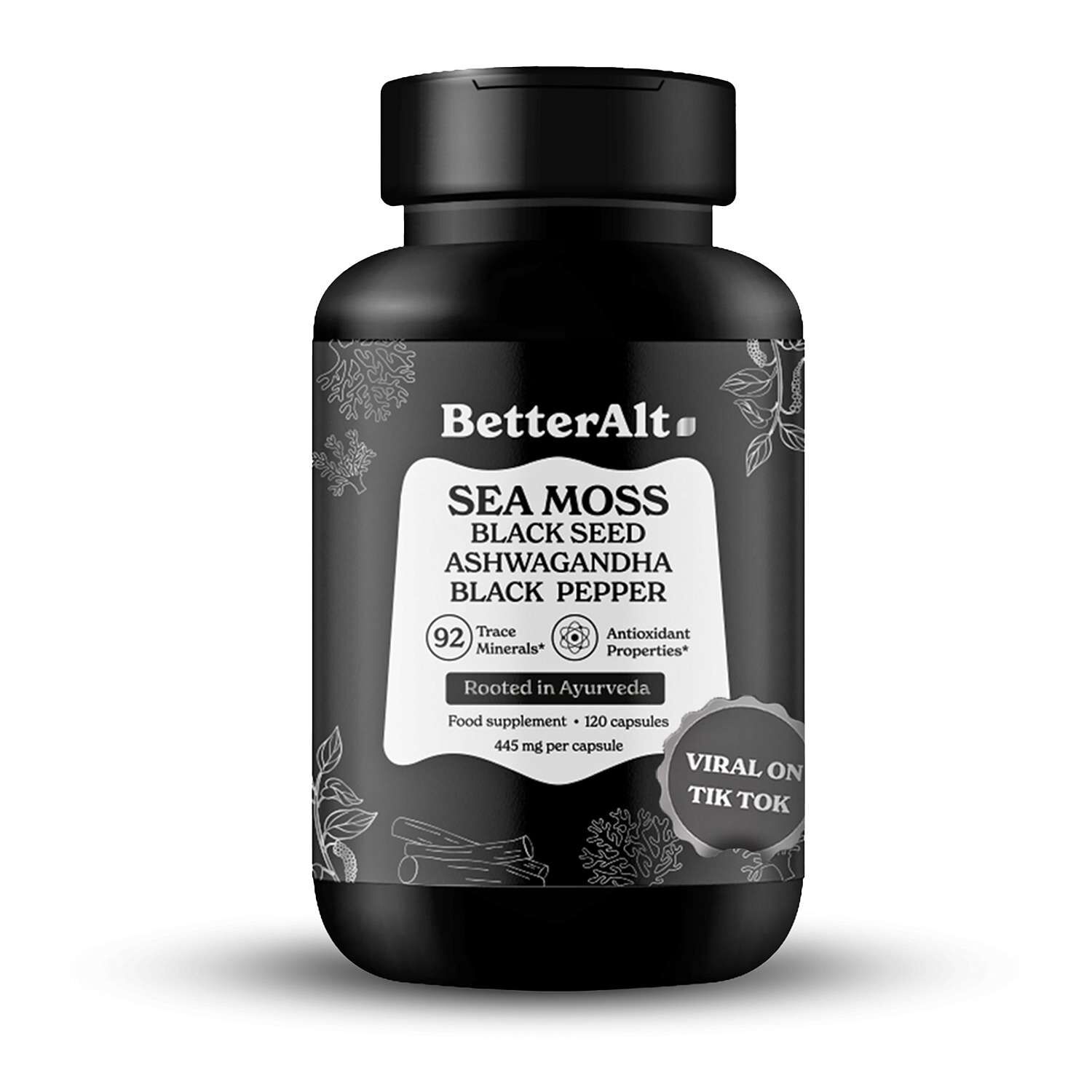
Adaptogenic herbal supplement blends combine botanical ingredients, sometimes alongside mushroom extracts, in formulas that may support a balanced response to everyday stress. The term adaptogenic is associated with resilience and everyday well-being, rather than one particular plant or a single ingredient list. Ashwagandha, rhodiola, holy basil, and schisandra are examples of botanicals often associated with this category; some blends also include mushrooms such as reishi or cordyceps. Mushroom ingredients are fungi rather than herbs, even when they appear in the same formula. These combinations bring different roots, leaves, fruits, and extracts together in capsules, tablets, powders, or liquids, giving the category considerable variety in both composition and intended use. Someone with a calendar full of meetings may prefer a straightforward capsule format, while a person who already mixes a daily beverage may be more interested in a powder. Those preferences concern convenience and taste, not a reason to expect one format to work better than another. Adaptogenic blends are commonly explored by adults interested in adding botanicals to an established wellness routine. They belong alongside ordinary habits such as regular meals, movement, and time to unwind, rather than serving as substitutes for those habits. A blend’s name alone does not describe everything inside it: two formulas described as adaptogenic can feature entirely different botanical combinations and serving amounts. Some keep the ingredient list focused on a few herbs; others combine botanicals with mushroom ingredients, vitamins, minerals, or additional components. That distinction matters for someone seeking a botanical-focused formula versus someone interested in a broader combination. Useful background includes which ingredients a formula contains, which parts of each plant are used, and how a serving is defined. The category encompasses a range of formulations rather than a single universal experience, and any potential effects may vary with the ingredients and the individual.
The composition of an adaptogenic herbal blend starts with the identity and preparation of its ingredients. A botanical listed as a root powder is different from an extract made from that root, and a leaf extract describes a different source material again. Botanical names and plant-part descriptions provide more detail than a familiar herb name on the front of a container. Extraction information, such as a stated ratio or the identification of particular plant compounds, can add context, but those details do not by themselves establish how two blends compare in use. A larger milligram amount is not automatically a reason to prefer one formula, particularly when the preparations differ. Serving size is another important distinction: the amount shown for a serving may refer to two capsules, a measured scoop, or a specified volume of liquid rather than a single capsule or an unmeasured spoonful. The Supplement Facts panel identifies dietary ingredients and serving size, while the other ingredients list provides information about capsule materials, flavors, sweeteners, and components used to make the finished supplement. When a proprietary blend is listed, the combined amount may appear without separate quantities for every ingredient within that blend. Capsule shells may be made with gelatin or plant-derived materials, a relevant distinction for adults with vegetarian preferences. Powders may contain flavoring ingredients or sweeteners, while an unflavored botanical powder can have an earthy, bitter, or naturally aromatic character. Texture matters, too: a powder intended for mixing may need stirring or shaking and may leave some sediment, depending on its ingredients. These sensory details can shape whether a format fits comfortably into an existing routine. Dietary preference statements, allergen information, and any independent testing descriptions add another layer of context when they appear on the label. A clearly identified certification describes its own set of criteria; it does not make every other feature of two formulas equivalent. Together, these details offer a more grounded picture of a blend than a prominent ingredient name or a short description on the front panel.
Format and packaging also influence how adaptogenic herbal supplement blends fit into ordinary life. Capsules and tablets involve no mixing and avoid the direct taste of the botanical powder, while powdered and liquid formats bring measuring tools, preparation, and flavor into the experience. Adults who prefer a pill format can also explore Adaptogen Pills when considering that style of supplement. A compact bottle may suit someone who wants a simple addition to an established routine, whereas a powder may appeal to someone who already keeps a shaker cup or mixing spoon nearby. Neither preference determines the ingredient combination, so the format and formula remain separate considerations. Directions vary among supplements and describe the intended serving, frequency, and any preparation requirements for that particular formula. A scoop from another container or an ordinary kitchen spoon may not match the measurement specified on the label. Packaging helps keep those details accessible: the original container retains the ingredient list, directions, date information, and storage instructions in one place. For botanical powders, a securely closed lid also limits exposure to moisture that can contribute to clumping. A dry cabinet away from sink splashes and direct sunlight is often a more suitable storage location than an open shelf beside a steaming kettle, subject to the package directions. Liquid formulas may have different storage requirements after opening, and their labels provide the relevant details. Container size deserves practical consideration as well, since serving counts and amounts per serving can differ even between similarly sized bottles. For a person building a consistent wellness routine, a manageable preparation process can matter as much as whether the blend comes in a capsule or a scoop. Thoughtful selection centers on a clearly described formula, a format that suits personal preferences, and packaging that makes the intended use and care straightforward.
Best Sellers
-
GNC Herbal Plus
-
GNC Herbal Plus
Related Pages


Top Collections
- Zinc Supplements | Top Brands at Great Prices | GNC
- Cortisol Supplements
- NAD+ Supplement Tablets
- Top Rated Collagen | Shop Customer Favorites | GNC
- Best Brand of Magnesium Glycinate
- Peptide Supplements
- Vitamins That Help Support Weight Gain
- Protein Powders For Muscle Growth Support
- Vitamins For Hair Loss
- Peptide Supplements for Muscle Growth