

Adult Enhancers
(0 Results)
Explore a diverse range of adult enhancers that could support your lifestyle and wellness goals. Whether you're looking to potentially increase energy, improve vitality, or support overall well-being, these products might offer the enhancement you seek. With various formulations available, finding the right option to complement your routine may become an exciting journey toward enhanced personal wellness. Dive into the world of adult enhancers and discover how they might make a difference in your everyday life.
-

-
-
-
-
-
-

-
 2,035$119.99
 -
-
-

-

-

-
-
-

-
-
-
-
-
-
-
Adult sexual wellness products are a personal category, bringing together supplements and topical formats with different intended uses, ingredient profiles, and application methods. Some are marketed around desire or stamina, while others center on the sensory experience of intimacy. These descriptions identify a product’s purpose rather than establish what an individual will experience. A capsule, gel, and spray are distinct formats, not interchangeable versions of the same thing, and their labeling provides important context for comparison. For adults browsing this category, a useful starting point is the relationship between the format and the occasion: a supplement with a labeled serving schedule belongs to a different routine than a topical product intended for a particular moment. Preferences also vary between individuals and couples. One person may value straightforward packaging and a short ingredient list, while another may be more interested in texture, fragrance, or the way a container dispenses its contents. Sexual wellness is personal, and a product’s positioning does not establish a standard that anyone needs to meet. Intimacy can mean making room for connection during a busy week, setting aside an evening without distractions, or having an open conversation about preferences. Products may play a supporting role in those moments, but they do not replace mutual agreement or communication. Nor does a label aimed at a particular audience explain every aspect of suitability. Intended age group, directions, ingredients, and product-specific cautions offer more concrete information than imagery or a bold name on the front of a package. The category is best understood through these practical distinctions, with attention to what a product is, how its label describes its use, and how that use fits the preferences of the adults involved. That perspective keeps the focus on personal choice rather than performance comparisons or expectations borrowed from advertising.
For supplement formats, meaningful differences often appear in the serving information and ingredient panel. Capsules, tablets, softgels, and powders each have their own handling and storage considerations, and package quantity is not necessarily the same as the number of servings. A bottle containing several dozen capsules, for example, may have a labeled serving consisting of more than one capsule. Botanical ingredients may be identified by plant name, plant part, and preparation, while other formulas may include amino acids, vitamins, or minerals. The amount listed for an individual ingredient provides different information from the combined amount listed for a blend. Those details describe composition; they do not, on their own, establish a particular outcome. A longer ingredient list also does not explain whether a formula will suit someone’s preferences better than a simpler one. The surrounding ingredients deserve attention as well. Capsule shells, coatings, flavors, sweeteners, and other components can matter to shoppers with dietary preferences or a strong dislike of certain tastes and textures. Clearly stated serving directions, storage requirements, and ingredient amounts make comparisons more grounded than broad language about performance. For adults also browsing adjacent categories, supplement options offer another point of comparison for formats and labeling. The distinction between a dietary supplement and a topical product remains important throughout that browsing process: one is labeled for ingestion, while the other has its own application directions and limitations. Neither format should be assumed to produce an immediate or predictable experience. Packaging language about botanical origins or traditional use is background information, not proof of a particular effect. Likewise, a familiar ingredient name does not make two formulas equivalent when their amounts, combinations, and directions differ. In a category with highly personal expectations, a clearly described formula and a readable label provide a more tangible basis for selection than dramatic wording or elaborate presentation.
Topical sexual wellness products introduce another set of practical considerations, including consistency, application area, dispensing style, and compatibility with materials. A thin liquid, a gel, and a cream can differ in how they pour, spread, and feel during application. Fragranced and unfragranced formats also create different sensory experiences, particularly for someone who prefers little scent in personal-care products. Water-based, silicone-based, and oil-based compositions are not interchangeable, and compatibility with barriers, accessories, fabrics, or other surfaces depends on the specific formula and its labeling. A broad category name does not establish that a topical is suitable for every intimate use. Application directions and stated limitations are therefore part of the product’s intended use, rather than secondary details. Packaging matters in everyday settings, too. A secure cap, a legible label, and a dispenser that is straightforward to handle can be meaningful features when a container is kept in a bedside drawer or packed for an overnight visit. Container durability concerns the closure and package construction, while the contents have their own dated and labeled storage requirements. Original packaging keeps those details connected to the formula, including ingredient information, directions, and any instructions for care after opening. A bathroom shelf, travel bag, and bedroom drawer may have different temperature and moisture conditions, so the label remains the reference for storage. Privacy is another practical preference: some adults favor understated packaging, but discretion is not the same as product suitability. As a gift, an intimate wellness product is most appropriate when the recipient has expressed interest and the choice reflects an existing conversation, rather than an assumption about their body or desires. For couples, shared preferences about scent, texture, and intended use may matter more than decorative presentation. For individuals, a manageable format and clear instructions may be the more relevant details. Across the category, thoughtful selection comes down to recognizable ingredients, accurate descriptions, suitable packaging, and realistic expectations. Adult intimacy has no single required routine, and these products are optional additions to a personal experience shaped by comfort, consent, and connection.
Best Sellers
-
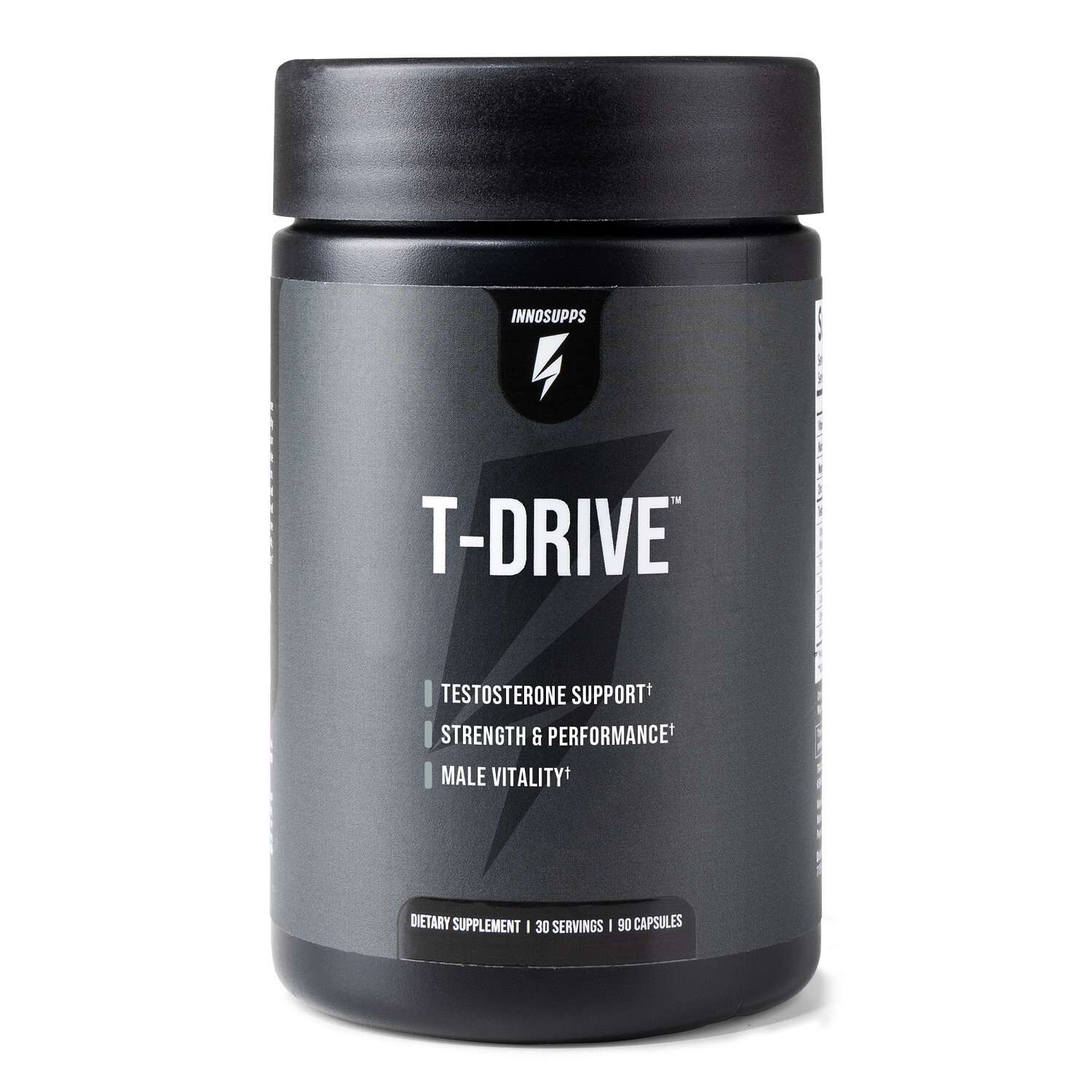 Inno Supps
 -
Novex Biotech
-
 SNAP Supplements