Supplement Enhancers
(0 Results)
Supplement enhancers could be a valuable addition to your wellness routine, offering a variety of options designed to complement your daily supplements. Whether you’re looking to support your fitness goals or optimize your nutritional intake, supplement enhancers may provide targeted solutions tailored to your needs. Explore a wide selection that might help you get the most out of your favorite vitamins, minerals, and proteins.
-
-

-
-

-

-

-
-

-
.png?sw=305&sh=305&sm=fit "T-Booster - 90 Capsules (30 Servings) | GNC")
-

-
-

-

-
-
-
-

-
-
-
-
-

-
-
 Angry Supplements$14.99
Dietary supplements for fitness and everyday nutrition span several categories, from protein powders and amino acid formulas to creatine, caffeine-containing blends, and vitamin and mineral combinations. These categories are not interchangeable: each has a different composition, intended use, and body of research behind it. The strongest comparison starts with the ingredient itself, its amount per serving, and the purpose described on the label, rather than a dramatic name or an especially long ingredient list. Creatine monohydrate may support performance during repeated, short bouts of high-intensity exercise, such as successive sets of resistance training. Caffeine may support alertness and exercise performance, while supplemental protein may support muscle maintenance and recovery after exercise when considered alongside dietary protein intake. Those possibilities do not mean every formula containing these ingredients has been studied, or that everyone will have the same experience. Research on an individual ingredient does not automatically establish the results of a finished blend, especially when serving amounts or ingredient combinations differ. A straightforward formula with clearly stated quantities offers a different shopping experience from a blend that lists several ingredients under one shared amount. Both the ingredient panel and the suggested use provide important context for understanding what a supplement contains. For someone beginning a strength-training routine, that context might center on protein already present in meals and the convenience of another format. For an experienced recreational athlete, it might center on a specific ingredient, a clearly disclosed serving, or testing relevant to organized sport. Supplements belong within the larger picture of meals, movement, hydration, and sleep rather than standing in for those habits. Their relevance depends on the individual routine, not simply how many ingredients fit into a container. A focused selection can be easier to understand than a collection of overlapping formulas, particularly when several labels feature the same ingredients under different names or in different combinations.
Format makes a meaningful difference in how a supplement fits into daily life, even when the ingredient of interest is similar. Powders typically involve measuring and mixing, so serving weight, scoop directions, texture, flavor, and the suggested mixing liquid all matter. A scoop describes a measuring tool; the gram amount on the label gives a more precise reference for comparing servings. Capsules and tablets offer a portioned format without a shaker or mixing step, although one labeled serving may consist of several pieces. Chewable formats may include sweeteners, colors, and other ingredients that deserve the same attention as the featured nutrients. Unflavored powders may suit someone who prefers a simpler flavor profile, but unflavored does not necessarily mean a powder has no taste or noticeable texture. A drink mixed with water may also taste and feel different from the same powder stirred into milk or another beverage. These practical details matter to the person carrying a shaker to a workout, keeping a container in a kitchen cabinet, or packing a serving for a day away from home. Label transparency adds another layer to the comparison. Ingredient names, quantities, serving size, allergen statements, and suggested use help distinguish formulas that otherwise look similar from the front of the package. Dietary preferences may also shape the choice, including the source of a protein, the material used for a capsule shell, and the presence of particular sweeteners. Independent testing and certification provide a separate kind of information from marketing language. Depending on the program, testing may examine ingredient identity, labeled amounts, or specified substances. The scope matters: a testing mark is not evidence that a supplement will produce a particular fitness result. Likewise, terms suggesting quality do not replace a readable ingredient panel or a clear explanation of what was evaluated. Within a broader selection of Premium Supplements, those concrete details offer a useful basis for comparing composition, format, and intended use without treating every formula as equivalent.
A supplement that fits an actual routine is often more relevant than one selected around an ambitious claim. Someone who exercises after dinner may approach caffeine-containing formulas differently from someone who trains early in the morning. A person who enjoys preparing shakes at home may prefer a powder, while someone with a tightly scheduled commute may value a format with fewer preparation steps. Neither preference establishes that one format is more effective; the ingredient, serving, and intended use remain central. The same distinction applies to flavor and texture. A rich, dessert-style shake and a lightly flavored drink create different experiences, but taste alone does not establish nutritional suitability. Protein content, carbohydrate content, ingredient sources, and serving directions provide the context behind that experience. Combining several formulas also deserves careful attention because a pre-workout blend, a separate caffeine product, and another sports supplement may contain overlapping ingredients. A clear view of the combined amounts is more informative than reading each front label in isolation. Packaging and storage matter over the life of the container as well. The printed storage directions, date marking, seal, and closure are practical considerations for powders, capsules, tablets, and chewable formats alike. Moisture exposure, repeated handling, and leaving a container open may affect its condition, so the package directions remain the reference for care. A dry measuring utensil and a securely closed lid are simple handling details relevant to many powders, subject to the instructions on the container. Transferring a supplement to another container can separate it from its ingredient information, lot code, and suggested use; keeping that information accessible preserves useful context. Across this category, thoughtful shopping centers on a recognizable purpose, understandable ingredients, suitable serving amounts, and a format that works with everyday habits. Those distinctions give substance to the selection, whether the focus is resistance training, recreational exercise, or a convenient addition to an established nutrition routine.
Best Sellers
-
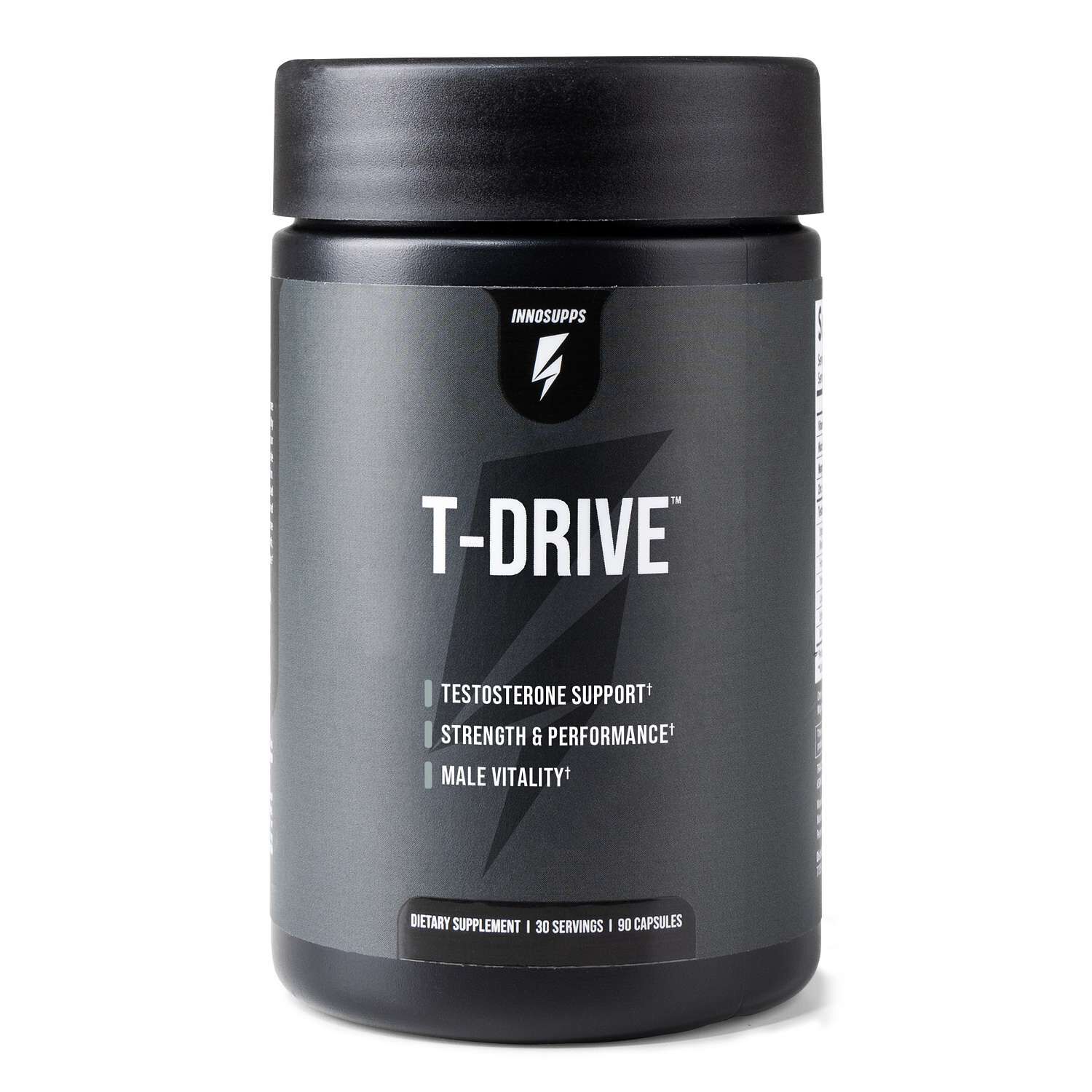 Inno Supps
-
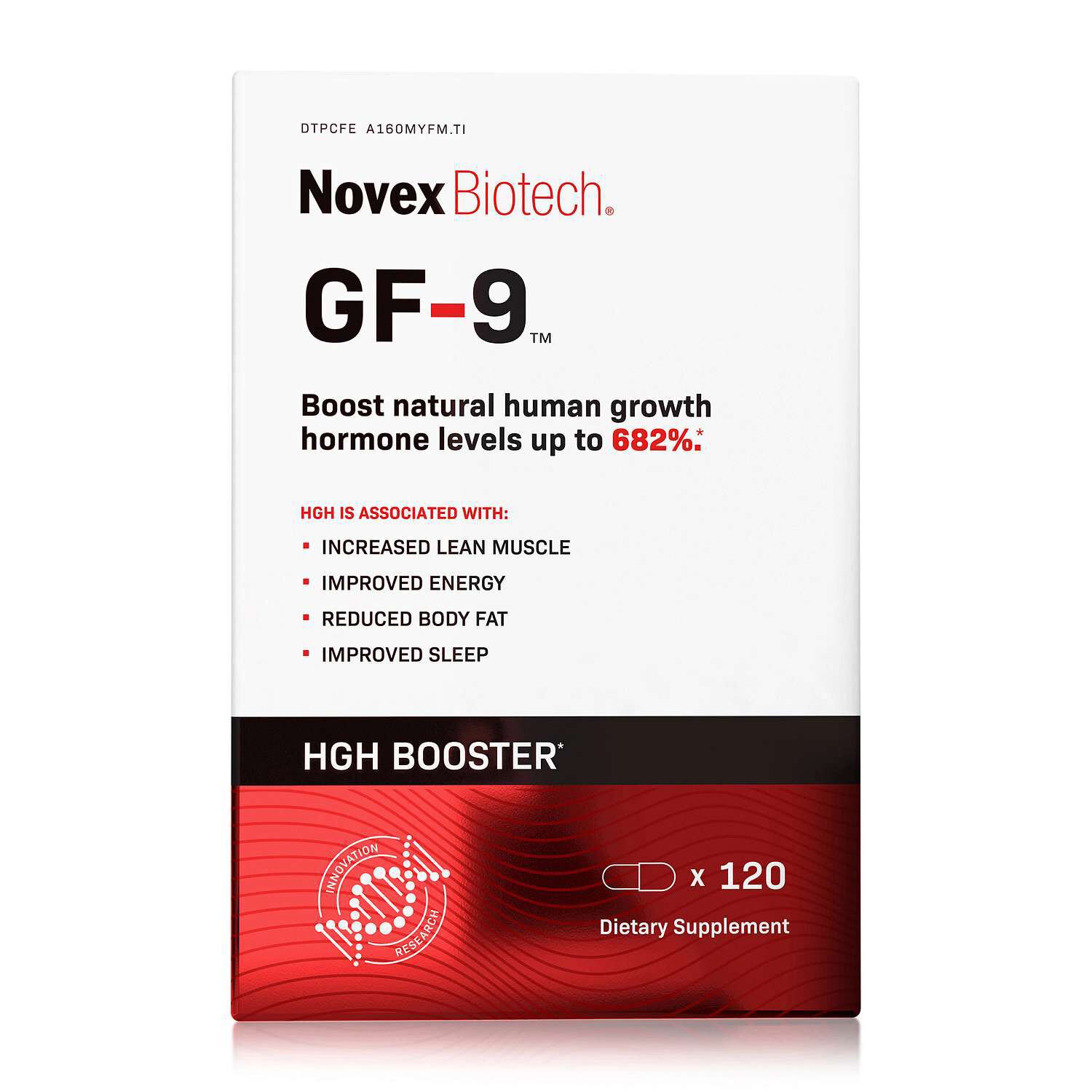 Novex Biotech
-
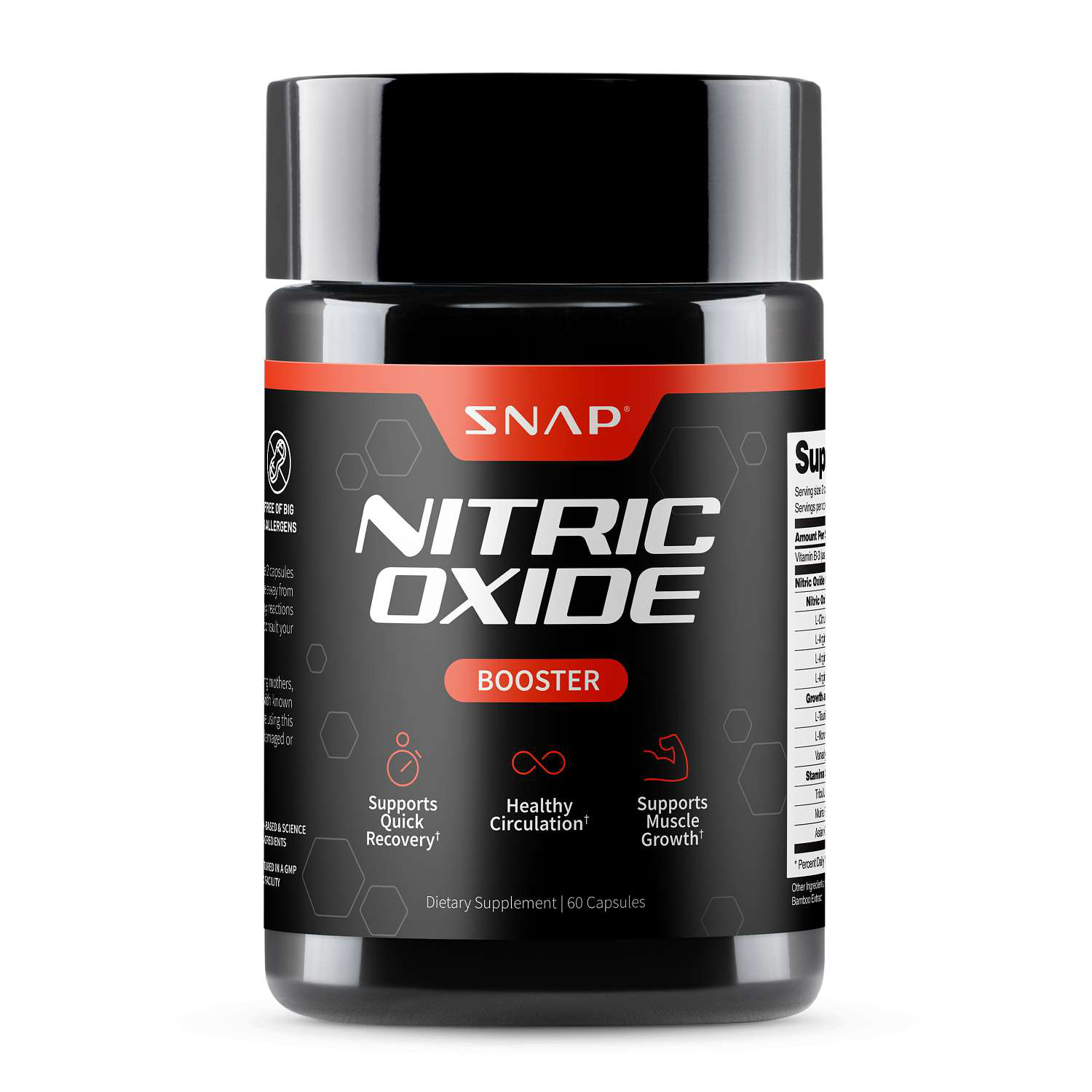
SNAP Supplements