Additions For Training Supplements
(0 Results)
Elevate your fitness routine with the right additions for training supplements. Whether you're looking to support muscle growth, improve endurance, or aid in recovery, incorporating the right supplements into your regimen could make a significant difference. From pre-workout boosters to post-workout recovery aids, discover a range of options designed to help you achieve your fitness goals. Explore how these additions for training supplements might optimize your performance and contribute to a more effective training plan.
-
-

-
-
-
 Basic Supplements$24.99
 -
-
-
 Swolverine$19.99
 -
 $19.99
 -
-
-

-
-
-
-
-
-
-
-

-
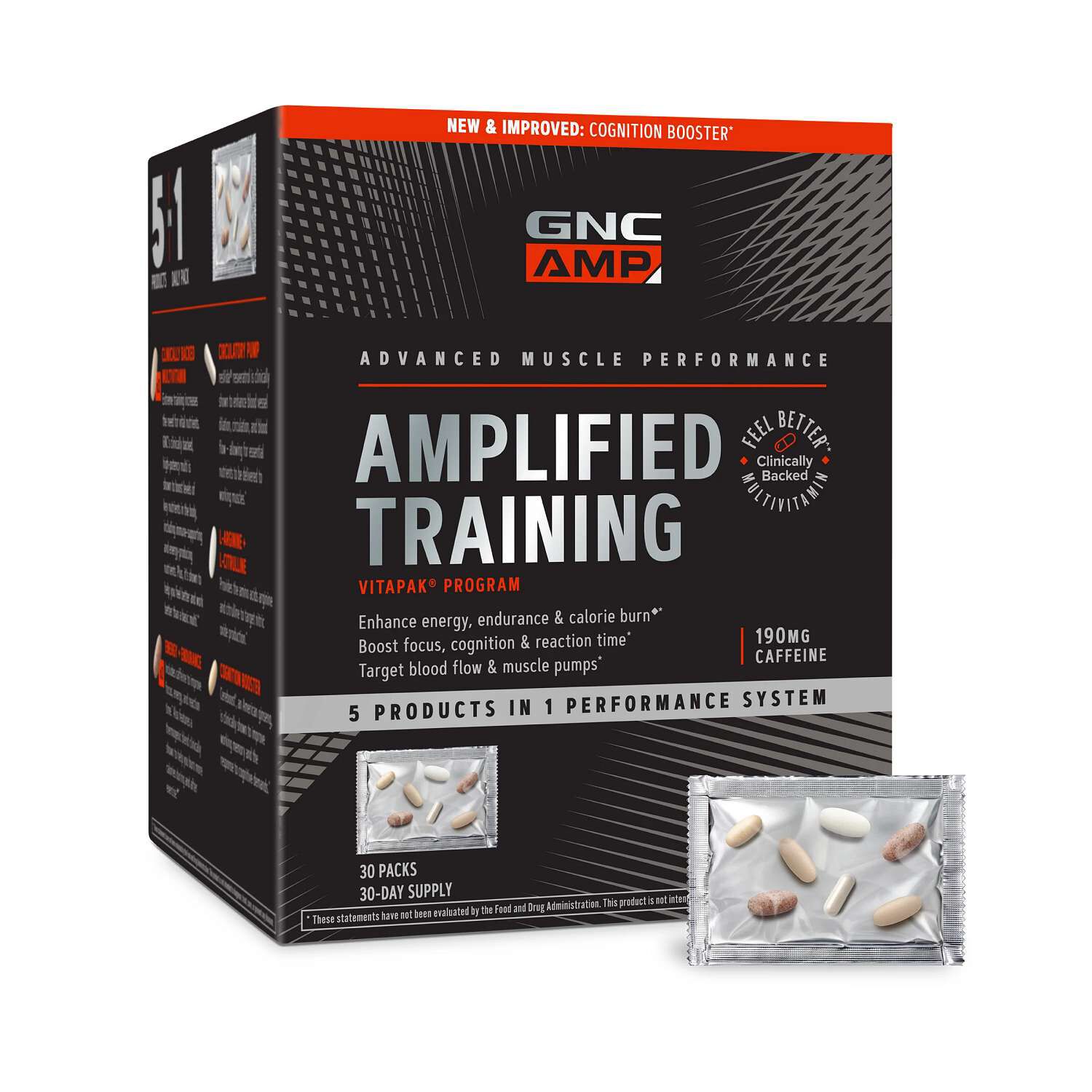
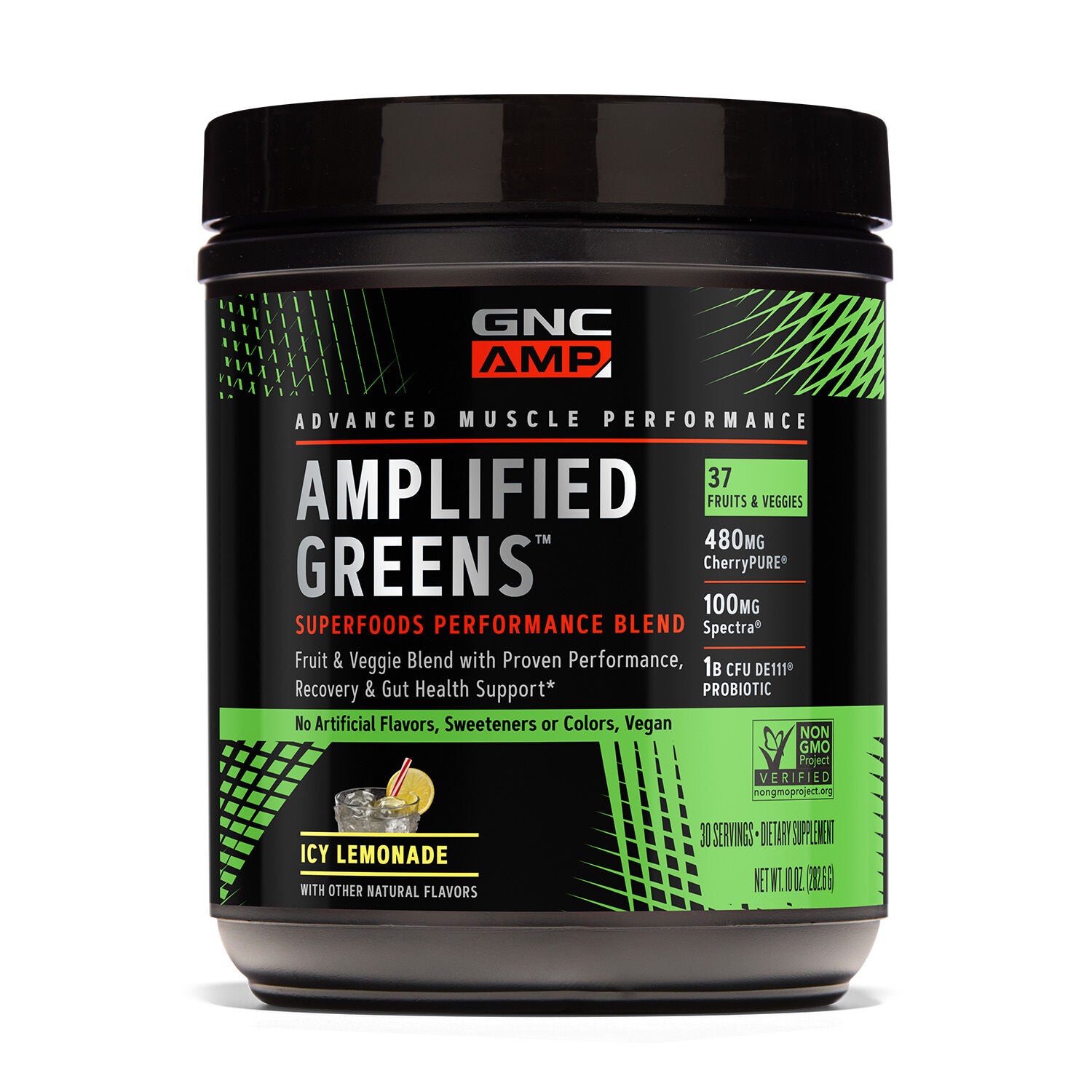


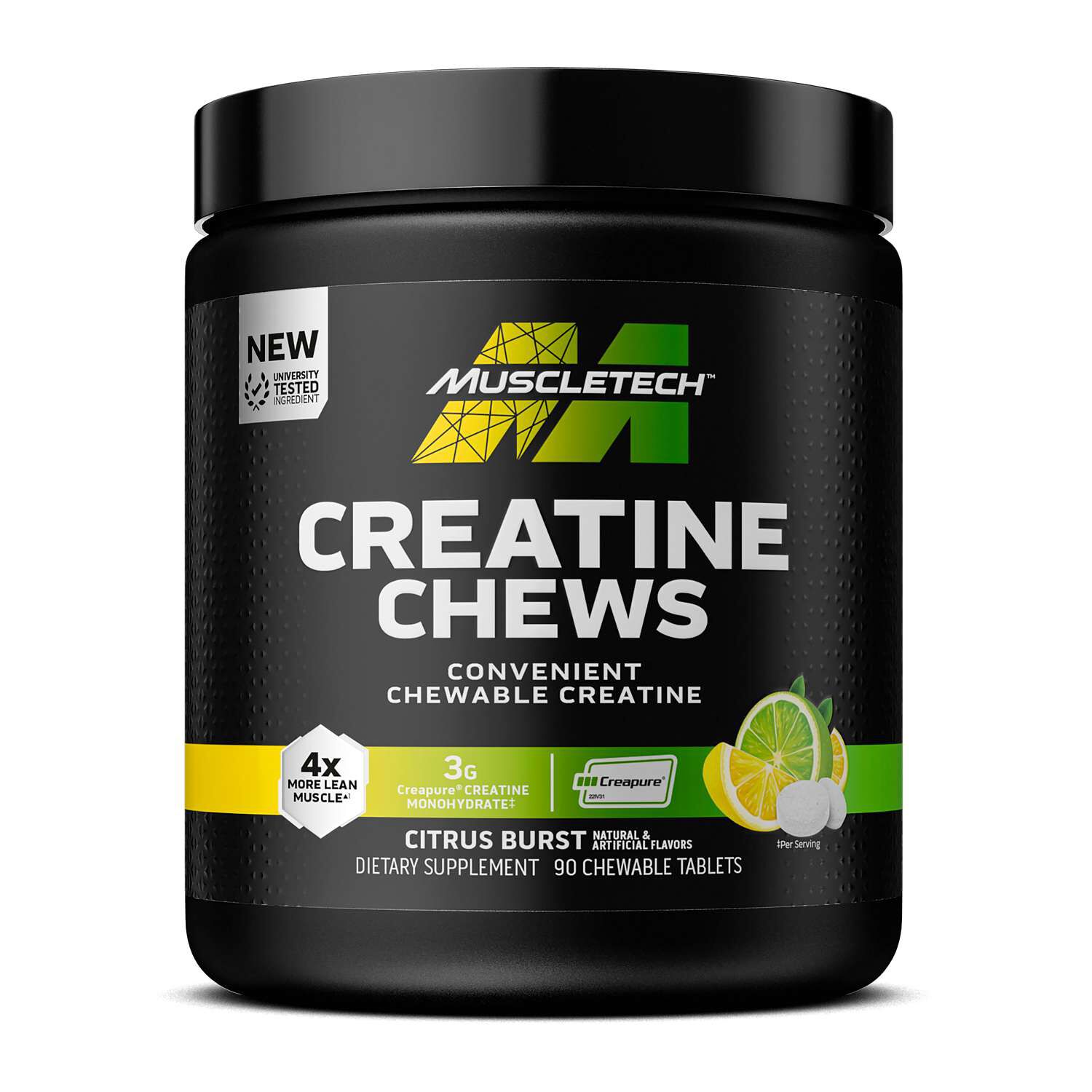
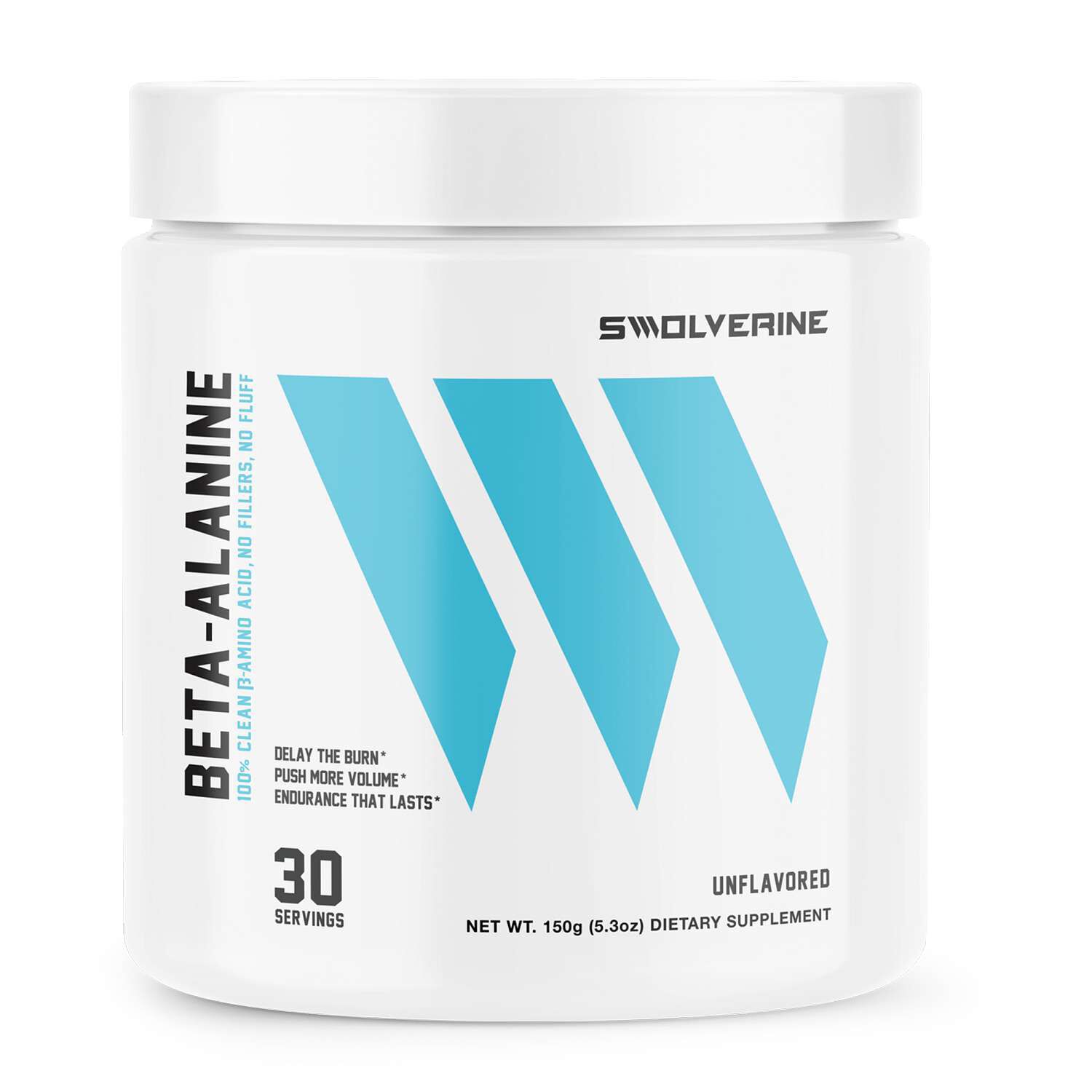
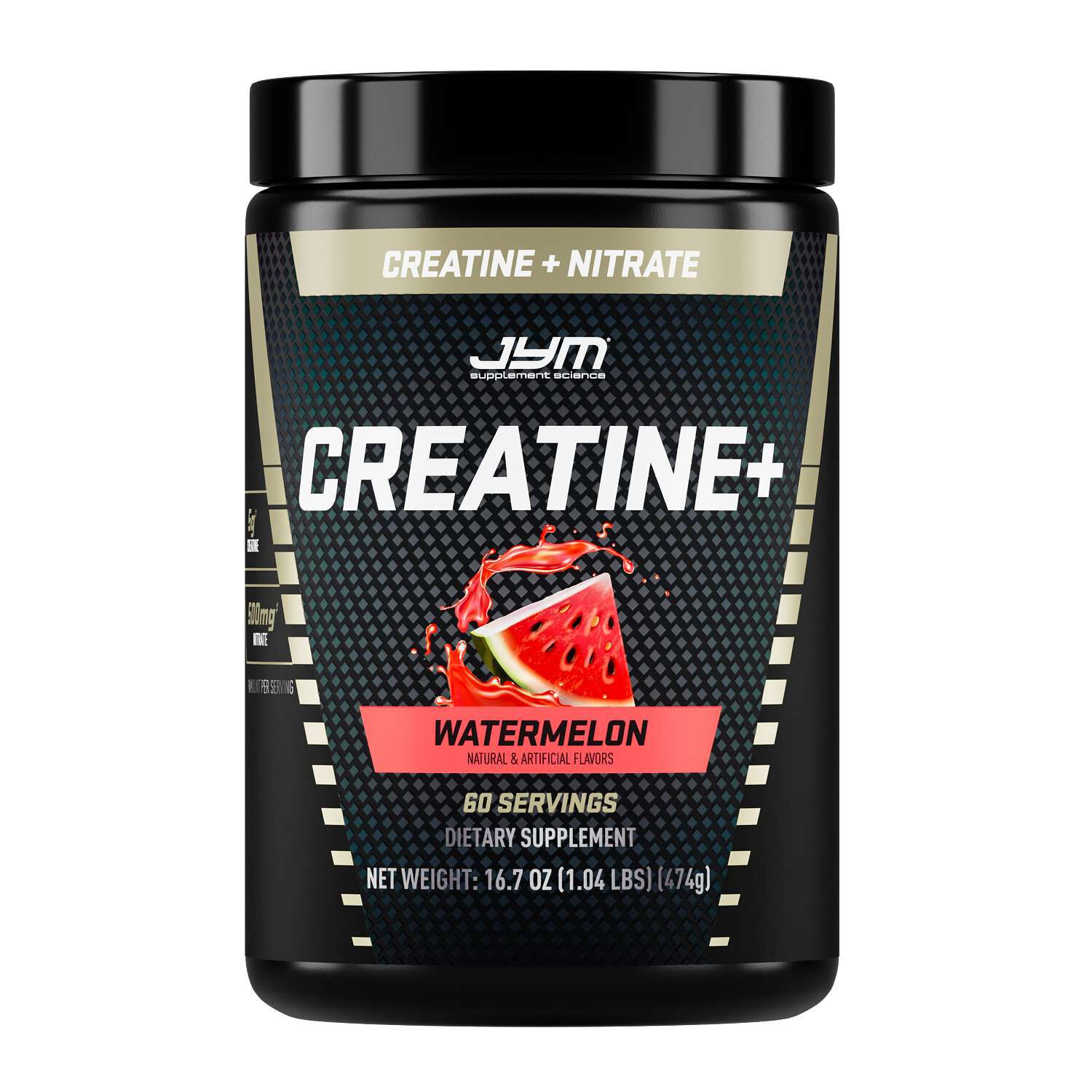
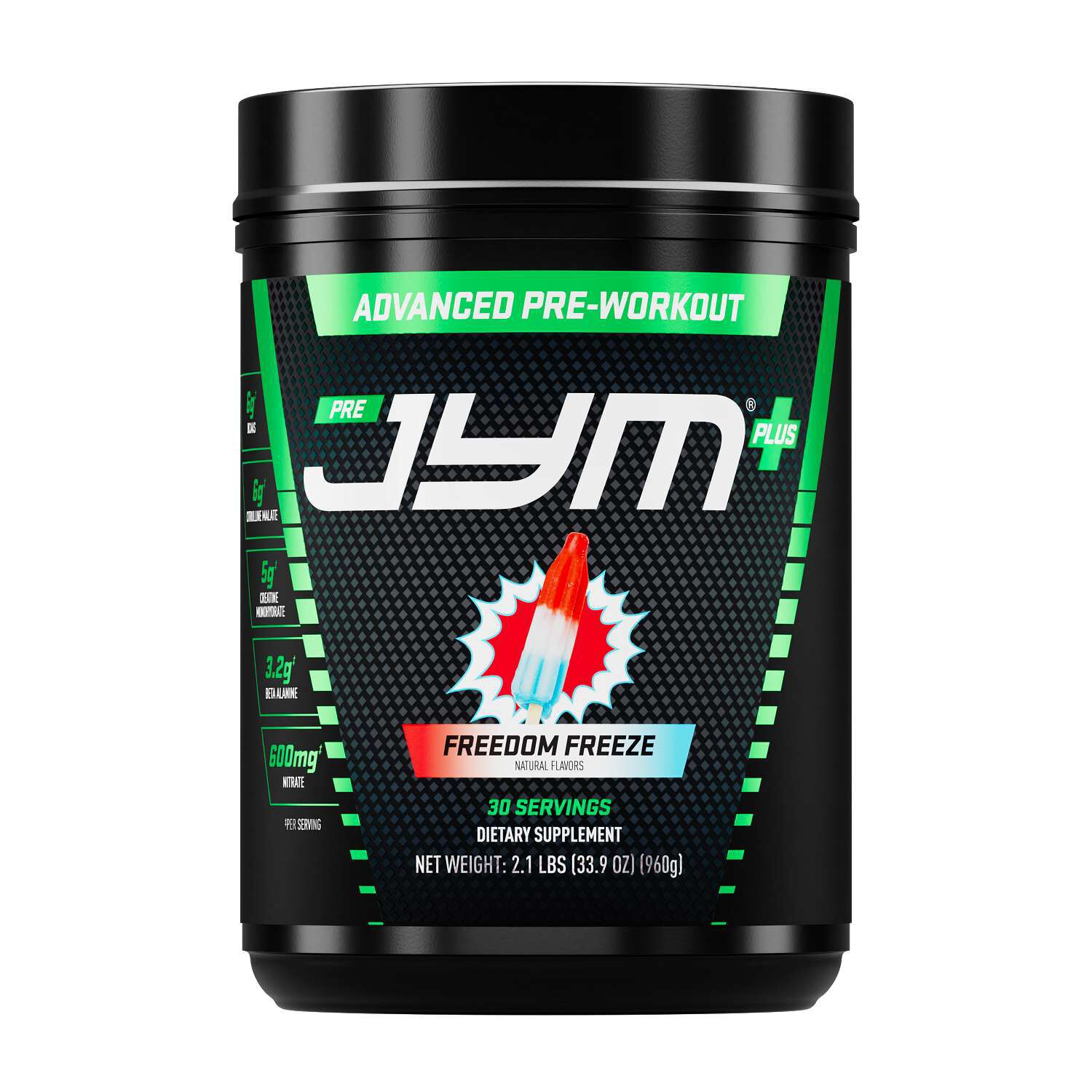
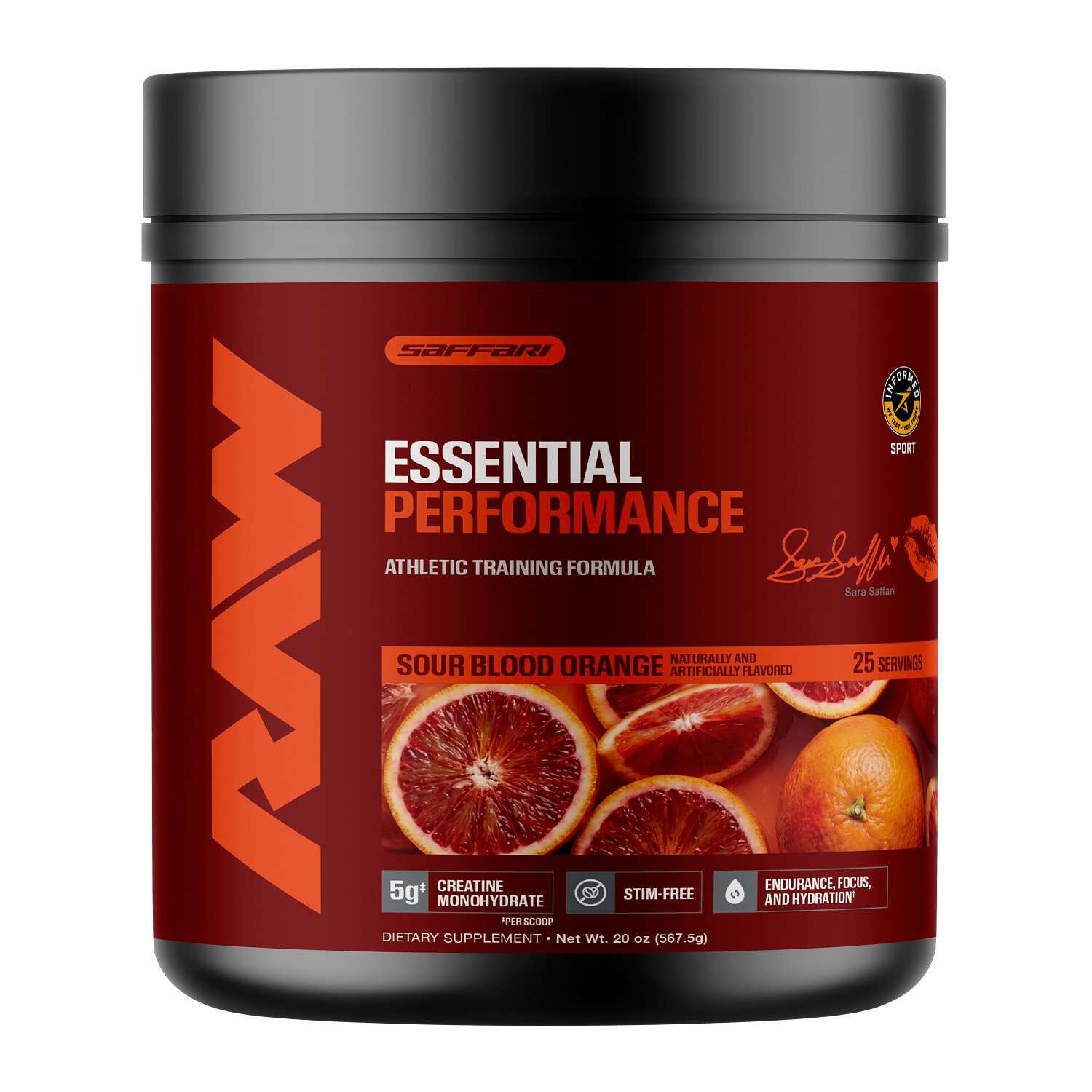
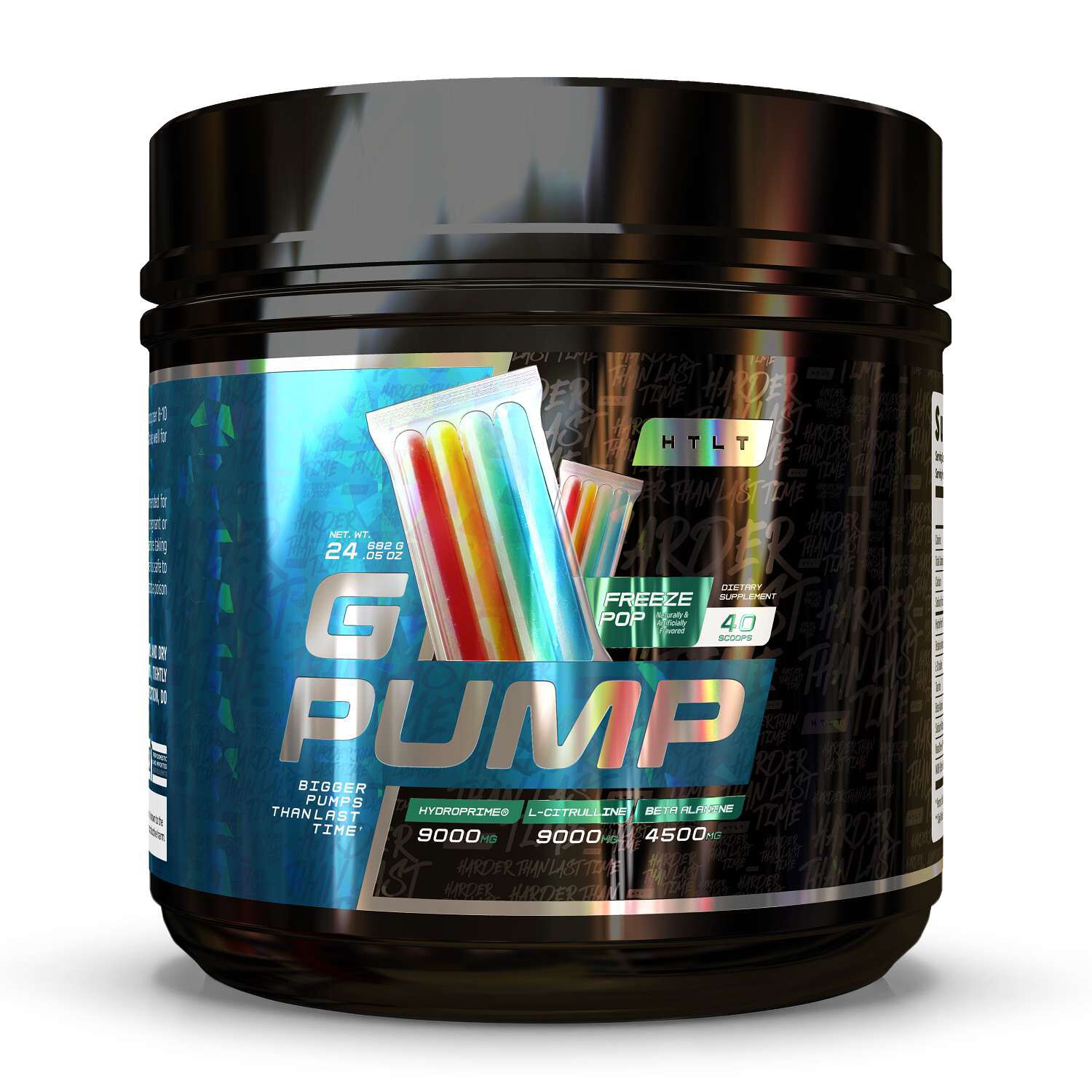
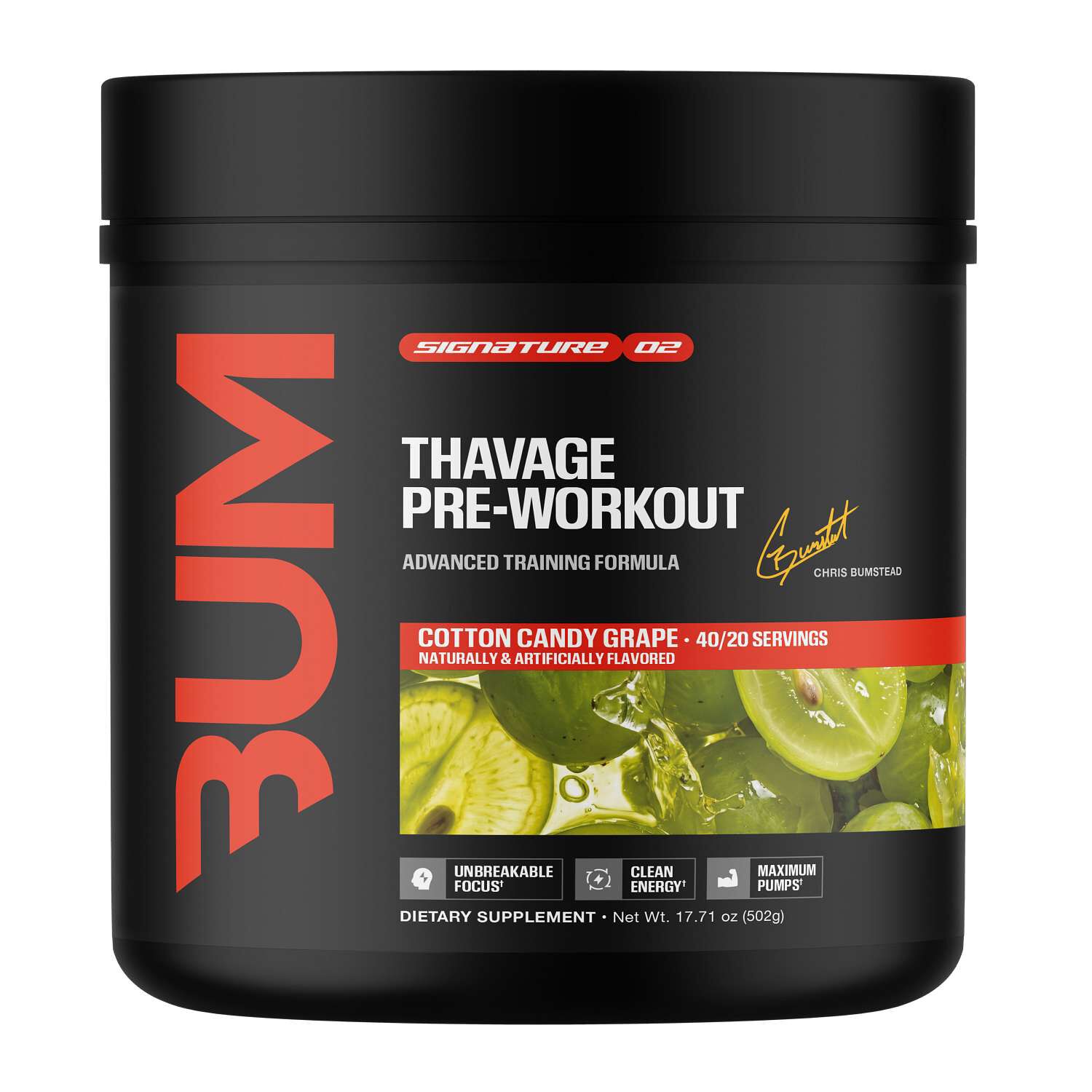
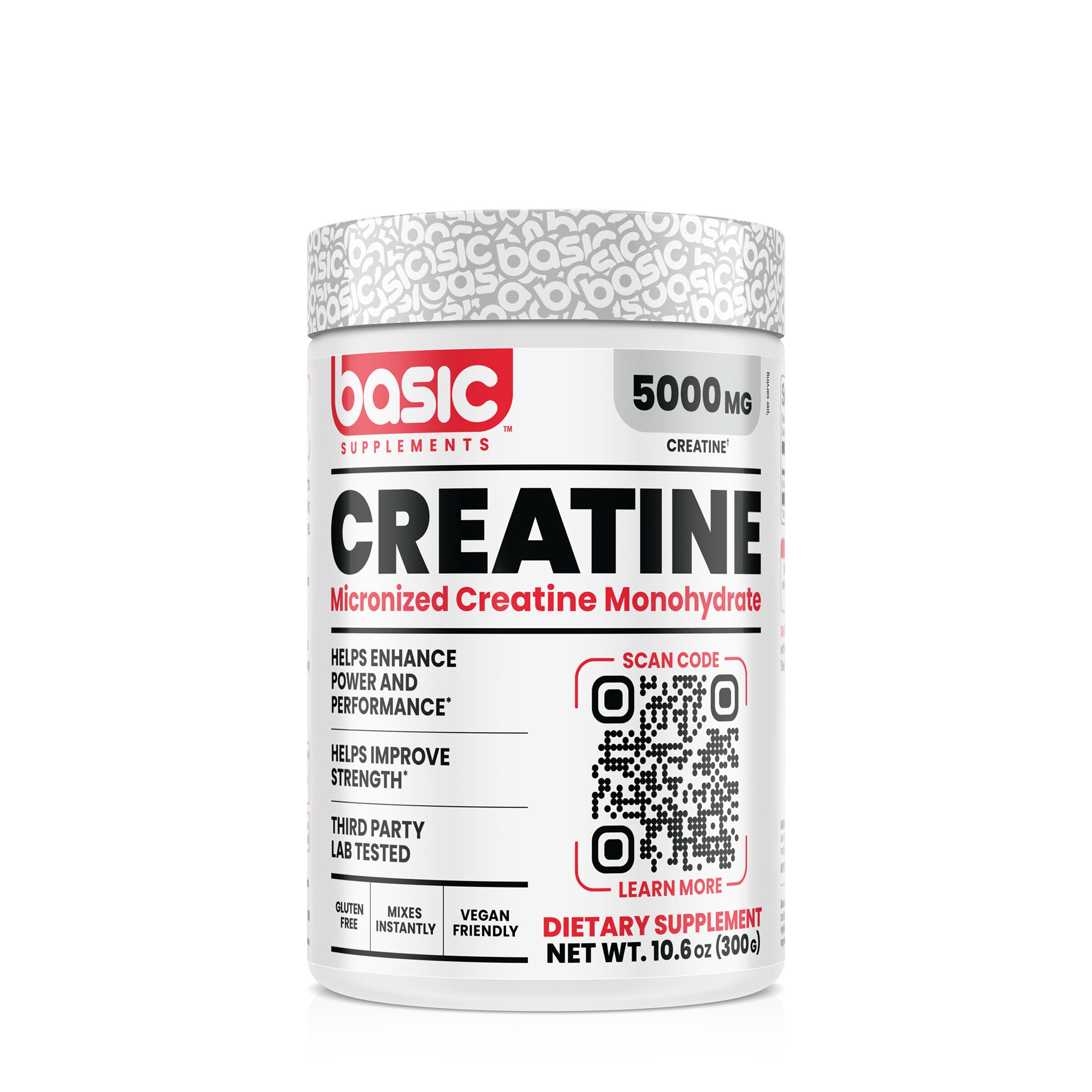
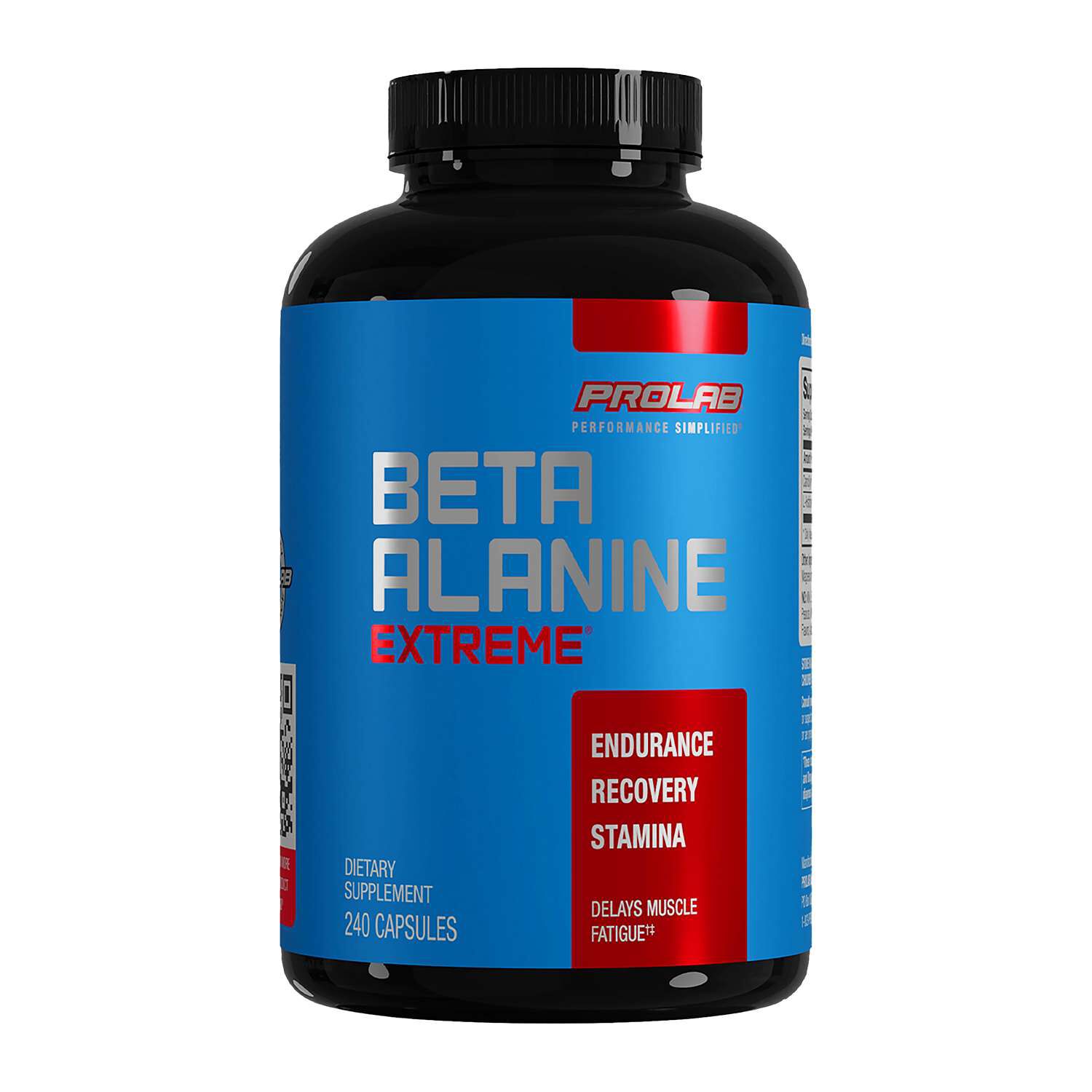
Additions for training supplements can help round out a routine built around consistent movement, nourishing meals and adequate rest. This collection may appeal to people who lift weights, train for recreational events, attend group fitness classes or simply want practical options to keep on hand before and after exercise. The right choice depends on training style, food preferences, serving format and personal tolerance. A person focused on strength work might look for creatine monohydrate, which may support repeated high-intensity efforts and help complement a structured resistance-training plan. Beta-alanine may be considered by people who regularly perform demanding intervals, circuits or sets that create a strong muscle-burning sensation, while caffeine may suit shoppers seeking a pre-workout option that could support alertness and workout focus. Because caffeine sensitivity varies, shoppers may wish to compare serving amounts, consider the time of day they train and review all other caffeinated items in their routine. Some products combine several ingredients, while others feature one familiar ingredient, making it easier to build a routine around specific preferences. Reading the Supplement Facts panel, serving directions and storage guidance can make shopping more straightforward, especially for someone trying a new format such as a powder, capsule, ready-to-mix serving or liquid. For a broader selection of formulas designed around workout goals, visit Training Performance Supplements.
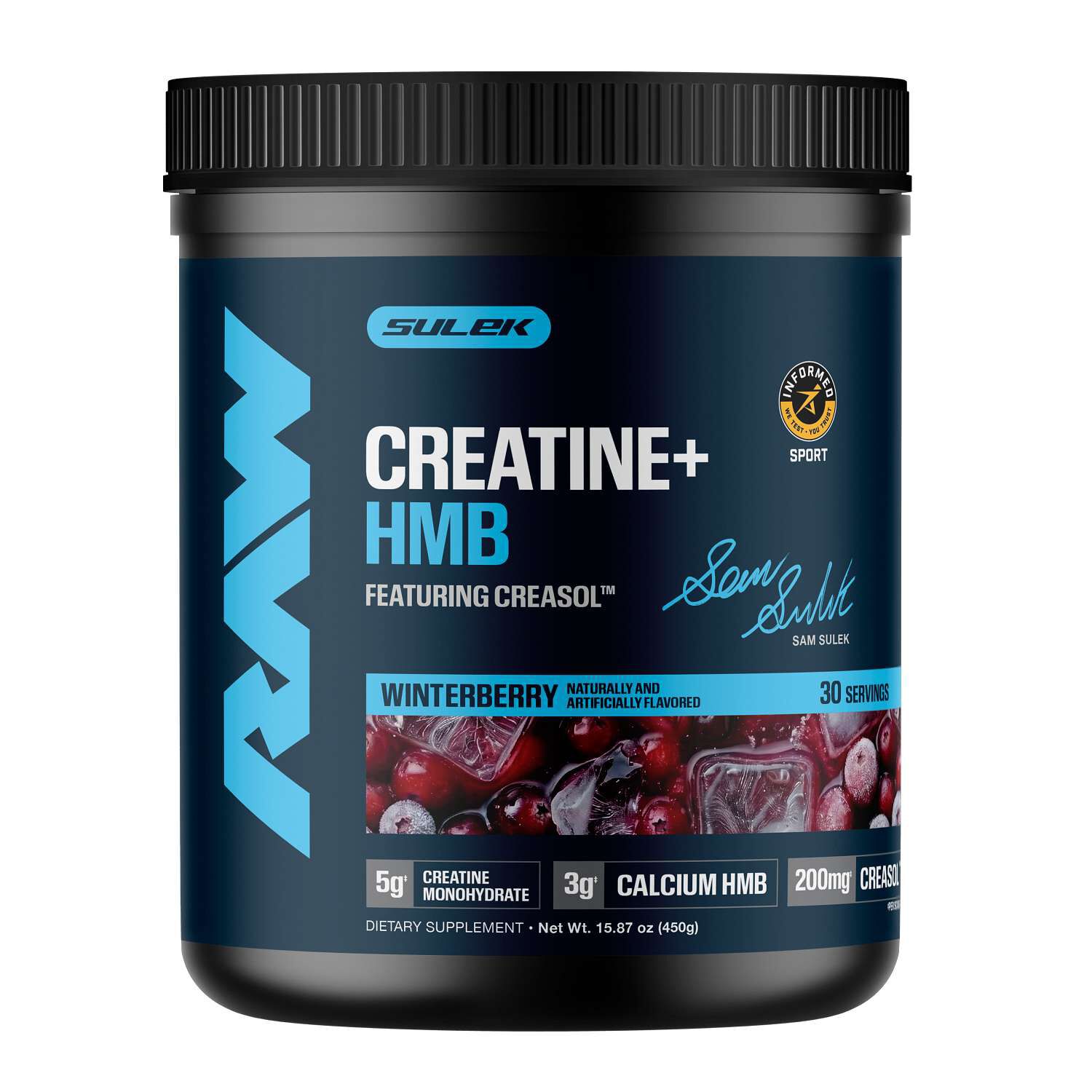
Protein powders are another popular addition for people who find it convenient to include protein around training or throughout a busy day. Whey, casein and plant-based options offer different textures, flavors and ingredient profiles, so shoppers may compare the protein source, serving size, sweeteners and any dietary preferences before choosing. Protein powder may help complement meals and snacks that already include foods such as eggs, yogurt, beans, poultry, fish, tofu or nuts. A shaker cup and a familiar flavor can make a protein product a thoughtful gift for a friend who has started visiting the gym, preparing for a run or rebuilding a regular exercise habit. Amino acid blends may appeal to people who prefer a lighter drink during training or who want a convenient option to pair with meals and snacks. HMB may be considered by active adults looking for an addition that could support muscle maintenance during demanding training periods, although individual experiences may differ. Beetroot-based powders and nitrate-containing formulas are often selected by runners, cyclists and people who enjoy longer sessions; these ingredients may support exercise performance and circulation during activity. Flavor, mixability and package size matter in everyday use. A smooth powder that dissolves easily in a bottle may fit a commute to the gym, while single-serve packets may be convenient for travel, race-day preparation or a weekend spent outdoors. During warmer weather, lighter fruit flavors may feel appealing in a cold drink, while during cooler months, neutral or richer flavors may blend comfortably into a morning smoothie.
Hydration-focused additions can be useful for people whose workouts involve heavy sweating, extended duration or time outdoors. Electrolyte powders and drink mixes provide minerals such as sodium, potassium and magnesium, and they may help replenish minerals lost through sweat. Shoppers may compare electrolyte amounts, added sugars, flavor intensity and serving directions, particularly when choosing between a daily hydration drink and a product intended for longer sessions. Omega-3 supplements may be selected by people who do not often eat fatty fish and want an easy addition to their nutrition routine; these fats may support general wellness when used as part of a balanced diet. Vitamin D products may interest shoppers who want to review their vitamin routine, though personal needs can vary based on diet, lifestyle and guidance from a qualified health professional. Training additions are not a replacement for regular meals, water, sleep or a well-planned program, and more ingredients do not necessarily make a better routine. People who are pregnant, managing a health condition, taking prescription products or preparing for a demanding event may wish to speak with a qualified professional before adding a new supplement. For a gift, a practical bundle built around a shaker, protein powder, electrolyte mix or easy-to-carry servings may feel personal without requiring a precise knowledge of someone’s training plan. As routines shift from warm outdoor sessions to cooler indoor workouts, choosing products that match exercise duration, schedule, flavor preferences and daily habits may make it easier to stay consistent.
Best Sellers
-
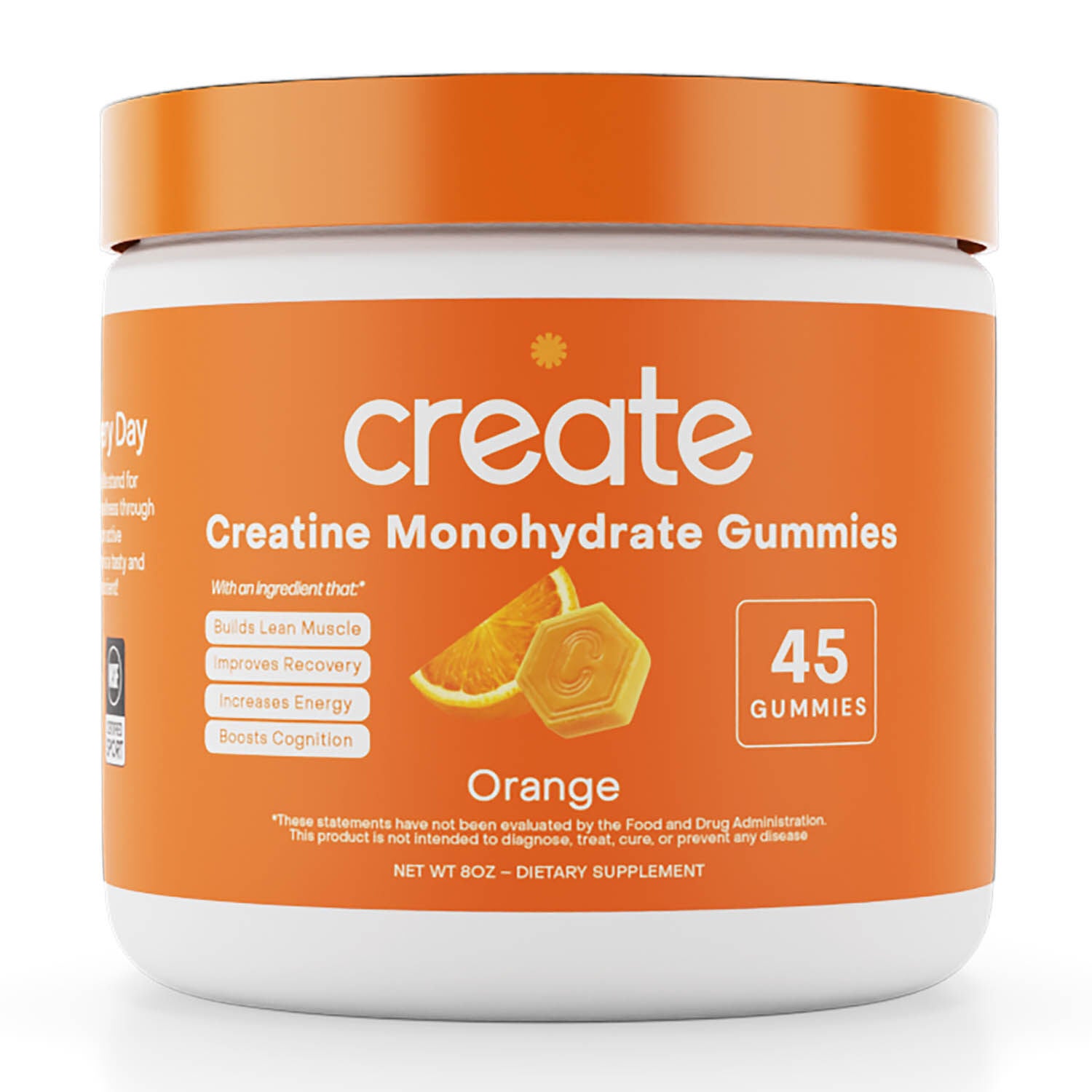 Create Wellness