Supplements For Fitness Trainers
(0 Results)
Supplements for fitness trainers could be a valuable addition to an active lifestyle, supporting those who lead by example in the gym or on the field. Whether you’re looking to help optimize performance, support recovery, or maintain overall well-being, a wide variety of options are available to align with your unique training goals. Explore supplements for fitness trainers that may complement a balanced diet and dedicated workout routine.



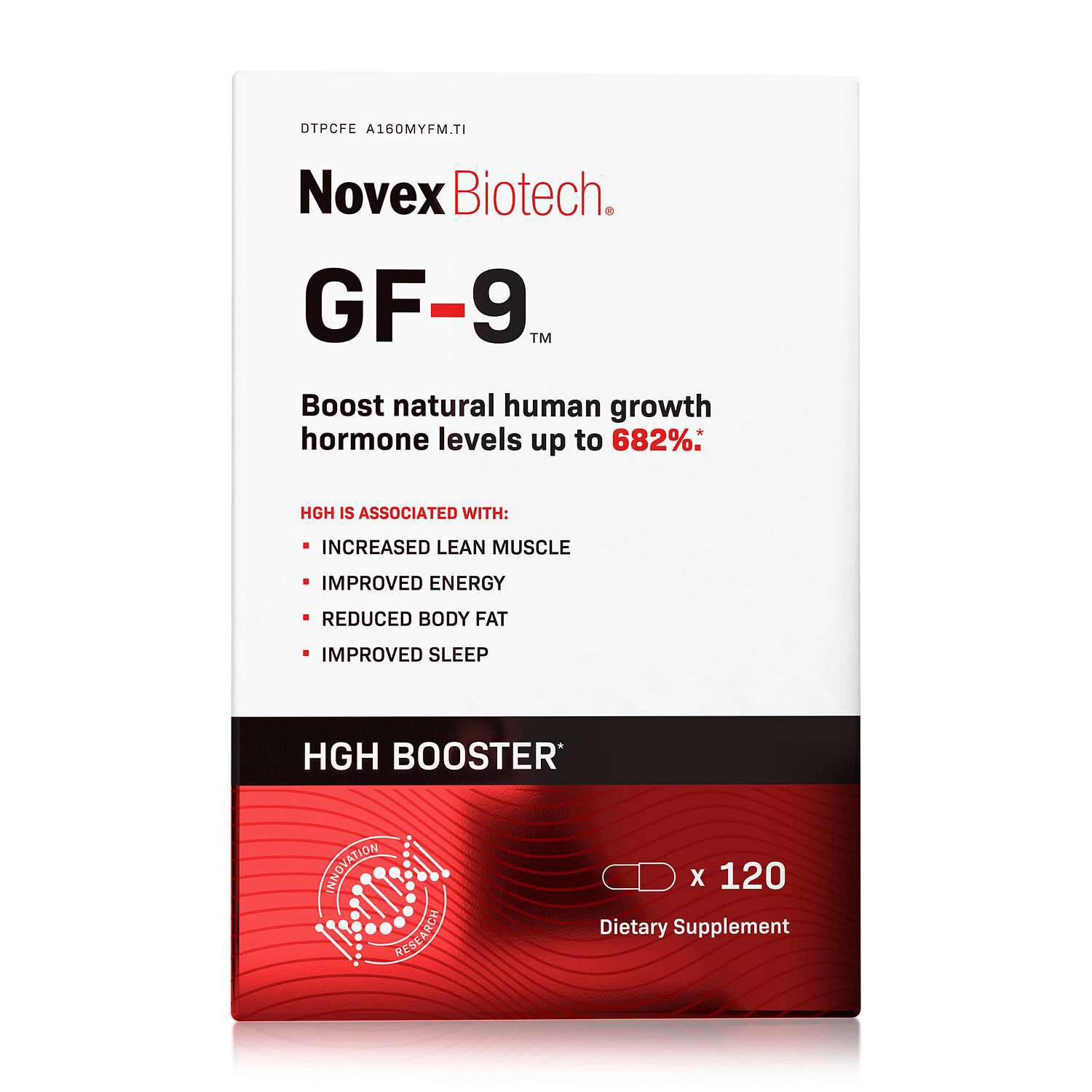

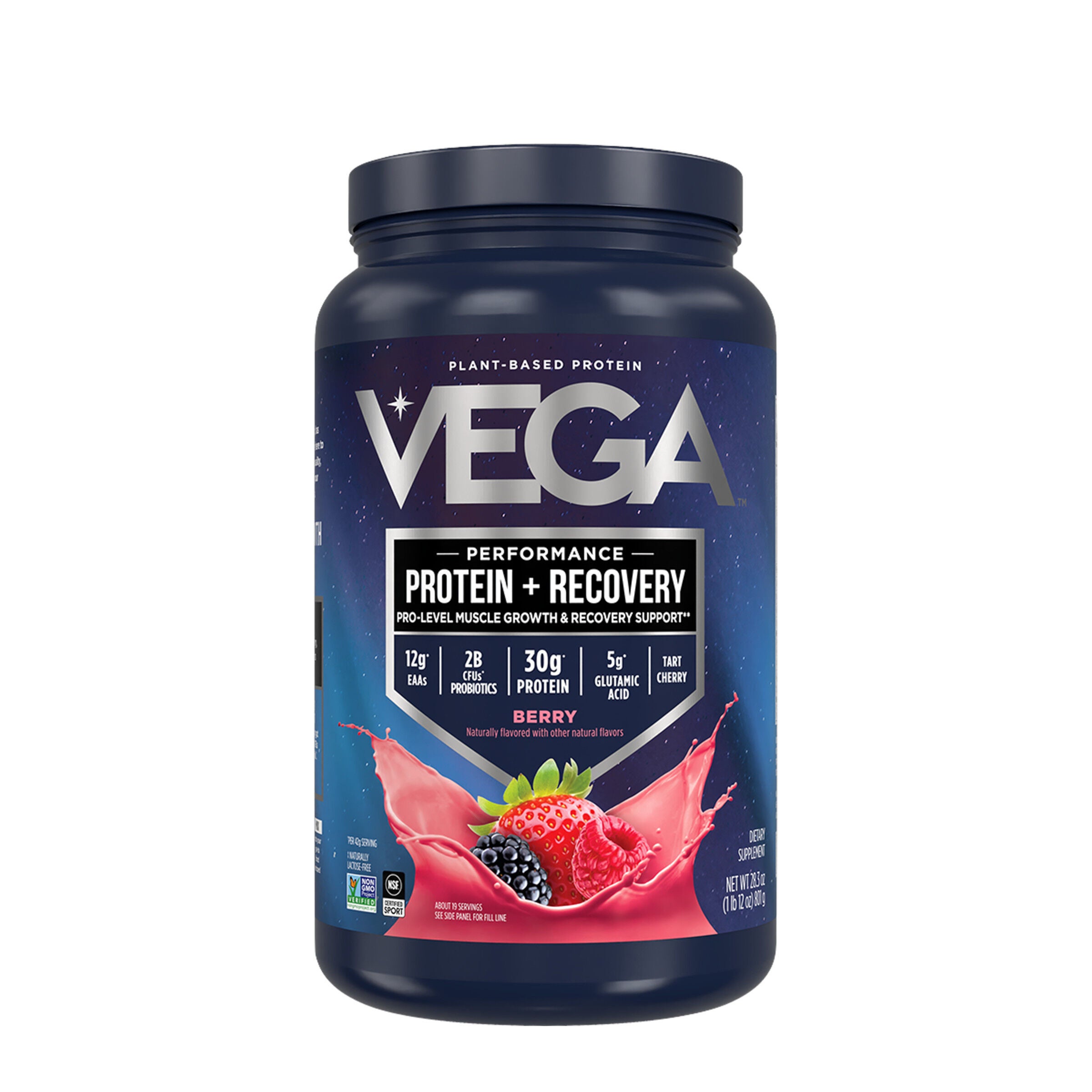
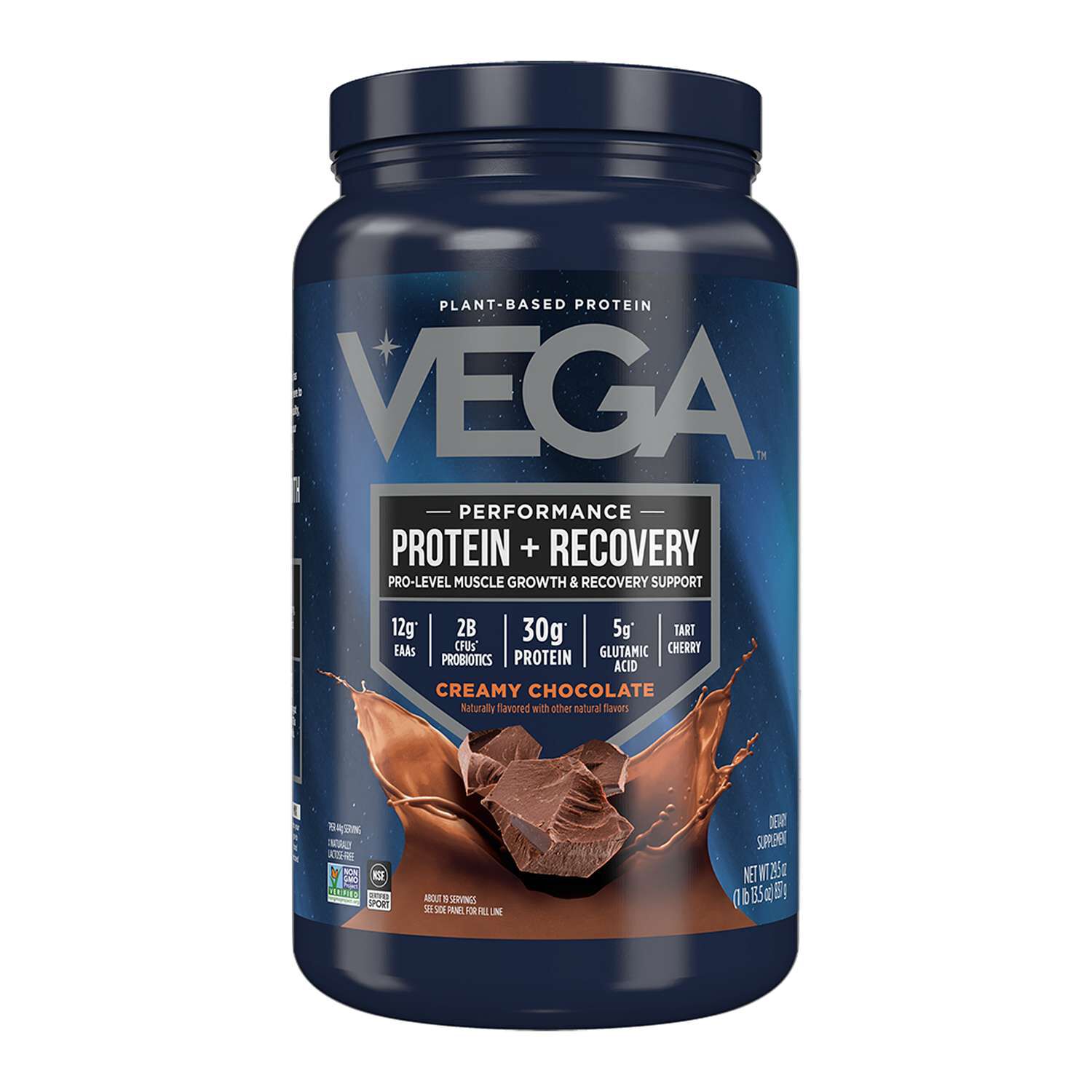
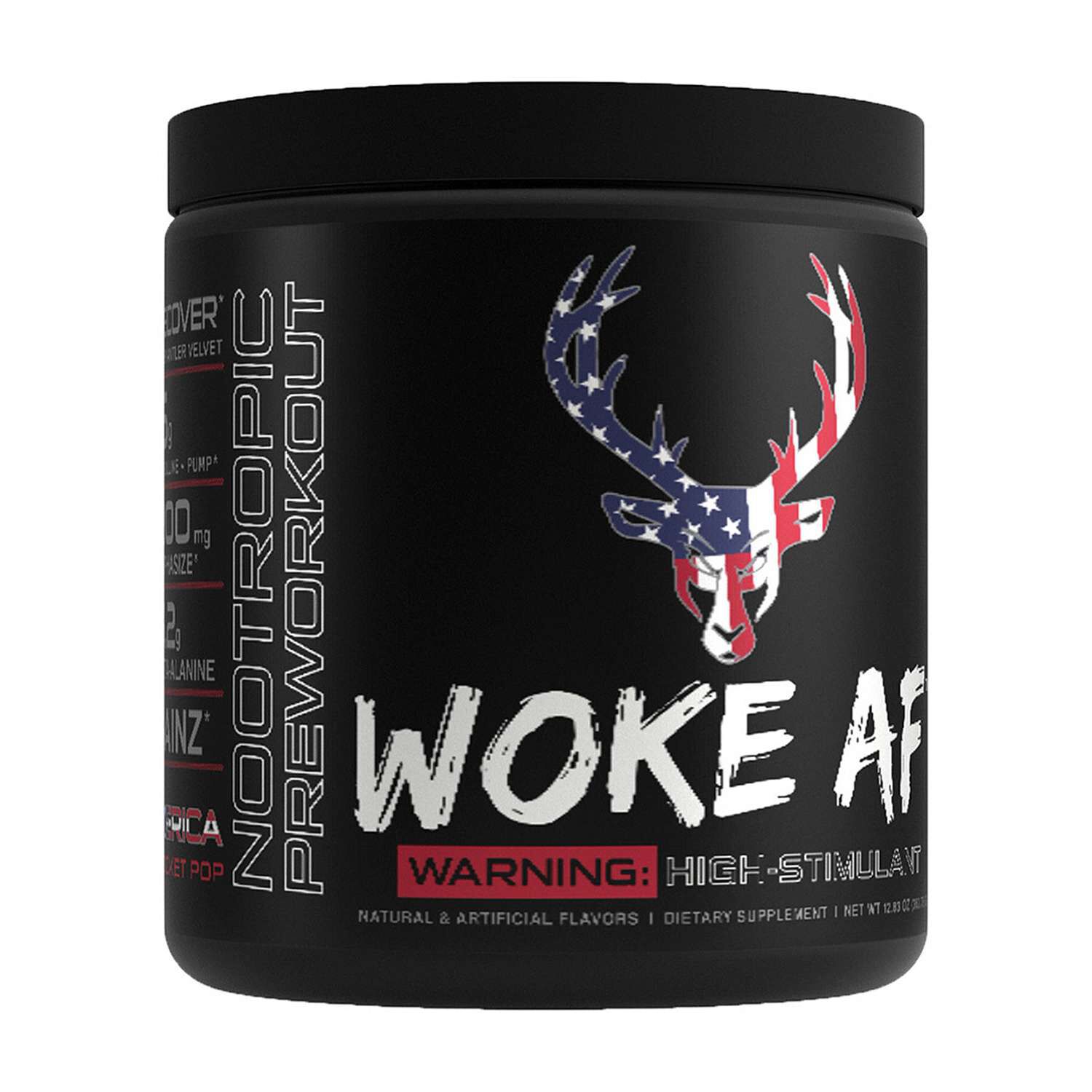

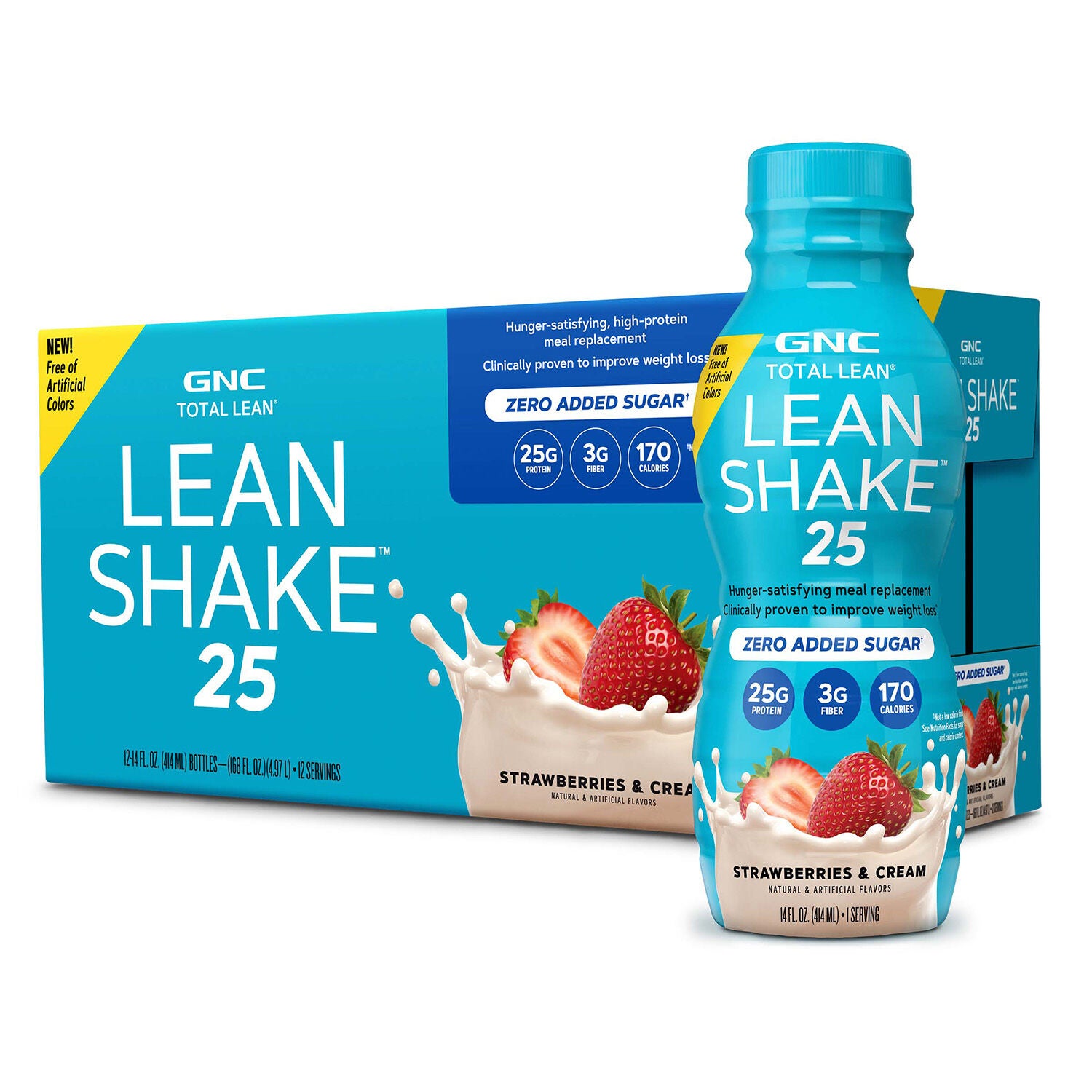
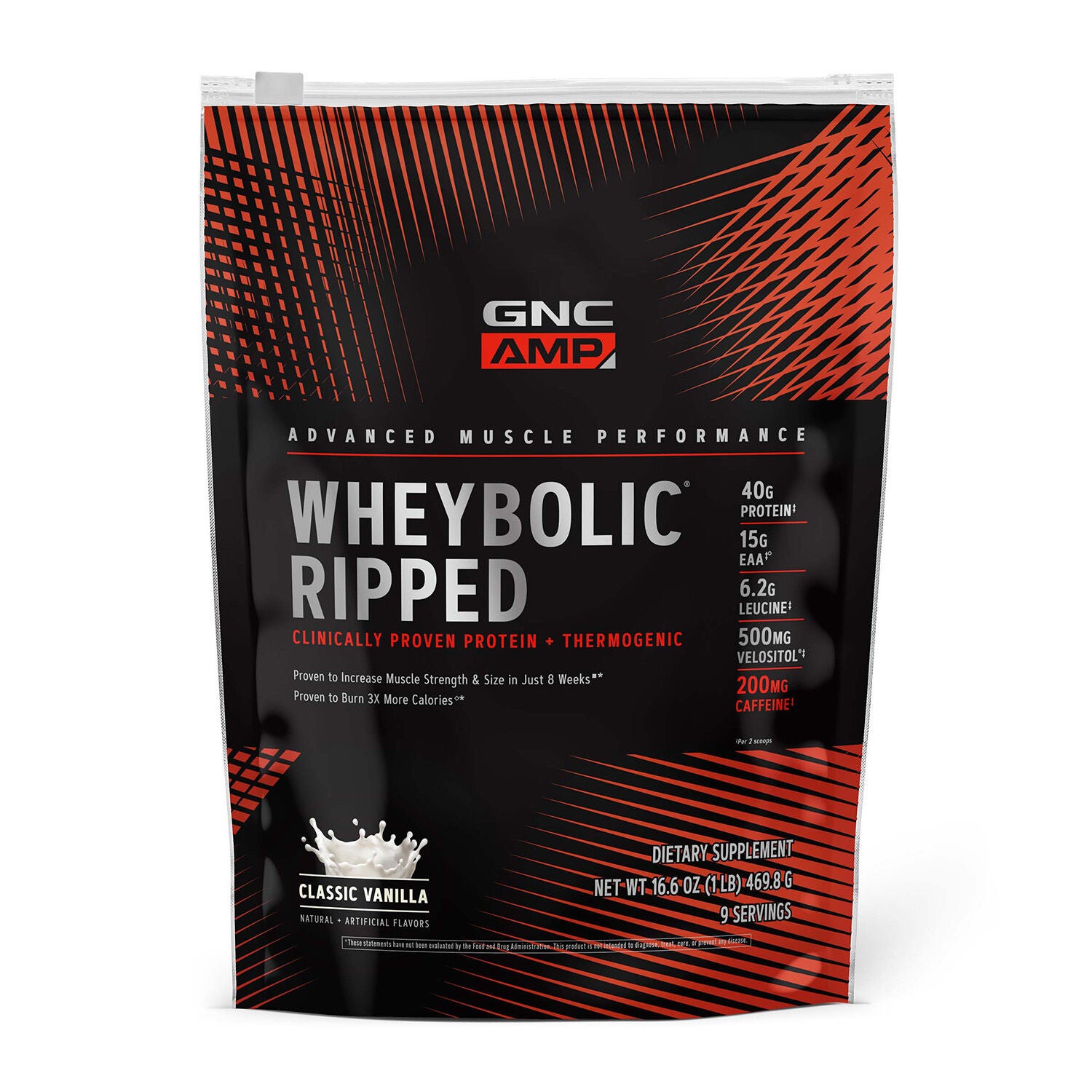


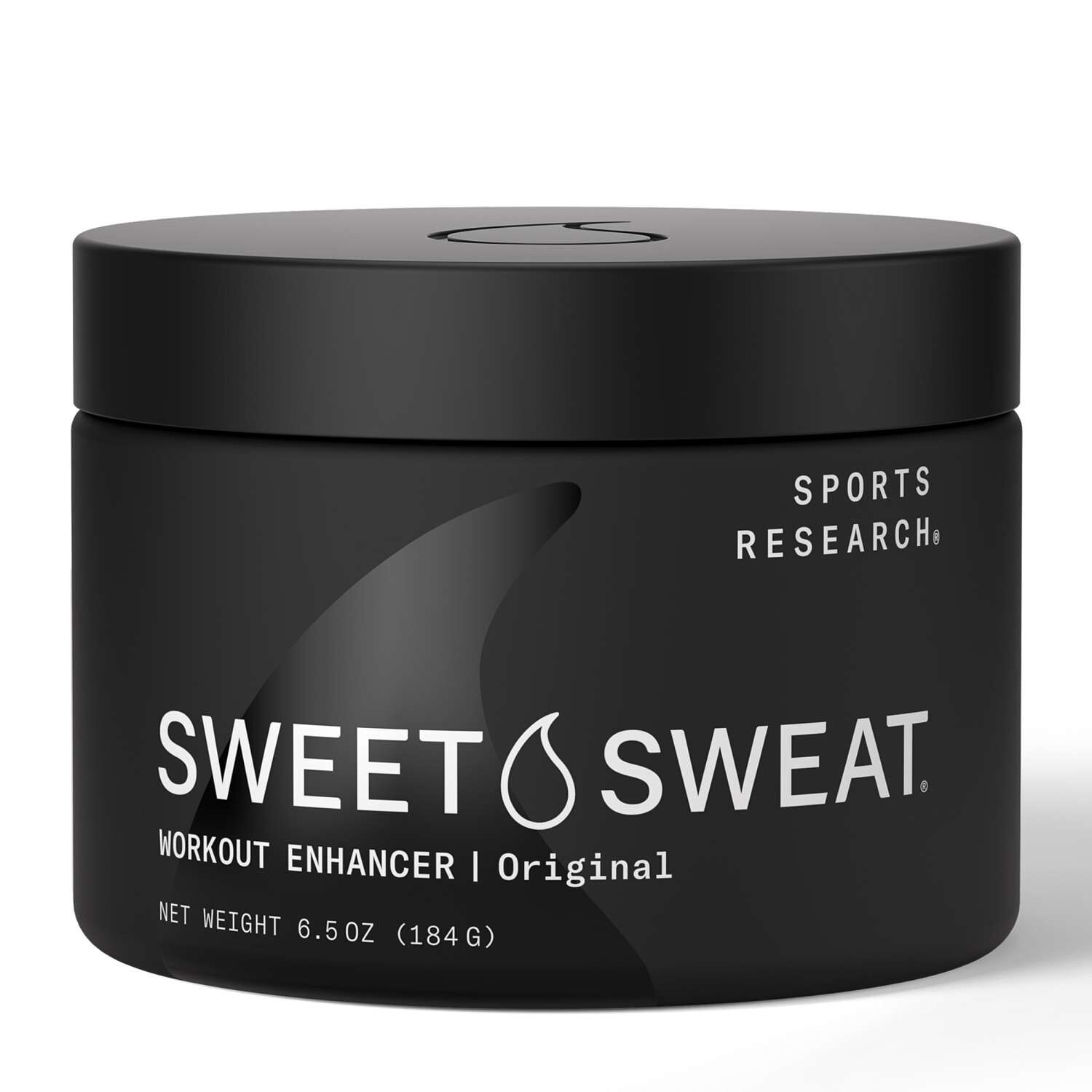
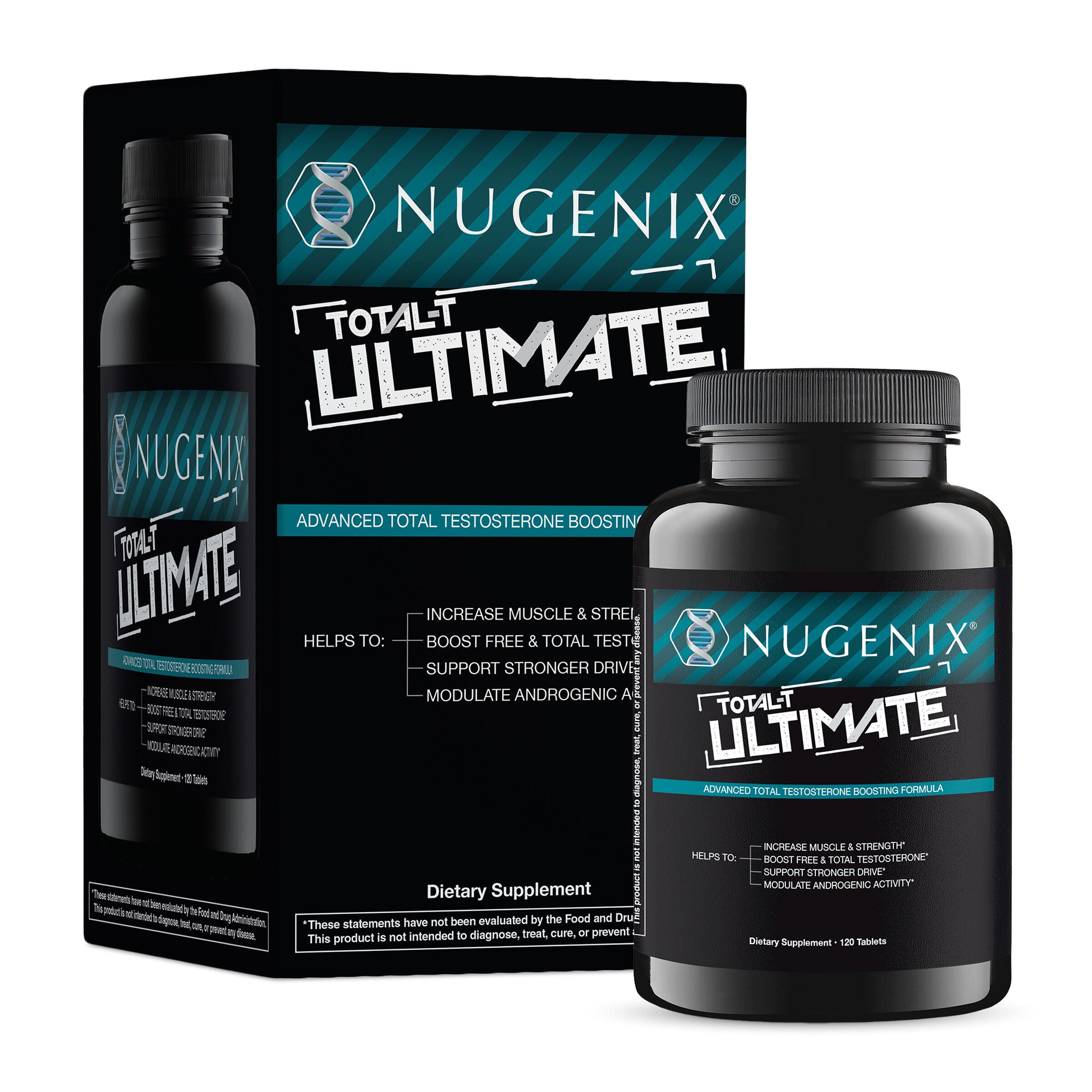


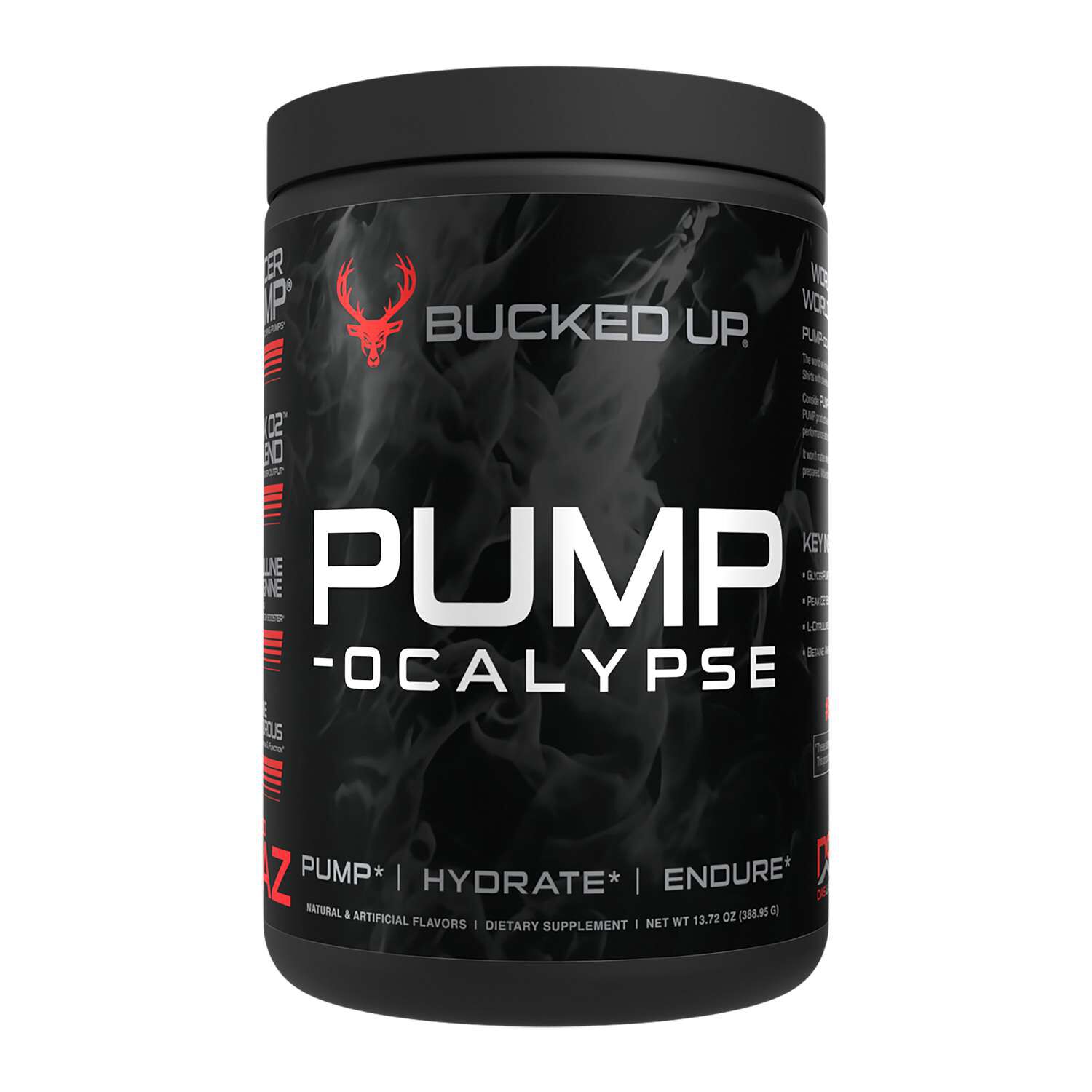
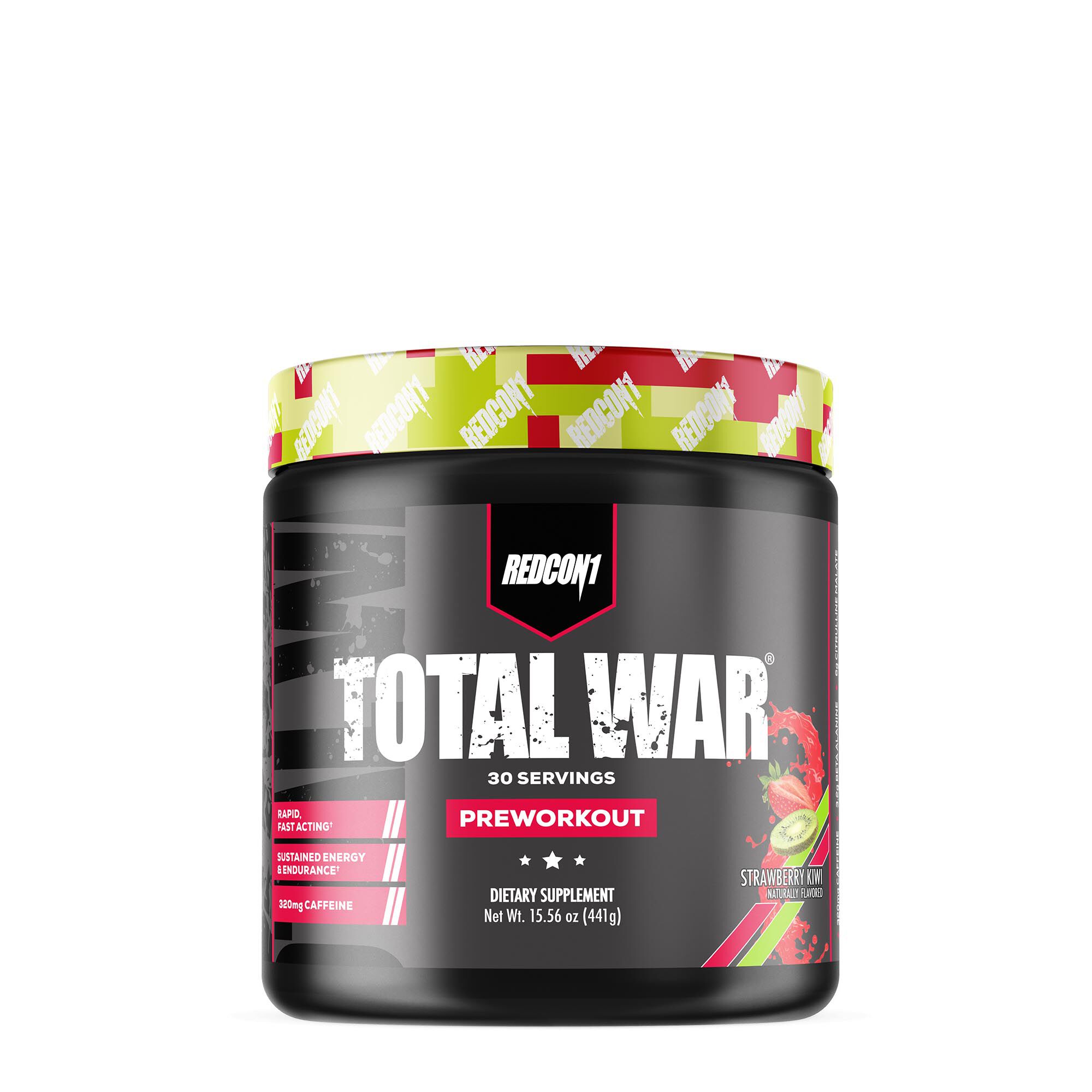
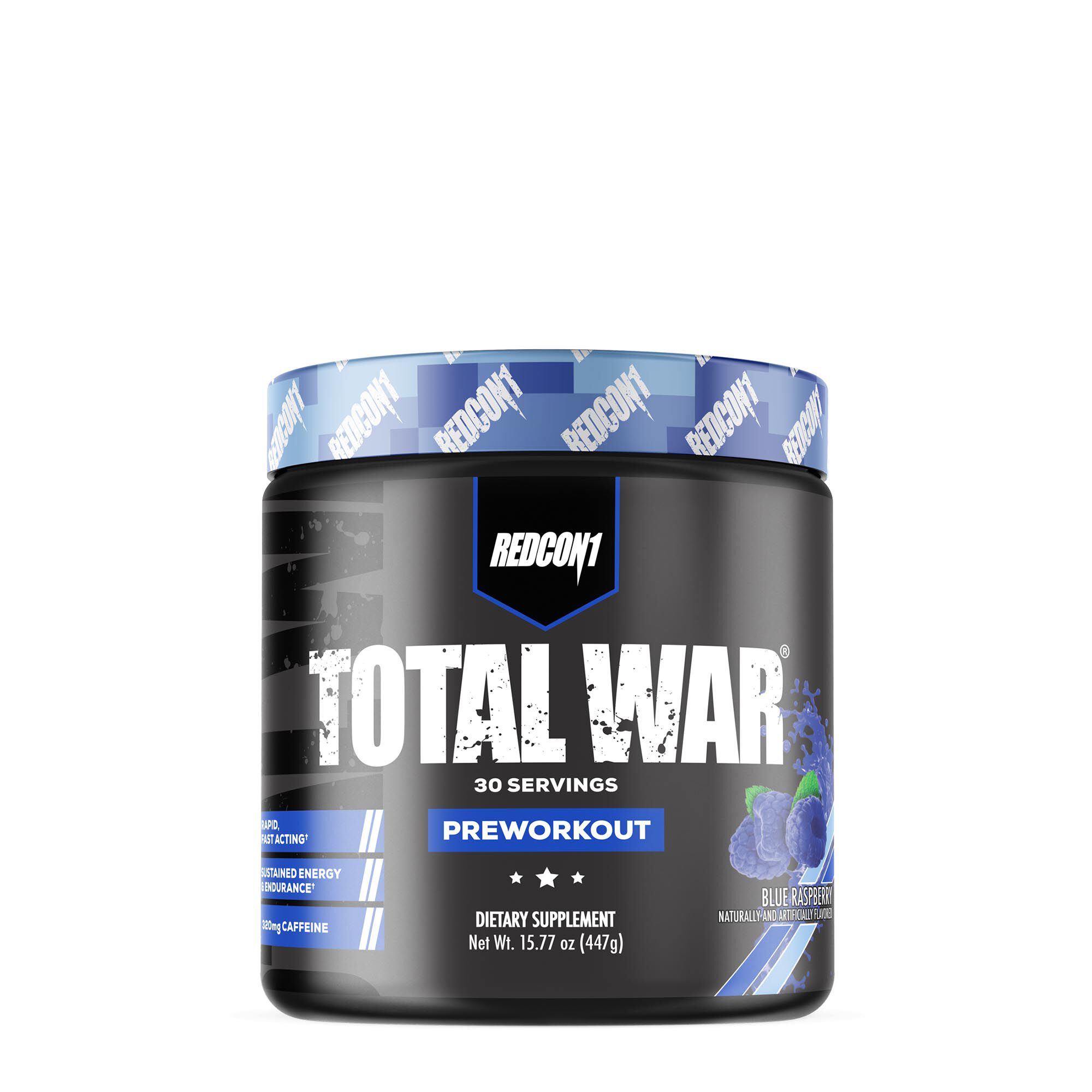
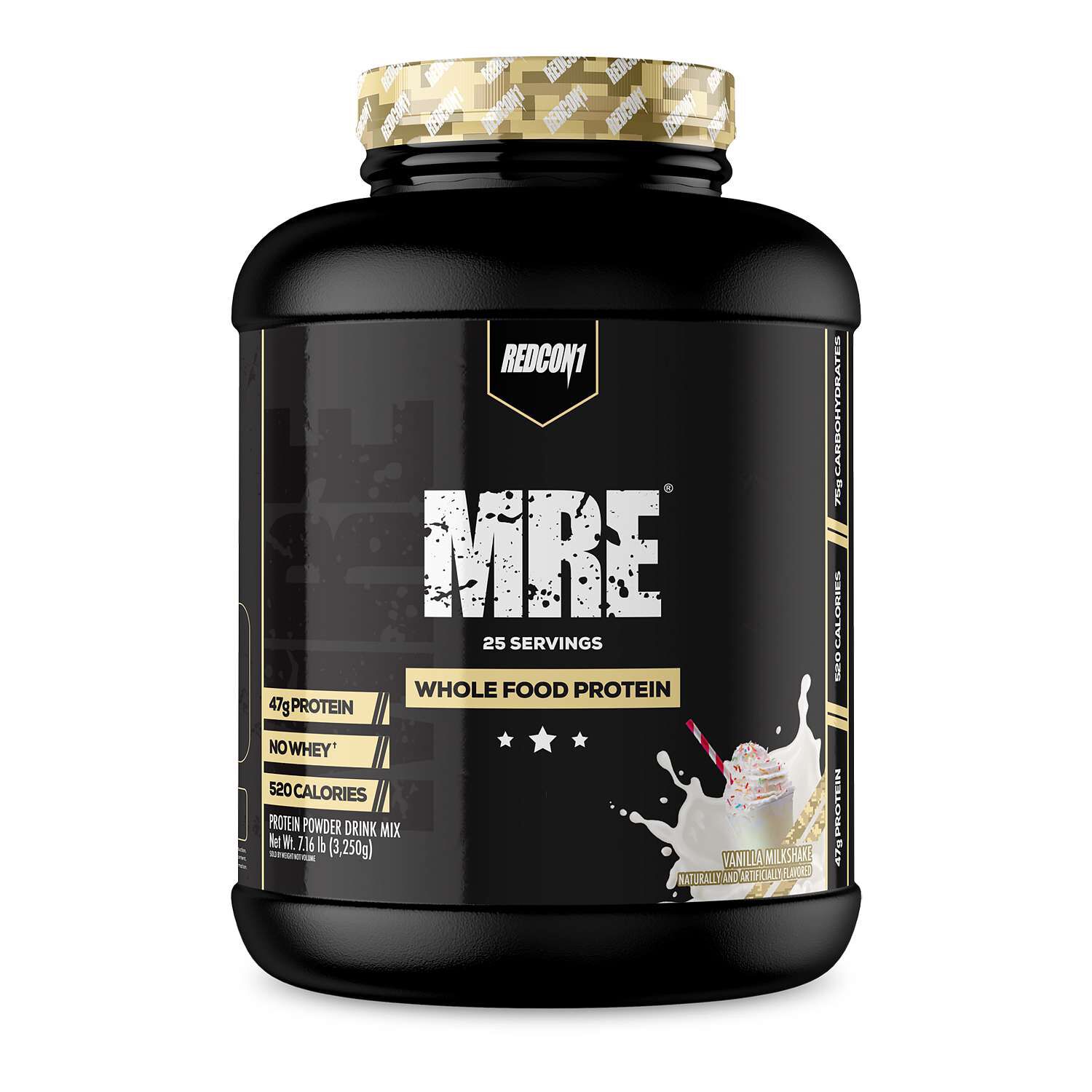
Supplements for fitness trainers span protein powders, creatine, pre-workout formulas, electrolyte mixes, and everyday vitamin and mineral options, reflecting the different demands of coaching and personal training. A strength coach moving between the weight room and a packed appointment schedule may look for something different from an instructor teaching several movement-based sessions before fitting in a personal workout. The relevant distinction is between time spent teaching and time spent exercising: demonstrating a few repetitions is not the same as doing an entire session alongside a class. Product selection can reflect that difference, along with eating habits, workout intensity, ingredient preferences, and the practical details of the workday. Protein powders are a familiar category because protein may support muscle maintenance and recovery after exercise. Whey, casein, and plant-based blends offer different ingredient profiles, textures, and preparation options. Whey comes from milk, while plant-based formulas may use sources such as pea, rice, or soy. For trainers who prefer plant-derived ingredients, the protein sources and amino acid information provide useful context beyond the flavor name. Grams of protein per serving, serving size, added sugars, and allergen statements also make comparisons more meaningful. A powder stirred into oatmeal at home has a different role from a drink mixed in a shaker between appointments, and texture matters in both settings. Some formulas create a thicker drink, while others have a lighter consistency when prepared according to their directions. Chocolate and vanilla can suit familiar breakfast combinations; fruit-inspired flavors offer another direction for those who prefer a different taste after training. Packaging matters, too, particularly when a trainer carries a shaker, notebook, lifting shoes, and a change of clothes in the same bag. Individually portioned formats may suit travel between locations, while a resealable container fits a regular preparation space. These everyday details help distinguish supplements for personal trainers by intended use rather than by the intensity of a product name.
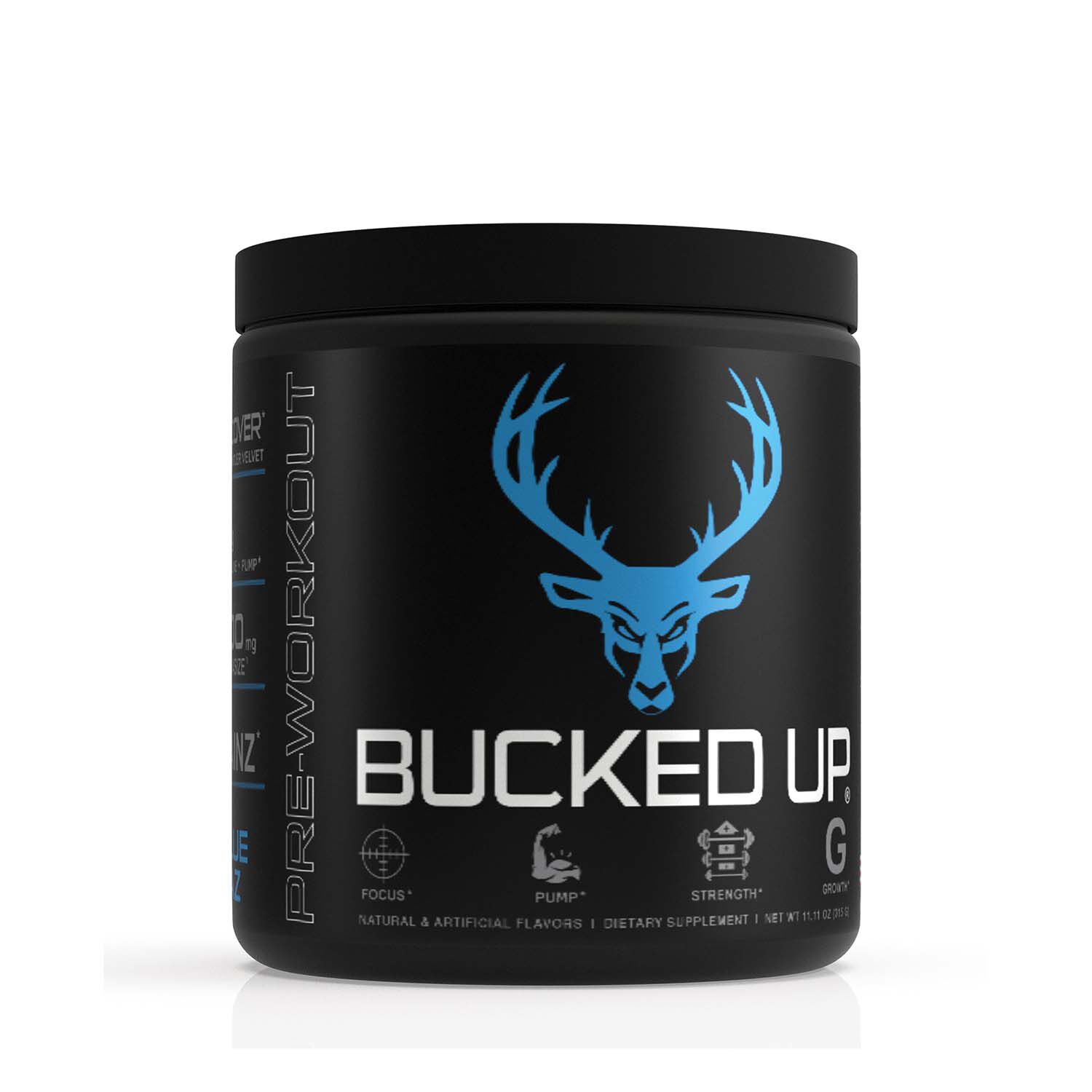
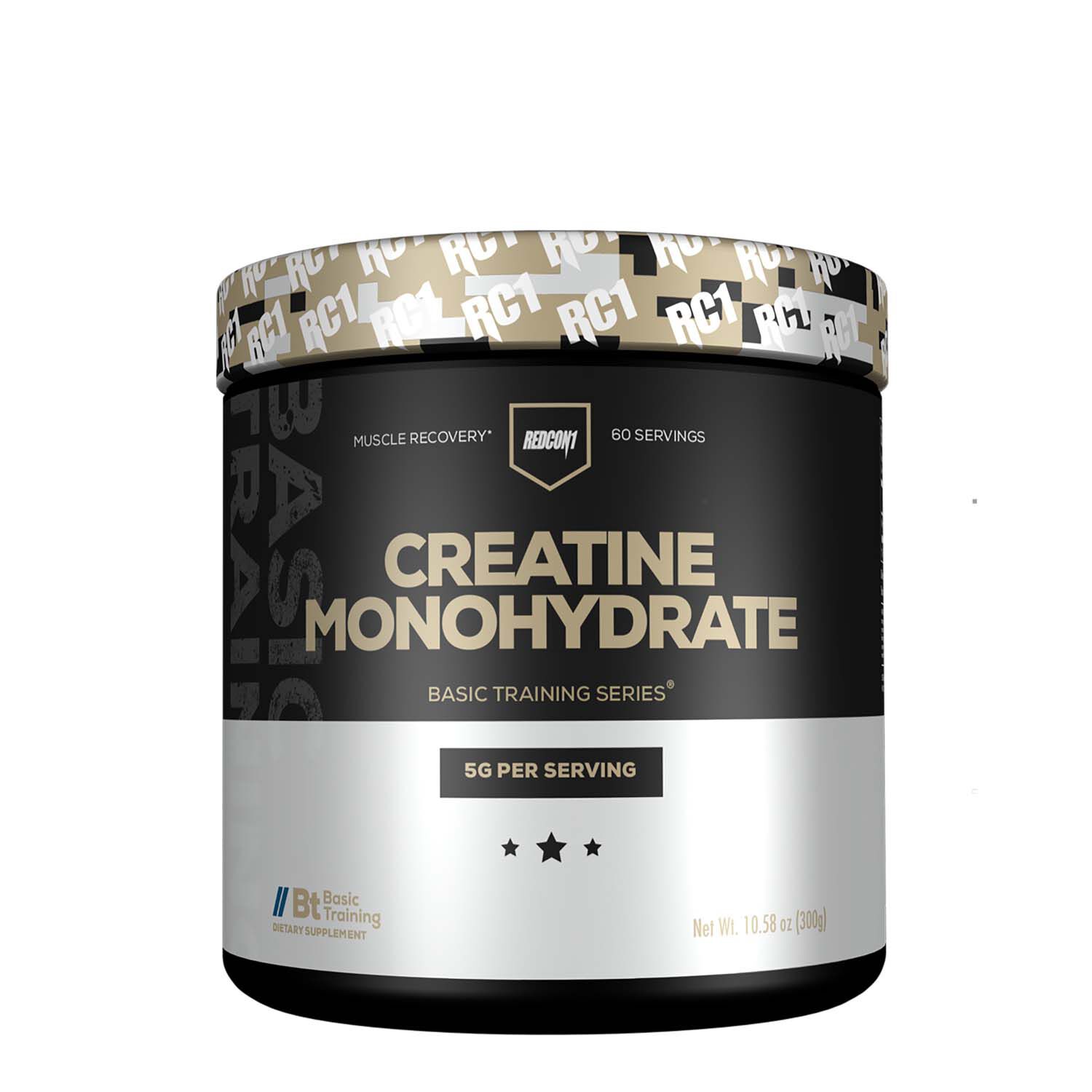
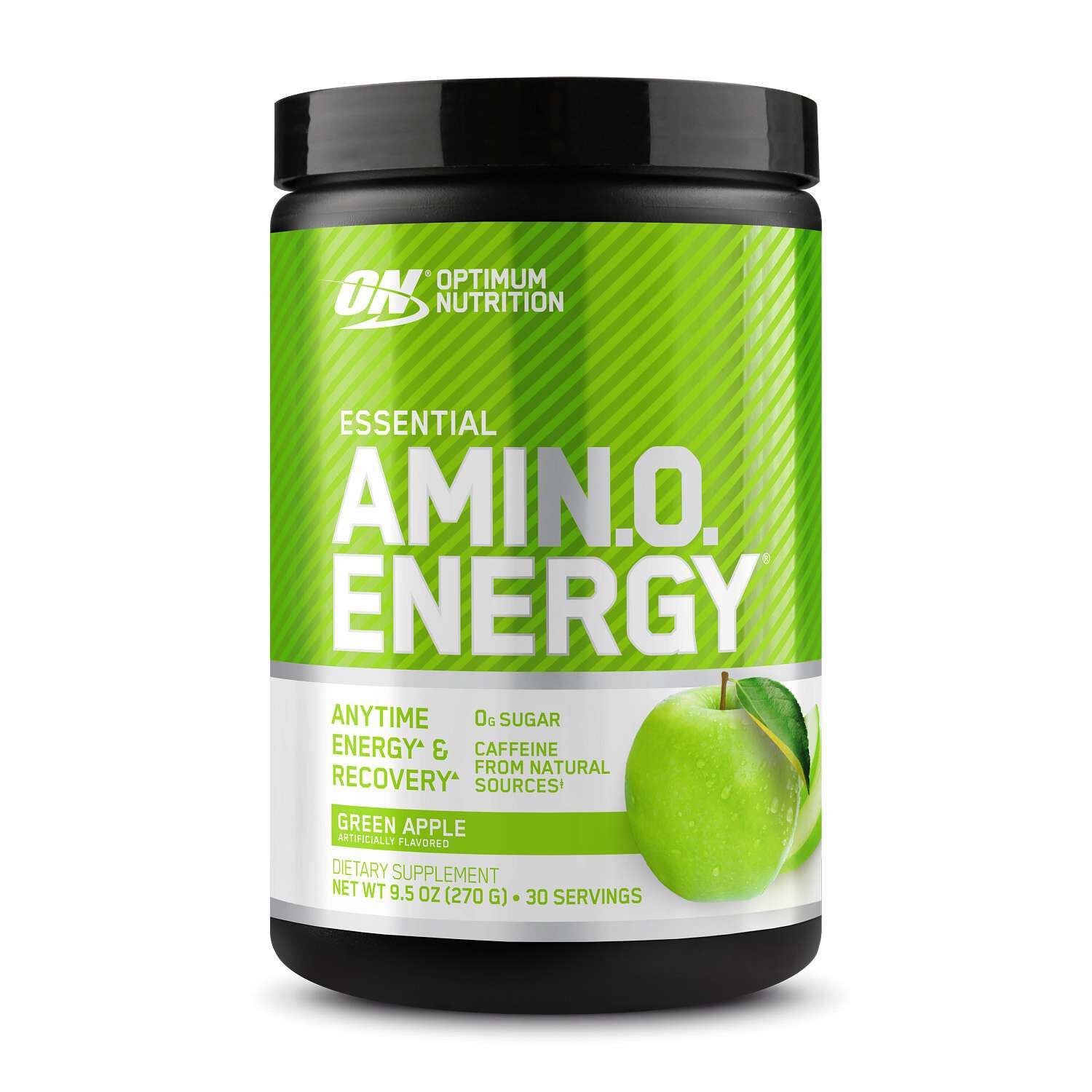
Performance-oriented categories introduce other considerations, especially for trainers whose own programs include resistance training, repeated intervals, or longer exercise sessions. Creatine monohydrate is a common form of creatine in sports nutrition and may support performance during repeated, short-duration, high-intensity efforts. It appears in standalone powders as well as blended formulas, so an ingredient panel can show whether creatine is the main focus or one component among several. An unflavored option offers a different mixing experience from a sweetened blend, and the amount listed per serving provides a clearer comparison than container size alone. Pre-workout supplements vary substantially: some contain caffeine, some feature amino acids, and some combine several ingredient categories. Caffeine may support alertness during exercise, but its presence and stated amount are important distinctions for shoppers who also drink coffee, tea, or other caffeinated beverages. A trainer preparing for an early personal lifting session may have different preferences from an instructor exercising after the last evening appointment. Beta-alanine is another ingredient found in some sports nutrition formulas and may support performance during certain sustained, high-intensity efforts. Its inclusion does not make every pre-workout interchangeable, since serving sizes and accompanying ingredients differ. Electrolyte powders and drink mixes represent a separate category, often featuring minerals such as sodium and potassium. These formulas may support hydration during exercise, particularly in sessions involving substantial sweating. The amount of each mineral, carbohydrate content, flavor, and intended mixing volume are useful product details for trainers comparing options for their own activity. A lightly flavored drink prepared for a lifting session differs from a carbohydrate-containing formula intended for prolonged exercise. Transparent ingredient amounts and clearly stated preparation directions offer more useful context than a broad performance message. For trainers who value outside review, a named third-party certification can provide information about the testing associated with a formula; the certification’s stated scope matters because programs assess different things. Across these categories, training style, personal preferences, and the rest of a daily routine create a more grounded basis for comparison than assuming that every active professional needs the same supplement assortment.
Everyday nutrition products round out the category for fitness professionals whose interests extend beyond a workout drink. Multivitamins, individual vitamin options such as vitamin D, B-vitamin formulas, and mineral supplements such as magnesium differ in composition, serving format, and intended use. Their labels provide details about nutrient amounts, ingredient forms, and the number of capsules, tablets, or other portions in a serving. They are distinct from protein powders and performance blends, and an active occupation alone does not establish a need for every category. Where several formulas contain the same nutrients or ingredients, their shared content is an important part of understanding the overall selection. Personal supplement use is also separate from coaching: a trainer’s preferred routine is not automatically a suitable routine for a client. For shoppers comparing products around shared exercise settings, Supplements For Group Fitness Participants offers a related perspective centered on people attending classes rather than teaching them. For the trainer’s own purchases, small usability details often deserve as much attention as the front label. A scoop size that matches the stated serving, legible preparation instructions, an easy-to-close lid, and packaging that fits the usual storage space all affect day-to-day handling. Product care centers on following labeled storage directions, keeping containers securely closed, and protecting powders from moisture introduced by wet utensils. A shaker with dried residue from an earlier drink is a less appealing place to prepare the next one, making regular washing and thorough drying practical parts of the routine. Expiration information and intact packaging are relevant whether a container stays at home or travels between training locations. Supplements can also be a thoughtful gift for a fitness trainer when the recipient’s established preferences are known, including ingredient choices, flavors, and serving formats. Familiarity matters more than novelty for something incorporated into a personal eating or exercise routine. The strongest fit is a selection that makes sense alongside regular meals, personal training goals, and the actual rhythm of coaching—not simply an assortment of everything associated with fitness.