Supplements For Professionals
(0 Results)
Supplements for professionals are designed to support those with demanding schedules and high-performance goals. Whether navigating long hours at the office or balancing multiple projects, professionals might benefit from targeted nutrition that fits their busy lifestyles. Explore a wide range of options that could help you stay on track, no matter how packed your calendar gets. Find supplements for professionals that may offer support as you strive toward peak productivity and well-being every day.
-
-
-
-
 $59.99
-

-

-

-

-
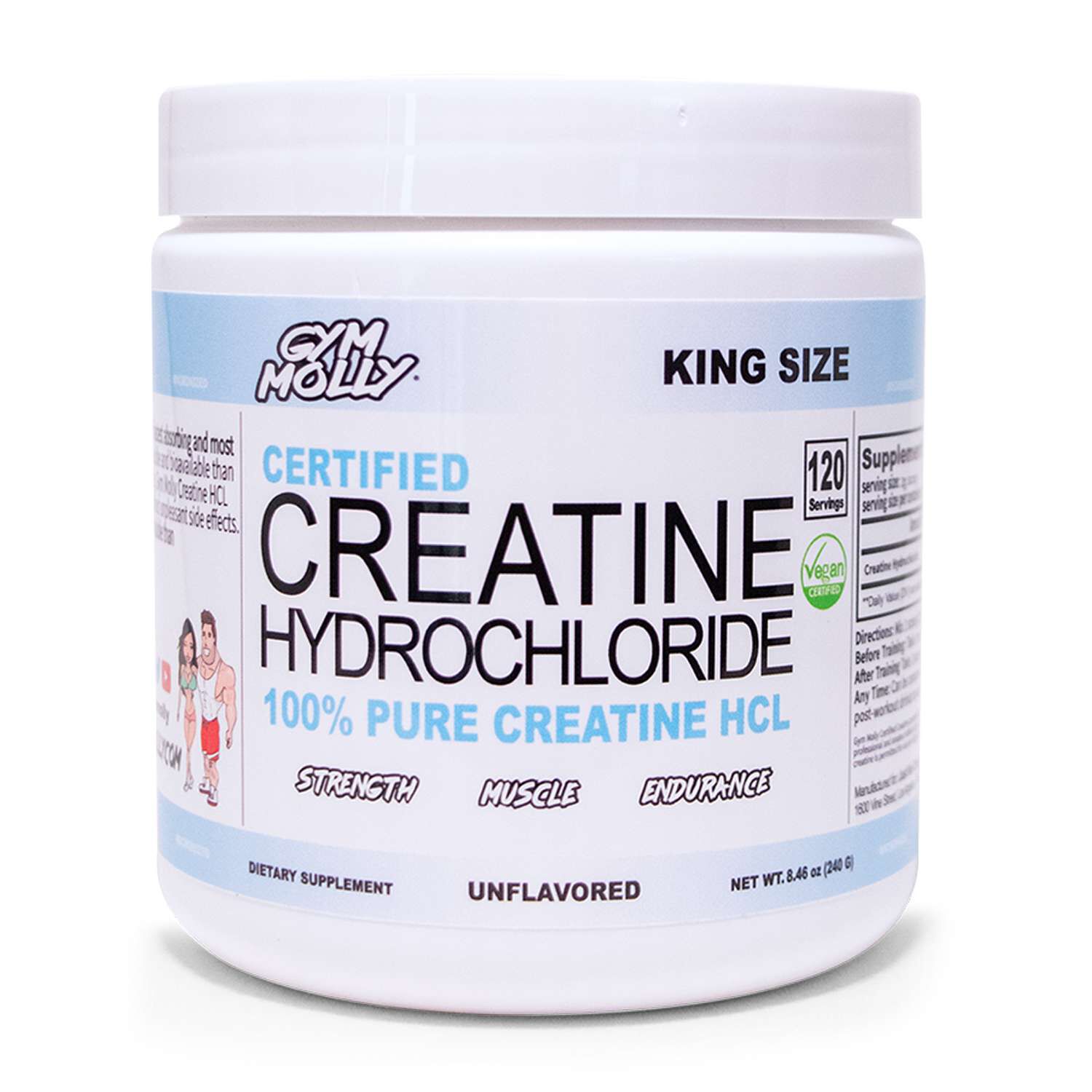
-
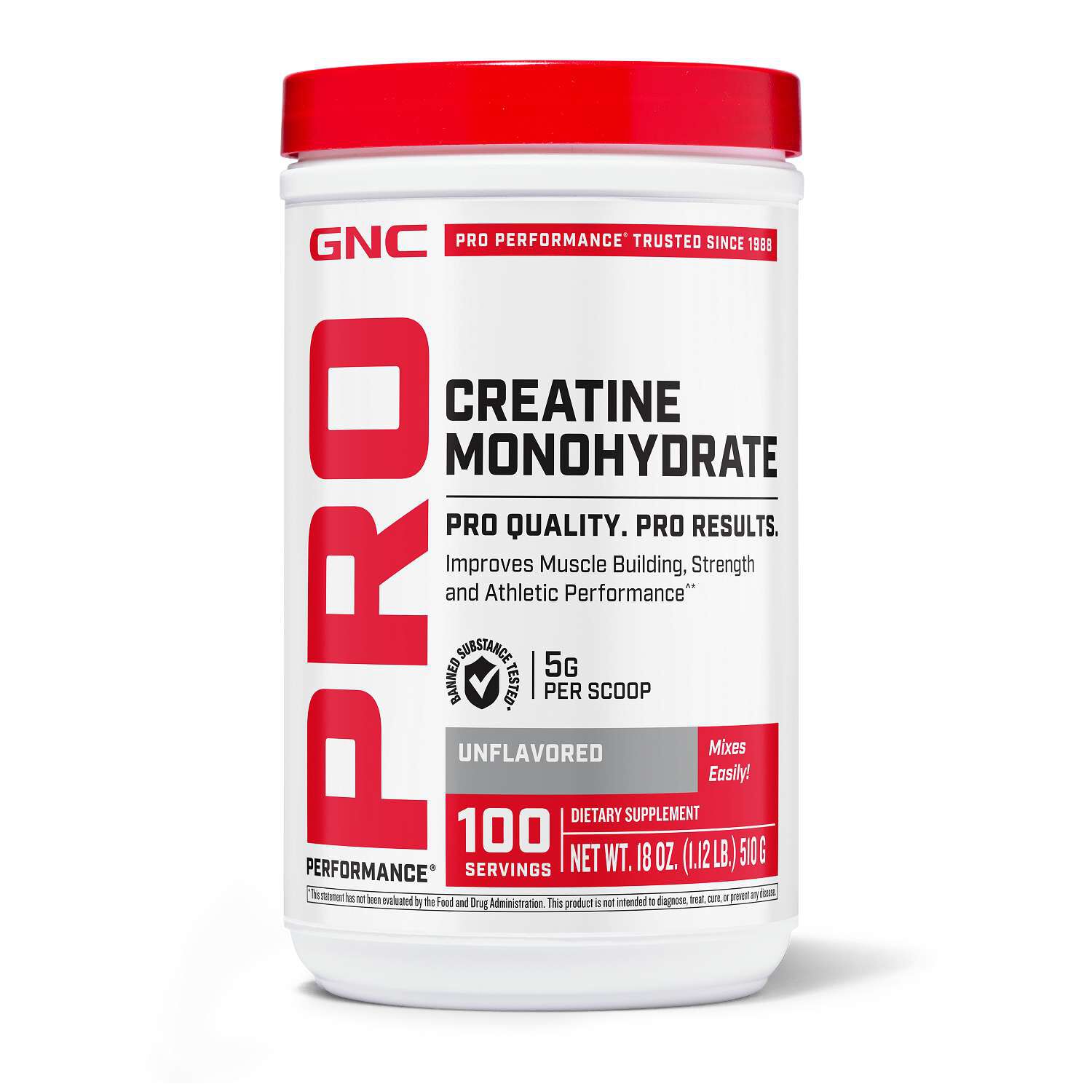
-
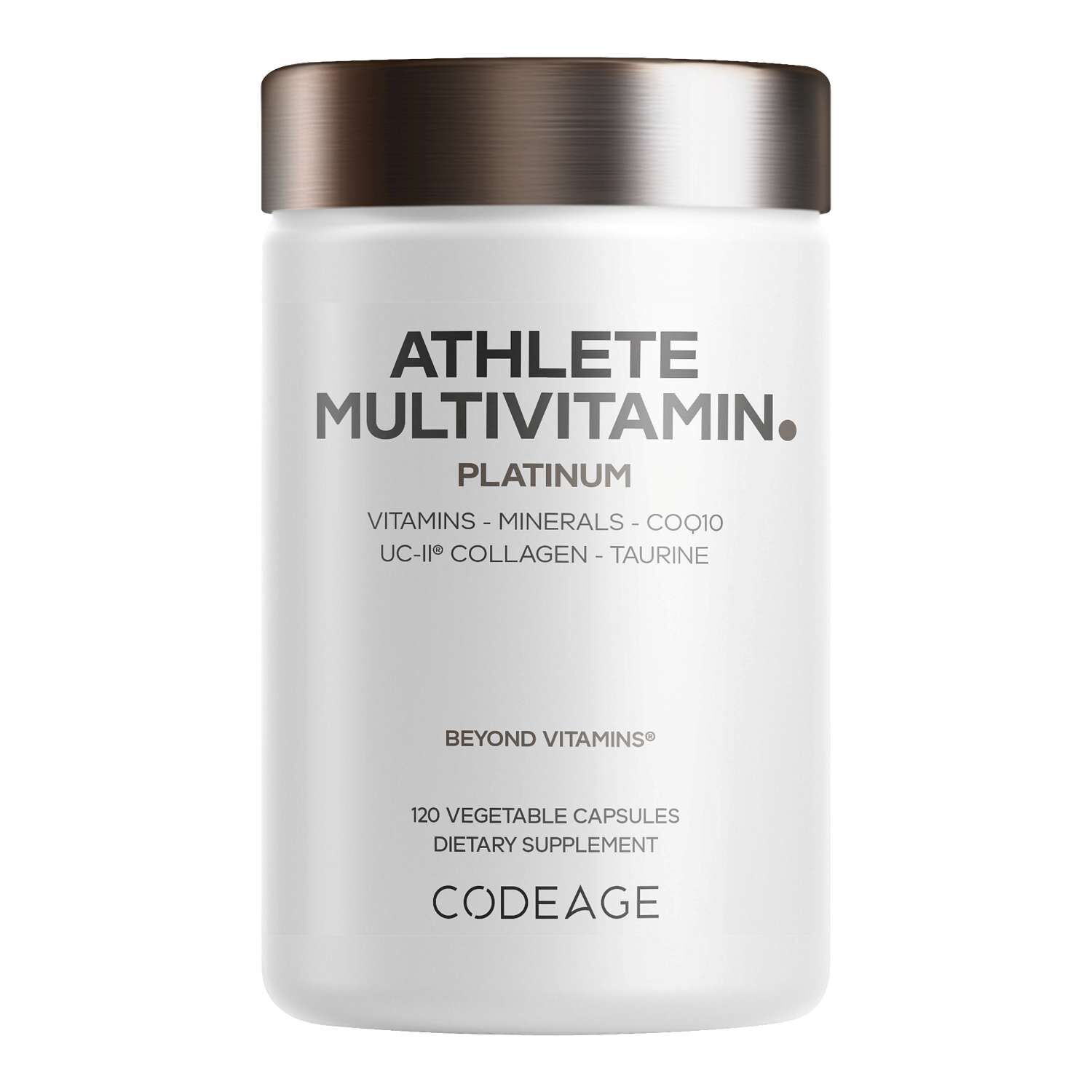 $59.99
-

-

-
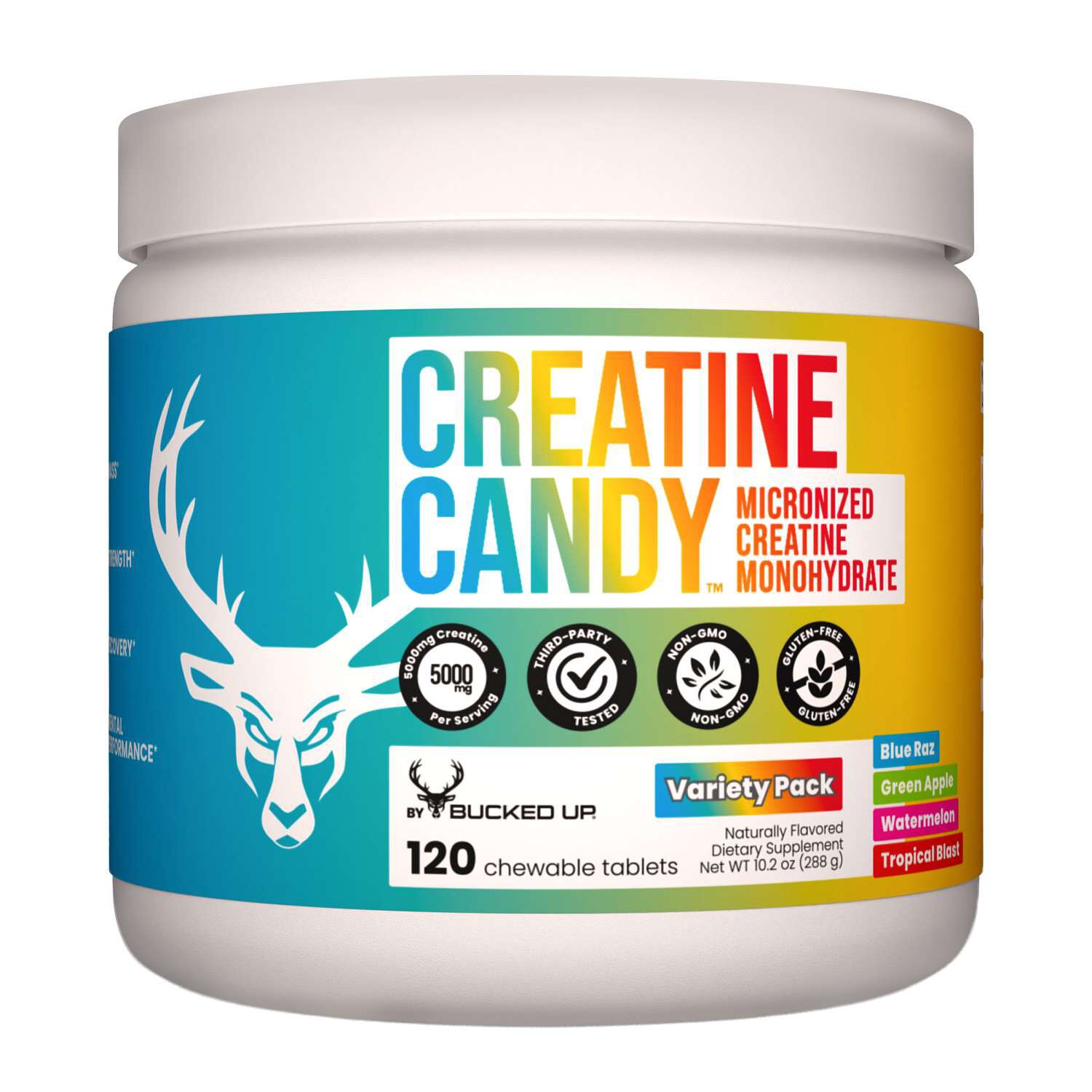
-

-

-
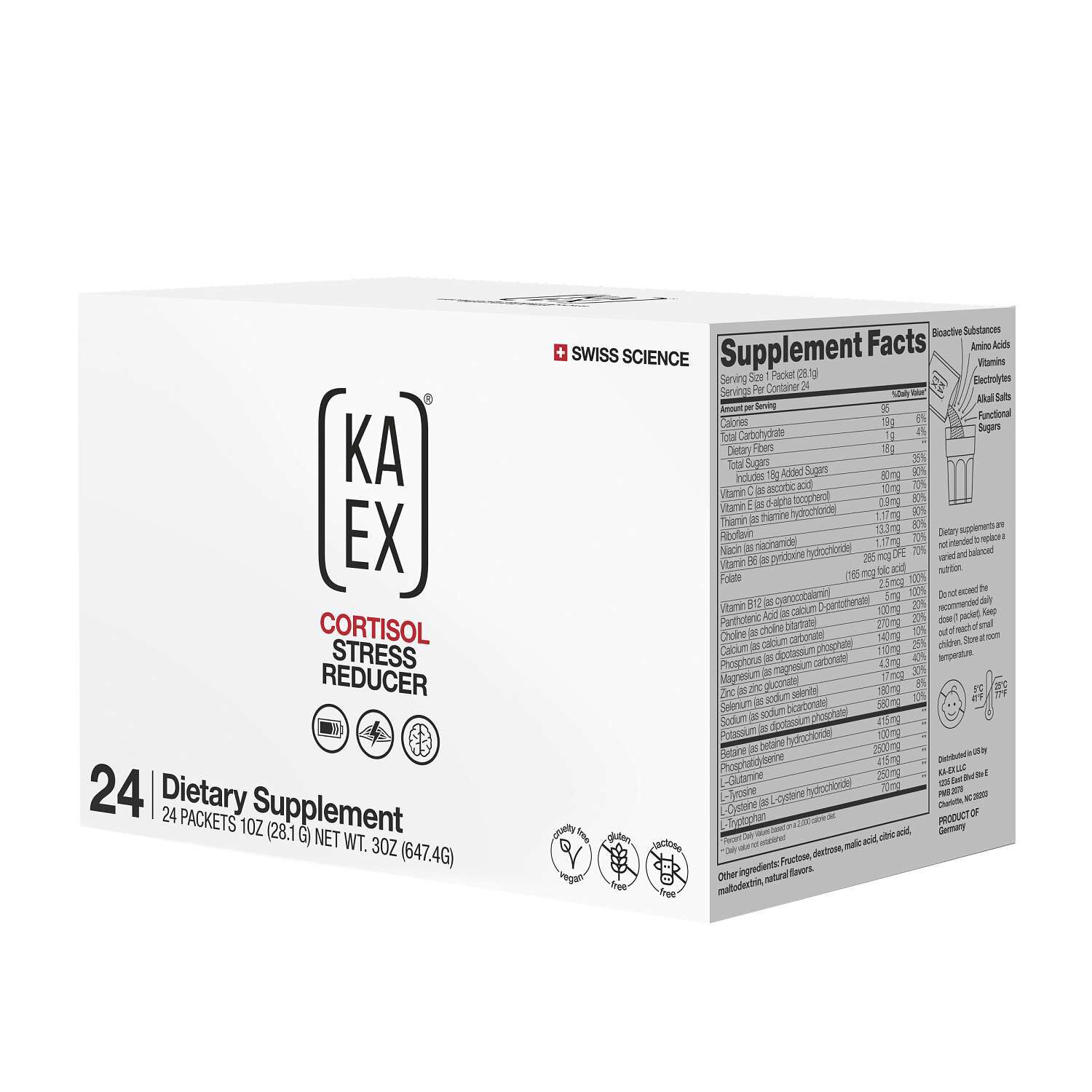 $49.99
-

-
.jpg?sw=305&sh=305&sm=fit "100% Casein - Vanilla Cream (25 Servings) | GNC")
-
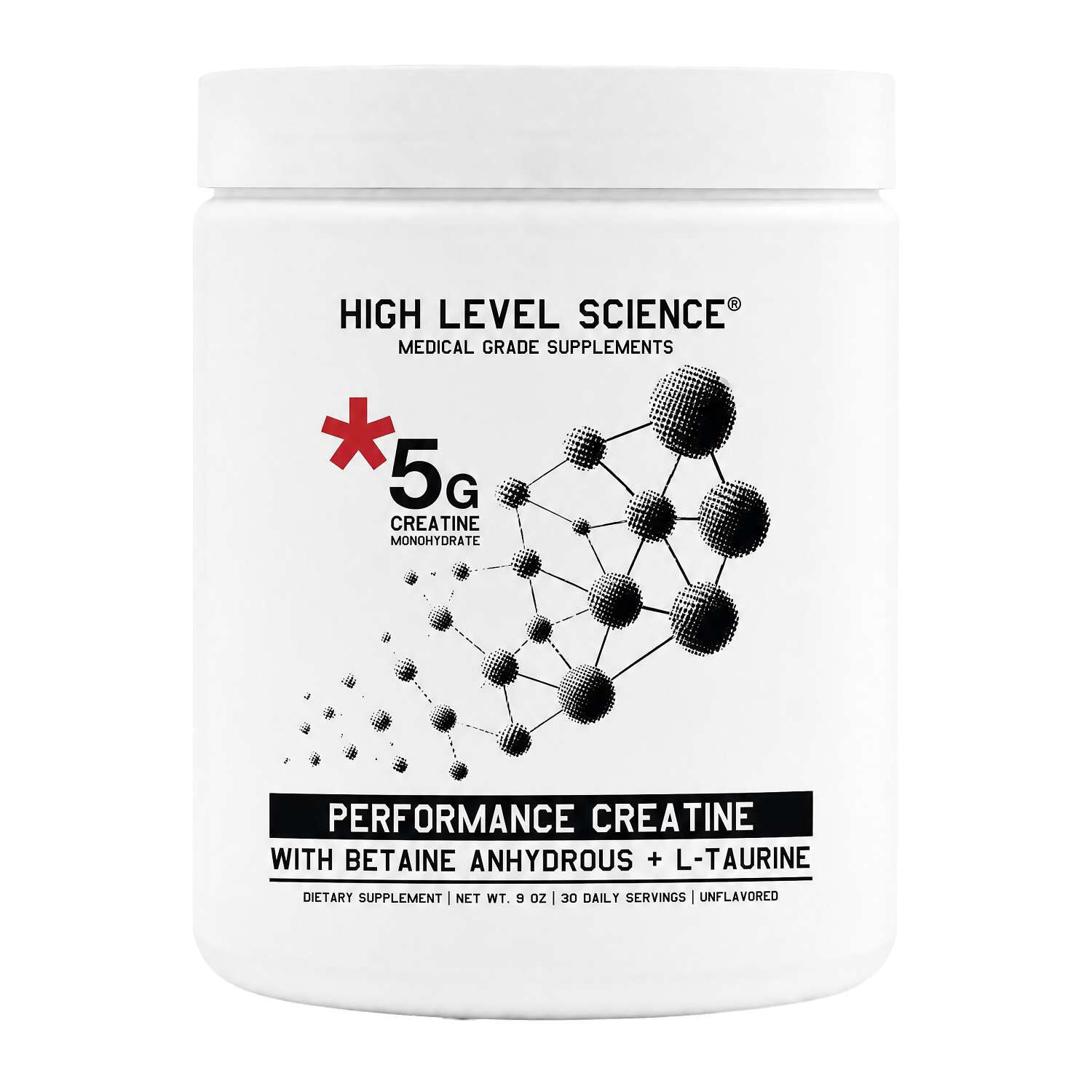 High Level Science$39.99
-

-

-

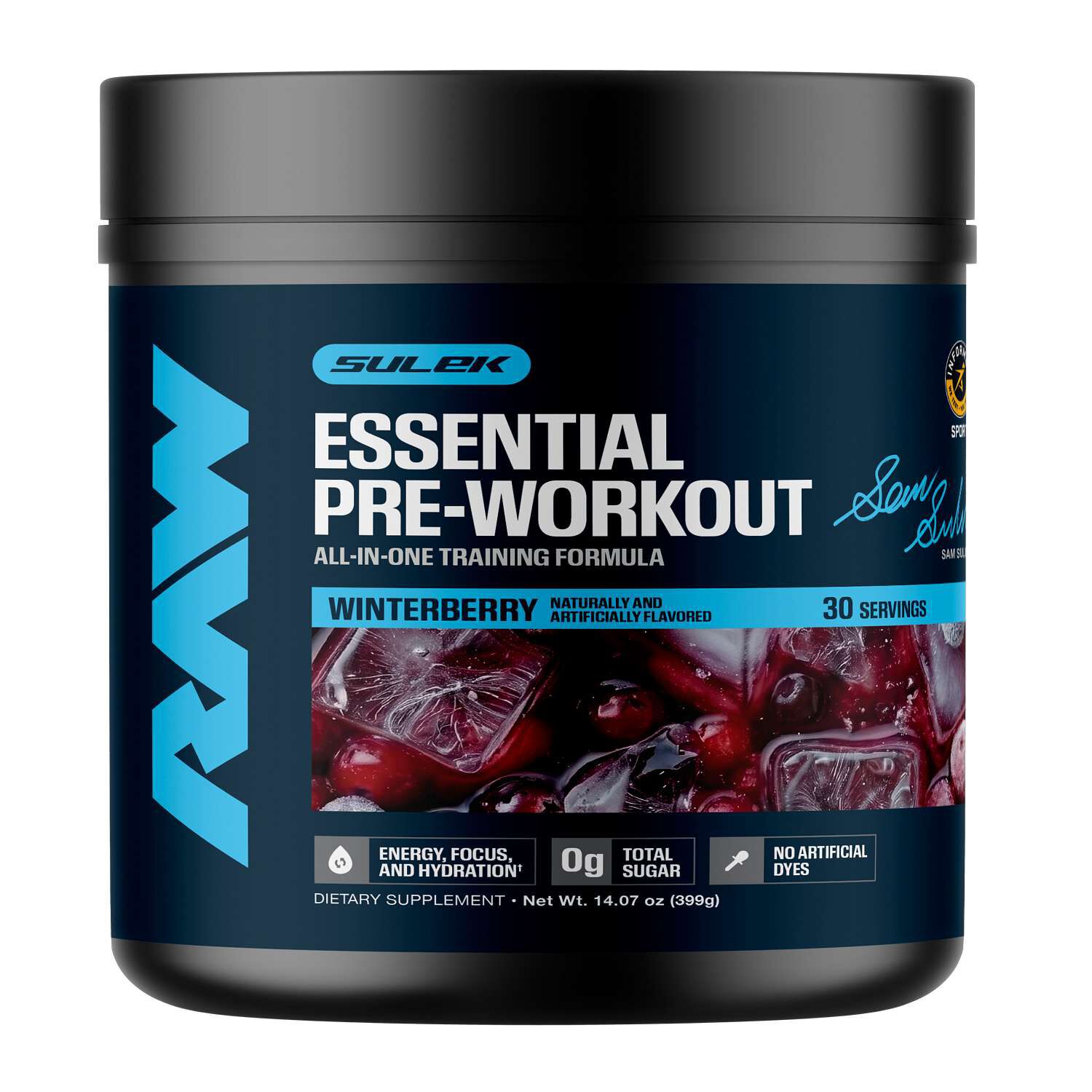
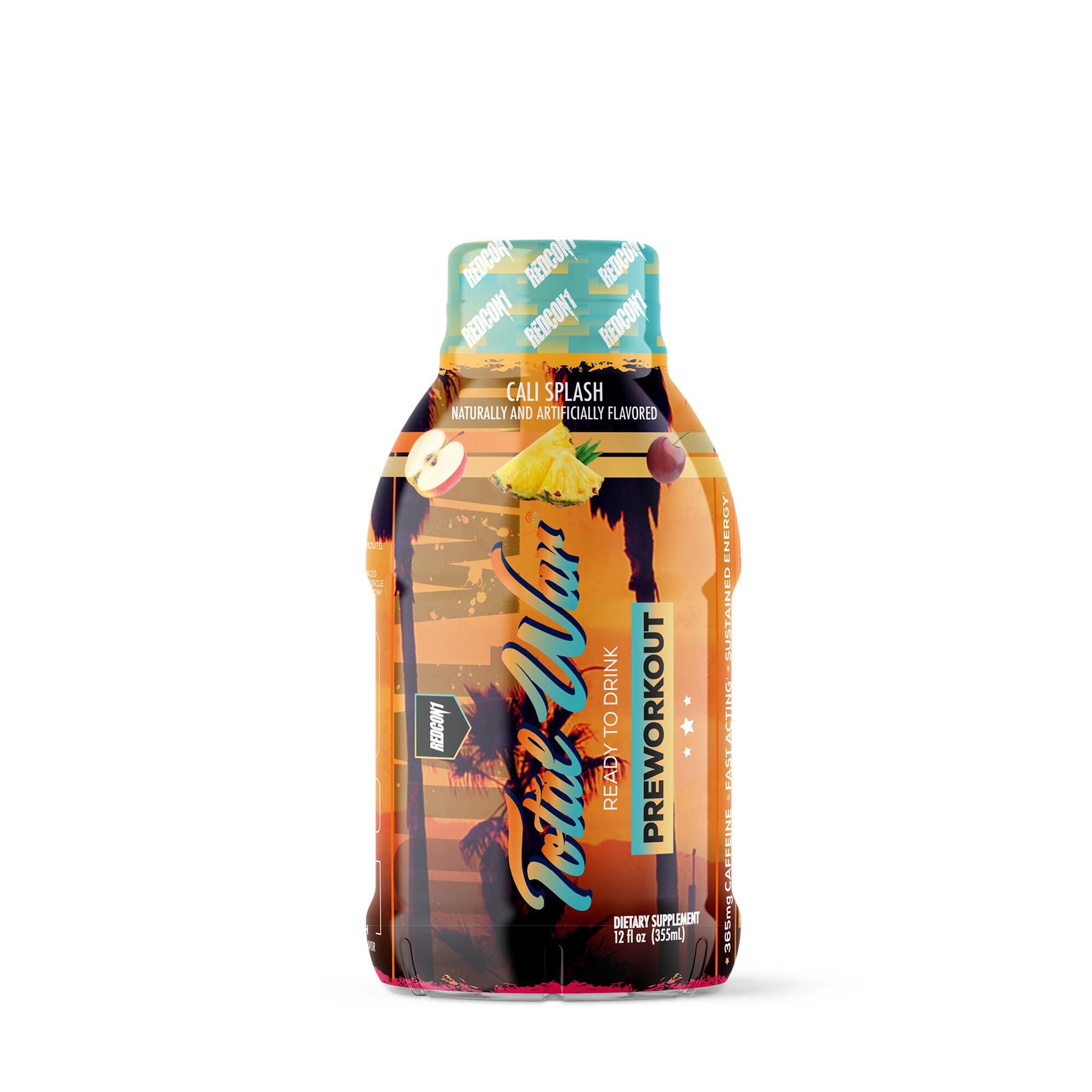
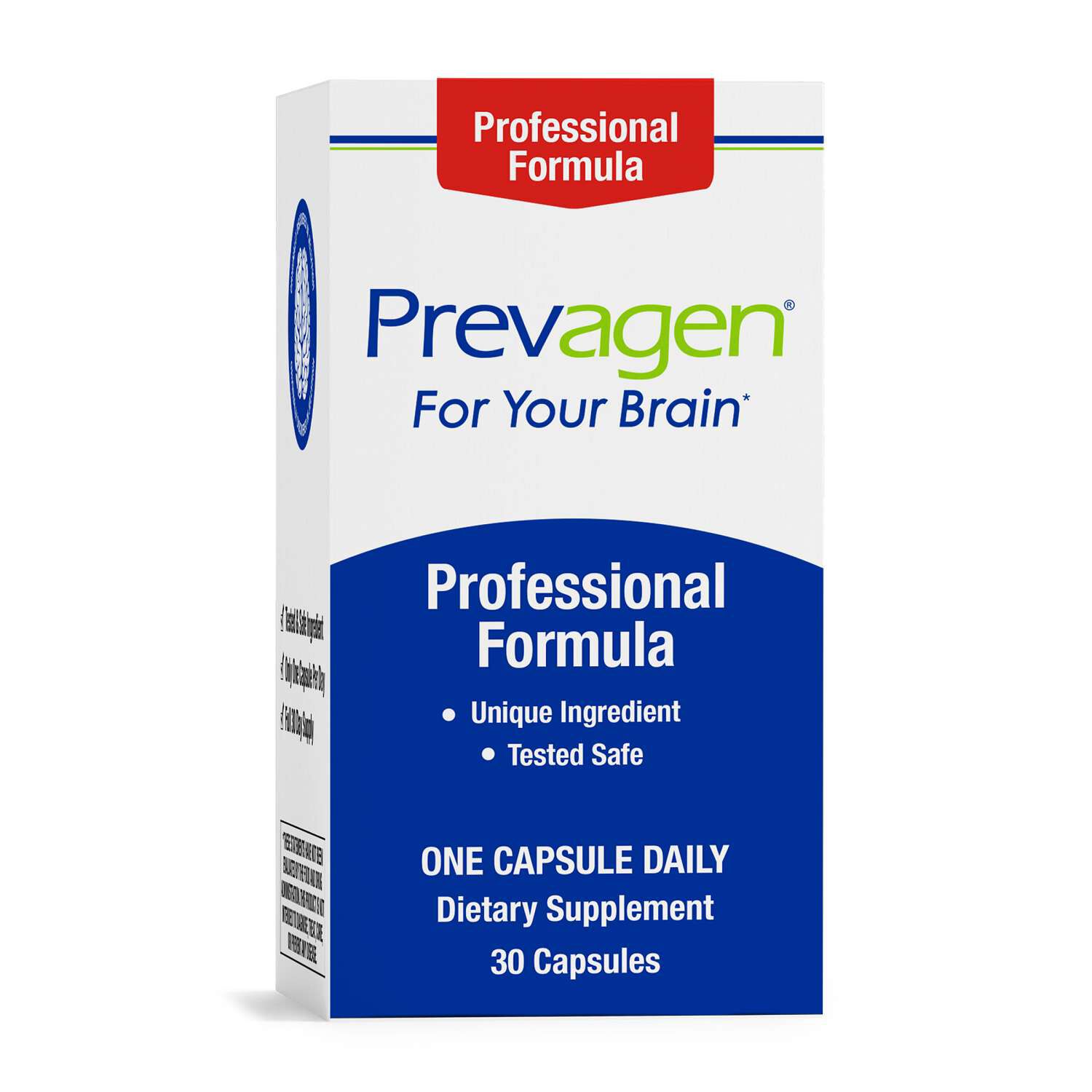
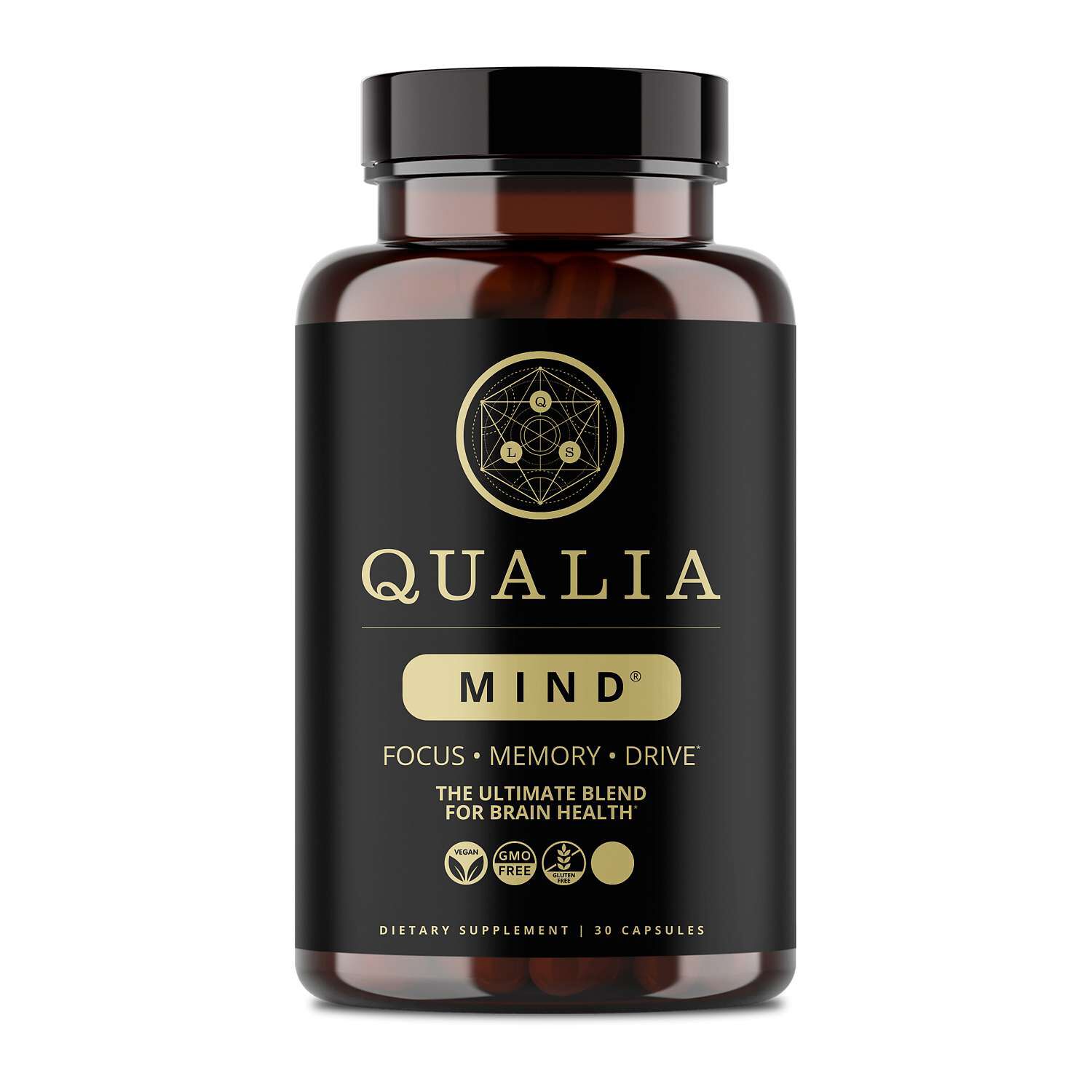
Supplements for professionals can describe dietary supplements that fit into a work routine or formulas marketed to practitioners. The two uses of the phrase tell shoppers different things. The first is about logistics: someone who goes straight from the office to an evening class may look for a different format than someone who works from home and has a kitchen cabinet within reach. The second is about how a formula is marketed or distributed. In the United States, “practitioner grade” is not a formal FDA quality classification for dietary supplements. Current Good Manufacturing Practice (cGMP) requirements apply to dietary supplement manufacturing regardless of whether a formula is marketed to practitioners or sold at retail. Independent testing is a separate consideration. Depending on its scope, third-party testing can confirm the identity of an ingredient, check measured amounts against the label, or screen for specified contaminants. A named testing organization and a description of what was checked are more informative than a general quality statement on the front of a package. A lot number serves a different purpose: it identifies a production batch and does not, on its own, indicate that independent testing took place. The Supplement Facts panel is another useful point of comparison across categories such as vitamins, minerals, and protein. The serving size gives context to the amounts shown on the panel, while the ingredient list identifies details such as capsule materials, flavorings, or sweeteners. Two labels can show the same amount of an ingredient but list different numbers of capsules per serving. That difference is easy to miss when the front of the package gets most of the attention, but it matters to someone comparing formats as well as formulas.
The practical fit of a supplement often comes down to where it will be kept and what it takes to use it. A tablet or capsule does not need mixing, while a powder calls for room to measure it and a suitable container to mix it in. A liquid may have its own measuring device and storage directions. For a frequent traveler who packs everything into a carry-on, the dimensions of the container and the way the lid closes may matter as much as the format itself. A powder container that is easy to open on a kitchen counter may be awkward to handle on a narrow break-room shelf. At home, a wide opening can make a scoop easier to reach, while a lid that closes securely can be more useful in a bag that gets set down on its side. Packaging materials have their own trade-offs: rigid plastic can weigh less than glass, while a glass bottle may make more sense in a cupboard where it does not need to move. Single-serving packets take up less room in a work bag than a full container, though a larger container can fit naturally into a routine built around one place. Storage directions vary by formula, so a format that travels easily is not always one that makes sense to leave in a desk drawer or carry between worksites. The package label can clarify how the contents should be stored, and the original container keeps those directions, the ingredient list, and the lot number together. For a powder mixed away from home, even the cleanup is worth picturing: a bottle that is easy to rinse at a break-room sink is a different fit from one that can sit by the kitchen sink until the end of the day.
A work routine is often easier to picture in terms of places and habits than job titles. A teacher who packs lunch before leaving may already have a spot for a compact container. A consultant who spends several days away from home may pay more attention to whether the label stays legible and the package closes readily after repeated use. Someone who spends most of the day on a jobsite may care less about how neatly a container fits in a desk drawer and more about whether the format involves measuring or mixing at all. For a person who works from home, a larger package may be no inconvenience if it fits on a shelf near the usual breakfast dishes. The same practical details apply when browsing Health Supplements For Male Professionals: a category name offers a starting point, but the label and packaging explain what a formula contains and how the format might fit into the day. When a supplement is being considered as a gift for a partner or family member, familiarity matters more than the recipient’s profession. A format the recipient already likes, an ingredient list that matches known preferences, and packaging suited to where it will be kept are better cues than a new job title or a packed calendar. Flavor is also personal, particularly for powders and liquids, where it is part of the experience rather than a detail tucked away on the label. For everyday shopping, the most useful distinctions tend to be plain ones: what the formula contains, whether any testing claims explain what was checked, and how the package will hold up in the place it is most likely to spend its time.
Best Sellers
-
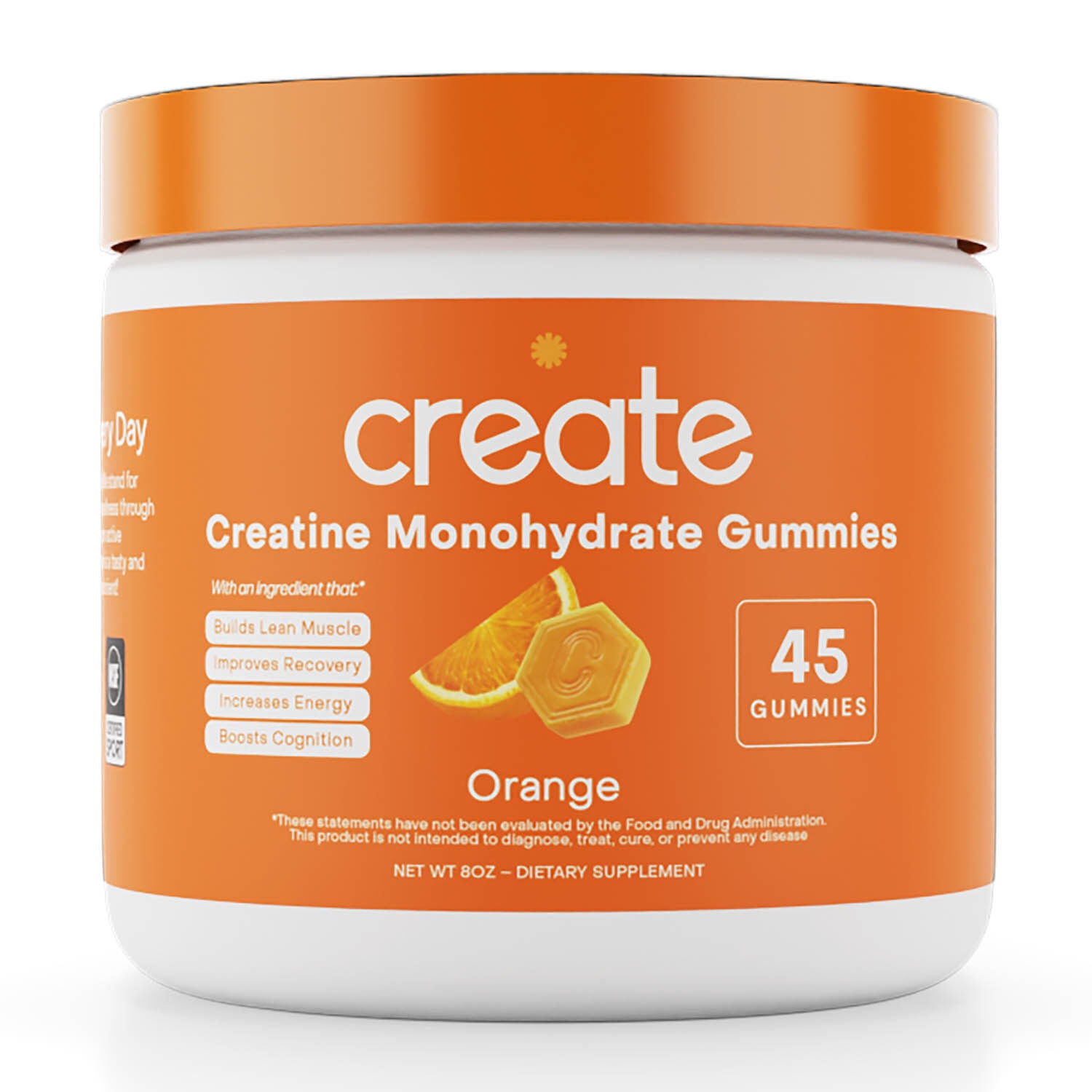 Create Wellness