

Supplements For Fitness Competitors
(0 Results)
Supplements for fitness competitors could offer valuable support on the journey to peak performance. Whether preparing for a competition or striving to reach new personal best, these specialized options may help complement a well-balanced diet and training regimen. Explore a range of supplements for fitness competitors that might align with your unique goals, helping you stay focused and motivated every step of the way.
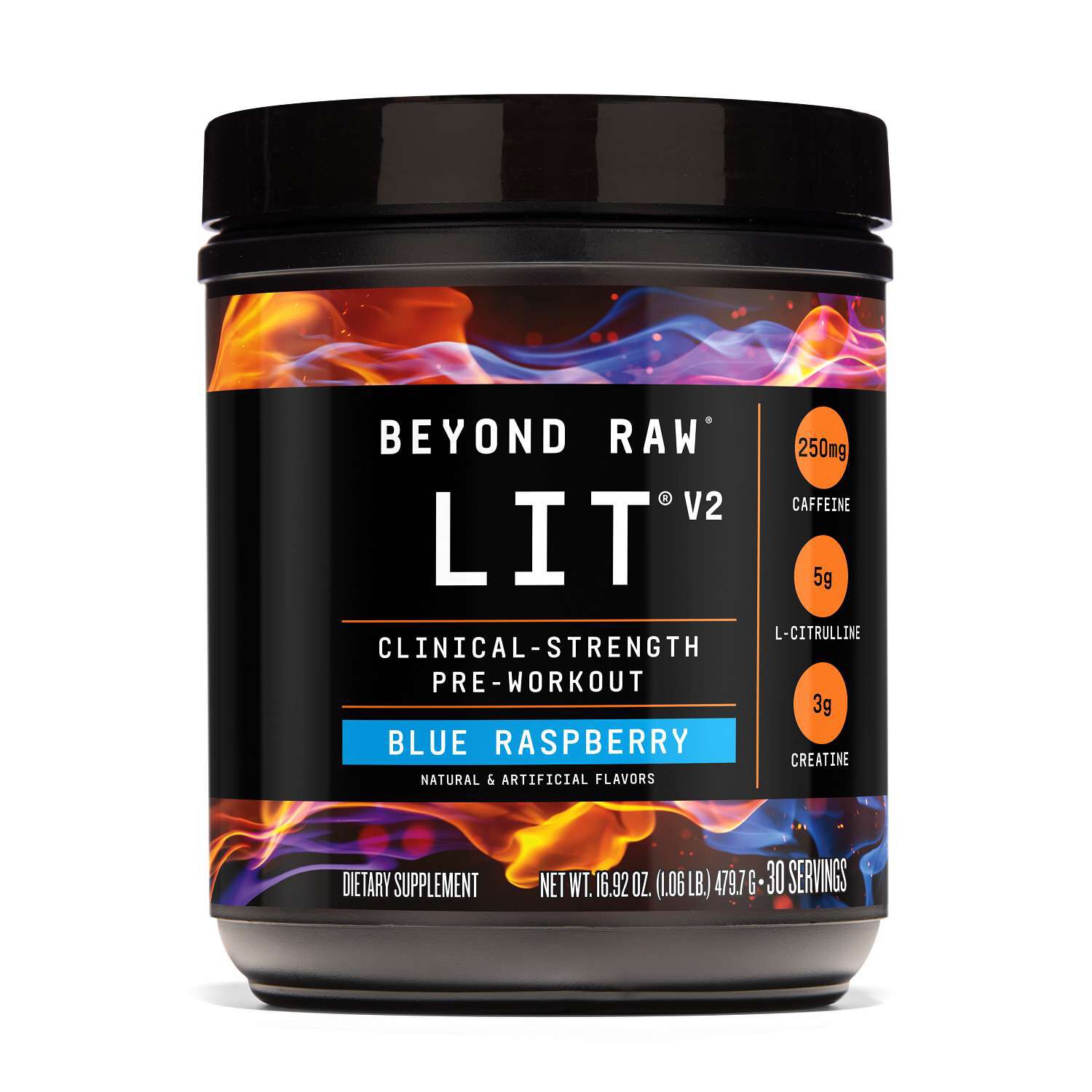

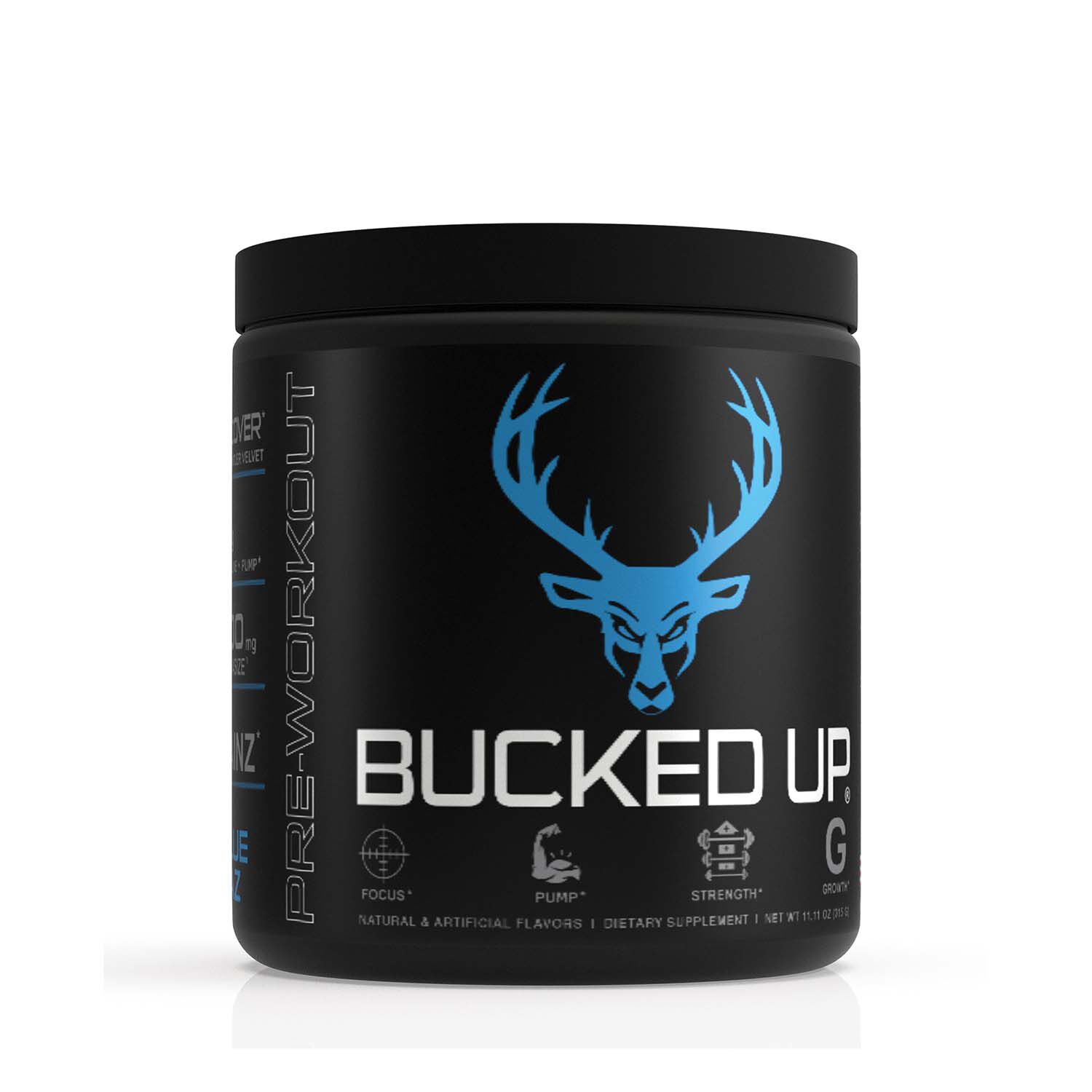


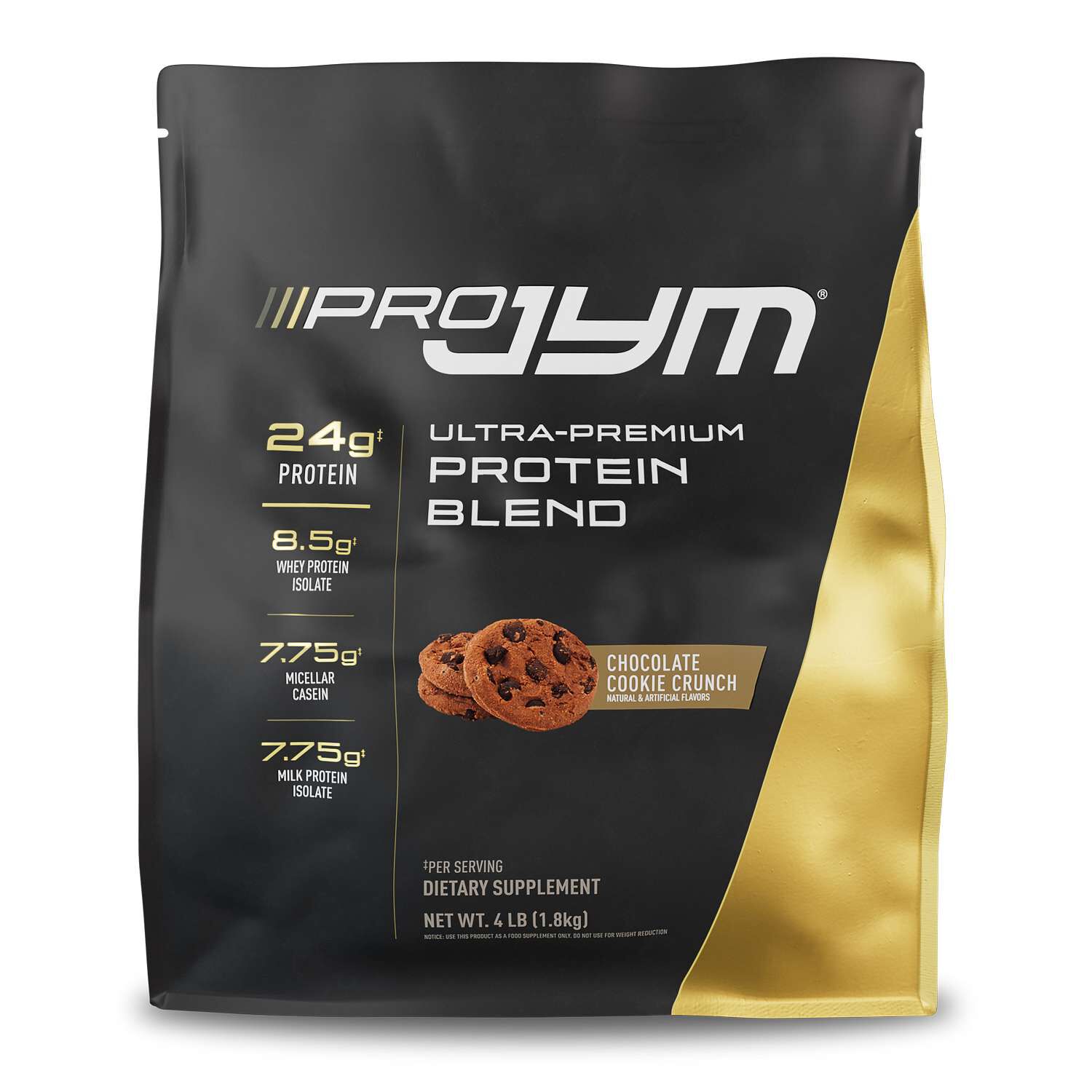

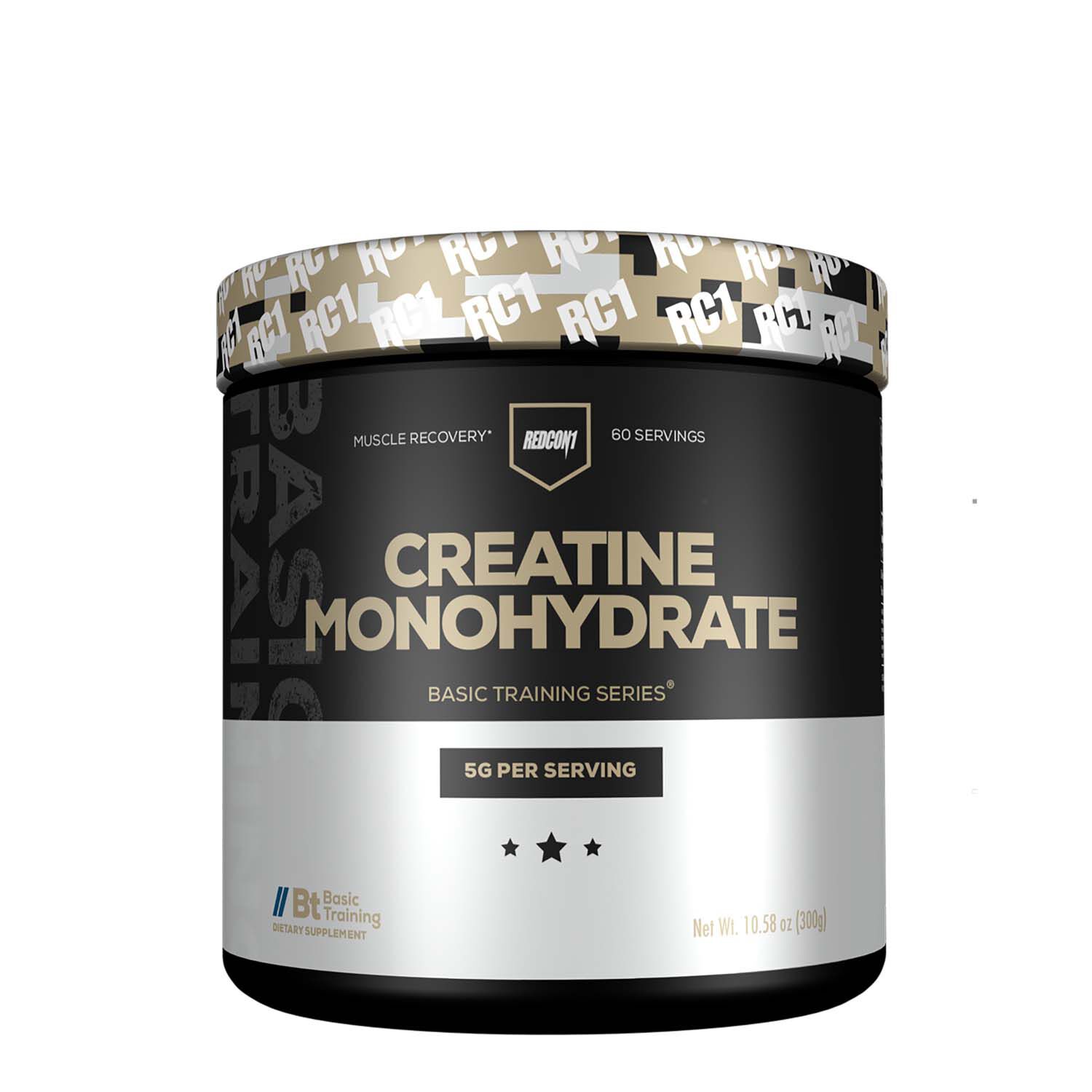
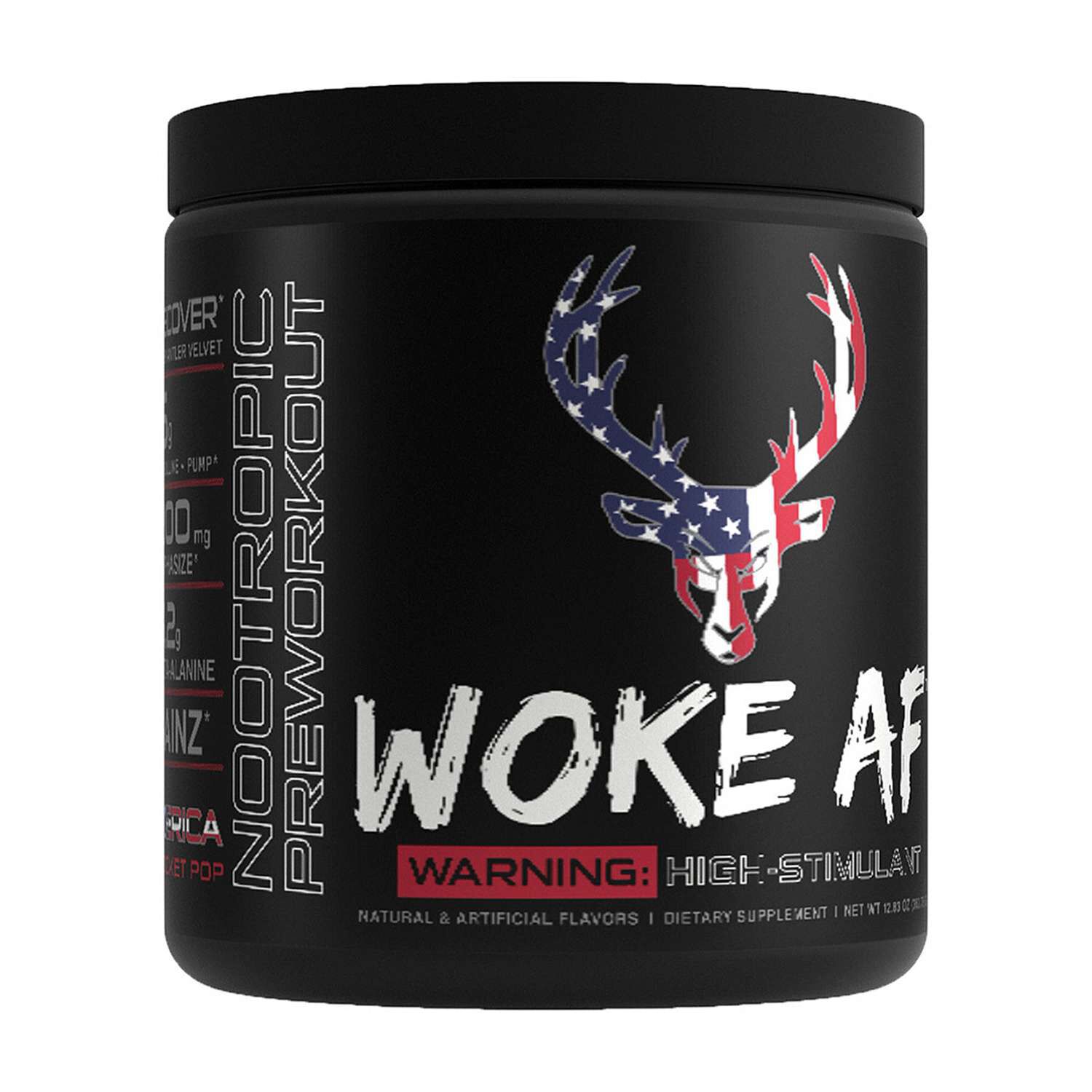


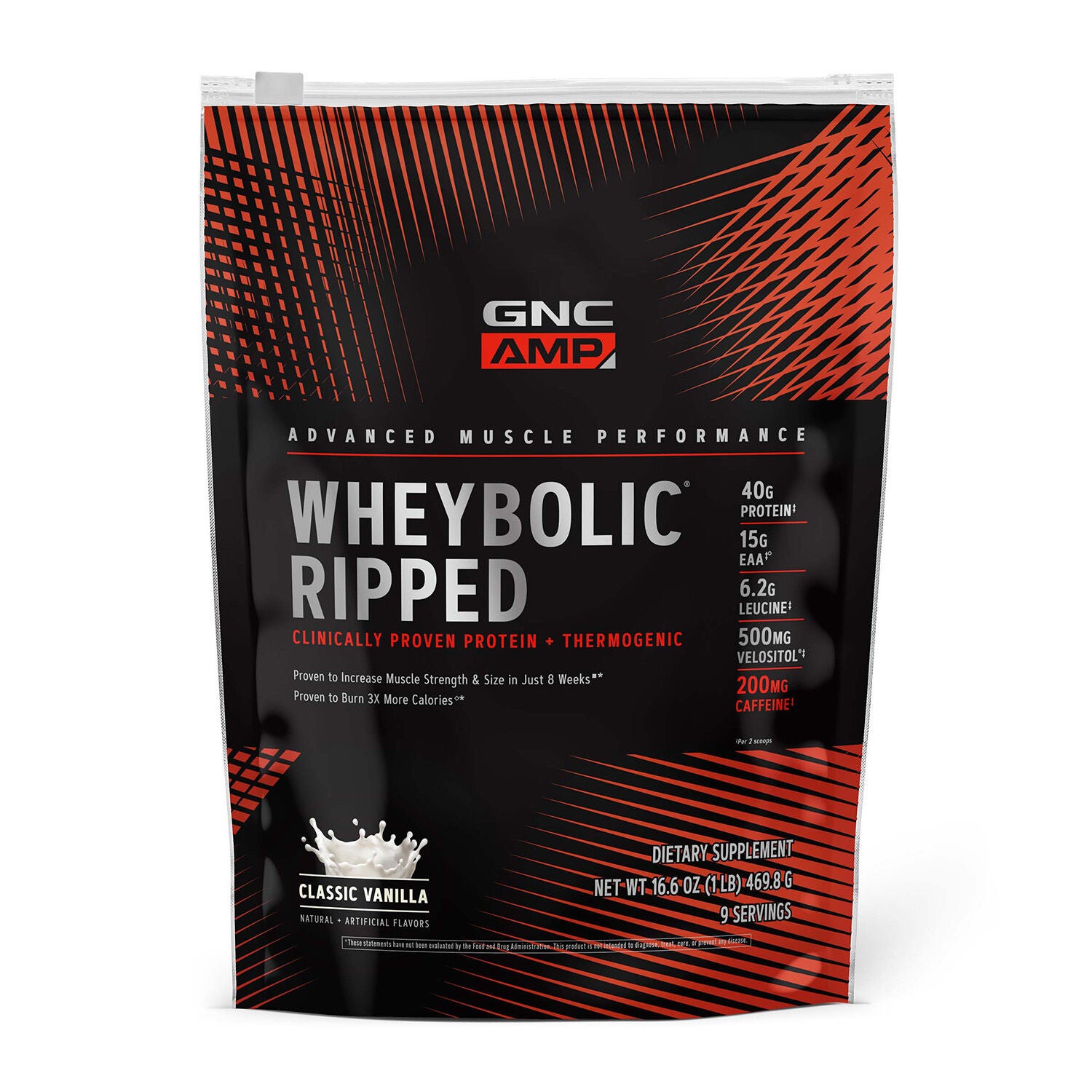


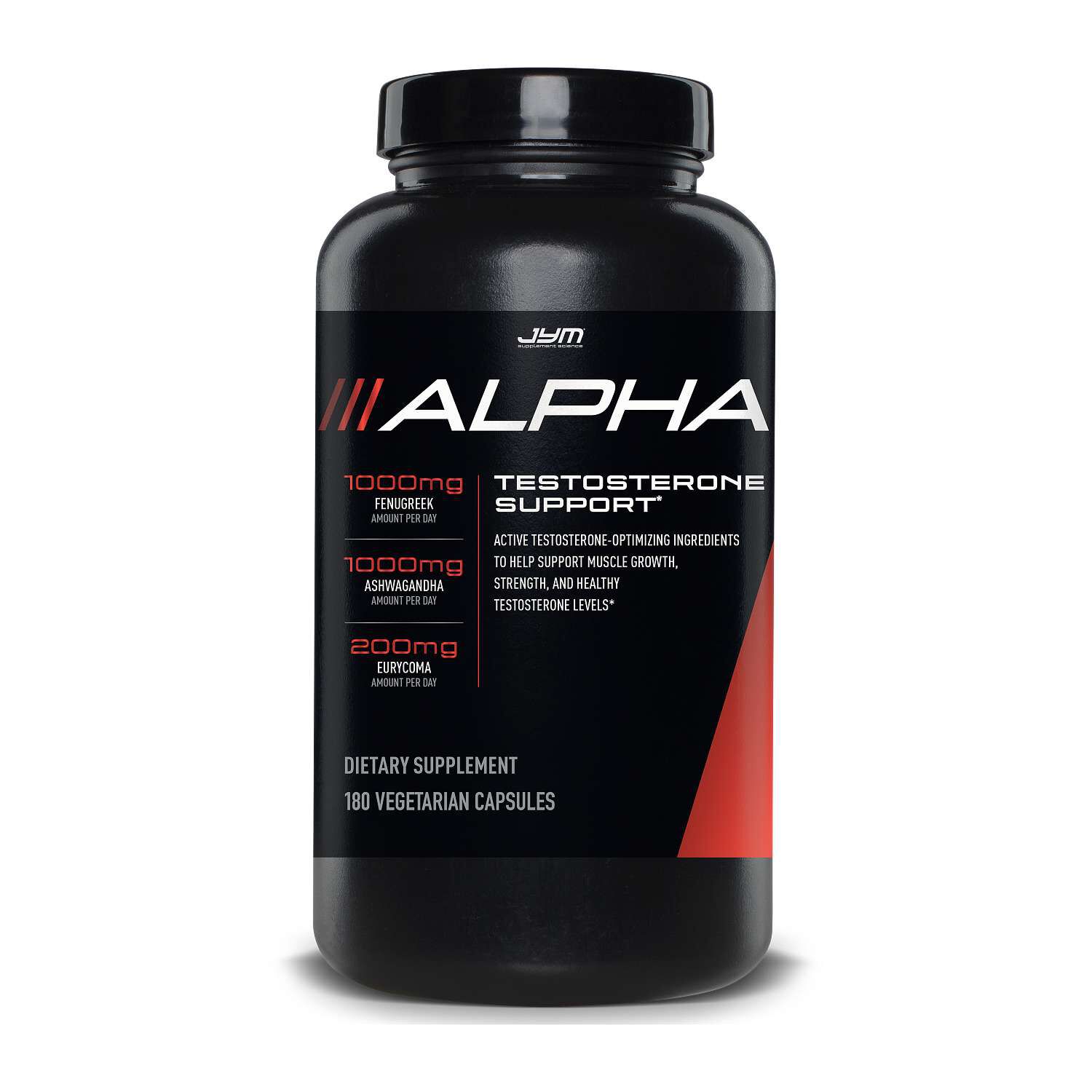
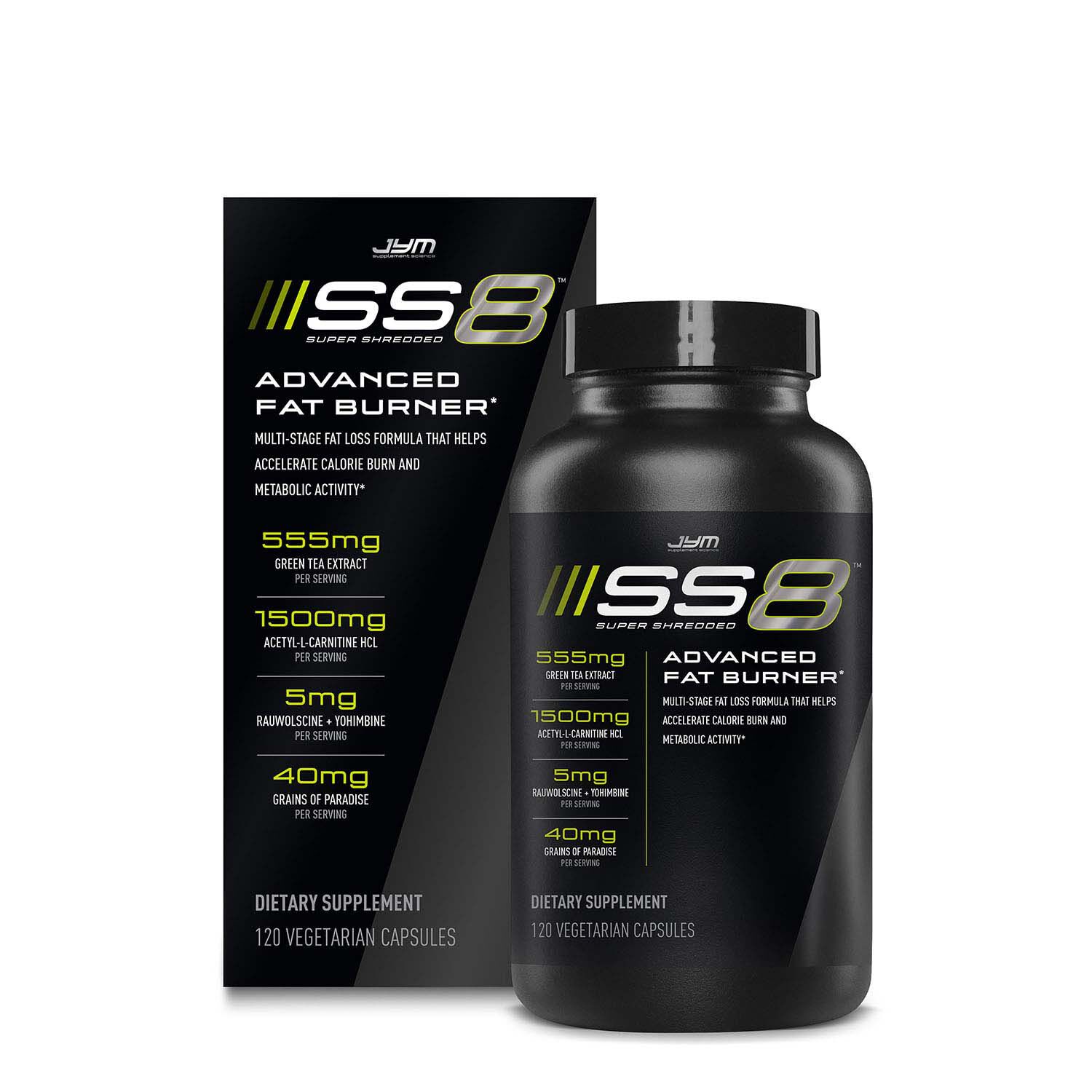

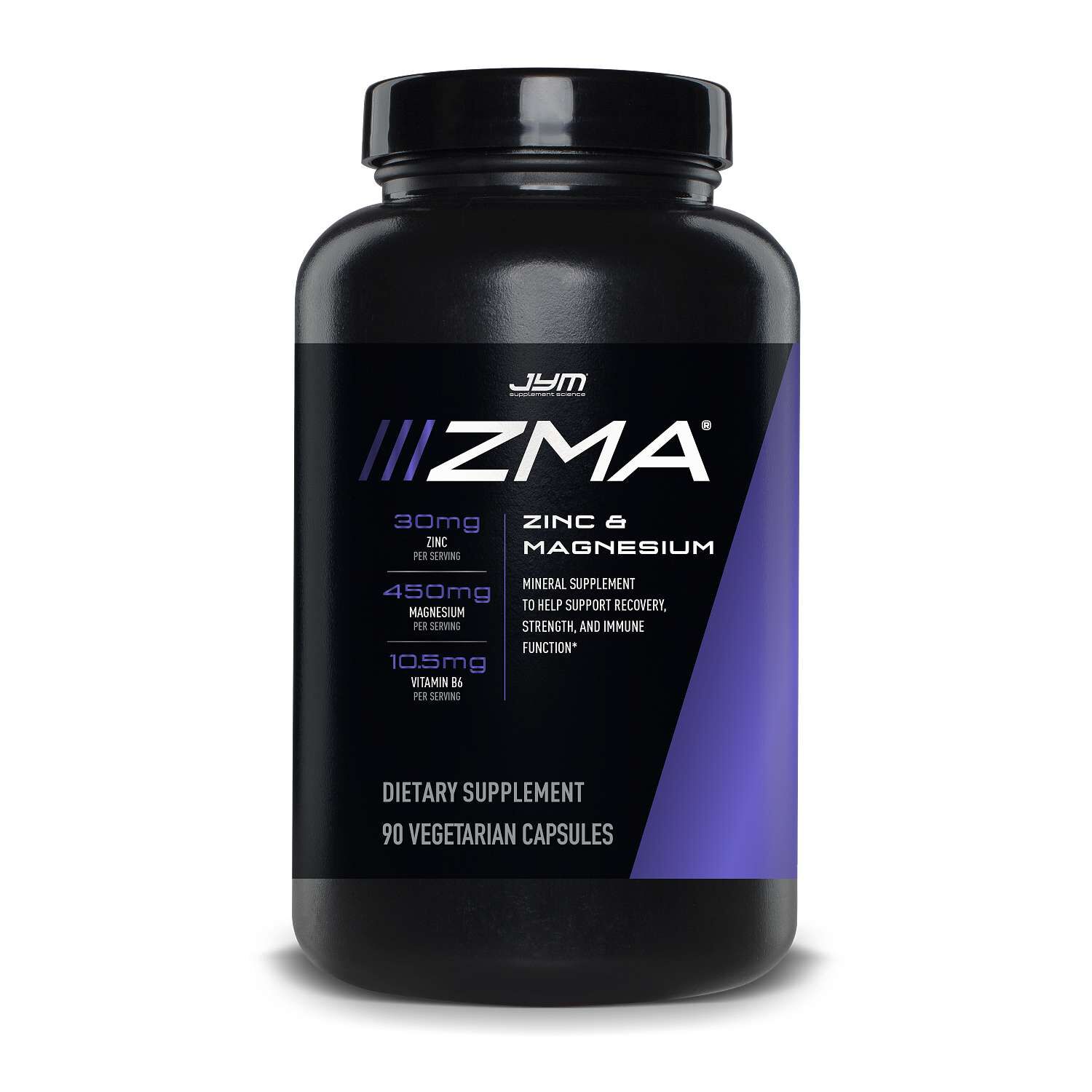
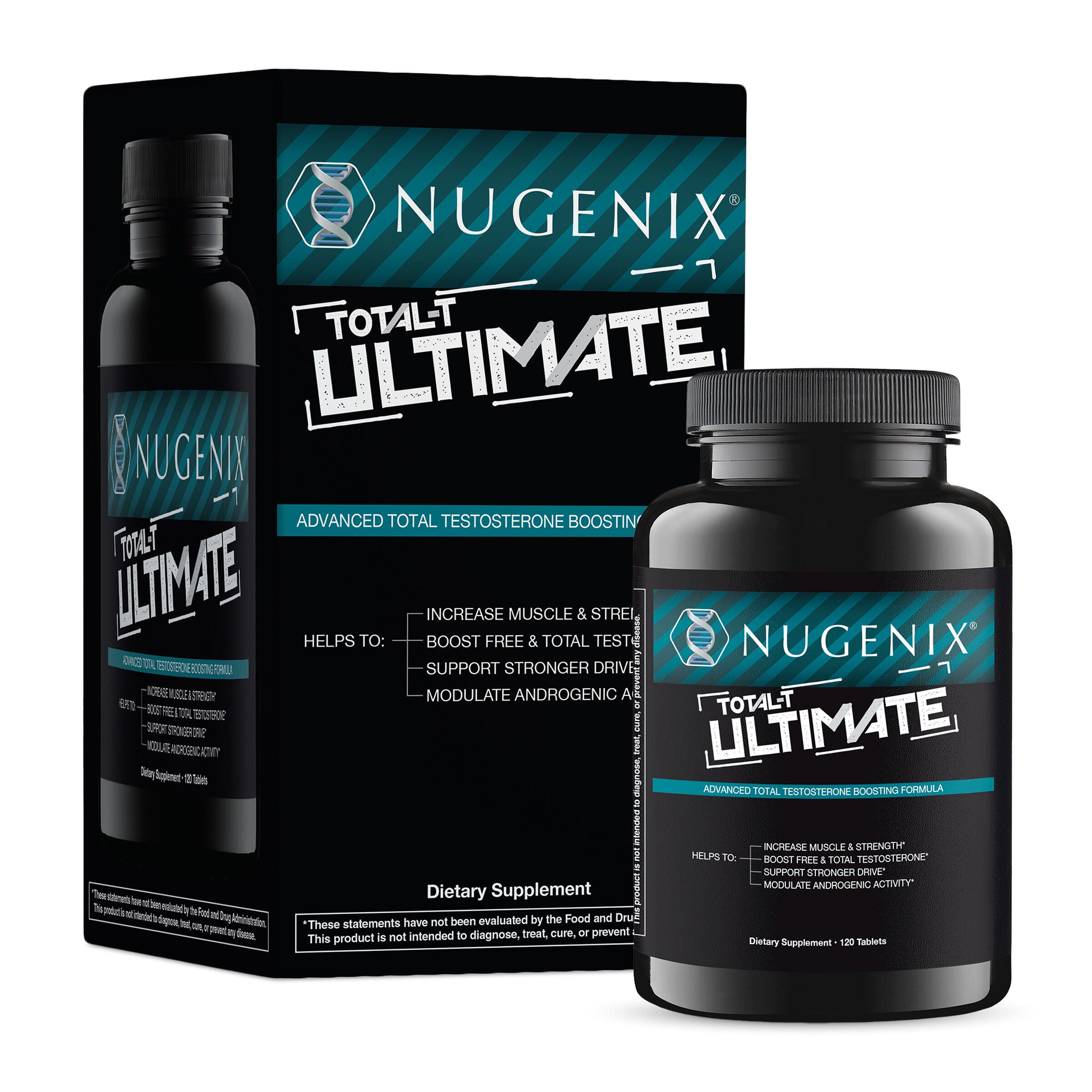
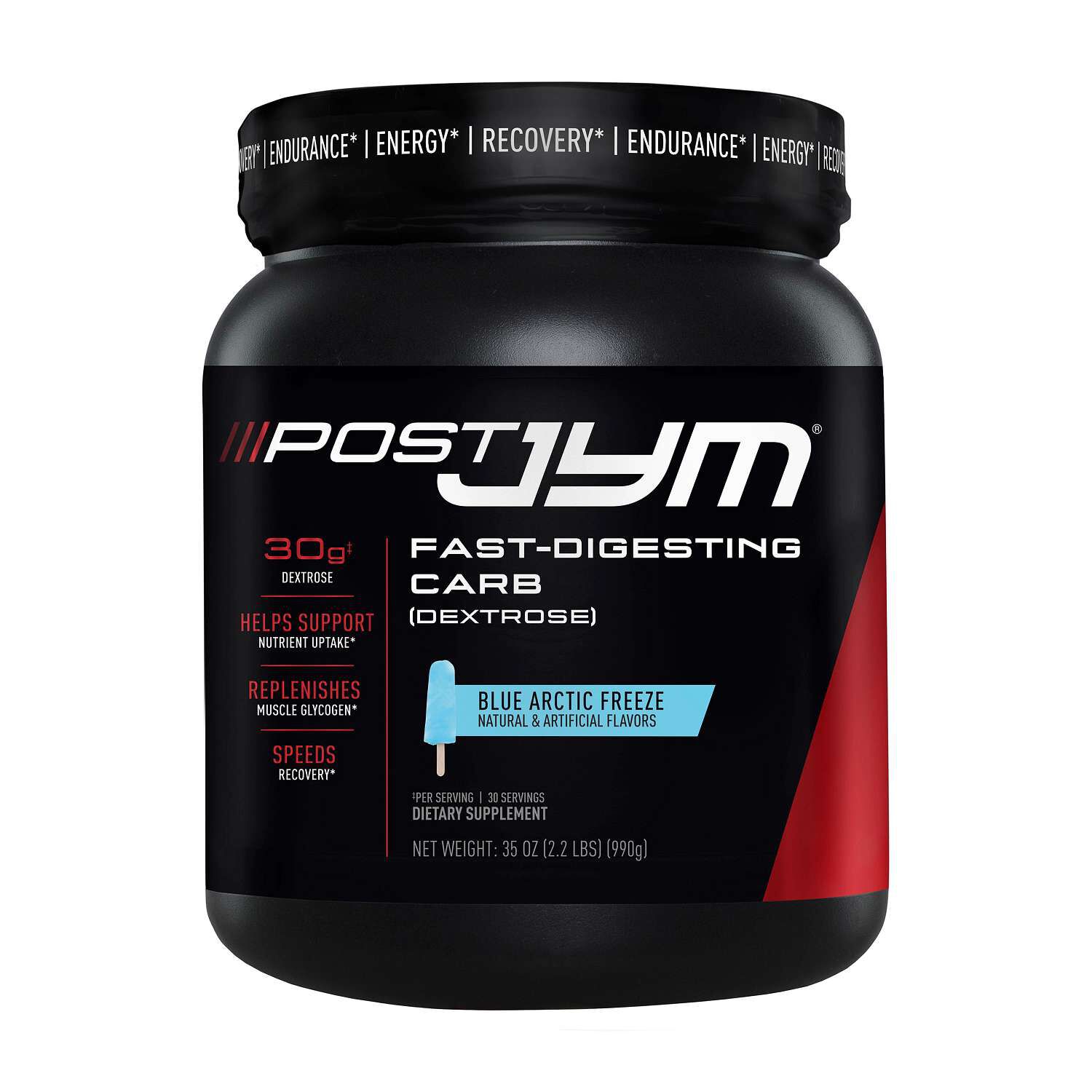

Supplements for fitness competitors span several familiar categories: protein powders, creatine, amino acid formulas, pre-workout blends, electrolytes, and vitamins and minerals. Each has a different place in the shopping conversation, whether the focus is an offseason training block, preparation for a physique event, or a demanding schedule of strength and conditioning sessions. Protein powders may help competitors meet their planned protein intake when a sit-down meal does not fit between work and the gym. Creatine may support performance during repeated, short bursts of high-intensity exercise, while caffeine-containing formulas may support alertness during a workout. Electrolyte products offer minerals such as sodium and potassium in formats designed to mix with water or travel in a gym bag. These categories are not interchangeable, and a longer ingredient list does not necessarily make a product a better match. The most useful starting point is the role a purchase could play in an established food and training routine. A competitor packing meals before sunrise may value a powder that mixes easily in a shaker; someone heading straight home after training may prefer a larger tub for the kitchen counter. Taste, texture, serving size, and preparation all matter when the same product becomes part of an everyday routine. During the cooler months, when training often shares the calendar with travel and busy indoor schedules, those practical details can matter as much as flavor variety. Shopping by purpose rather than by the boldest label makes it easier to compare supplements for fitness competitors across formats and price points. It also leaves room for personal preference: a mild powder that blends into oatmeal, a fruit-flavored drink for the gym, or capsules that do not require mixing. No single assortment fits every competitor, and preferences may differ between someone preparing for a first stage appearance and an experienced athlete with a familiar routine. This collection brings those varied needs into one browsing experience, with options worth comparing on their own ingredients, nutrition information, and intended use.
Among sports nutrition categories, protein deserves a closer look because the source and nutrition profile can vary considerably. Whey, casein, egg, and plant-based powders offer different ingredient choices, textures, and flavor profiles. Protein may support muscle maintenance and recovery alongside resistance training and an appropriate eating pattern, but choosing a powder also involves ordinary details such as milk ingredients, sweeteners, and how much protein appears in each serving. A scoop is not a standardized unit across products, so the serving weight and servings per container provide a clearer comparison than container size alone. Creatine is another common consideration for competitors whose training includes repeated lifting efforts or brief, intense work. Creatine monohydrate may support strength and high-intensity exercise performance over time; a plain, single-ingredient format also makes its contents straightforward to review. Beta-alanine appears in some performance formulas and may support exercise capacity during certain sustained, high-intensity efforts. Its purpose differs from that of caffeine, which may support attention and workout readiness. With pre-workout products, the amount of caffeine per serving deserves attention alongside caffeine from coffee, tea, and other beverages already in the routine. Amino acid products vary as well, and their usefulness may depend on the protein sources and amounts already present in meals and shakes. Electrolyte mixes differ in sodium content, carbohydrate content, sweetness, and serving concentration, making label comparisons especially relevant for longer sessions or workouts with substantial sweating. Vitamins, minerals, and omega-3 products occupy a separate category from workout drinks: their ingredient amounts and dietary sources are the more meaningful shopping details. They should not be treated as substitutes for varied meals. Across all these categories, a focused formula can be easier to evaluate than a blend with many overlapping ingredients. Looking at the full panel, rather than just the front of the package, helps distinguish what a product contains from the impression created by its name. The aim is a purchase that makes sense within the competitor’s existing routine, not simply another container on the shelf.
For competitors, product selection also involves the rules of the event or organization they plan to enter. Independent sport-focused testing and clearly disclosed ingredient amounts are useful purchase considerations, though a testing mark is not the same as approval from every competition organizer. The relevant organization’s published requirements remain an important reference when reviewing any supplement. Packaging details deserve similar attention: serving instructions, storage requirements, ingredient disclosures, and any listed allergens all influence whether an option belongs in a particular shopping basket. Value is best considered per serving and in relation to the amount of the ingredient being compared, rather than by tub size or sticker price alone. A compact container may suit a competitor who travels frequently, while a larger format may make sense for someone who already knows the flavor and uses it regularly. Anyone who has opened a gym bag to find loose powder around the shaker lid can appreciate the appeal of a securely closed container and a separate mixing compartment. For gift shopping, familiarity matters more than novelty. A competitor’s preferred flavor, dietary preferences, and competition requirements can make supplement purchases quite personal, so checking those details beforehand is more thoughtful than choosing an unfamiliar blend. Products in this category may also interest recreational lifters who enjoy structured training without plans to step onstage. Those browsing for event-oriented workouts beyond physique competition can explore Supplements For Fitness Challenges for a related selection. Whether the calendar includes a stage appearance, a strength event, or a quieter stretch of consistent gym sessions, practical preferences deserve space alongside performance goals. A supplement that tastes pleasant, fits the budget, and has a clearly understood purpose may be a more suitable choice than one selected for an ambitious label. Comparing ingredients, formats, serving details, and competition considerations keeps the focus on what matters to the person using it—and on how that purchase could fit into the daily work behind their next event.