Fall Fitness Supplements
(0 Results)
As the leaves change colors and the air turns crisp, it's the perfect time to revamp your fitness routine with fall fitness supplements. Whether you're looking to maintain your summer gains or kickstart a new workout regimen, these supplements could provide the support you need to stay energized and focused. Embrace the season of change by exploring options that may help you achieve your fitness goals and keep you on track as temperatures drop.
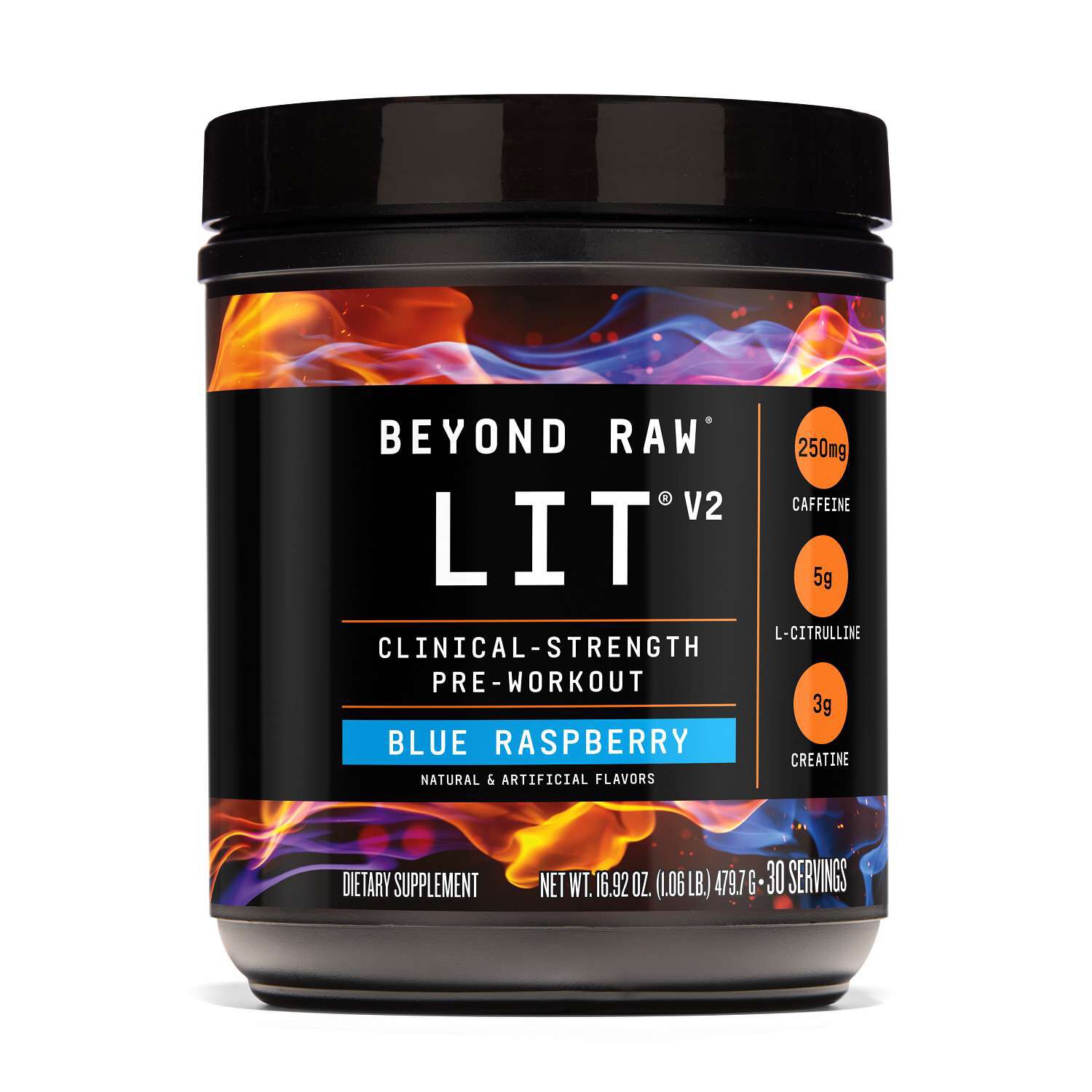
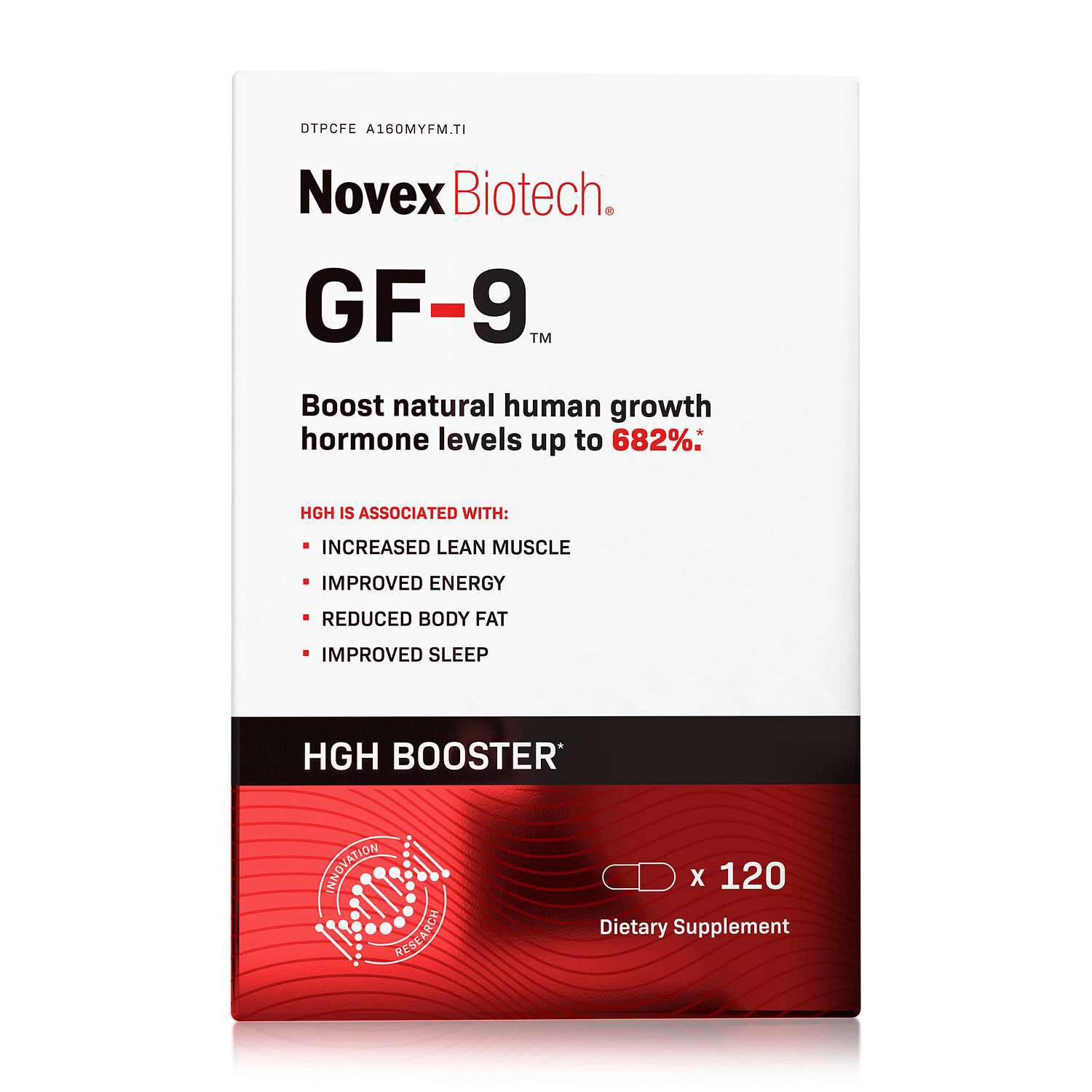
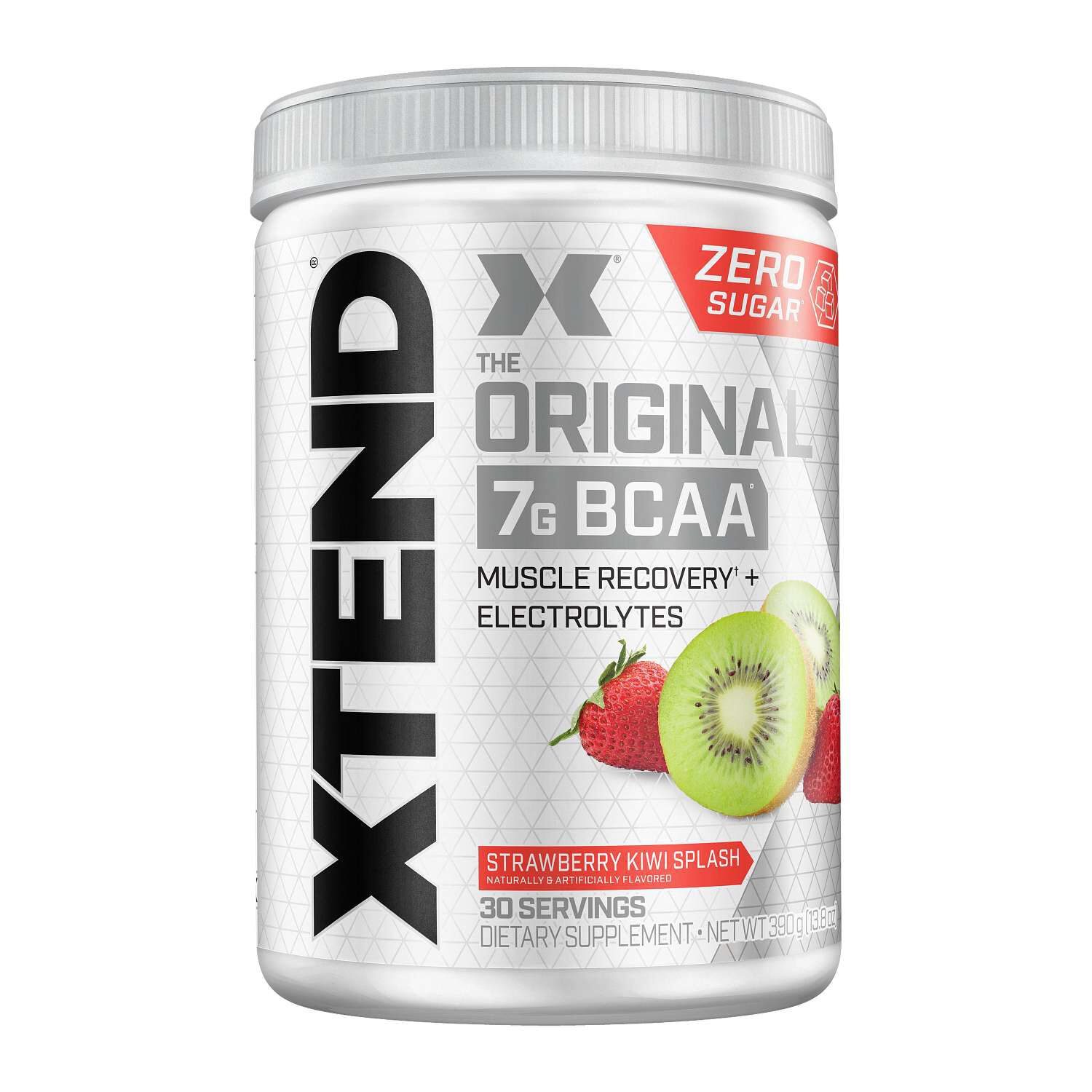
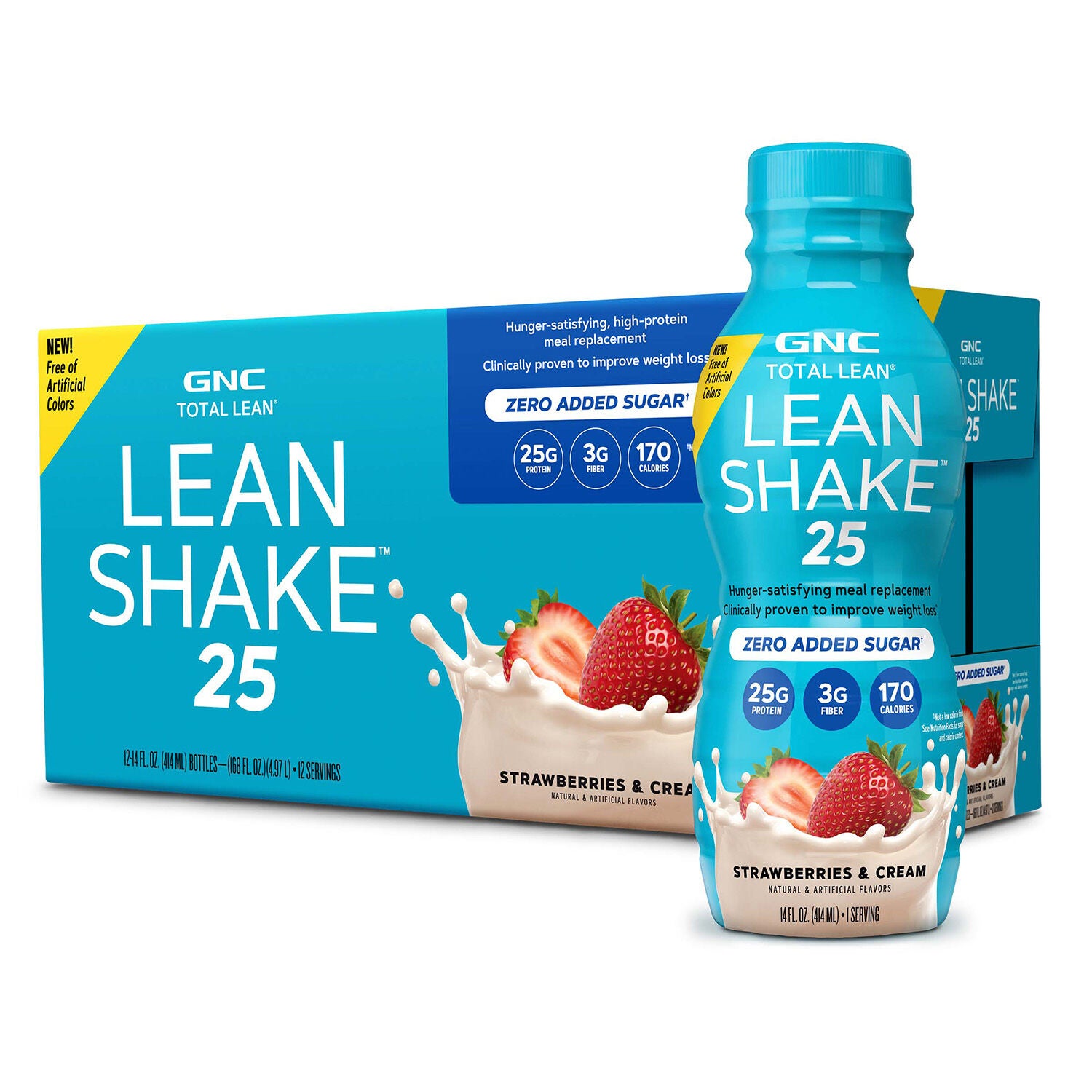
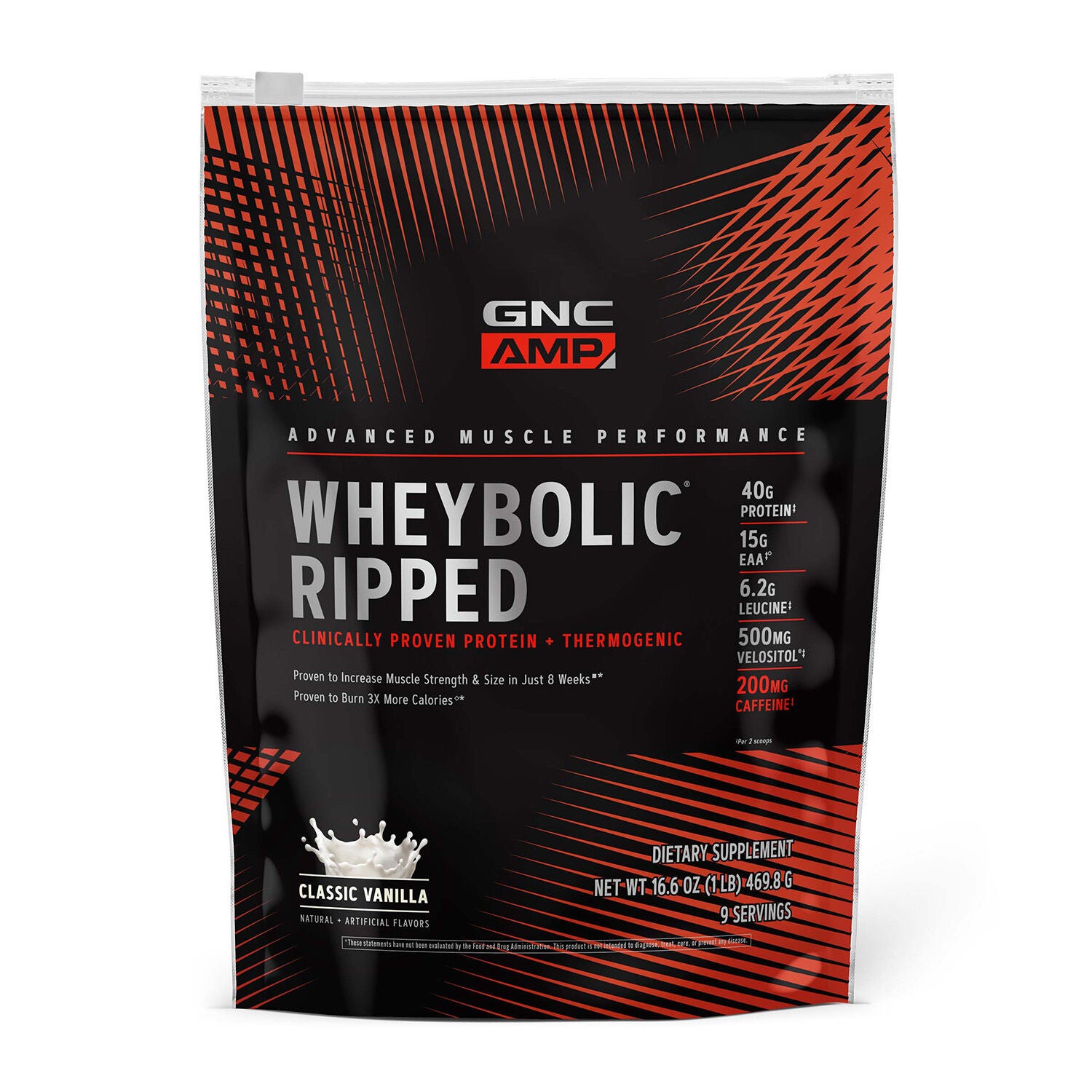


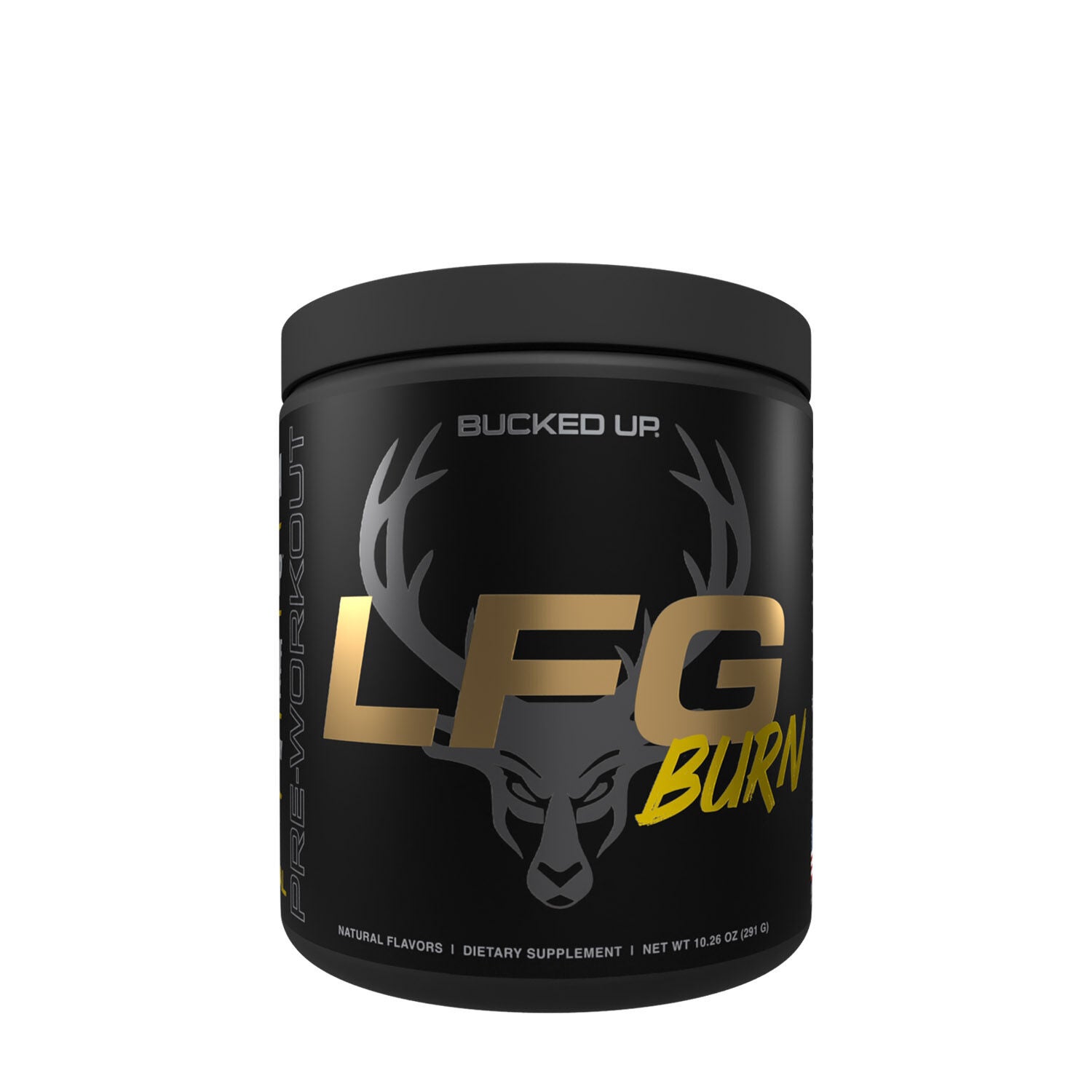


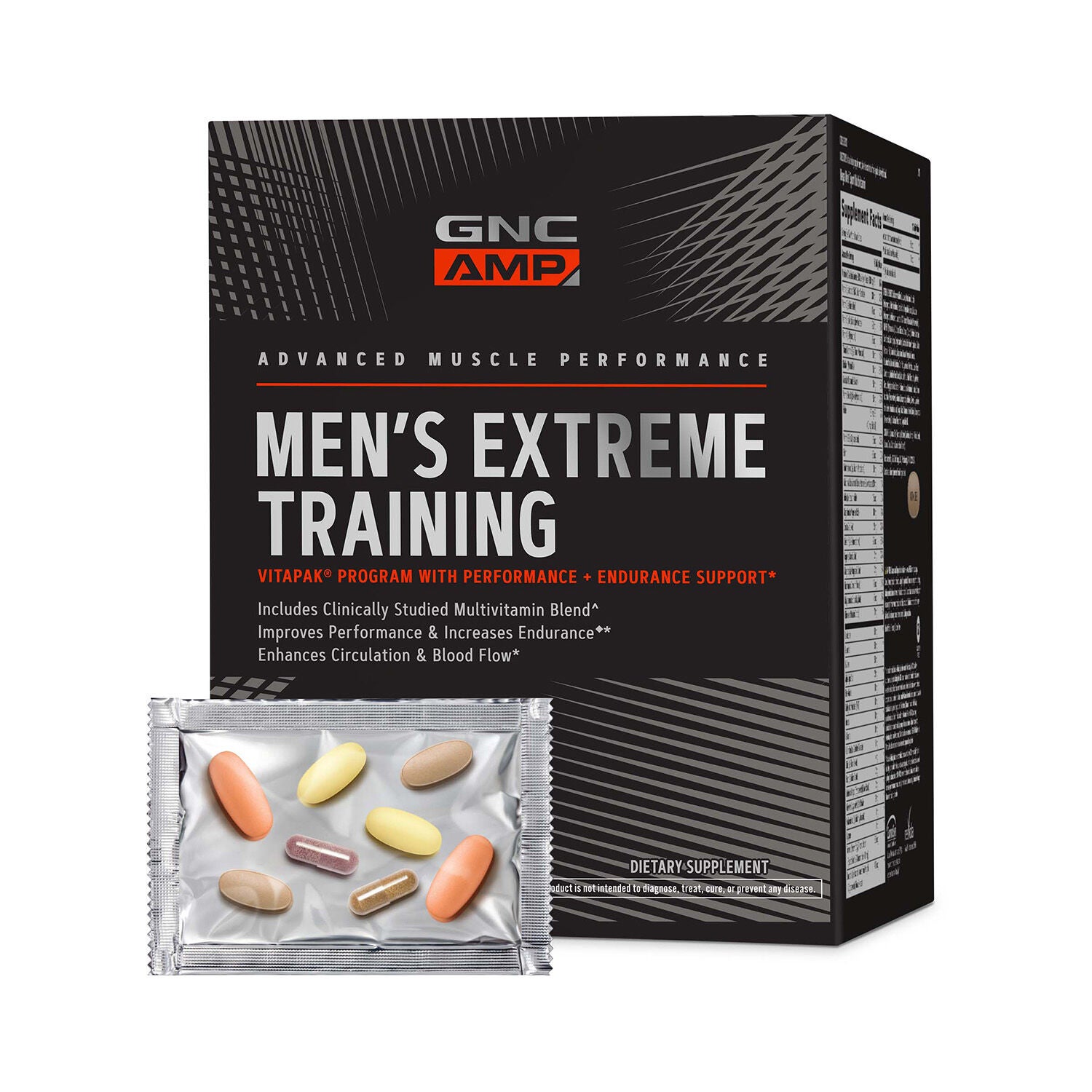
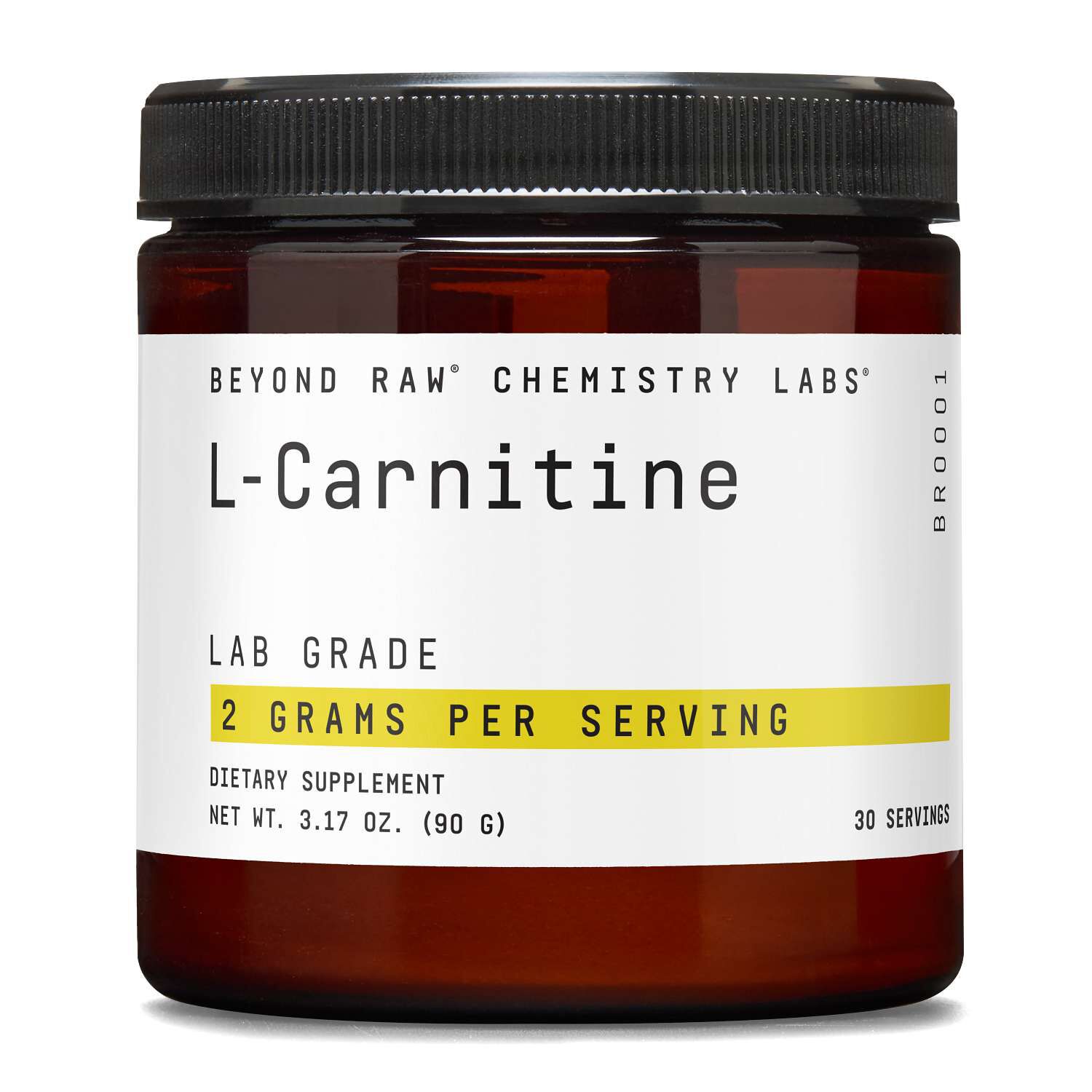


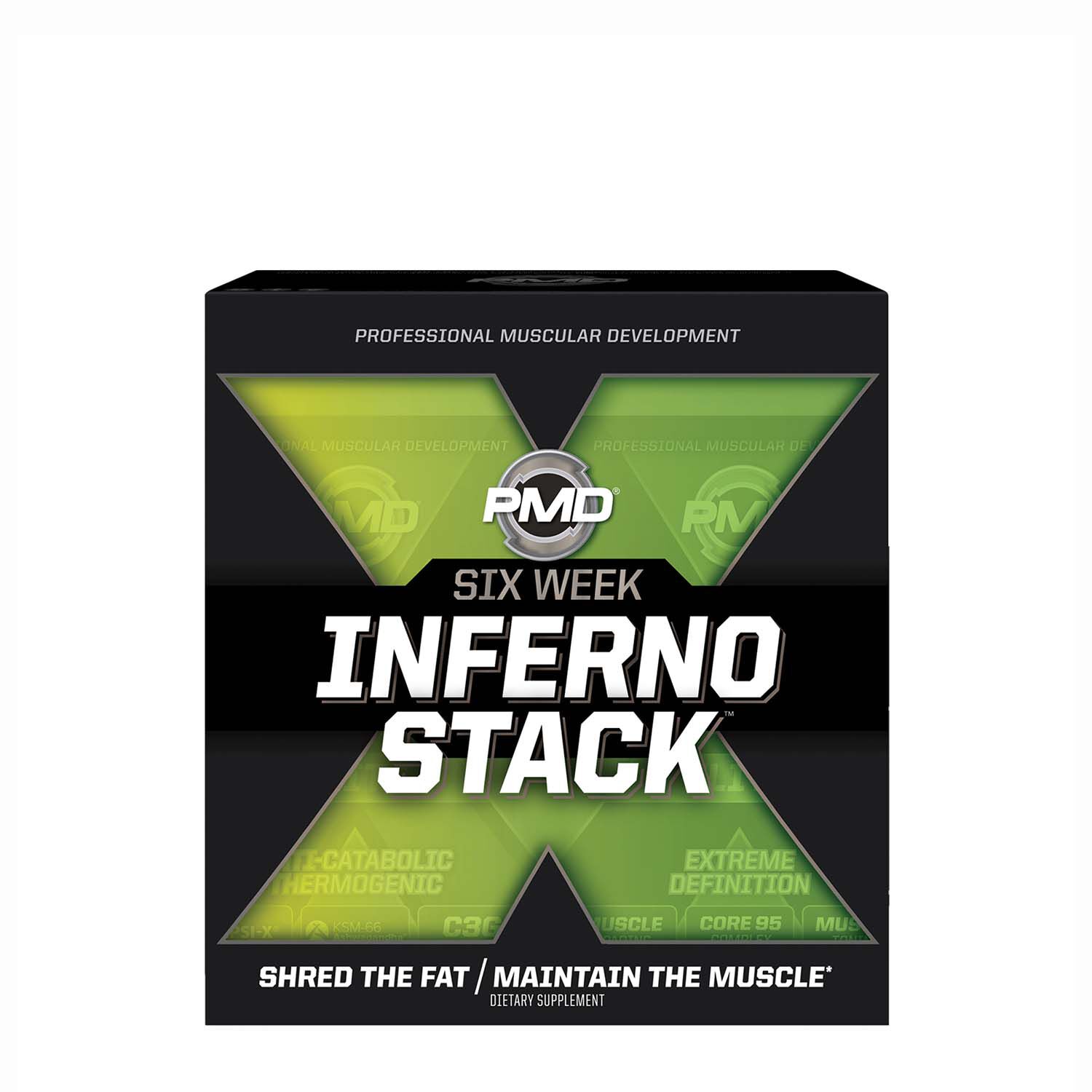

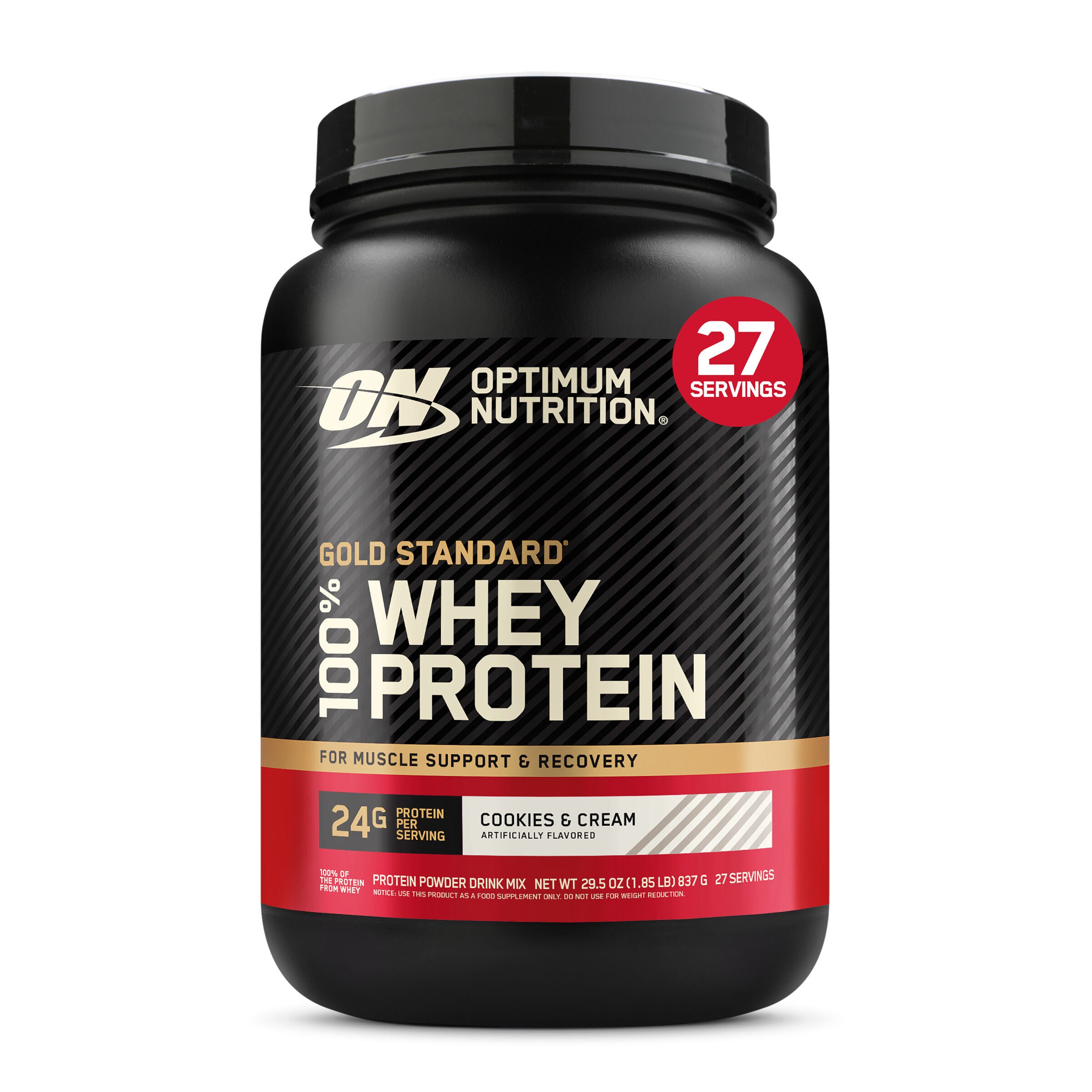

Fall fitness supplements bring together sports nutrition categories that suit cooler-weather training, from protein powders and creatine to pre-workout formulas, electrolyte mixes, and multivitamins. Their intended uses differ, making the connection between a supplement and a familiar workout routine more useful than the season alone. A person heading into the weight room after work has different preferences from someone taking a long weekend hike or fitting a cycling class between appointments. Protein powders may support muscle recovery after exercise and offer a convenient way to add protein to everyday meals or snacks. Whey, casein, and plant-based formulas differ in their sources, textures, and preparation options. Whey comes from milk, while plant-based powders can contain ingredients such as pea, soy, or rice protein. Some mix into a light shake; others have a thicker texture that suits a smoothie with oats and fruit. Creatine is another category associated with strength training and repeated, short bursts of effort, and it may support performance during those activities. Pre-workout supplements vary more widely in composition, with caffeinated and noncaffeinated choices, different serving sizes, and ingredients intended for use before exercise. Electrolyte powders and drink mixes offer another format for workout beverages, including options with or without carbohydrates. Vitamins and multivitamins sit alongside these sports nutrition categories but serve a different purpose as sources of dietary nutrients. Vitamin D is often part of the seasonal conversation as daylight hours shorten, although cooler weather alone does not establish a need for supplementation. Across these categories, fall fitness supplements make the most sense in the context of a person's eating habits, activity preferences, and daily schedule. The appeal is often practical: a powder that fits into breakfast, a drink mix that travels easily, or a familiar format that works with the transition from outdoor evening sessions to workouts under gym lights.
Choosing among fitness supplements involves details that are easy to overlook until a container becomes part of the kitchen counter routine. Ingredient sources, serving size, flavor, sweetness, and preparation directions all influence how a formula fits into daily life. For protein powders, the amount of protein per serving is only one point of comparison; the ingredient list also identifies milk, soy, and other allergens, along with sweeteners and flavorings. An unflavored powder offers a different experience from a dessert-inspired blend, particularly when mixed into oatmeal or paired with fruit. Chocolate or vanilla can work across several preparations, while a bold fruit flavor may be better suited to a simple drink with water. Texture matters just as much as taste. A formula intended for a shaker bottle may suit someone leaving home before sunrise, while a thicker blend may fit a breakfast prepared with a blender. The stated mixing directions provide a useful reference for liquid amounts, and scoop sizes are not interchangeable across formulas. Creatine supplements come in powders and other formats, with single-ingredient choices offering a straightforward label and blended formulas bringing several ingredients together. Pre-workout labels deserve a similarly close look because caffeine content and other ingredients vary. An evening class creates a different scheduling consideration from an early workout, especially for someone who already drinks coffee or tea. Hydration mixes also differ in sodium content, carbohydrate content, sweetness, and flavor intensity. A lightly flavored drink for a short gym visit and a carbohydrate-containing mix considered for an extended outing reflect different preferences and intended uses. None of these categories becomes a requirement simply because training moves indoors. Instead, the useful distinctions are concrete: what the formula contains, how it is prepared, when it is intended to be used, and whether its format suits the person carrying it from the pantry to the gym bag.
Cooler months also put a spotlight on storage, portability, and the small habits that make sports nutrition convenient. Someone traveling straight from the office to a strength session may prefer individual packets, while a person mixing shakes at home may find a larger resealable container more practical. Packaging durability matters when a pouch shares a bag with shoes, a towel, and a water bottle. A secure closure can make that setup less cumbersome, and clearly printed preparation and storage directions remain useful after the outer packaging is discarded. Powders, capsules, tablets, and gummies have different handling needs, so their labels are the appropriate reference for storage conditions and use. A dry scoop, a firmly closed lid, and a location away from kitchen steam are practical considerations for many powdered formats, subject to the package directions. A damp locker or a car exposed to changing temperatures is a different environment from a household cabinet. Prepared shakes also have different storage considerations from dry powder, particularly when mixed with milk or other perishable ingredients. These everyday details matter whether the routine involves brisk walks, indoor rowing, recreational sports, or regular lifting sessions. Supplements can also be a thoughtful gift for an adult fitness enthusiast when their preferences are already known, especially their usual ingredient sources, flavors, and formats. Personal familiarity matters more here than novelty; a familiar type of protein powder is a different gift from an unfamiliar pre-workout blend. For shoppers organizing nutrition around a defined training goal, Supplements For Fitness Challenges offers a related theme to explore alongside seasonal fitness categories. A change in weather can bring a new training setting, but it does not have to mean an entirely new nutrition routine. The most relevant fall fitness supplements are those whose ingredients, intended uses, preparation needs, and packaging fit naturally into the activities already on the calendar, from a quiet morning workout to a weekend spent on the trail.