Fall Protein Supplements
(0 Results)
As the seasons change and autumn sets in, it's the perfect time to adjust your fitness routine and nutrition plan. Fall protein supplements could be an excellent addition to support your goals, whether you're aiming to maintain muscle mass, recover from workouts, or simply ensure adequate protein intake. With a variety of options available, finding the right supplement might help you stay energized and on track throughout the cooler months. Explore our selection of fall protein supplements to find the perfect fit for your needs this season.


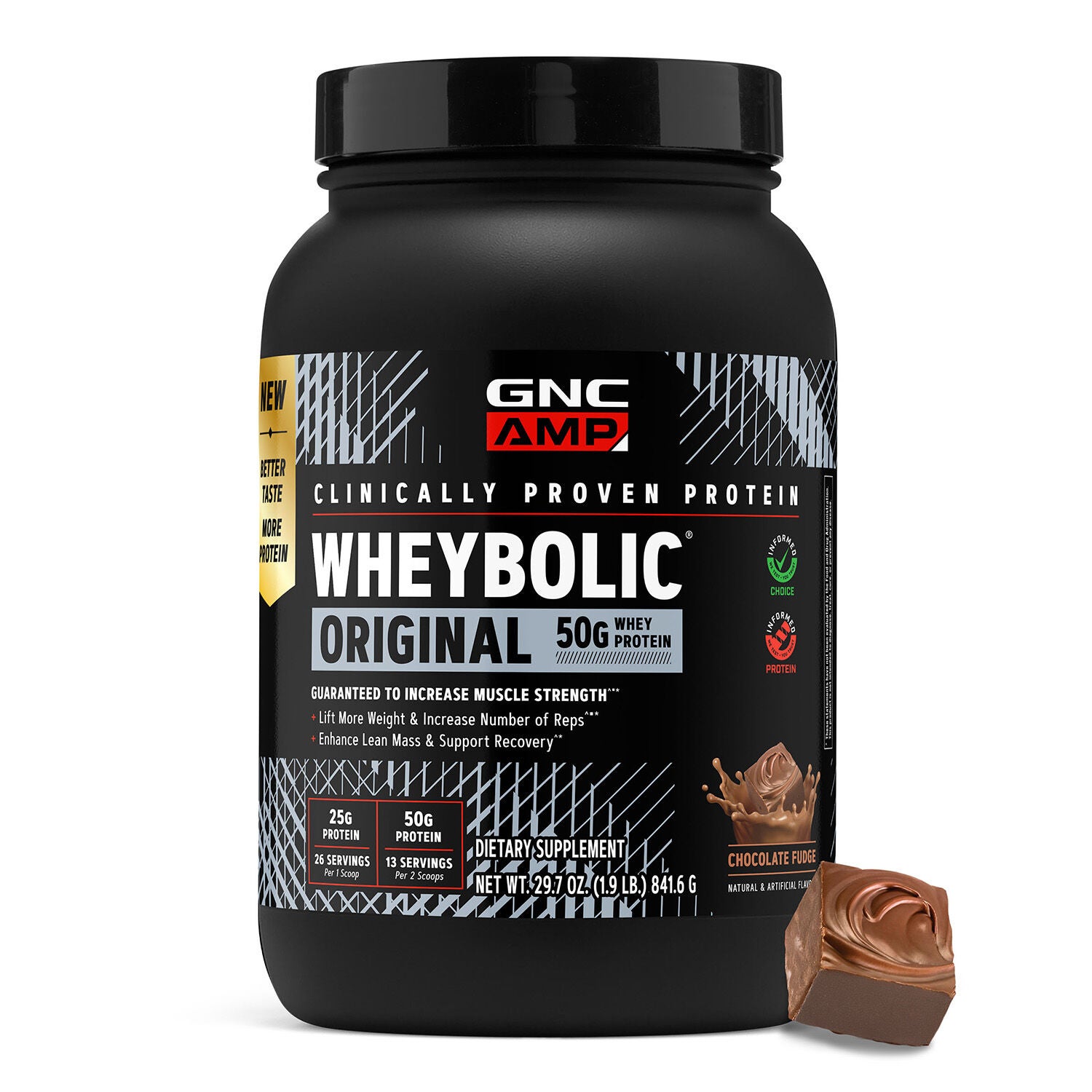

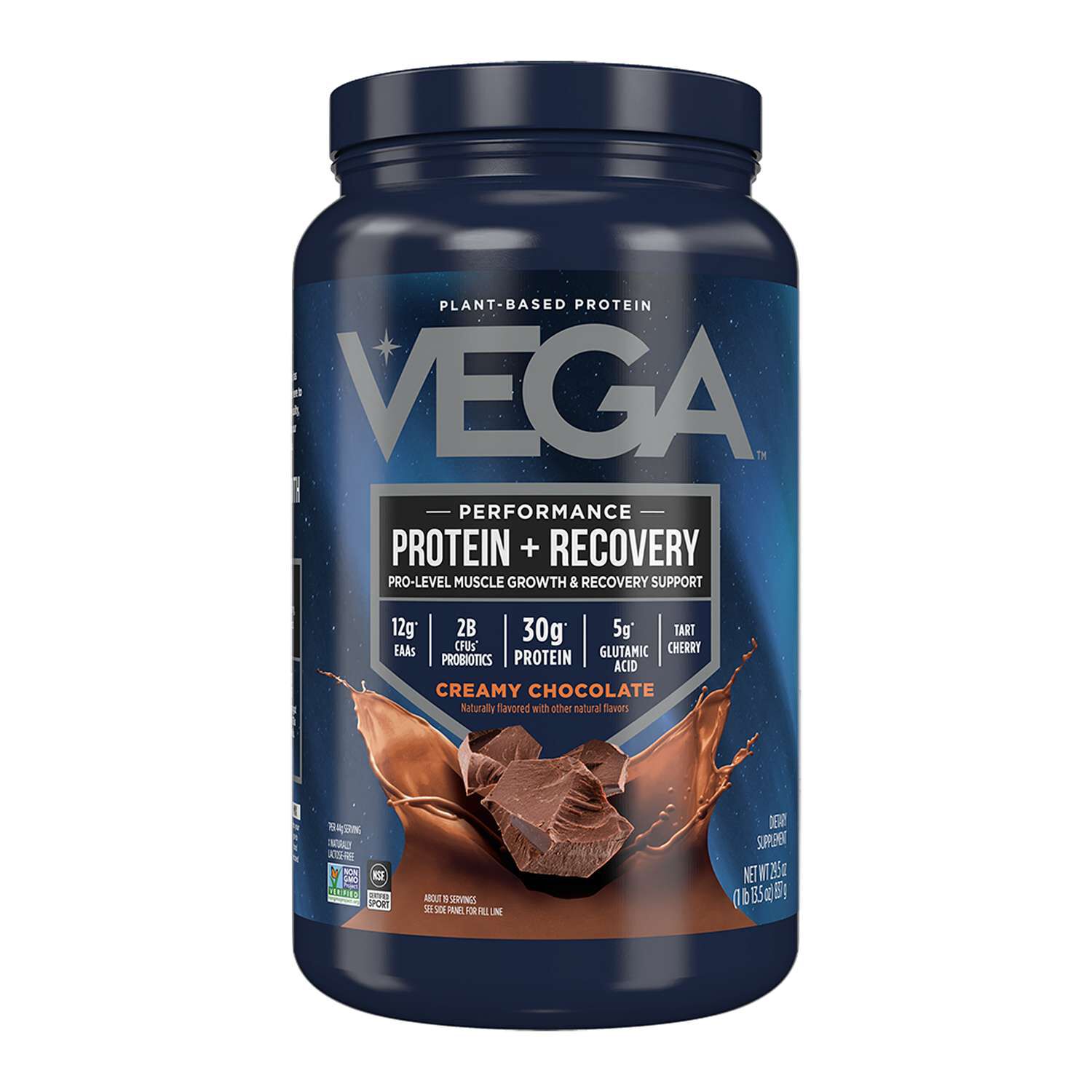


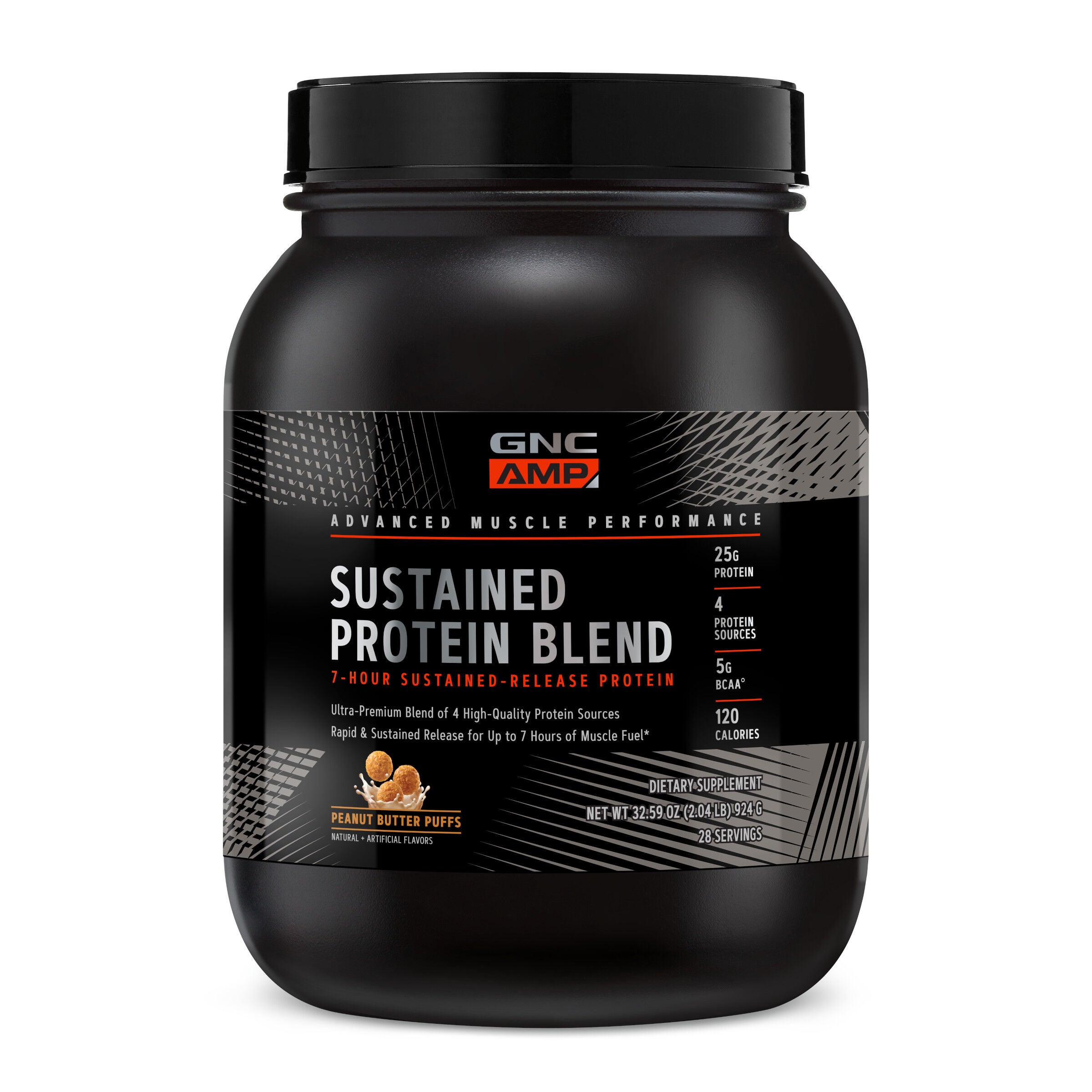

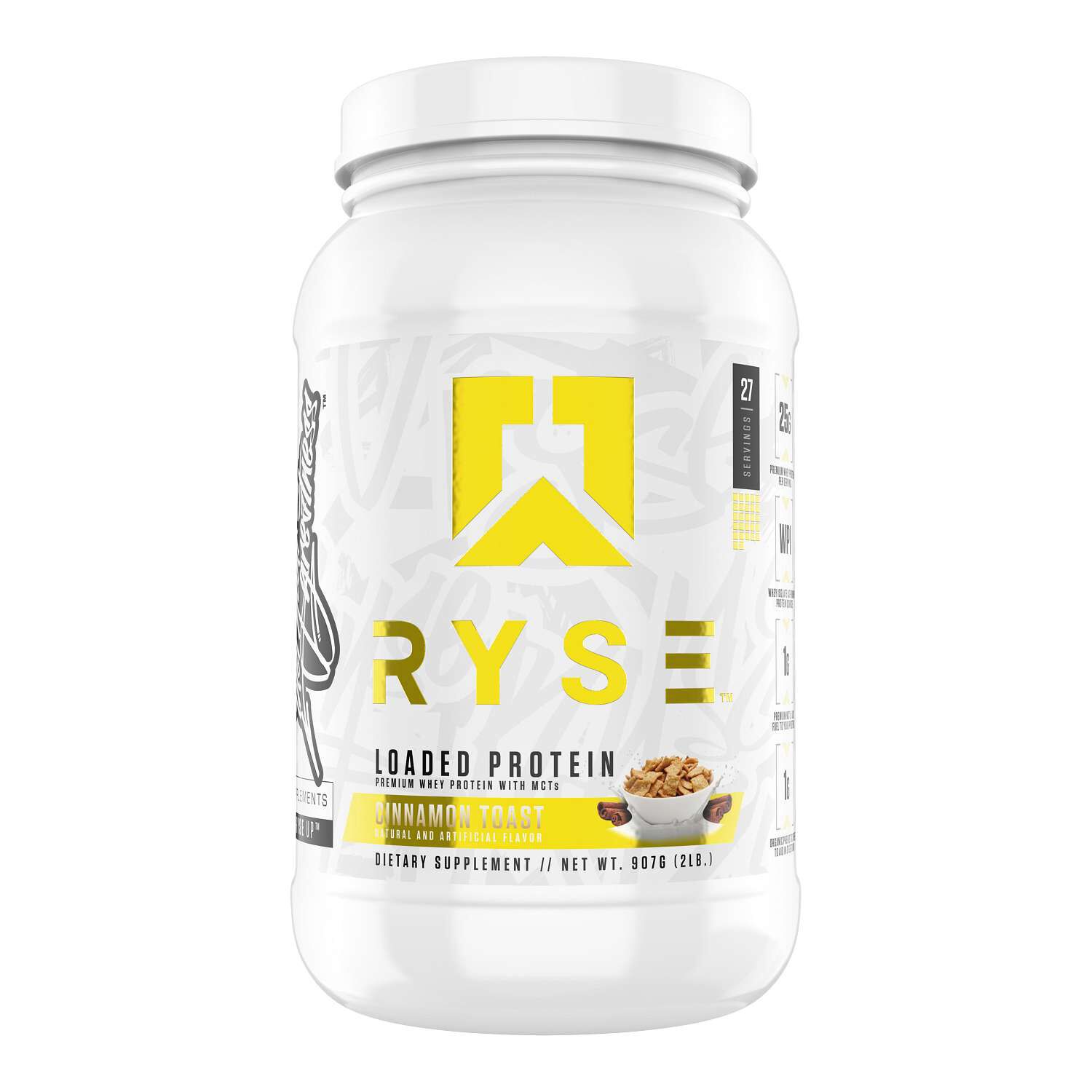


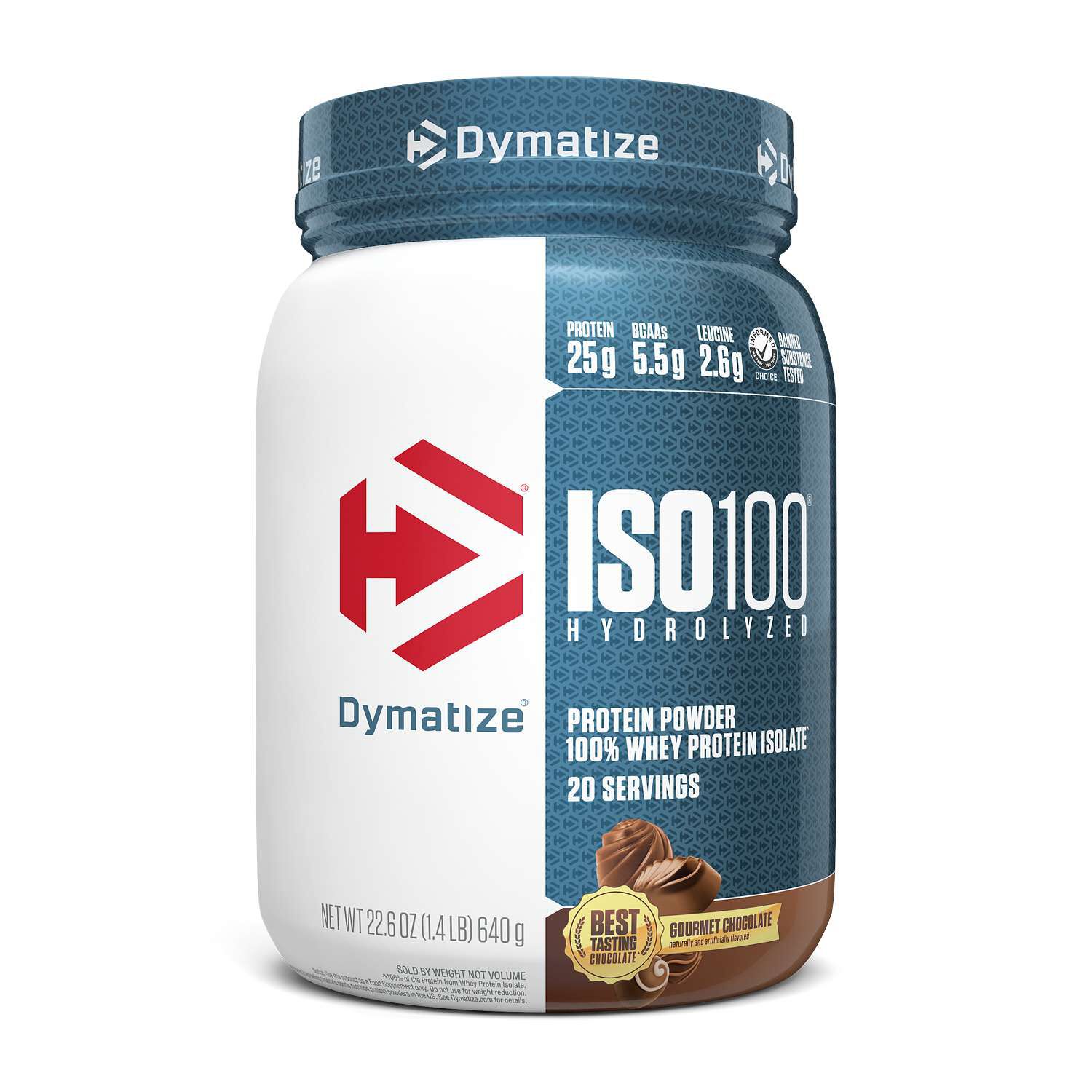
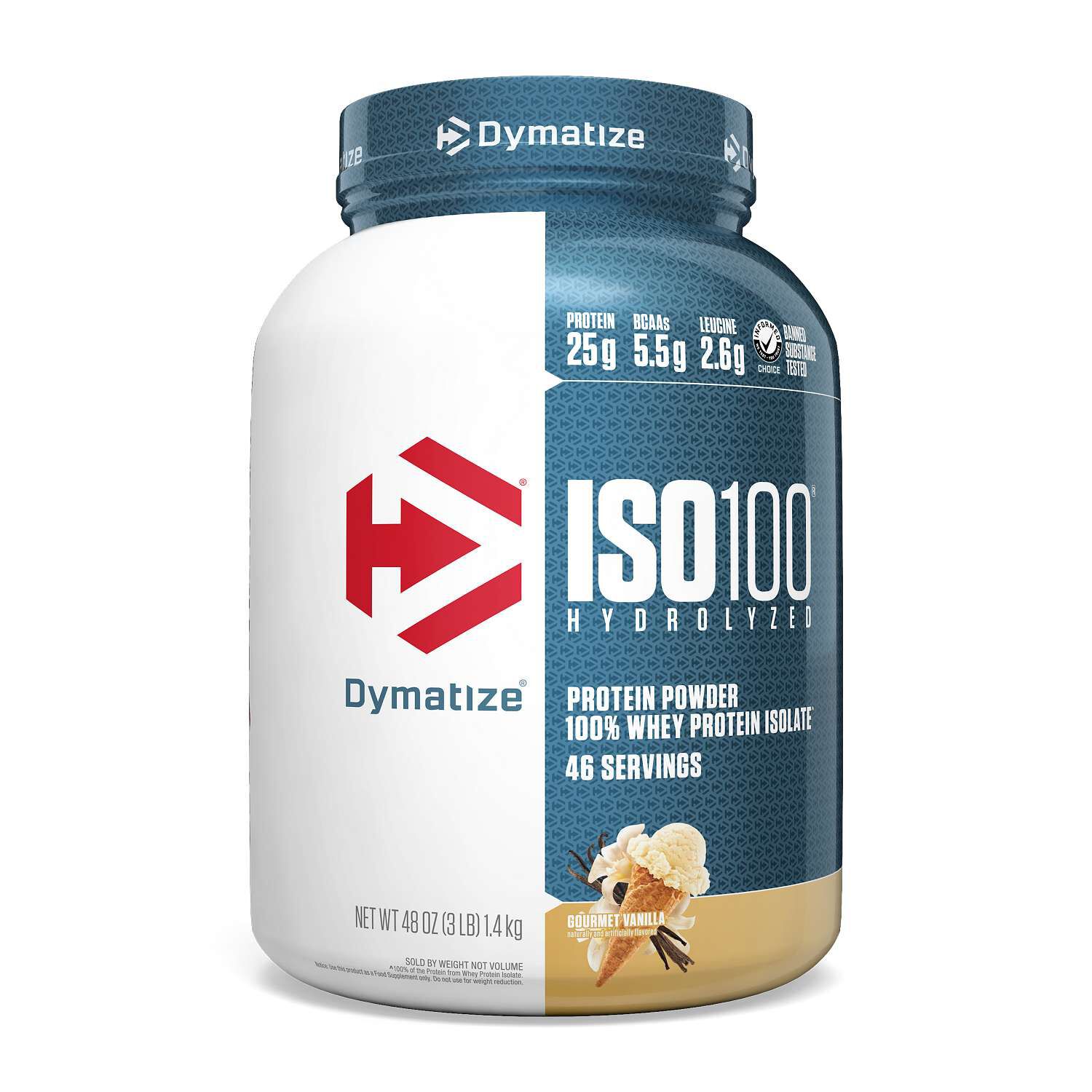
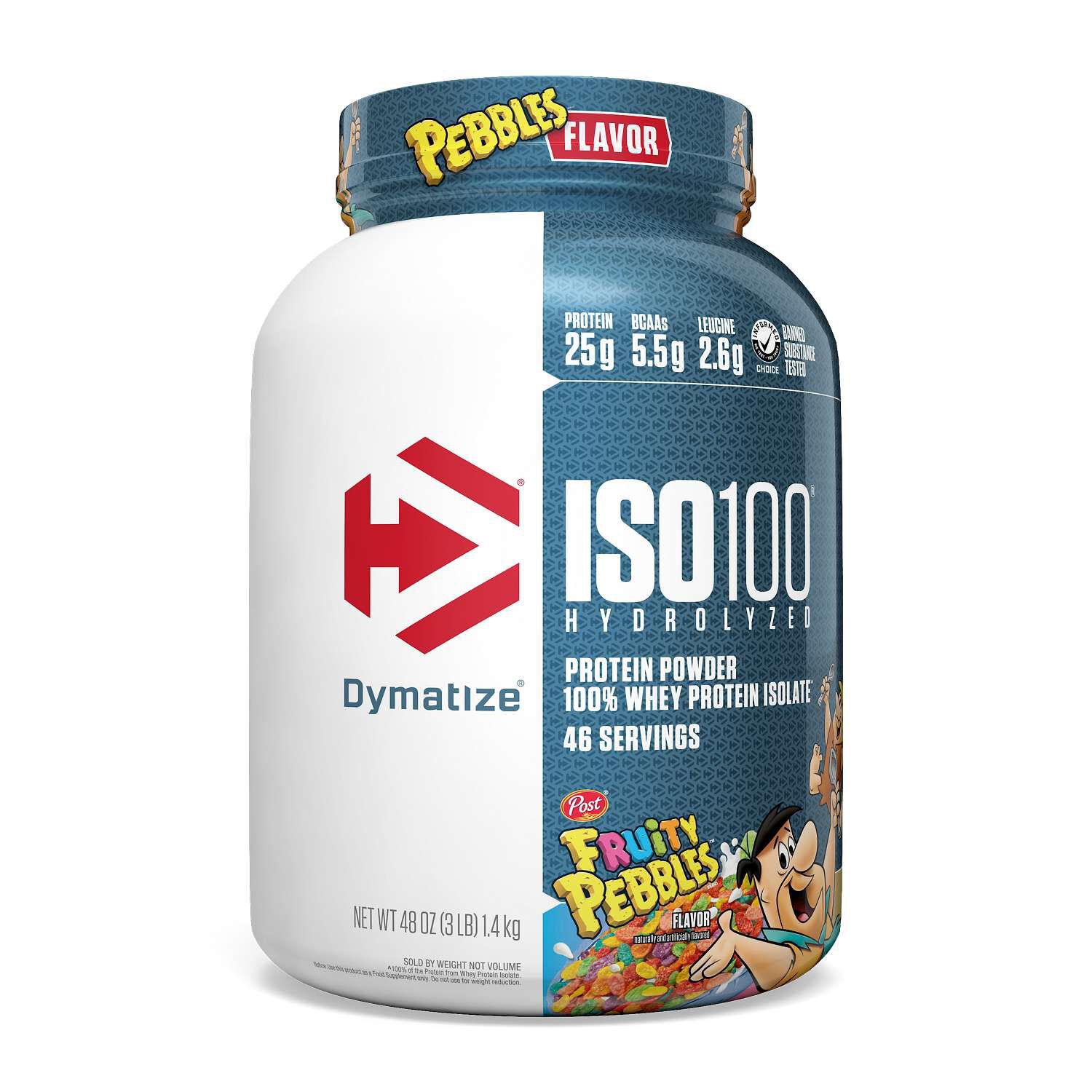
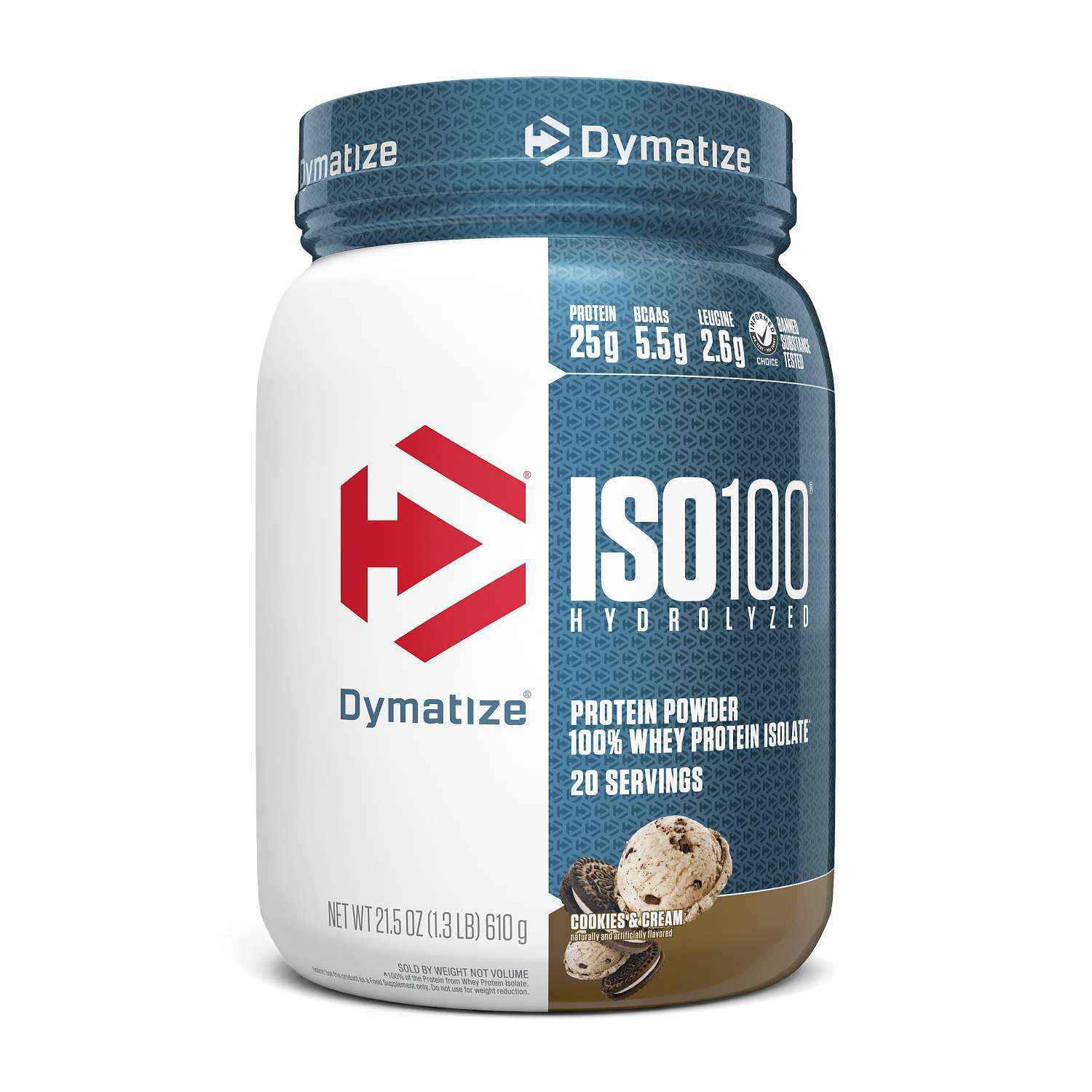


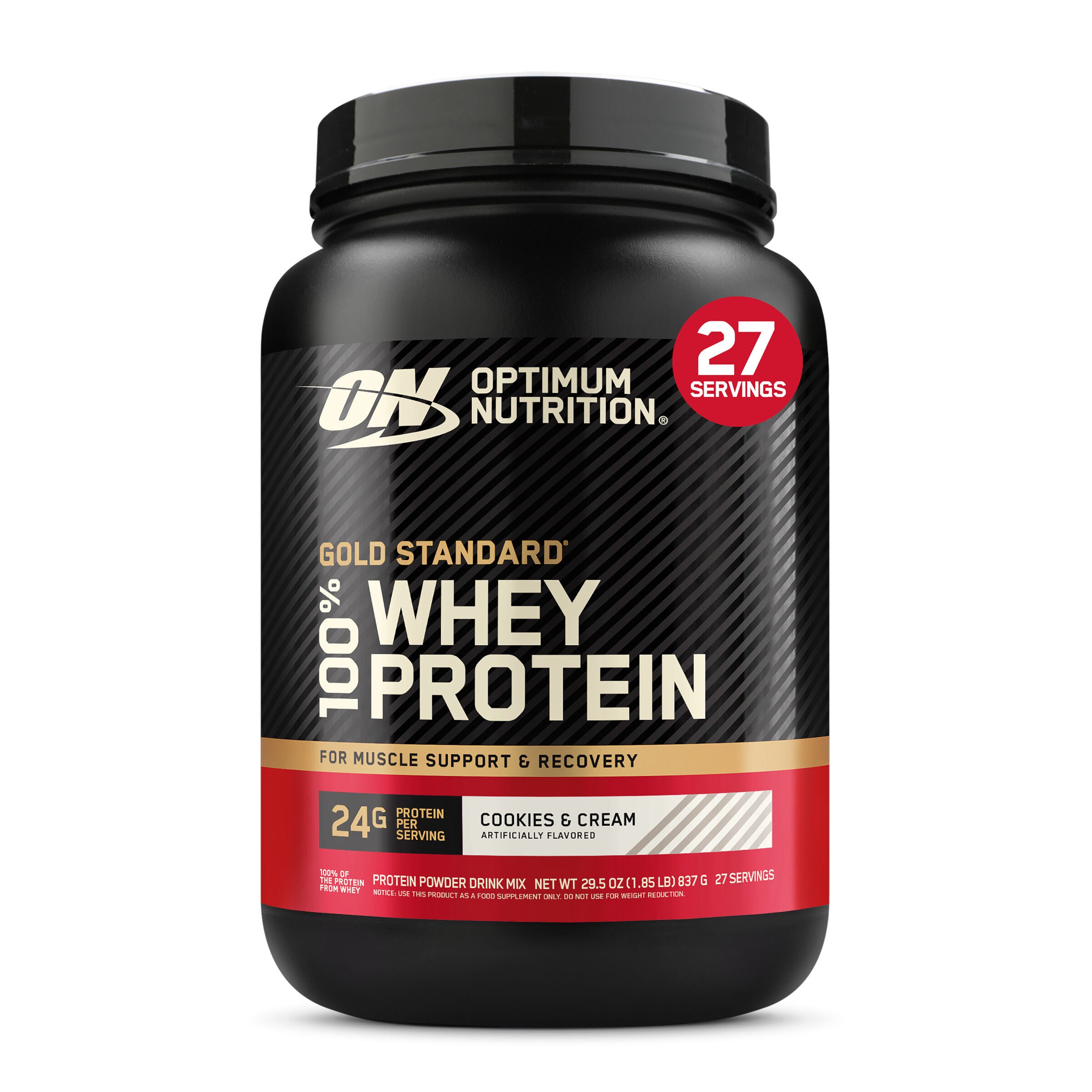

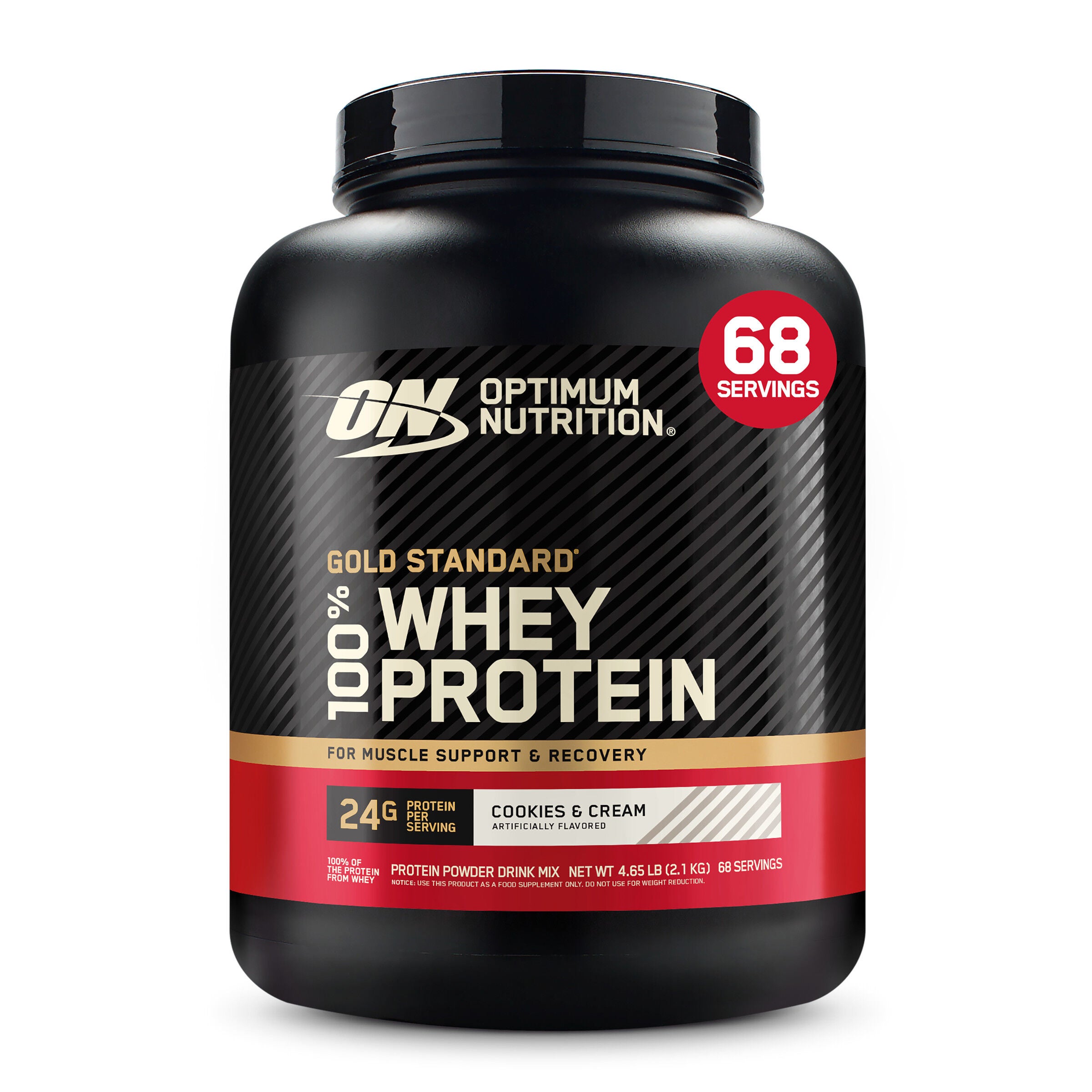

Fall protein supplements include protein powders and ready-to-drink shakes with autumn-inspired flavors such as pumpkin spice, cinnamon, apple, and vanilla. These flavors appear across milk-derived and plant-based formulas, giving shoppers several ways to match a seasonal taste preference with a familiar format. Pumpkin spice generally refers to a blend of warm spices, often including cinnamon, nutmeg, ginger, and cloves; the flavor name alone does not establish whether a formula contains pumpkin. Apple-inspired varieties may lean toward baked apple, apple cinnamon, or a sweeter dessert-style profile, while vanilla may provide a softer backdrop for spices added at home. Ingredient lists offer a clearer picture than flavor names, especially when comparing formulas with cocoa, coffee, fruit ingredients, or different sweeteners. The protein source is another useful distinction. Whey and casein are milk-derived proteins, while plant-based powders may contain pea, rice, soy, or a combination of plant proteins. Whey concentrate, whey isolate, and blends differ in their composition, so the nutrition information on the package matters more than a broad category name. A plant-based label identifies the formula’s general ingredient direction, but shoppers should still review the full ingredient list and allergen declarations. Protein amounts also vary by serving size and formulation; a larger scoop or bottle does not necessarily mean more protein in a comparable portion. Alongside protein grams, the Nutrition Facts panel lists information such as calories, carbohydrate, added sugars, fat, and, where present, dietary fiber. Those details make it easier to compare a cinnamon-flavored powder with a pumpkin-inspired shake without assuming their nutritional profiles are alike. For someone who regularly uses a blender, a powder may fit an established routine. For someone packing a lunch bag before a commute, a ready-to-drink format may be a more practical choice. Fall flavors are a matter of preference rather than a separate type of protein, and a familiar protein source with a seasonal flavor may suit shoppers who want variety without changing the format they already enjoy.
Format shapes how fall protein supplements fit into everyday meals and activities. Powders are intended for mixing according to their package directions, commonly with water, milk, or a plant-based beverage. The chosen liquid changes the finished drink’s ingredients and nutritional information, so the values listed for the powder alone may not describe the prepared shake. Texture and sweetness also depend on the formula, the liquid, and the amount used. A pumpkin spice powder mixed with water may taste different from the same powder blended with milk and ice, while an apple cinnamon formula may pair well with a simple oat-based smoothie. For a breakfast prepared before an early workday, a measured serving beside a blender and a covered container of oats may make preparation more convenient. Some powders are also intended for use in oatmeal, yogurt mixtures, or recipes, but suitability varies. Package directions are the best starting point, particularly for warm preparations or baking. Very hot liquid may change the texture of certain powders, and substituting protein powder for flour may alter a recipe’s consistency. A formula intended for a cold shake should not automatically be treated as a baking ingredient. Ready-to-drink shakes have a different role: there is no scoop to measure or powder to combine, and the package provides serving and storage information for that formula. They may suit a lunch bag, a desk-side snack break, or a packed gym bag when handled as directed. A bottle labeled for refrigeration needs a different packing plan from an unopened shelf-stable carton, and storage instructions may change after opening. Flavor pairings need not be elaborate. Cinnamon with vanilla, pumpkin spice with oats, or apple with a plain yogurt mixture may suit someone who prefers familiar breakfast flavors. Where a formula contains coffee ingredients, the label is also the place to check for caffeine information. The most useful choice is one whose preparation, flavor, and ingredient profile match the way it will actually be used, whether that means a quick shake or a recipe made on a quieter morning.
Comparing fall protein supplements also involves the practical details that remain important after the first serving. A strongly spiced powder may appeal to someone who enjoys pumpkin desserts, while a milder vanilla-and-cinnamon profile may suit someone planning to combine it with fruit or other ingredients. Sweetener type, listed serving size, and preparation directions deserve attention before choosing a format for repeated use. A tub intended for a home kitchen, individual powder packets intended for carrying, and packaged shakes each have different storage and preparation considerations. Keep powders in their original, securely closed containers and follow the stated storage directions. A clean, dry scoop and a dry mixing container are useful parts of preparation, especially when a powder is stored near a sink or used in a shared kitchen. Package dates and instructions should remain readable rather than being discarded when transferring contents to another container. Mixing equipment matters as well: food-contact plastic and stainless steel are common shaker materials, and secure lids, accessible seams, and clear cleaning directions are practical features to compare. Washing containers promptly after use and allowing them to dry helps maintain the equipment used for the next serving. For a household with different preferences, separate attention to flavor and ingredients may be more useful than choosing one large container for everyone. Someone who prefers milk-derived protein may want a different formula from someone who chooses plant-based ingredients, even if both enjoy cinnamon. A seasonal protein selection may also be a thoughtful gift for an adult who already uses these products, provided their preferred protein source, flavor, and ingredient requirements are known. Shoppers interested in another format for similar seasonal tastes can explore Fall Protein Snacks alongside powders and shakes. Across fall-inspired choices, clear labeling, suitable storage, and a realistic preparation routine are useful points of comparison. The seasonal flavor sets the tone, while the formula and format determine how the selection fits into ordinary breakfasts, packed bags, and at-home mixing routines.