Adult Memory Capsules
(0 Results)
Explore our selection of adult memory capsules designed to support cognitive health and mental clarity. Whether you're looking to stay sharp at work or maintain focus throughout your daily activities, these supplements could be a valuable addition to your wellness routine. With ingredients that may promote brain function, our range of adult memory capsules offers various options to suit your needs. Discover how these products might help you achieve optimal mental performance and support overall brain health.
-
-
-
-
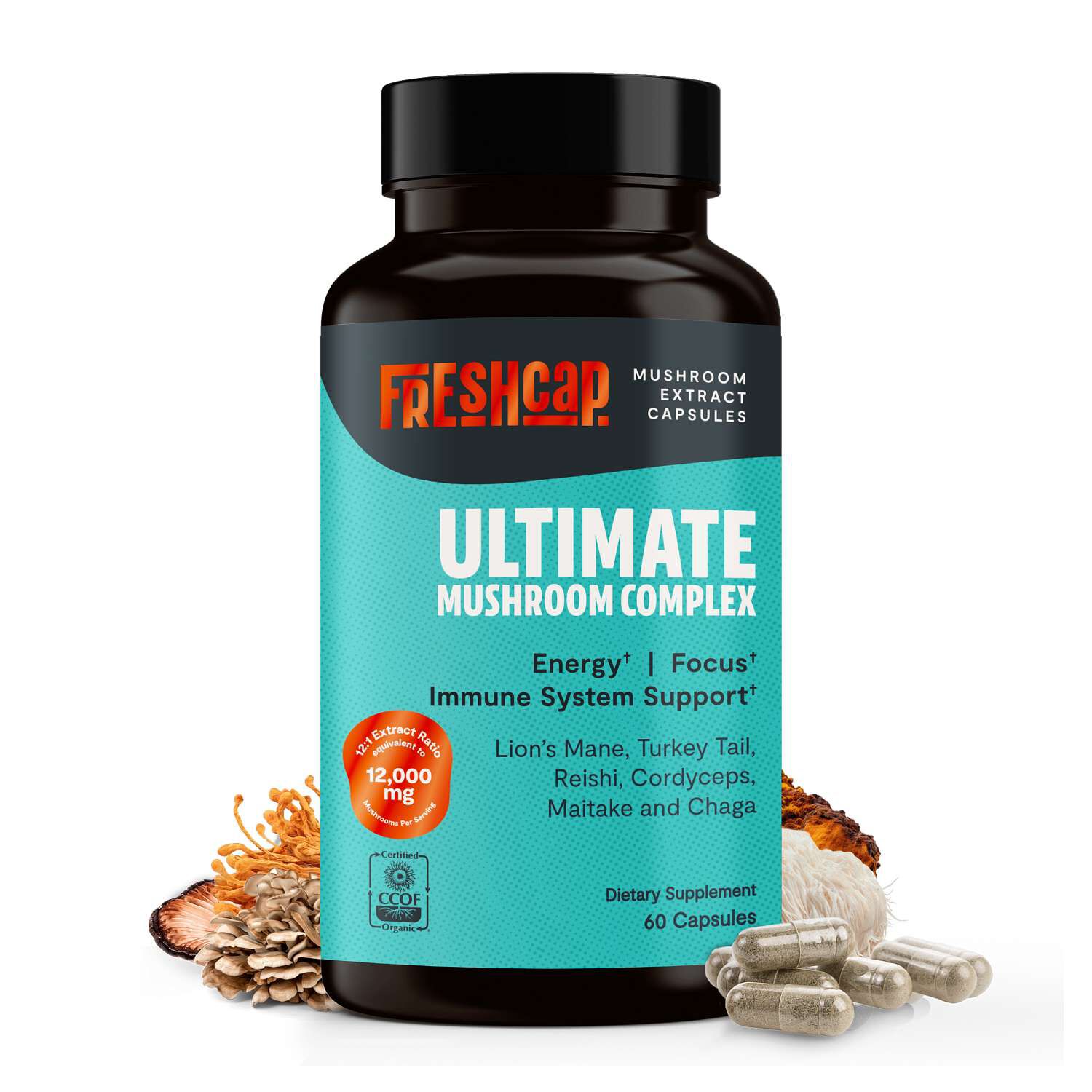
-

-
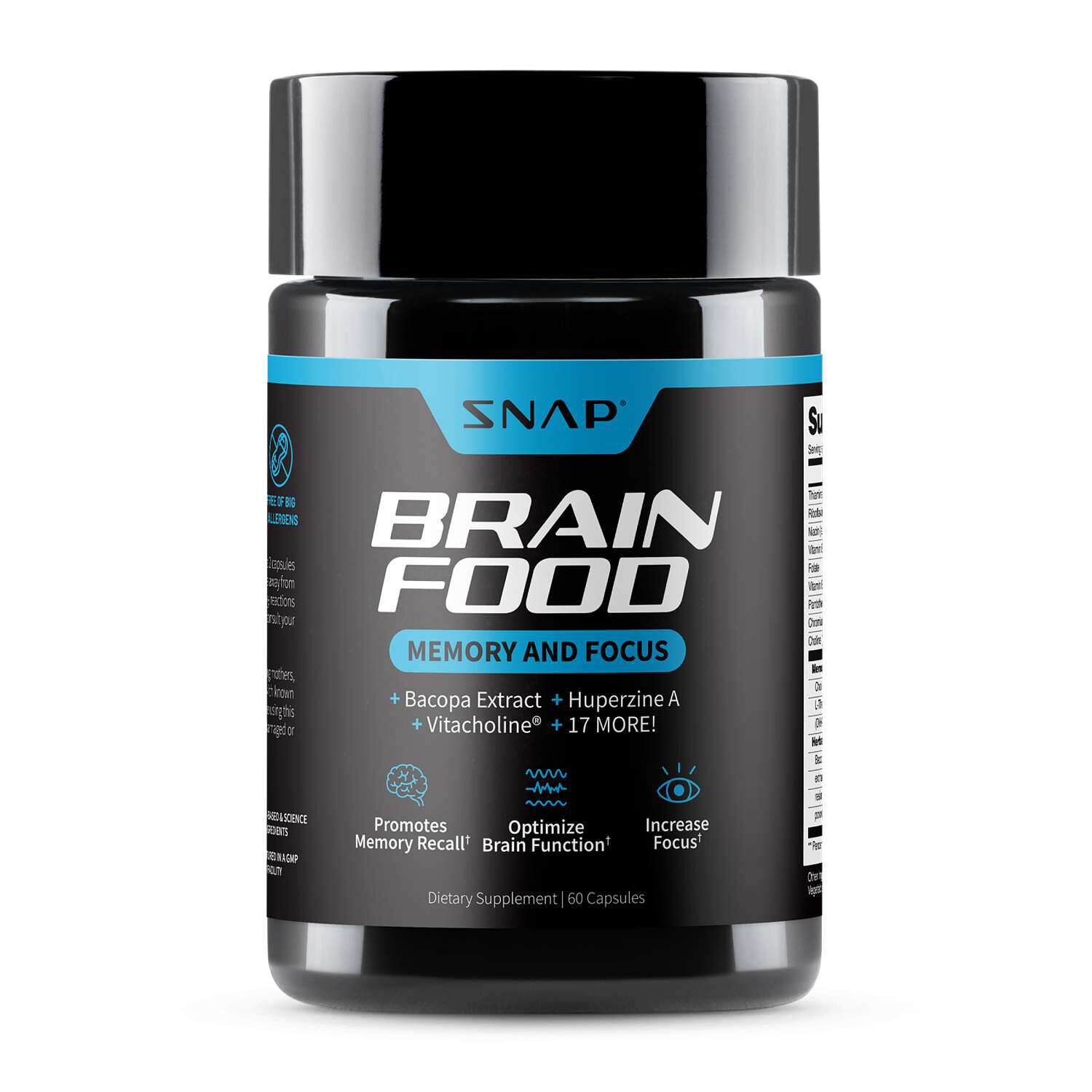
-
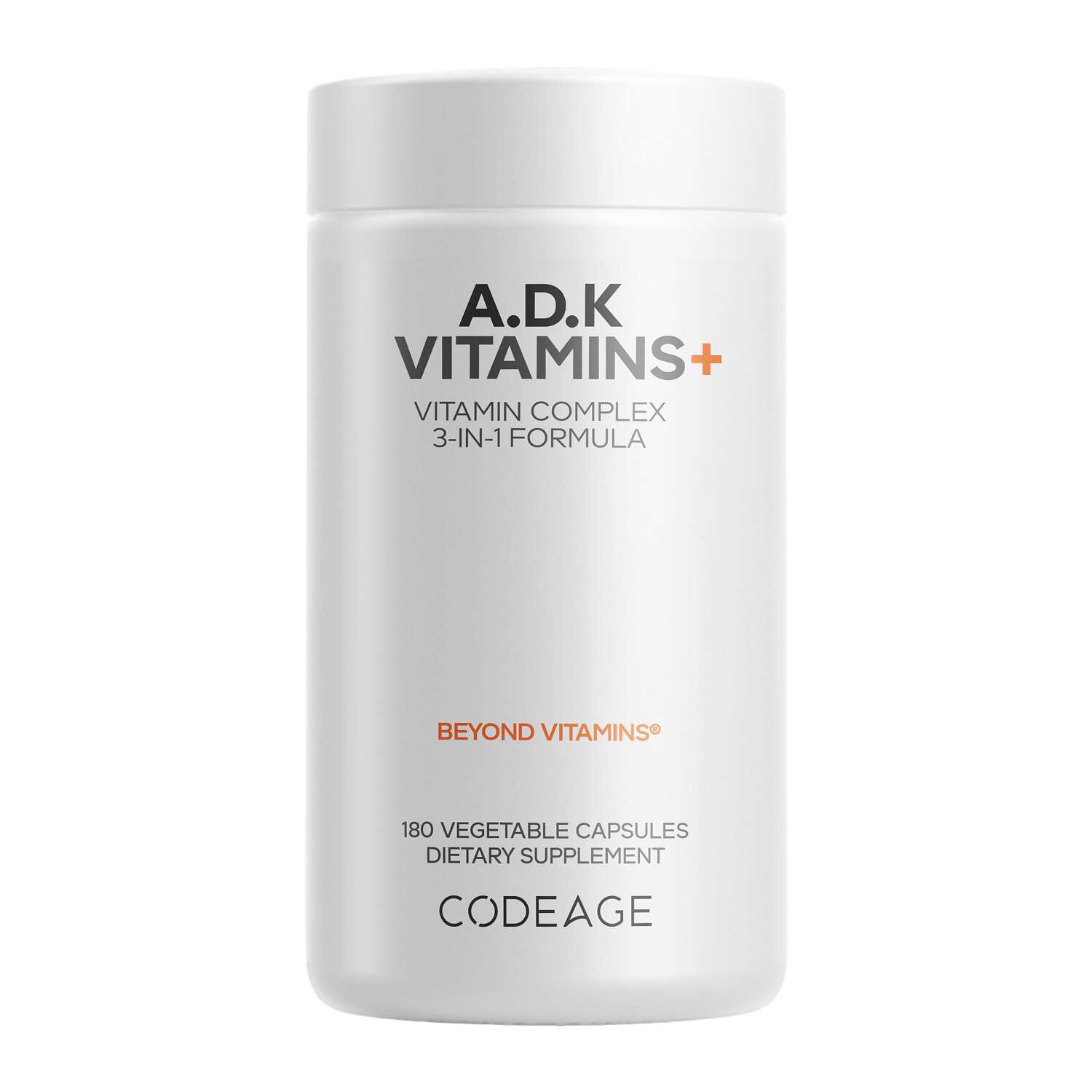
-
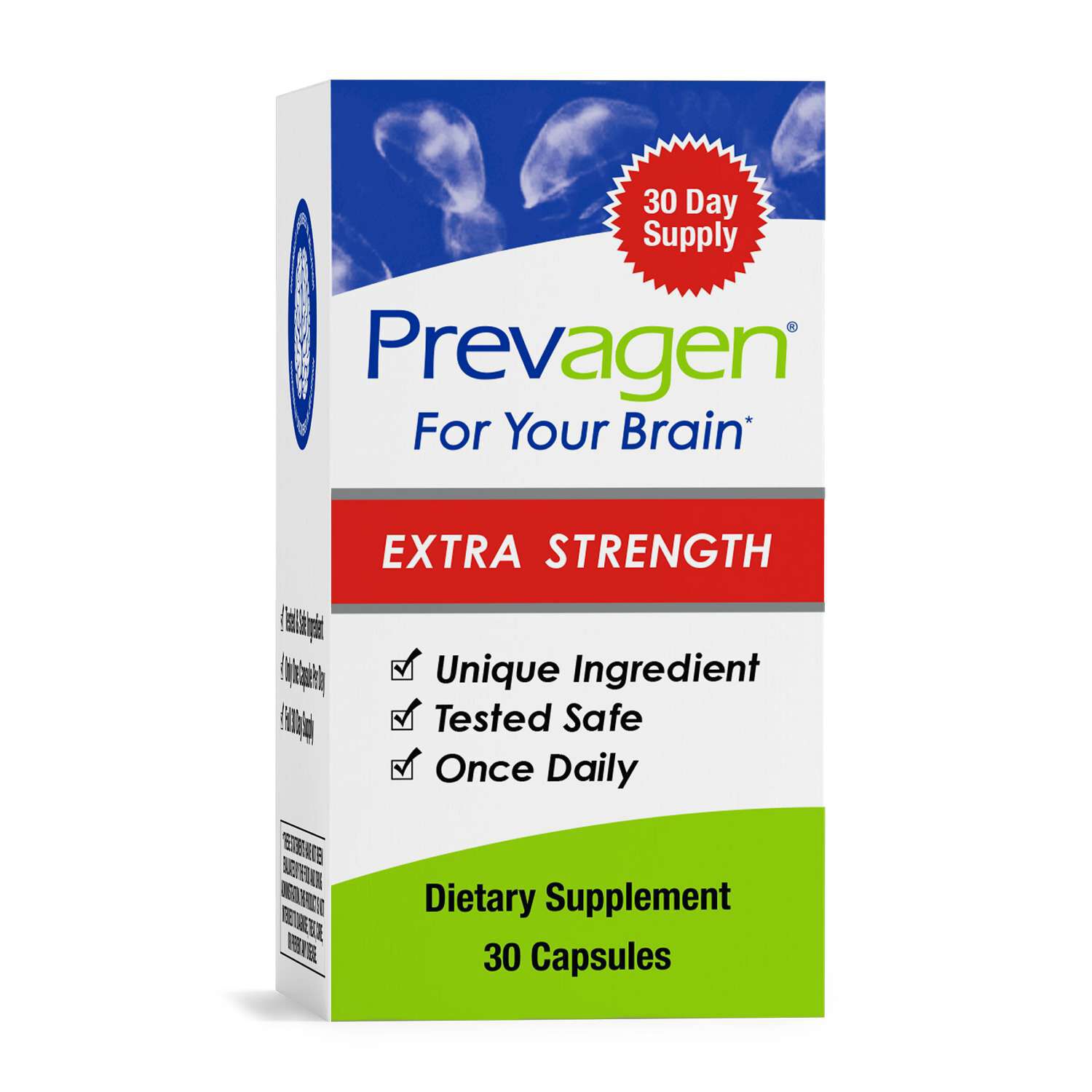
-
-
-
-
-
-
-

-
-

-

-
-

-

-

-
 1$19.99
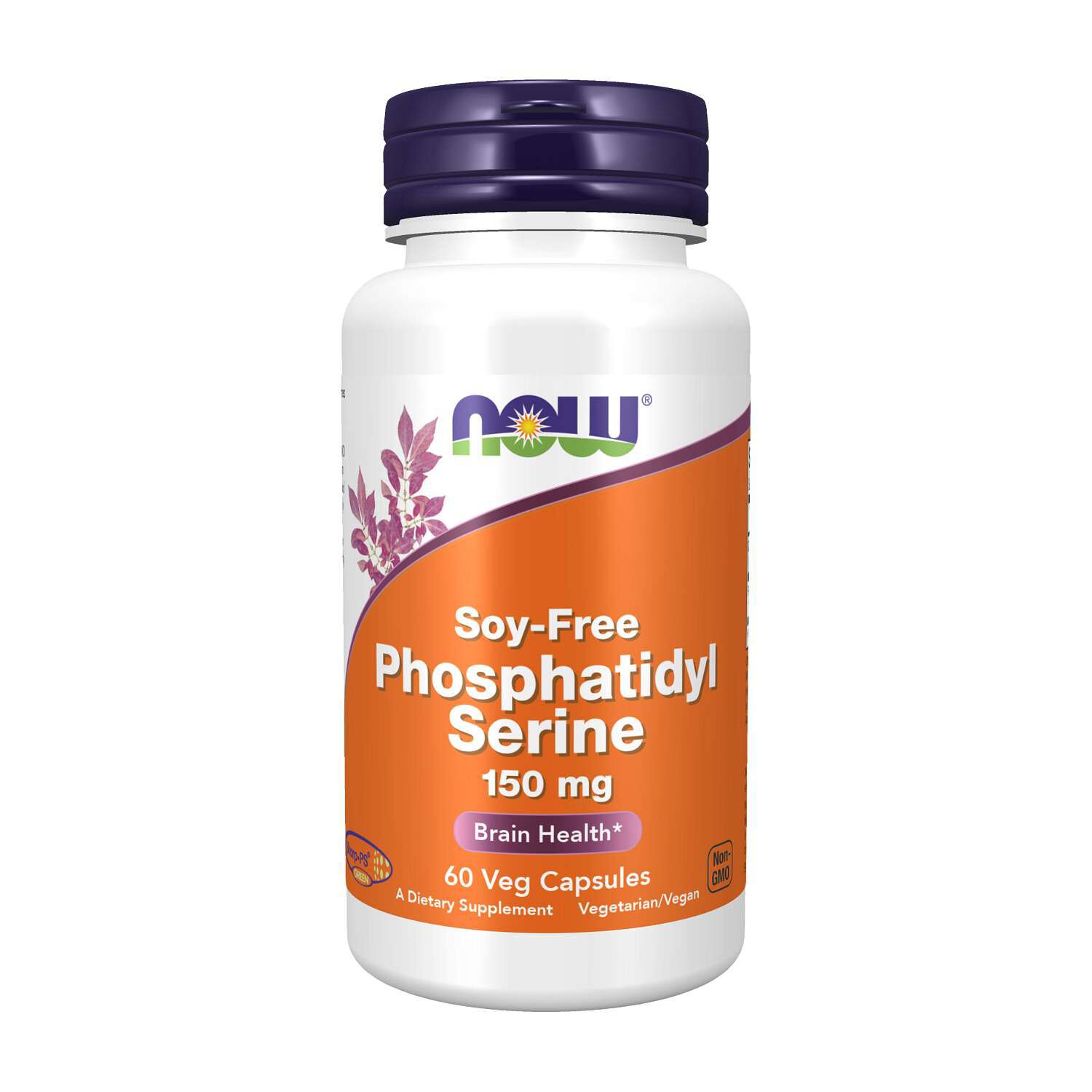
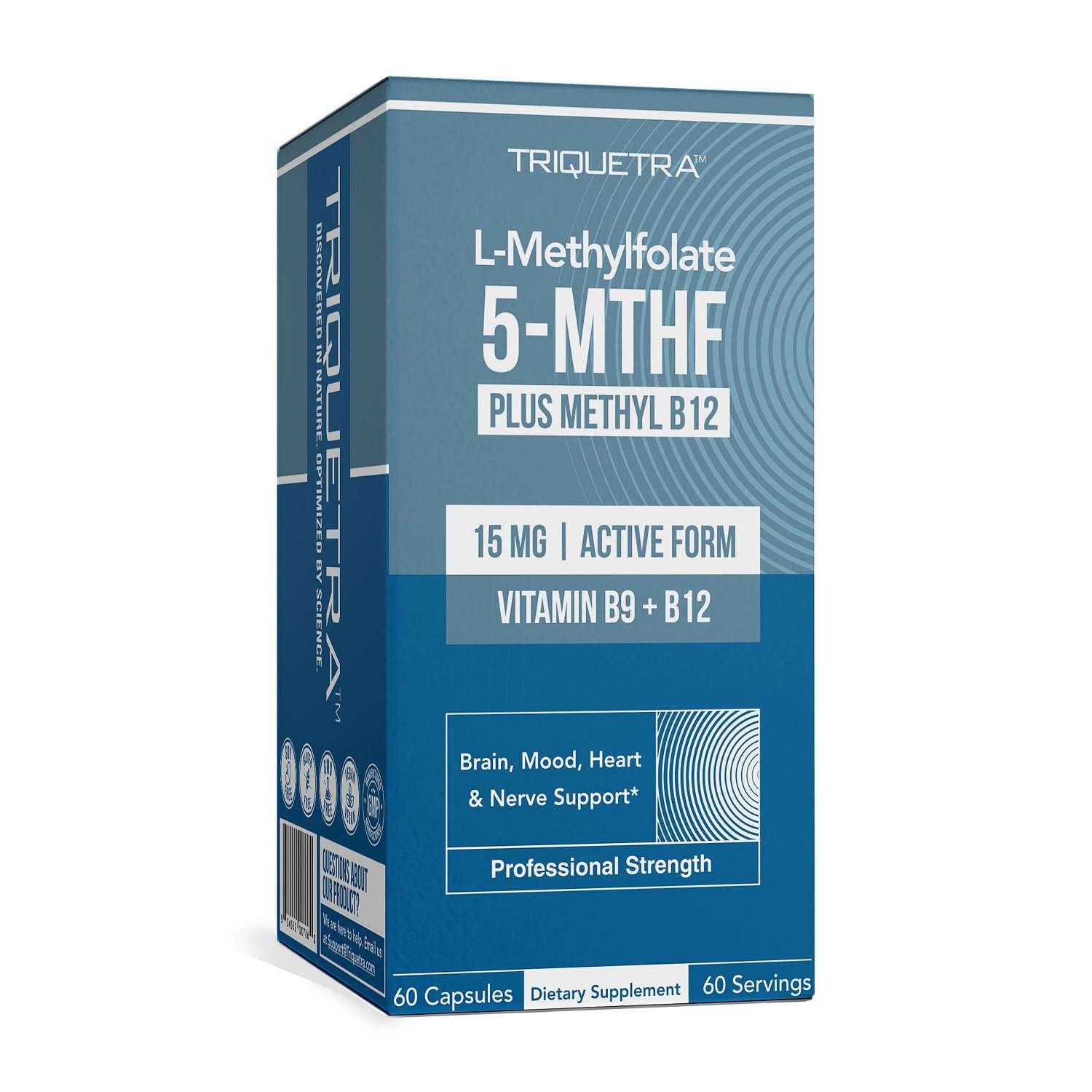
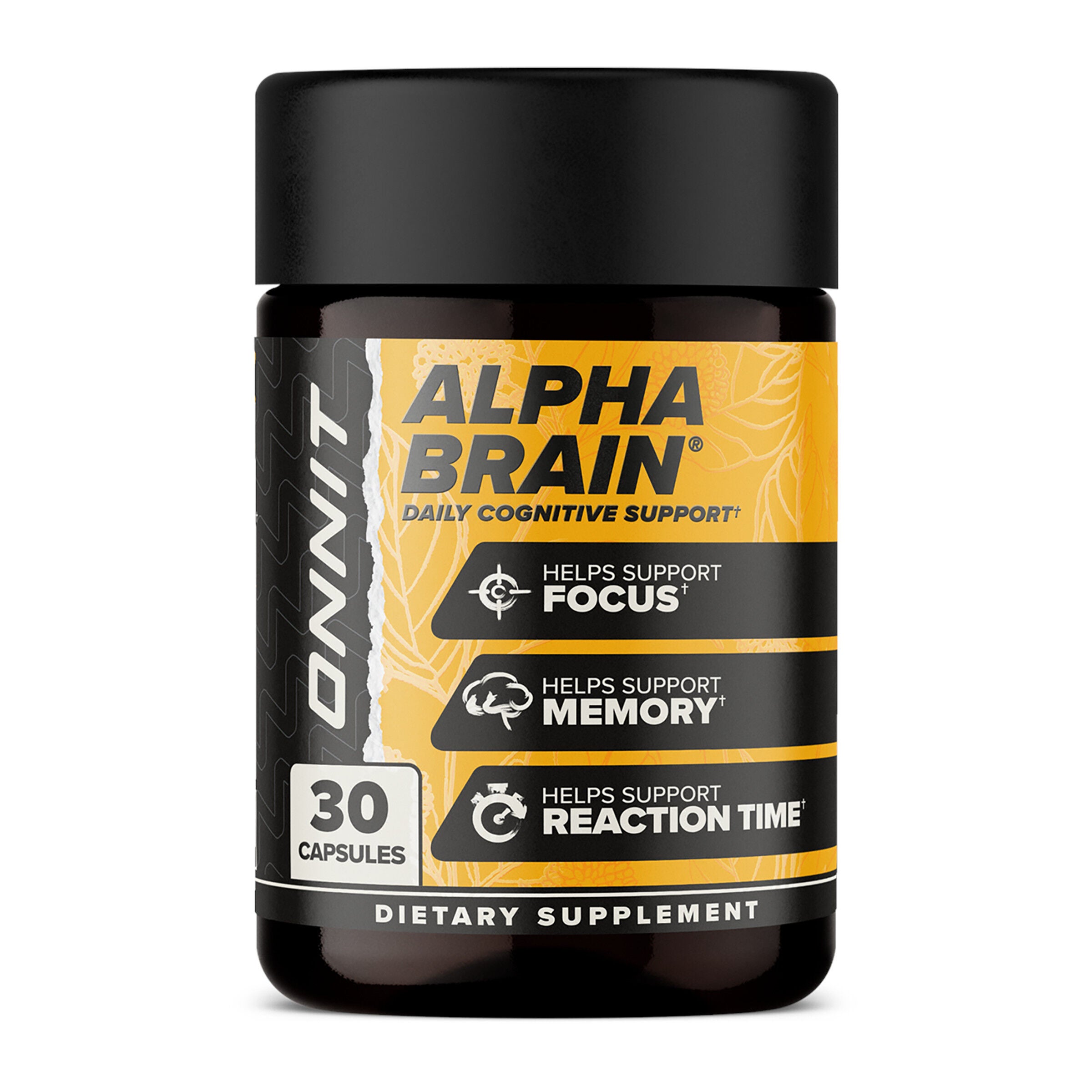
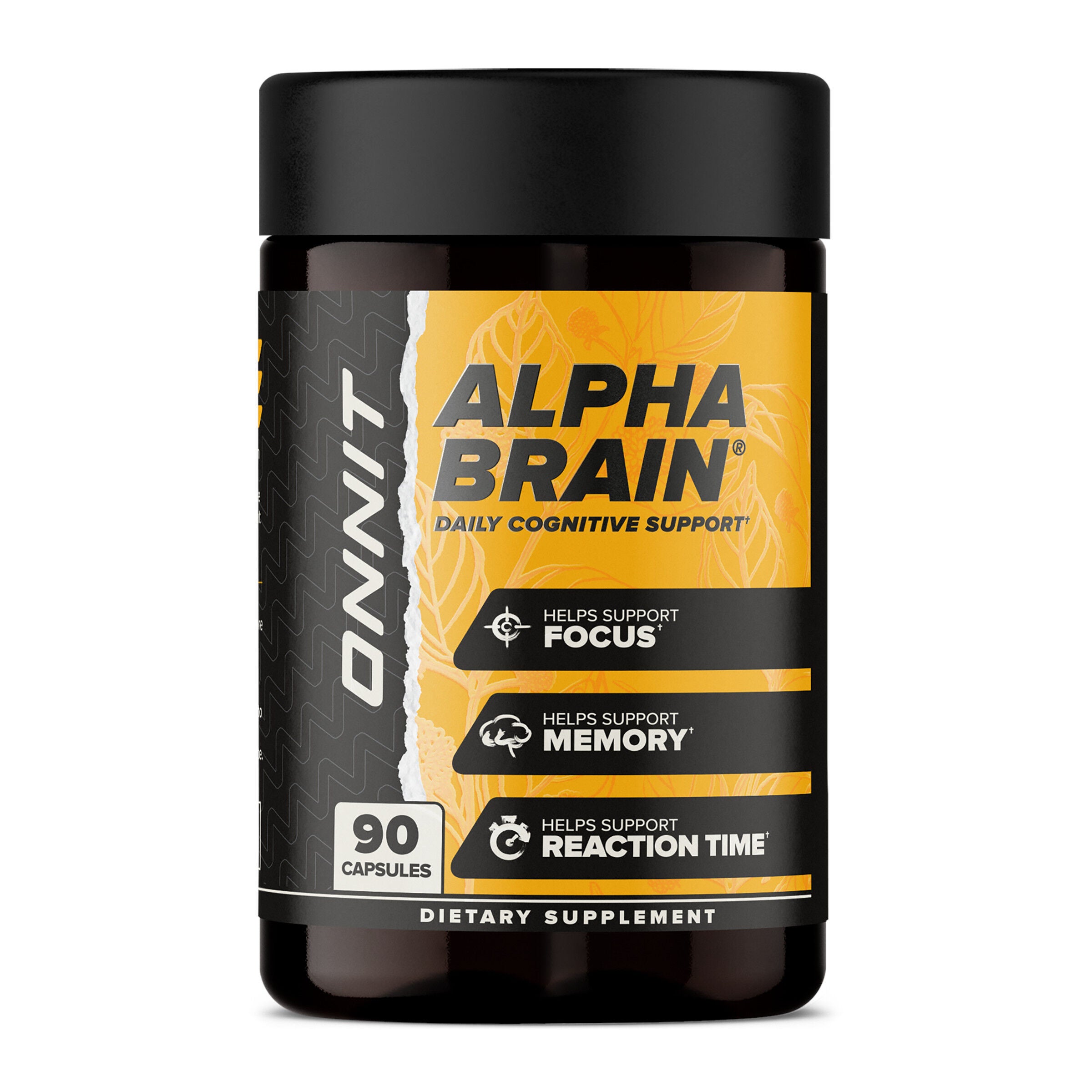
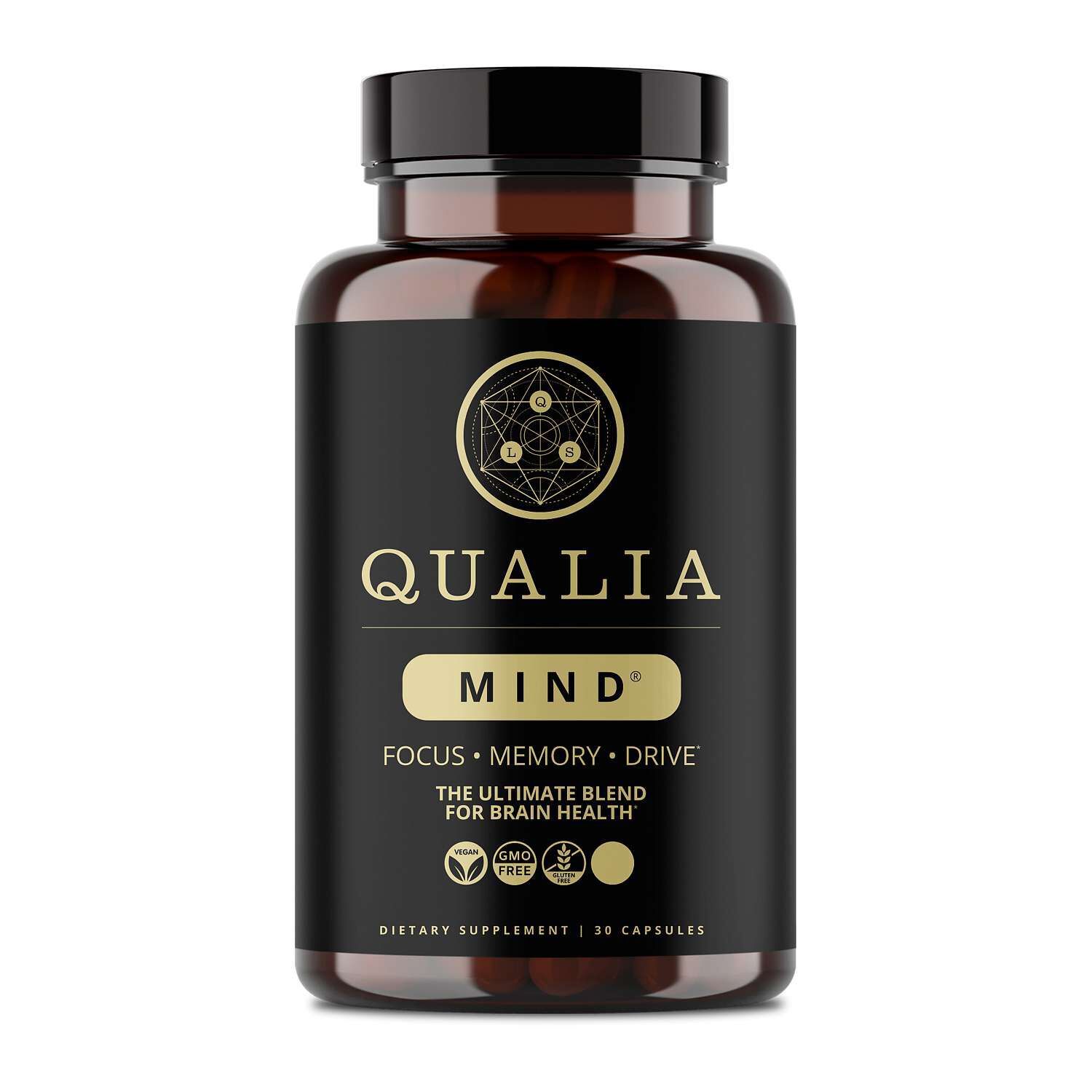
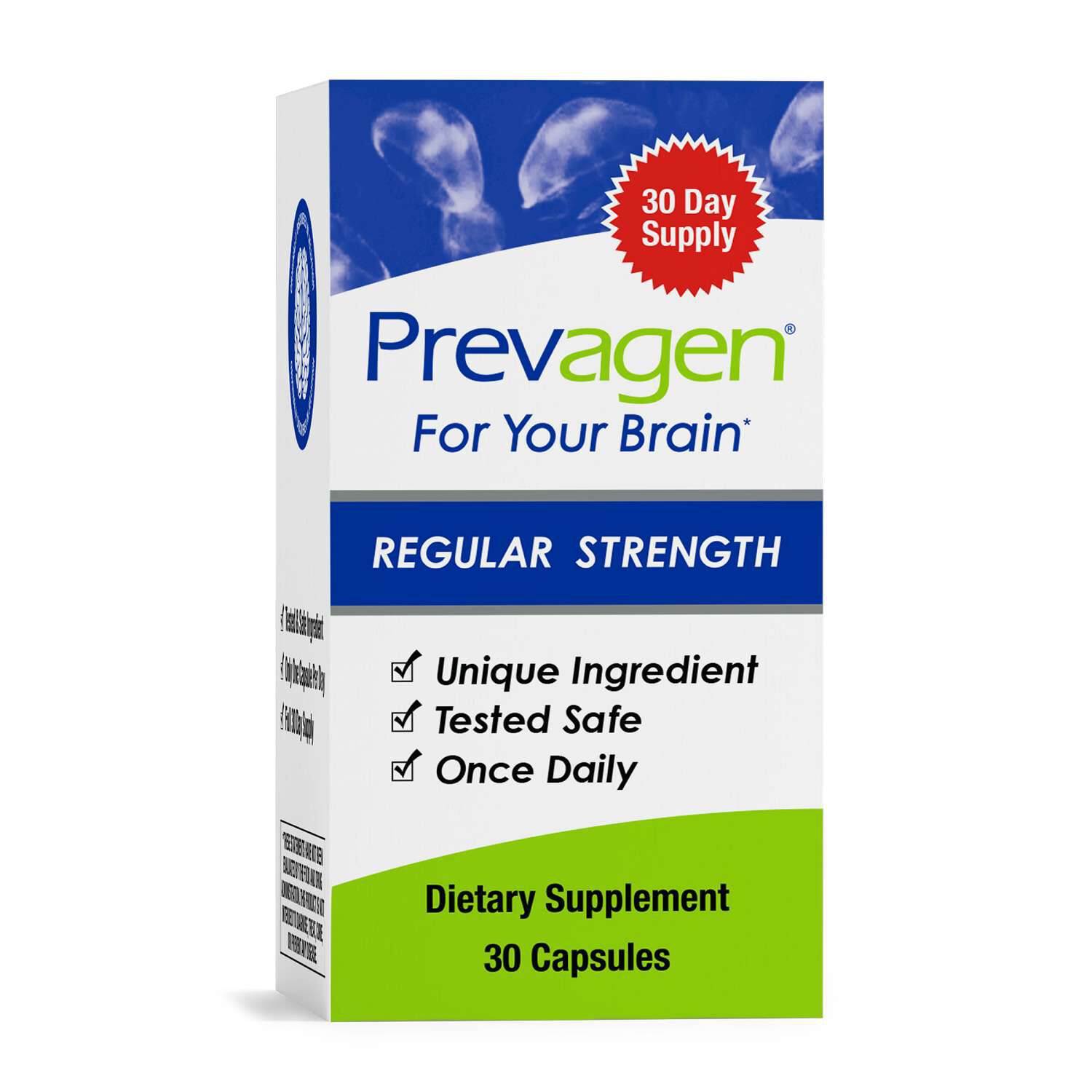
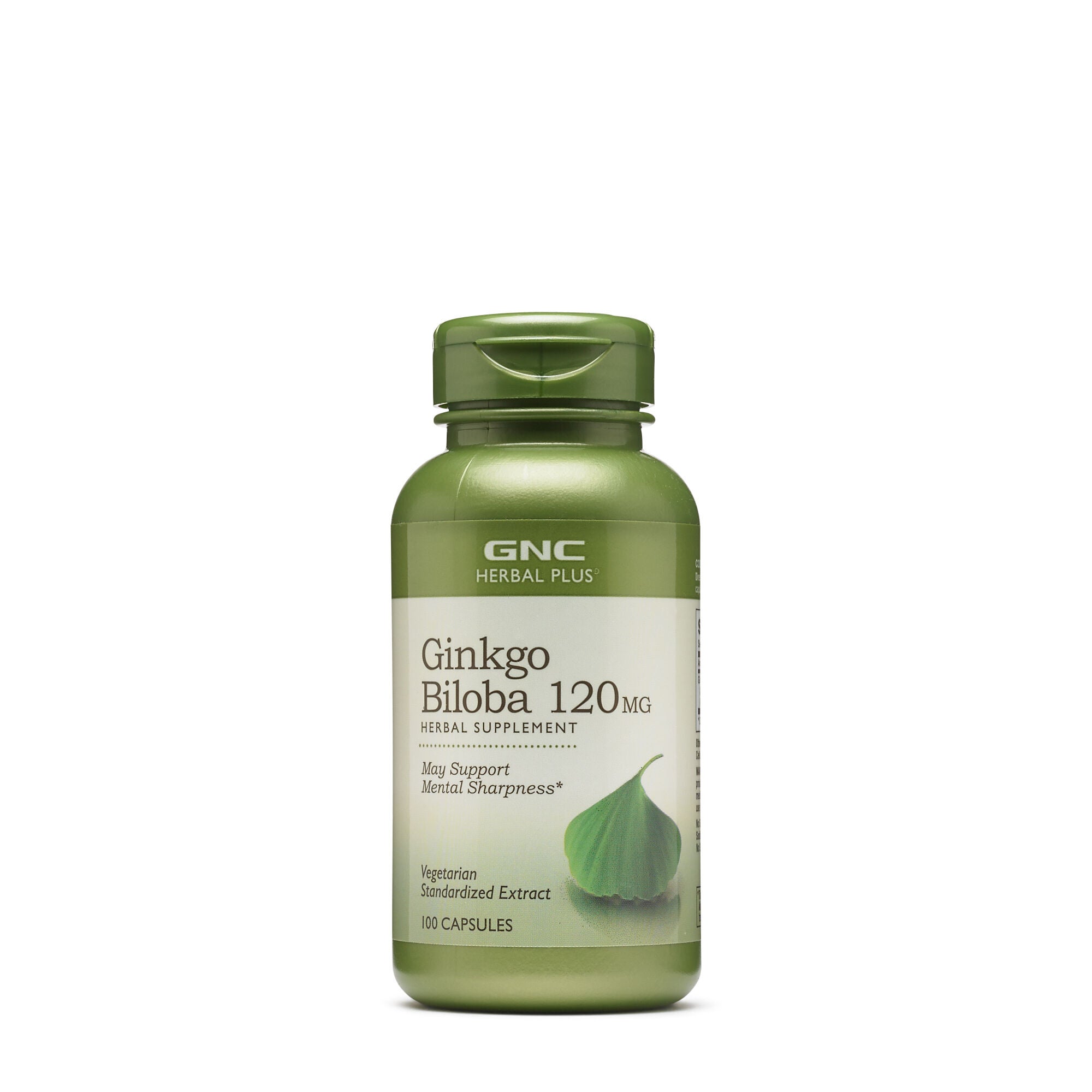
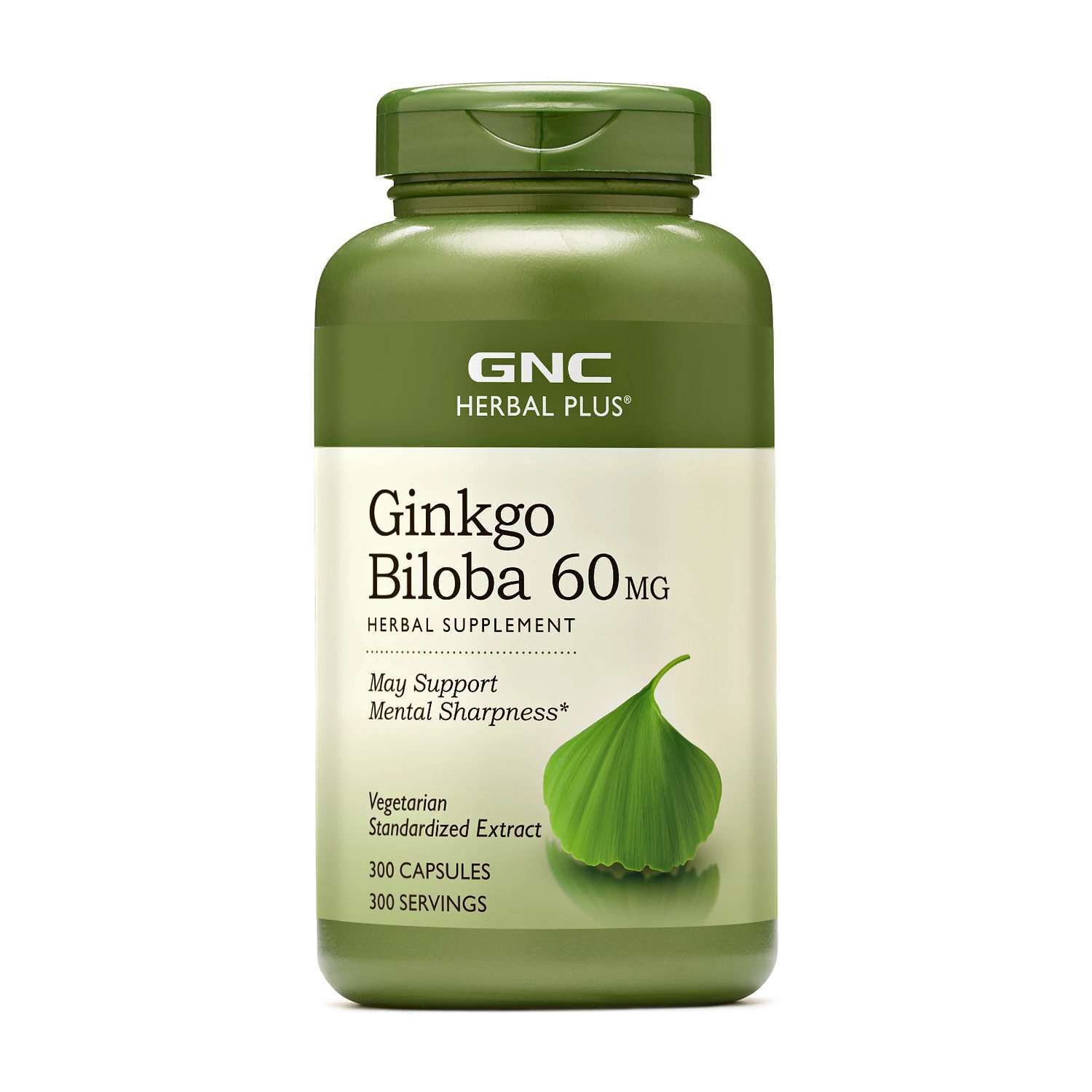
Adult memory capsules are dietary supplements formulated for adults interested in everyday memory, focus, and mental clarity. They may support aspects of cognitive wellness, but the category includes many different ingredient combinations rather than one standard formula. A capsule built around a single botanical extract can look much like a capsule containing several nutrients, even though their contents and intended use differ. That makes the ingredient list and Supplement Facts panel more informative than a name on the front of the bottle. Common ingredients in this category include phosphatidylserine, ginkgo biloba, lion’s mane mushroom, and certain B vitamins. Phosphatidylserine is a phospholipid, a type of fat found in cell membranes; ginkgo comes from a tree whose leaves are used to make botanical extracts; and lion’s mane is a mushroom used in a variety of supplement formats. These ingredients are not interchangeable, and their presence alone does not establish how a finished formula will perform. Research on memory supplements varies by ingredient, amount, formulation, and the population studied. Evidence involving one preparation does not necessarily apply to another, and strong evidence that commercial memory supplements improve memory in healthy adults remains limited. For shoppers, that context matters more than dramatic language about productivity or recall. The intended audience can include adults balancing reading, detailed work, continuing education, or a full personal calendar, as well as older adults interested in a thoughtful approach to everyday wellness. Someone reviewing course notes after work may have different preferences from someone who wants a straightforward addition to an established supplement routine. Neither scenario means that a more elaborate formula is automatically a better match. Adult memory capsules are best understood as a varied supplement category, with differences in composition, capsule construction, serving size, and labeled use that deserve attention alongside any description of potential benefits. A useful comparison begins with those concrete distinctions rather than assumptions about what the category name implies.
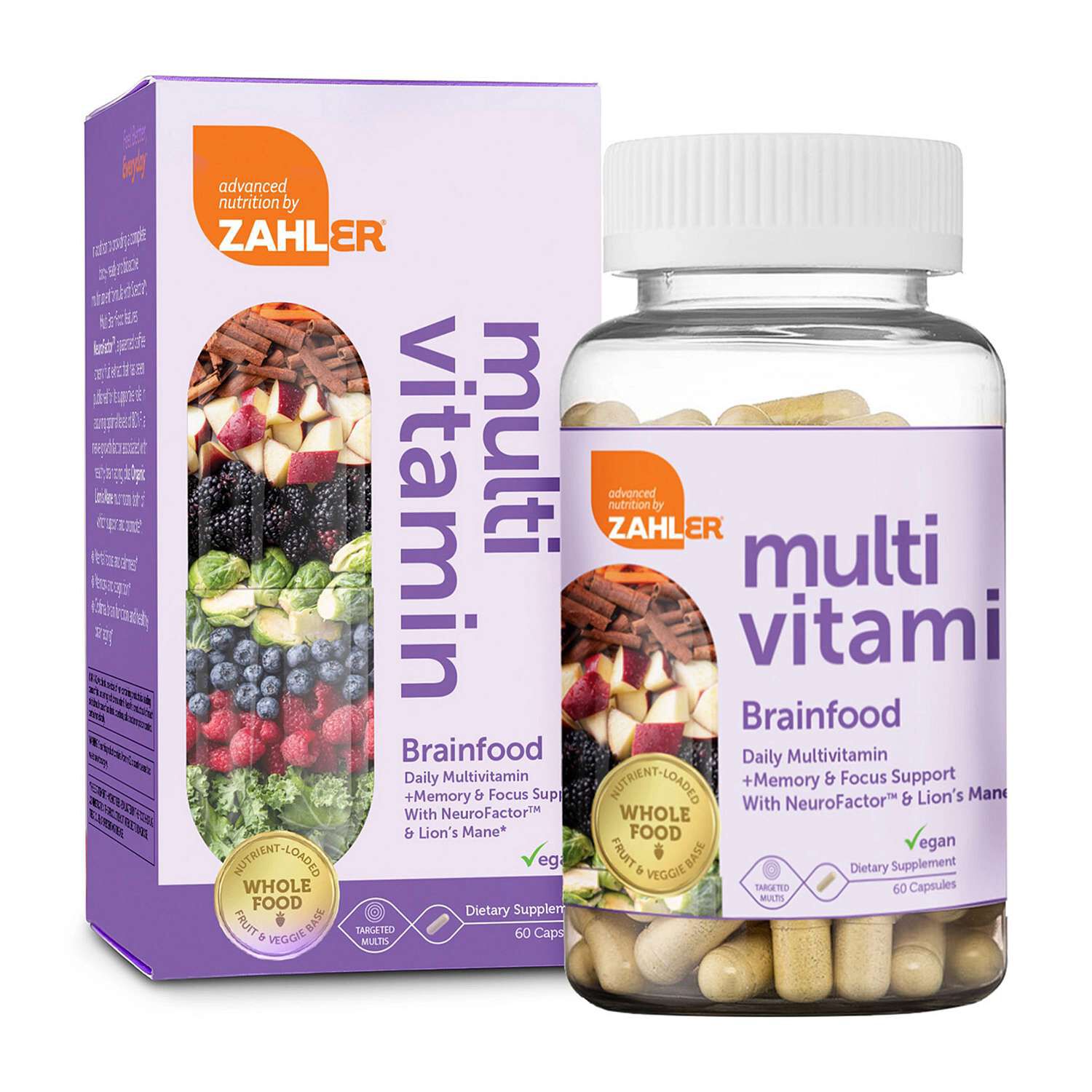
Capsule construction is a practical consideration because the shell is part of the product, not just its packaging. Some shells contain gelatin, while others use plant-derived cellulose or another material identified on the label. A plant-derived shell does not, by itself, establish that every ingredient inside meets a vegetarian or vegan preference; that depends on the whole formulation and its labeling. Other ingredients can include materials used to help powders move through manufacturing equipment or maintain a consistent capsule fill. Shoppers with dietary preferences often pay as much attention to that portion of the label as to the featured ingredient. Capsule dimensions also vary, and photographs do not always make size easy to judge. For an adult who prefers a smaller capsule, any stated dimensions or size description can be useful, particularly when a serving contains more than one capsule. Capsules offer a portioned format without the flavor and texture considerations of a chewable or drink mix, although their appearance alone says little about their contents. The number of capsules in a bottle and the number of servings are separate details: a bottle containing sixty capsules provides thirty servings when the labeled serving is two capsules. Ingredient amounts are generally presented per serving, making serving size important when comparing otherwise similar labels. Some formulas list the amount of each featured ingredient separately, while others group ingredients into a blend with one stated amount for that blend. Those approaches provide different degrees of detail for comparison. Botanical descriptions may also identify the plant part, extraction method, or a standardized constituent. Mushroom labels may distinguish fruiting body material, mycelium, and extracts. Such terms describe the ingredient preparation; they are not proof of a particular result. A shorter ingredient list can appeal to someone who values simplicity, while a combination formula may appeal to someone who prefers several ingredients in one format. The meaningful distinction is what the label actually specifies, not how many ingredients fit on the front panel.
Everyday fit also includes the less visible details of ownership: where the bottle sits, how clearly the directions are printed, and whether the serving format suits an adult’s existing routine. A compact bottle may fit neatly in a home cabinet, while a larger container may require more space than its photographs suggest. Packaging designed for repeated opening and secure closure is relevant because supplements are often used over an extended period. Unlike a durable household object, a capsule has a labeled shelf life, and its condition depends in part on storage and handling. The storage instructions and expiration date provide product-specific information; keeping the original label with the capsules preserves access to directions, ingredient details, and identifying information. Moisture exposure and handling can affect capsule condition, so the container and closure deserve the same attention as the contents. A bottle beside a frequently used sink presents different storage conditions from one in a dry cabinet. For households where several adults keep supplements, readable labels and clearly separated containers can make the setup easier to manage. Personal preferences matter here, too: one person may appreciate a simple bottle with a clearly stated serving, while another values detailed sourcing information or a particular shell material. Memory capsules are also a personal choice rather than an automatic gift for an older relative or a busy colleague. A recipient’s expressed interest, dietary preferences, and comfort with supplements are more relevant than assumptions based on age or workload. When browsing by intended use, adult memory capsules occupy a different category from Bedtime Capsules; similar packaging does not mean similar ingredients or directions. Each category calls for its own label comparison, without assuming that separate formulas belong together in one routine. For adult memory capsules, a grounded selection rests on transparent ingredient information, a manageable capsule format, clearly stated use, and realistic expectations. Those details give shoppers a concrete basis for evaluating the category while keeping attention on individual preferences rather than sweeping claims about mental performance.