

Long Term Memory Support Capsules
(0 Results)
Unlock the potential of enhanced cognitive wellness with long term memory support capsules. These innovative supplements may offer a blend of nutrients and herbs that could contribute to maintaining brain health and supporting memory function over time. Whether you're looking to keep your mind sharp or simply aiming to support overall cognitive vitality, these capsules might be the ideal addition to your daily routine. Explore a range of options designed to potentially nourish your mind and help you stay focused throughout life's many challenges.
-
-
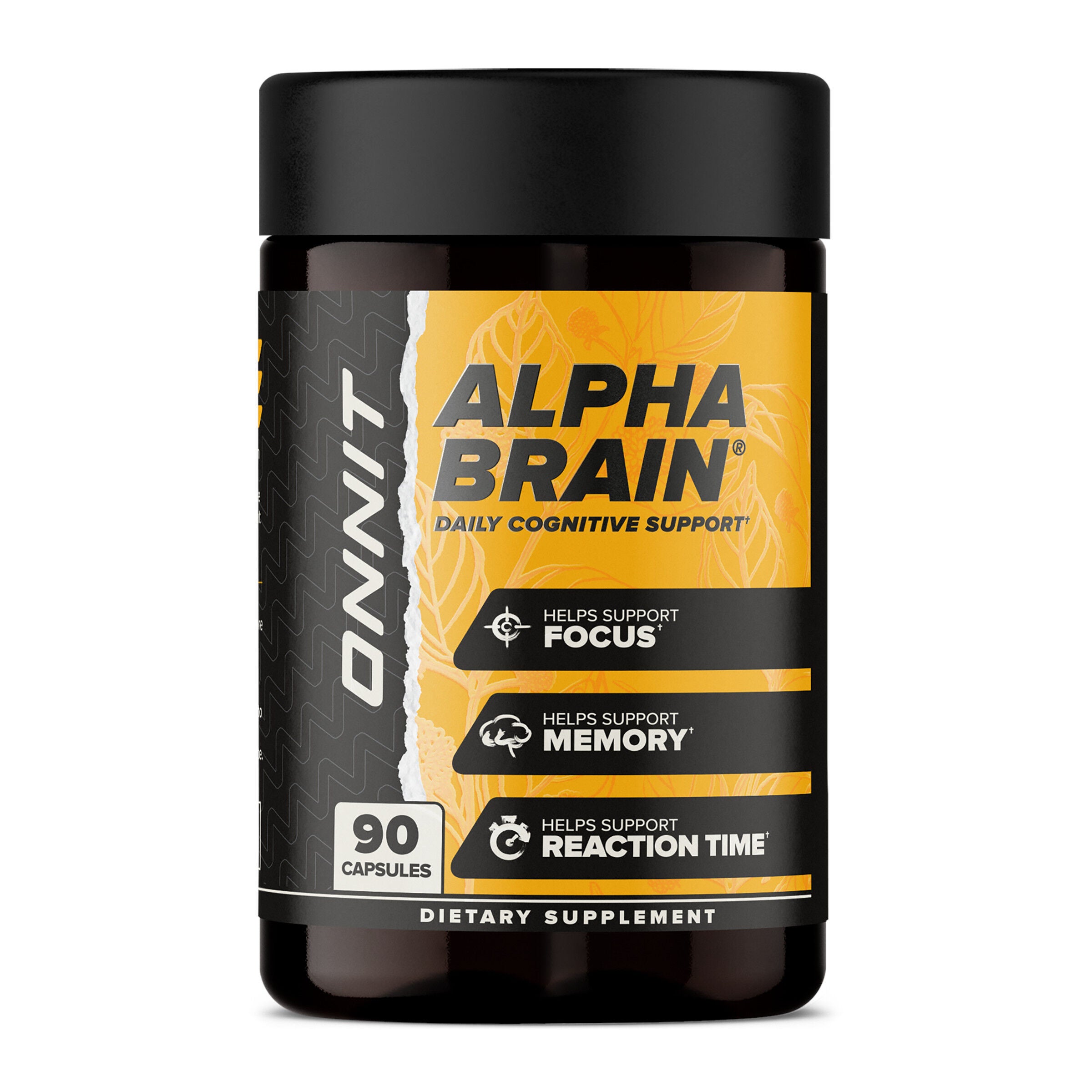
-
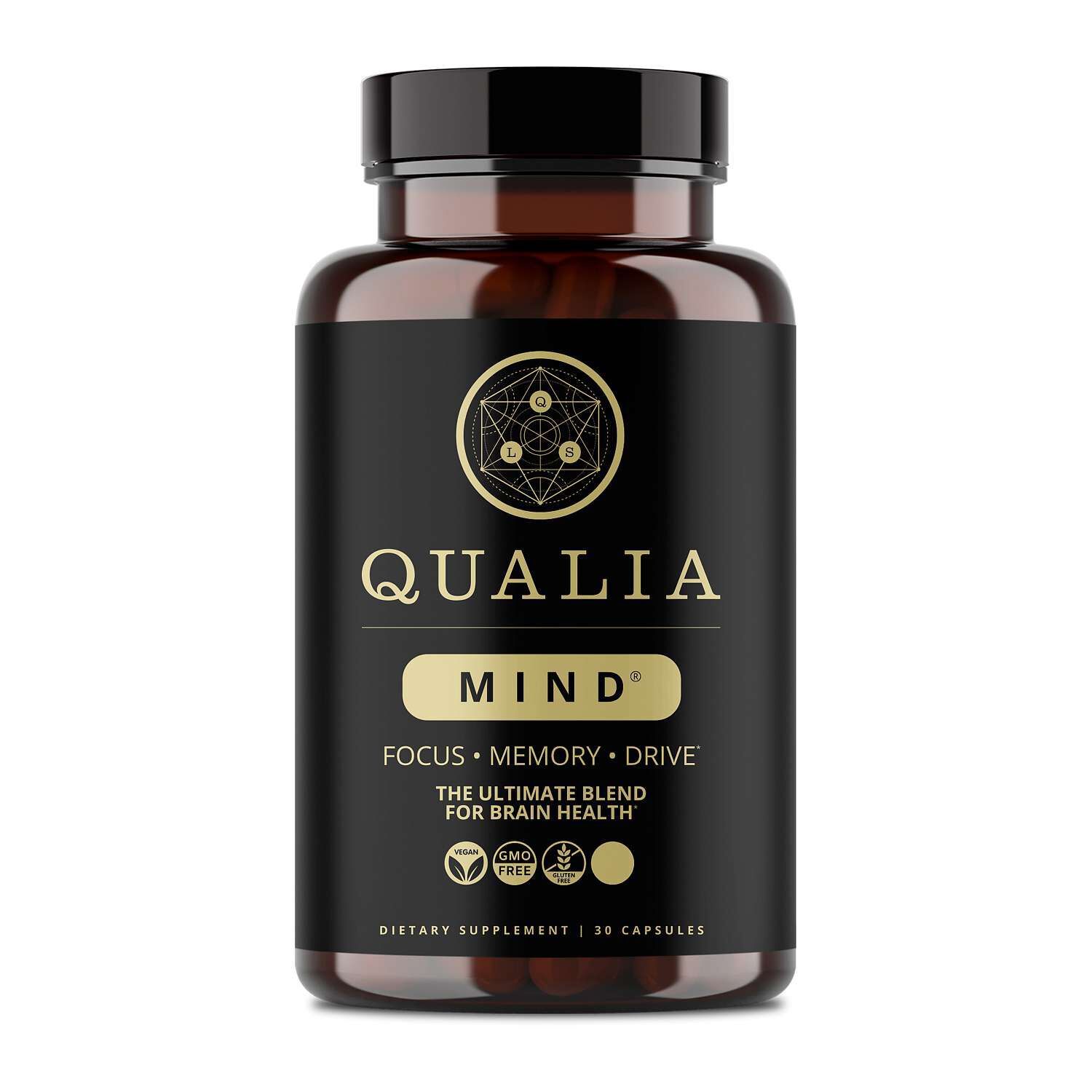
-
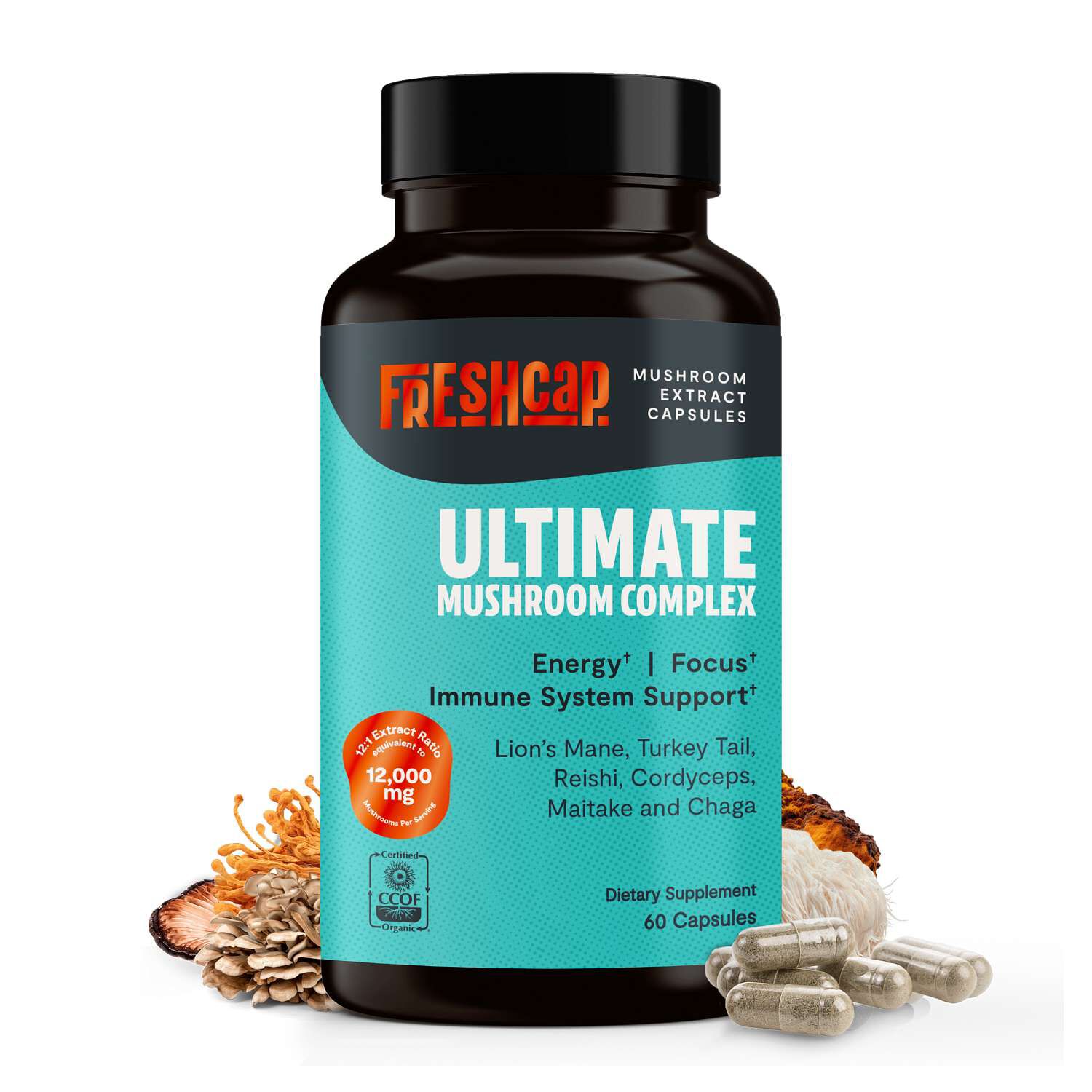
-

-
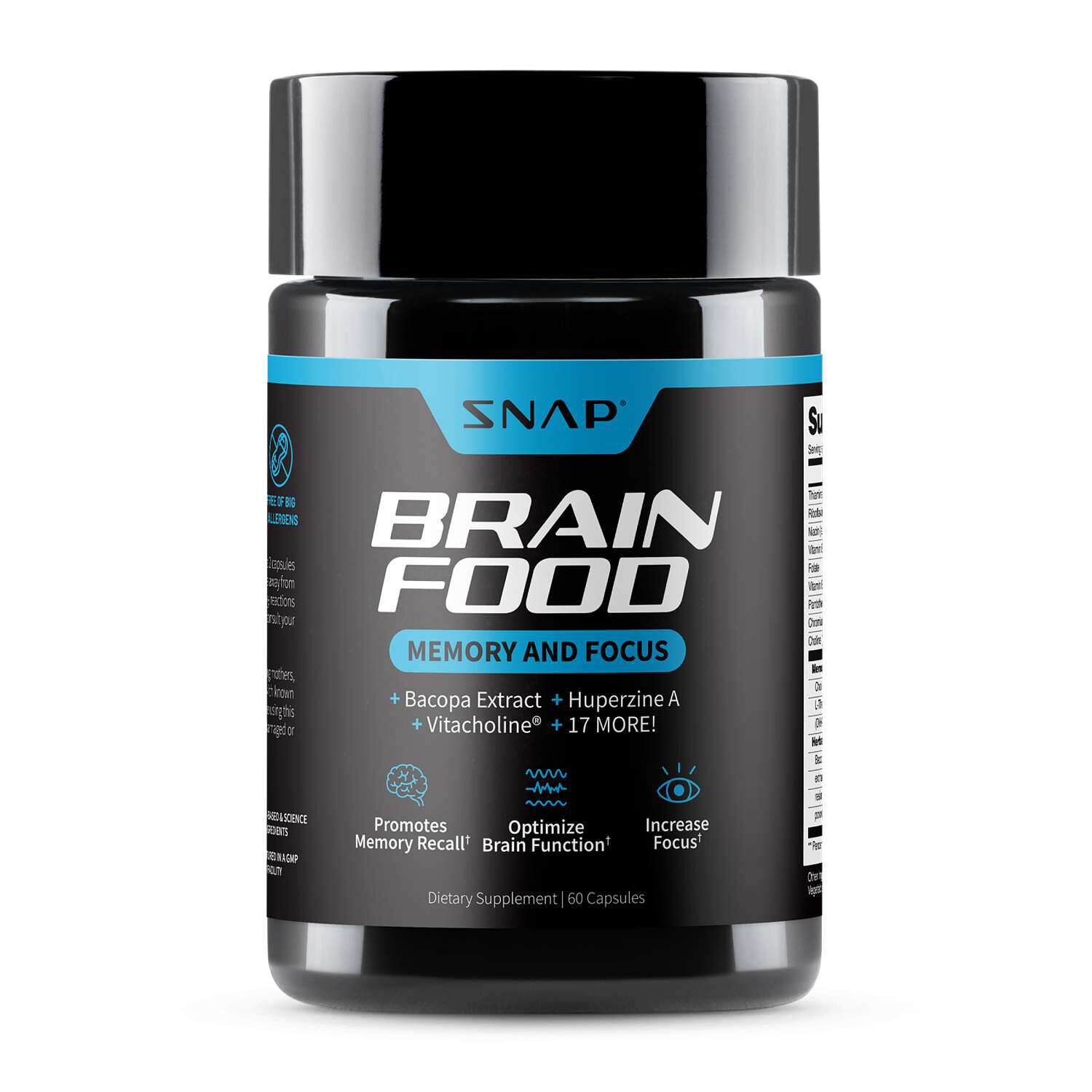
-
 185$24.99
 -
-

-
-
-
-
-
-

-
-
-

-
-

-
-
-
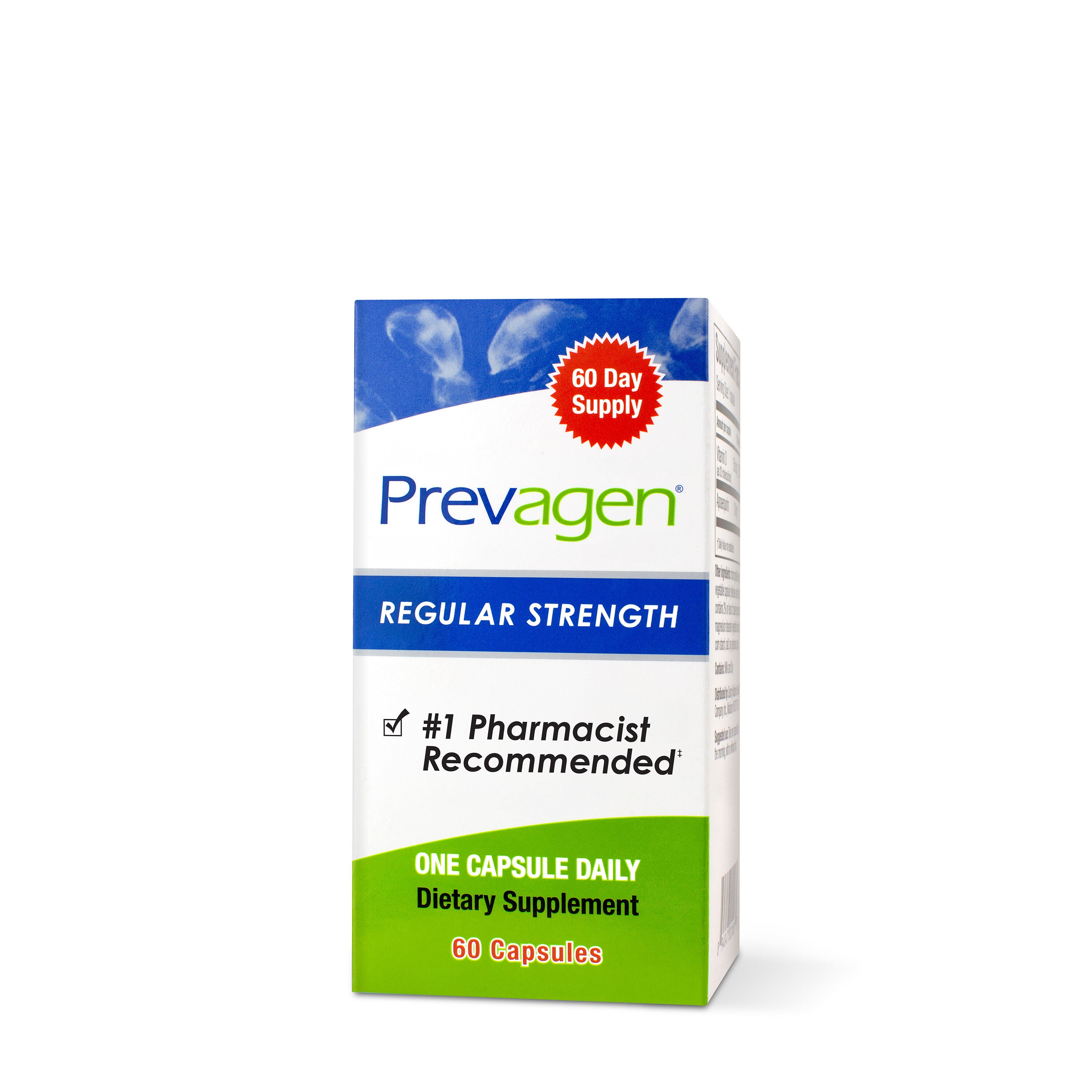

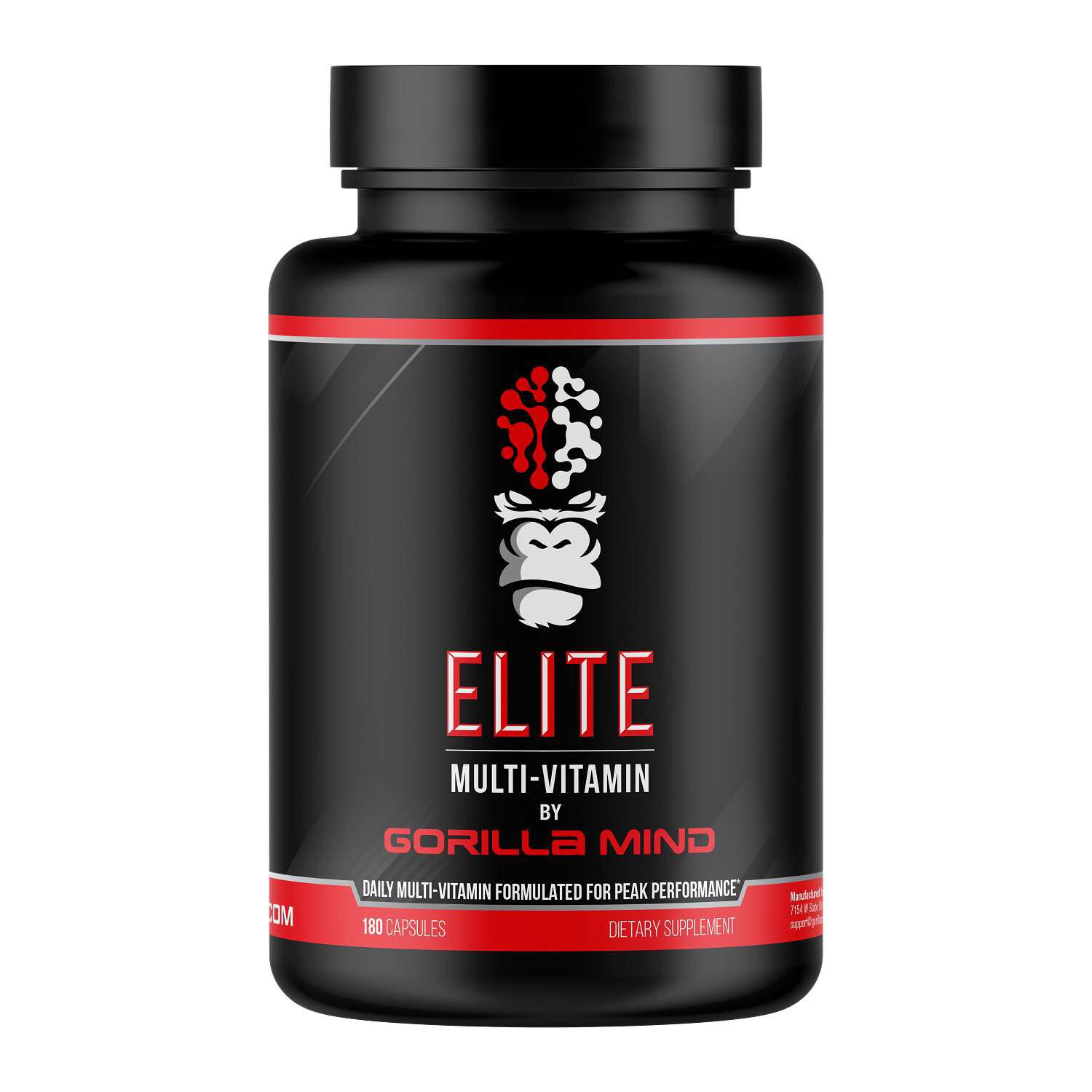
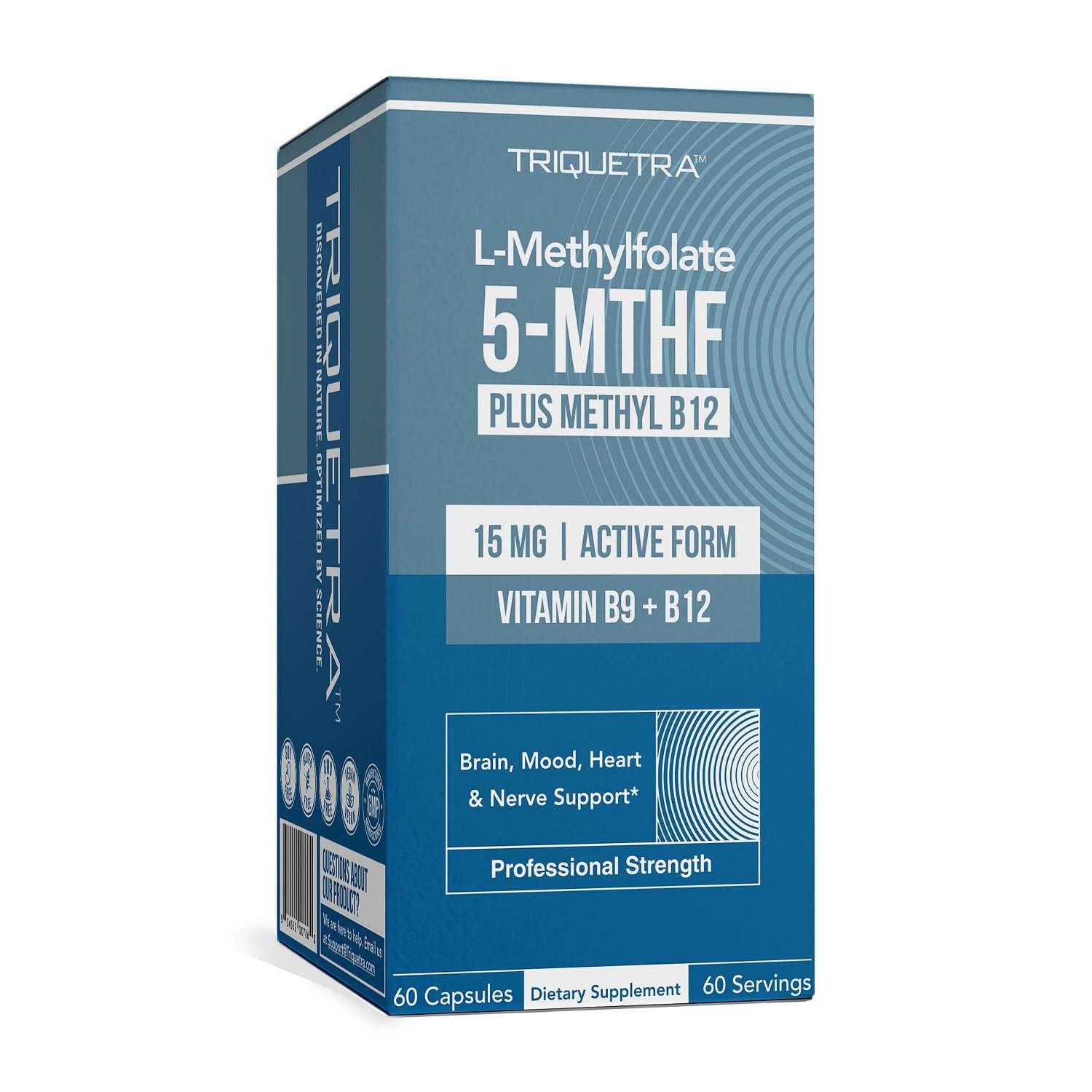
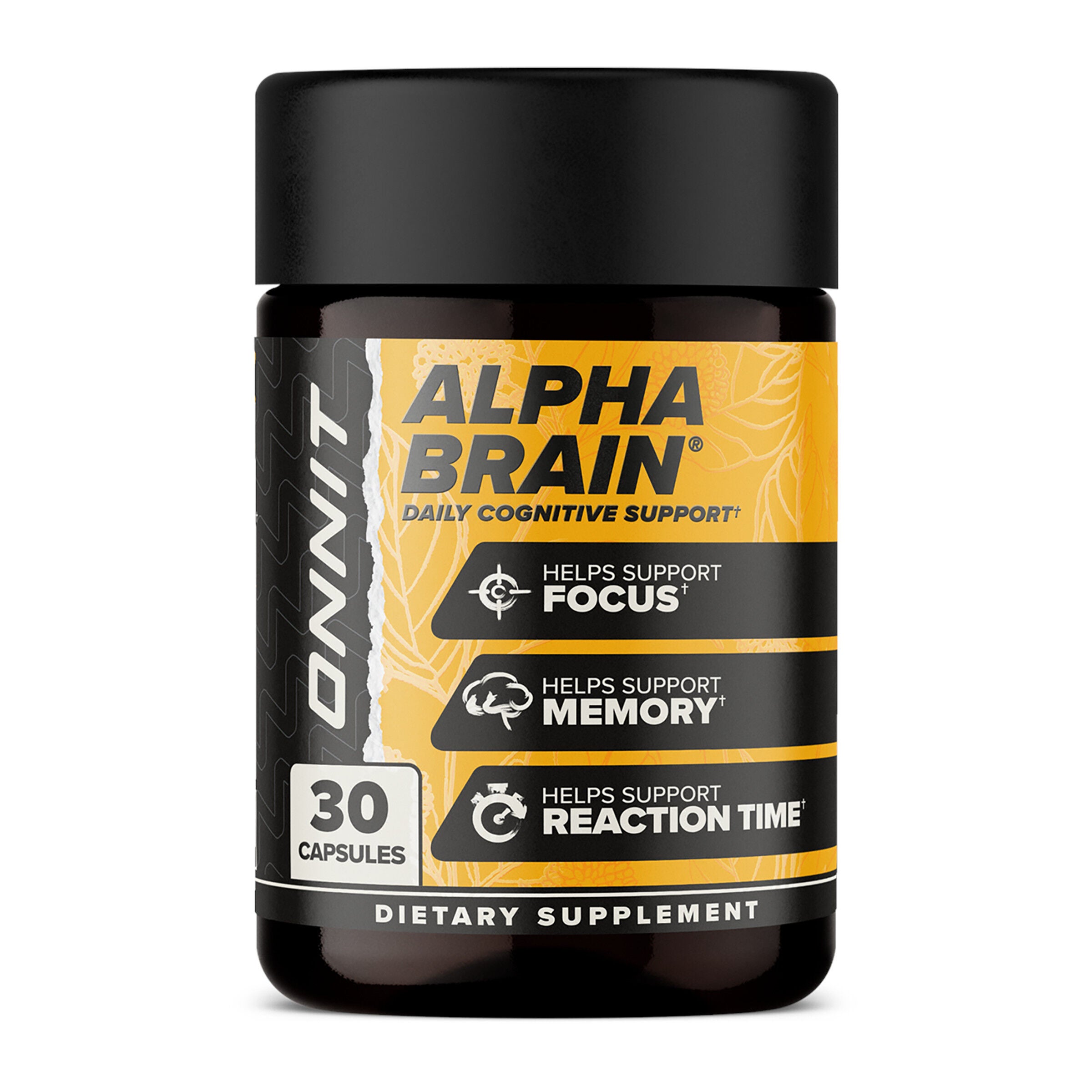
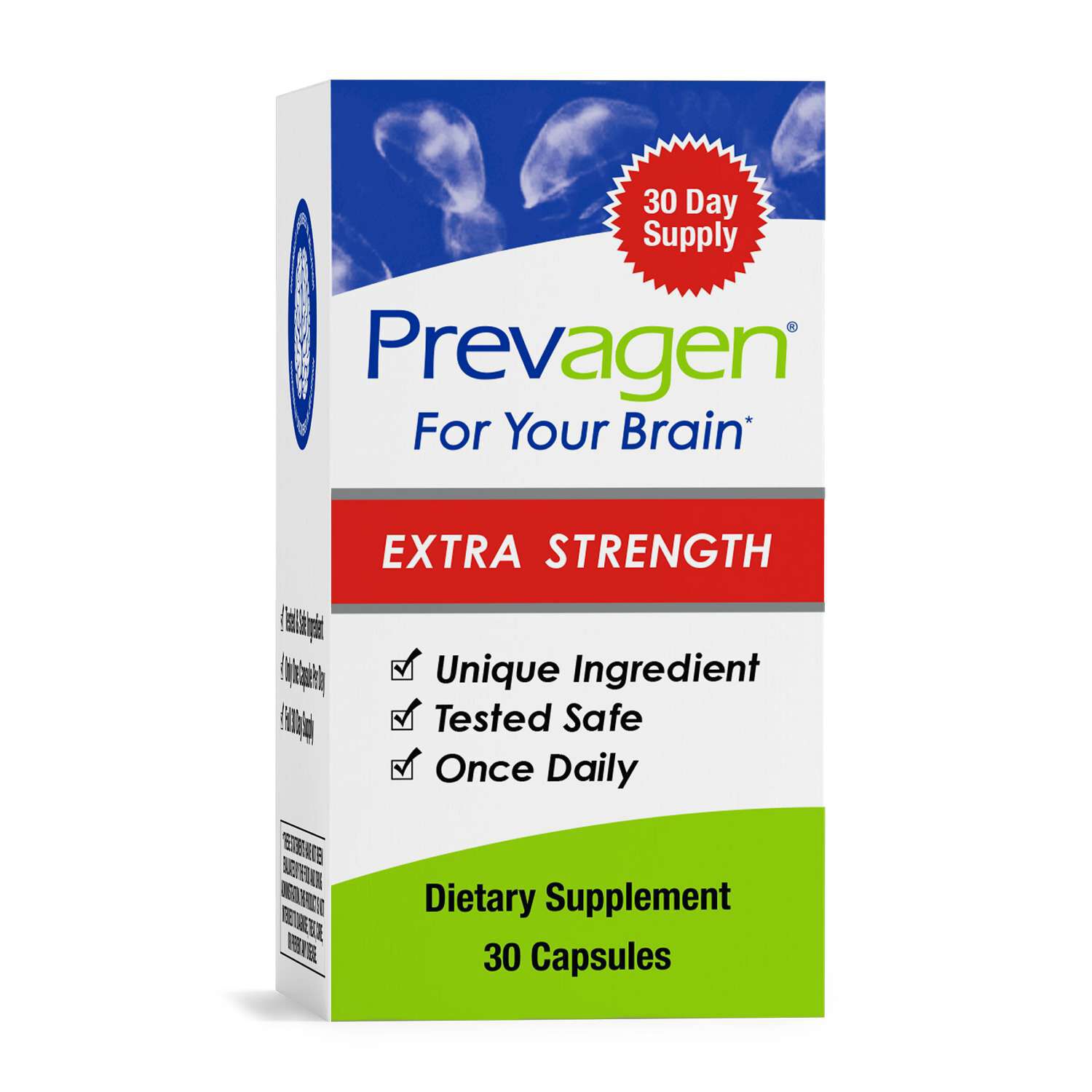
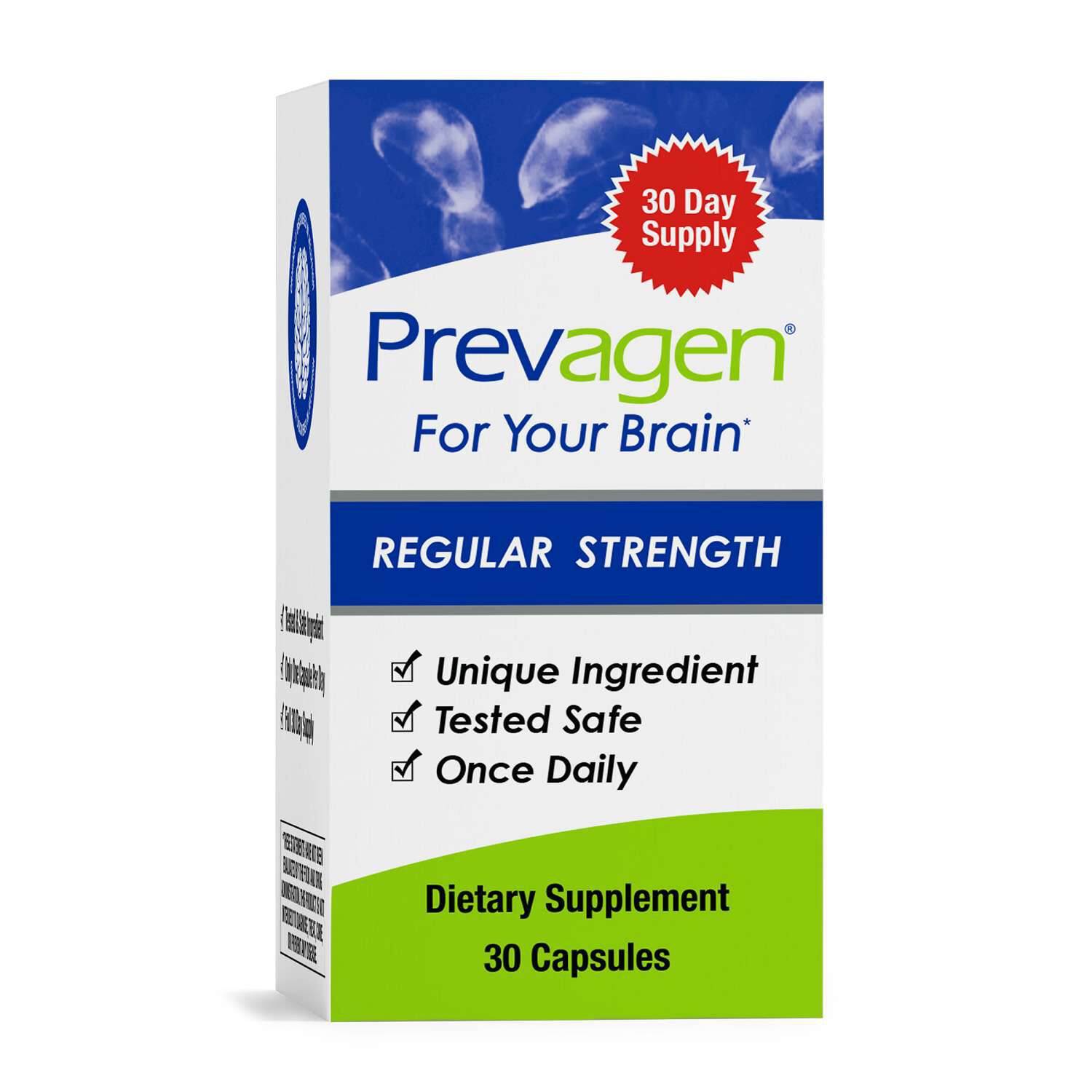
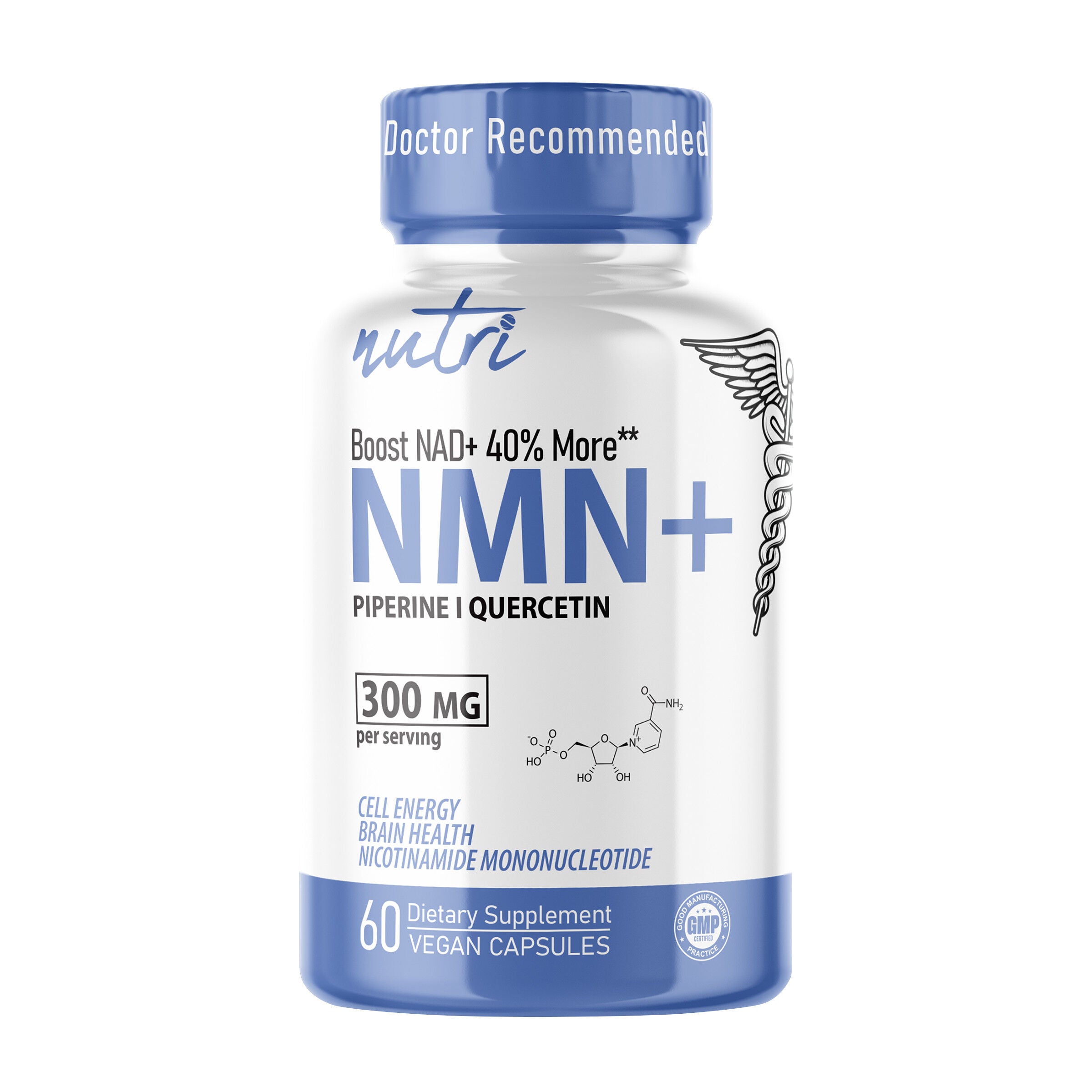
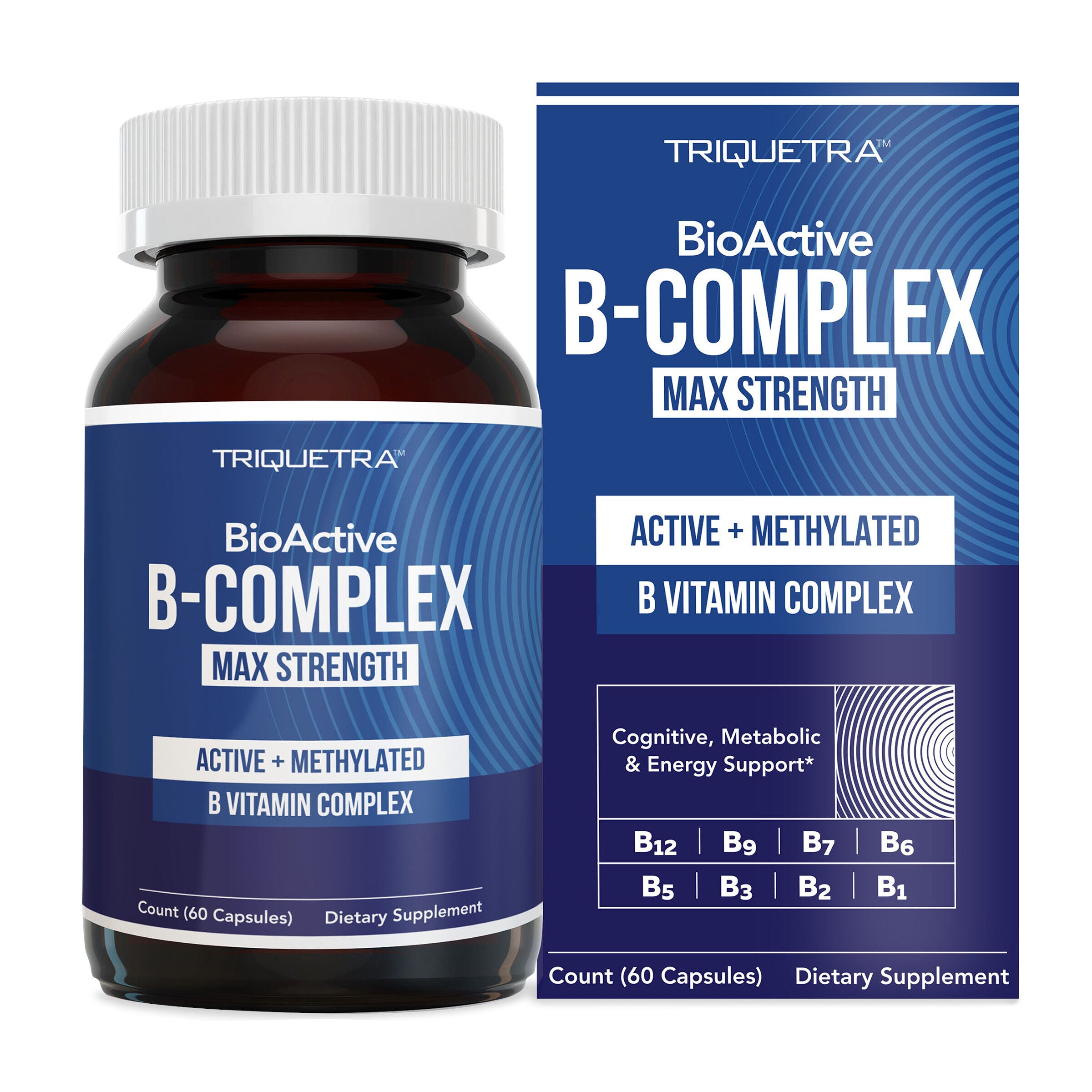
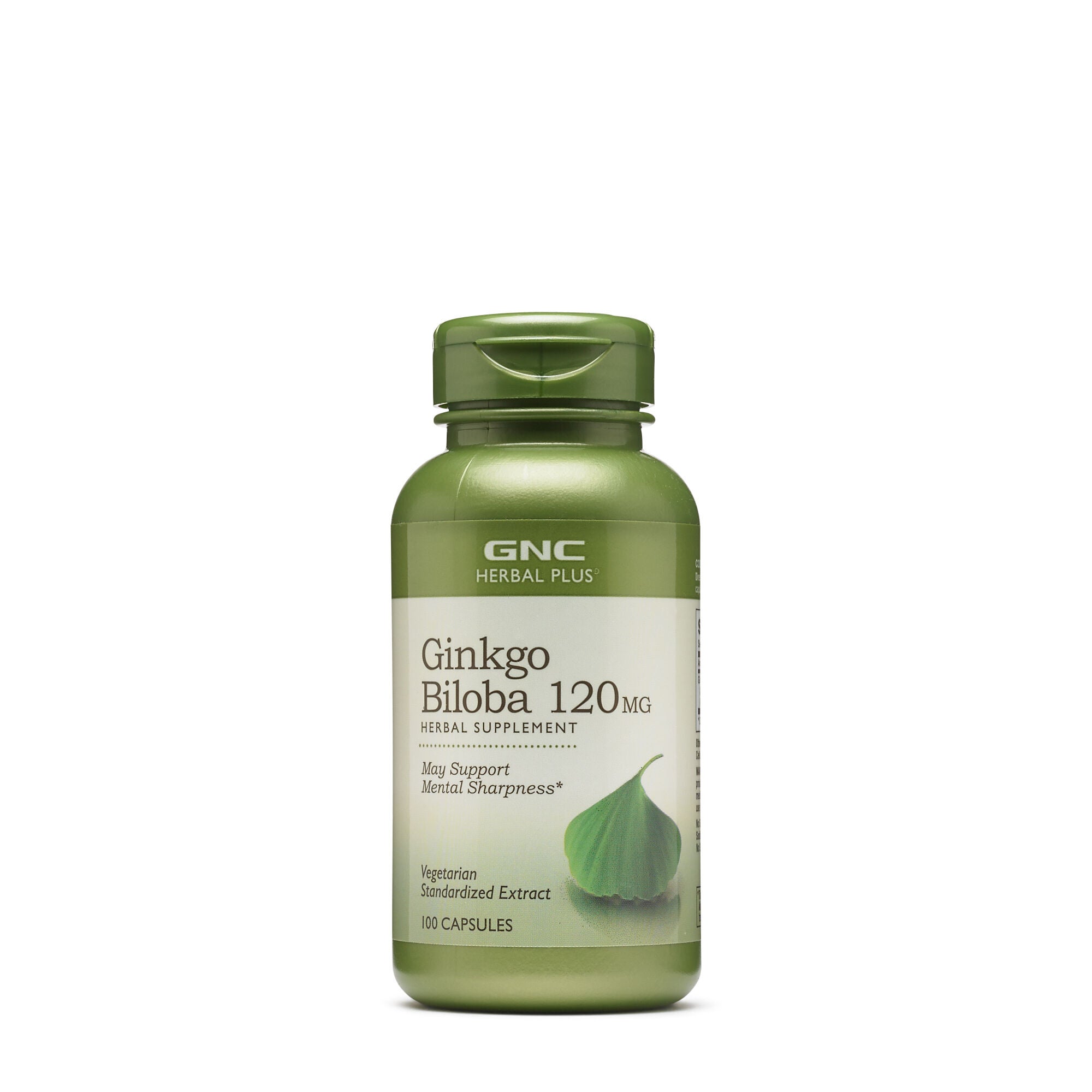
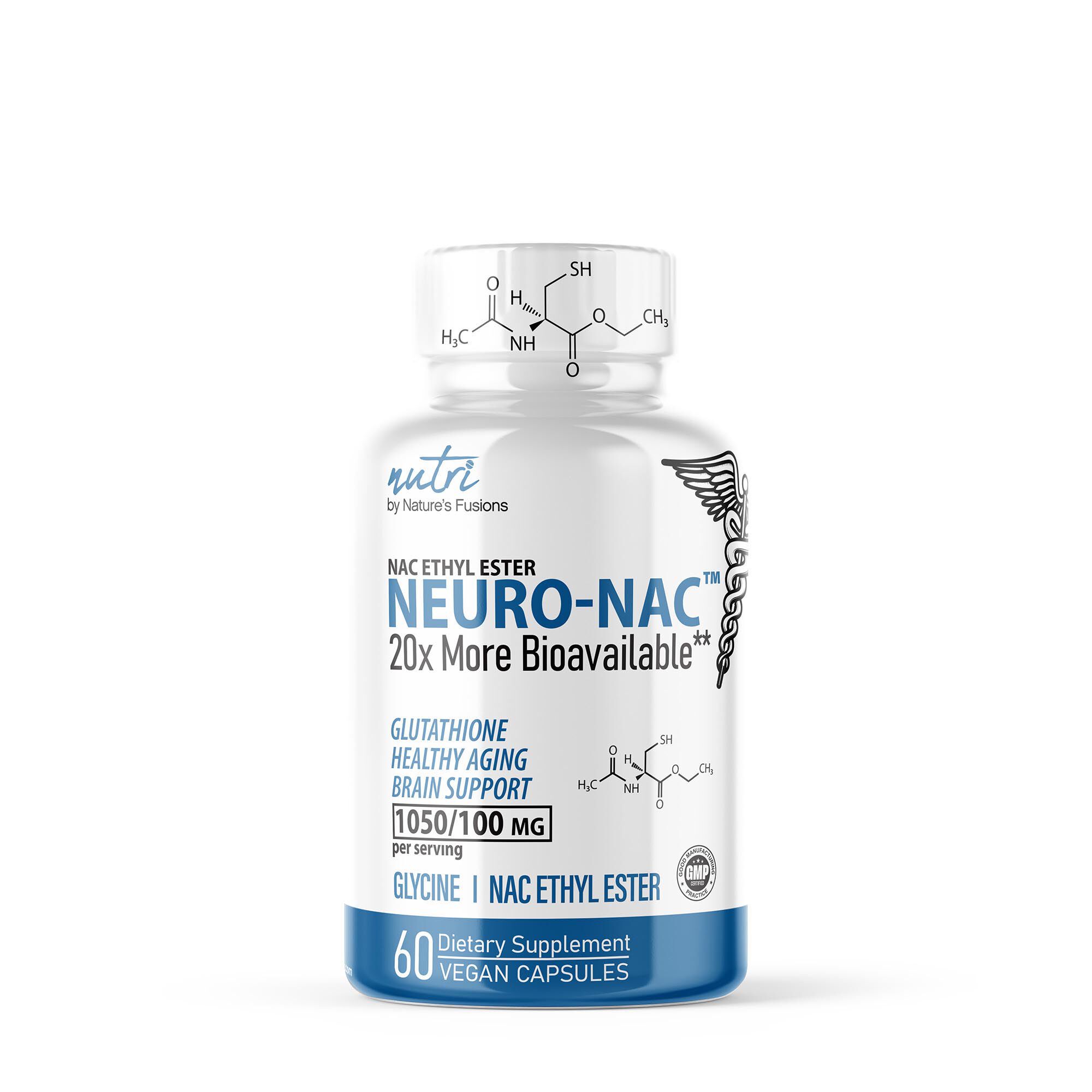
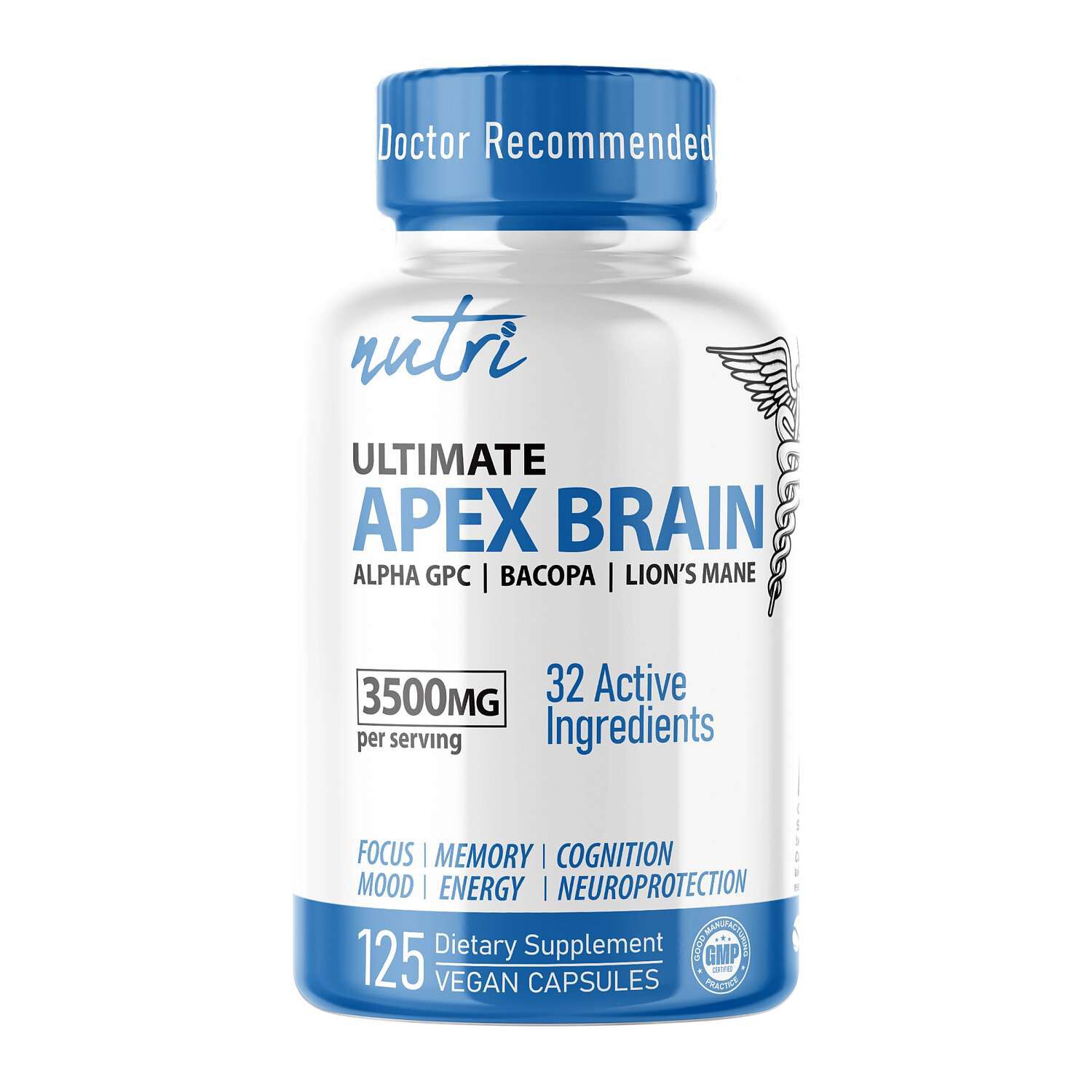
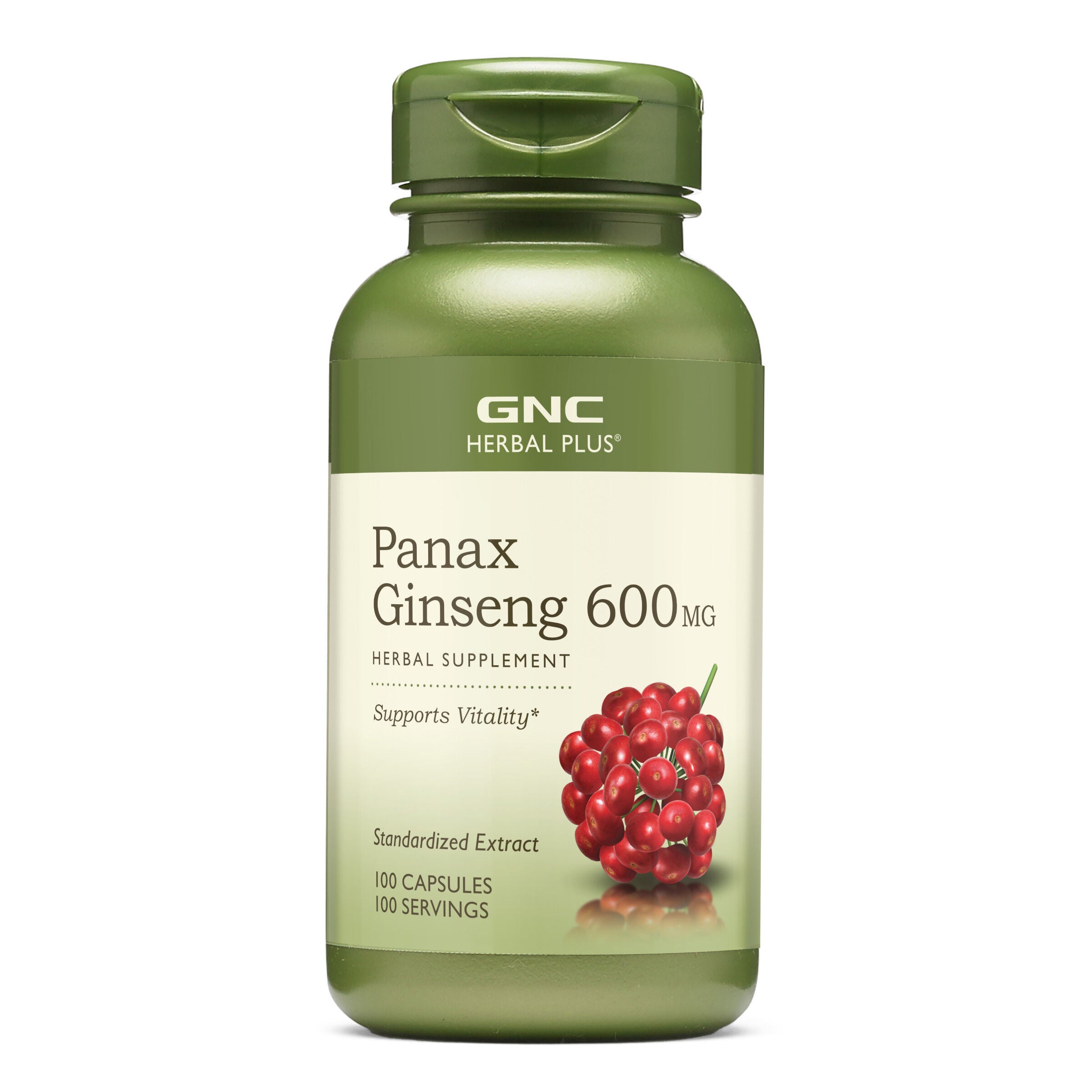
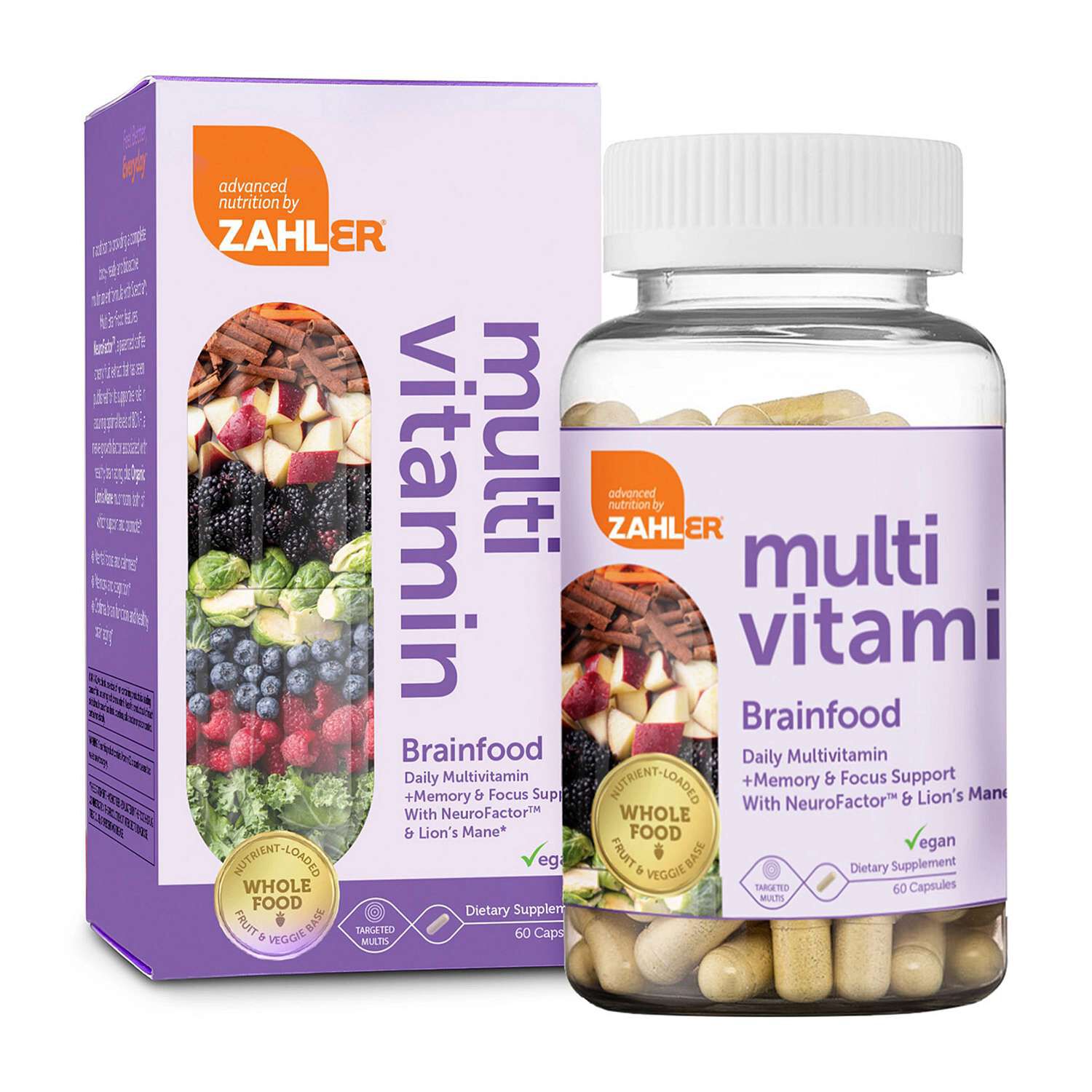
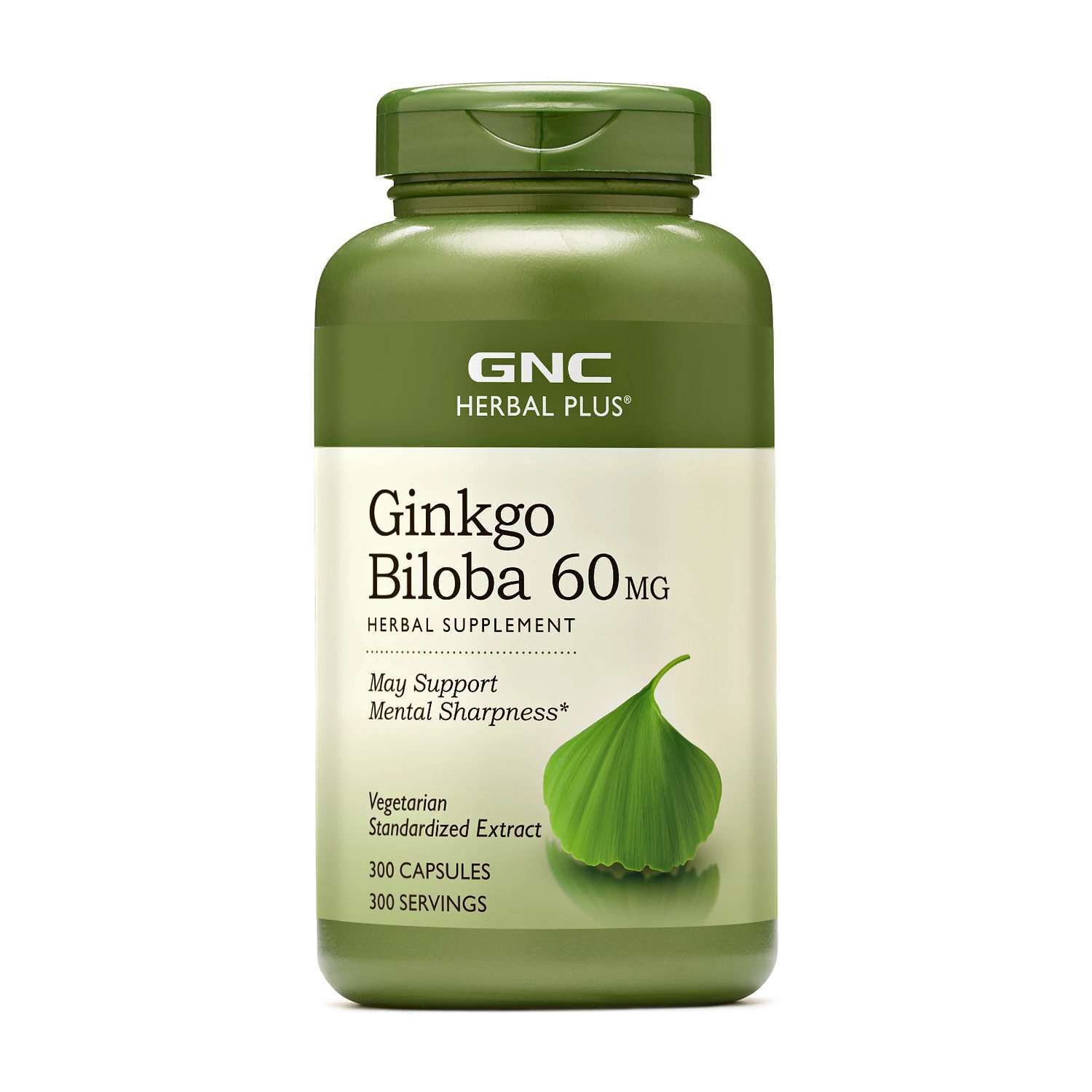
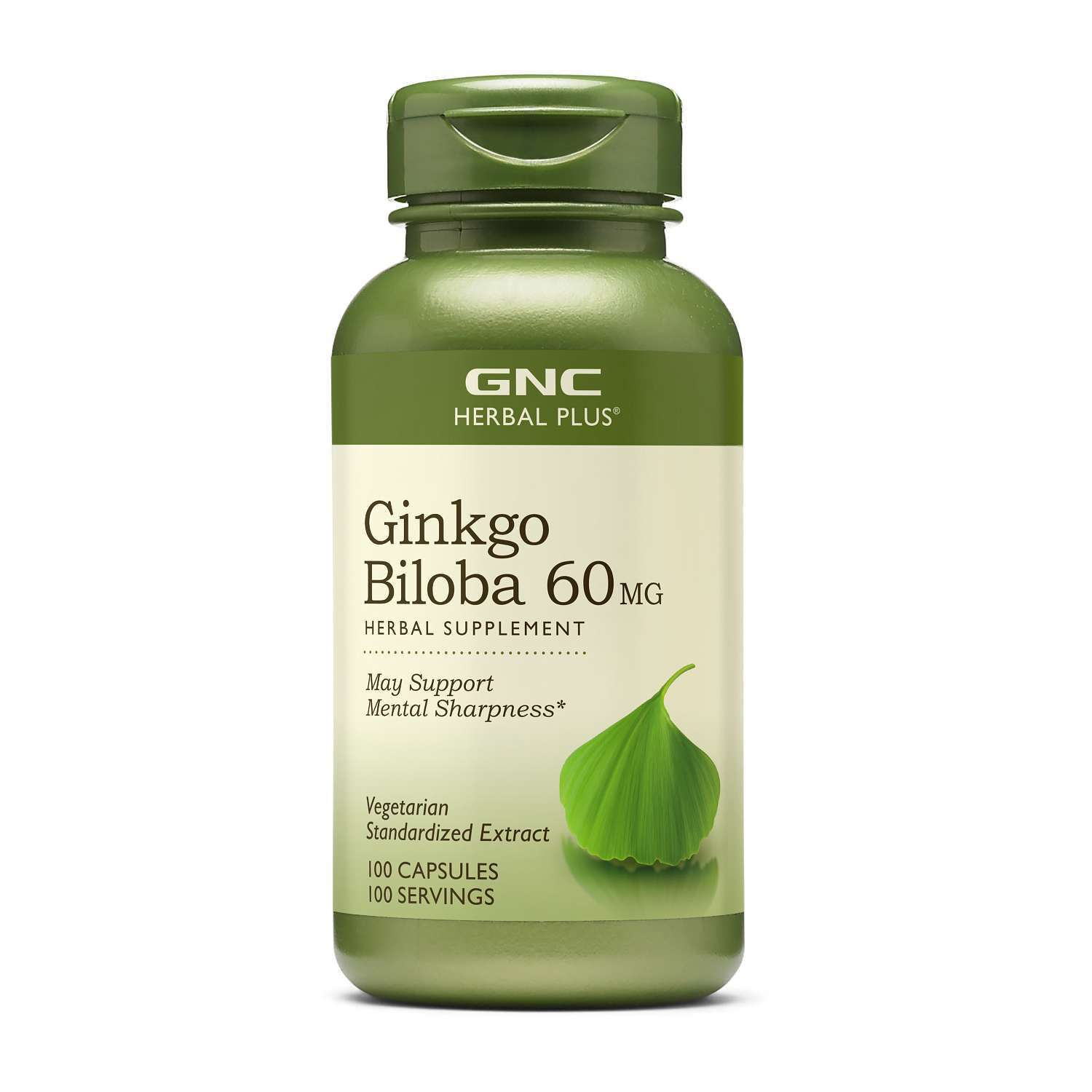
Long-term memory support capsules are dietary supplements marketed for adults interested in memory and everyday cognitive wellness. The category can include individual nutrients, botanical extracts, and blends that combine several ingredients in a capsule format. Although the names and packaging may sound similar, the formulas can differ considerably in ingredient selection, serving size, capsule material, and the amount of each ingredient per serving. A useful starting point is the Supplement Facts panel rather than the largest statement on the front of the bottle. That panel shows which dietary ingredients are included and their declared amounts, while the other ingredients list identifies capsule materials and additional components. Depending on the formula, shoppers may encounter B vitamins, phosphatidylserine, or plant-derived extracts; the presence of any one ingredient does not establish how a finished product might affect memory. Evidence for memory-focused supplements varies by ingredient, formulation, and the people studied, and research on an individual ingredient does not automatically apply to every blend containing it. A study involving a particular age group or nutritional background may not reflect the experience of a different shopper. Likewise, a familiar ingredient name is not enough to show that two formulas are equivalent. The amount, source, and preparation can all differ. In the United States, dietary supplements do not receive FDA approval for safety and effectiveness before they are marketed. Packaging language should therefore be read alongside the ingredient information, not treated as proof of a particular outcome. For someone browsing between work projects, family responsibilities, or a new evening course, this category offers a way to compare nutritional products with a memory-focused purpose. It is not a reliable basis for predicting better recall, quicker learning, or a particular experience after a set number of days. The most useful distinctions are concrete ones: what the capsule contains, how the serving is defined, and how clearly the formula is described.
Capsule construction is another practical part of comparing long-term memory support capsules. Shells are often made with gelatin or plant-derived cellulose, and that difference can matter to shoppers with dietary preferences. A plant-derived shell does not necessarily mean every ingredient inside it is plant-derived, so the full ingredient list remains important. Some formulas contain powdered ingredients, while others use different preparations that affect capsule dimensions, appearance, and storage requirements. Capsule size is not always obvious from a bottle photograph; when dimensions or a size comparison are provided, they can make the format easier to assess. Serving size also deserves attention. A bottle’s capsule count and its number of servings are different measurements, and a serving may consist of more than one capsule. Two similarly sized bottles can therefore represent different lengths of use under their labeled directions. For someone who keeps a simple morning routine, the number of capsules in a labeled serving may matter as much as the ingredient selection. For someone who travels regularly, a readable label, secure closure, and manageable bottle shape may be more relevant than elaborate packaging. Details about ingredient sources, dietary suitability, and manufacturing or independent testing can add context, but testing statements need to be interpreted narrowly. Verification of ingredient identity or checks for certain contaminants do not demonstrate a memory benefit. Look for an explanation of what was assessed rather than assuming that a seal addresses every aspect of the product. Transparency matters with blends, too: some labels list individual ingredient amounts, while others declare a blend amount without showing the quantity of each component. Those formats provide different degrees of visibility when comparing formulas. Small print can be more informative than broad wording on the front label, especially when two options share a similar description but use different ingredients or different amounts per serving.
Intended use and everyday handling round out the comparison. Adults considering memory-focused nutritional products may have very different routines, from organizing a busy household to taking a continuing education class or enjoying reading, music, and other personal interests in retirement. Those activities provide context for shopping, but they do not establish that a supplement might improve performance in any of them. Age-focused wording likewise does not, by itself, explain whether a formula differs from another adult supplement. For a more narrowly focused selection, Memory Support Capsules For Seniors offers a related category to explore while keeping ingredient details and labeled use central to the comparison. These products are generally a personal purchase rather than a surprise gift, since dietary preferences, capsule preferences, and existing routines can be difficult for someone else to judge. If shopping for another adult, having that person select the format and review the label makes the choice more personal. Once purchased, capsules need care appropriate to their packaging rather than the durability expectations applied to reusable goods. Storage directions, expiration dating, and the condition of the container are relevant details. A bottle left beside a steamy shower or inside a warm vehicle may be exposed to conditions unlike those specified on its label. Original packaging keeps the ingredient information, directions, lot identification, and date together, which is useful when revisiting a purchase later. A secure storage location away from children and pets is another practical consideration. Labels also provide product-specific directions and cautions; a general category description cannot account for every person’s circumstances. As routines shift during the cooler months, from travel days to quieter evenings at home, the comparison remains grounded in the same details: a clearly described formula, a suitable capsule format, understandable serving information, and realistic expectations. Long-term memory support is a shopping category, not evidence of lasting results, and a thoughtful selection starts with what the label actually documents.