





Alpha Lipoic Acid For Cellular Health
(0 Results)
Alpha lipoic acid for cellular health is an option for those looking to support their wellness routines. Known as a versatile compound found in a variety of foods, alpha lipoic acid is often chosen by individuals interested in maintaining their overall well-being. Explore supplements that may fit into your daily regimen and discover how alpha lipoic acid for cellular health could be a valuable addition to your lifestyle goals.
-
-
-

-
 1$19.99
 -

-
 $44.99
 -

-
-

-
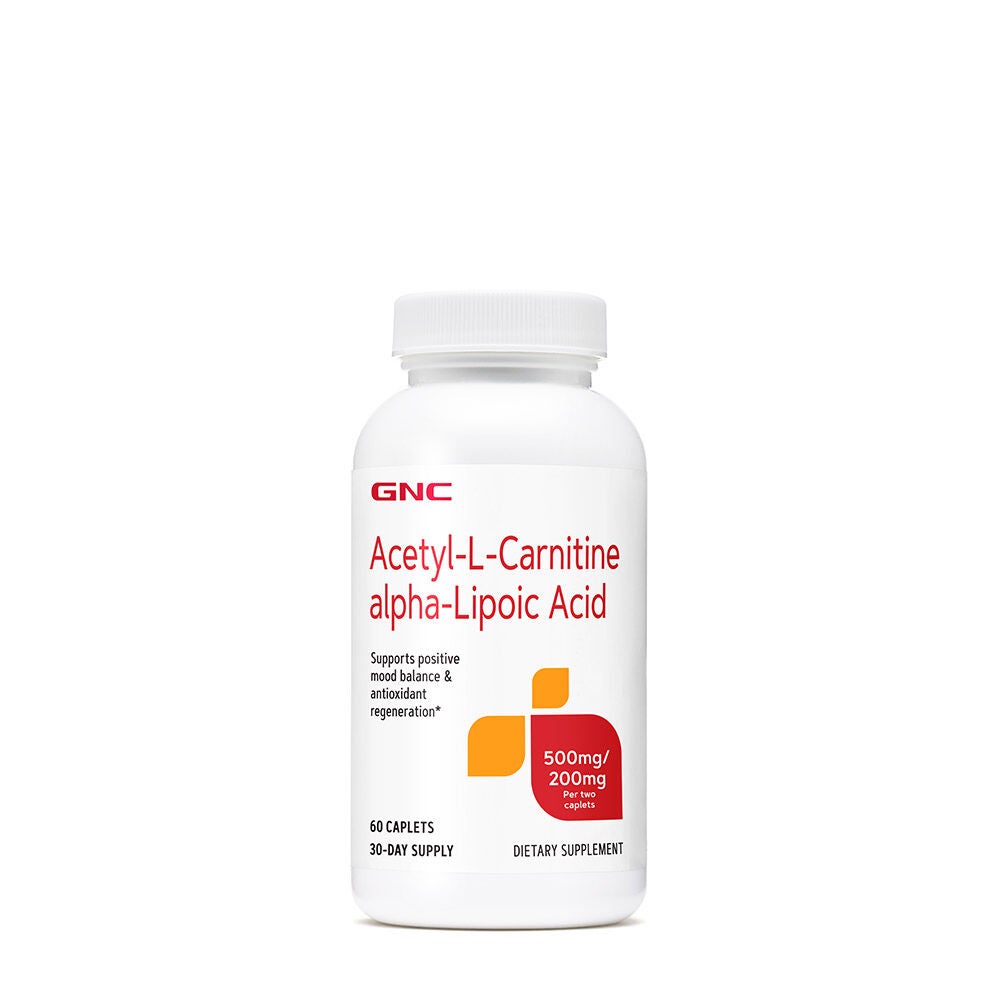
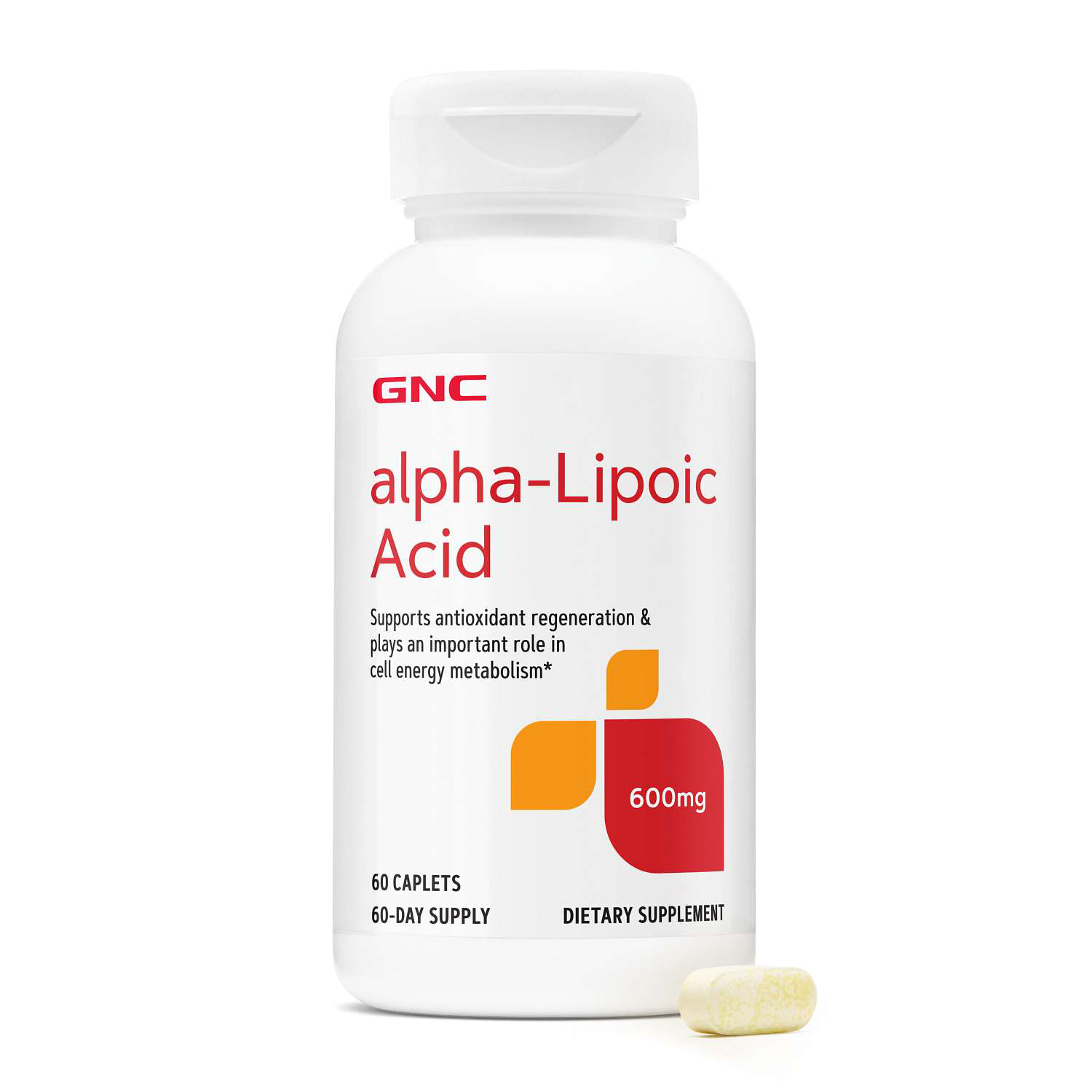
Alpha lipoic acid for cellular health brings together supplements centered on a compound found naturally in the body and in small amounts in certain foods. Often abbreviated as ALA, alpha lipoic acid has a role in the chemistry of mitochondria, the structures within cells associated with energy production. In that setting, it serves as a cofactor, a partner compound used by enzymes involved in processing nutrients. This biological role provides context for interest in ALA supplements, but it does not mean that taking a supplement will produce a noticeable change in everyday energy. As part of a general wellness routine, supplemental alpha lipoic acid may support antioxidant activity and normal cellular energy metabolism. ALA is also described as both water- and fat-soluble, a characteristic that distinguishes it from compounds associated mainly with one environment or the other. That property is background about the ingredient, not a measure of how well any particular supplement might suit an individual. Foods containing alpha lipoic acid include spinach, broccoli, tomatoes, and organ meats, although ordinary food portions and concentrated supplements are different sources and should not be treated as interchangeable quantities. For shoppers interested in the terminology, alpha lipoic acid is distinct from alpha-linolenic acid, an omega-3 fatty acid that shares the abbreviation ALA. Seeing the full ingredient name on a label makes that distinction clear. The cellular health category may appeal to adults who already give attention to varied meals, regular movement, and a consistent sleep schedule and are exploring an additional supplement for their routine. The focus is on a deliberate ingredient choice rather than an immediate sensation. A capsule does not need to feel stimulating to belong to this category, and the language of cellular health should not be confused with a description of an energizing beverage or a pre-workout formula. Understanding those differences gives the category a more useful context than broad claims about vitality alone.
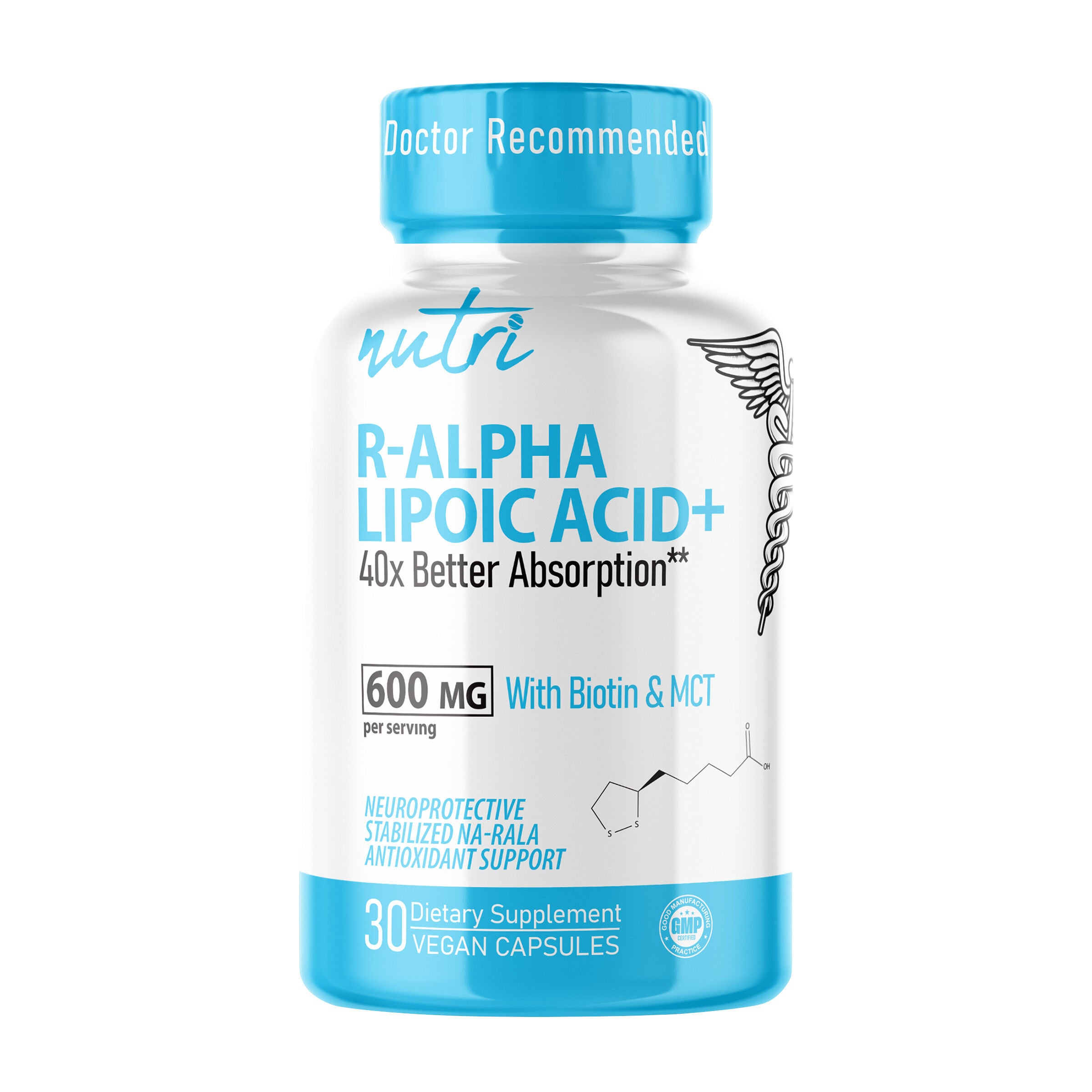
When comparing alpha lipoic acid supplements, the most useful details are usually the ingredient form, amount per serving, serving size, and other ingredients. Capsules and tablets are common formats, and the practical differences can matter as much as the front-label description. A shopper who prefers a short ingredient list might gravitate toward a single-ingredient formula, while someone comparing combination formulas may want to examine each listed component separately. Capsule shells, binders, coatings, and fillers are part of the formulation even when they are not the featured ingredient. Their presence can affect whether a product matches dietary preferences, so a plant-derived capsule shell or a clearly stated vegetarian designation may be relevant to a particular shopper. Those details belong to the individual label; they cannot be assumed from the words alpha lipoic acid. Ingredient names can also vary. R-alpha lipoic acid refers to one molecular form, while some alpha lipoic acid ingredients contain both R and S forms. The R form is the form associated with the compound’s natural biological role, but that distinction alone does not establish that one finished formula will be a better match for every person. Some labels identify a stabilized form or provide additional formulation information, making careful comparison more useful than relying on a single prominent term. Amount per serving deserves the same attention. A front-label milligram figure may describe a serving made up of more than one capsule, rather than the amount in each capsule. Reading that number alongside the serving size creates a clearer picture of the format and the bottle’s labeled serving count. A larger printed amount is not, by itself, a reason to choose one formula over another. Supplement Facts panels, ingredient disclosures, and any clearly explained testing information provide a more grounded basis for comparison than sweeping language. For someone browsing during a lunch break or comparing labels at the kitchen counter, these concrete details make it easier to distinguish otherwise similar-looking bottles without assuming that every ALA formula is the same.
The best practical fit also depends on how a supplement would sit within an existing routine. Someone who keeps a small, orderly collection of daily supplements may value straightforward labeling and a format that is easy to recognize. A frequent traveler may pay closer attention to the container, closure, and storage directions, while a person with particular dietary preferences may spend more time reviewing the capsule materials and other ingredients. These are everyday considerations rather than measures of a supplement’s effects. For storage and care, the package directions are the appropriate reference: moisture, heat, and light can be relevant to the condition of supplements, and a steamy bathroom shelf or a sunlit car console may not match the labeled storage conditions. Keeping the original container also preserves access to the ingredient list, directions, lot information, and expiration date. Unlike a reusable household item, a supplement is not evaluated for years of physical durability; packaging integrity and the stated storage period are more meaningful considerations. Intended use matters just as much. Alpha lipoic acid belongs in a thoughtful adult supplement selection, not as a substitute for meals or as a shortcut around daily habits. During the cooler months, when schedules may shift between indoor workouts, desk time, and evenings at home, the appeal of a simple routine can be especially relatable, without implying that seasonal changes create a need for ALA. Shoppers exploring the wider cellular health category may also compare Astaxanthin Supplements for Cellular Health for a look at a different antioxidant ingredient. Astaxanthin is a carotenoid, whereas alpha lipoic acid belongs to a different class of compounds; a shared category does not make their properties or formulas interchangeable. Browsing related ingredients can clarify preferences without implying that they need to be taken together. Across the category, a clear ingredient identity, readable serving information, transparent formulation details, and practical storage requirements offer a sensible foundation for choosing a supplement that fits personal preferences and the routine already in place.
Best Sellers
-
 Rho Nutrition
 -
 Rho Nutrition
 -
 Doctors' Preferred
Related Pages


Top Collections
- Daily Collagen Supplements | Top Brands & Deals | GNC
- Cortisol Supplements
- Top Rated Collagen | Shop Customer Favorites | GNC
- Vitamins For Hair Loss
- NAD+ Supplement Tablets
- Peptide Supplements
- Best Brand of Magnesium Glycinate
- Protein Powders For Muscle Growth Support
- Vitamins That Help Support Weight Gain
- Peptide Supplements for Muscle Growth