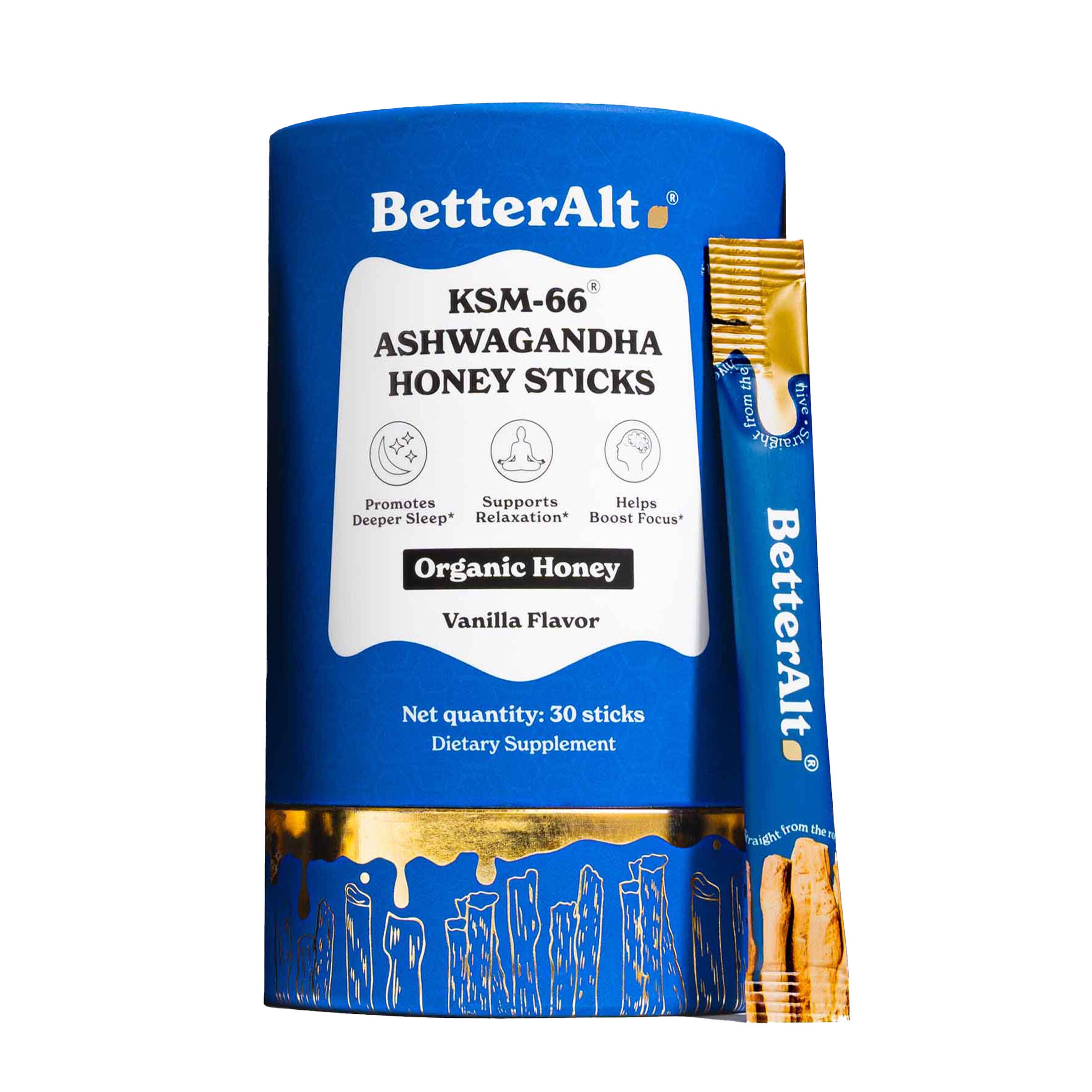
Anti Anxiety Vitamins
(0 Results)
Discover a range of anti-anxiety vitamins that could offer support for those seeking a natural approach to managing stress. These supplements might help promote relaxation and contribute to overall mental well-being. Packed with essential nutrients, these vitamins may play a role in supporting the body's response to everyday stressors. Whether you're looking to enhance your mood or support your nervous system, explore options that could complement your lifestyle and wellness goals.
-
 Sprayology$38.99
-
-

-
-
-
-
-

-

-

-

-
The phrase anti anxiety vitamins describes a shopping category, not a distinct type of vitamin. Products grouped under this term are dietary supplements with different ingredients, formats, and intended uses, so the category name alone does not establish what any formula may offer. For adults exploring supplements as part of an everyday wellness routine, the most useful distinctions are often straightforward: which nutrients a formula contains, how much is included per serving, and whether the format suits daily habits. B vitamins, vitamin D, magnesium, omega-3 fatty acids, and L-theanine are ingredients shoppers may encounter, but they belong to different ingredient families. Magnesium is a mineral, omega-3s are fatty acids, and L-theanine is an amino acid rather than a vitamin. B vitamins include several individual nutrients, including B6, folate, and B12; a B-complex formula combines multiple B vitamins, while a multivitamin includes a broader assortment of vitamins and minerals. Vitamin D formulas may list D2 or D3, with the amount expressed in micrograms and sometimes international units. These distinctions make ingredient labels more informative than a broad category description. A shopper interested specifically in B-vitamin formulas can explore the related B Vitamins for Anxiety collection for a narrower comparison. Across these supplement types, a single-ingredient formula offers a different shopping experience from a blend containing several nutrients or plant-derived ingredients. The former makes the featured ingredient easy to identify, while the latter requires a closer look at each component and its listed quantity. Botanical formulas also vary by the plant used, the plant part, and whether the ingredient appears as a powder or extract. A familiar ingredient name does not make two formulas interchangeable. This assortment is best understood through its composition and labeled purpose rather than through expectations that every product has the same role. Nutritional supplements may complement an everyday wellness routine, but a collection title is not evidence that they treat anxiety.
Format can matter as much as the ingredient list when comparing supplements for regular use. Tablets, capsules, softgels, gummies, and powders each have practical characteristics that affect taste, texture, portability, and the number of pieces in a serving. Tablets vary in size and coating; capsules may use gelatin or a plant-derived shell; softgels usually contain a liquid or oil-based filling. Gummies offer a chewable format, with differences in flavor, texture, sweeteners, and serving count. A gummy serving may consist of more than one piece, making the Supplement Facts panel more useful than the amount stated on the front of the bottle alone. Powders have their own considerations, including scoop size, mixing directions, flavor, and whether the formula is portioned into individual packets. A packet tucked into a work bag and a jar kept beside a breakfast bowl serve different routines, even when their featured ingredients are similar. Someone who prefers a short ingredient list may compare single-nutrient options, while someone already using a multivitamin may be interested in how much ingredient overlap appears across labels. Beyond the featured nutrients, the other-ingredients list identifies capsule materials, flavorings, colors, sweeteners, and ingredients used to form or bind the product. Dietary preferences can therefore shape a comparison without changing the underlying category. Fish-derived and algae-derived omega-3 formulas, for example, have different sources, and their labels may identify individual fatty acids such as EPA and DHA. Magnesium formulas may name compounds such as citrate or glycinate, while the Supplement Facts panel identifies the amount of magnesium per serving. The weight of a compound and the quantity of the featured nutrient are not necessarily the same measurement. Front-label numbers also need context: the serving size, servings per container, and amount per serving describe different aspects of the package. For a shopper comparing two similar-looking bottles, those details can reveal meaningful differences that flavor names, bottle size, or broad wellness language do not capture.
Label clarity, packaging, and storage requirements add another layer to the comparison. A well-organized label identifies the formula, intended age group, serving size, nutrient quantities, other ingredients, directions for use, and relevant cautions. Some products also carry third-party testing or certification marks. The meaning of those marks depends on the testing program and its scope; testing related to identity or composition is different from evidence about a product’s effects. A certification symbol alone does not establish a benefit for anxiety. Lot information and expiration or best-by dates provide additional package details, while seals and closures are features of the container rather than evidence of a wellness outcome. Storage directions vary, especially between dry tablets, moisture-sensitive powders, chewable formats, and oil-based softgels. Heat, light, and moisture can affect product quality, which makes the container’s stated storage conditions relevant to everyday use. A bottle displayed beside a steamy bathroom sink has a different storage setting from one kept in a dry cabinet, and a powder jar opened frequently has different handling considerations from individually packaged servings. Original packaging retains the ingredient information and directions needed to identify the contents later. Portability also involves more than whether a container fits into a bag: closure design, packet durability, and clear labeling all contribute to practical handling. Intended use remains an important distinction throughout the assortment. A formula labeled for daily use is different from one described for a particular occasion, and a product intended for adults is not interchangeable with an age-specific formula. For a household with several supplement users, those differences make package identification especially useful. The strongest comparisons within an anti anxiety vitamins category come from concrete details rather than broad expectations: ingredient identity, serving quantities, dietary preferences, format, and care requirements. These details help distinguish a chewable blend from a single-nutrient capsule or an oil-based softgel without assuming they provide the same experience. A thoughtfully selected supplement may fit an established wellness routine, while its label remains the clearest source for understanding what is inside and how the product is intended to be used.
Best Sellers
-
 Universal Nutrition