





B Vitamins For Anxiety
(0 Results)
Exploring b vitamins for anxiety may open up new possibilities for supporting your overall wellness journey. B vitamins are widely recognized for their role in helping the body manage everyday stress and maintain a balanced mood. Many people seek out b vitamins for anxiety as part of a daily routine, aiming to support a sense of calm and well-being. Browse a selection of b vitamin supplements that could fit into your lifestyle and wellness goals.
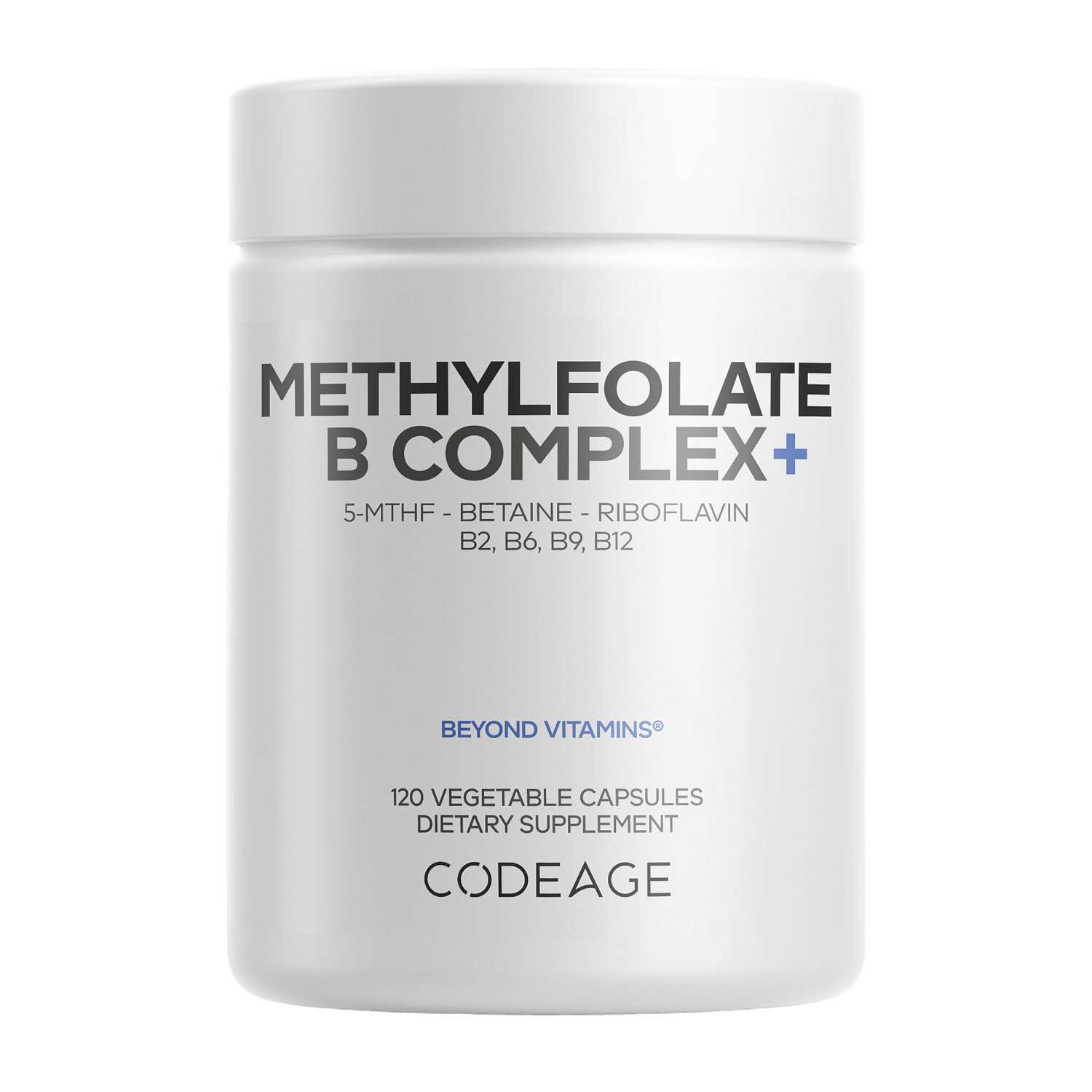
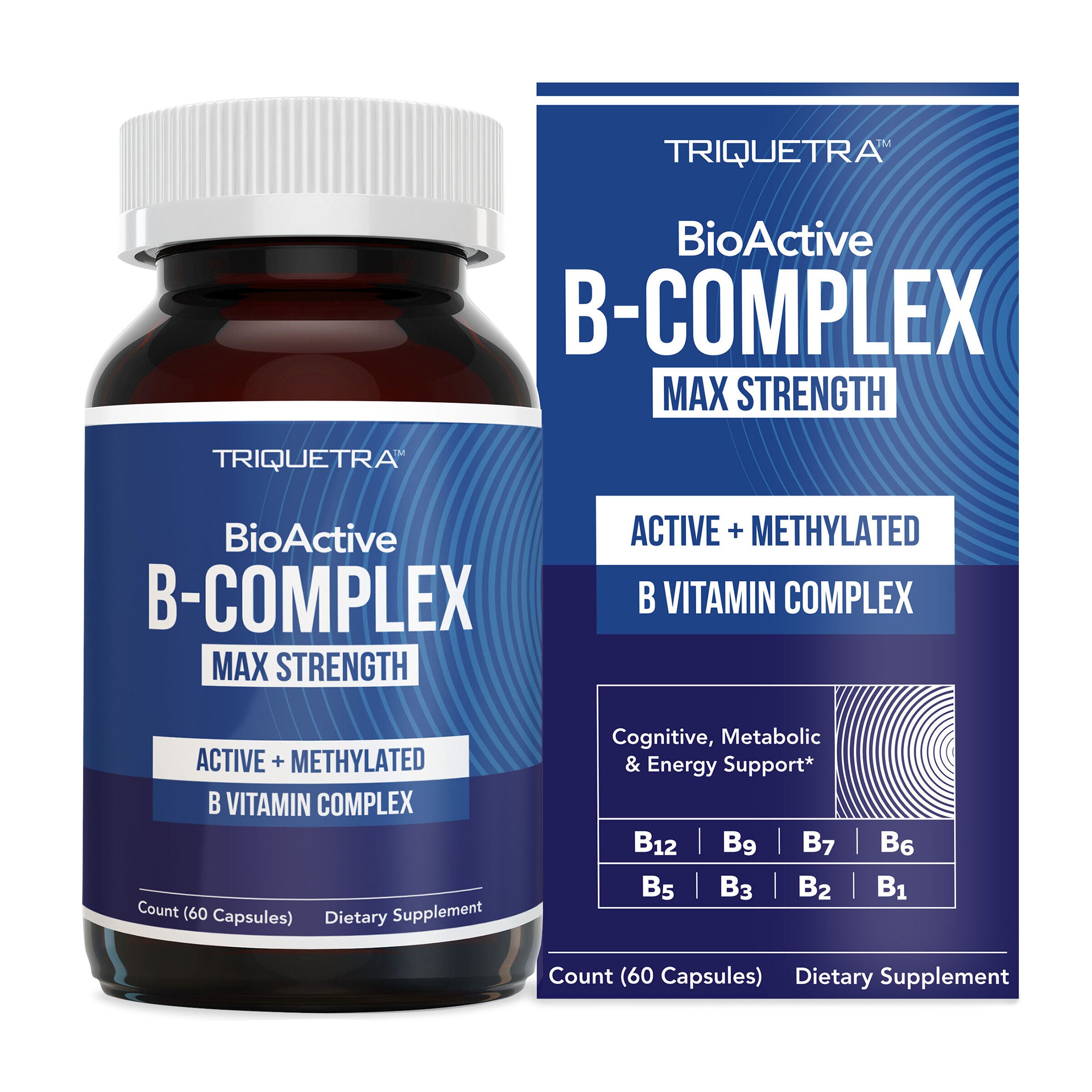
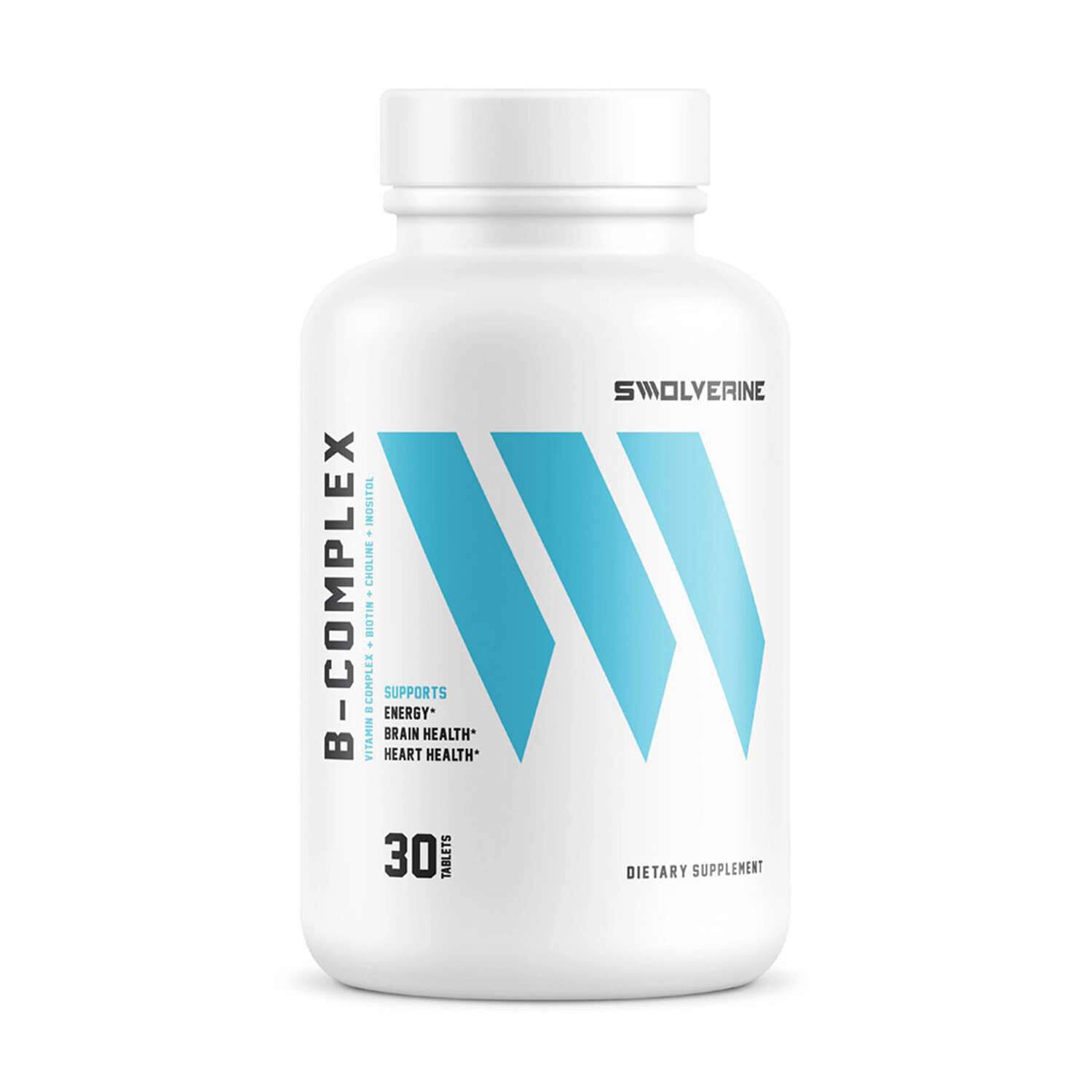
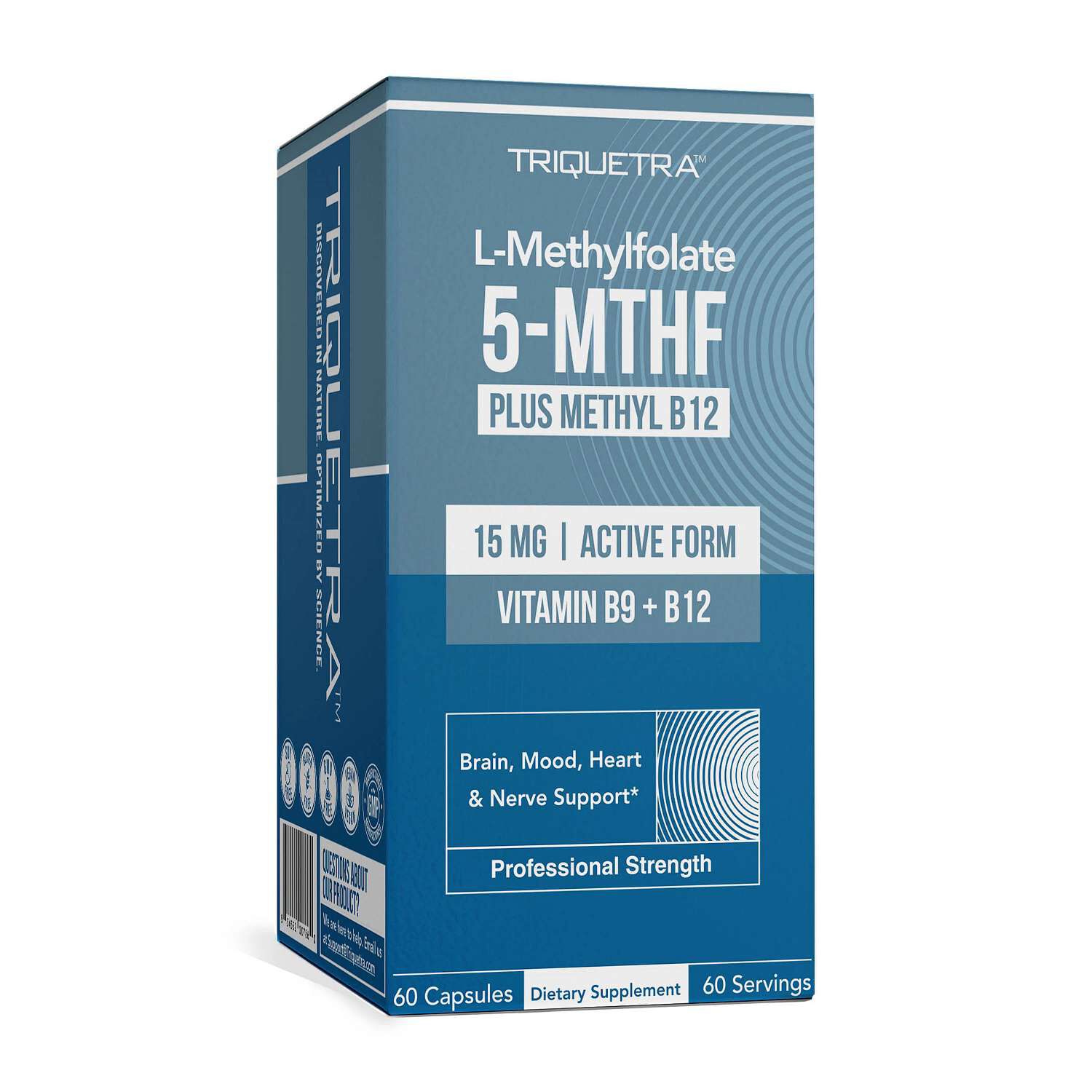

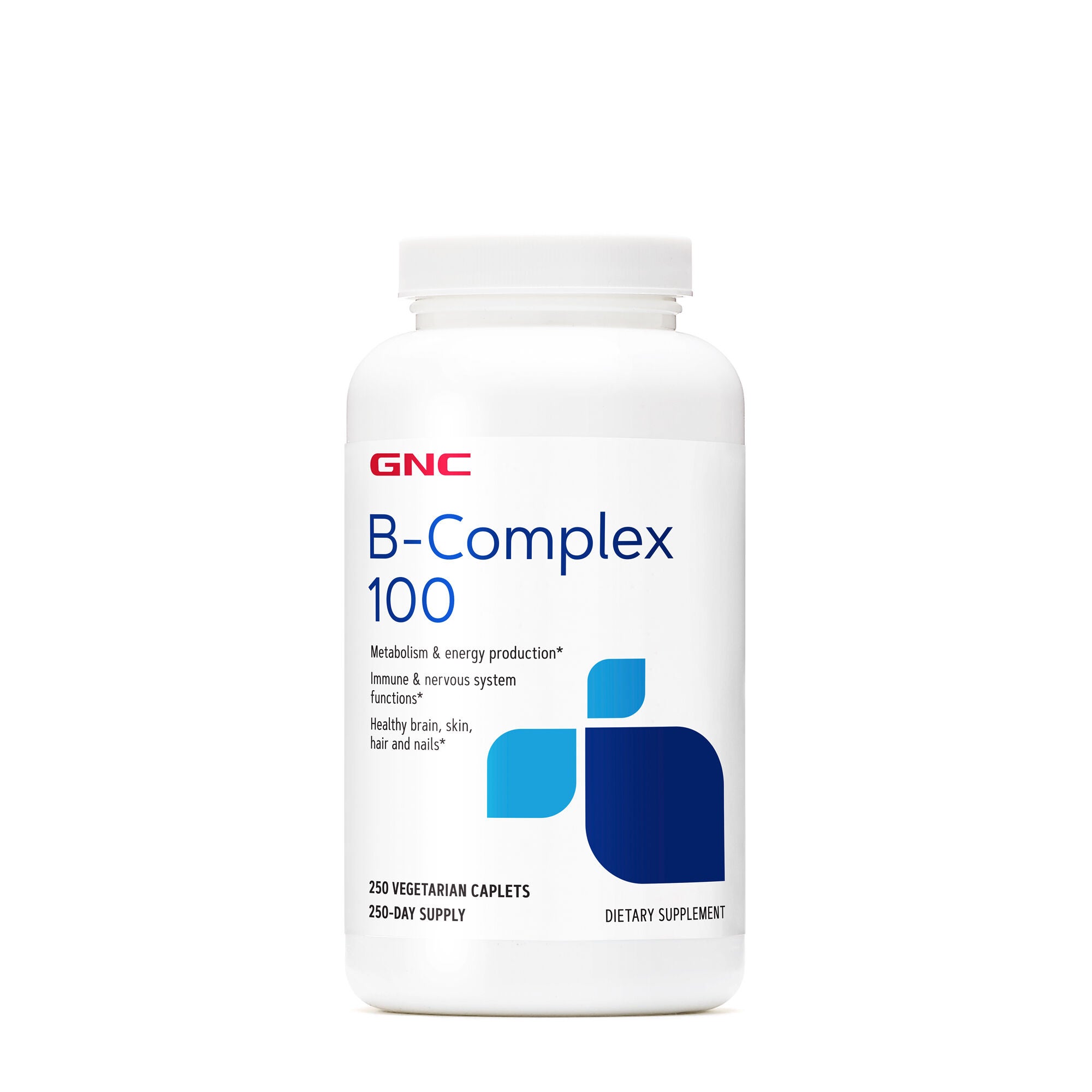
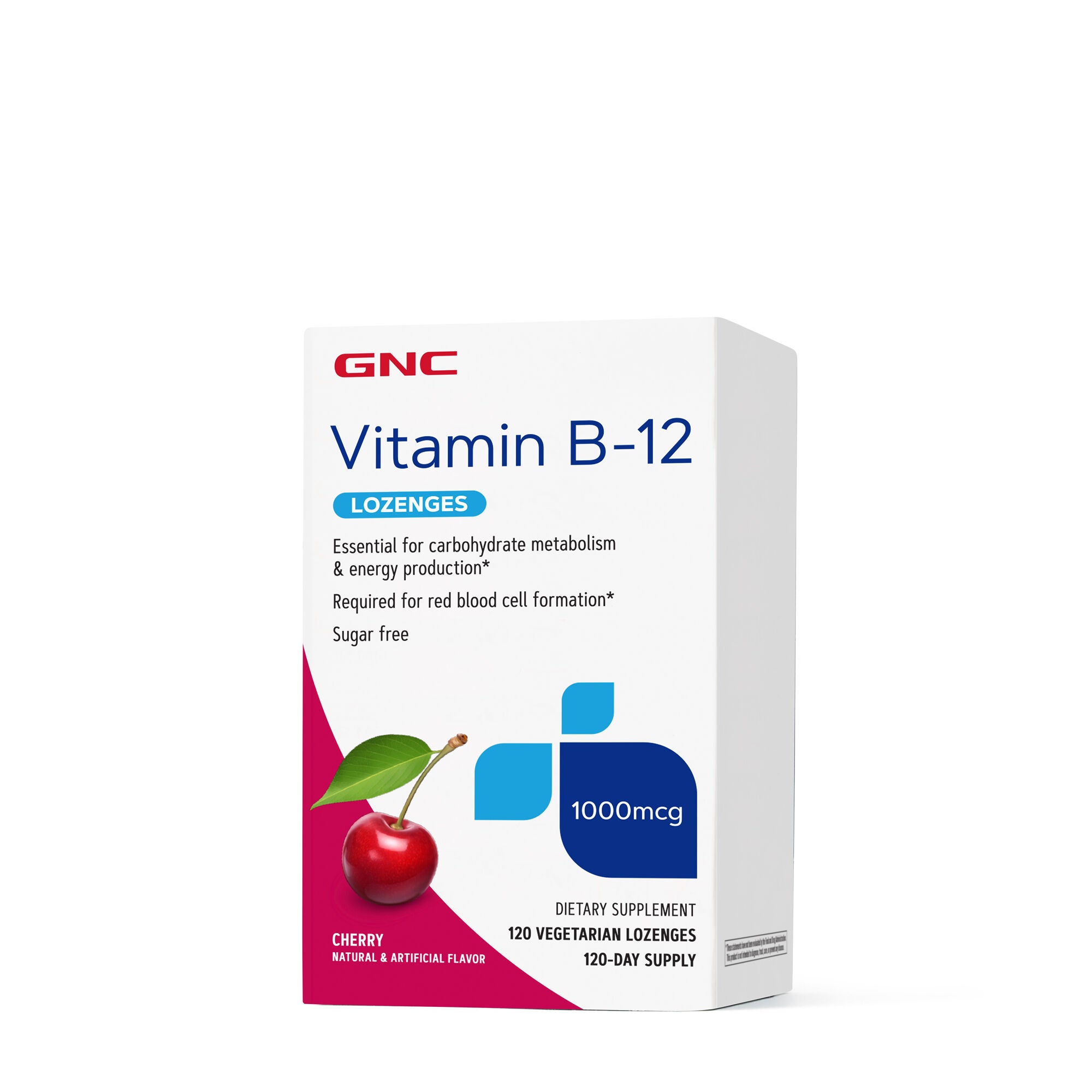
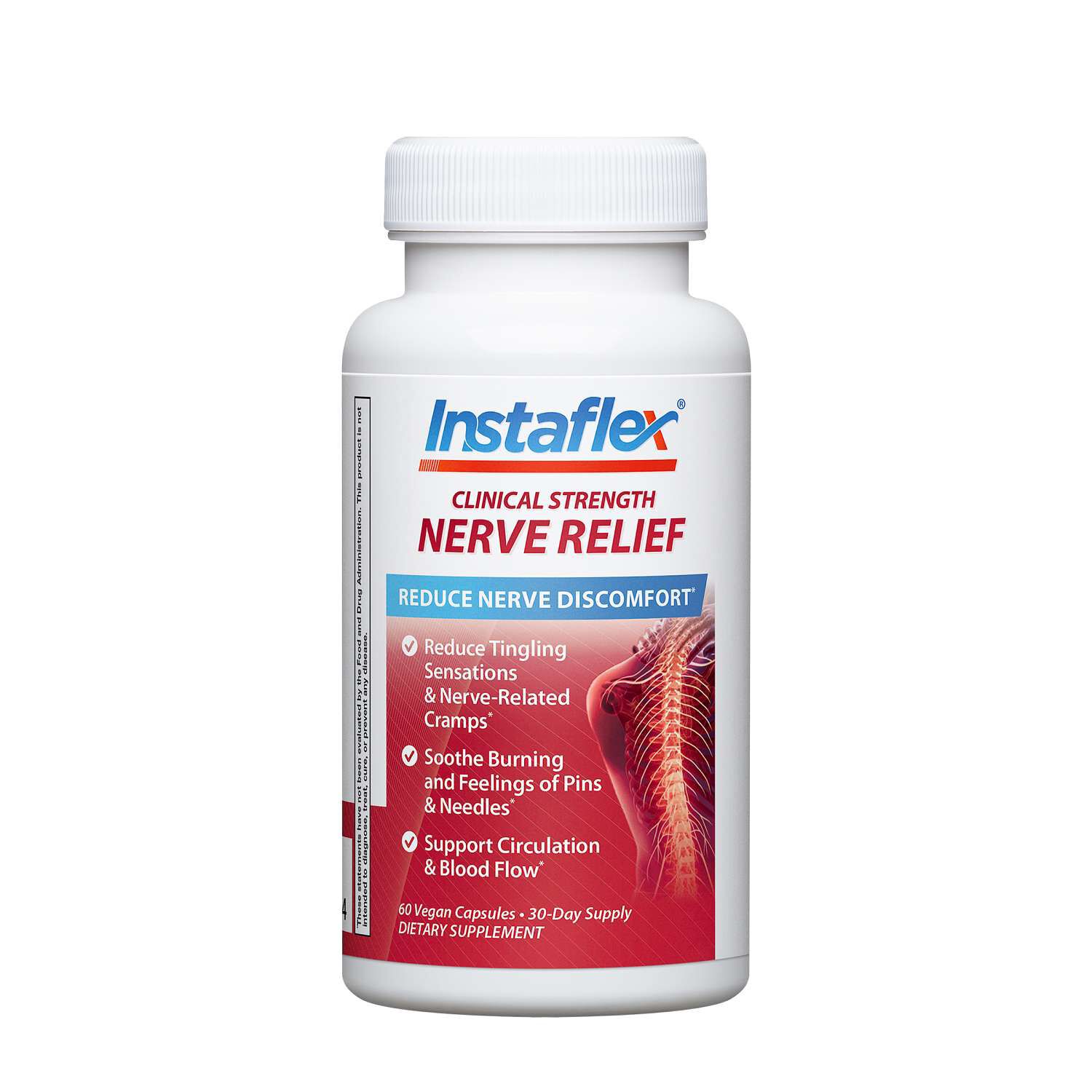
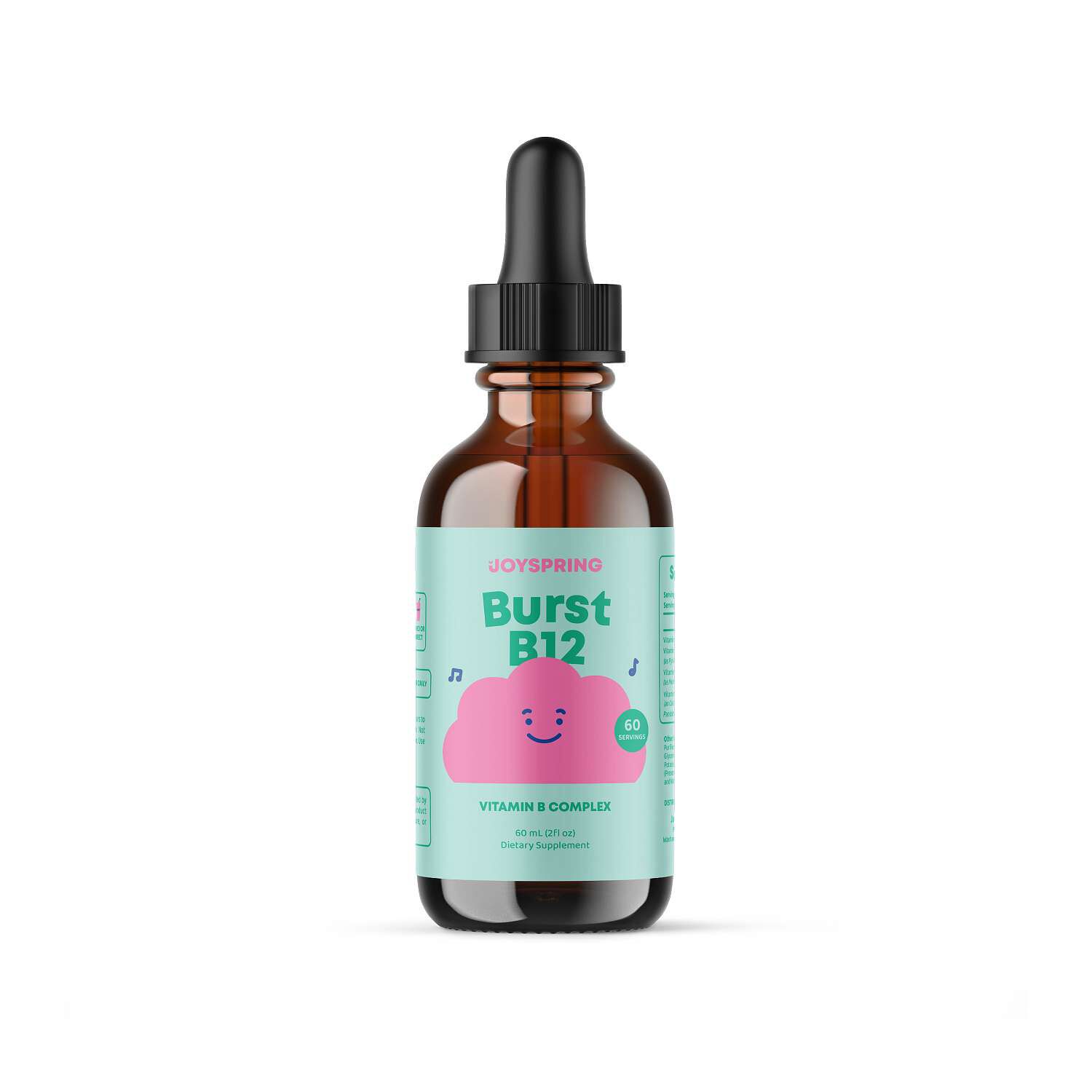
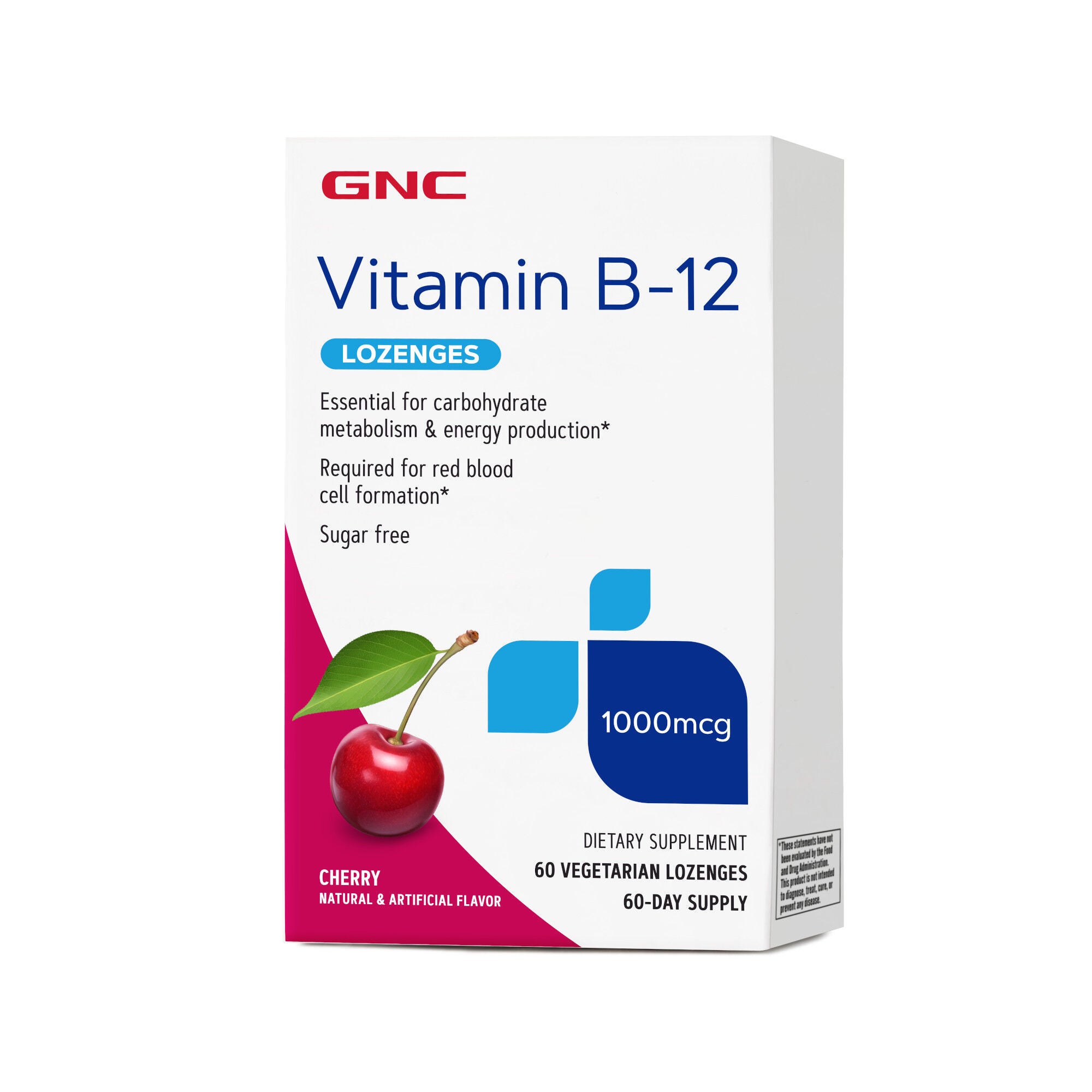
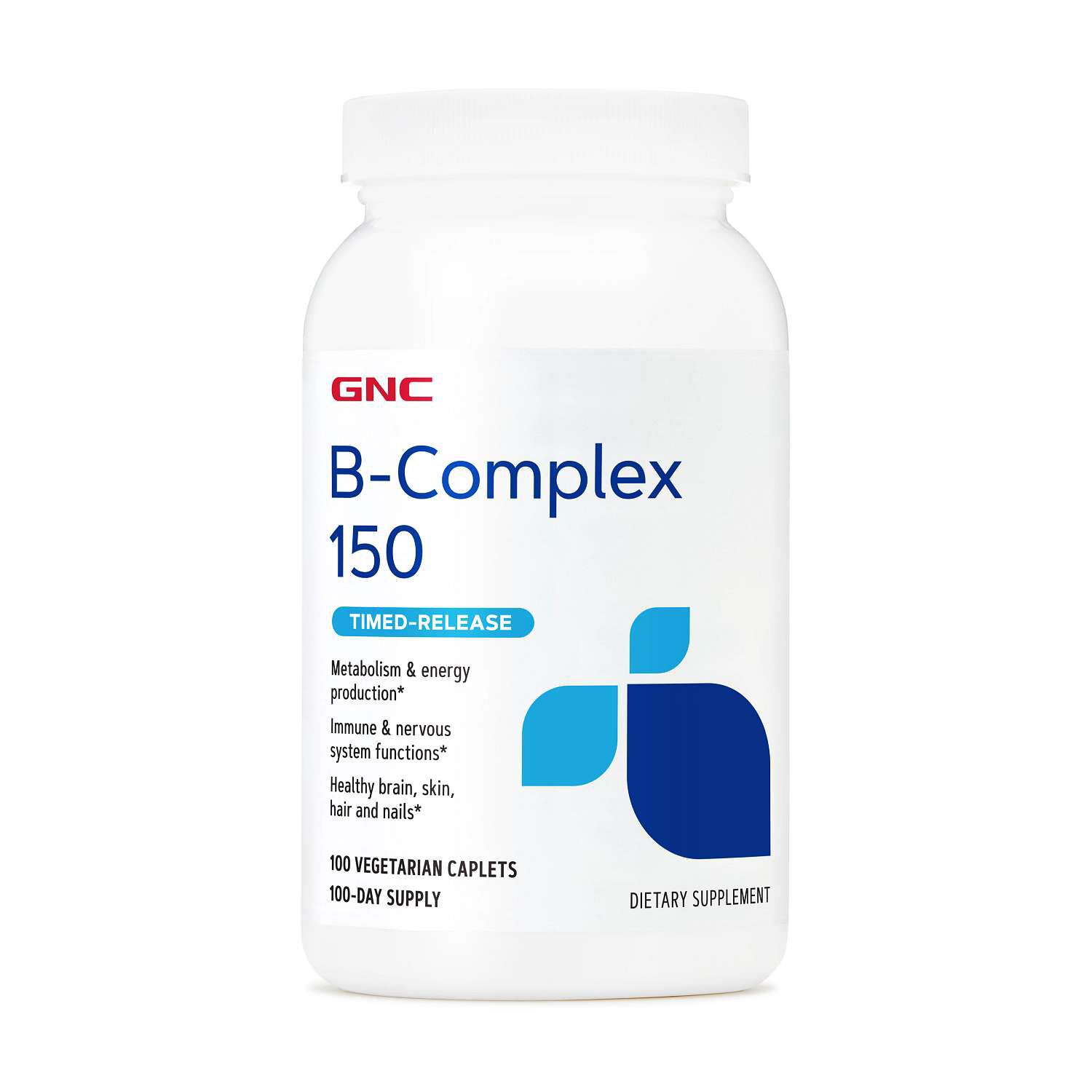


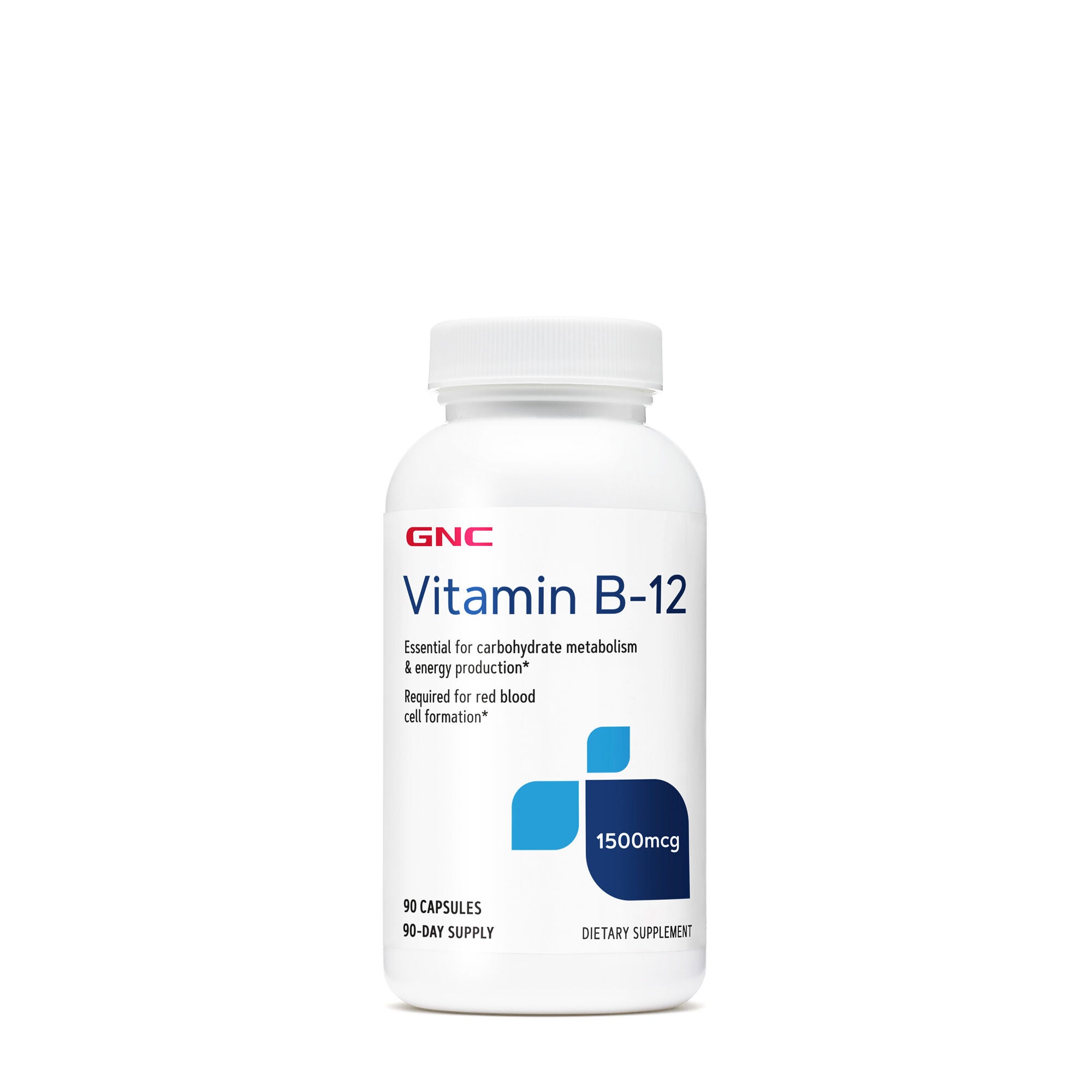


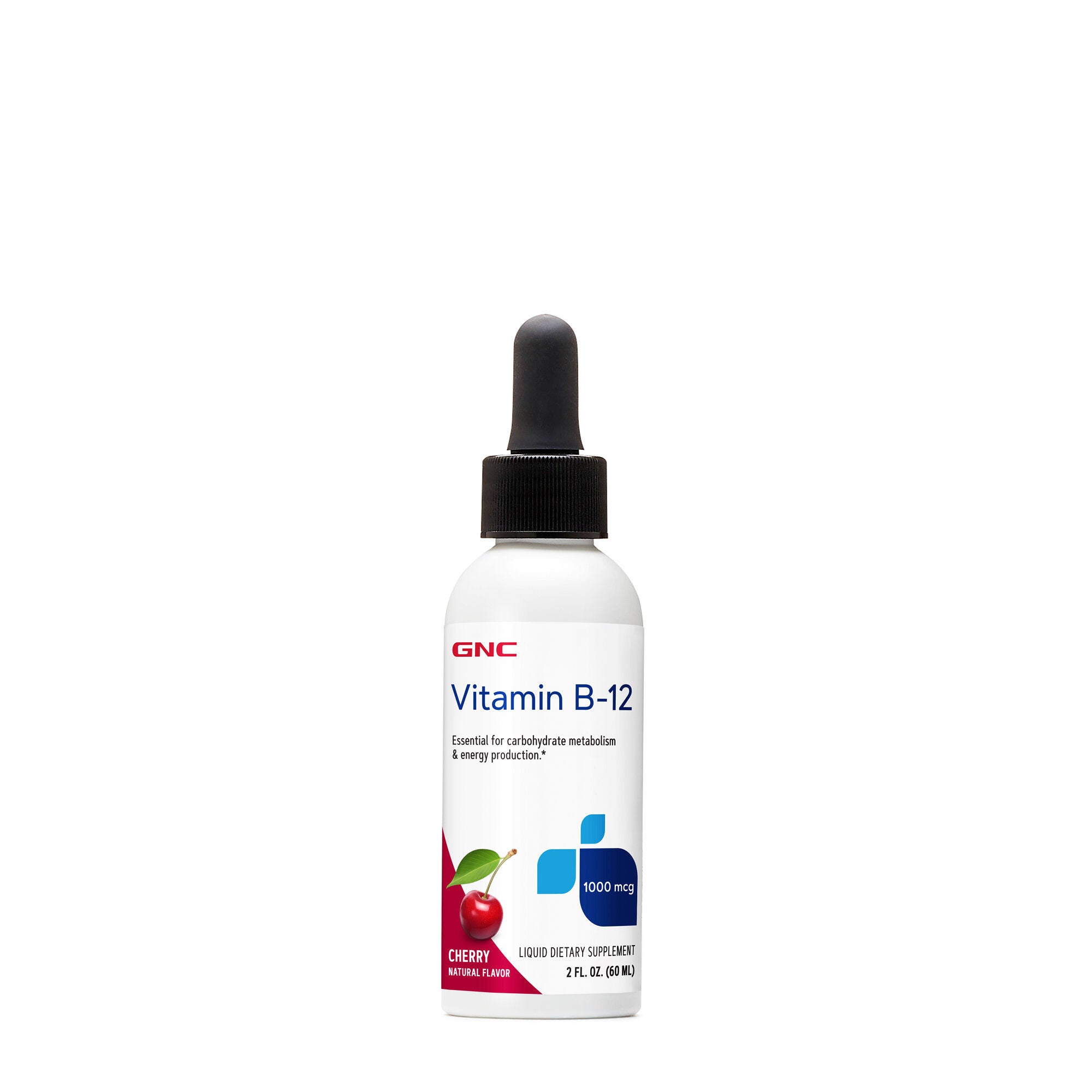

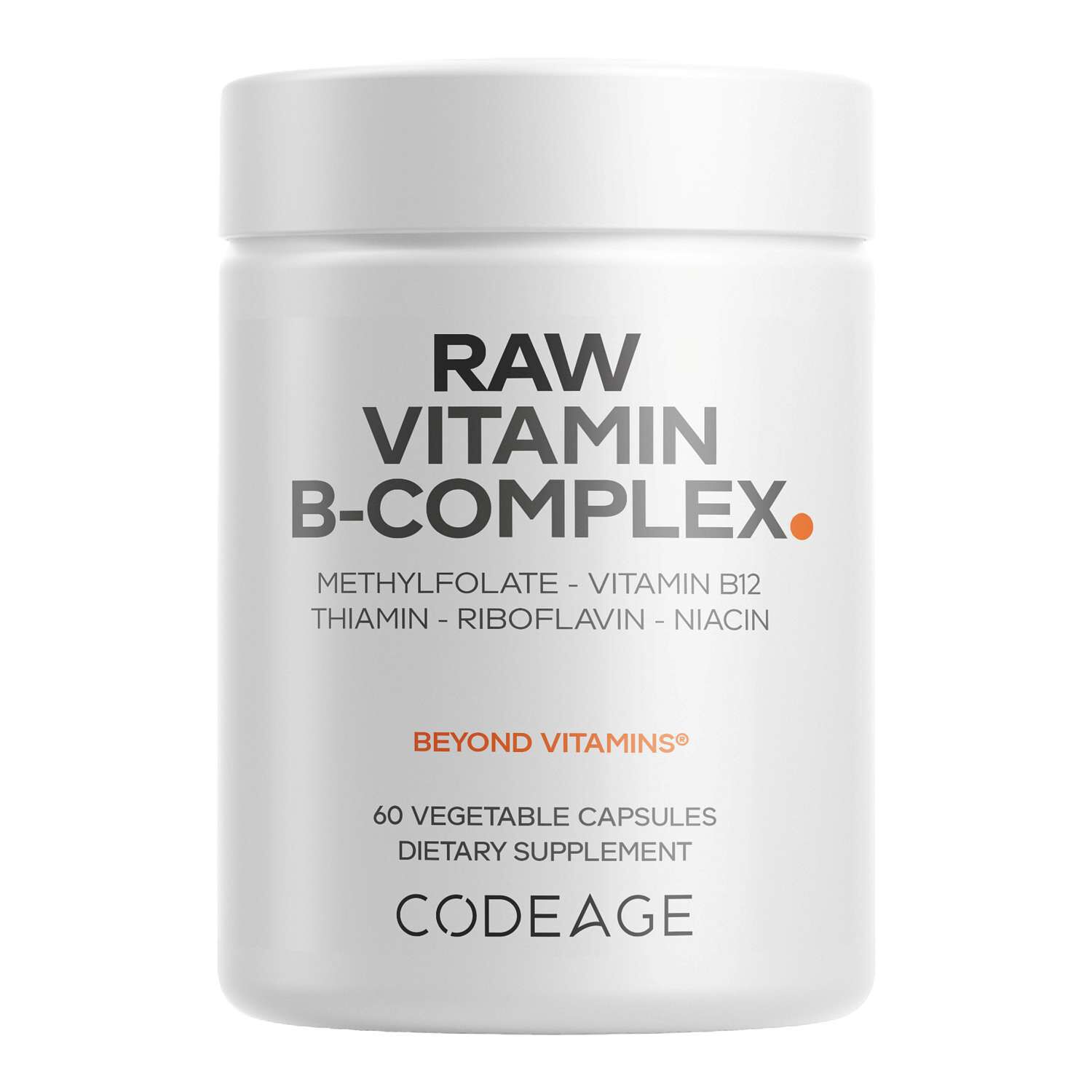

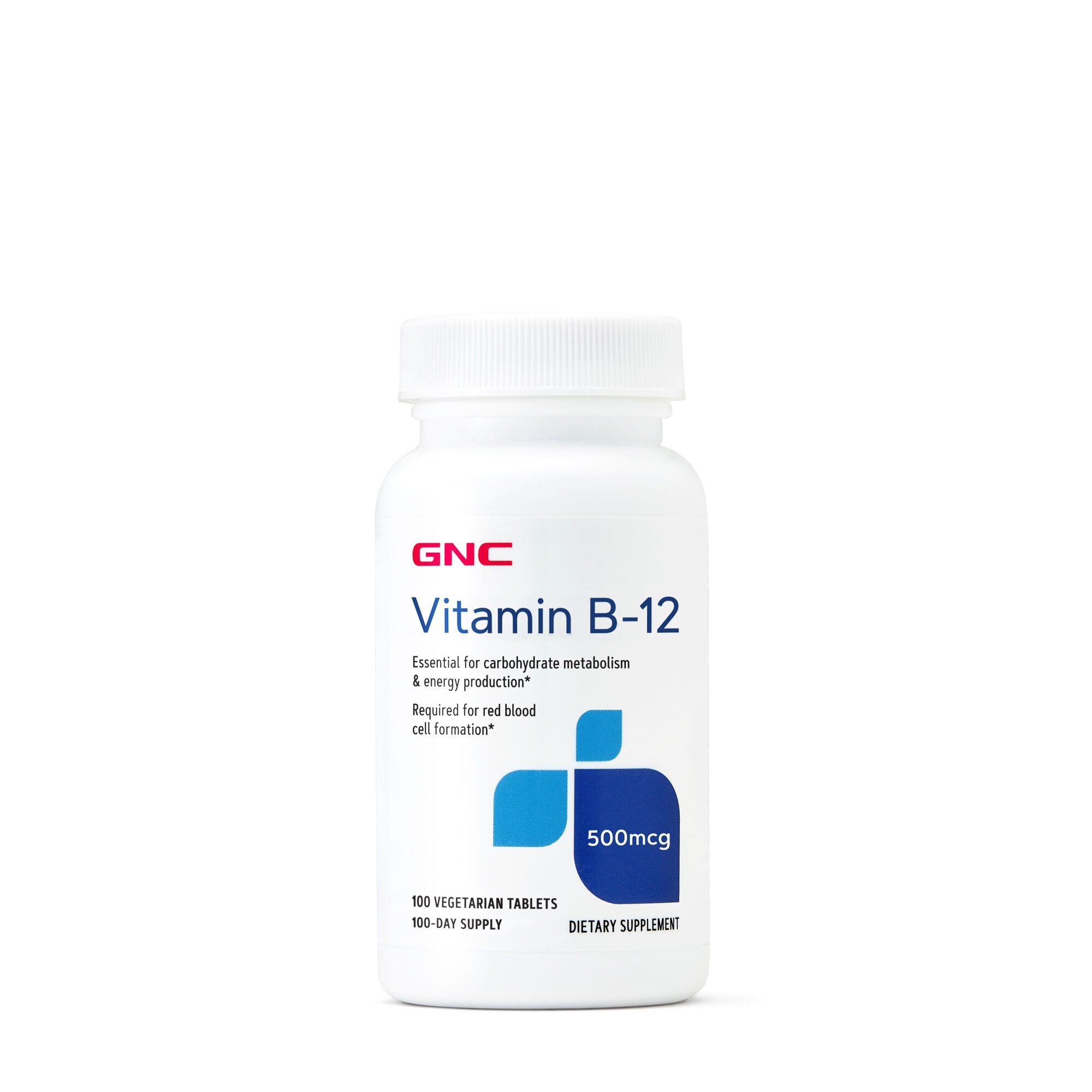

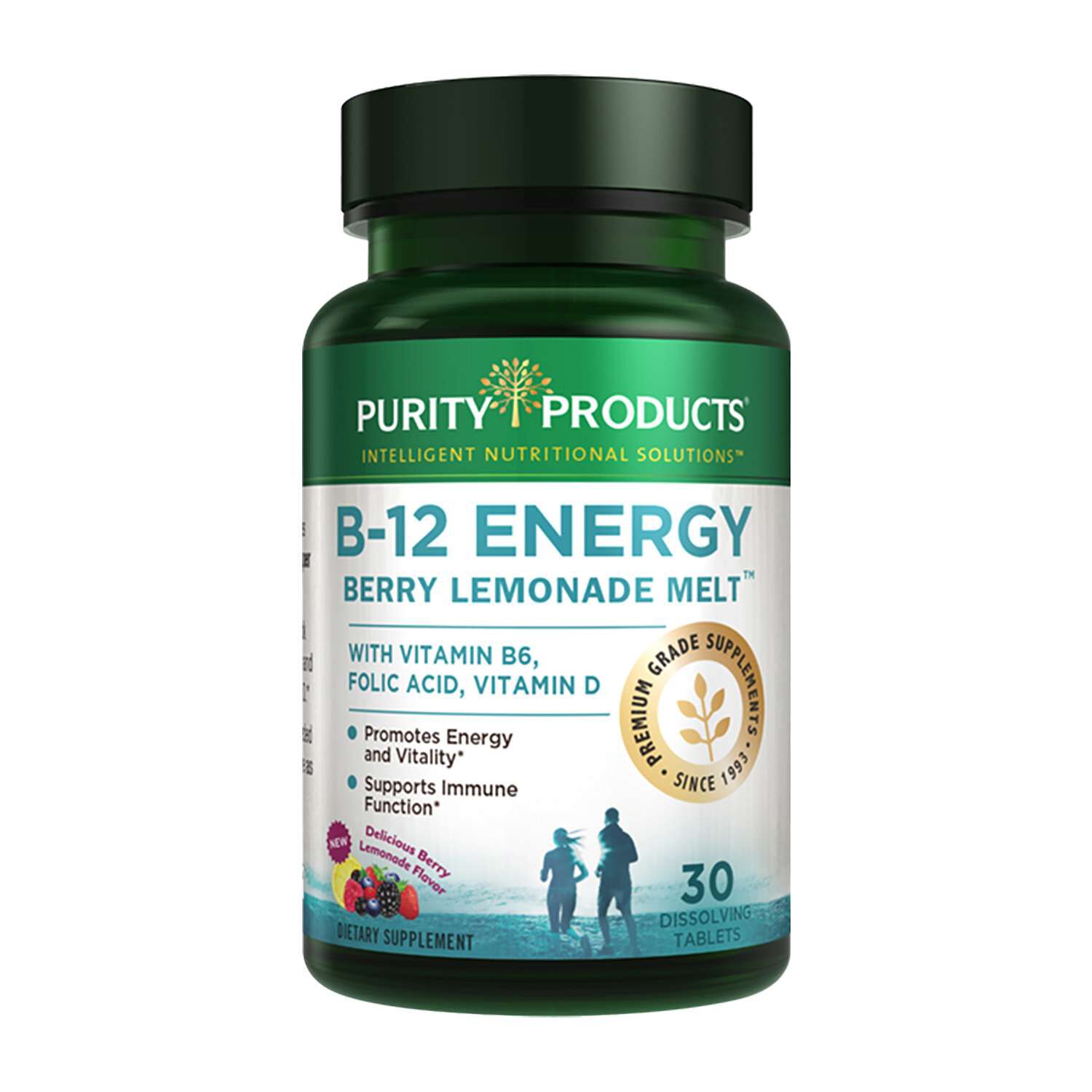
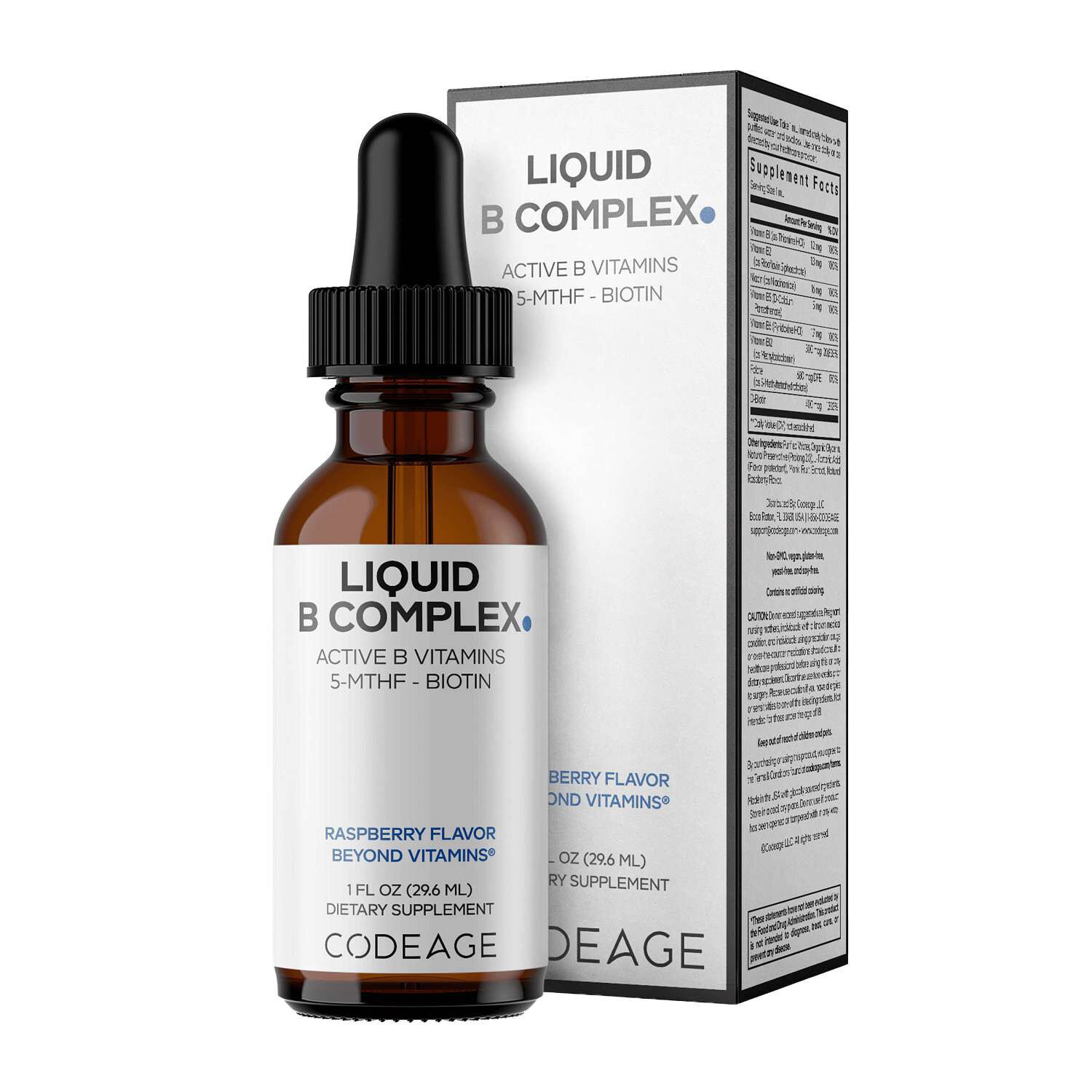
Shopping for B vitamins for anxiety often begins with an interest in nutrition and everyday well-being, but comparing supplements involves more than finding a familiar vitamin name on a bottle. B vitamins are a family of eight nutrients: thiamin, riboflavin, niacin, pantothenic acid, vitamin B6, biotin, folate, and vitamin B12. Labels may identify them by their names, their numbers, or both, which explains why two formulas can look different at first glance. A B-complex supplement generally brings several B vitamins together, while an individual-vitamin formula focuses on one member of the family. Neither approach establishes a particular emotional outcome, and a category name alone does not explain whether a formula suits an individual’s nutritional needs. These products are dietary supplements intended to complement dietary intake, not a way to determine the cause of anxious feelings. The most useful comparisons center on what a formula contains, how much each serving provides, and how its format fits an existing routine. Food provides context for that comparison: B vitamins occur across foods such as whole grains, beans, leafy vegetables, eggs, dairy foods, fish, and meat, with the specific nutrients varying by food. Fortified foods may also contribute B vitamins, and their nutrition labels identify the amounts provided. Someone following a plant-based eating pattern may look closely at ingredient sources and capsule materials, while someone with a varied diet may be more interested in understanding what a supplement adds to that pattern. A short ingredient list is not automatically a better match than a longer one, just as a larger amount is not a measure of suitability. Looking beyond the front label makes it easier to distinguish a broad B-vitamin formula from a focused option without assuming that either will change how someone feels.
Format is another meaningful part of choosing B-vitamin supplements, particularly when the product needs to fit into a familiar daily routine. Tablets, capsules, softgels, chewables, gummies, powders, and liquids each have different handling and storage considerations. A person who prefers a straightforward routine may favor a tablet or capsule, while someone who dislikes swallowing those formats may prefer a chewable or liquid. The serving size deserves attention in either case: one serving might be a single tablet, several gummies, or a measured quantity of liquid or powder. Comparing amounts per serving rather than per piece gives a clearer picture of the formulas. Supplement Facts panels also distinguish milligrams from micrograms, two units that should not be treated as interchangeable. Folate and vitamin B12 may appear under different ingredient names, and those names identify the forms used rather than establish that one is the right choice for everyone. The other-ingredients list adds another layer of detail, including capsule shells, binders, coatings, flavors, sweeteners, and colors when present. For shoppers with dietary preferences, a gelatin capsule and a plant-derived capsule are different considerations even when the vitamin names on the front are similar. Gummies may contain added sugars, while flavored powders or liquids may use sweeteners that influence taste. Allergen statements and dietary designations are useful parts of the comparison, although a familiar format should not be assumed to have the same ingredients across formulas. Practical fit matters, too. A bottle kept beside a breakfast bowl has different convenience considerations than a container carried between home and an office. A measuring device may make a liquid format more workable, while a powder introduces a mixing step. These details do not establish an emotional benefit; they describe how a product might fit someone’s preferences. Clear serving instructions, readable packaging, and a format that feels manageable can be more useful comparison points than dramatic front-label language.
A thoughtful B-vitamin comparison also considers the rest of a supplement routine. Multivitamins, nutrition powders, and other dietary supplements may contain some of the same B vitamins, so looking at their labels together reveals overlap that is easy to miss when each bottle is viewed separately. A single-vitamin formula is not necessarily a simpler choice if that nutrient already appears elsewhere in the routine, and a B-complex formula can vary considerably in both its ingredient mix and its serving amounts. Questions about personal suitability, existing supplement use, or compatibility with medications belong in a conversation with a qualified healthcare professional rather than an assumption based on a shopping category. The distinction is especially important when the interest in supplements is tied to anxious feelings: ingredient lists describe a product’s composition, not an individualized answer to that concern. Shoppers comparing related categories can also explore Anti Anxiety Vitamins while keeping the same focus on formulation, serving information, and intended use. Once a format has been chosen, its packaging and care instructions remain part of the practical experience. A tightly closed container, the storage conditions printed on the label, and attention to the expiration date help preserve the product as intended. A bathroom shelf near a steamy shower or a bag left in a hot vehicle may not match those storage directions. Liquids may have instructions that differ from tablets, and chewable formats can have their own handling requirements. Original packaging keeps the ingredient list, serving directions, and product information together, especially in a household with several similar-looking containers. Supplements should also be stored out of children’s reach. For everyday shopping, the strongest comparison is a specific one: which B vitamins are included, what each serving contains, which other ingredients are present, and whether the format and care requirements suit the person using it. That approach keeps the focus on the product’s actual characteristics without treating a supplement as an assured route to a particular feeling.
Best Sellers
Top Collections
- Zinc Supplements | Top Brands at Great Prices | GNC
- Cortisol Supplements
- NAD+ Supplement Tablets
- Top Rated Collagen | Shop Customer Favorites | GNC
- Best Brand of Magnesium Glycinate
- Peptide Supplements
- Vitamins That Help Support Weight Gain
- Protein Powders For Muscle Growth Support
- Vitamins For Hair Loss
- Peptide Supplements for Muscle Growth