





B Vitamins For Women
(0 Results)
Discover the potential benefits of B vitamins for women, a vital group of nutrients that could play a key role in supporting overall well-being. Whether aiming to maintain energy, support metabolism, or promote a healthy nervous system, B vitamins might be an excellent addition to your daily routine. Explore a variety of options designed to fit different lifestyles and nutritional needs, and find how these vitamins may help you reach your wellness goals.
-
-
-
-
-

-

-
-
-
-
-
-
-
-
 $15.99
-
-

-
-
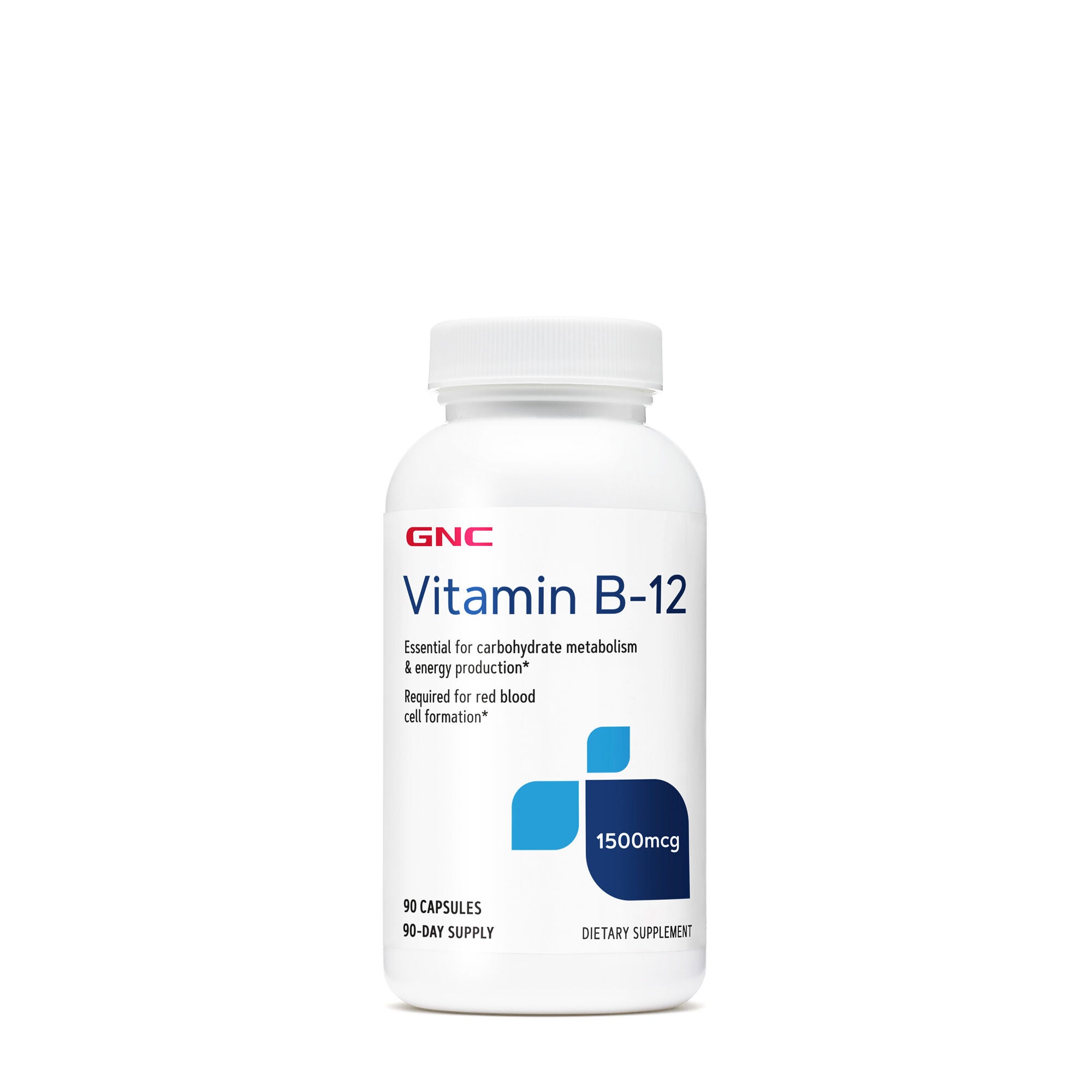
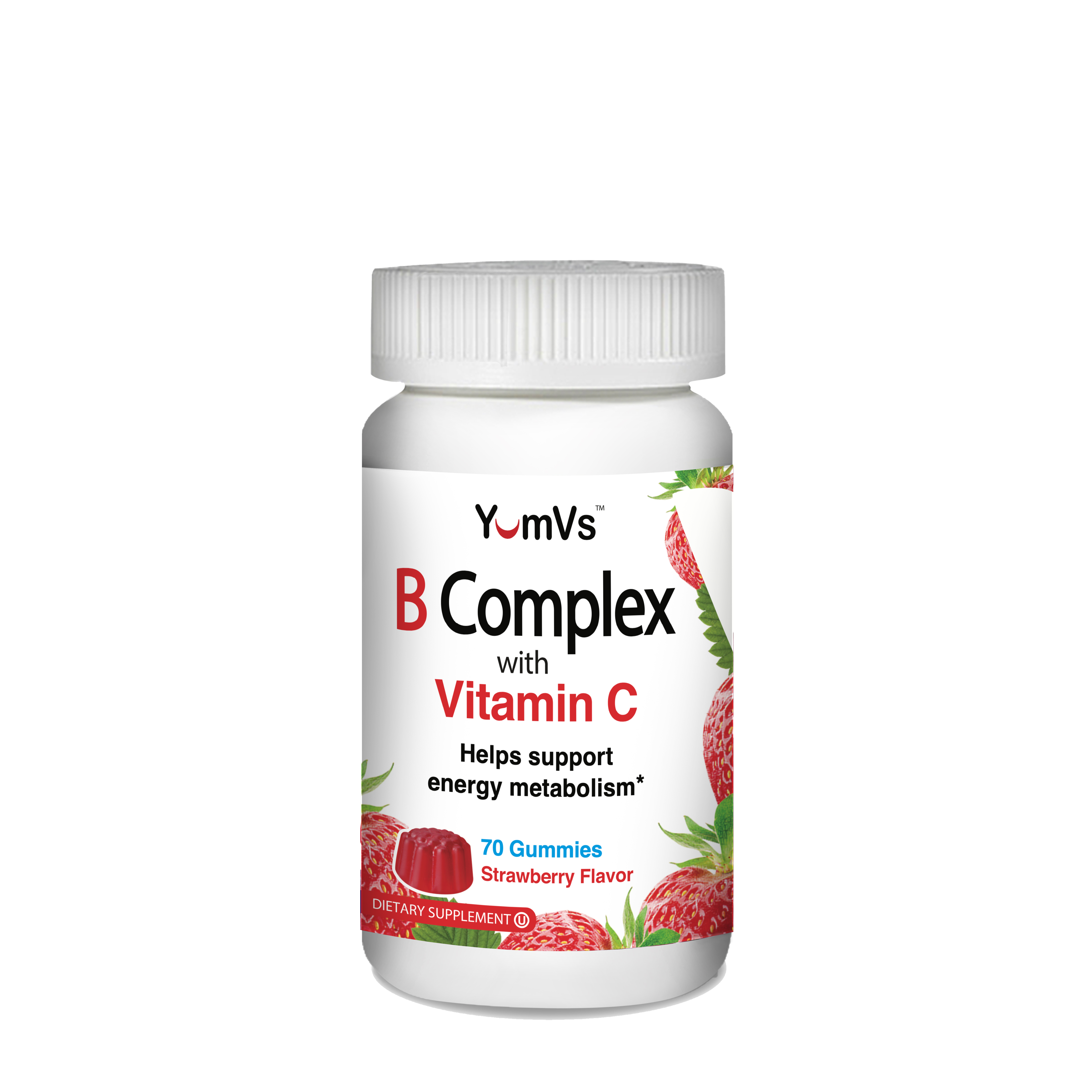
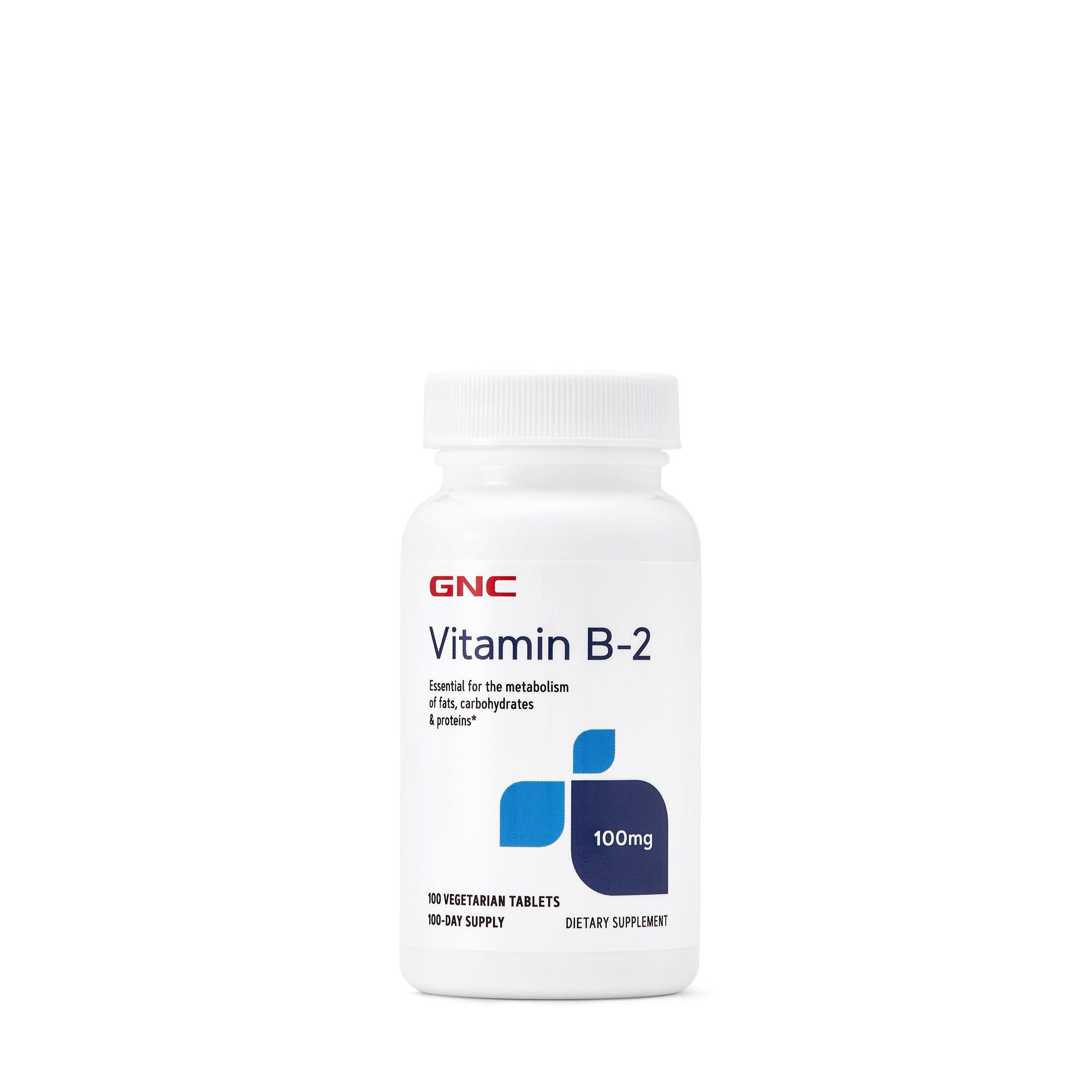


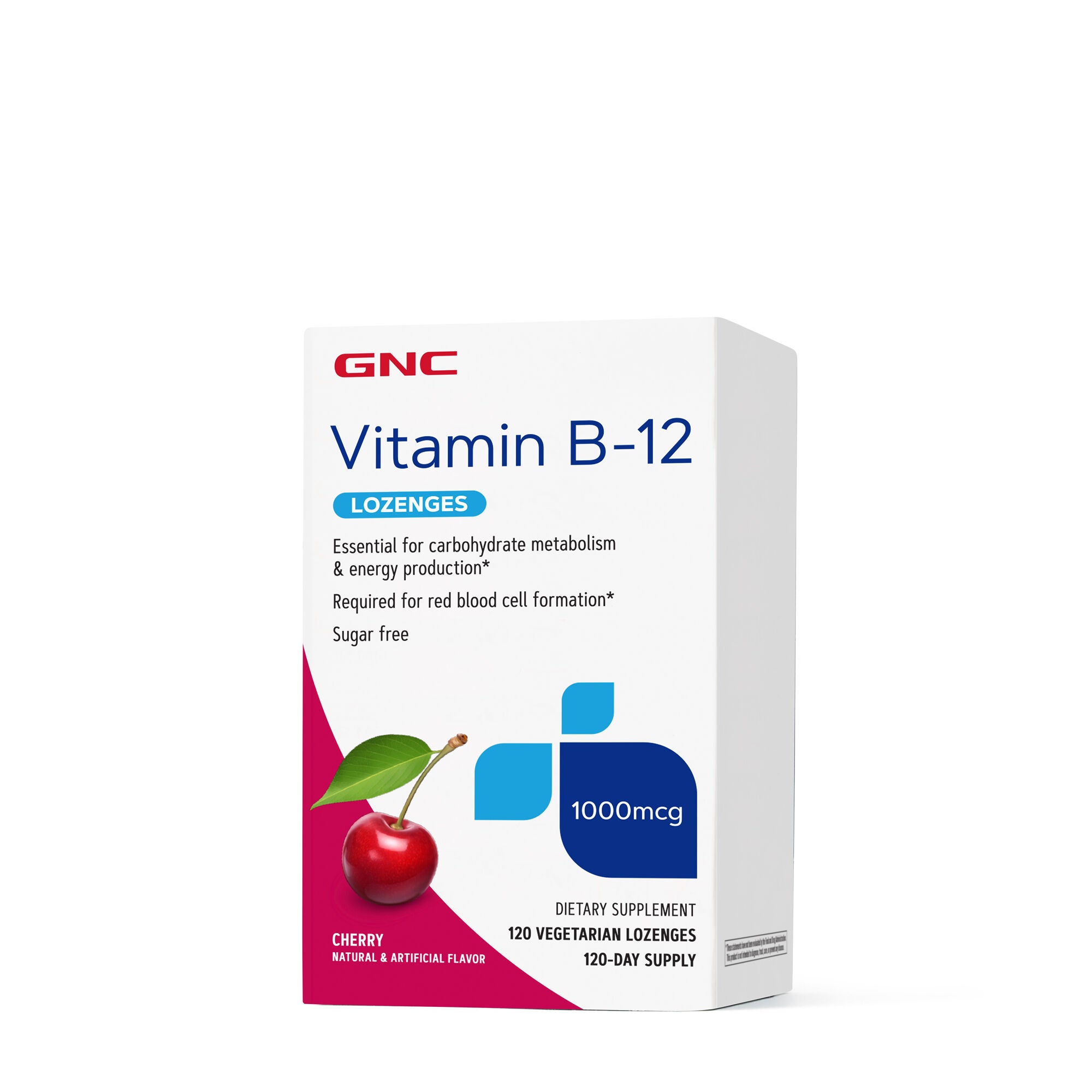
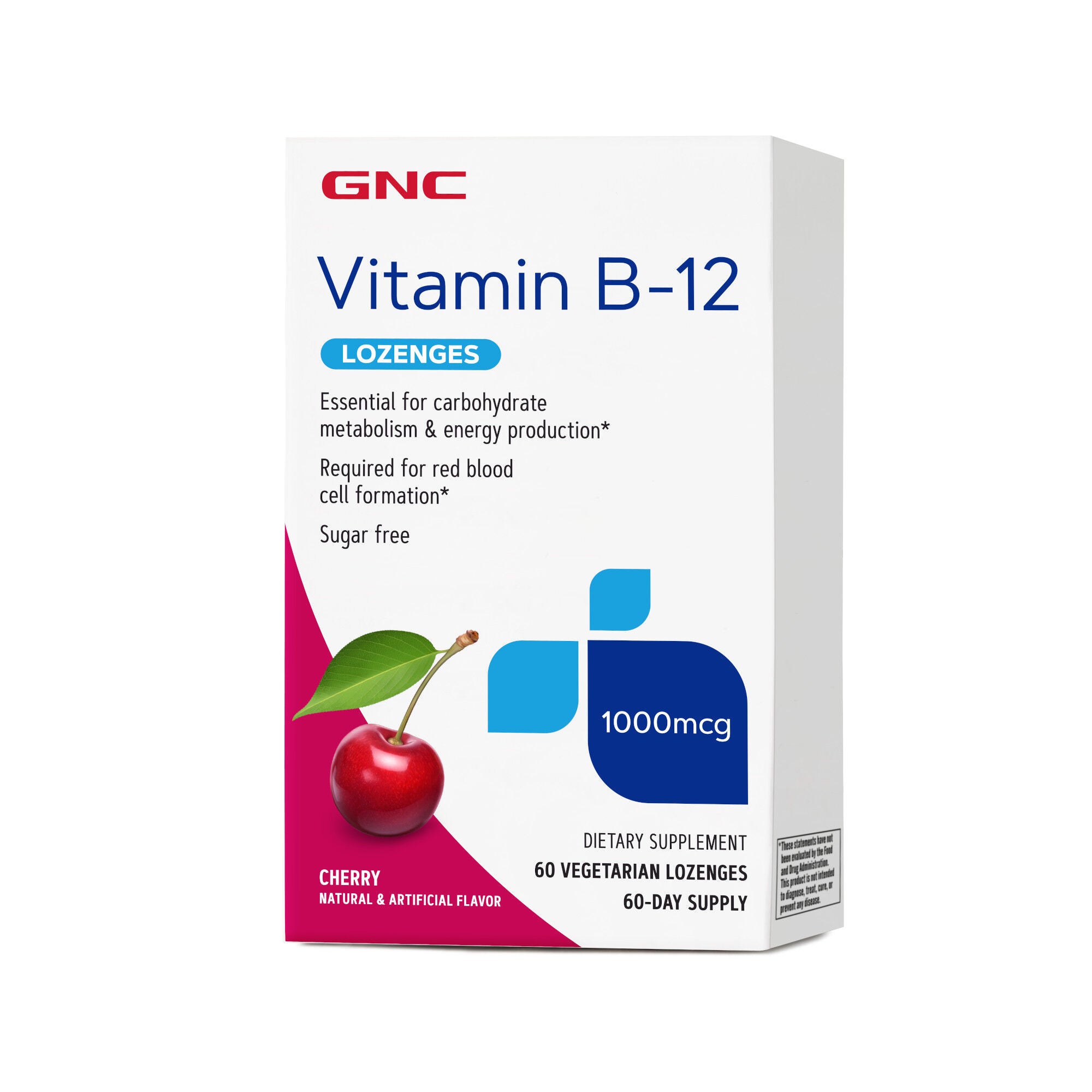
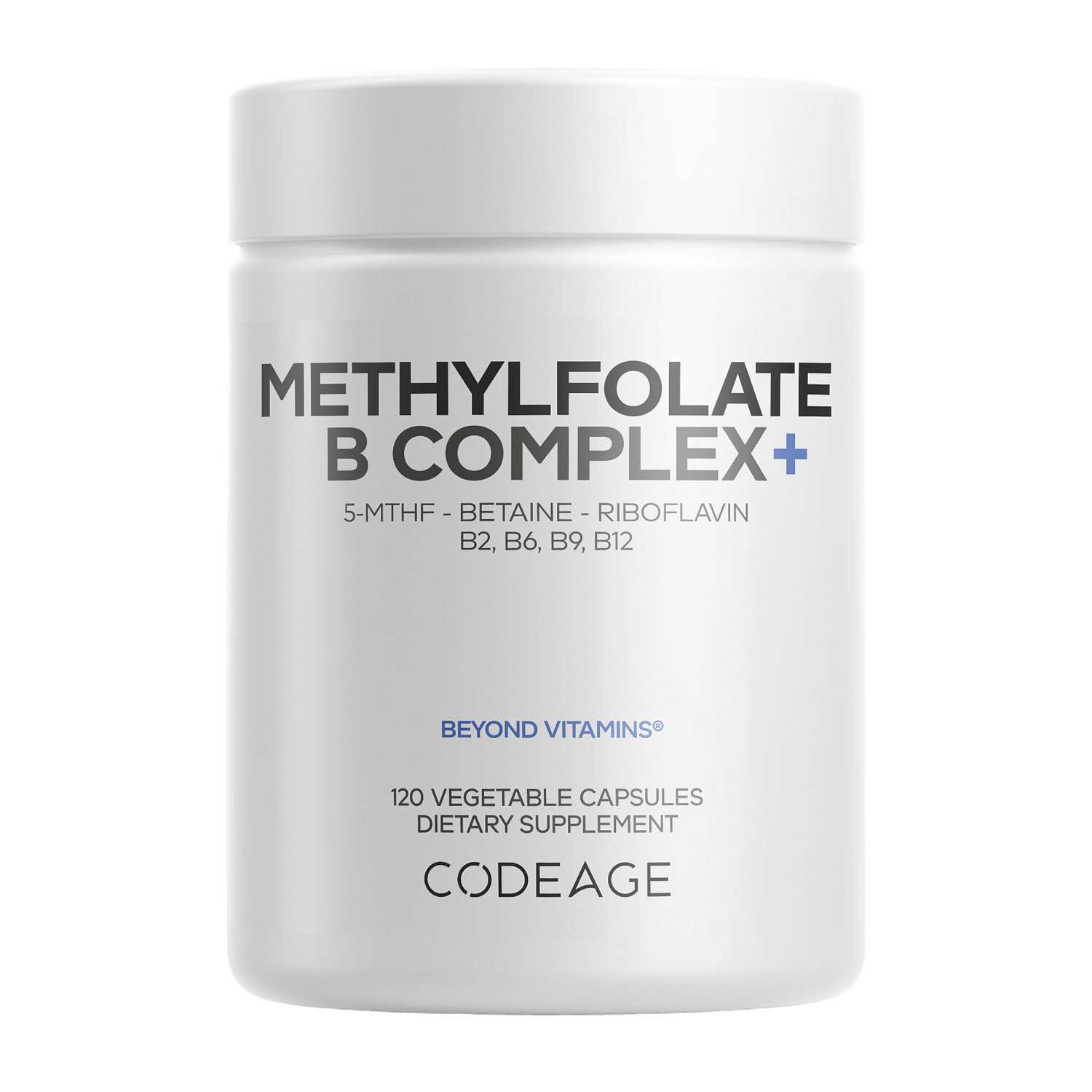
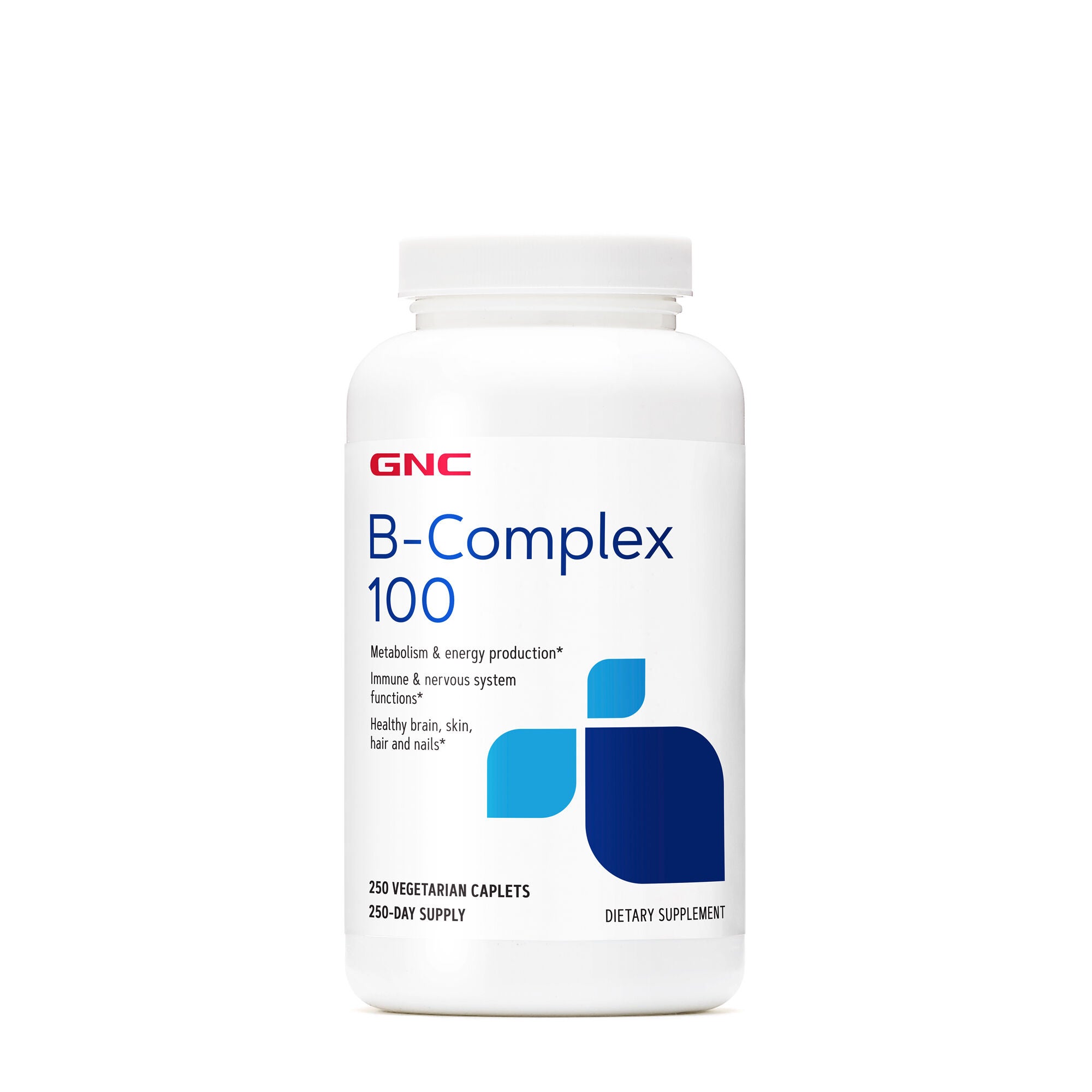
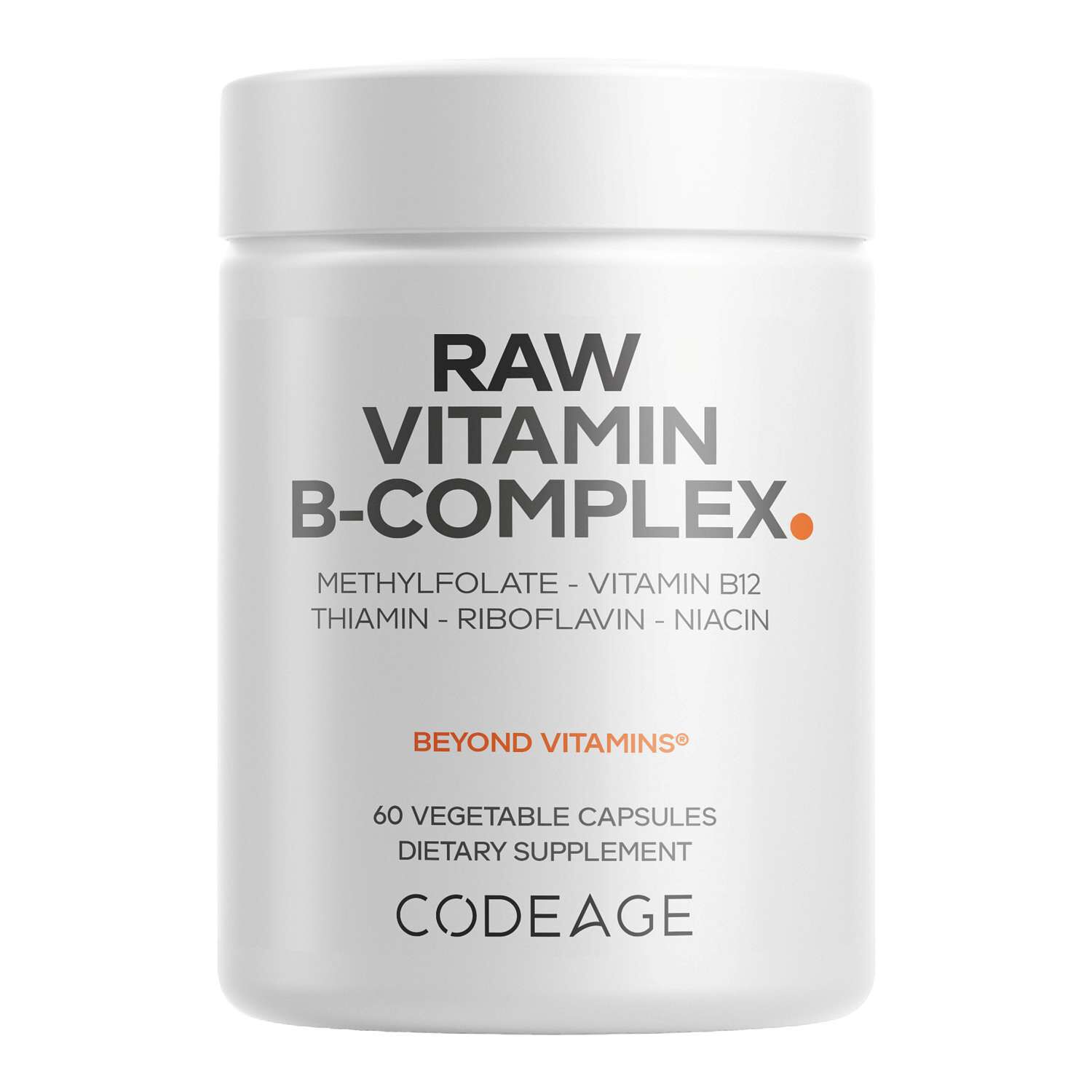
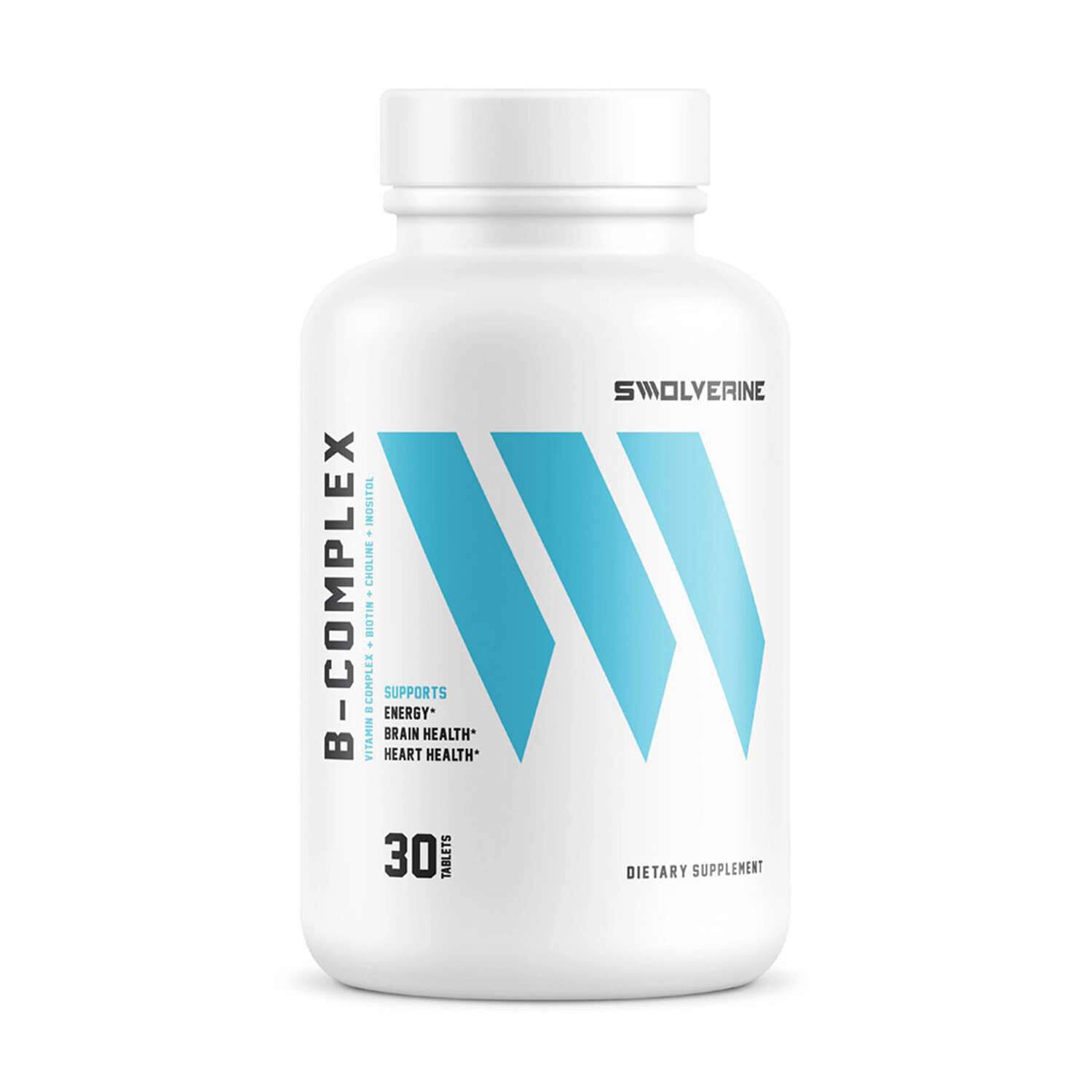
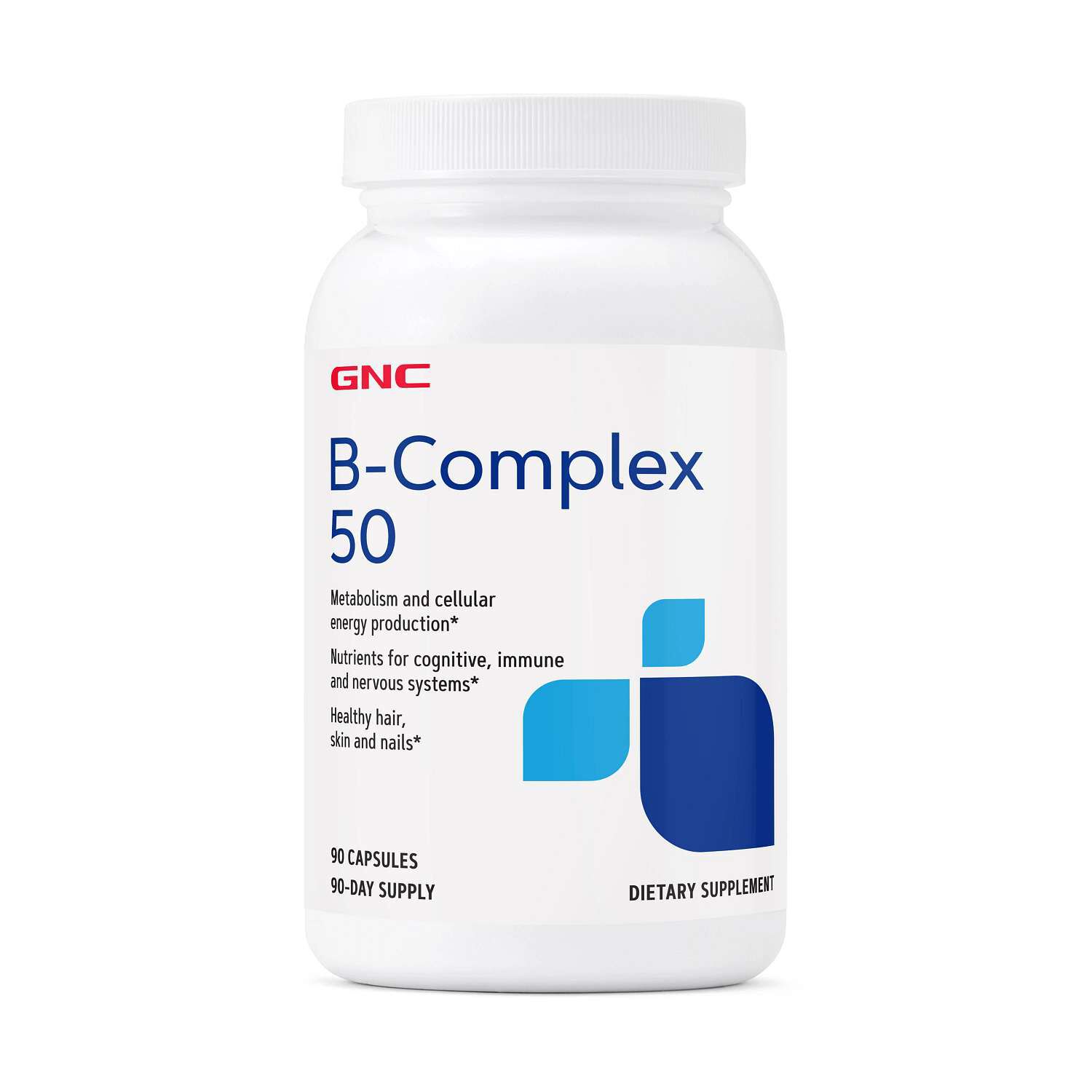
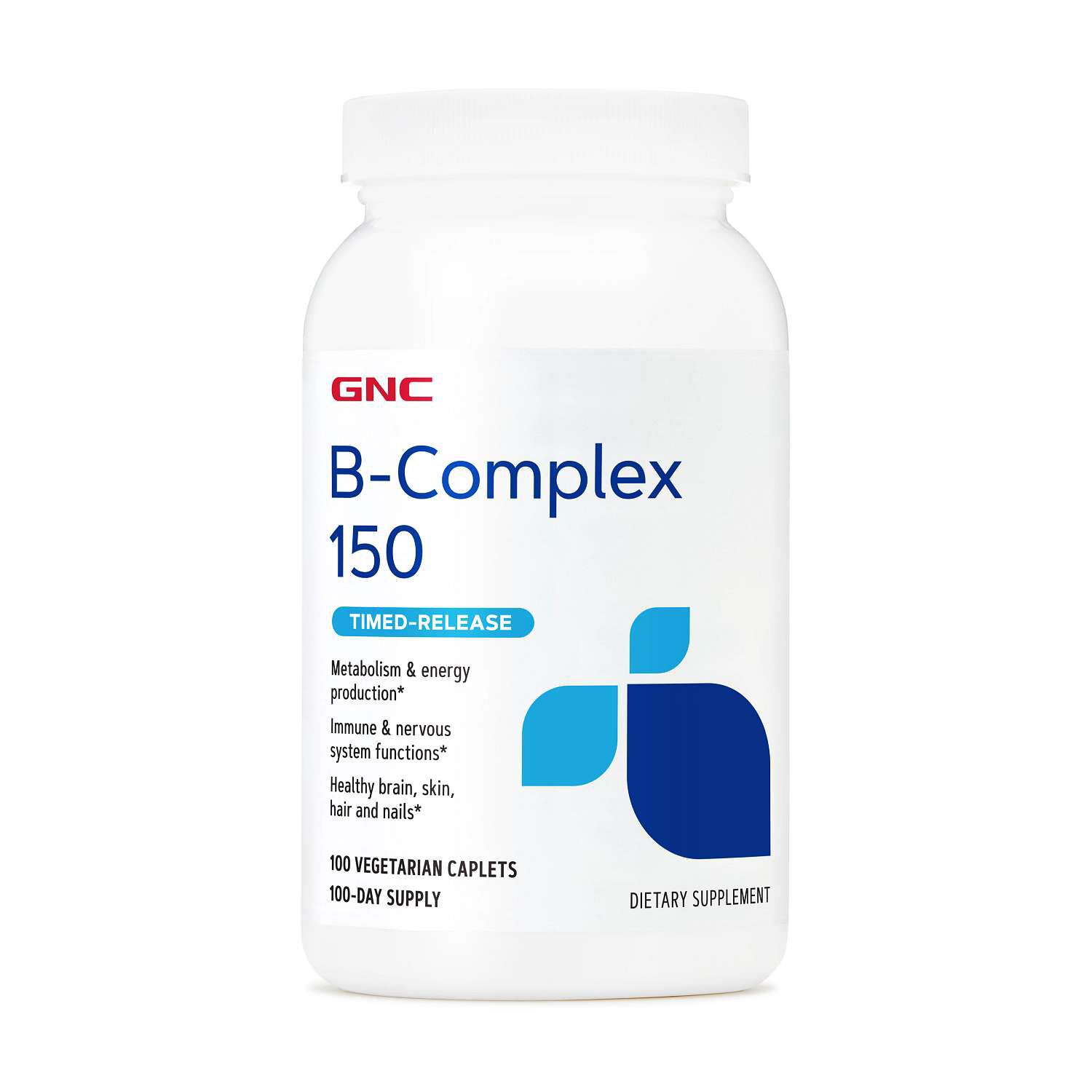
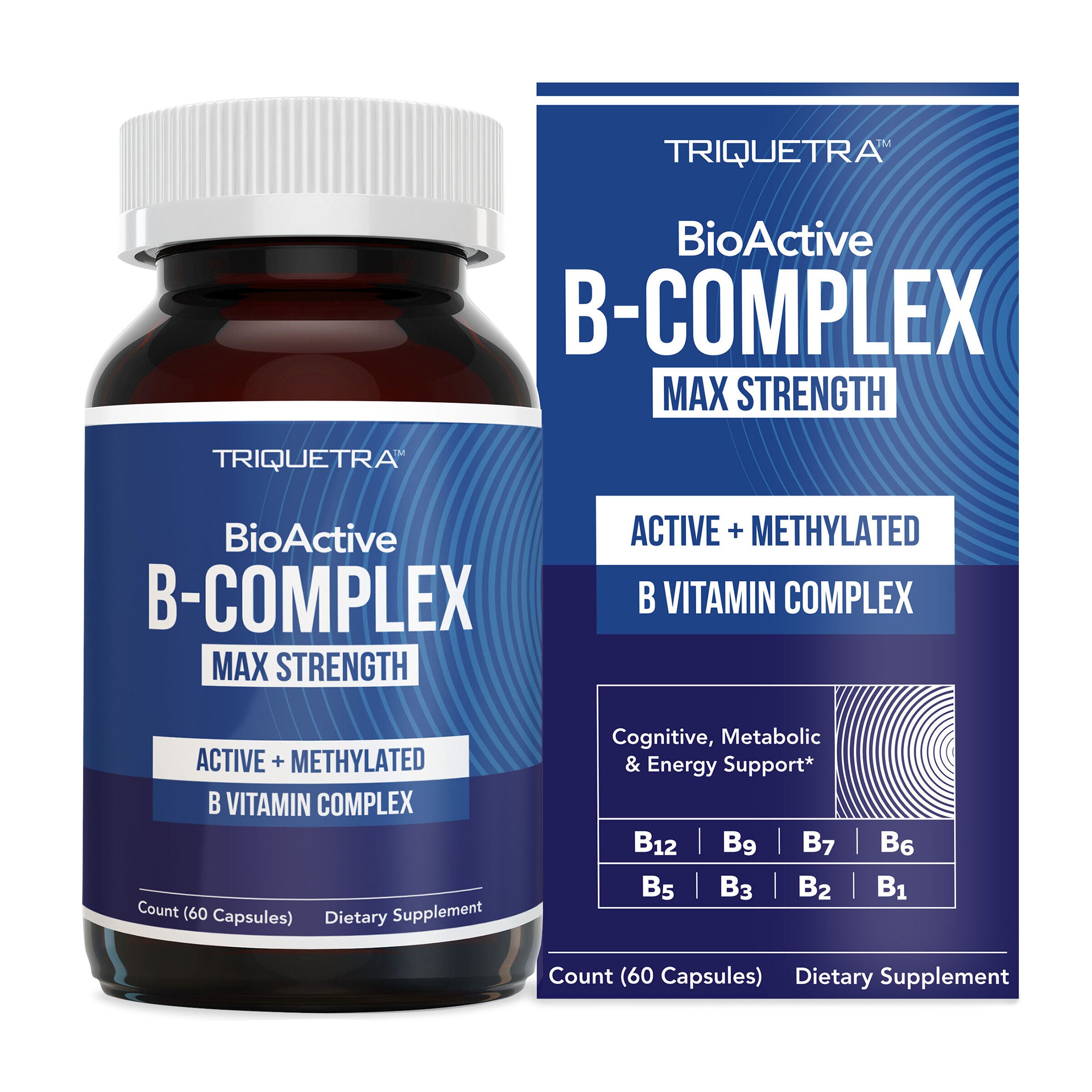
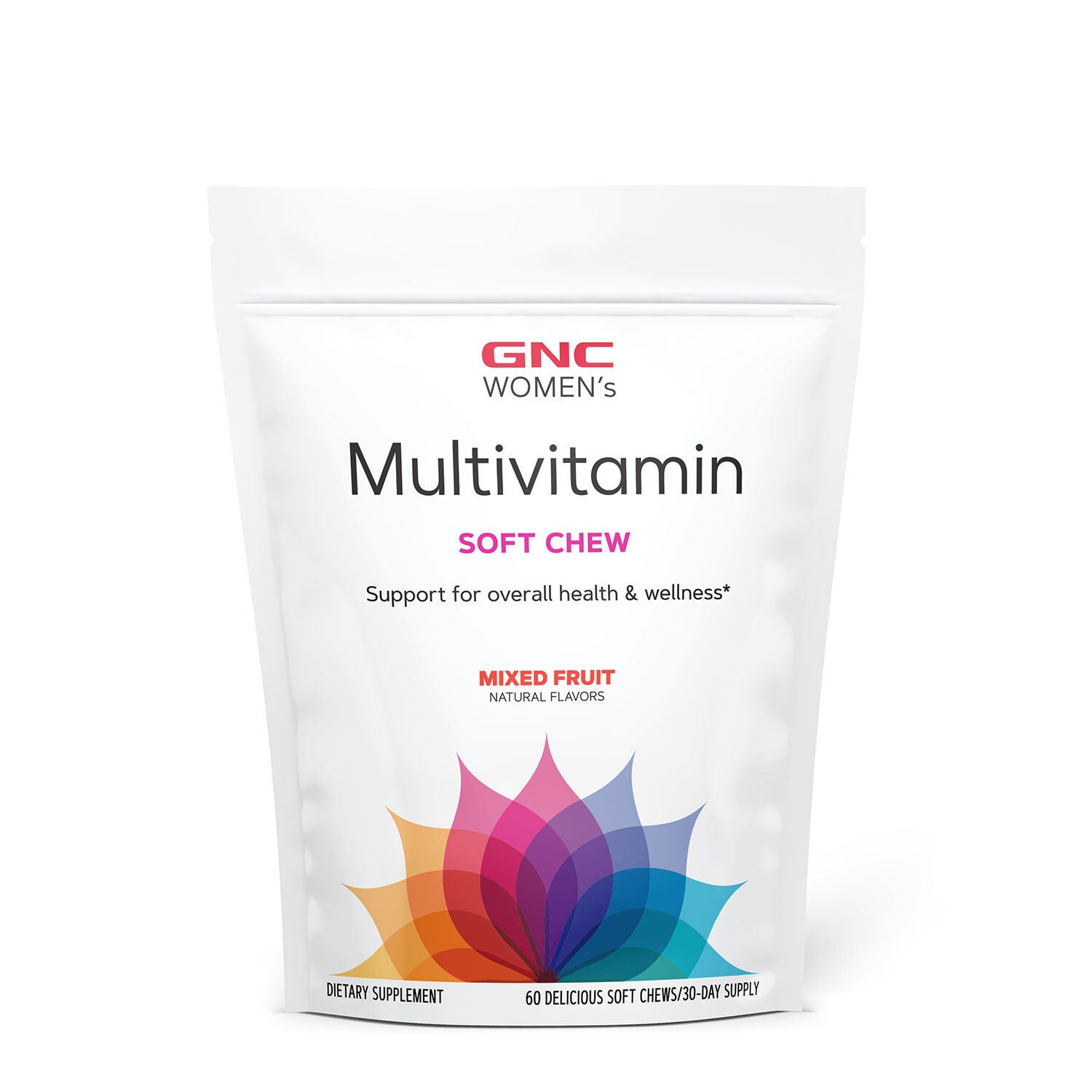
The B-vitamin family consists of eight water-soluble nutrients: thiamin, or B1; riboflavin, or B2; niacin, or B3; pantothenic acid, or B5; vitamin B6; biotin, or B7; folate, or B9; and vitamin B12. Within a balanced eating pattern, these nutrients may support normal energy metabolism, including the processes involved in using carbohydrates, fats, and proteins from food. That nutritional role is different from providing calories or the immediate experience associated with caffeine. Everyday food sources bring useful context to the category: whole grains, beans, leafy greens, eggs, dairy foods, fish, and meat contribute different combinations of B vitamins, while some cereals and other foods contain added nutrients. B12 occurs naturally primarily in animal foods, making fortified foods and supplement ingredients relevant details for women comparing options alongside vegetarian or vegan eating patterns. A B-complex formula typically brings the eight B vitamins together, although amounts and ingredient forms vary. An individual B-vitamin supplement centers on one nutrient, while a multivitamin places B vitamins within a broader combination. These distinctions matter more than similar wording on the front of a bottle. A woman comparing B12 supplements is looking at a different type of formula from someone browsing a multivitamin containing B12 alongside several other nutrients. Folate and folic acid also deserve a distinction: folate is the broader name for vitamin B9, while folic acid is a form used in many supplements and fortified foods. Women-focused labeling provides a starting point for browsing, but the Supplement Facts panel gives a clearer picture of what each serving contains. Age, eating preferences, and an existing supplement routine add context without making every formula intended for women interchangeable.
Format is another meaningful part of choosing among B vitamins for women, especially when a supplement will become part of an everyday routine. Tablets, capsules, softgels, gummies, chewables, lozenges, and liquids offer different textures, serving methods, and ingredient considerations. A tablet or capsule may suit someone who already keeps a glass of water beside breakfast, while a chewable format may appeal to someone who prefers not to use a conventional pill. Liquid formulas have measuring and handling directions that deserve attention, including whether the serving is taken directly or mixed with a beverage. Gummies can vary in firmness, flavor, sweeteners, and the number of pieces that make up a serving. Capsule shells may contain gelatin or plant-derived materials, and gummy formulas may use gelatin or pectin, so the nutrient list alone does not describe every ingredient. For women comparing options around vegetarian preferences or particular ingredient exclusions, the full ingredient statement adds useful detail. Serving size is equally important: an amount shown on the Supplement Facts panel may refer to two capsules or several gummies rather than one piece. Milligrams and micrograms are different units of measurement, so a larger printed number does not automatically represent a larger amount when the units differ. Daily Value percentages provide a standardized label reference rather than an individualized nutrition target. Folate labeling may include dietary folate equivalents, abbreviated DFE, with additional information about folic acid in parentheses. B12 labels may identify forms such as cyanocobalamin or methylcobalamin, while B6 labels may list pyridoxine hydrochloride or pyridoxal-5-phosphate. Those names describe ingredient forms; they do not, by themselves, establish how a particular person will experience a formula. Comparing the serving size, nutrient amount, ingredient form, and other ingredients together creates a more useful picture than comparing a single number. Flavor and texture preferences also matter for chewables and liquids, particularly when an intensely flavored serving would feel out of place beside a familiar breakfast.
Intended use and day-to-day handling help distinguish formulas that otherwise look similar. Some B-vitamin supplements contain only B nutrients, while others combine them with minerals, herbs, or additional ingredients. An energy-related description does not necessarily mean a formula contains caffeine; caffeine content is a separate ingredient detail. Likewise, a product labeled for women may contain a different combination from another women’s formula, even when both feature B vitamins prominently. For someone already using a multivitamin, a side-by-side look at the labels shows where the same nutrients appear in more than one supplement. Package directions describe the intended serving and any instructions about taking the formula with food, measuring a liquid, or handling a particular format. Practical fit extends to the container itself: bottle size, closure style, measuring tools, and the clarity of the label all become more noticeable with repeated use. Original packaging keeps ingredient details, serving directions, and date information together. Storage instructions vary, particularly for liquids, and deserve the same attention as the nutrient panel. A sunny windowsill or a spot beside a steamy kettle exposes packaging to conditions different from a cabinet away from heat and moisture. For a workday or an overnight trip, the package’s handling directions remain relevant beyond the kitchen shelf. Women comparing supplements for a shared household may also browse B Vitamins For Men to review another audience-focused category, while keeping the actual nutrient panels at the center of the comparison. The distinction is not simply whose name appears on the label, but which nutrients, amounts, formats, and additional ingredients are present. Whether the preference is a straightforward B-complex capsule, an individual B vitamin, or a broader multivitamin formula, those concrete details make the category easier to navigate. A thoughtful comparison connects the contents of each serving with personal food preferences, familiar routines, and the practical details of everyday use.


