

Essential Vitamins For Women
(0 Results)
Navigating the world of women's health can be both empowering and overwhelming, but finding the right vitamins could make all the difference. Essential vitamins for women may support everything from energy levels to bone health, helping to address the unique nutritional needs at every stage of life. Whether you're looking to boost your immune system or enhance your overall well-being, incorporating a tailored blend of vitamins into your daily routine might offer the balance you're seeking. Explore options that could complement your lifestyle and wellness goals, and embark on a journey towards a healthier you.
-
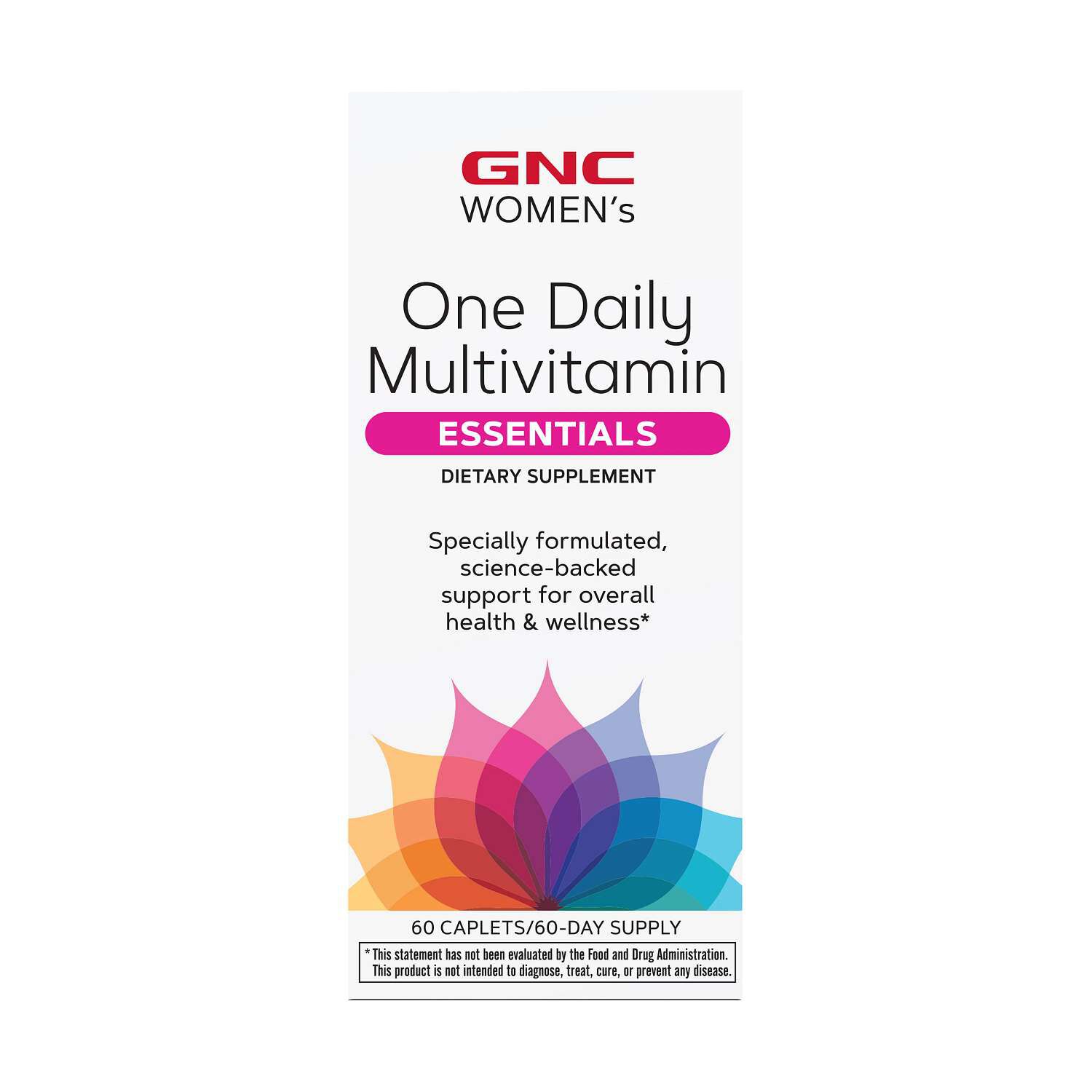
-

-
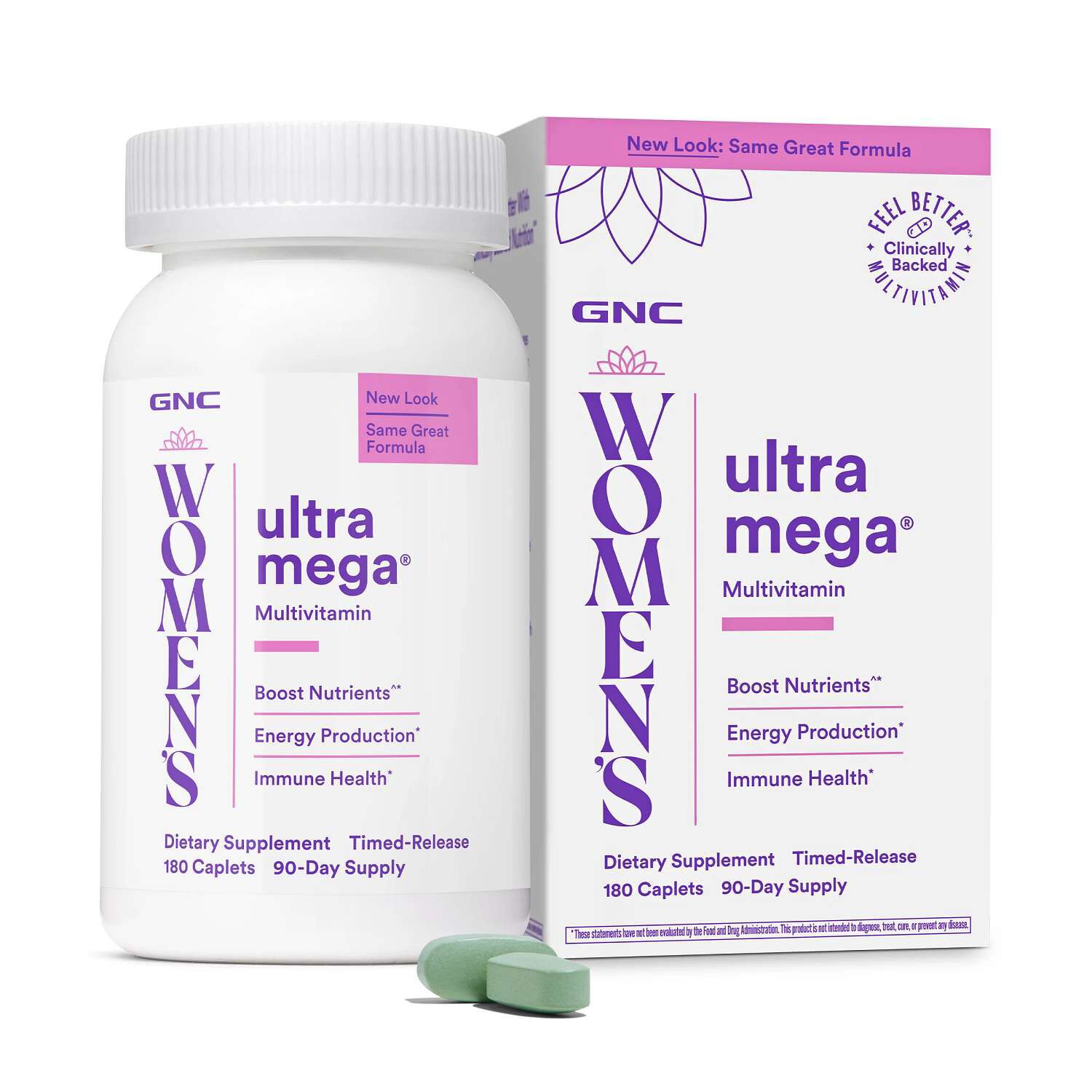
-
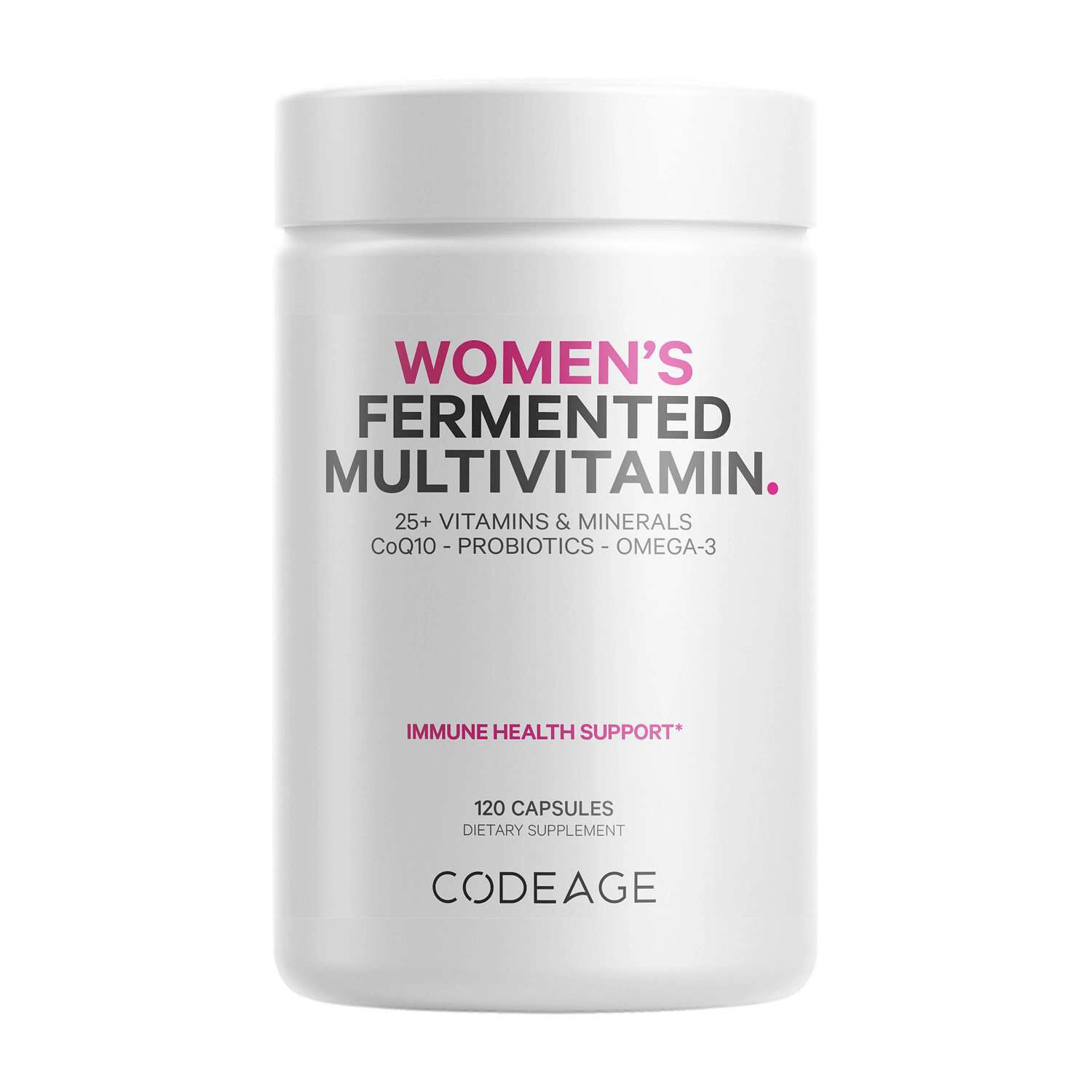
-
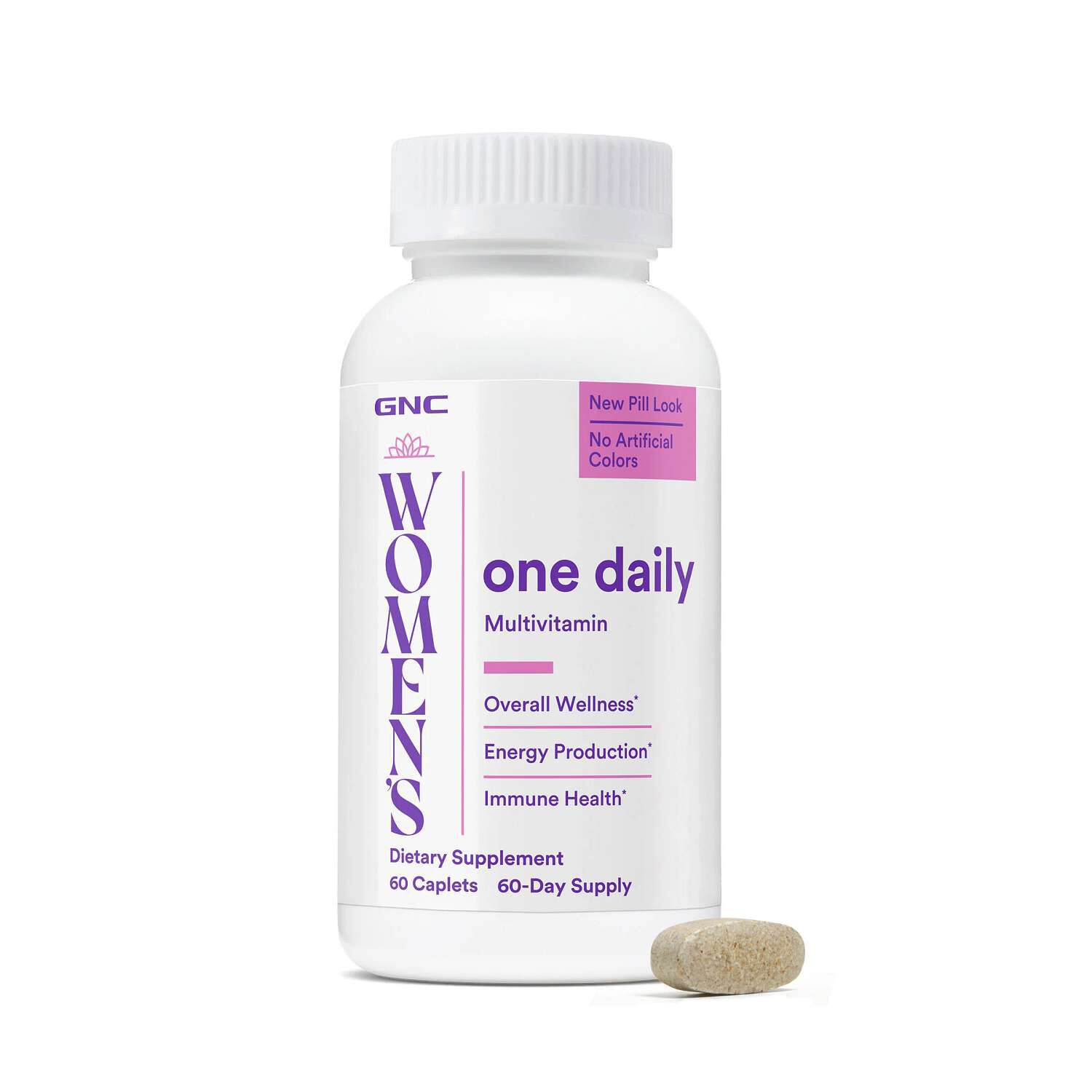
-
-
-

-
-

-
-
-
-

-

-
-
-

-

-
-
-
-
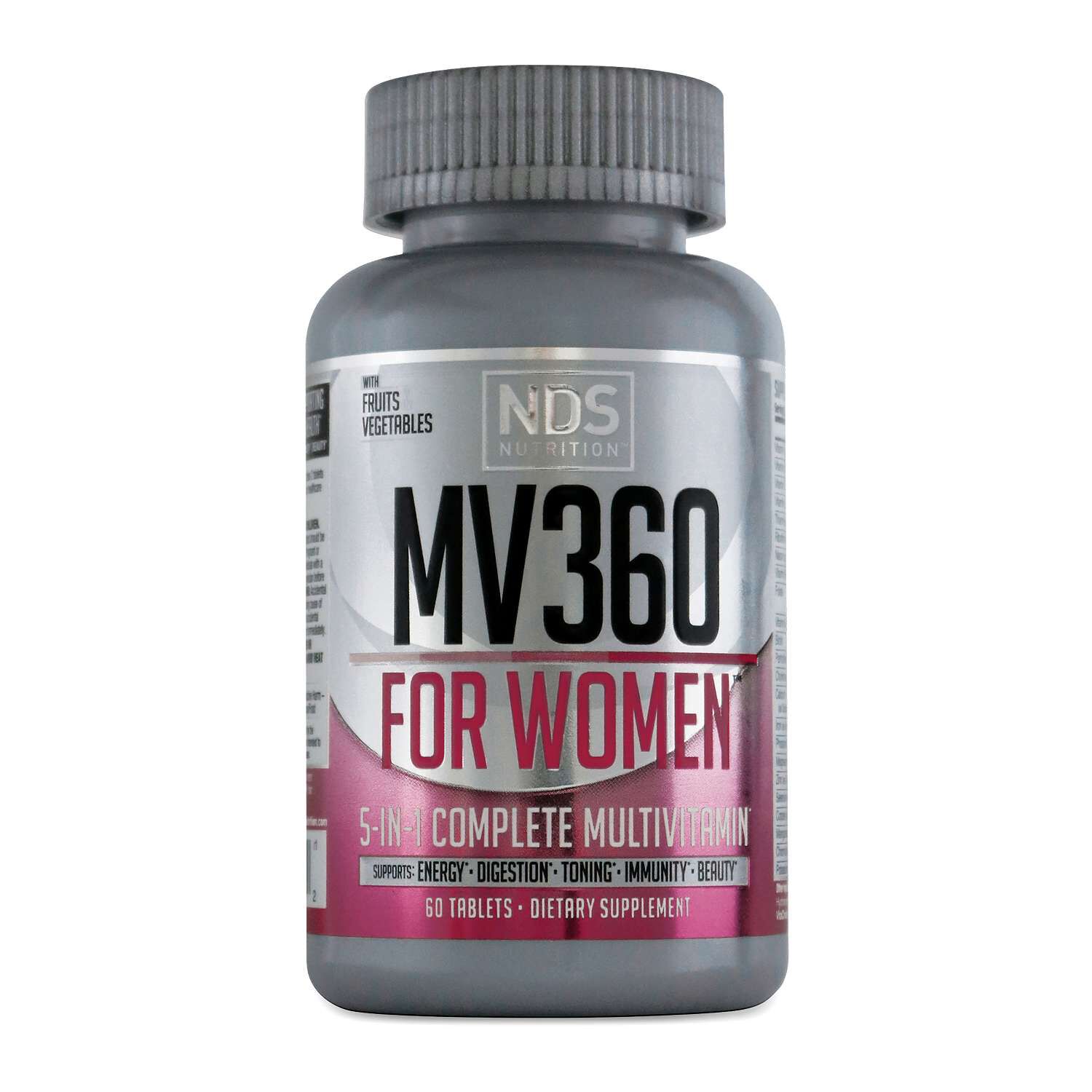 NDS Nutrition$49.99

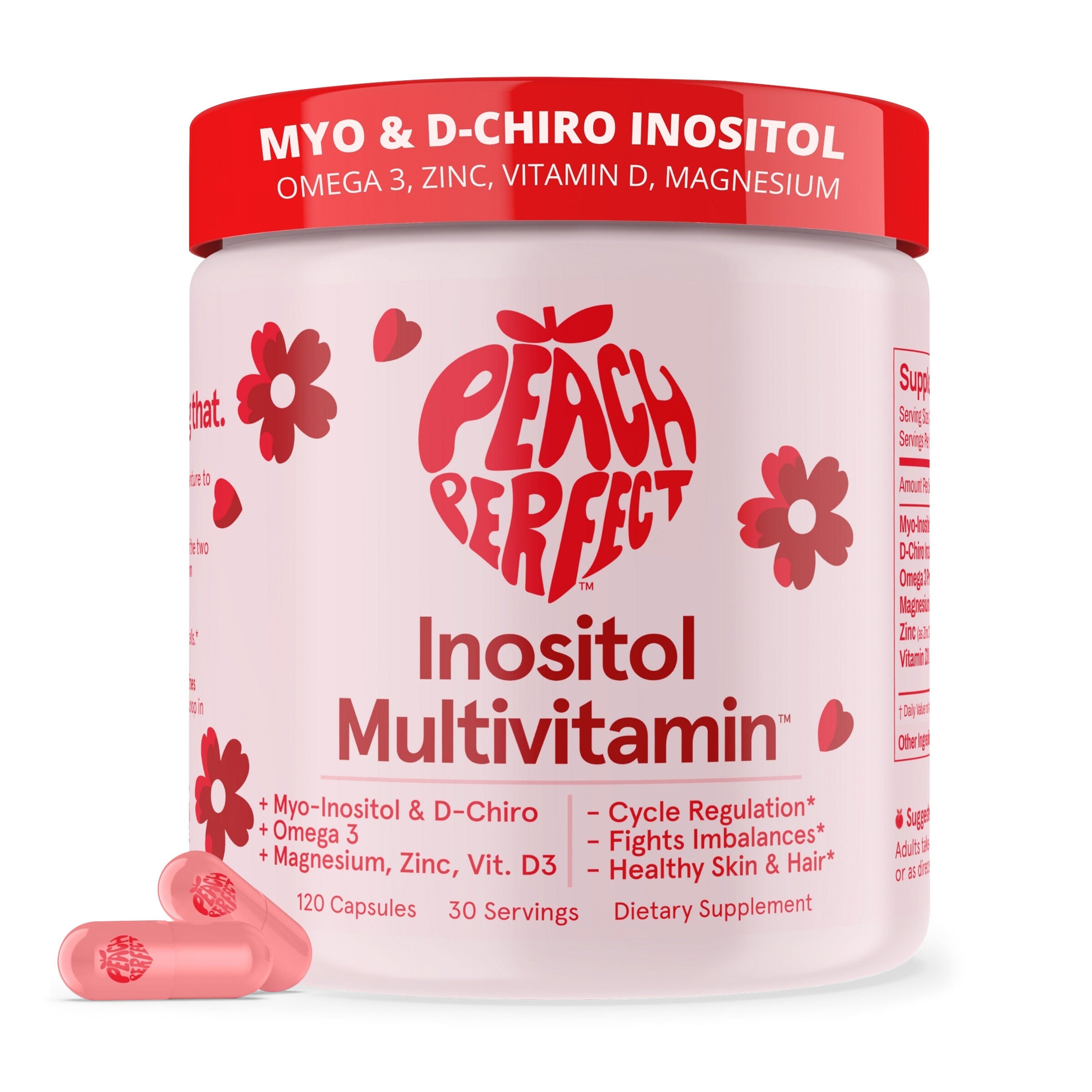
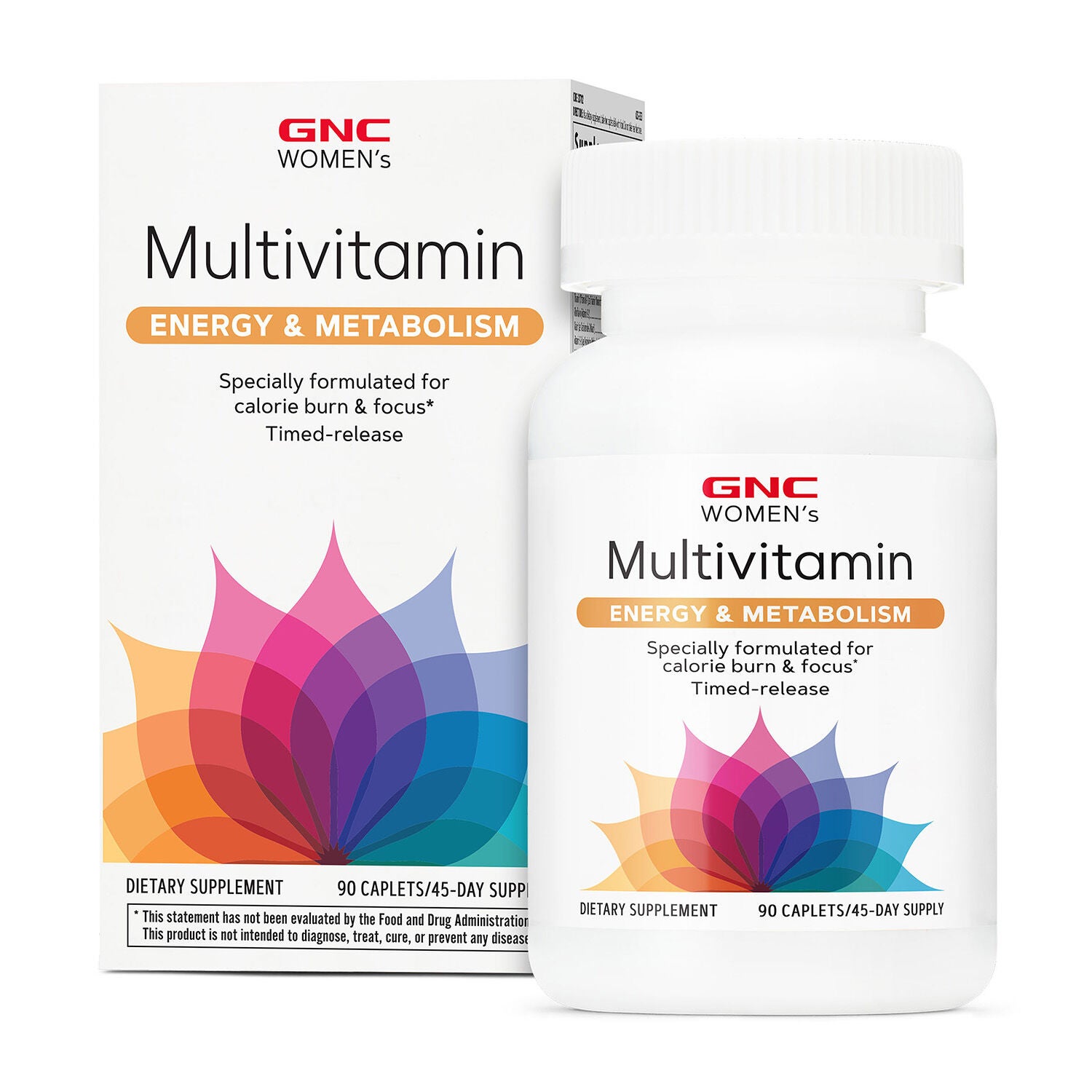
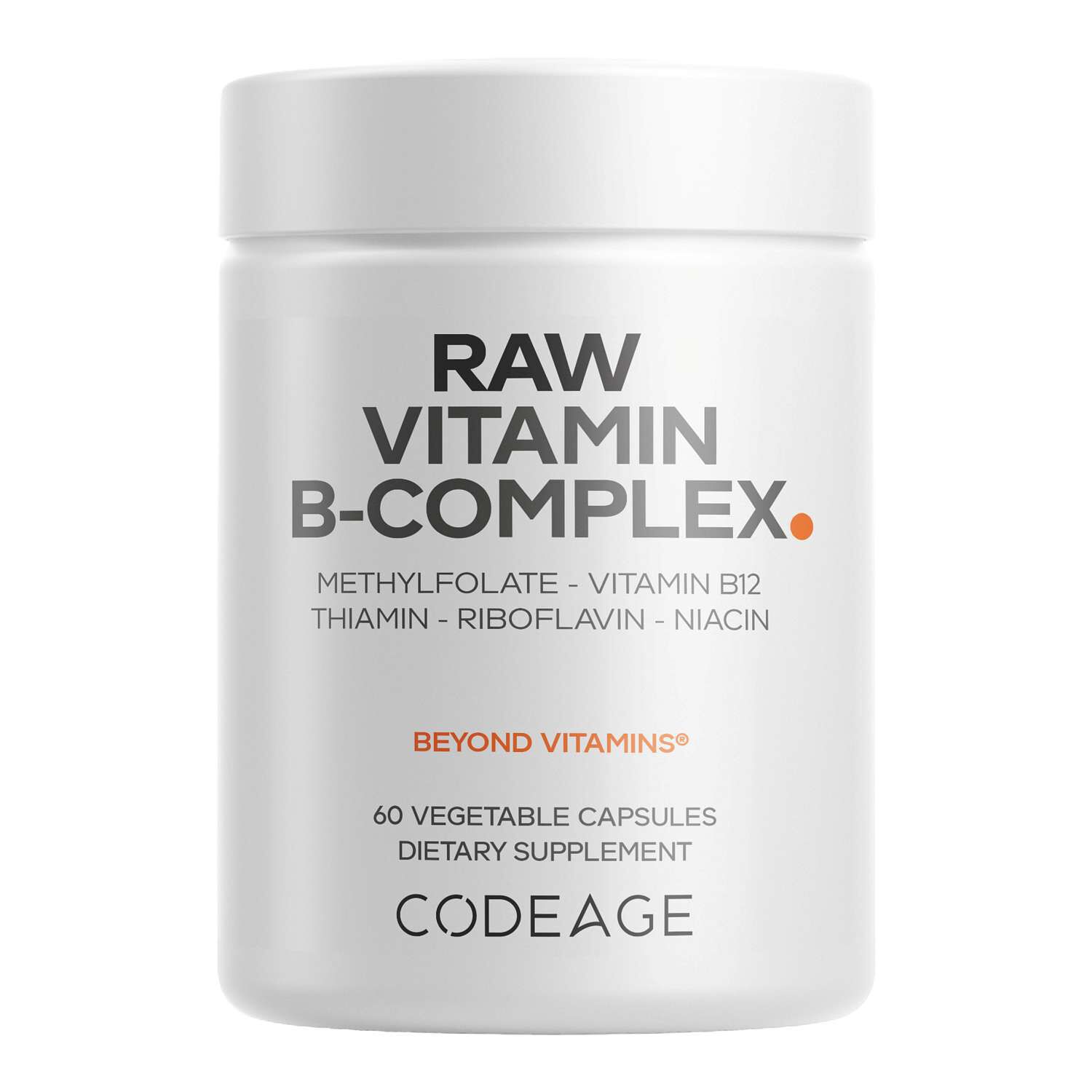
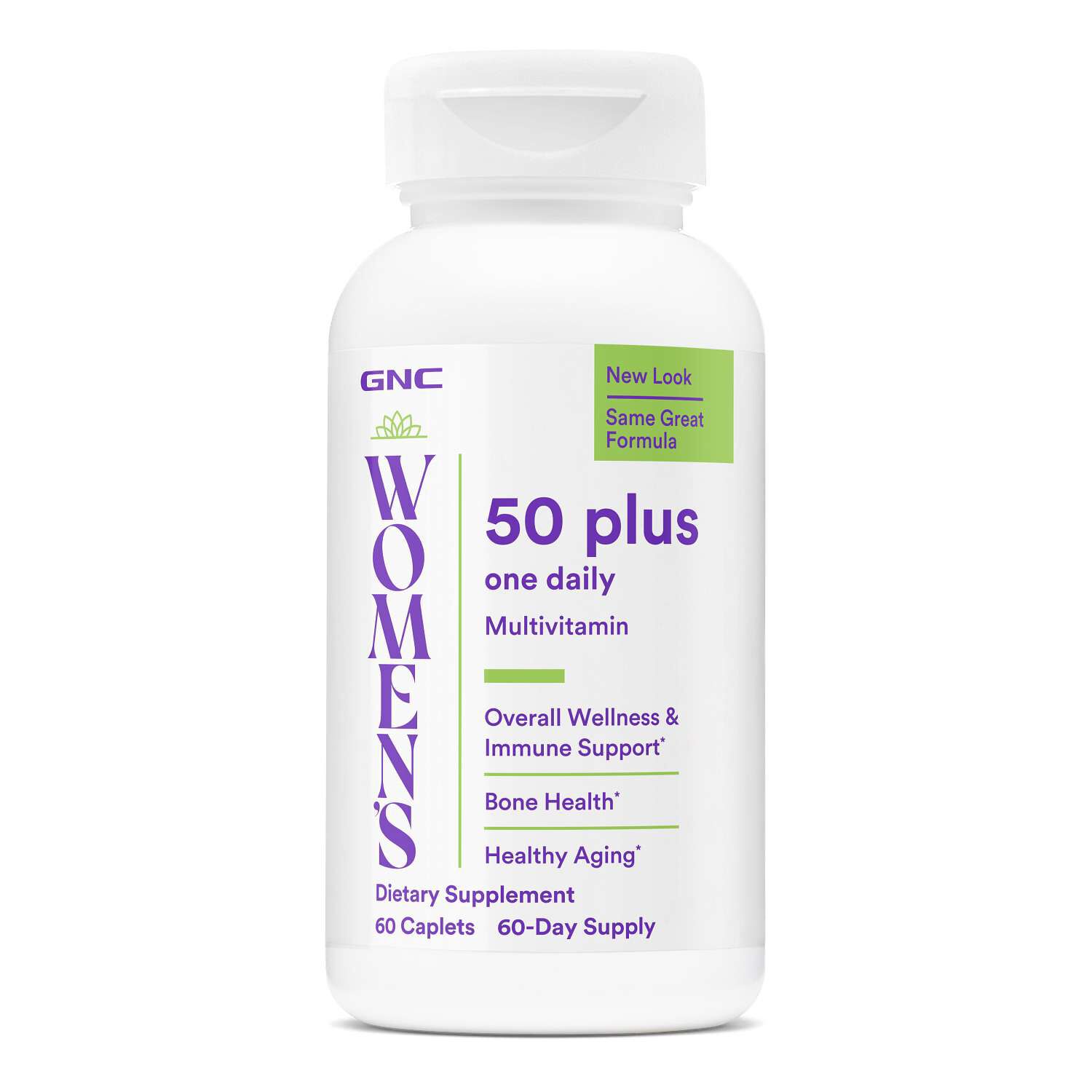
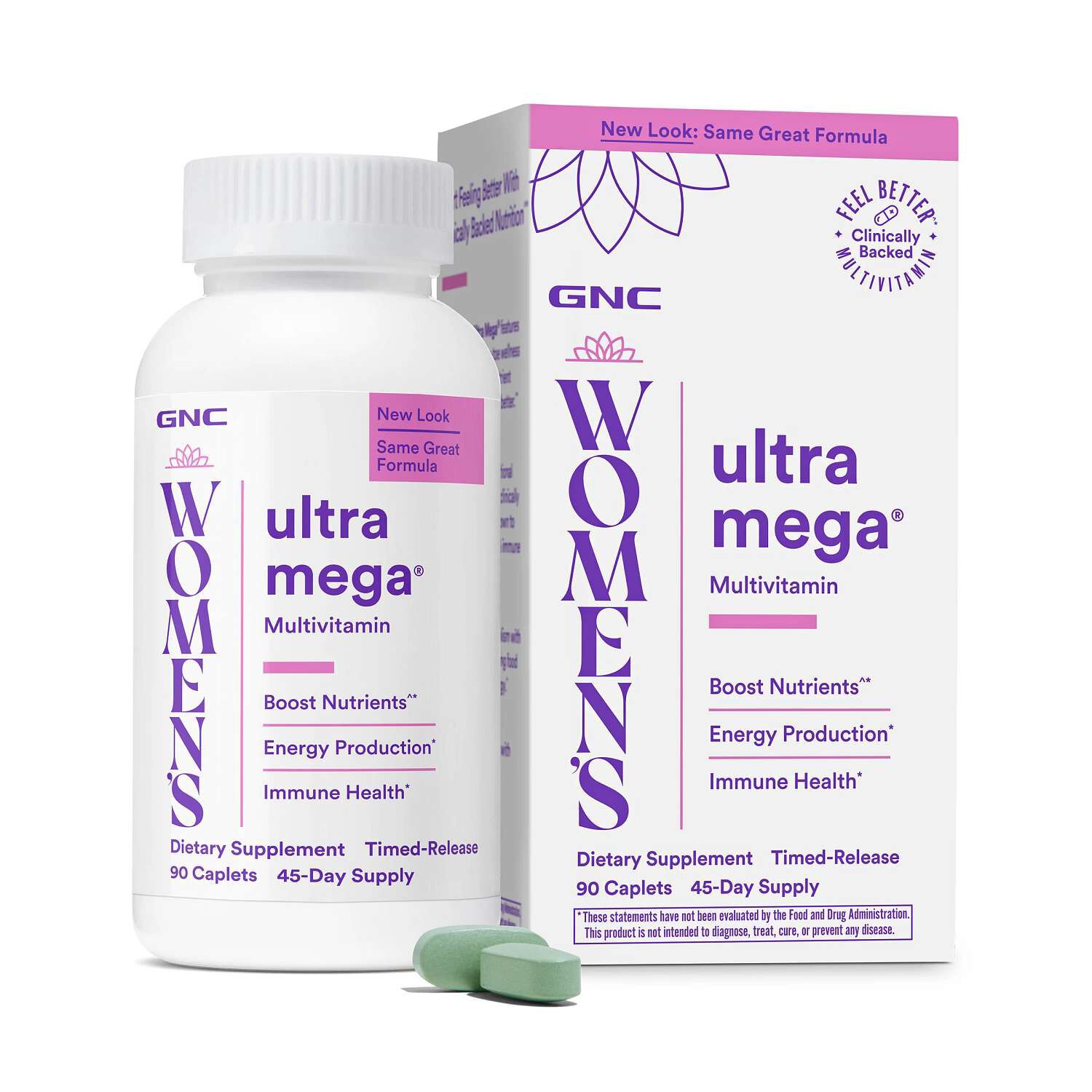
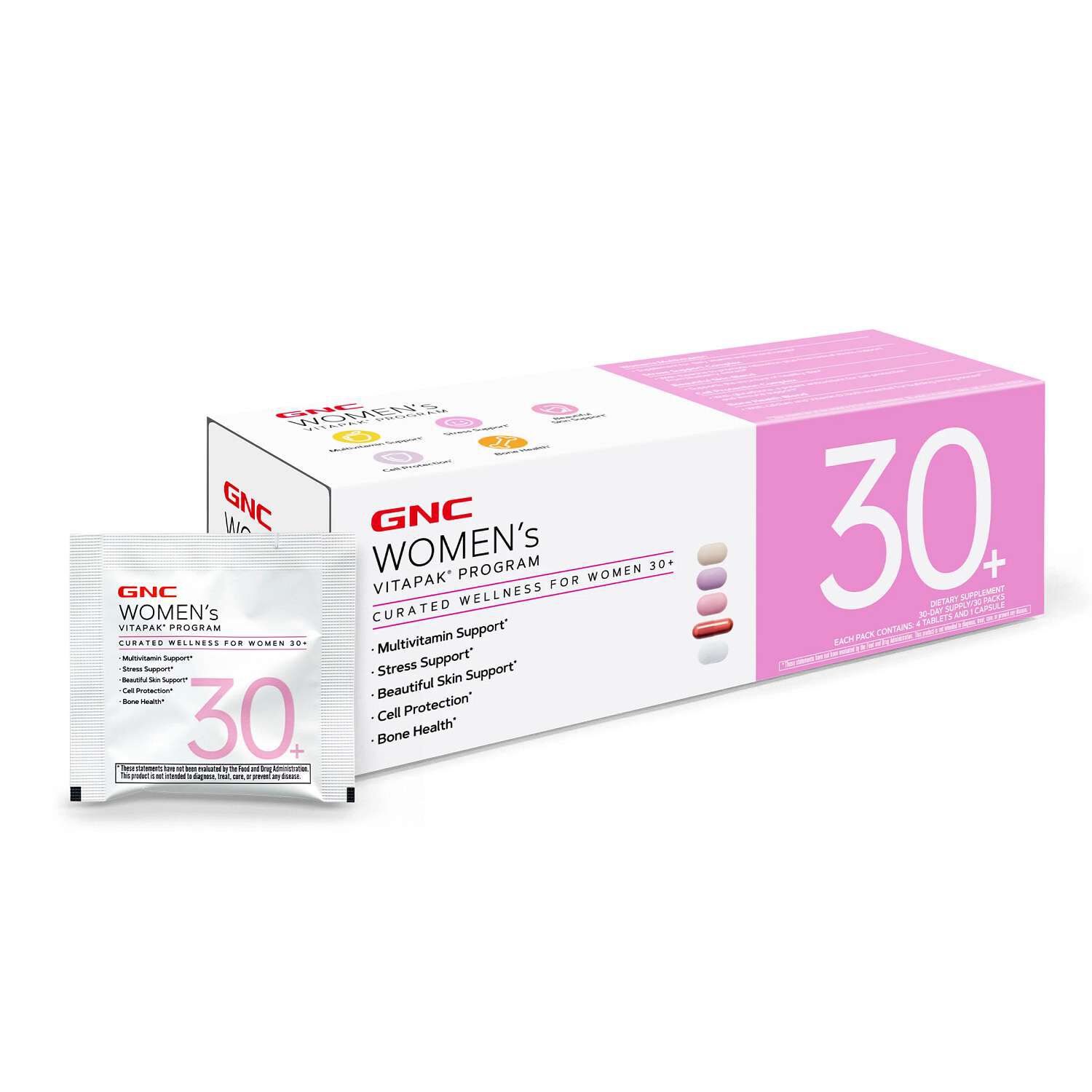
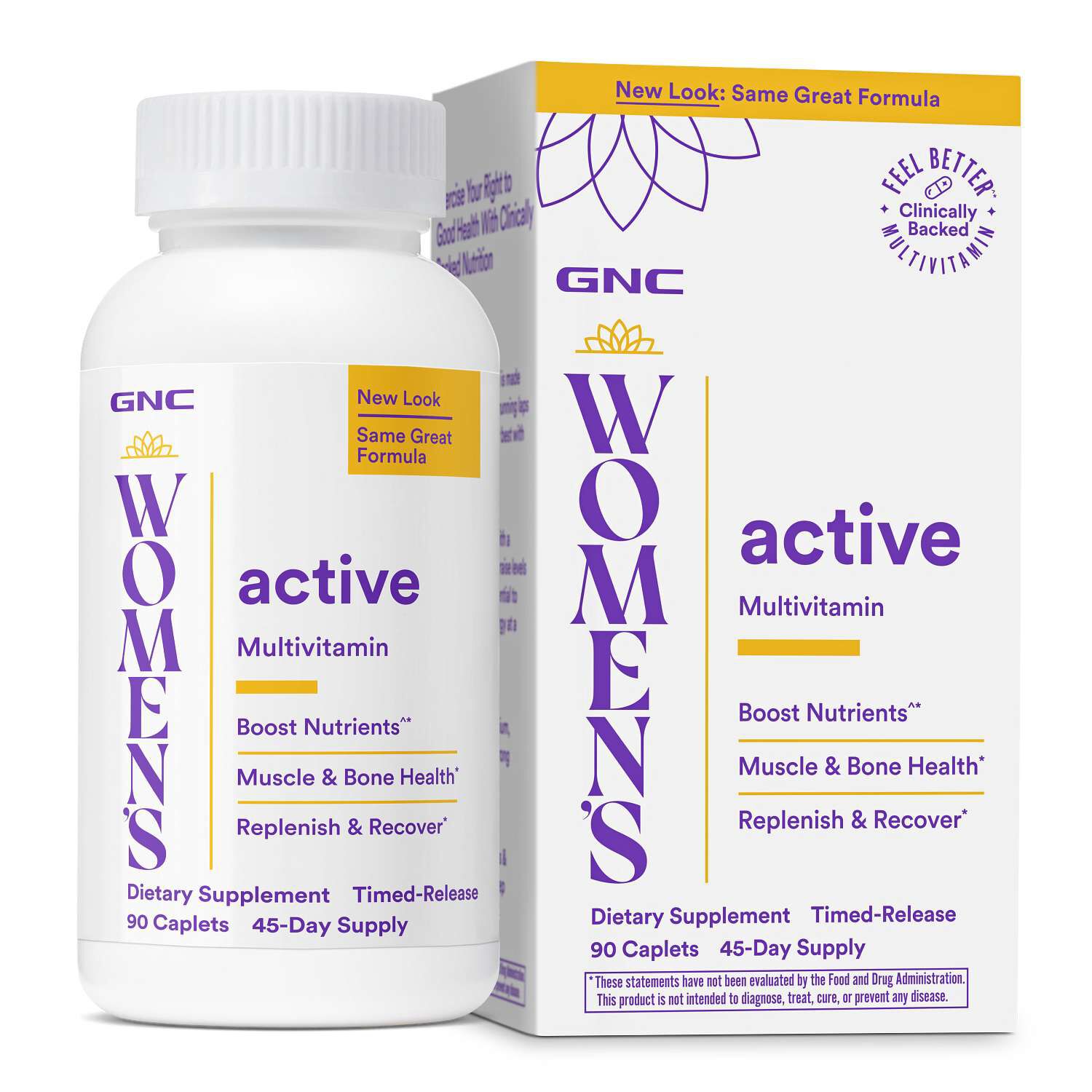
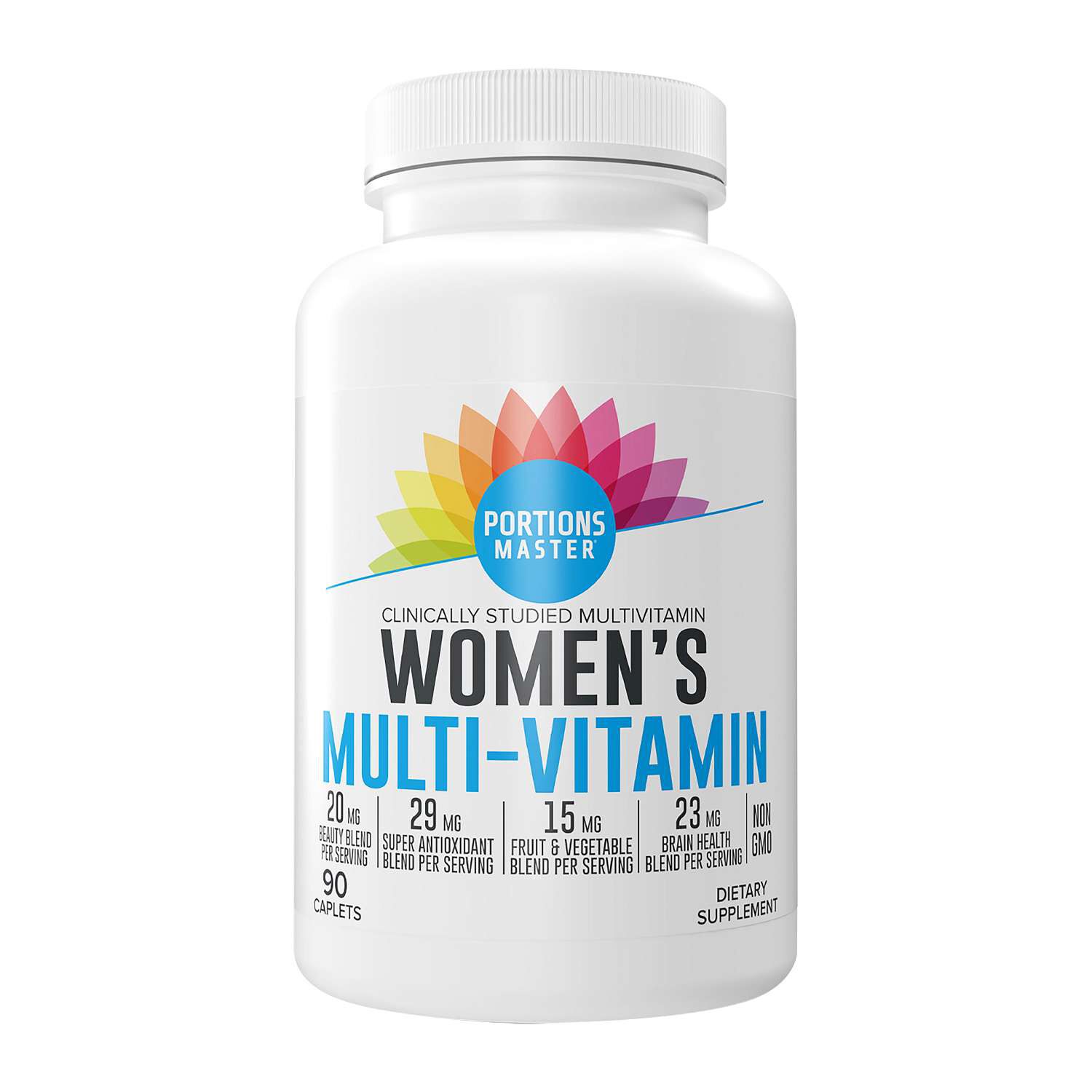
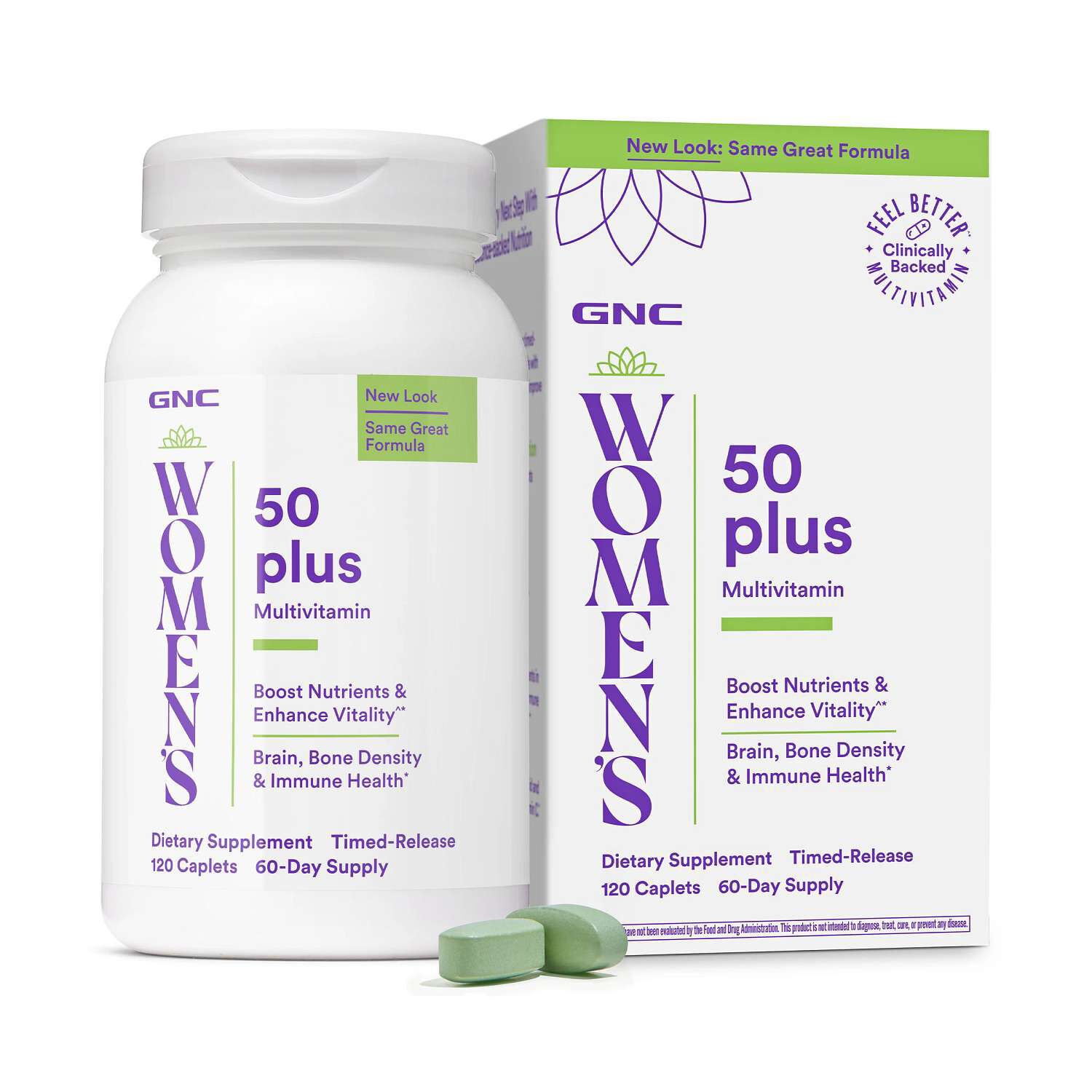
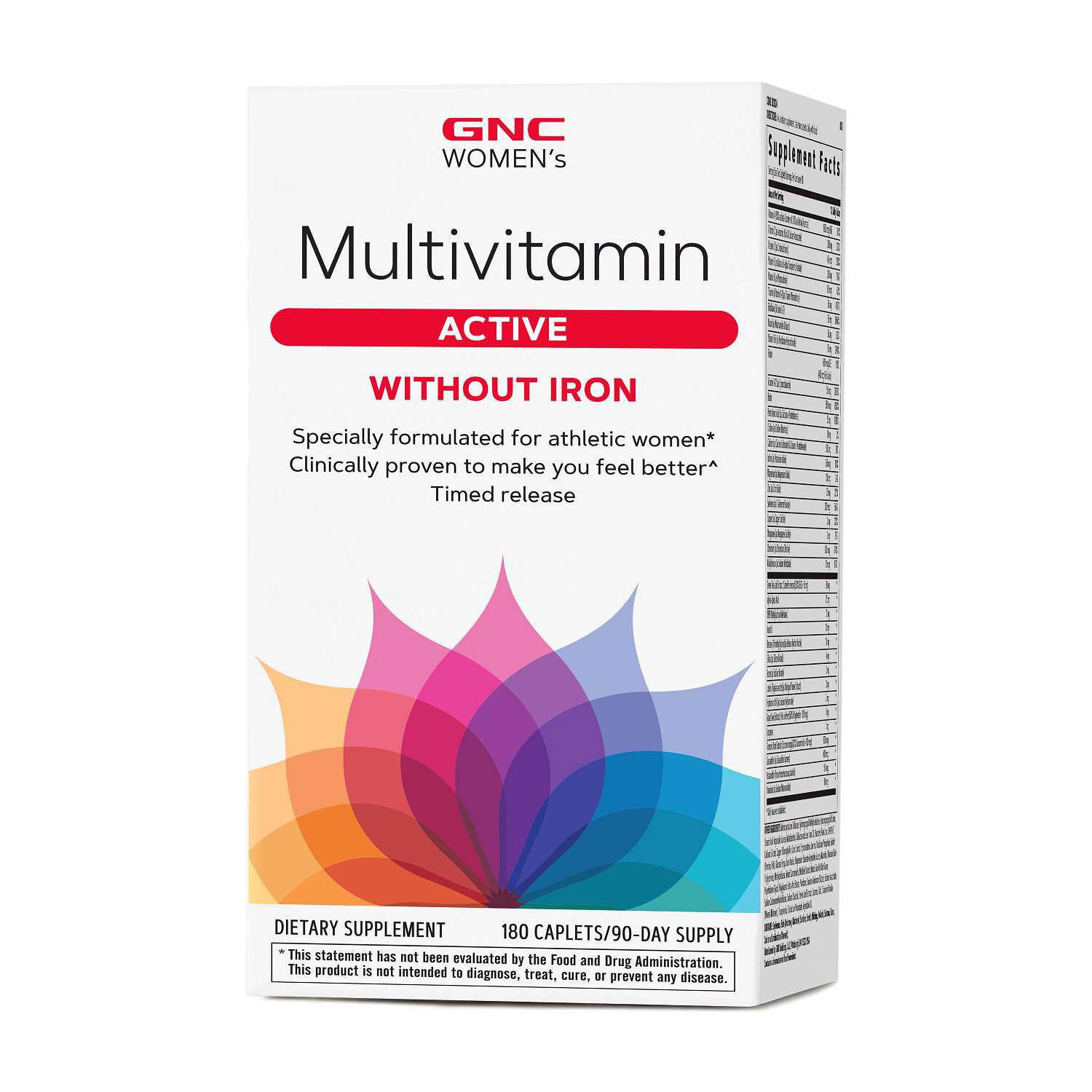
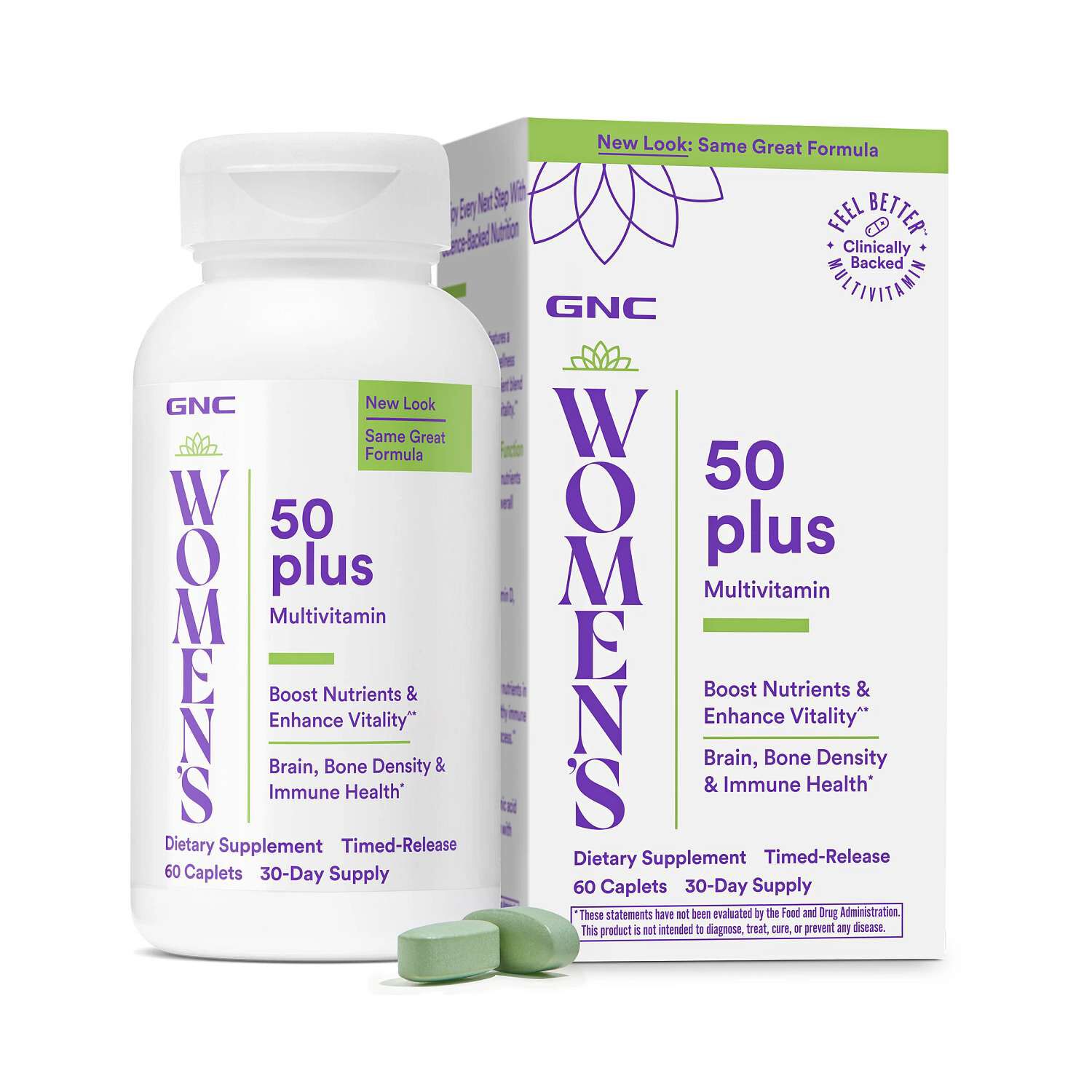
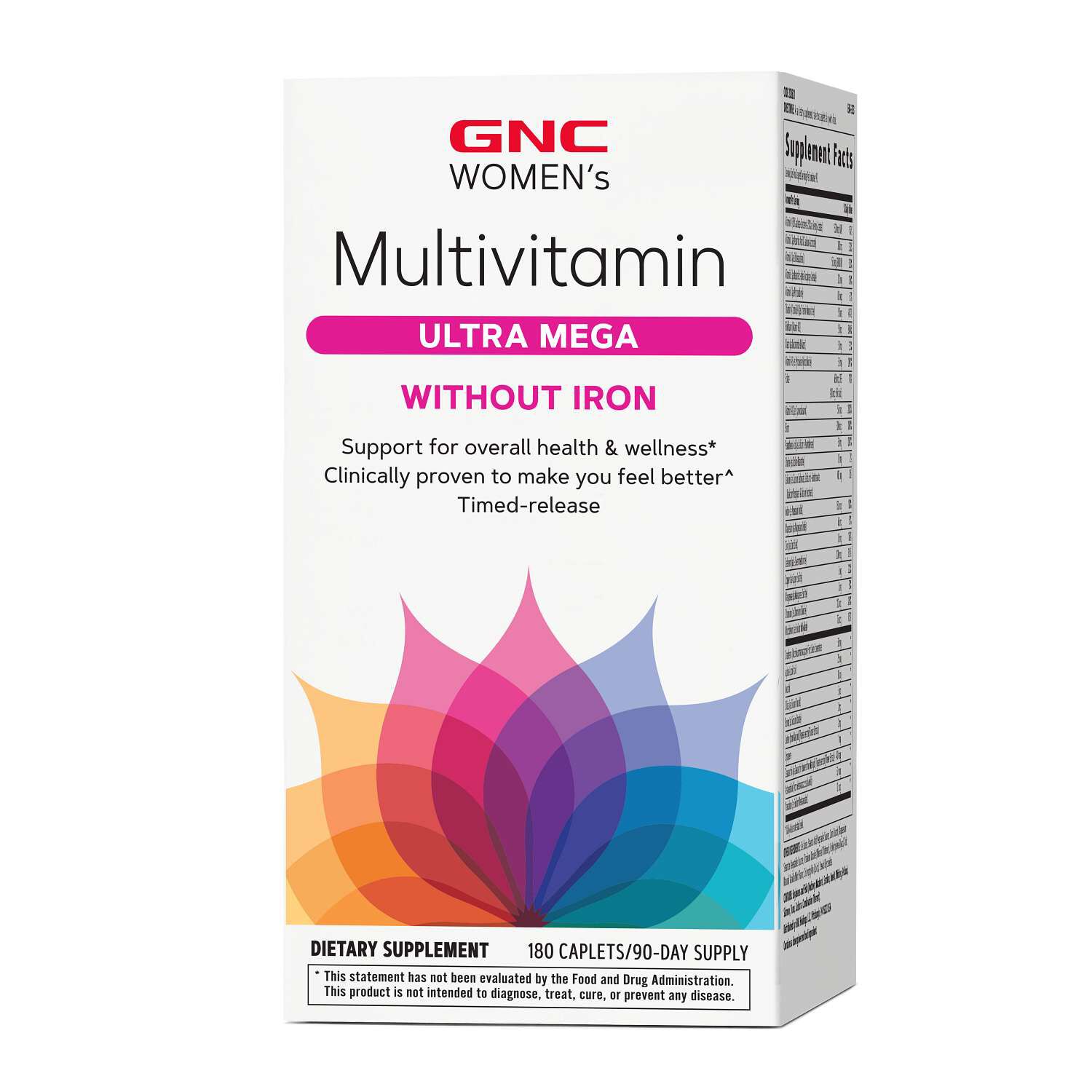
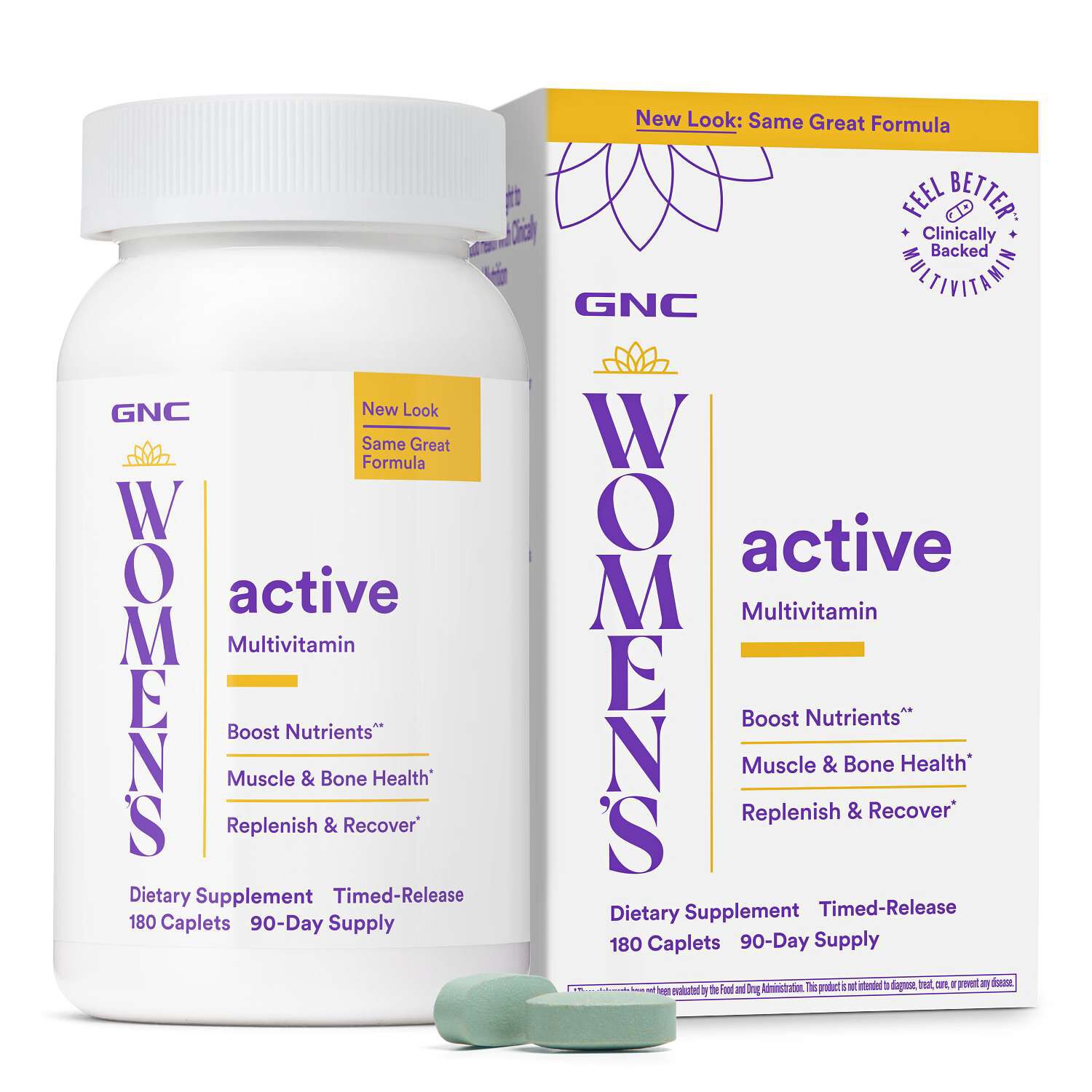
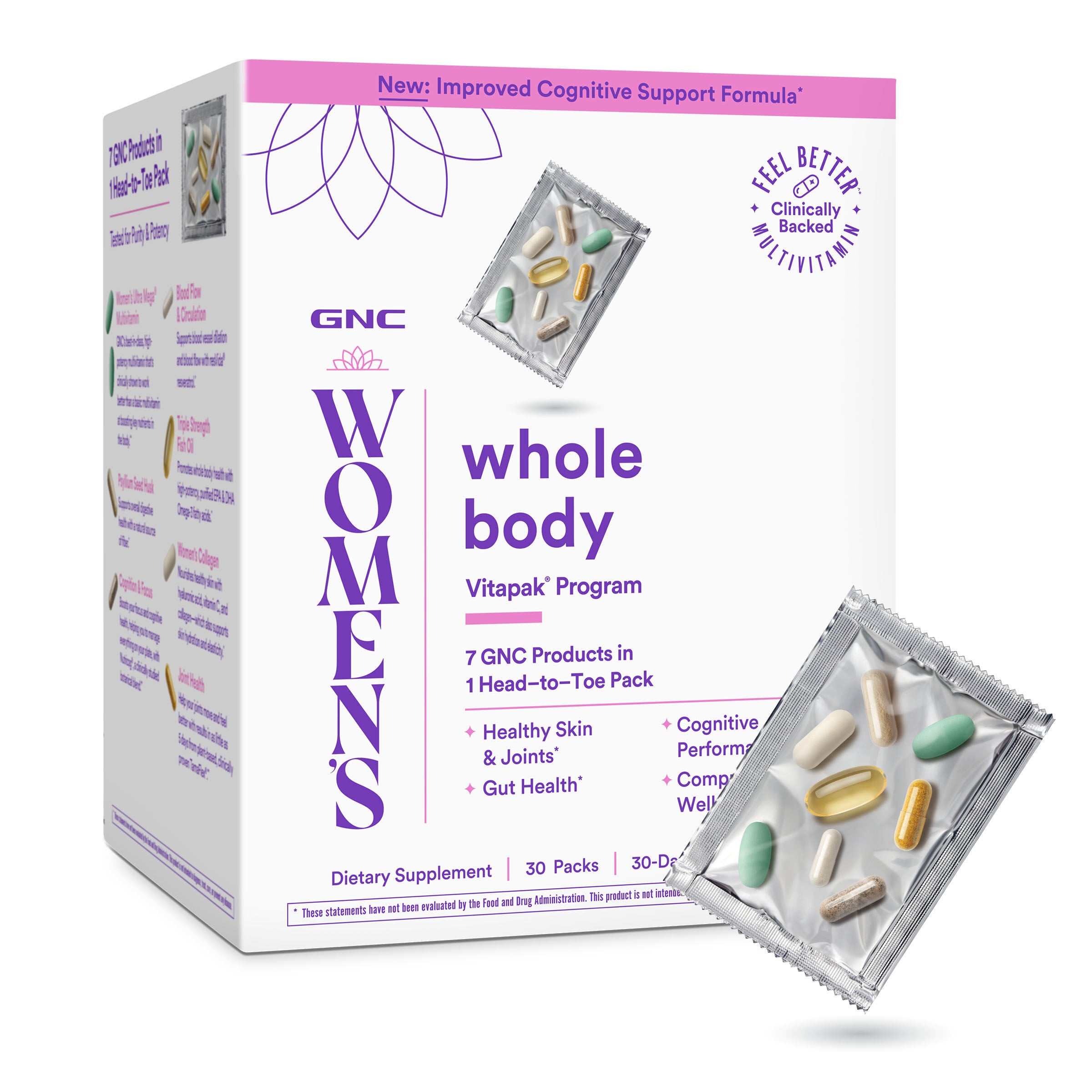
Vitamins for women span everyday multivitamins, individual vitamin formulas, and combinations that pair vitamins with minerals. Common nutrients featured in this category include vitamin D, vitamin B12, folate, calcium, and iron. Vitamin D, B12, and folate are vitamins, while calcium and iron are minerals, a distinction worth knowing when comparing labels. Folate is also called vitamin B9, and folic acid is a form used in many supplements. Rather than offering the same ingredient mix in every bottle, women’s vitamin formulas vary in their nutrient amounts, serving sizes, formats, and intended audiences. Some are labeled for adult women broadly; others are organized around younger adulthood, pregnancy, or ages 50 and older. Those descriptions provide context for browsing, but the Supplement Facts panel gives a more detailed picture of what each serving contains. A multivitamin brings several nutrients together, while an individual vitamin formula has a narrower ingredient focus. Neither format tells the whole story on its own: two bottles with similar front labels can differ considerably once their serving information is compared. Daily routines matter here, too. A woman packing breakfast before a morning commute may prefer a different format from someone who spends most mornings at home, and a frequent traveler may pay closer attention to container size and closure design. Dietary preferences, flavor preferences, and the amount of storage space in a kitchen cabinet can also shape the choice. For shoppers browsing an earlier adult life stage, Best Vitamins for Young Women offers a more focused collection to explore. Across these categories, a useful comparison starts with the intended audience, the listed nutrients, and the details of the suggested serving, rather than a long list of ingredients alone. Food preferences provide another point of context: someone who eats a varied mix of foods may approach the category differently from someone whose meals follow a vegetarian or vegan pattern. The label, rather than the category name, is where those practical distinctions become visible.
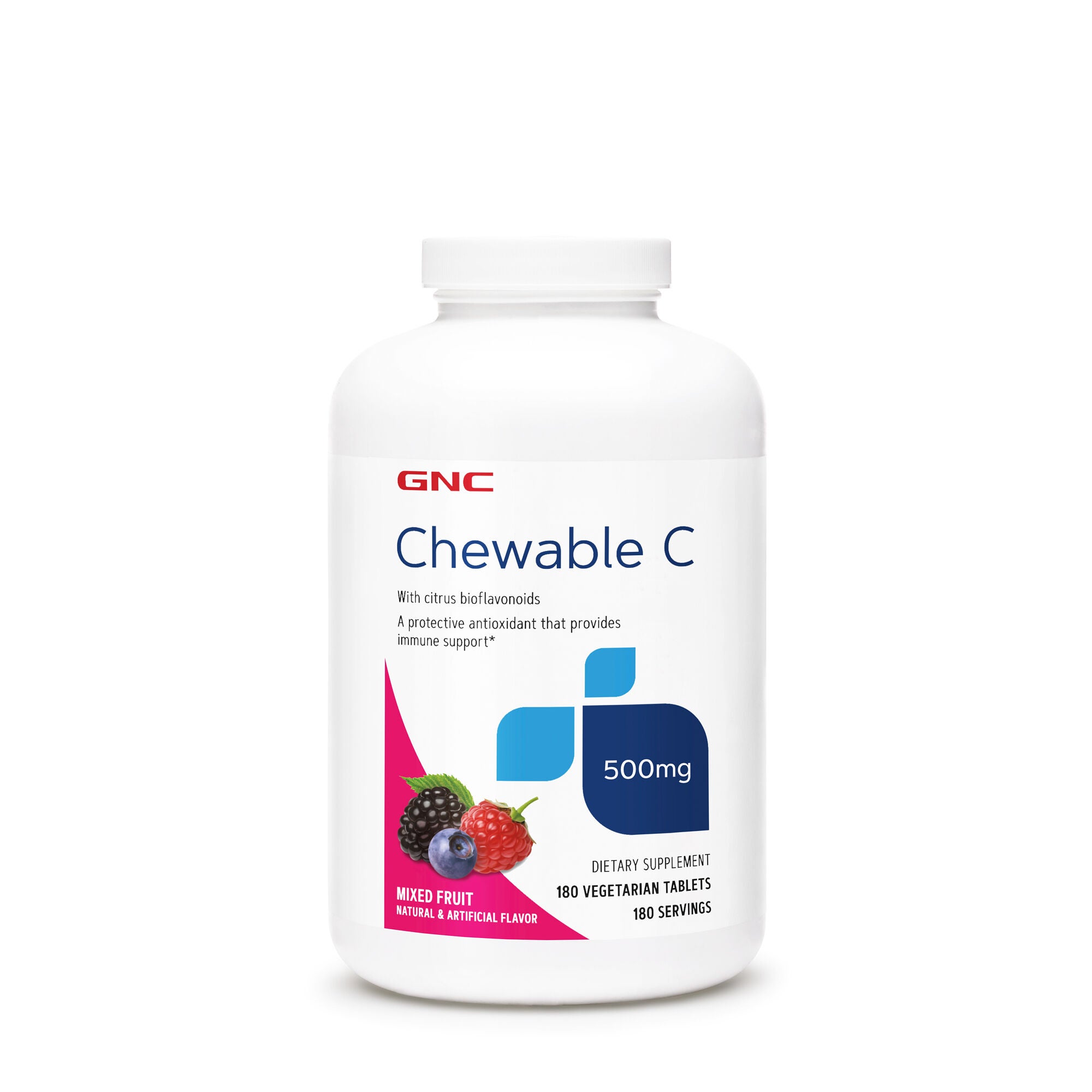
Format is one of the most noticeable differences among women’s vitamins, especially when comparing tablets, capsules, softgels, gummies, and liquids. Tablets and capsules offer portioned servings without the flavor experience associated with chewable options. Their dimensions and coatings vary, so product descriptions can be useful when size or texture matters. Softgels have a smooth outer shell, and that shell may contain gelatin or other materials identified in the ingredient list. Gummies bring flavor and a chewy texture into the routine, with differences in sweetness, added sugars, colors, and the ingredients used to create their consistency. Pectin and gelatin are two ingredients shoppers may encounter in gummy formulas; their origins can matter to someone following a vegetarian or vegan eating pattern. Liquid formats introduce their own considerations, including the measuring method, bottle design, flavor, and storage directions after opening. A small bottle does not necessarily mean a small serving, just as a larger gummy does not necessarily contain more of a particular nutrient. Serving size is the reference point for comparing the amounts listed on the Supplement Facts panel. One serving might consist of one tablet, two capsules, or several gummies, depending on the formula. The number of servings per container is a separate detail from the number of pieces inside. Other ingredients deserve attention as well, particularly for shoppers who look for formulas made without certain ingredients or prefer a particular capsule material. Allergen statements and dietary designations offer additional context, but a fruit flavor, botanical image, or simple-looking package is not a substitute for the ingredient information. For a shared household, a clearly labeled bottle can be easier to distinguish from other daily-use containers in the cabinet. For someone with a tightly packed morning schedule, opening the package, measuring a serving, and following its directions are practical parts of the experience. These small details often reveal more about how a format fits a routine than the appearance of the bottle.
Comparing nutrient amounts adds another layer of detail to shopping for women’s multivitamins and individual vitamin supplements. Labels may express amounts in milligrams or micrograms, depending on the nutrient, and the percentage Daily Value provides a standardized reference alongside those quantities. That percentage is not a personalized target, and a larger number alone does not establish a better fit. Ingredient coverage also varies: a women’s multivitamin may include iron or omit it, and calcium and magnesium amounts can differ across formats. Vitamin D may appear as D2 or D3, while vitamin B12 and folate may be listed with their particular forms in parentheses. These names describe what is in the formula; they do not, by themselves, establish that one bottle is the right choice for every shopper. Age-related and prenatal labels likewise describe intended audiences rather than interchangeable categories. When comparing bottles, keeping the serving size, nutrient amount, and ingredient form together gives the numbers useful context. Packaging and care are part of that comparison, too. Storage directions can vary, especially for liquids after opening, and the printed date and closure instructions deserve the same attention as the front label. A bathroom shelf beside a steamy shower, a sunny windowsill, and a car console are very different environments from a cupboard away from heat and moisture. For travel, the original labeled container keeps the ingredient list, serving directions, and storage information together, although its size may influence what fits comfortably in a bag. During the cooler months, when commutes, indoor routines, and overnight visits can reshape the day, those ordinary details remain relevant without changing what the label says. Vitamins are a personal purchase, so a gift is most considerate when the recipient has already expressed a preference for the format and formula. Whether shopping for a familiar daily routine or comparing a different presentation, the most informative details are concrete: intended audience, ingredients, serving size, dietary compatibility, packaging, and care. Together, they make a varied category easier to navigate without treating every women’s vitamin formula as the same.