Sparkling Water
(0 Results)
Quench your thirst with our refreshing selection of sparkling water options, perfect for those moments when you crave a bubbly twist to your hydration routine. Whether you prefer classic carbonation or are looking to try unique flavors, our range of sparkling water offers a delightful array of choices to suit every taste bud. With zero calories and no added sugars, these fizzy beverages provide a guilt-free way to enjoy a bubbly drink anytime, anywhere. Explore our assortment of sparkling water and elevate your hydration experience today.


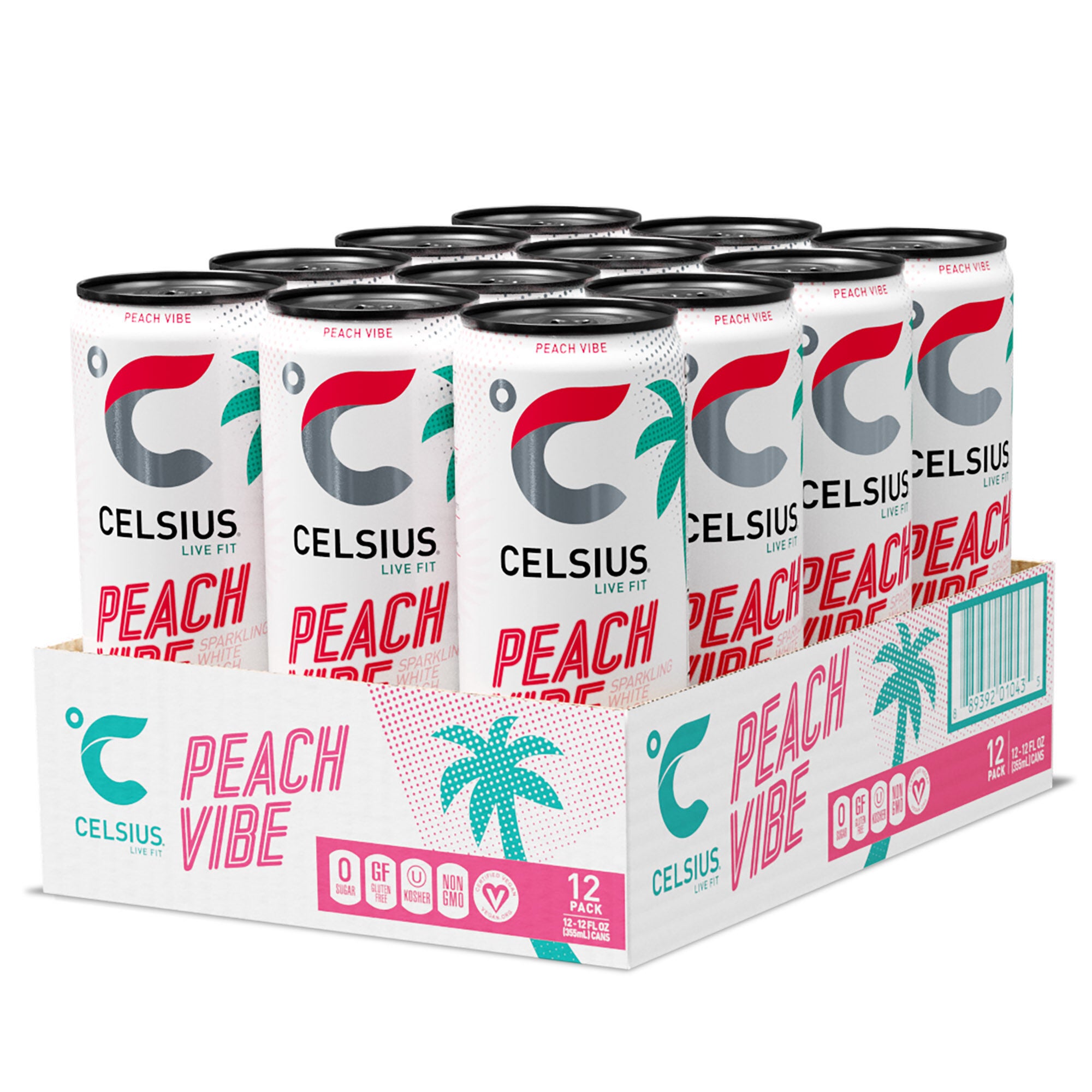
Sparkling water is water that contains dissolved carbon dioxide, which forms bubbles when the container is opened and pressure is released. Its defining feature is carbonation, but the category includes different water sources, mineral compositions, flavors, and bubble textures. Plain seltzer generally starts with water and added carbon dioxide, without added minerals. Sparkling mineral water comes from an underground source and contains naturally occurring minerals; its carbonation may occur naturally or be added before bottling. Club soda is carbonated water with added mineral salts, such as sodium bicarbonate or potassium bicarbonate, and may have a slightly salty taste. These distinctions matter when choosing something to sip alongside lunch, pour for guests, or use in a mixed beverage. Tonic water belongs to a different category: it contains quinine and usually a sweetener, so it is not interchangeable with plain sparkling water in flavor or ingredients. Plain, unsweetened sparkling water typically contains no sugar or calories, while flavored varieties require a closer look at the label. A fruit name on the package describes the intended flavor, not necessarily the presence of juice, sweetness, or pieces of fruit. Some flavored sparkling waters contain carbonated water and flavoring alone; others include juice, sweeteners, minerals, or additional ingredients. Lemon, lime, grapefruit, berry, and combinations of fruit flavors offer different directions, from subtle citrus aromas to a more pronounced fruit character. For someone who enjoys a simple beverage with meals, an unflavored option may be a good match. Someone who prefers an aromatic drink without a sweet taste might gravitate toward an unsweetened fruit-flavored seltzer. The most useful comparison is between the ingredient list, the Nutrition Facts panel, and personal taste preferences rather than between package colors or flavor names alone. Water source and mineral content can also distinguish two otherwise similar-looking choices, especially for people who notice a mineral finish or prefer a more neutral taste.
The drinking experience depends on more than flavor. Carbonation intensity varies, and a finely bubbling sparkling water may feel different on the palate from one with a sharper, more assertive fizz. Descriptions such as crisp, bright, or soft are tasting language rather than standardized measurements, so preferences often become clearer through ordinary occasions: a small glass with a sandwich, a bottle during an afternoon at a desk, or a citrus-flavored pour alongside a savory dinner. Unsweetened sparkling water does not have the same sweetness as soda, even when the flavor names sound familiar. A berry aroma may suggest sweetness without any sugar in the drink, while varieties made with sweeteners may have a more noticeable sweet finish. For a straightforward comparison, serving drinks in similar glasses at the same serving temperature may make their differences easier to notice. Food pairings offer another practical way to choose. A subtle citrus flavor may suit a grain bowl or roasted vegetables, while plain sparkling mineral water may suit a meal where the food carries plenty of seasoning. For entertaining, unflavored sparkling water is a versatile starting point for beverages made with a splash of juice, sliced cucumber, or fresh mint. Larger amounts of juice or syrup change the sweetness and nutritional profile of the finished drink, even if the sparkling water itself contains no sugar. Shoppers interested in options beyond basic carbonated water can also explore water drinks with added ingredients, where ingredient lists remain important for understanding the differences. Some beverages in the broader water category contain caffeine, vitamins, electrolytes, or sweeteners, but carbonation alone does not indicate that any of those ingredients are present. A label that states caffeine content deserves particular attention when a beverage is intended for a shared household or an evening meal. Serving size matters, too: a container and a labeled serving are not always the same amount. Comparing equal portions gives a clearer picture of sugar, calories, sodium, and other listed nutrients without relying on front-label descriptions.
Packaging is another meaningful part of choosing sparkling water because it affects portability, storage, and how a serving fits into the day. Aluminum cans are lightweight and convenient for individual servings, but they cannot usually be resealed after opening. Resealable bottles may be more practical for someone who prefers to sip gradually, although carbonation escapes each time the bottle is opened. Glass bottles have a substantial feel on a dining table and do not flex during handling, but their weight and susceptibility to damage make careful transport important. Plastic bottles are lighter and often easier to tuck into a lunch bag or carry to a picnic, subject to the rules of the destination. Container dimensions deserve a glance when the drink needs to fit a refrigerator shelf, a cup holder, or an insulated carrier. A large bottle may suit a shared meal, while smaller portions may suit households where each person prefers a different flavor. For storage and handling, follow package directions, keep unopened containers away from direct sunlight and excessive heat, and avoid shaking them before opening. Chilling before serving may help retain carbonation, and a gentle pour down the inside of a glass may preserve more fizz than a forceful pour. Once opened, a tightly closed bottle kept refrigerated may retain its bubbles longer than an uncovered container, though the original carbonation will gradually diminish. Ice, glass shape, and time in the glass also influence the experience, so serving smaller pours may suit someone who values lively bubbles throughout a meal. Recycling instructions vary by packaging material and local collection rules; checking both is more useful than assuming every container belongs in the same bin. For a casual host gift, a selection of contrasting flavors may pair well with glassware or a beverage pitcher, provided the recipient’s preferences are known. Whether the intended use is a lunchbox drink, a table beverage, or a mixer, the best fit comes down to flavor, sweetness, carbonation, ingredients, and a container that suits the occasion.
Best Sellers
-
 Rho Nutrition
 -
 Rho Nutrition
 -
 Doctors' Preferred