Enhanced Water Drinks
(0 Results)
Enhanced water drinks offer a refreshing twist on hydration, making it easy to support your daily routine while enjoying great taste. With a variety of options available, enhanced water drinks may fit seamlessly into active lifestyles or serve as a flavorful alternative to plain water. Whether you’re looking for something to sip during your workout or throughout the day, these beverages provide plenty of choices to suit your preferences. Explore the selection of enhanced water drinks and find the right option for your needs.


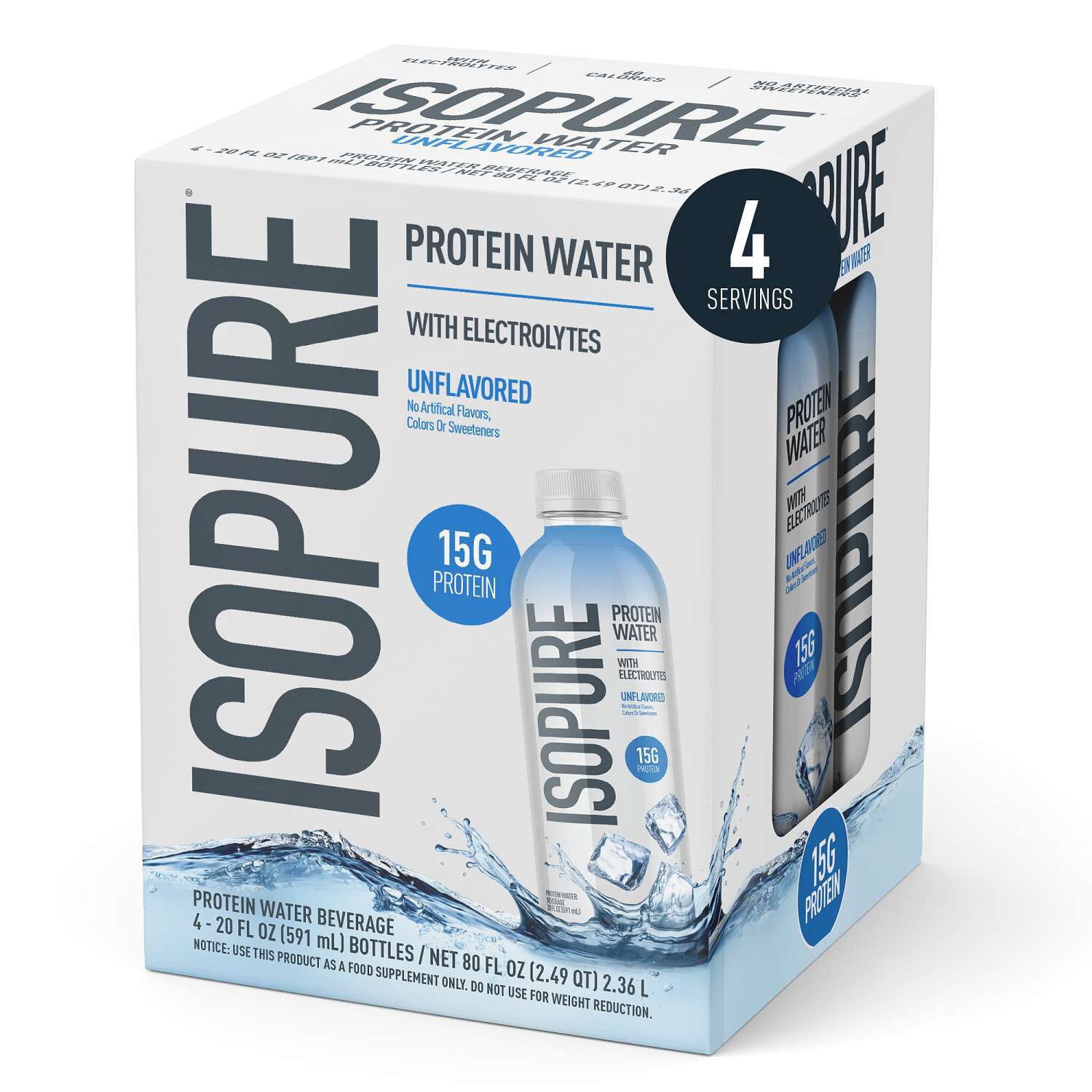
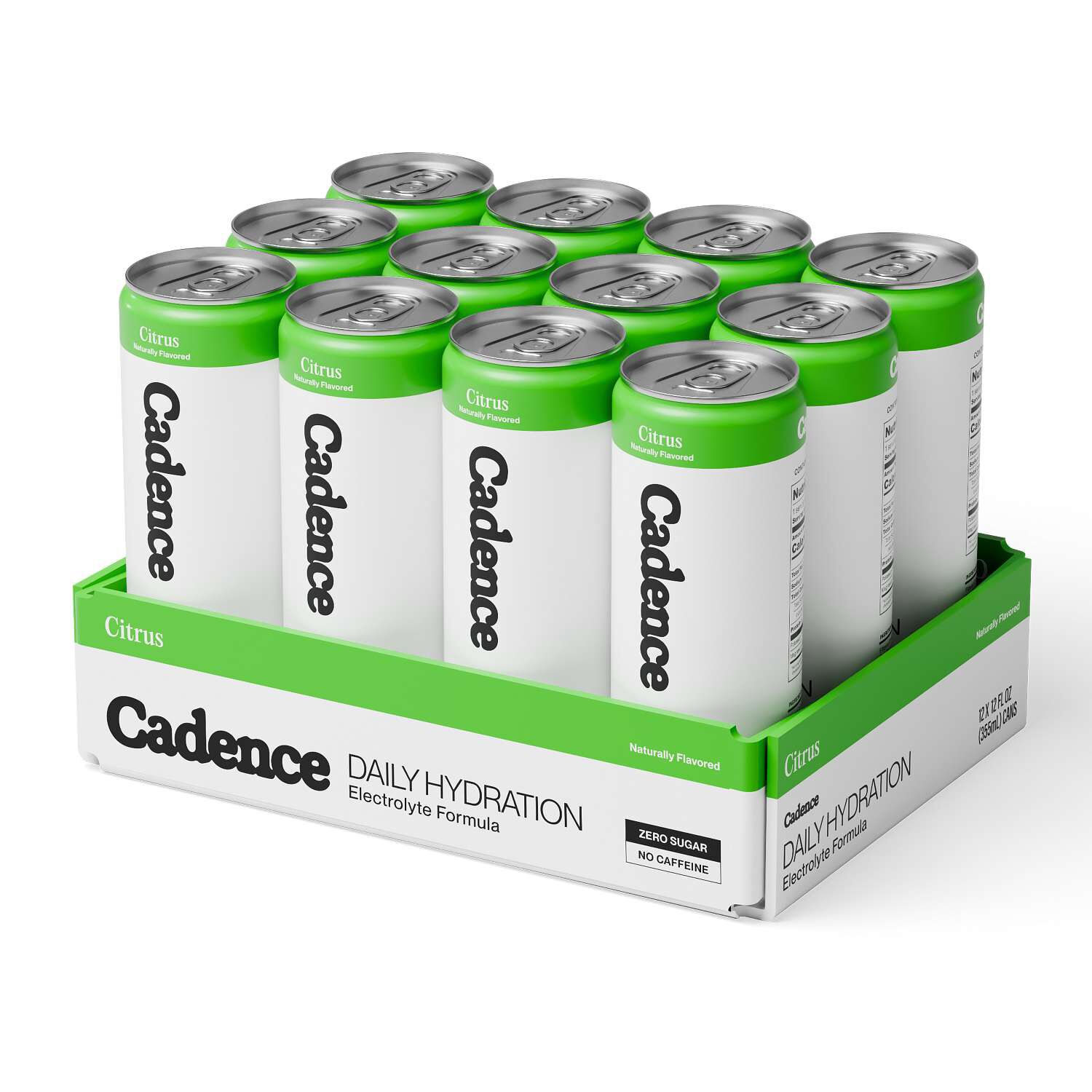

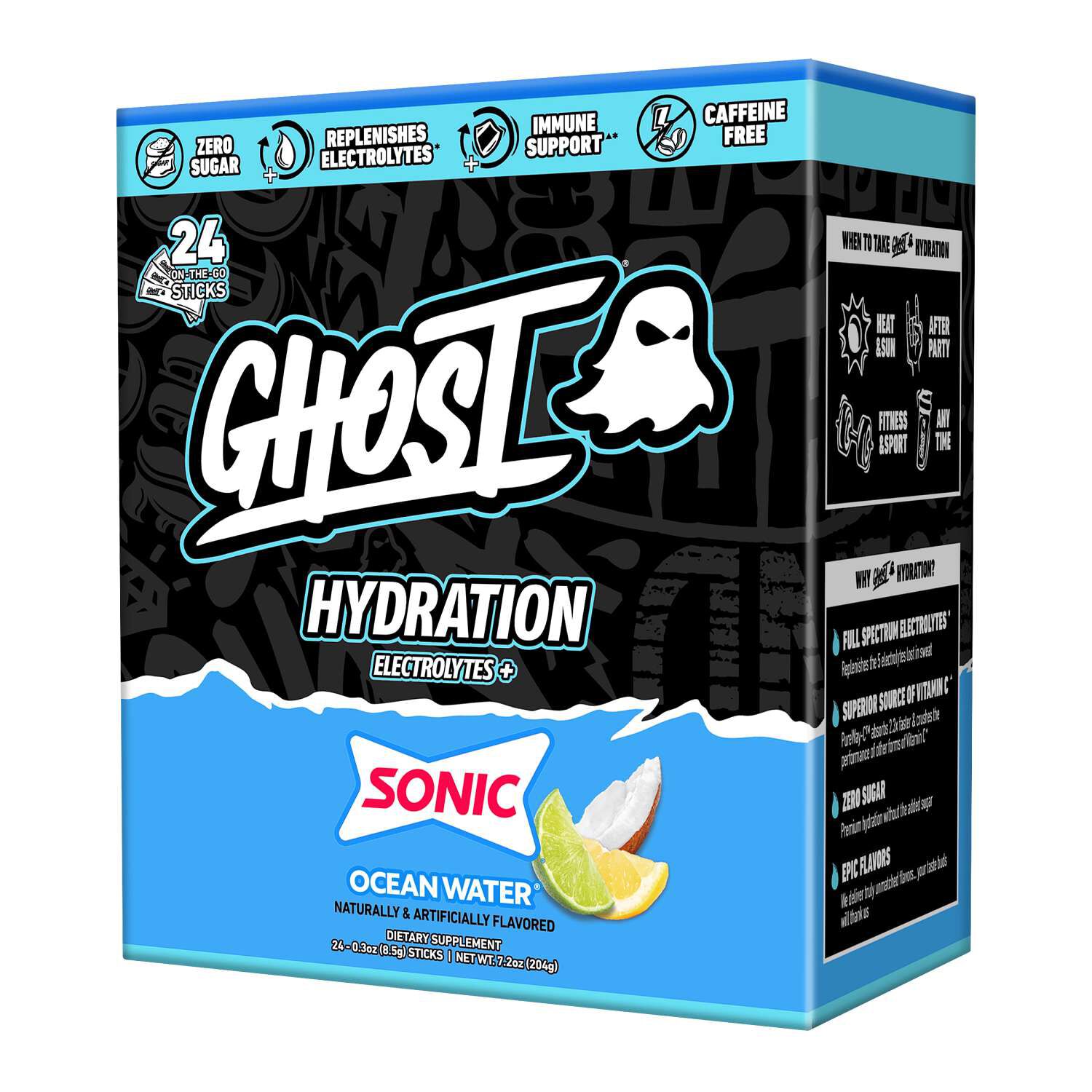


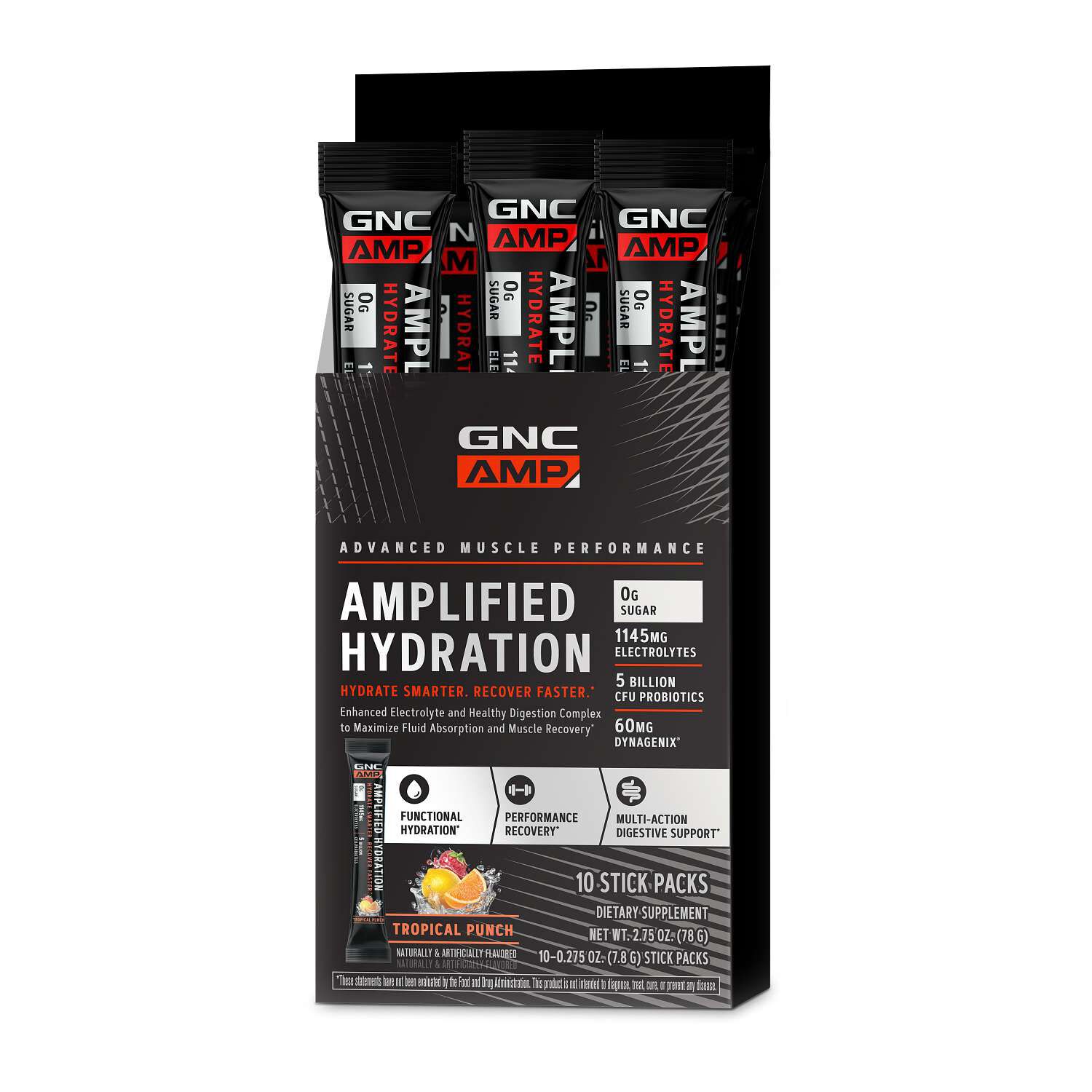


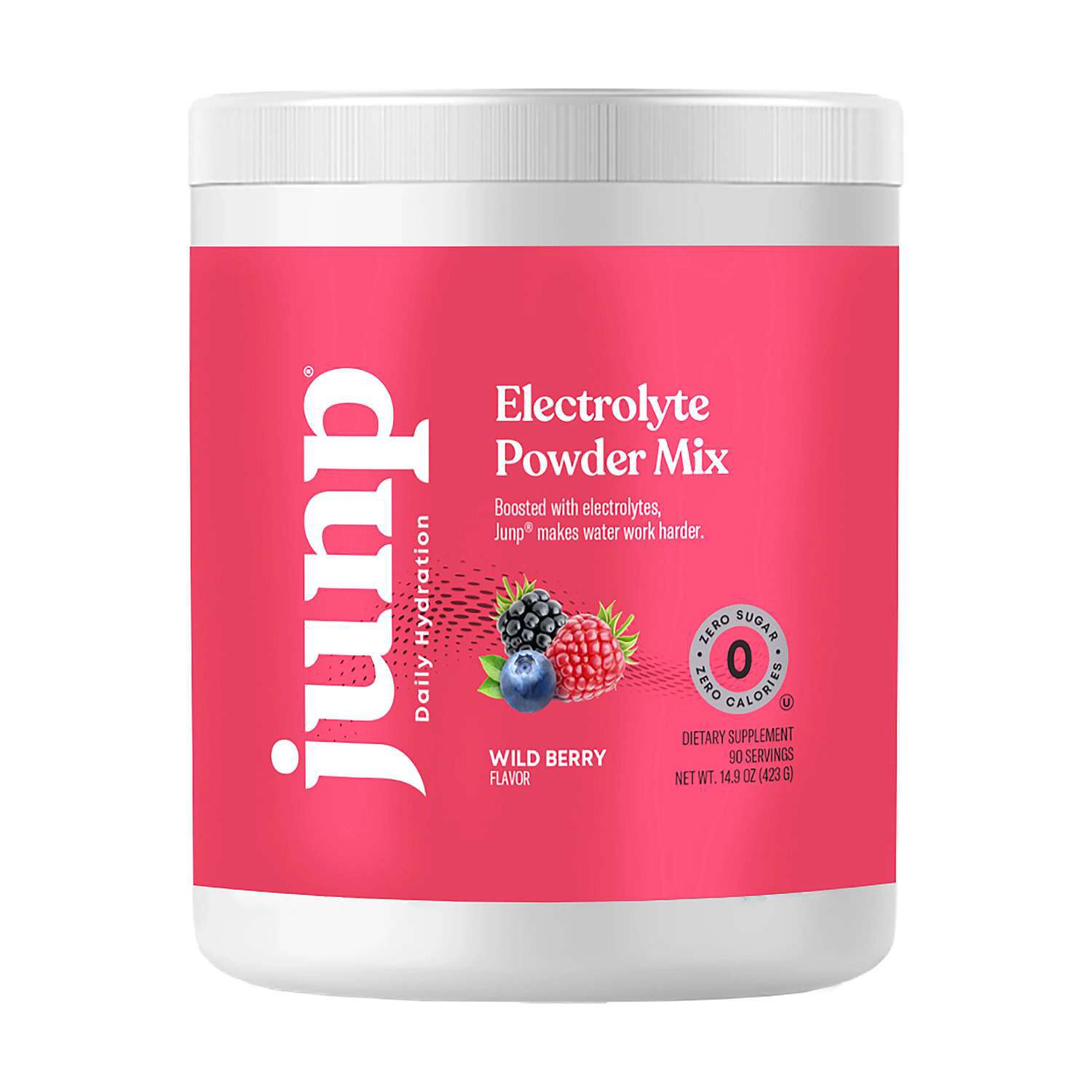
Water drinks with added vitamins, minerals, electrolytes, or flavors are water-based beverages formulated with ingredients beyond the water itself. Their base may be purified water, spring water, or another drinking-water source, while the added ingredients distinguish one formula from another. Some focus on flavor, others contain selected nutrients, and some combine both approaches. Still and sparkling varieties provide different textures, with choices ranging from subtle fruit notes to more pronounced citrus, berry, or tropical flavors. The water source and the added ingredients describe different parts of the beverage: spring water does not automatically contain added vitamins, and a flavored drink does not necessarily include electrolytes. Naturally occurring minerals also differ from minerals added during formulation, so the ingredient list provides more detail than the beverage name alone. Ready-to-drink bottles and cans arrive already mixed, while water additives require a separate container and the amount of water specified on the package. These formats belong to related shopping categories, but they involve different preparation and storage considerations. Sweetness is another distinction. Depending on the formula, a drink may contain sugar, fruit juice, alternative sweeteners, or a combination of ingredients. A fruit name on the front of the package describes a flavor but does not establish how much juice the beverage contains. Likewise, a clear appearance does not indicate whether a drink contains sugar, caffeine, or added nutrients. For an office lunch, a sparkling citrus profile may provide a different sipping experience from a still berry-flavored drink packed alongside a sandwich. Someone who prefers a restrained flavor may favor a simpler formulation, while another shopper may enjoy a sweeter profile. These differences make water drinks a varied beverage category rather than a single formula with a uniform purpose. Taste preferences, ingredient choices, serving size, and the occasion all play a part in finding a suitable match.
Electrolytes commonly listed in water drinks include sodium, potassium, magnesium, and calcium, although the combination and amount differ by formula. Not every electrolyte drink contains all four, and the presence of an ingredient does not indicate how much is included. Vitamin-containing beverages may feature vitamin C, selected B vitamins, or other nutrients identified on the label. The Nutrition Facts panel lists the amounts per serving, while the ingredient list identifies the components used to make the beverage. Percent Daily Value offers another reference point for nutrients with an established Daily Value, but serving size remains important when comparing containers. A larger bottle may contain more than one serving, so the amount listed for a serving and the amount in the entire container are not always the same. The same distinction applies to calories, added sugars, and sodium. Comparisons are most straightforward when they use equivalent beverage volumes rather than simply placing two differently sized bottles side by side. Caffeine deserves separate attention because water-based drinks are not necessarily caffeine absent; some formulas include it, while others do not. When caffeine is included, the labeled amount and serving information provide a clearer picture than flavor or package design. Ingredients such as tea extracts, fruit concentrates, sweeteners, and botanical components also contribute to differences among formulas. Terms describing flavor, water source, or added nutrients answer separate questions and should not be treated as interchangeable descriptions. Water-based beverages also overlap with Functional Hydration Drinks, a broader category with varied ingredient combinations and beverage formats. For everyday shopping, a short ingredient list is not automatically a better match than a longer one; the relevant distinction is what those ingredients are and whether they align with personal preferences. Added vitamins or minerals do not make every beverage nutritionally equivalent, either. One formula may emphasize a particular mineral, while another contains several vitamins in different amounts. The details on the package provide a more useful comparison than broad wording on the front.
Packaging and intended use add another layer to the choice. A single-serving can may suit a beverage opened with lunch, while a resealable bottle may be more convenient for sipping between meetings or carrying from the office to the gym. Container height, width, and closure style matter when a drink needs to fit into a lunch bag, backpack pocket, or vehicle cup holder. A broad bottle base and a narrow cup holder are a practical mismatch, regardless of the flavor inside. Plastic, metal, and glass packaging have different handling considerations, and material type does not determine the beverage’s nutrient content. Glass calls for careful handling, while any container needs an intact seal and packaging without visible damage. Carbonated drinks also have different opening and storage considerations from still beverages, particularly after the original seal has been opened. Package directions identify storage requirements, including whether refrigeration is needed after opening and how soon the remaining drink should be used. A resealable cap does not replace those directions. For powdered or concentrated water additives, the stated mixing amount matters because a different water volume changes both flavor concentration and the amount of each ingredient in a serving. The finished drink and the unmixed additive may also have different storage instructions. Ready-to-drink formats may suit a packed schedule with little room for preparation, while mix-in formats may appeal to someone who already carries a reusable bottle. At a shared meal or group outing, individually labeled containers may make ingredient differences easier to recognize, especially when preferences vary. Neither packaging style nor added nutrients establish one universal choice for every setting. The most practical distinctions remain concrete: the flavor profile, sweetness, carbonation, ingredient amounts, serving size, preparation required, and container design. Together, those details describe how a water drink may fit into an ordinary day, from a desk-side beverage to something packed with lunch or carried along for an afternoon activity.
- Q: What are enhanced water drinks?
A: Enhanced water drinks are beverages that may contain added vitamins, minerals, electrolytes, or other ingredients to support hydration and wellness. - Q: How do enhanced water drinks differ from regular bottled water?
A: Unlike regular bottled water, enhanced water drinks might include additional nutrients or flavors that could offer a different taste experience or provide extra hydration support. - Q: When might someone choose an enhanced water drink?
A: People may choose enhanced water drinks when looking for a flavorful alternative to plain water or when seeking a beverage that could offer added nutrients during daily activities. - Q: Do enhanced water drinks contain sugar or artificial sweeteners?
A: Some enhanced water drinks may contain sugar, natural sweeteners, or artificial sweeteners, while others are unsweetened. It's helpful to check the label for specific ingredient information. - Q: Can enhanced water drinks be consumed daily?
A: Many people enjoy drinking enhanced water beverages as part of their daily routine, depending on their personal preferences and dietary needs.