

B Complex With Biotin
(0 Results)
Boost your daily vitamin intake with our B Complex with Biotin supplements. Packed with essential B vitamins and biotin, this powerful formula supports energy production, metabolism, and overall wellness. Whether you're looking to enhance your hair, skin, and nails or simply seeking a natural energy boost, our B Complex with Biotin is a must-have addition to your daily routine. Discover how these vital nutrients can help you feel your best every day.

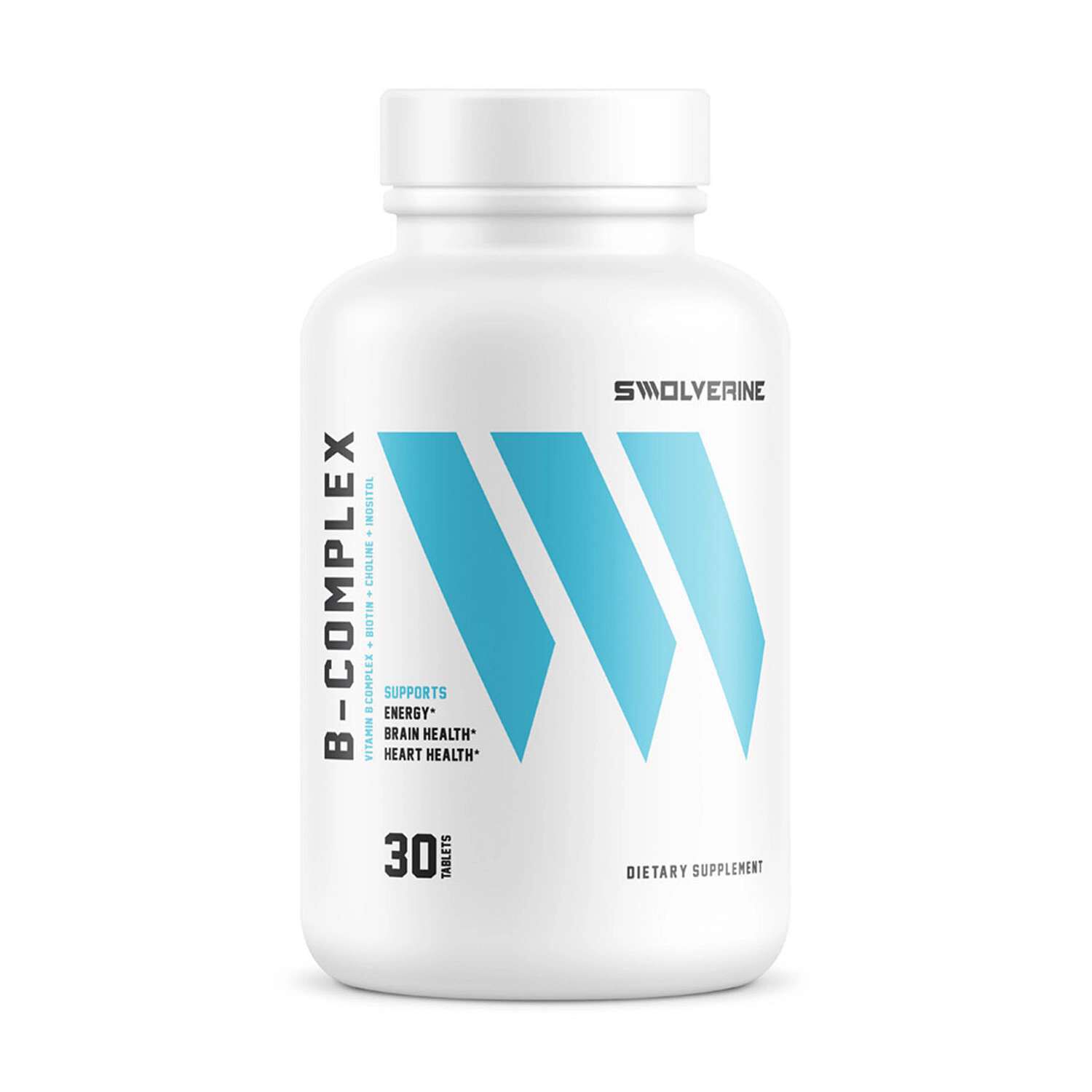

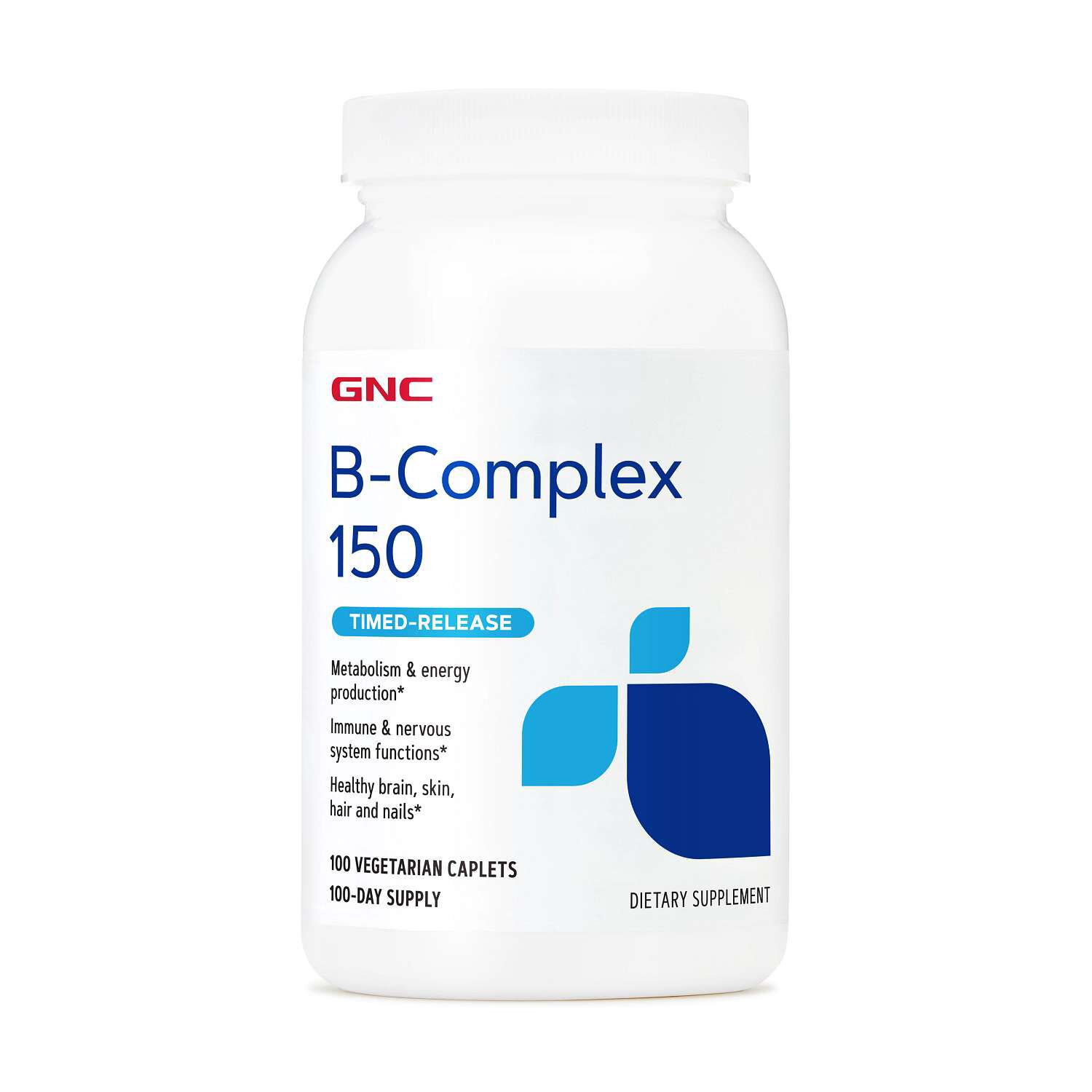
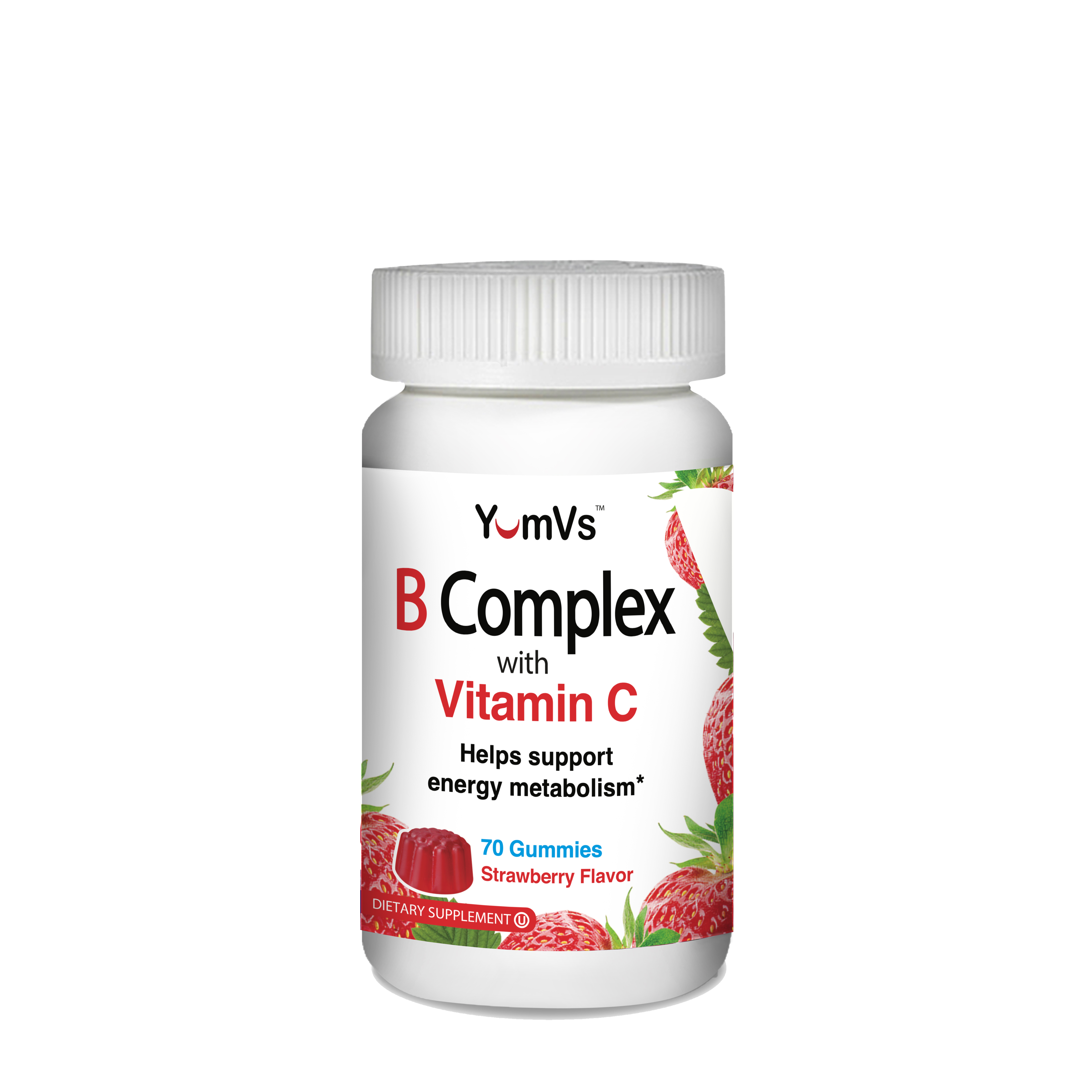
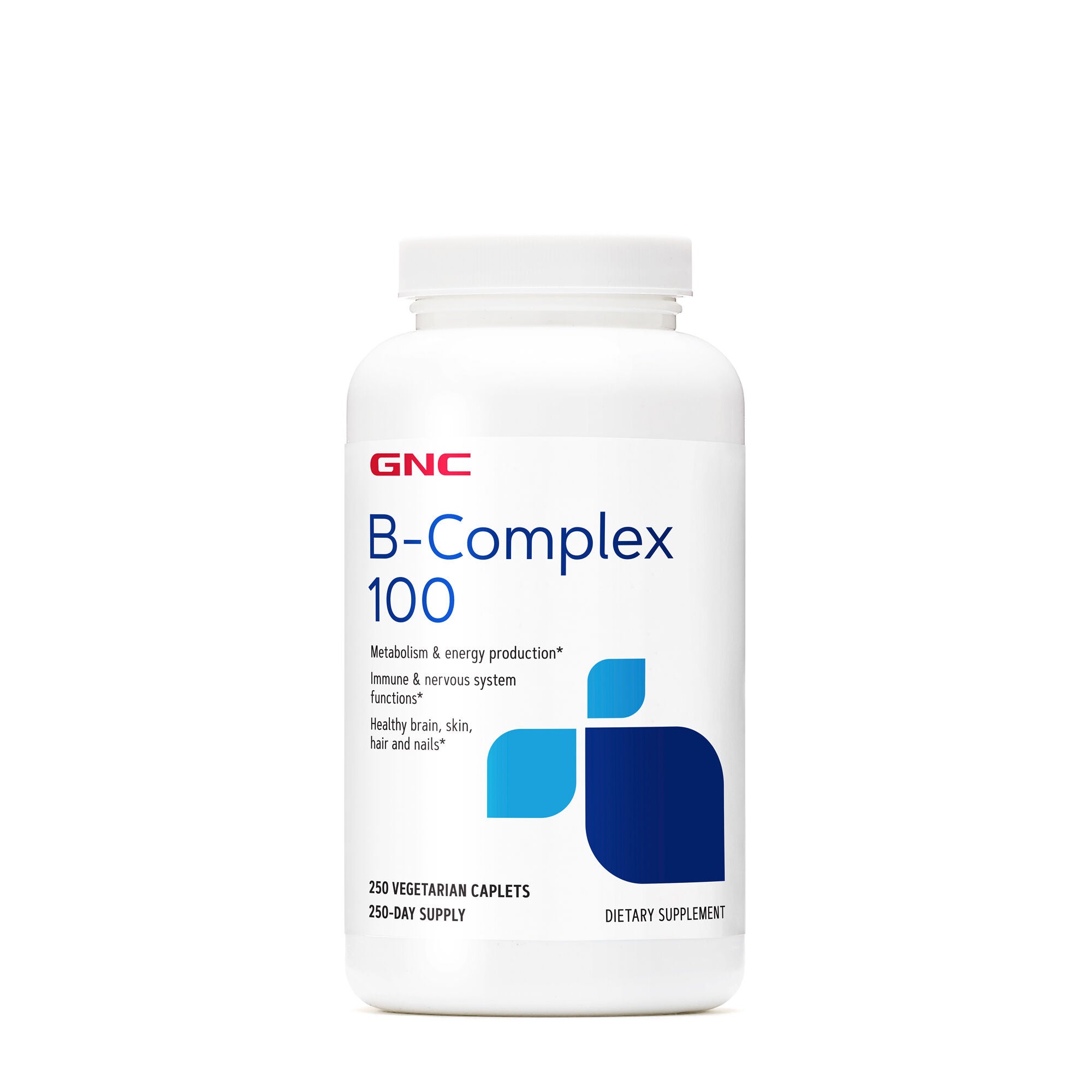
B complex with biotin refers to dietary supplements that combine biotin, also known as vitamin B7, with other members of the B vitamin family. A formula may include thiamin, riboflavin, niacin, pantothenic acid, vitamin B6, folate, vitamin B12, and biotin, although the exact combination and amounts vary by label. These nutrients belong to the water-soluble vitamin group and appear in a range of foods, including eggs, beans, whole grains, and leafy vegetables. As part of a varied eating pattern, a B complex supplement may support normal energy metabolism, the processes involved in using nutrients from food. Biotin is also a familiar ingredient in supplements intended for hair, skin, and nail routines. Its presence does not make every B complex a hair-focused formula, however; some emphasize a broader combination of B vitamins, while others give biotin a more prominent place in the ingredient profile. That distinction matters when comparing bottles with similar names. A single-ingredient biotin supplement and a B complex with biotin are not interchangeable descriptions: one centers on vitamin B7, while the other combines it with additional B vitamins. The Supplement Facts panel offers a more useful picture than the front label alone, showing which nutrients are present and how much each serving contains. For shoppers interested in everyday nutrition, the appeal may be having several B vitamins in one format rather than choosing separate bottles. For someone building a beauty-oriented routine, the same category may offer a way to consider biotin alongside other nutrients. Neither purpose makes the largest printed amount the best match for every shopper. The most meaningful comparison starts with the formula’s intended use, its serving size, and its fit with personal preferences. A product name can introduce the category, but the details on the label distinguish one approach from another.
Format is another practical consideration when browsing B complex with biotin supplements. Tablets, capsules, softgels, chewables, gummies, and liquids can differ in size, texture, flavor, and serving requirements. A bottle containing sixty capsules, for example, does not necessarily represent sixty servings; the serving size might specify more than one capsule. Comparing amounts per serving rather than per piece keeps that distinction clear. For someone who prefers a straightforward capsule, shell ingredients and capsule dimensions may matter more than flavor. A shopper who prefers a chewable may pay closer attention to texture, sweeteners, and the number of pieces in a serving. Liquids introduce different details, such as the measuring device and any preparation or storage directions on the package. Ingredient preferences also extend beyond the vitamins themselves. Capsule shells may use gelatin or plant-derived materials, while tablets can include binders and coatings. Gummies and chewables may contain added sugars, sugar alcohols, colors, or flavor ingredients. A plant-derived capsule shell does not, by itself, establish that every ingredient meets a vegan preference, so any dietary designation is worth checking on the finished formula’s label. The same careful reading applies to allergen statements and other ingredient exclusions. Within the Supplement Facts panel, biotin amounts are commonly expressed in micrograms, abbreviated mcg, while certain other B vitamins appear in milligrams, abbreviated mg. Those units are different, which makes a quick comparison based only on the printed numbers misleading. Percent Daily Value provides another reference point, but a larger percentage is not a personalized recommendation. Some labels also identify particular nutrient forms, such as the form of vitamin B12 or folate. These details describe composition rather than establishing that one formula will suit everyone. For shoppers comparing several similar options, matching the serving size, units, ingredient preferences, and format creates a clearer side-by-side view than relying on bold front-label language.
Intended use helps narrow the category further without treating every biotin-containing formula as the same experience. Someone browsing for a broad B vitamin combination may prioritize the range of vitamins listed, while a shopper interested primarily in hair-related nutrition may focus on how biotin fits within the formula’s larger ingredient profile. A B complex with biotin may support healthy-looking hair as part of a broader nutritional routine, but that possibility should not be confused with a predictable change in length, texture, or appearance. An oral supplement also serves a different purpose from a shampoo, conditioner, or styling serum, even when both feature biotin in their names. Shoppers exploring that more focused category can compare Biotin Complex Hair Supplements while keeping the full ingredient list and intended use in view. Practical fit extends to the routines surrounding the bottle. For someone who already keeps a multivitamin beside breakfast dishes, comparing the labels can reveal whether both formulas include the same B vitamins. For someone who travels often, package dimensions, a secure closure, and readable directions may be particularly useful considerations. Original packaging keeps the Supplement Facts, lot information, and date markings together rather than separating the contents from their identifying details. Storage requirements vary, so the package directions remain the reference for where to keep a supplement and whether a liquid needs refrigeration after opening. Moisture, an unsecured cap, or storage outside the stated conditions can affect the condition of the contents and packaging. A readable expiration or best-by date is another useful detail, especially when comparing bottle sizes with the listed serving count. Supplements are also a personal purchase: dietary preferences, preferred formats, and existing routines can make an unsolicited gift less suitable than a recipient-requested choice. Across this category, the most useful distinctions are often ordinary ones—the capsule a shopper prefers, the flavor they find agreeable, the label they can compare easily, and the packaging that suits their storage space. Together, those details give B complex with biotin a clearer place within a considered nutrition-shopping routine.