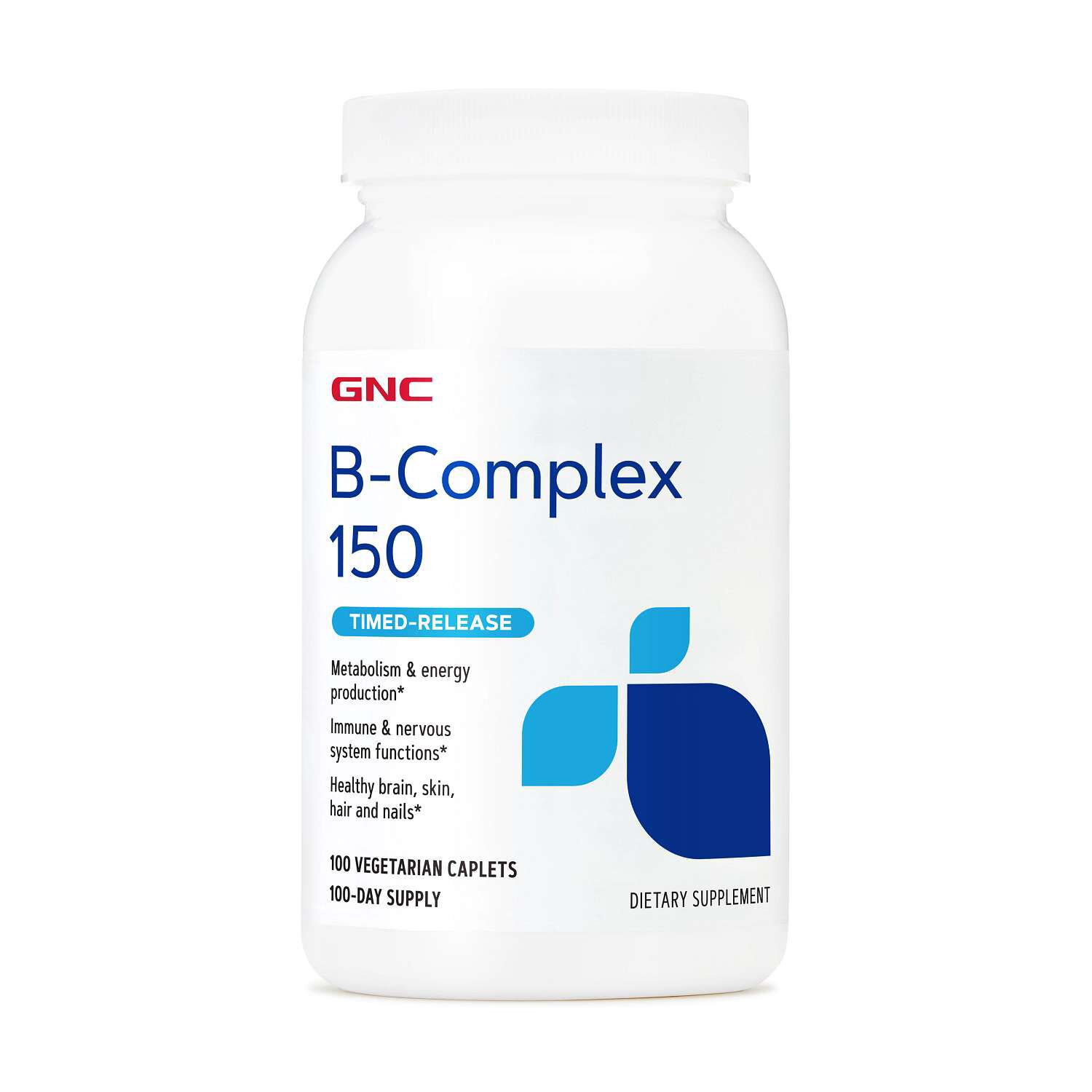
B Complex With Vitamin C Supplements
(0 Results)
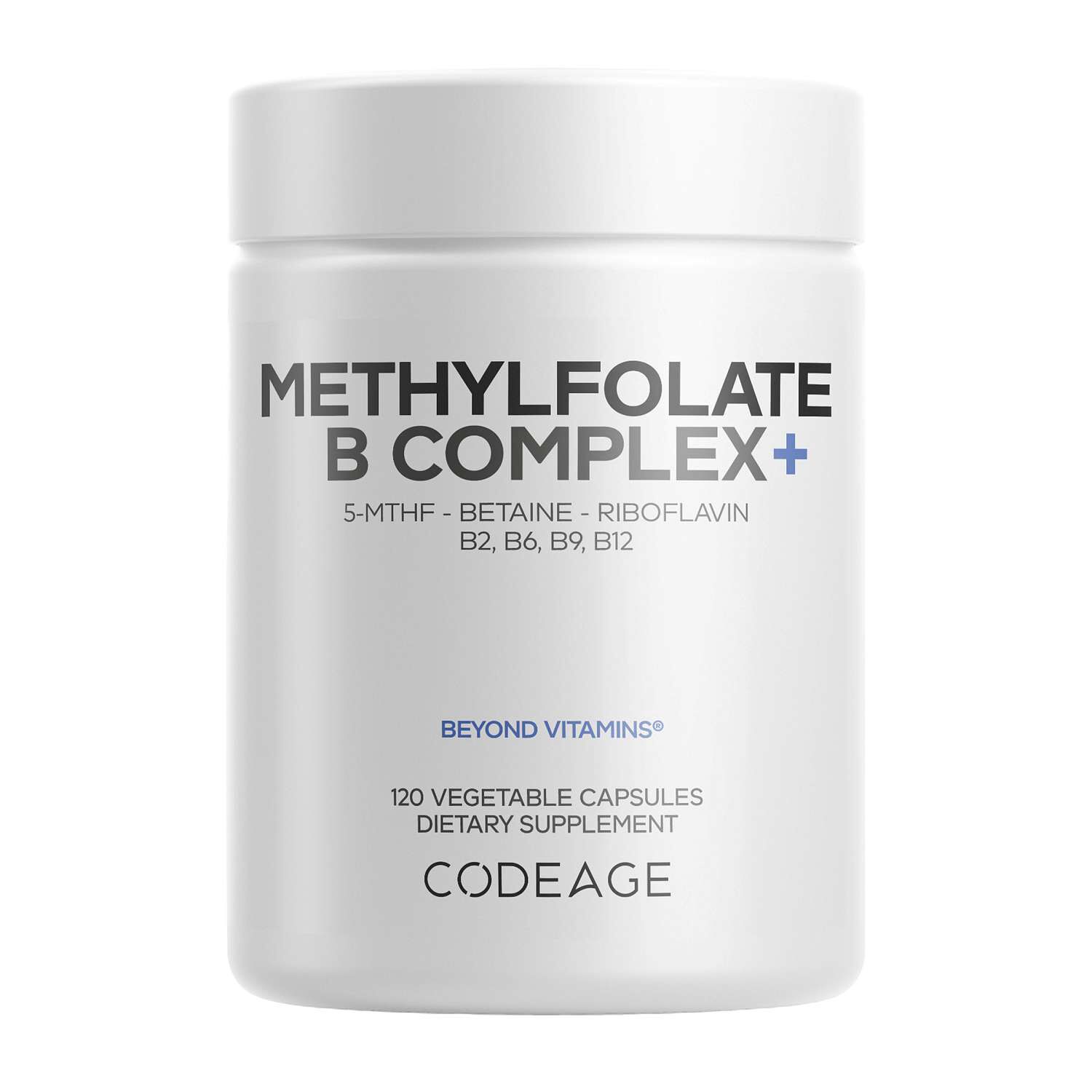
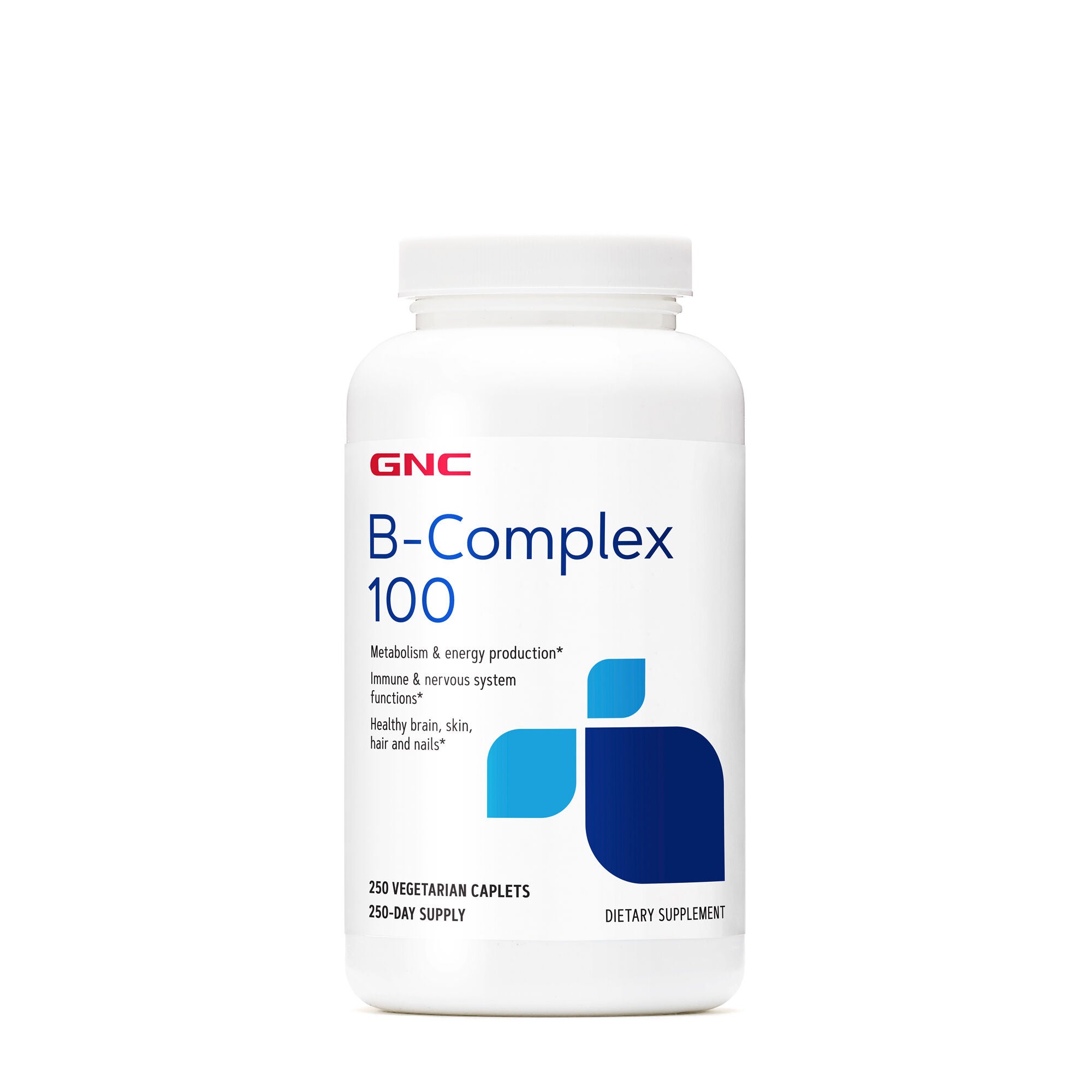
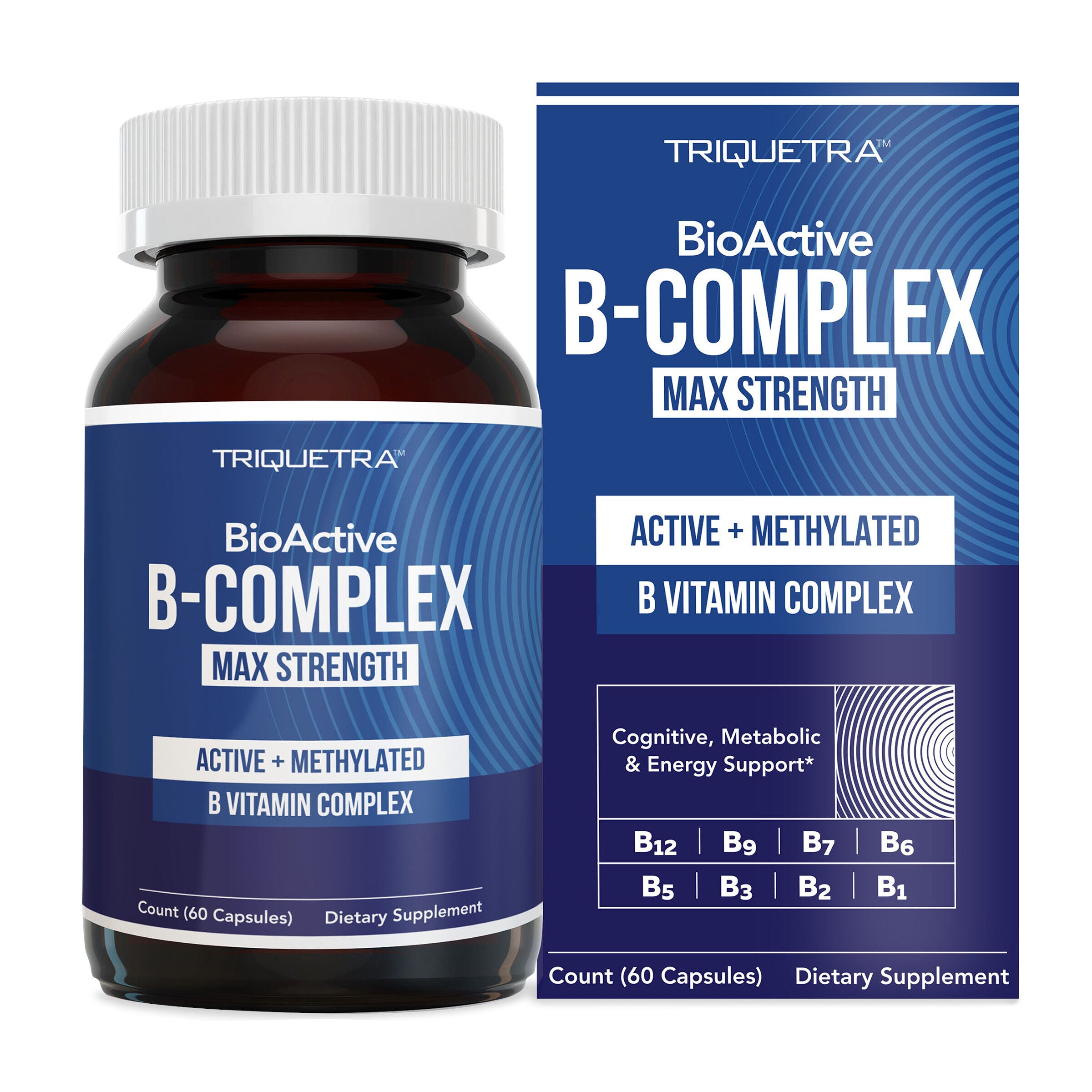
Boost your overall well-being with our B Complex with Vitamin C supplements. Packed with essential B vitamins like B1, B2, B3, and more, along with a powerful dose of Vitamin C, this dynamic combination is designed to support your immune system, energy levels, and overall health. Whether you're looking to combat stress, enhance your metabolism, or simply maintain optimal wellness, our B Complex with Vitamin C formula offers a convenient way to ensure you're getting all of these vital nutrients in one easy-to-take supplement.
-
 $15.99
 -
-

-
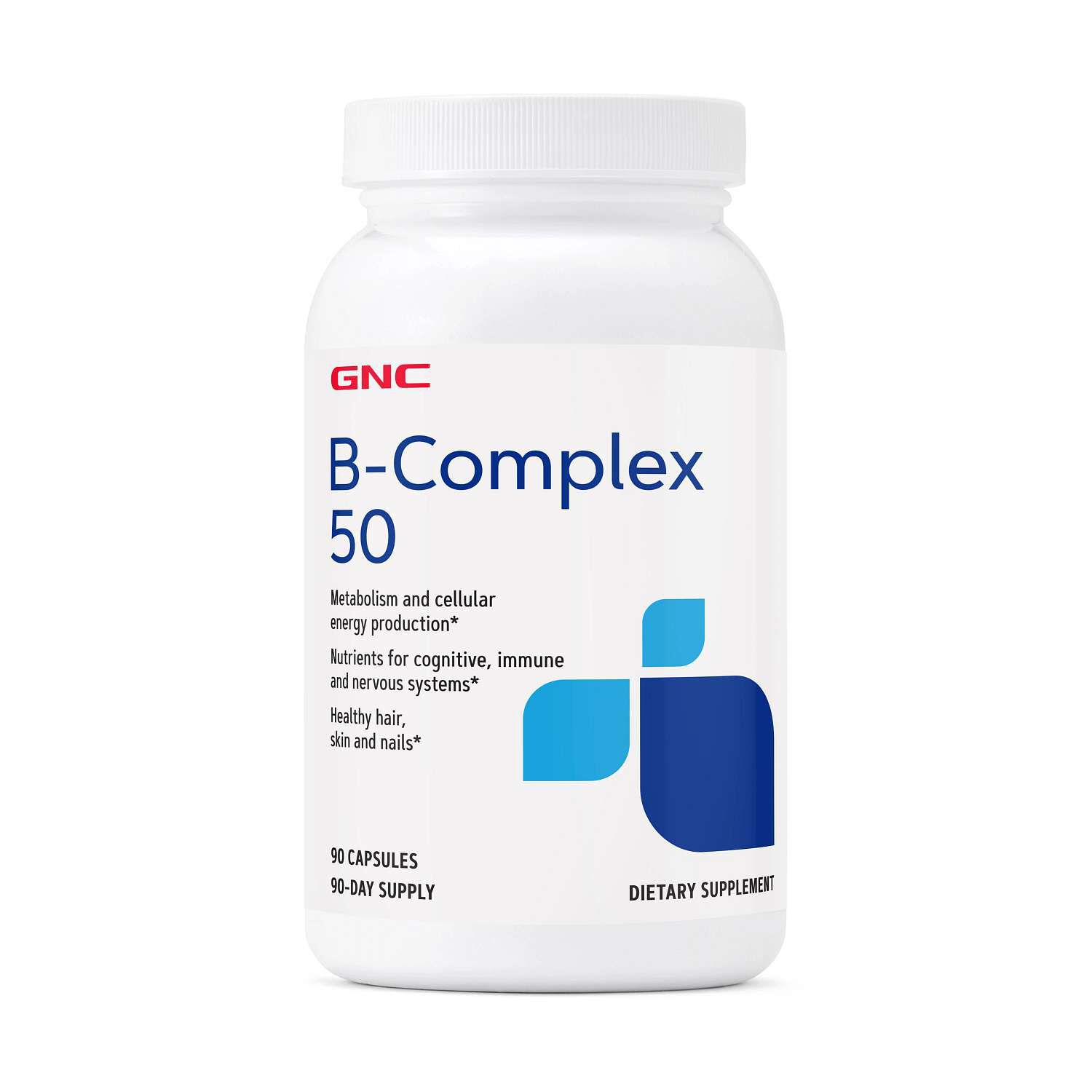
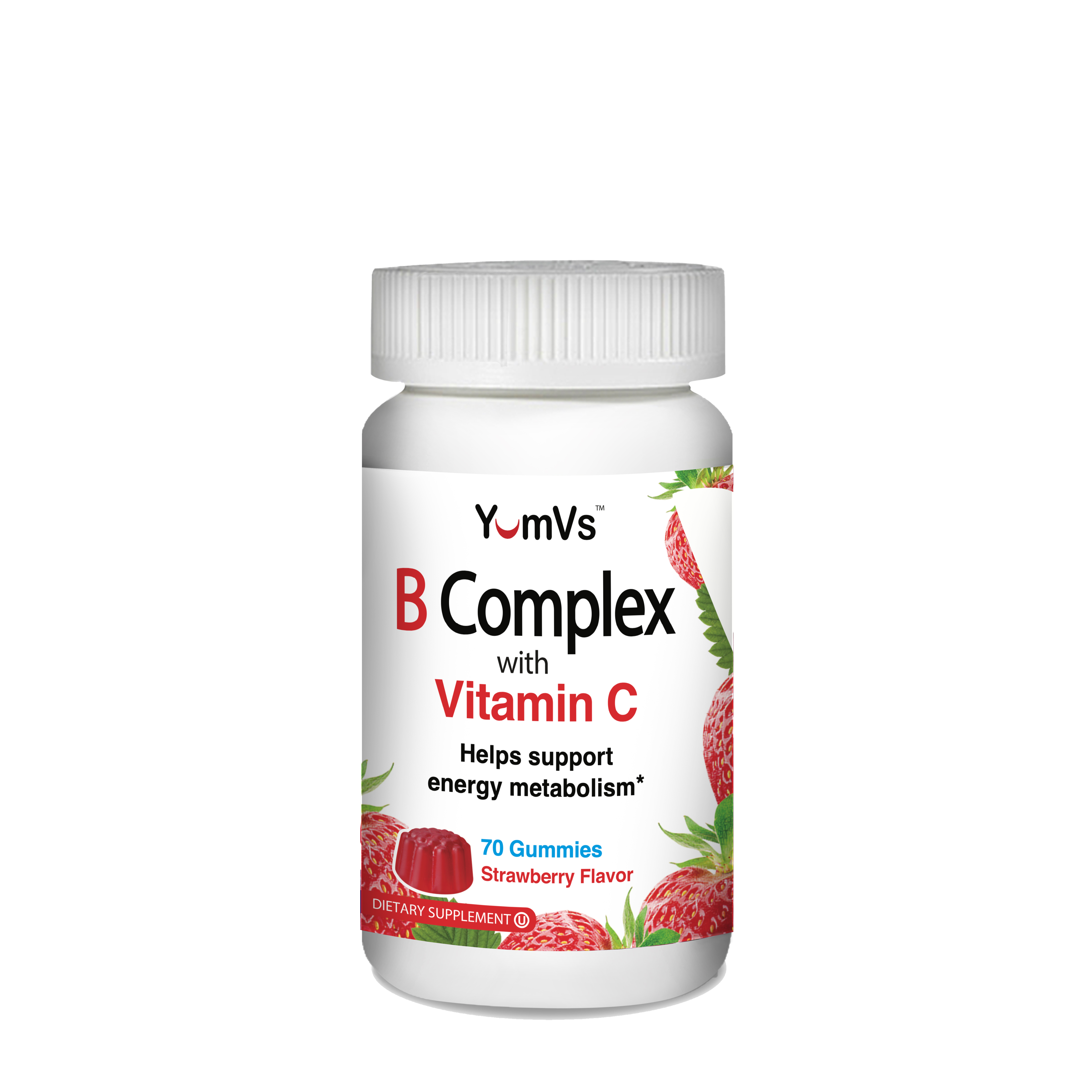
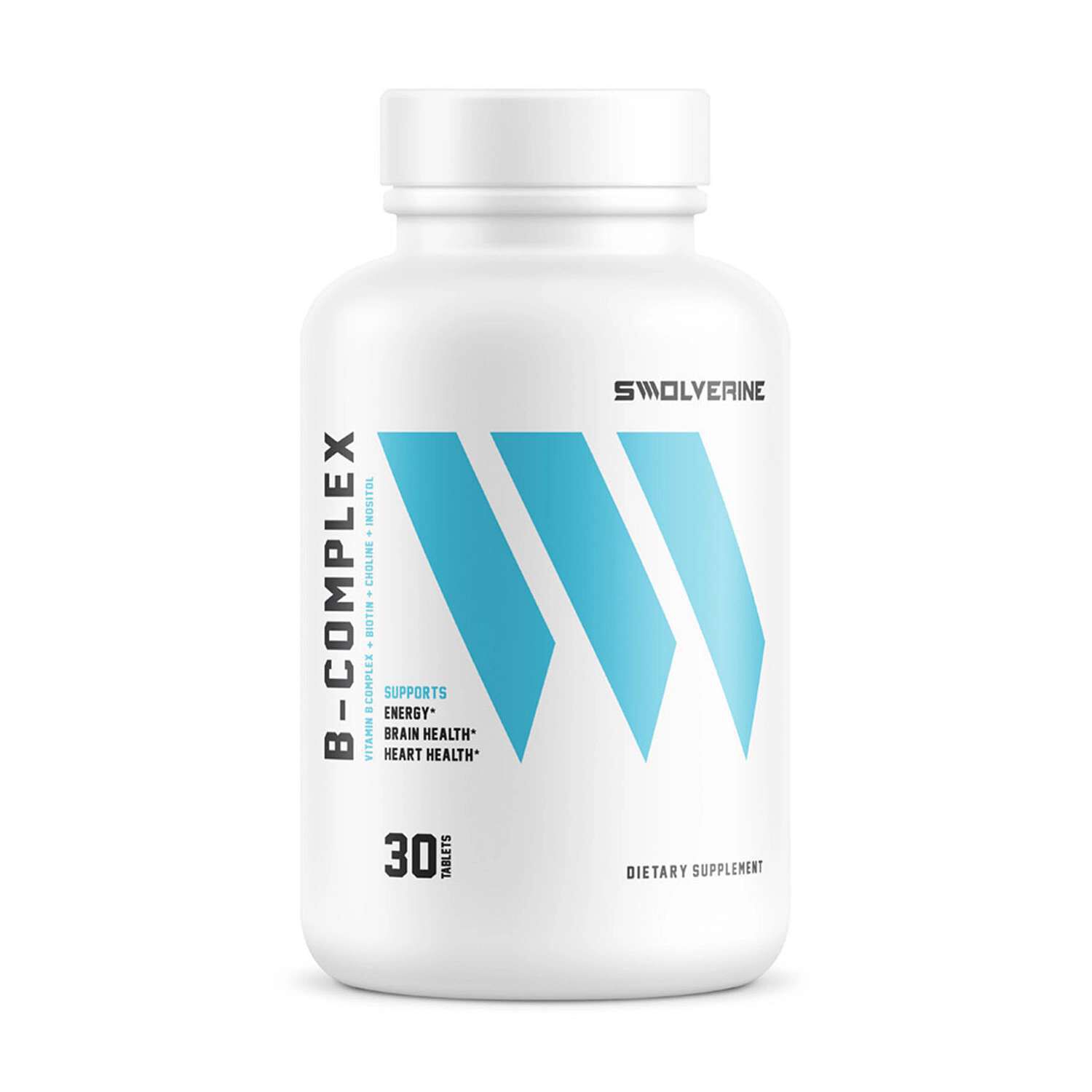
B-complex with vitamin C supplements bring together several B vitamins and vitamin C in a formula intended to complement dietary intake. These nutrients may support normal energy metabolism and help round out an everyday nutrition routine, depending on the formula and a person’s individual needs. The B-vitamin family includes thiamin, riboflavin, niacin, pantothenic acid, vitamin B6, biotin, folate, and vitamin B12. A B-complex name alone does not establish which of these nutrients a formula contains or how much it provides; the Supplement Facts panel supplies those details. Vitamin C adds another nutrient to the combination, with its amount and source listed on the label. Together, these ingredients create a focused supplement category for adults interested in B vitamins alongside vitamin C rather than a broader assortment of vitamins and minerals. That distinction is useful when browsing: a B-complex combination is not necessarily a multivitamin, and two bottles with similar names can have different ingredient profiles. Some formulas emphasize a straightforward selection of B vitamins and vitamin C, while others include additional nutrients or botanical ingredients. Reading beyond the front label makes those differences easier to recognize. For someone who likes a simple morning routine, a combined formula could mean fewer separate containers to organize, although serving size and directions still vary. For another shopper, the main consideration may be finding a format that fits comfortably into an established routine at home or during travel. These products are intended as dietary supplements, not as substitutes for varied meals. Their role is best understood in the context of food, personal preferences, and the rest of a supplement routine. A useful comparison begins with the actual nutrients, serving amounts, and directions rather than the size of the bottle or the prominence of a number on its front. This keeps the focus on what a formula contains and how it is intended to be used.
The details inside a B-complex with vitamin C formula can be just as important to a purchase decision as the nutrient names themselves. Labels may identify vitamin B12 as cyanocobalamin or methylcobalamin, vitamin B6 as pyridoxine hydrochloride or pyridoxal-5-phosphate, and vitamin C as ascorbic acid or a mineral ascorbate. These names describe ingredient forms; they do not, by themselves, establish that one supplement is the better choice for every shopper. Folate labeling may also include dietary folate equivalents, abbreviated as DFE, alongside information about the ingredient source. Amounts may appear in milligrams or micrograms, so matching the units is part of making a meaningful comparison. The percent Daily Value provides another point of reference, but a larger percentage is not automatically a reason to select a formula. Serving size deserves equal attention. A bottle labeled with a certain number of capsules may provide a different number of servings if its directions call for more than one capsule per serving. Tablets and capsules also differ in their construction: tablets generally contain compressed ingredients, while capsules use a shell that may be made from gelatin or plant-derived material. Coatings, binders, and other listed ingredients help explain the physical format. Shoppers with dietary preferences can look for clearly stated vegetarian or vegan suitability rather than making assumptions from the nutrient list. Any allergen statements and the Other Ingredients section are also worth reviewing when comparing formulas. Where chewable, gummy, powdered, or liquid formats are considered, flavorings, sweeteners, texture, preparation, and measuring directions become additional purchase considerations. A flavored format may appeal to someone who dislikes conventional tablets, while another person may prefer an unflavored capsule without a mixing step. Descriptions of tablet or capsule dimensions, when provided, can help clarify what to expect. The most useful product details are concrete ones: what is inside, how much constitutes a serving, what the format involves, and whether those characteristics match the shopper’s preferences.
Everyday fit extends beyond the ingredient panel to packaging, storage, and the practical details of maintaining a routine. A screw-top bottle, a clearly printed label, and directions that are easy to locate can matter when a supplement shares cabinet space with several other products. Keeping the original packaging preserves access to the ingredient list, serving instructions, expiration date, and lot information. Storage directions also deserve attention, particularly in spaces exposed to moisture, such as a bathroom counter beside a shower. Secure closure and storage according to the label help protect the condition of the contents; packaging is part of product care, not simply presentation. For travel, a bottle’s dimensions and closure may matter more than an oversized container that looks substantial on a shelf. Someone packing for a business trip might value a compact container with readable directions, while someone organizing a shared household cabinet might prioritize labels that are easy to distinguish. These are practical differences rather than reasons to expect different nutritional results. B-complex with vitamin C supplements may appeal to adults who prefer a focused combination of nutrients, including those comparing a combined formula with separate B-vitamin and vitamin C supplements. When other supplements are already part of the picture, their labels provide context for recognizing repeated ingredients. A broader formula may be a different category to explore, and Multivitamin Supplements With Vitamin C and D offers a related starting point for comparing that approach with a more focused B-complex combination. The categories should not be treated as interchangeable: nutrient selections, amounts, serving formats, and intended users can differ. As a personal purchase, the strongest match is one whose labeled characteristics align with the shopper’s stated preferences and intended use. As a gift, supplements are a more personal choice than a shaker cup or storage organizer, making the recipient’s expressed preferences especially relevant. Whether the priority is a plant-derived capsule shell, a straightforward ingredient list, a manageable serving format, or clearly documented nutrient forms, careful comparison can keep the choice grounded in the details that matter for everyday use.