Vitamin B6 Supplements For Supplement Stacks
(0 Results)
Vitamin B6 supplements for supplement stacks could be a smart addition to your daily wellness routine. Whether you’re building a personalized stack or looking to support your overall nutrition, these options may fit seamlessly alongside other vitamins and minerals. Explore a range of vitamin B6 supplements for supplement stacks that are designed to suit various lifestyles and preferences, making it easy to find the right fit for your goals.


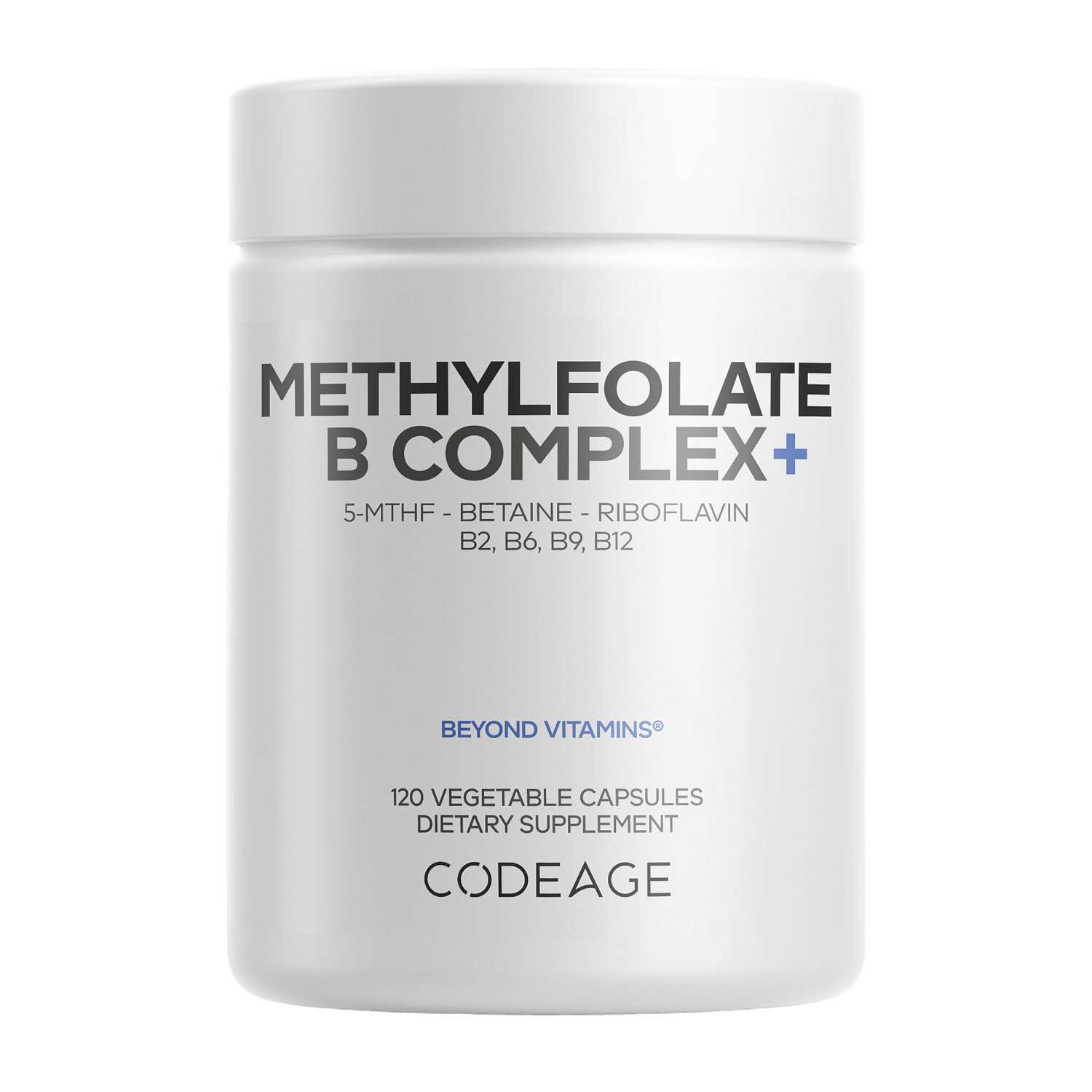
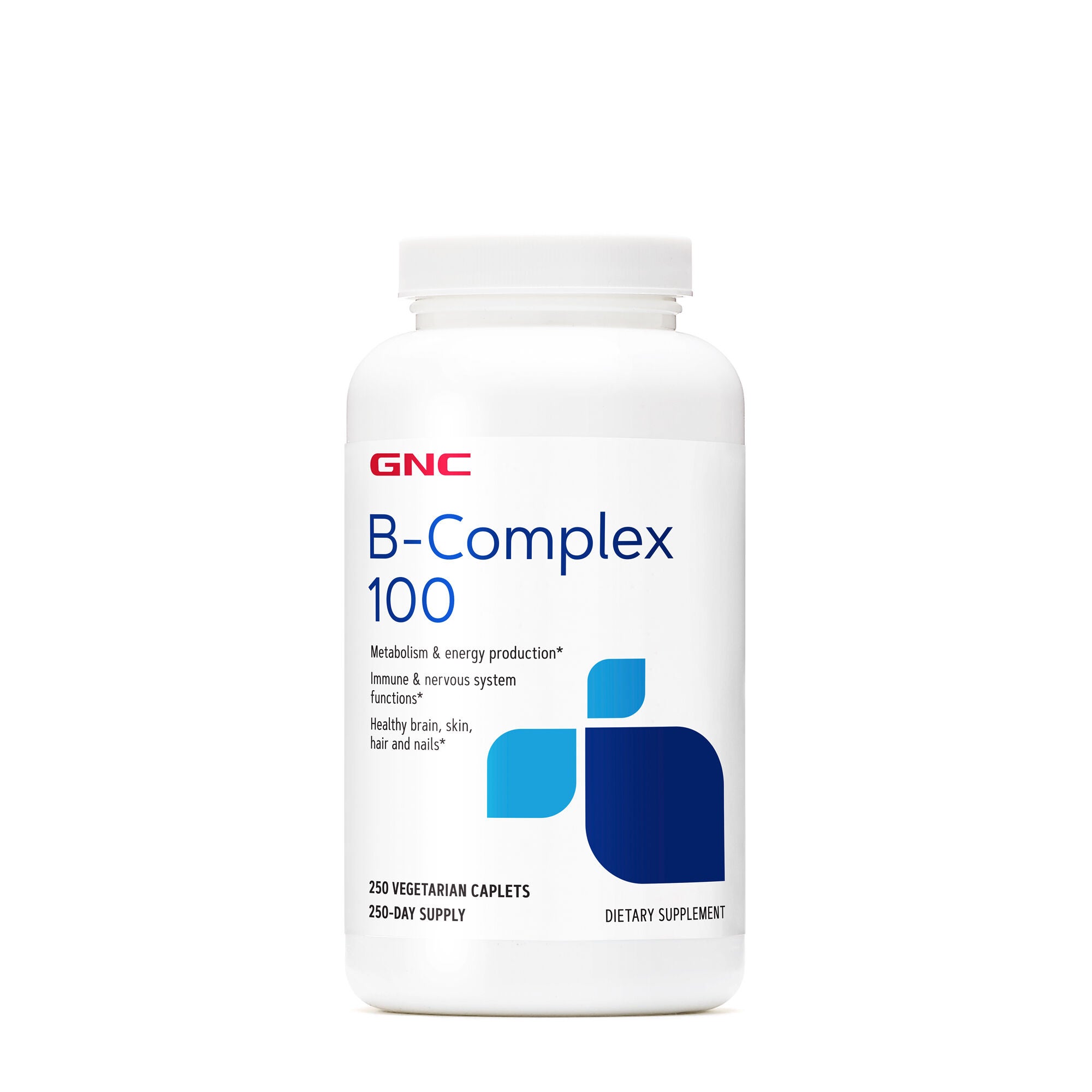
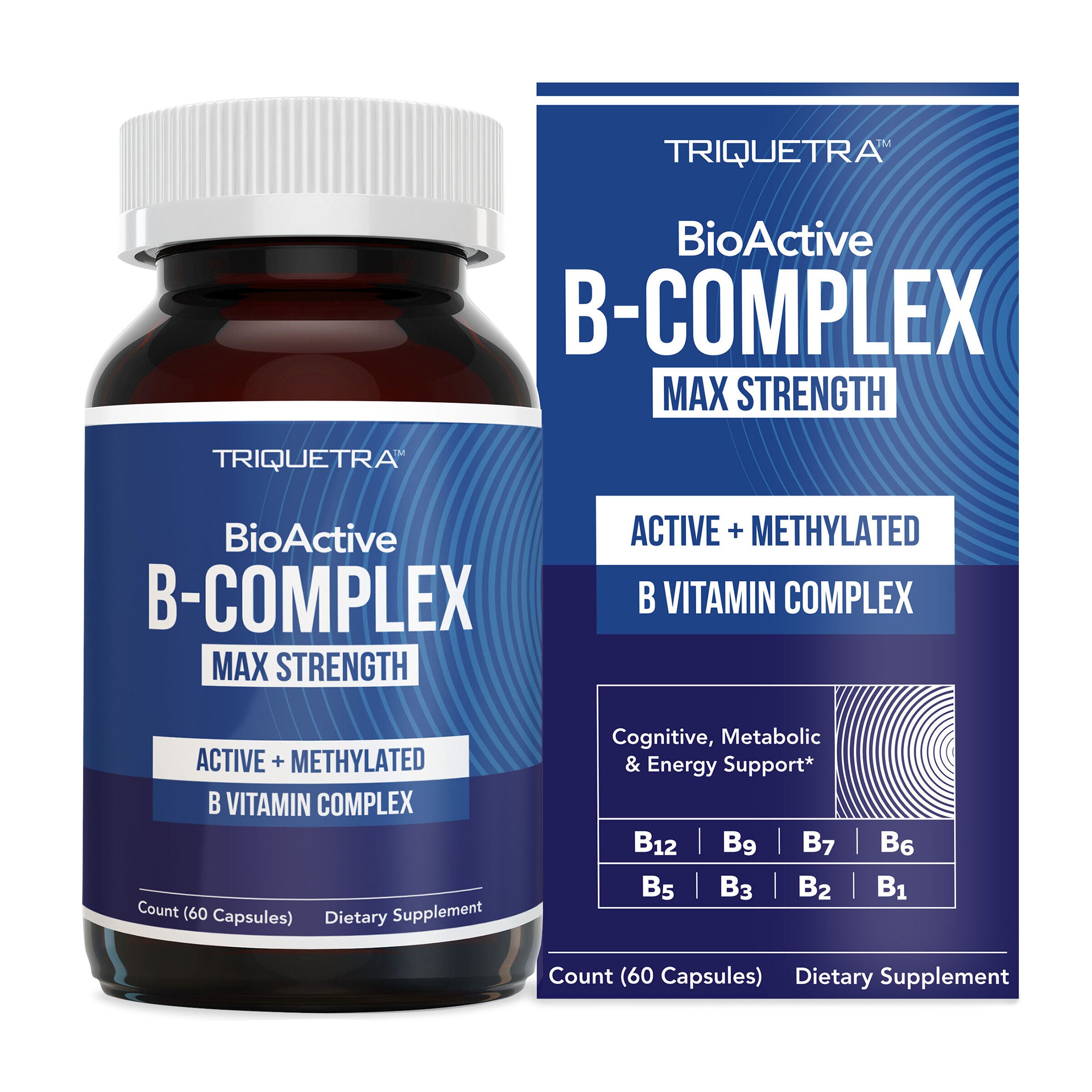


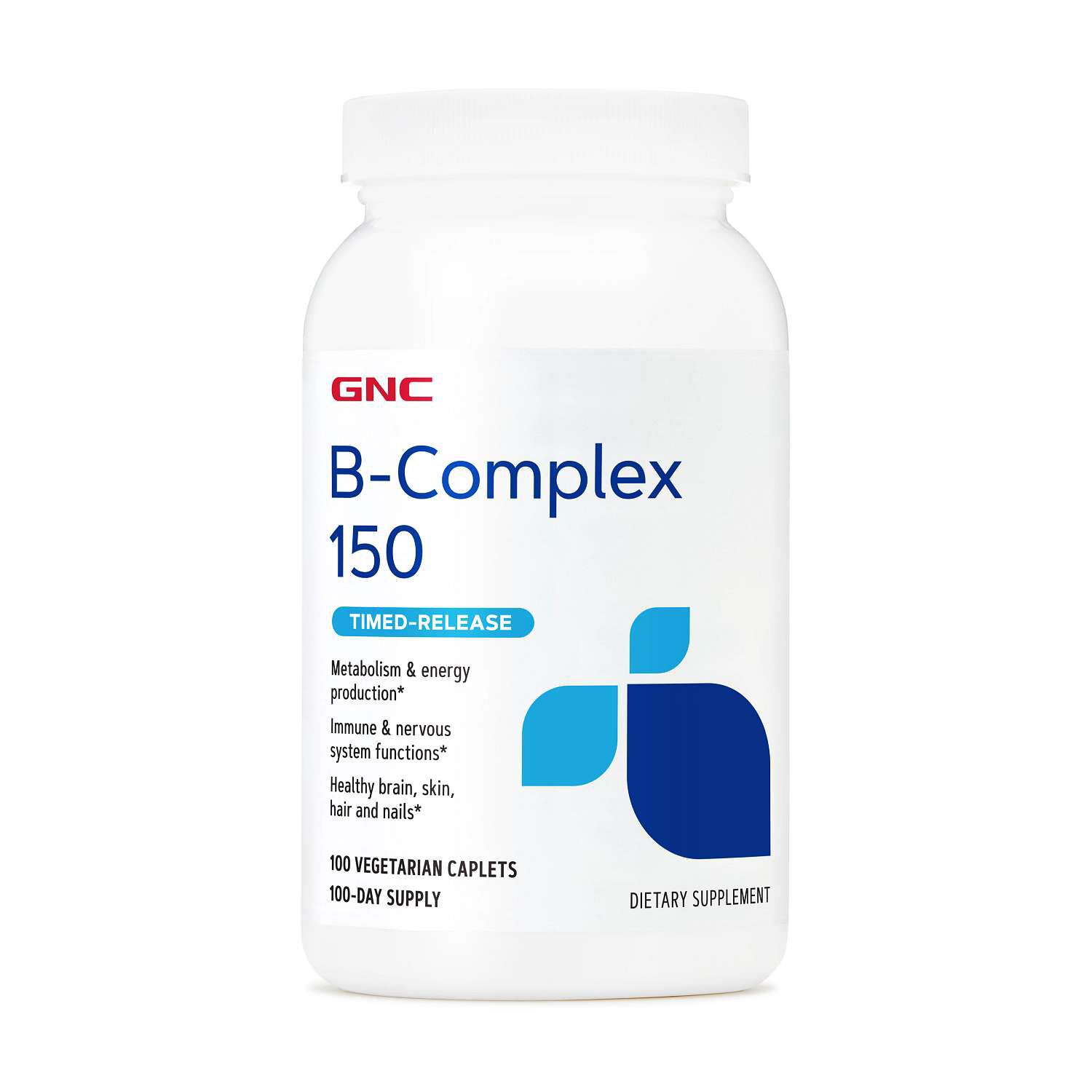
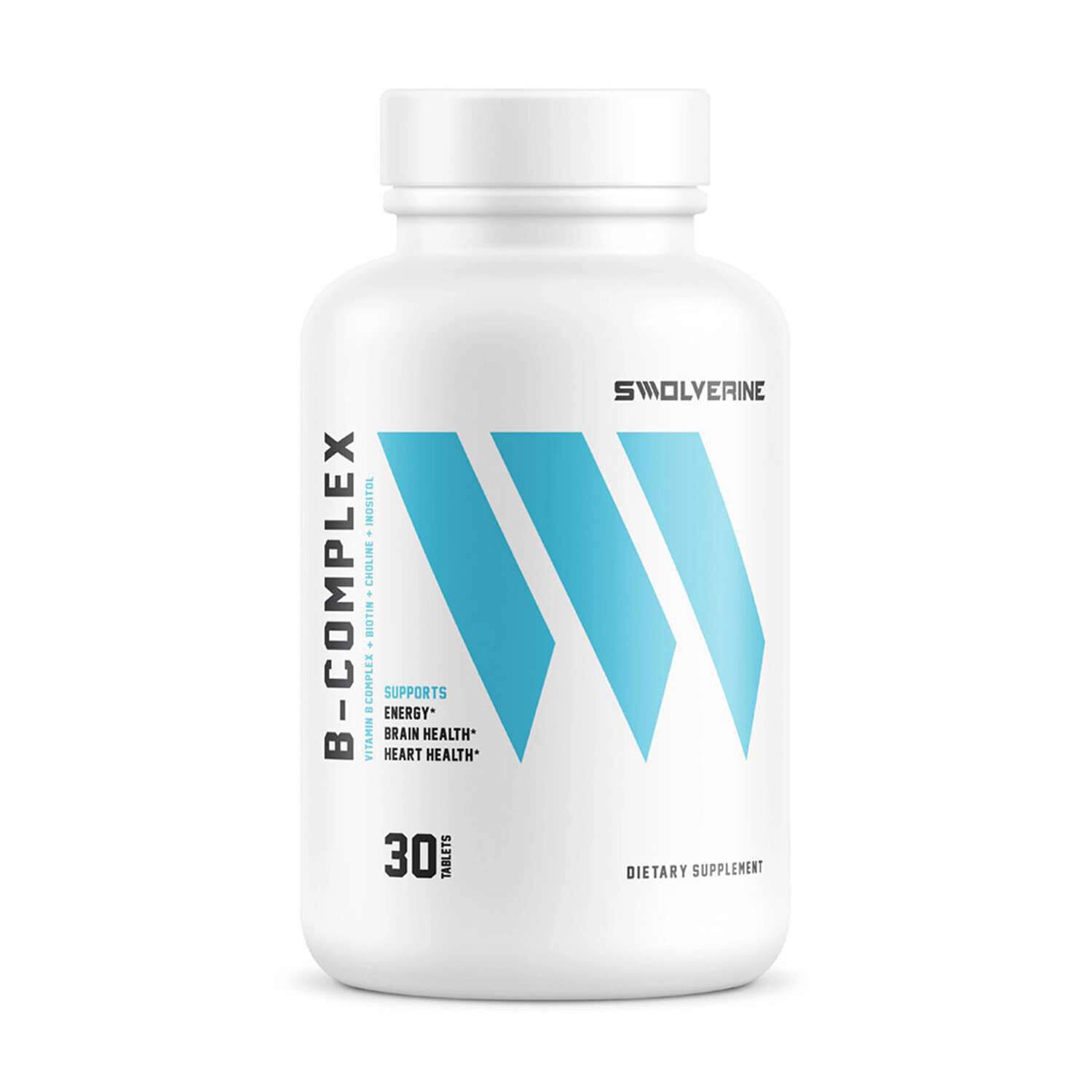
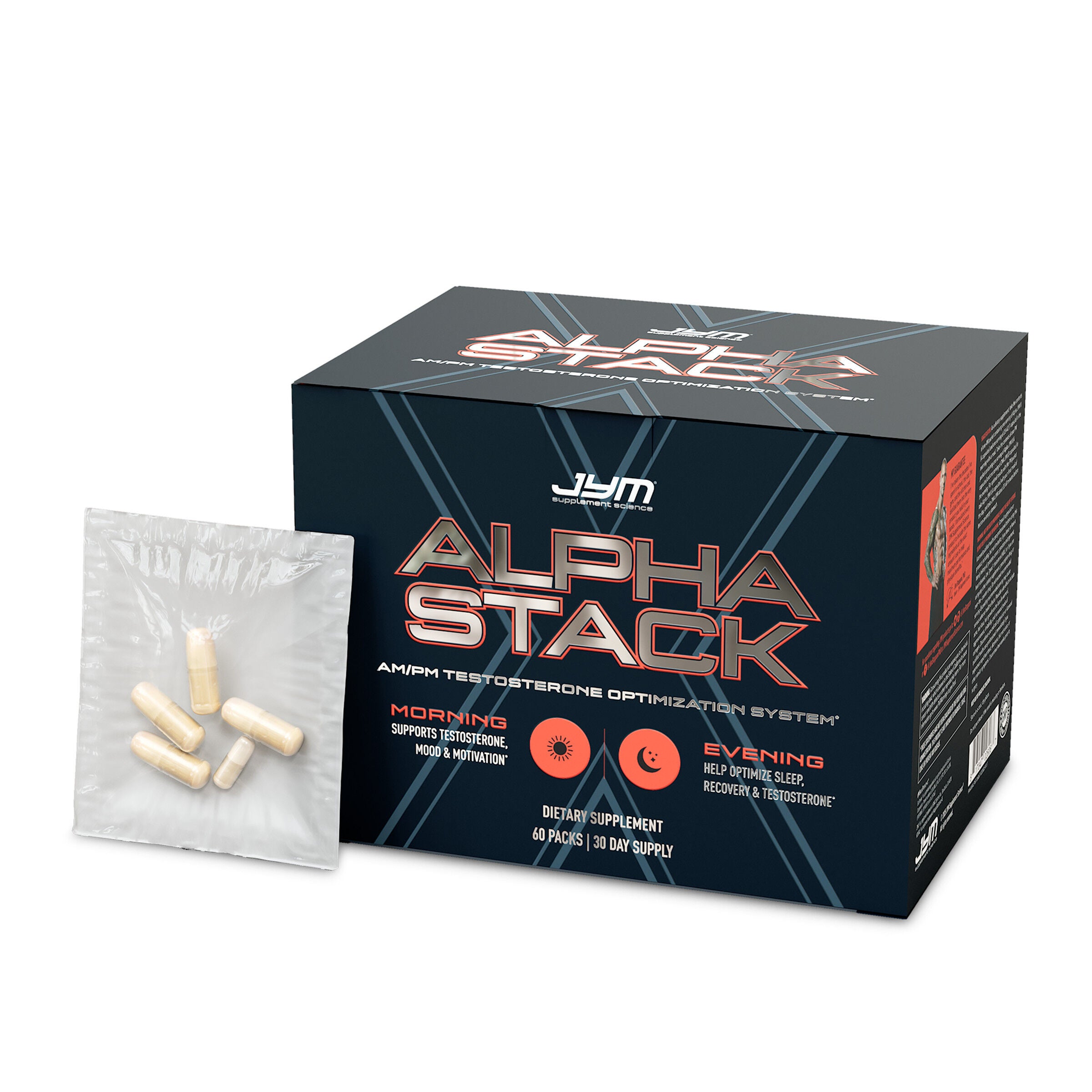

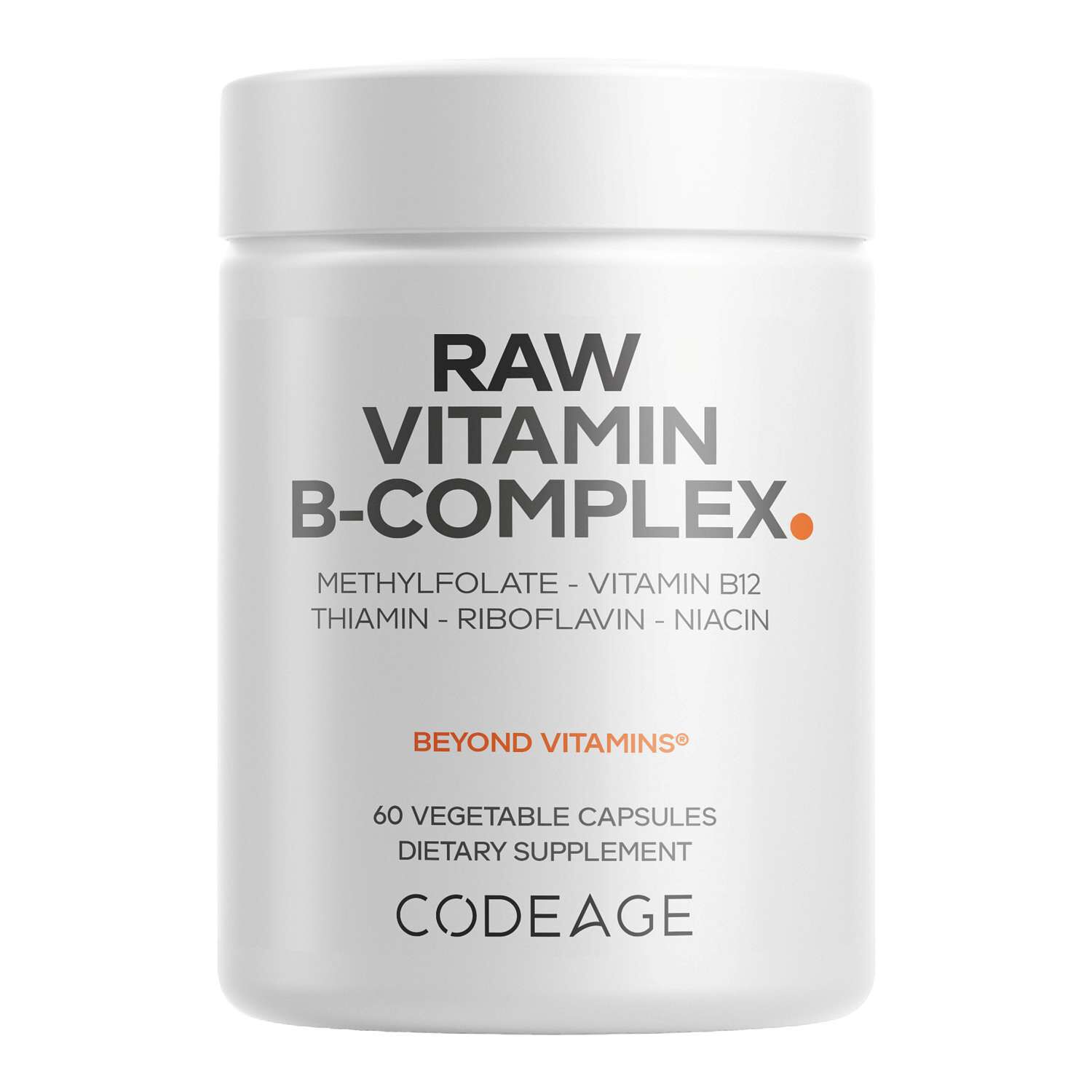


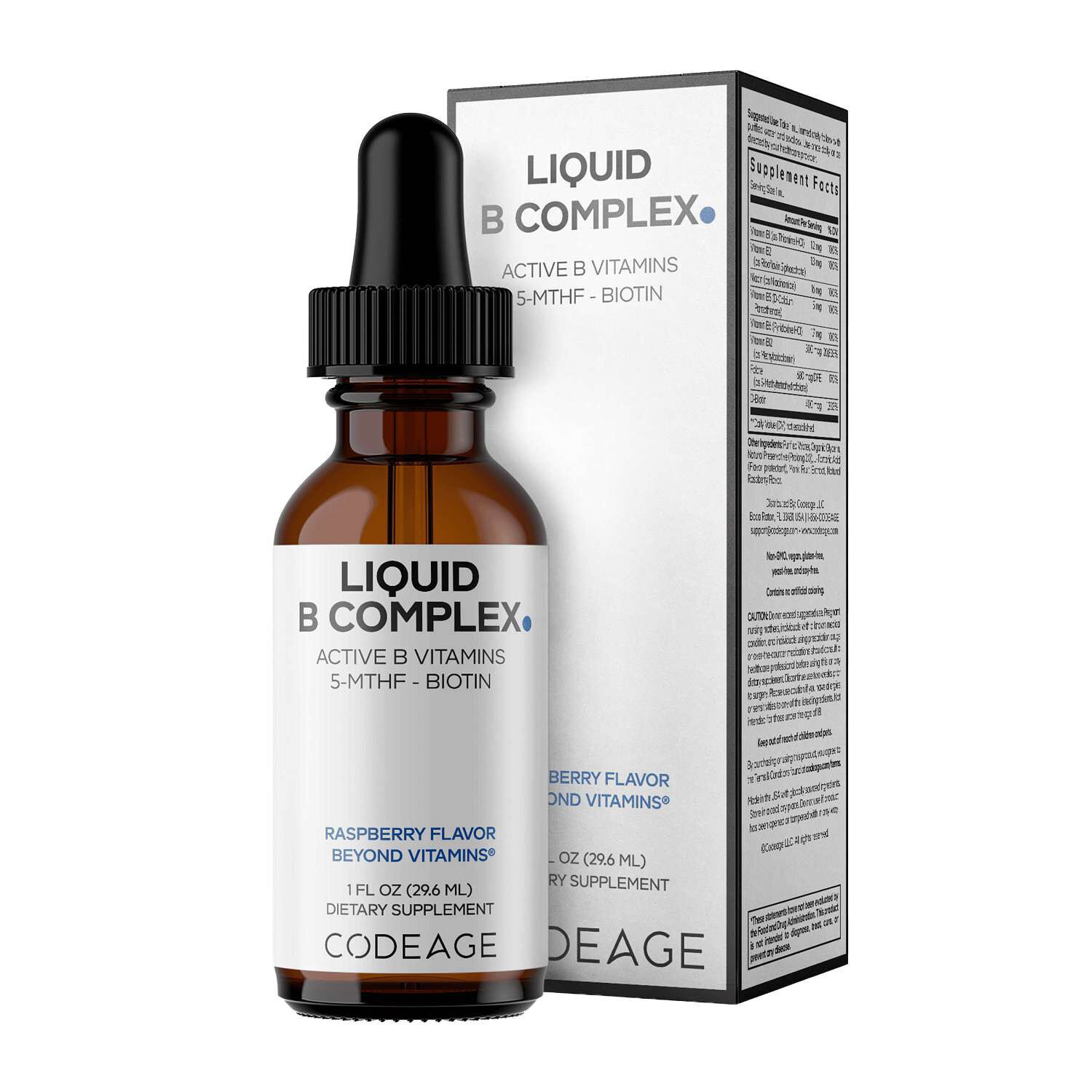
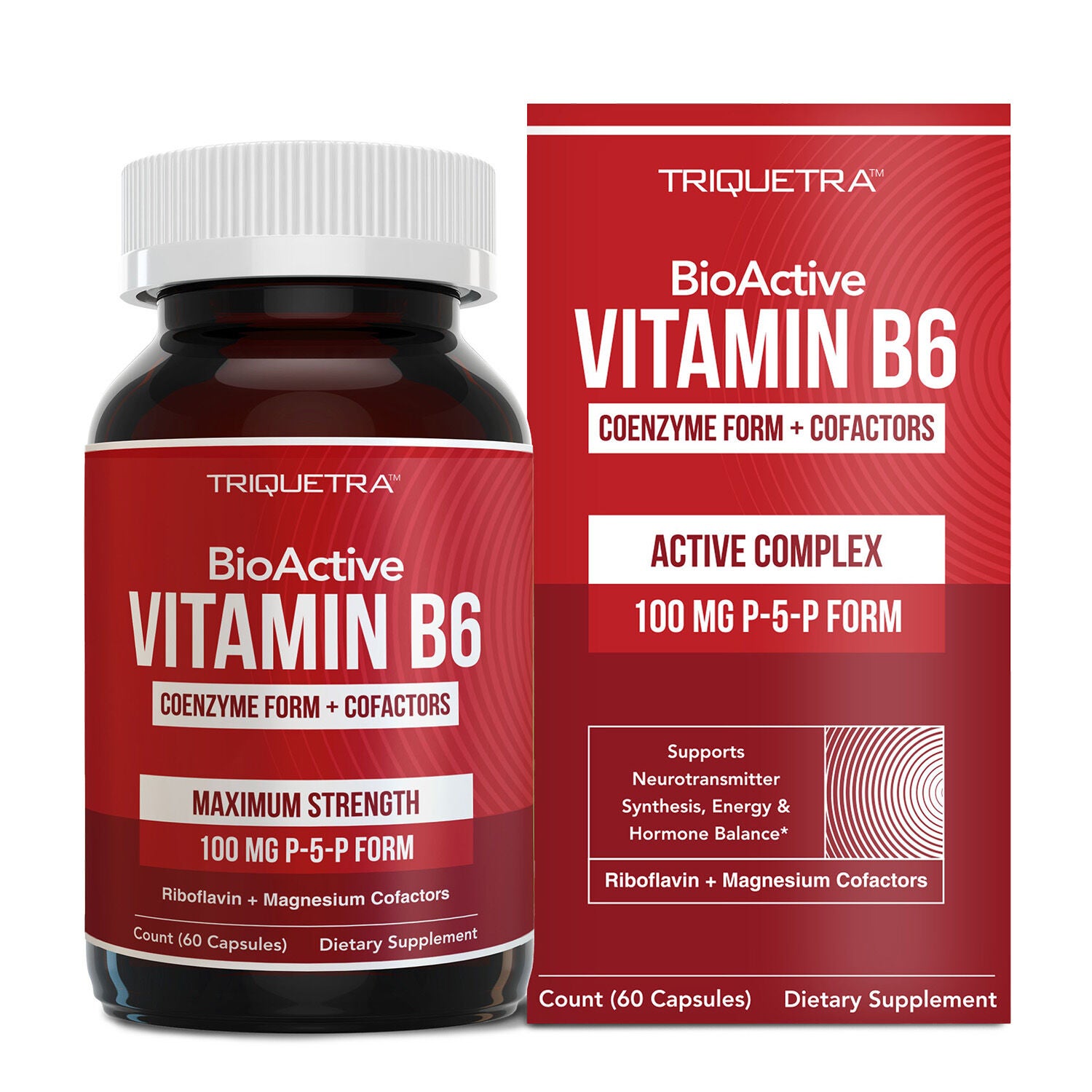

Vitamin B6 supplements for supplement stacks bring a single nutrient into focus within a broader nutrition routine. A supplement stack is a group of supplements used as part of the same routine; the term does not mean that every serving belongs in the same bottle, drink, or moment of the day. For shoppers comparing B6 options, useful distinctions include the ingredient form, serving size, delivery format, and other nutrients included in the formula. Vitamin B6 may support normal energy metabolism, including the body’s use of nutrients from food, and may support normal protein metabolism. Those roles give it a place in everyday nutrition without making it interchangeable with protein powder, a meal, or a caffeinated beverage. B6 appears in foods as well as supplements, so a bottle represents one part of a wider dietary picture. Two names frequently seen on labels are pyridoxine hydrochloride, often written as pyridoxine HCl, and pyridoxal-5-phosphate, commonly shortened to P-5-P or P5P. Pyridoxine HCl is a widely used supplemental form, while P5P is a coenzyme form of vitamin B6. These names describe the ingredient rather than the capsule size, serving amount, or number of other ingredients in the bottle. A P5P formula and a pyridoxine HCl formula can differ in several ways beyond that name, making the full label more informative than a front-panel phrase alone. Single-nutrient B6 supplements place the emphasis on B6 itself, while B-complex formulas combine several B vitamins and multivitamins cover a broader range of nutrients. Someone with an established multivitamin routine may approach that distinction differently from someone comparing individual nutrients for the first time. The category is about finding a format and formula suited to the routine being considered, rather than treating every bottle carrying a B6 name as equivalent.
Label details become especially relevant when B6 sits beside other supplements on a kitchen shelf or in a daily organizer. A multivitamin, a B-complex formula, and a mineral blend can each include vitamin B6, even when B6 is not the largest wording on the package. That overlap is a meaningful consideration when comparing a stand-alone B6 supplement with a combination formula. The Supplement Facts panel identifies the amount of vitamin B6 per serving, while the serving-size line explains whether that amount comes from one tablet, two capsules, or another measured portion. The number of pieces in a bottle and the number of servings are not always the same. Milligrams, abbreviated mg, describe the nutrient amount, whereas the percentage Daily Value provides a separate labeling reference. Neither a larger number on the front panel nor a longer ingredient list, by itself, establishes a better fit for a particular routine. Side-by-side comparisons are more useful when they account for the labeled serving rather than assuming that every capsule represents an equivalent amount. Magnesium is another nutrient that shoppers may encounter alongside B6, either in a combination formula or in a separate bottle. Their appearance together does not make the nutrients interchangeable or establish one universal schedule for using them. A combination formula also differs from two separate supplements in how its ingredients and serving instructions are organized. For someone who prefers fewer containers, that distinction may matter as much as the ingredient names. For someone who already uses a multivitamin, the presence of B6 elsewhere in the routine is another relevant detail. Other ingredients deserve attention as well: capsule shells, tablet coatings, sweeteners, flavors, and declared allergens can vary across formats. These are practical differences for shoppers with dietary preferences or a strong preference about taste and texture. A clearly described formula makes it easier to distinguish the nutrient itself from the materials used to deliver it, without relying on packaging imagery or broad wellness language.
The physical format of a vitamin B6 supplement can influence how comfortably it fits into an ordinary day. Tablets and capsules offer measured portions without mixing, while chewable and liquid formats bring different considerations around texture, flavor, and measuring. Capsule shell materials vary, and a tablet’s coating or dimensions may matter to someone who has a definite preference about how supplements feel during use. Liquid formulas have their own serving measurements and label directions, so they are not directly comparable with a capsule simply by looking at container size. A home routine built around breakfast presents a different organizational setting from a workday that includes a packed lunch and an afternoon away from home. Packaging details such as closure style, label readability, and container dimensions can therefore be practical parts of the comparison. The original container also keeps the ingredient list, serving directions, storage information, and date markings together. For bottle care, the stated storage conditions and any handling directions are more relevant than treating every format alike; a liquid may have different requirements from a dry tablet. Intended use is another useful distinction. Some shoppers browse B6 as an individual addition to an existing routine, while others compare it with broader B-vitamin formulas or look at it through the lens of everyday activity. The related collection of Vitamin B6 Supplements For Energy Support offers another way to explore that focus. Energy-related wording still leaves important formula questions open, including whether a supplement contains only B6 or includes other ingredients. A straightforward comparison brings those details back into view: the form of B6, the amount in a labeled serving, the delivery format, and its presence elsewhere in the routine. Together, these characteristics describe what a supplement contains and how it is presented, giving shoppers a more concrete basis for comparing options than a broad category name alone.