Vitamin B6 Supplements For Metabolism
(0 Results)
Vitamin B6 supplements for metabolism are a popular choice for those looking to support their daily wellness routines. Featuring a range of options designed to fit different lifestyles and preferences, these supplements may offer an easy way to help maintain your nutritional goals. Explore vitamin B6 supplements for metabolism that could complement your balanced diet and active lifestyle, making it simple to prioritize your well-being every day.

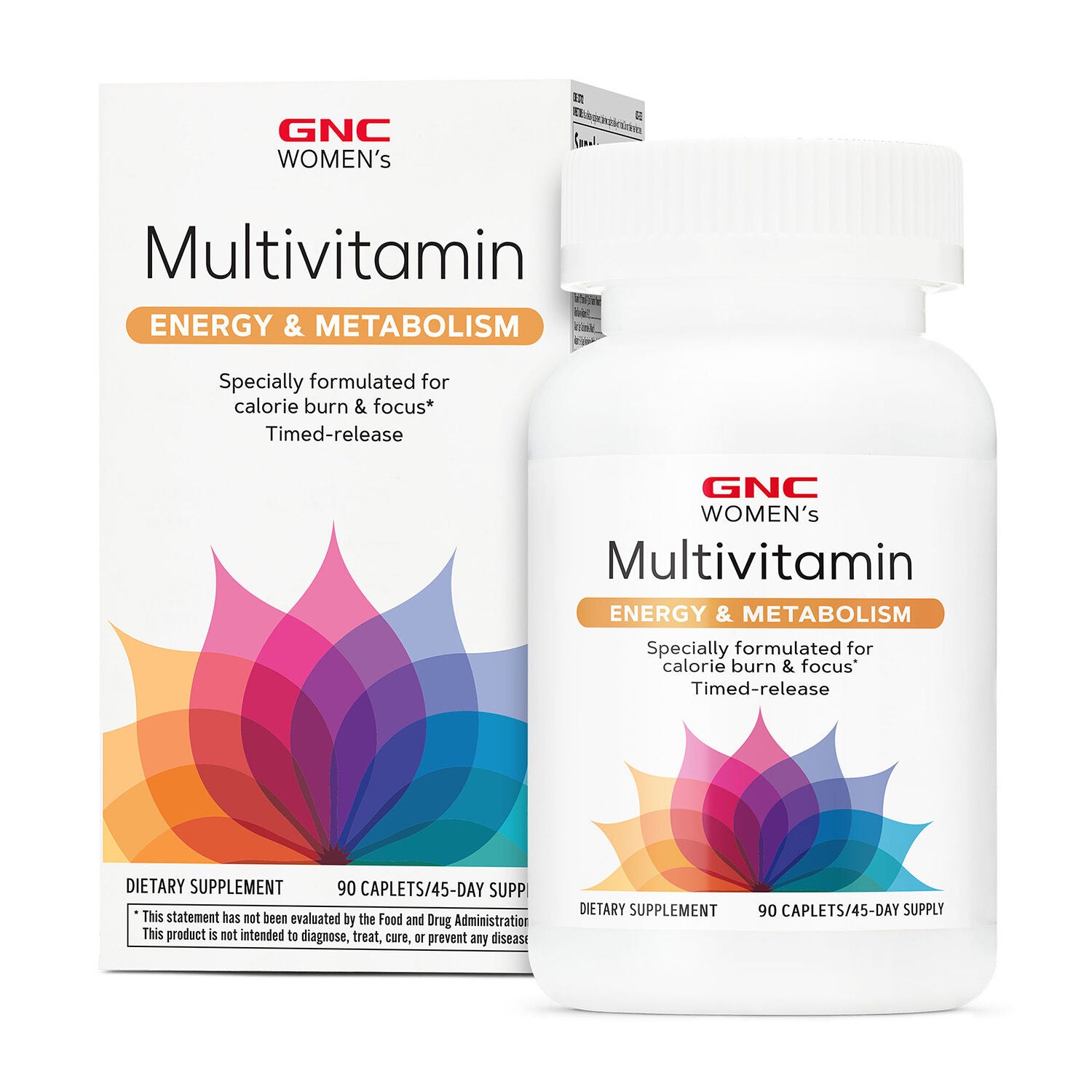


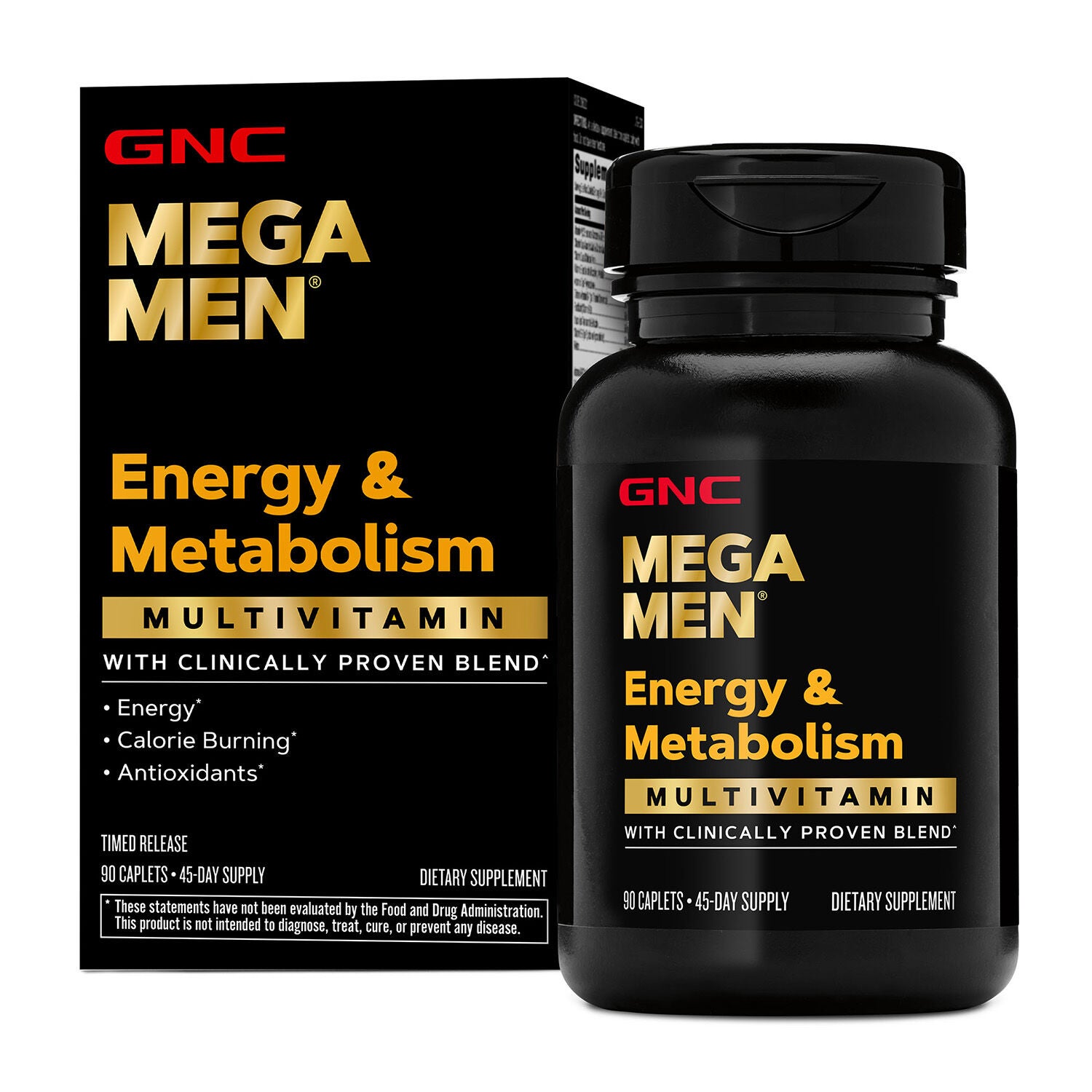



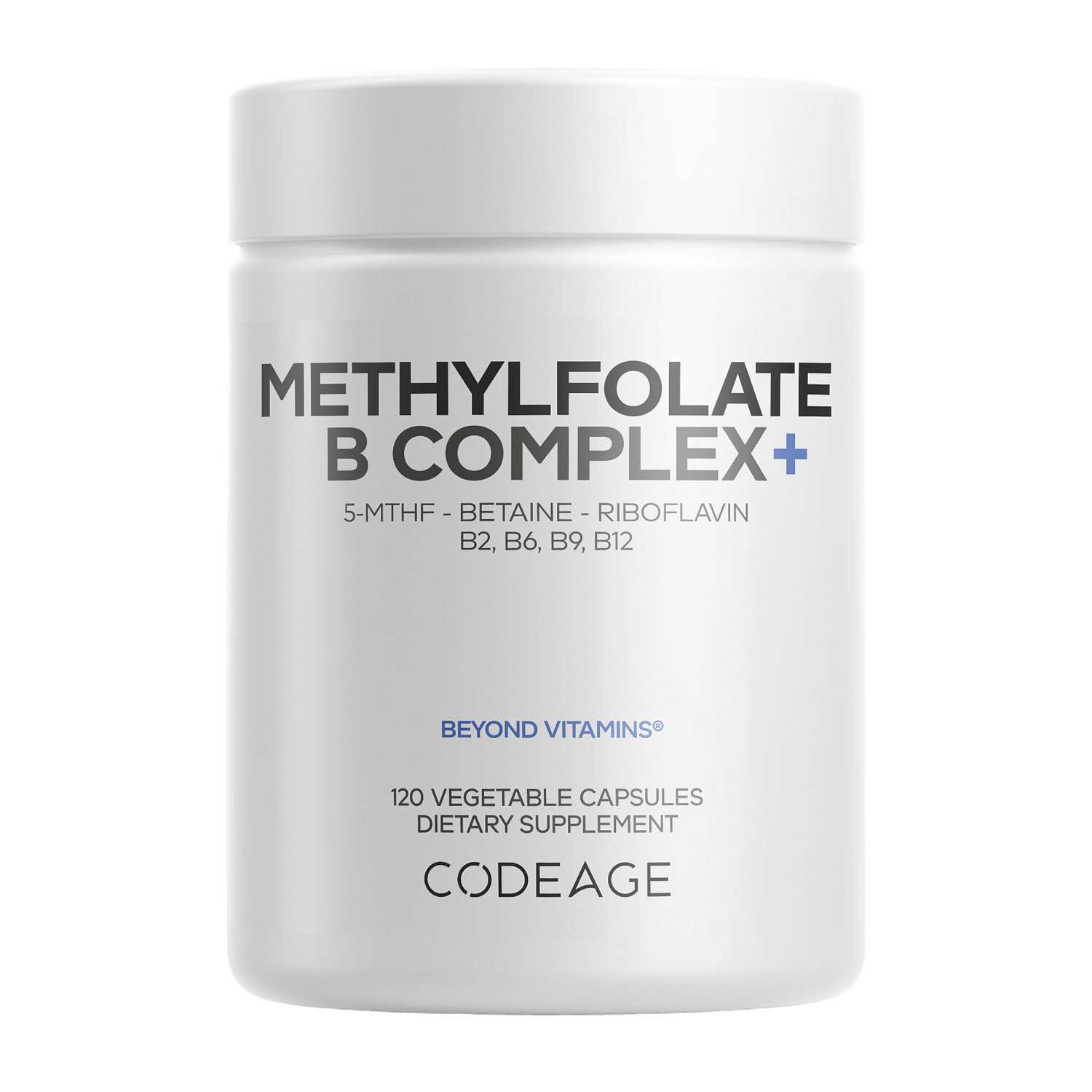
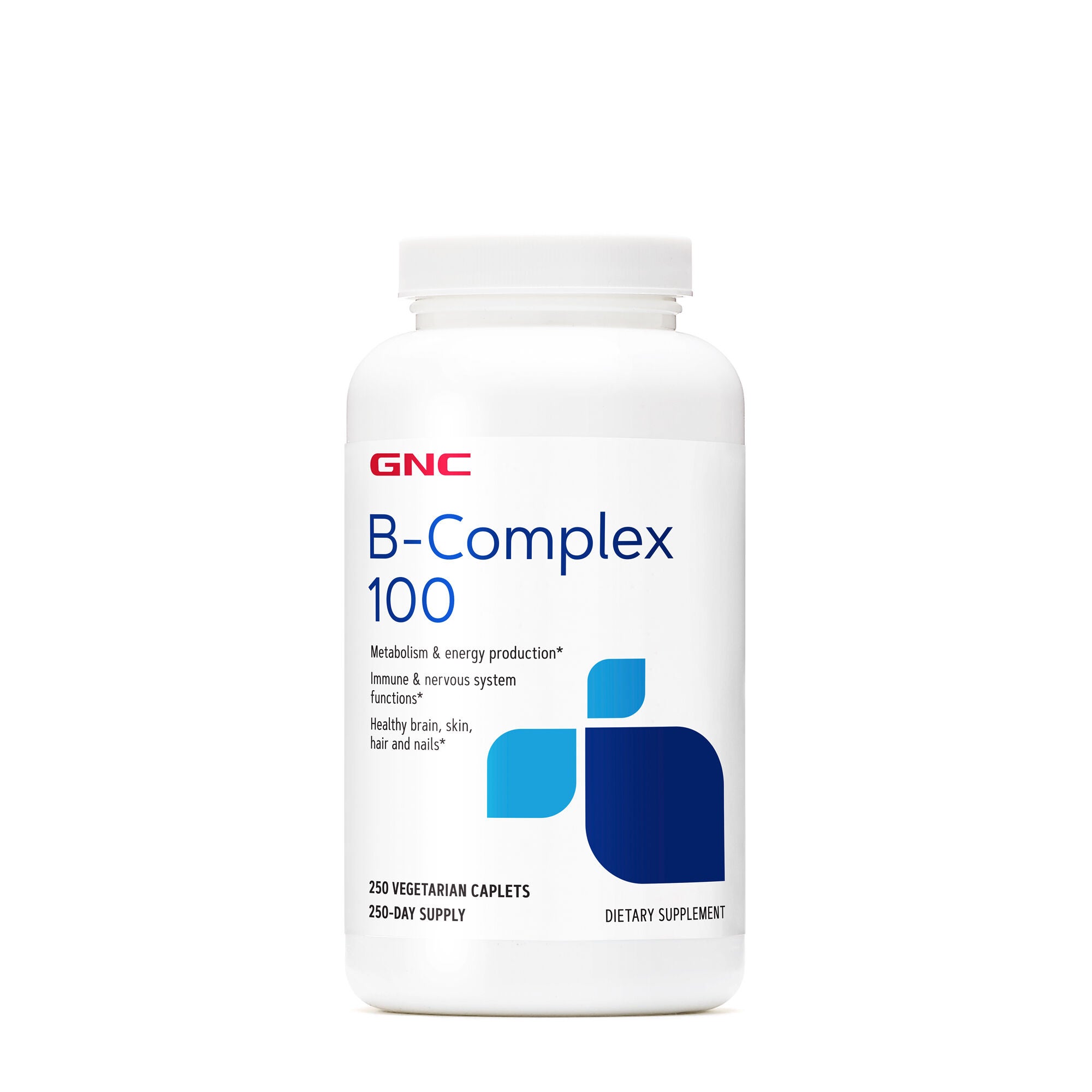
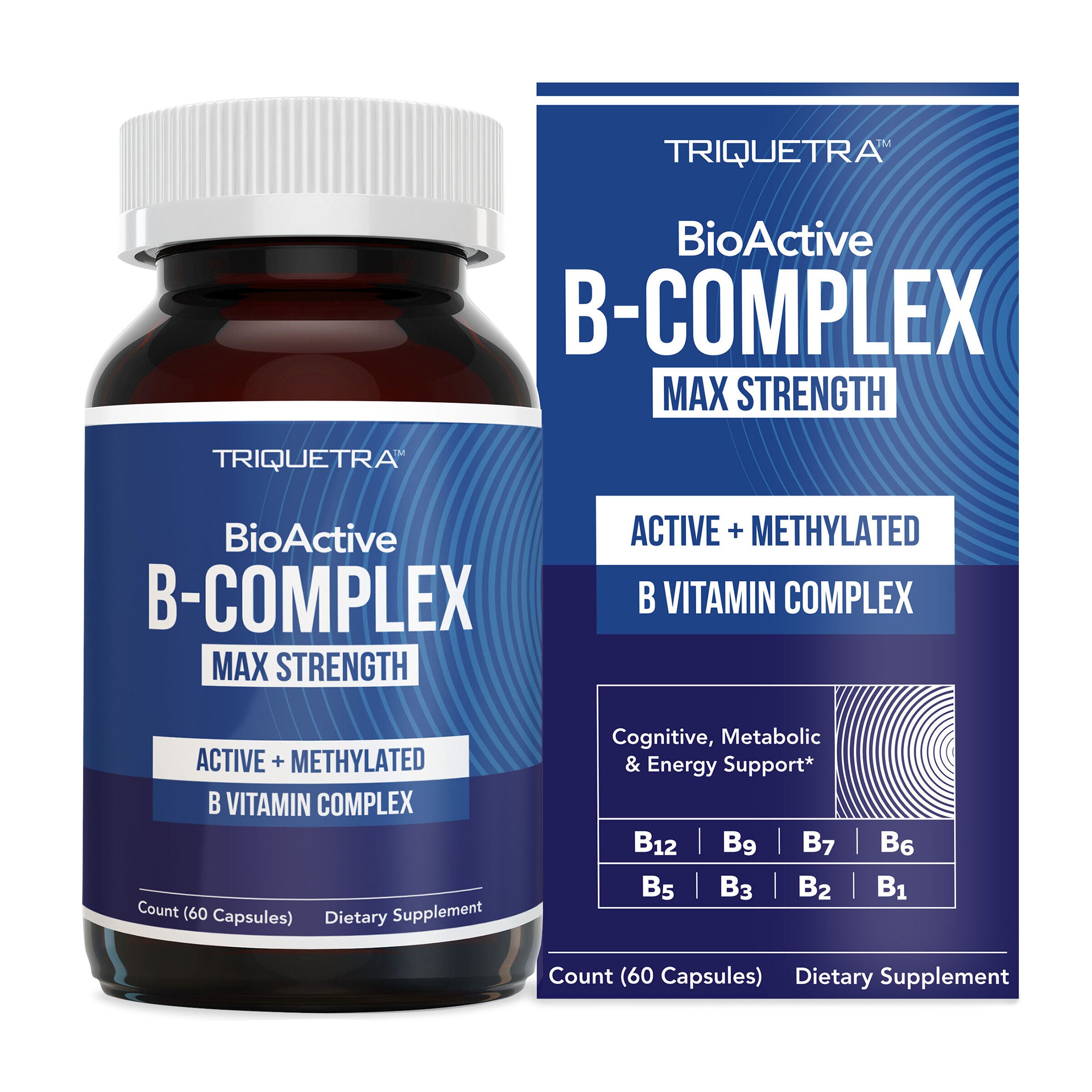


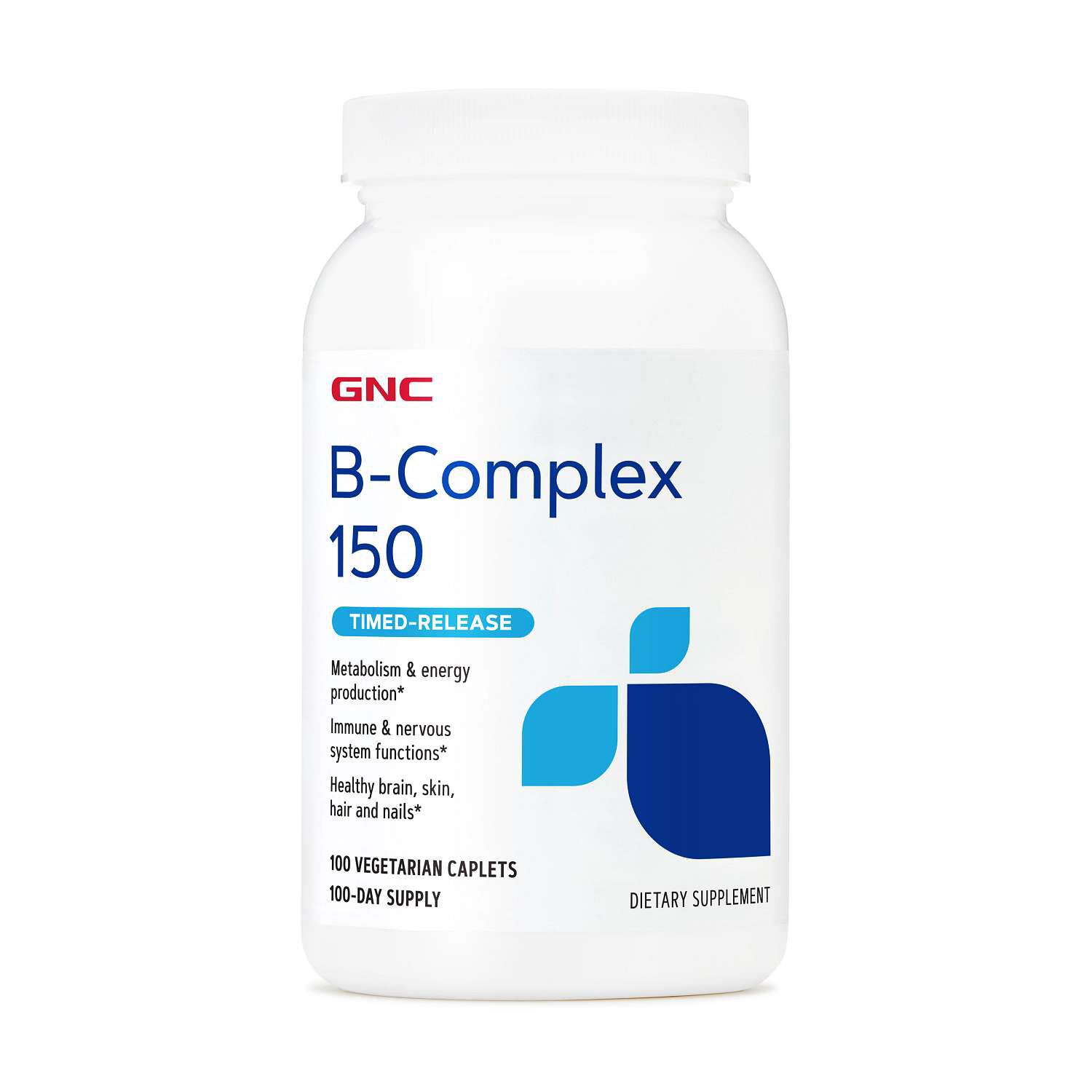
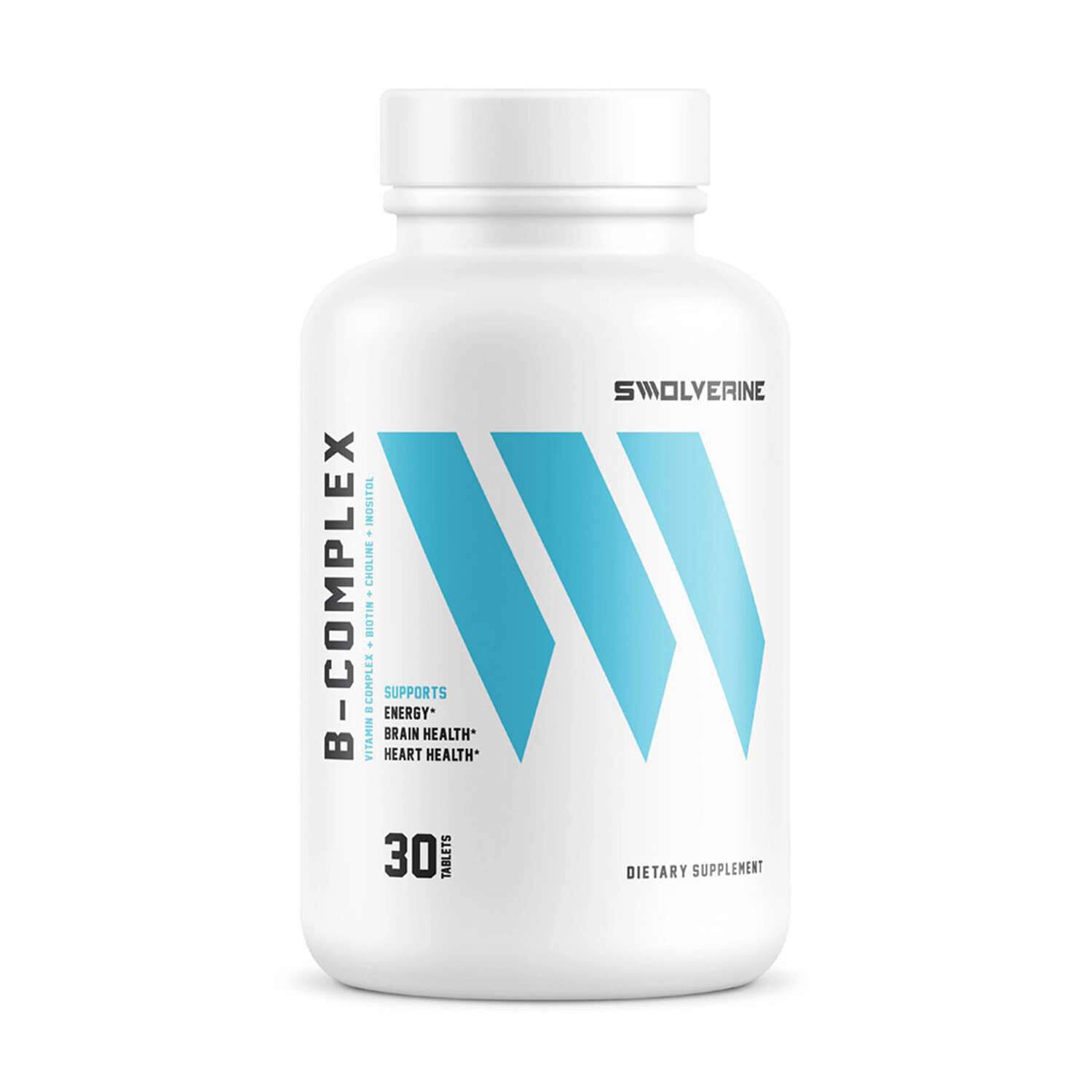
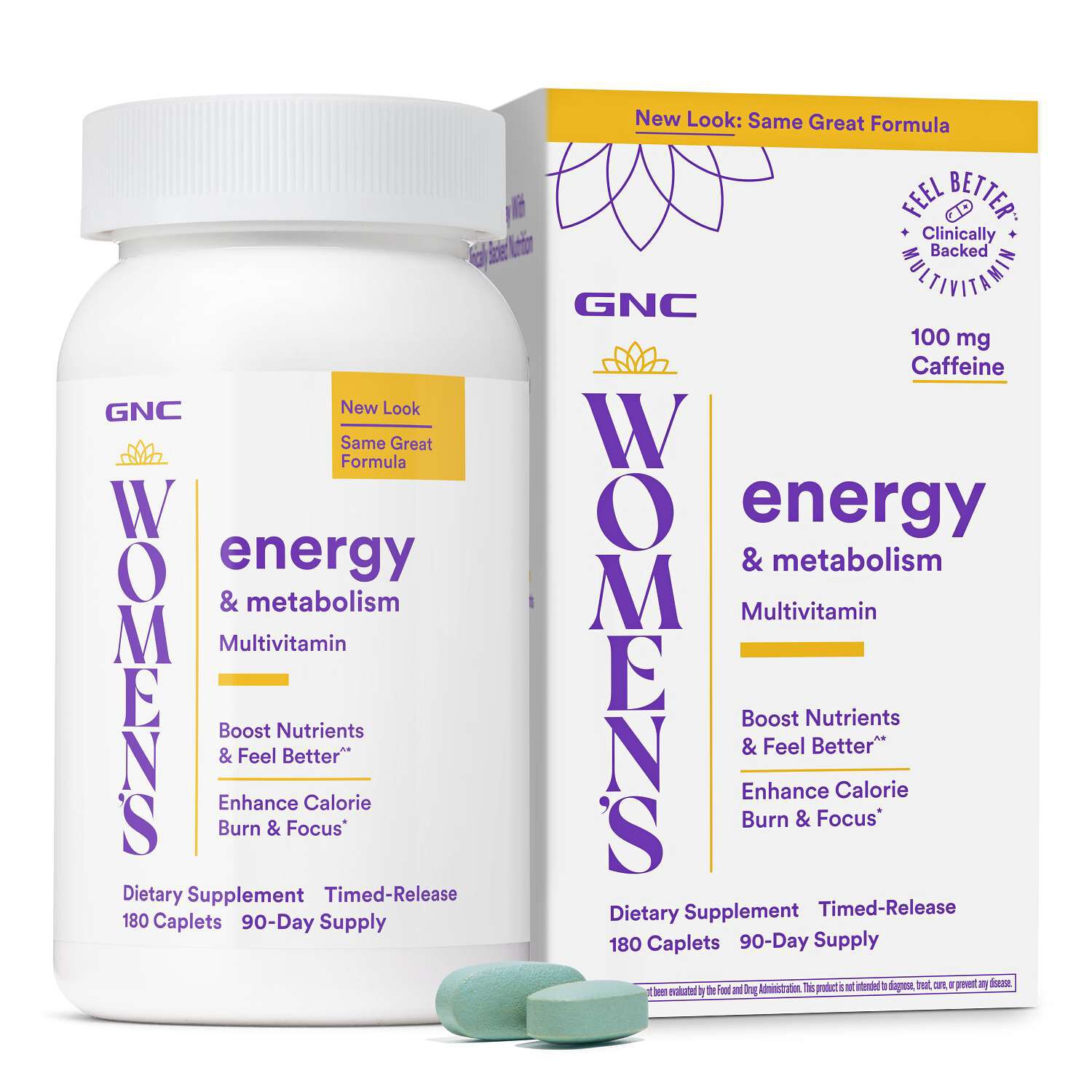
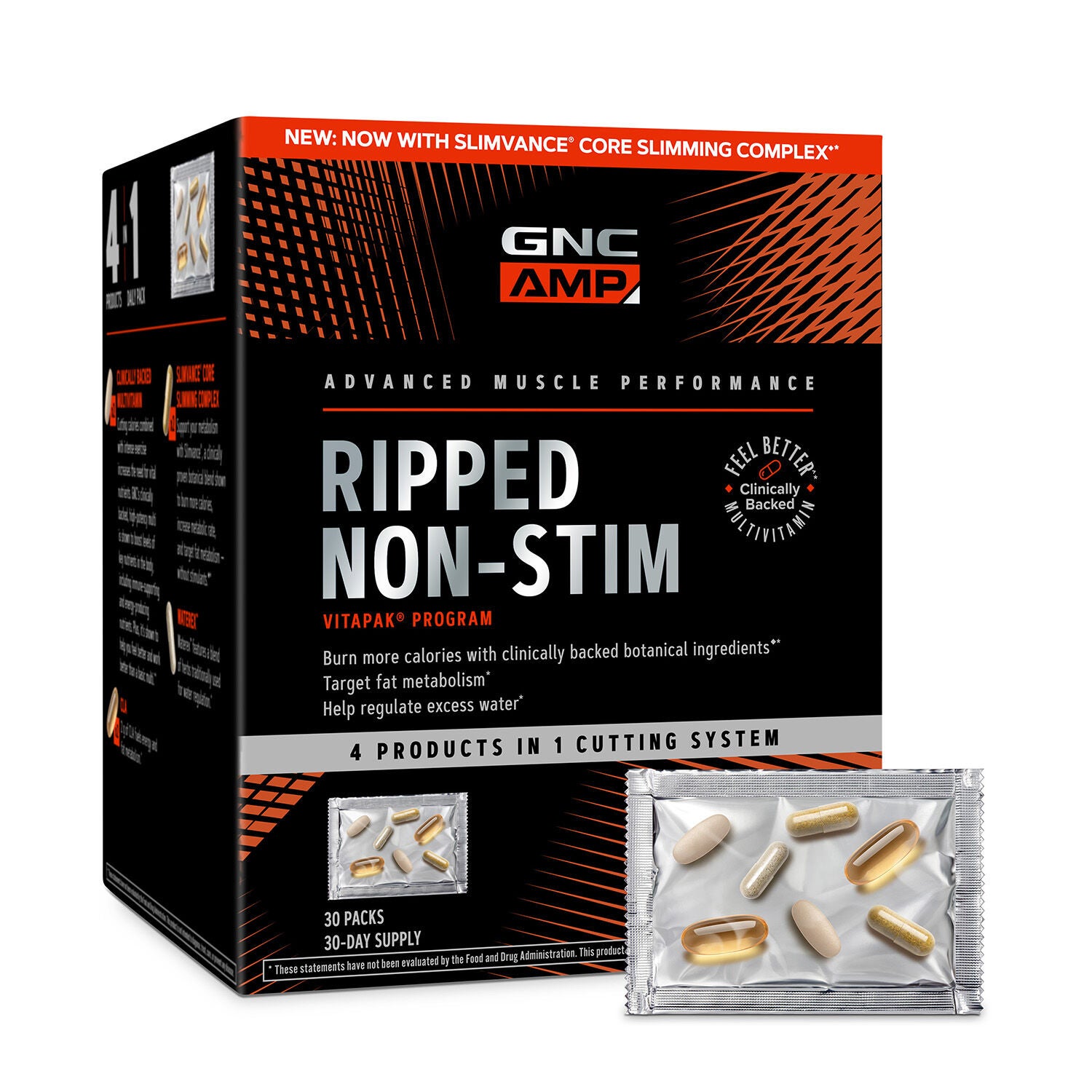





Vitamin B6 supplements may support normal energy and macronutrient metabolism, making them a relevant category for adults exploring nutrition products with a focus on how the body uses food. Metabolism refers to the everyday processes that use nutrients from meals, including protein, carbohydrates, and fats. Vitamin B6 is a water-soluble vitamin, and its coenzyme form participates in many enzyme-driven processes associated with amino acids and stored carbohydrate. Amino acids are the building blocks of protein, while glycogen is a stored form of carbohydrate. In that nutritional context, supplemental B6 may support the body’s normal handling of these nutrients rather than act as a source of energy itself. Calories come from food; a vitamin’s role is different from the fuel provided by a bowl of oatmeal, a serving of chicken, or a plate of beans and rice. Foods such as poultry, fish, chickpeas, potatoes, and bananas contain vitamin B6, so the broader picture includes everyday meals as well as supplemental intake. A metabolism-focused formula is not necessarily a weight-management product, and the amount of B6 on its label is not a prediction of changes in body weight or perceived energy. This distinction separates everyday nutritional support from expectations of a noticeable stimulant-style experience. Vitamin B6 supplements commonly use pyridoxine hydrochloride, often written as pyridoxine HCl, or pyridoxal 5′-phosphate, often abbreviated as P5P. These names describe different forms of the nutrient, not different serving sizes. P5P is the coenzyme form associated with B6 activity, while pyridoxine HCl is another form used in supplement formulas. Neither an unfamiliar ingredient name nor a larger milligram number, by itself, establishes which formula fits a person’s preferences. A useful comparison brings together the form of B6, its amount per labeled serving, the other ingredients, and the format in which the supplement is taken.
For shoppers comparing Vitamin B6 Supplements For Adults, the distinction between a single-nutrient formula and a B-complex blend is an important part of understanding the label. A standalone B6 supplement centers on one vitamin, while a B-complex formula combines B6 with other B vitamins. Multivitamins may also contain B6 alongside a broader assortment of nutrients. These categories serve different shopping preferences, even when their labels share similar language about metabolism. The Supplement Facts panel identifies the amount of B6 in a serving, usually expressed in milligrams, along with the serving size and percent Daily Value. A serving is not always the same as one tablet or one capsule, which matters when comparing two labels side by side. The Daily Value provides a standardized label reference rather than a personalized intake target. Someone who already includes a multivitamin in an established routine may find that comparing its B6 entry with another formula gives a clearer picture of overlapping ingredients. Beyond the nutrient panel, the physical format deserves attention. Tablets, capsules, chewable formats, and liquids differ in texture, preparation, and how they fit into a daily routine. A capsule shell may contain gelatin or plant-derived cellulose, while a tablet may include binders or a coating. Chewable and liquid formulas may contain flavorings or sweeteners, making the other-ingredients list relevant to taste preferences as well as dietary requirements. Capsule materials, ingredient sourcing, and clearly stated vegetarian or vegan suitability can matter to shoppers who follow a plant-based eating pattern. The presence of wheat, milk, soy, or other ingredients is another label consideration for people with specific dietary requirements. A familiar format may feel more practical than a new one, particularly when the supplement will sit beside other daily-use products. Clear labeling and an understandable serving size can make a formula easier to compare without relying on the wording across the front of the bottle.
Vitamin B6 supplements for metabolism may appeal to adults who prefer a focused nutrient formula, people comparing B vitamins across several nutrition products, or shoppers looking for a format that fits an established supplement routine. The intended use is nutritional support, and the practical details often matter as much as the product description. For someone who keeps supplements beside a breakfast bowl, a clearly marked bottle and straightforward serving information may be priorities. A person who packs a work bag each morning may place more emphasis on a secure closure, legible packaging, and a format that requires little preparation. These preferences concern everyday usability rather than a prediction of how a supplement might affect energy or metabolism. Storage and handling also belong in the comparison. The original container keeps the ingredient list, directions, expiration date, and identifying information together, while the package’s storage instructions describe the conditions intended for that formula. Moisture, direct sunlight, and an unsecured lid are practical concerns when deciding where a bottle belongs. A dry cabinet away from a sink or shower is a different setting from a humid bathroom shelf, and storage directions remain the reference for the particular formula. Liquids may have different handling requirements from tablets or capsules, including instructions that apply after opening. Packaging condition, readable dates, and an intact closure are useful details when assessing a supplement’s suitability for an ongoing routine. Since personal preferences vary, a familiar capsule format for one adult may be less appealing to another who prefers a chewable or measured liquid. There is no need for every shopper to choose the same format or the same combination of nutrients. The category is best understood through its concrete differences: B6 form, milligrams per serving, single-nutrient or blended composition, capsule or tablet materials, additional ingredients, and storage requirements. Together, those details give vitamin B6 supplements a clearer place within everyday nutrition, with metabolism remaining a context for possible support rather than an expectation of a particular result.