





BCAA Glutamine Creatine Powders
(0 Results)
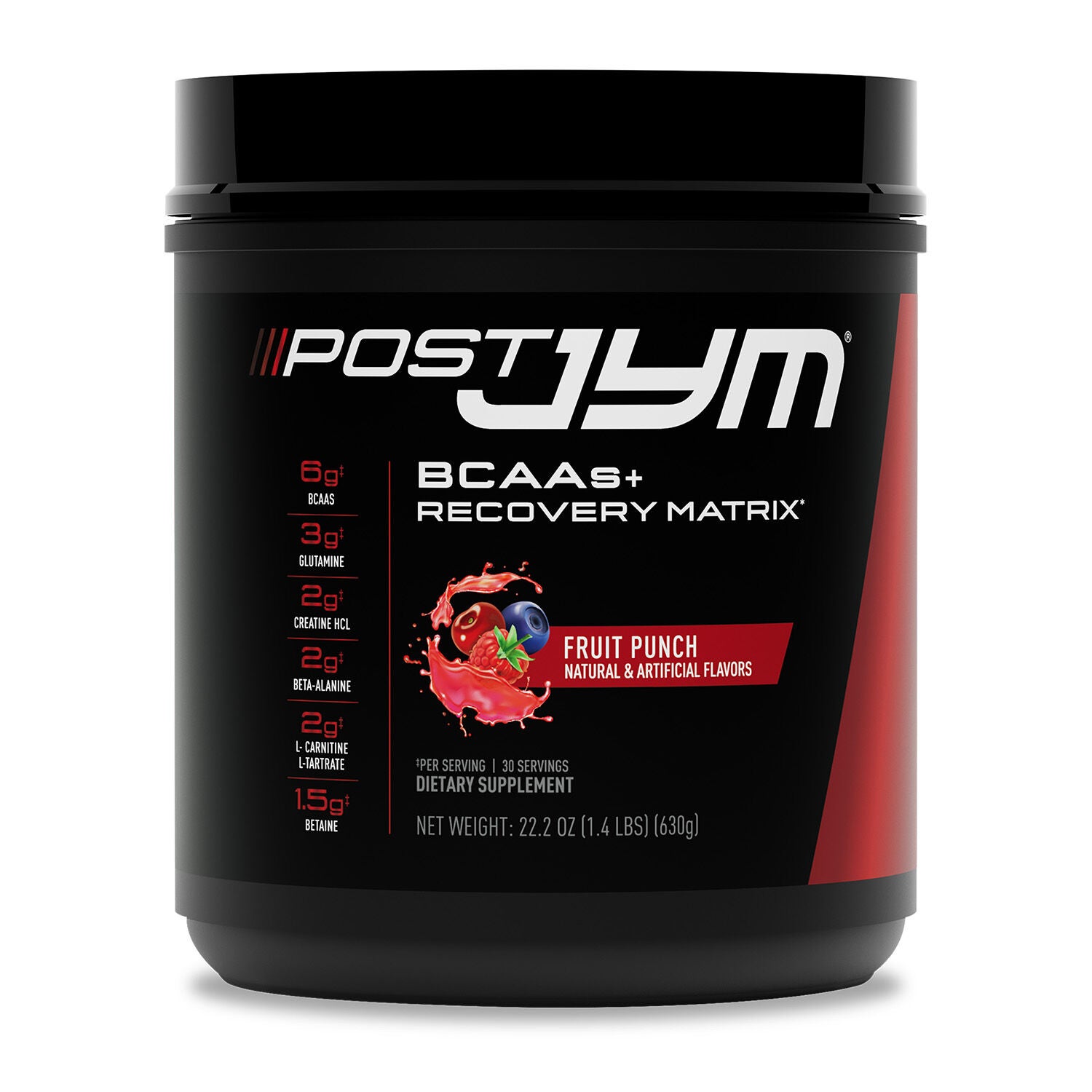
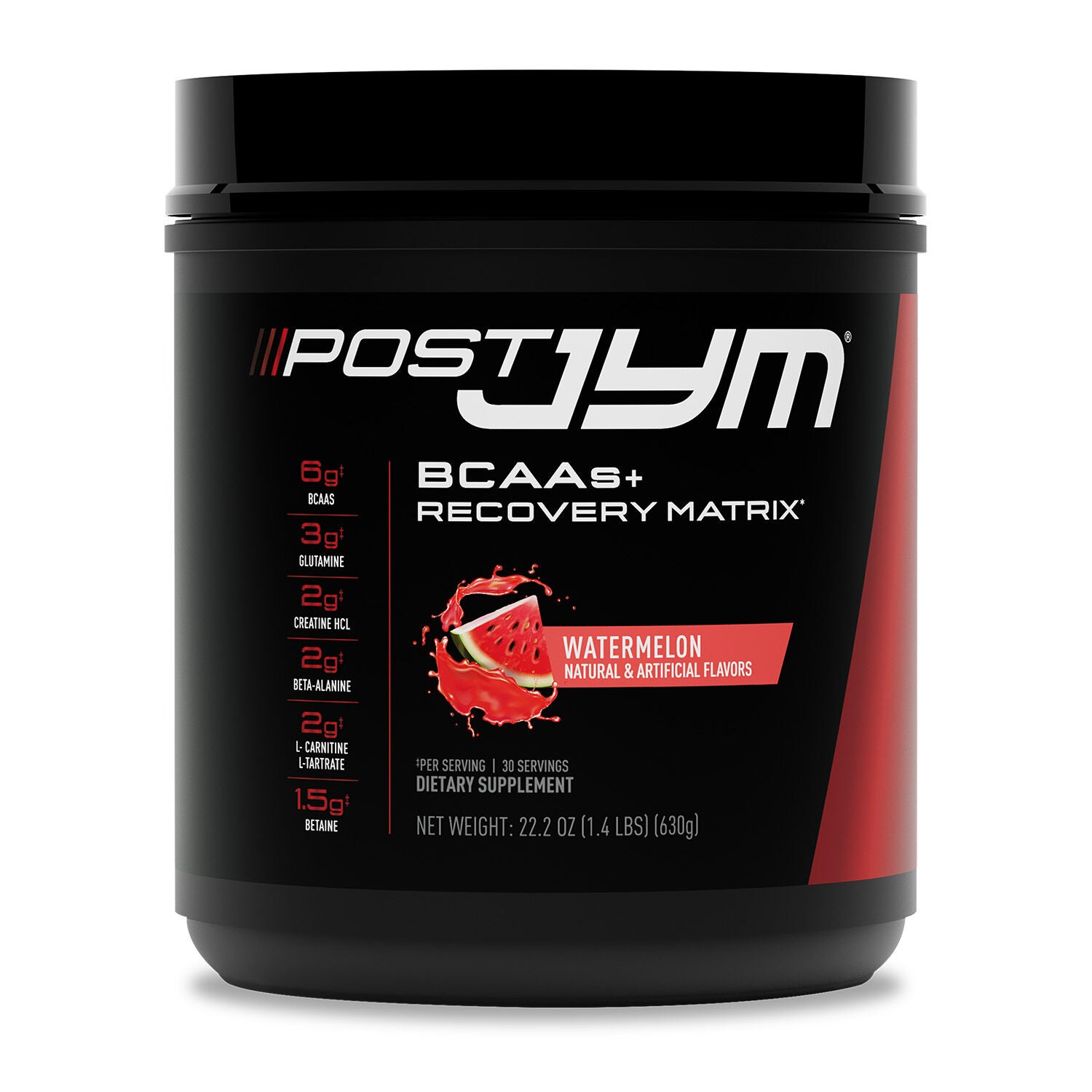
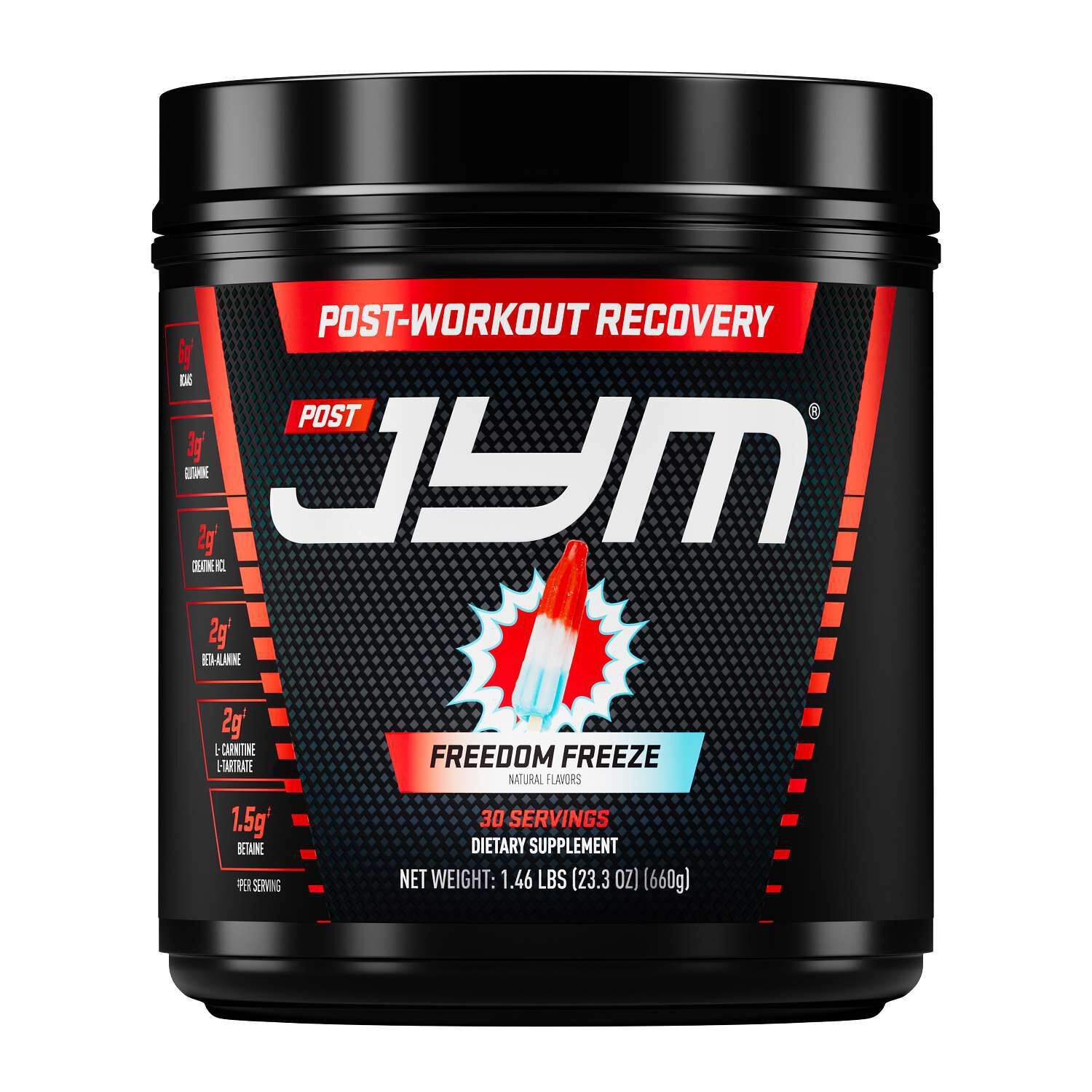
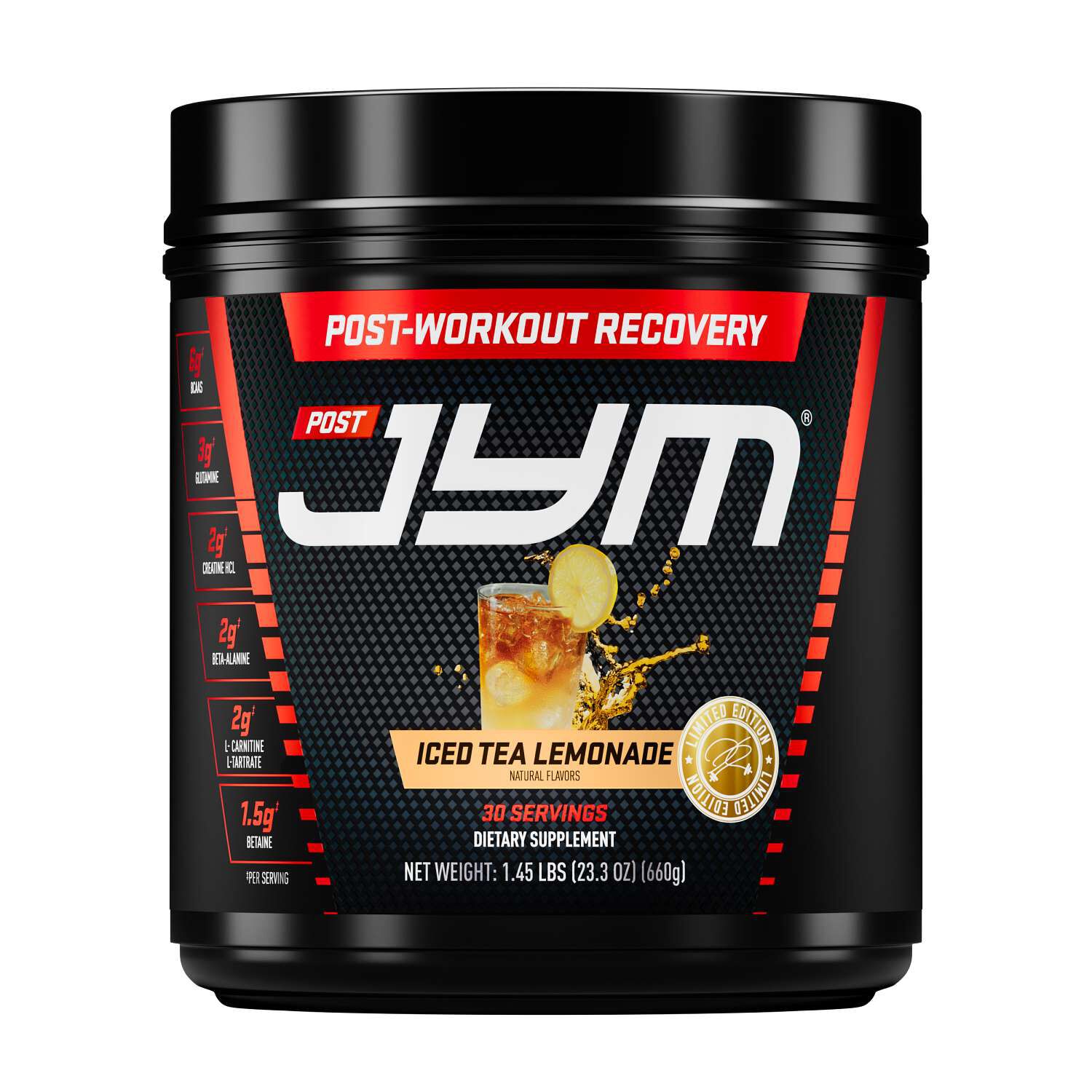
Discover a wide selection of BCAA glutamine creatine powders designed to complement your active lifestyle. Whether you’re looking to support your fitness goals or enhance your daily routine, these convenient powders offer versatile options for athletes and fitness enthusiasts alike. Explore formulas that may fit seamlessly into your workout regimen, helping you stay on track with your nutrition and training needs. Find the right BCAA glutamine creatine powders to match your preferences and fuel your journey.
-
-
-
-

-
-

-
 Angry Supplements$39.99
-
-

-
-

-

-

-

-
 Angry Supplements$34.99
-
-

-

-

-


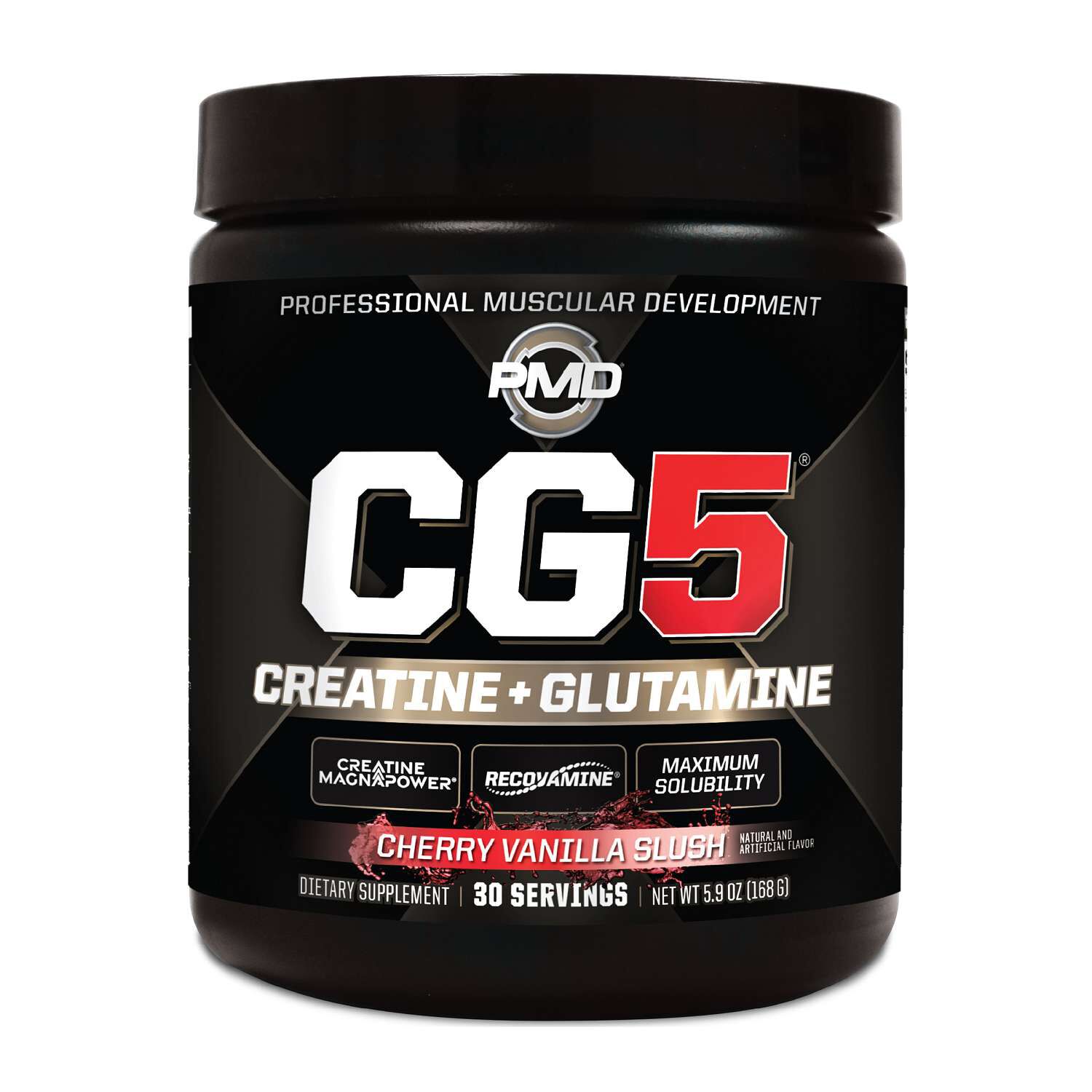

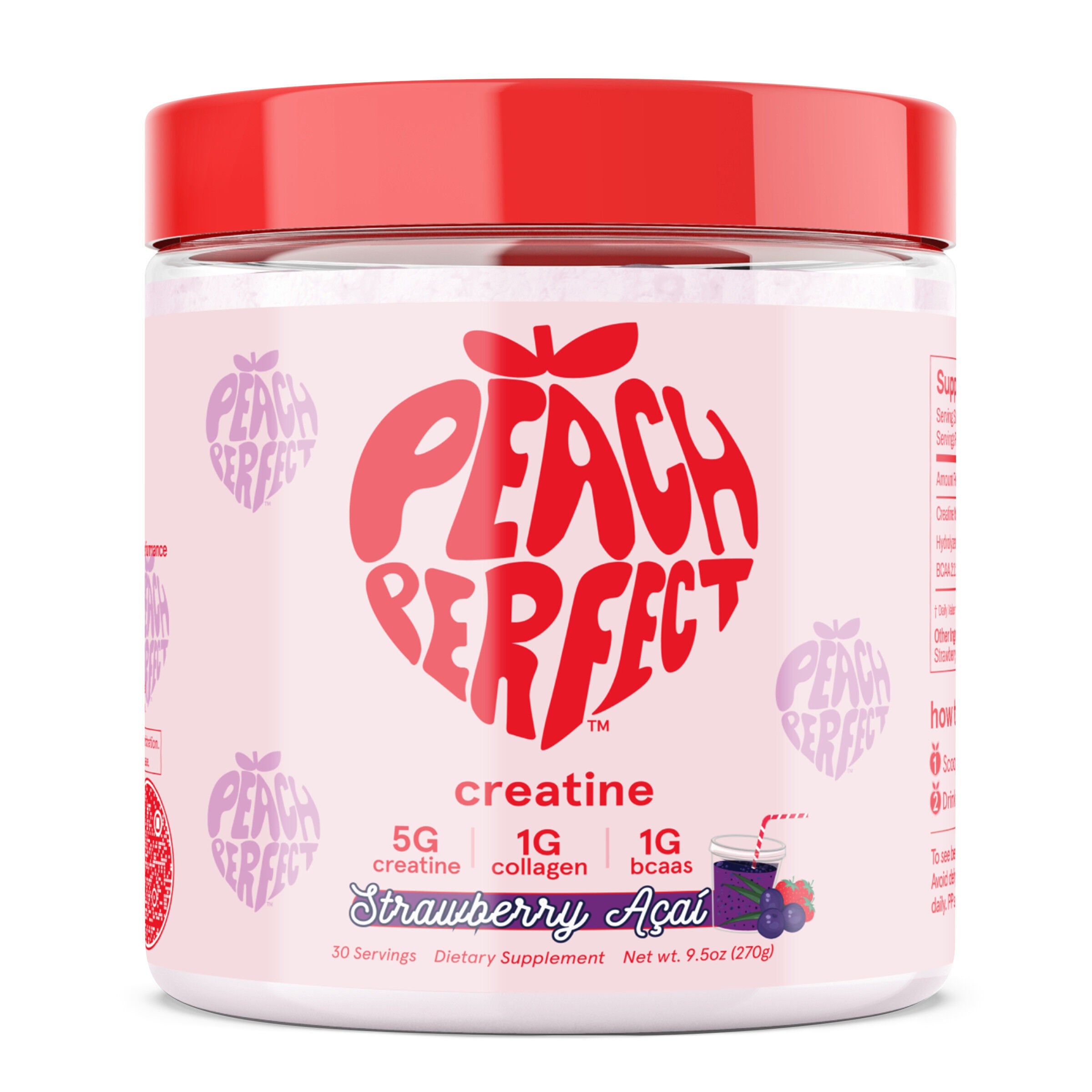
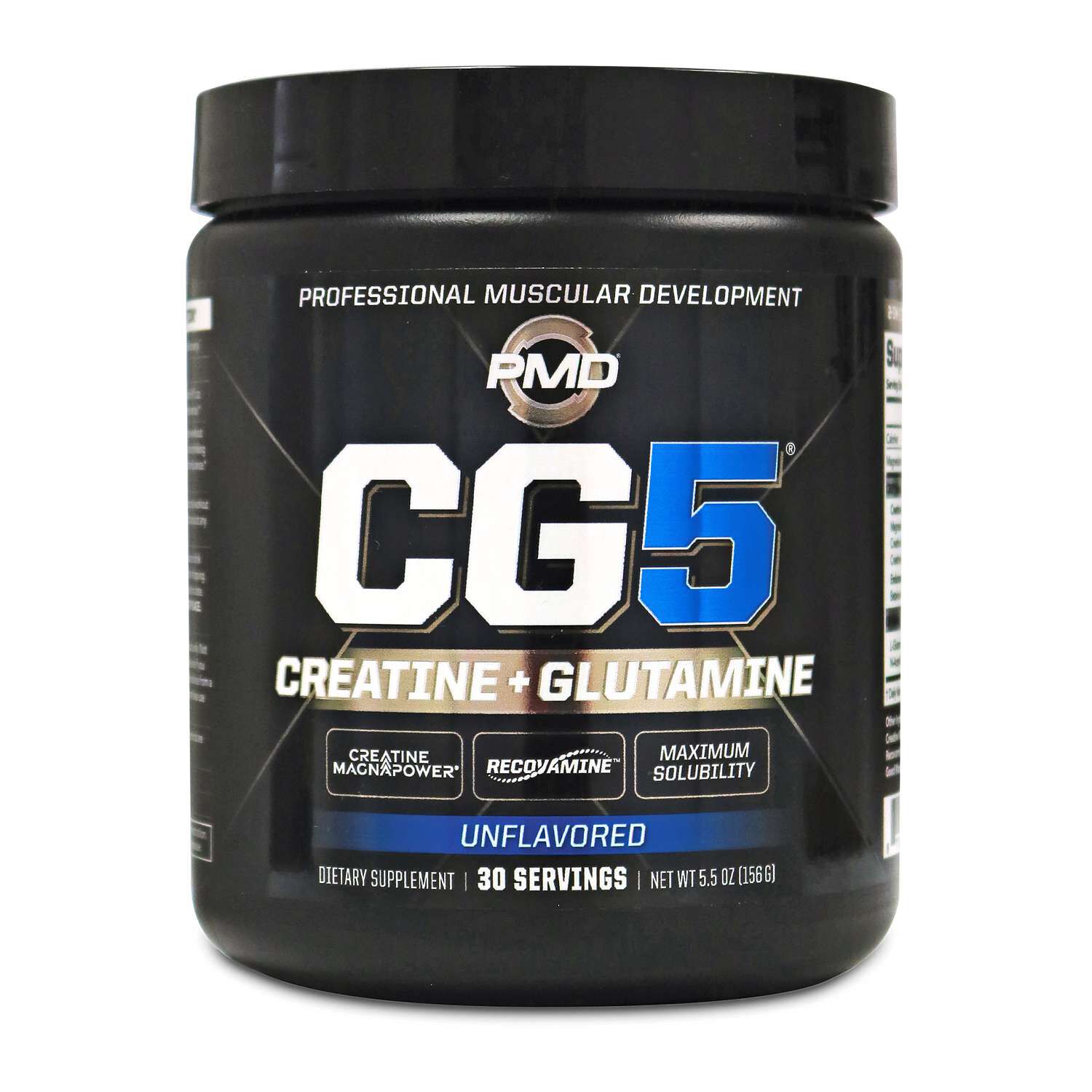
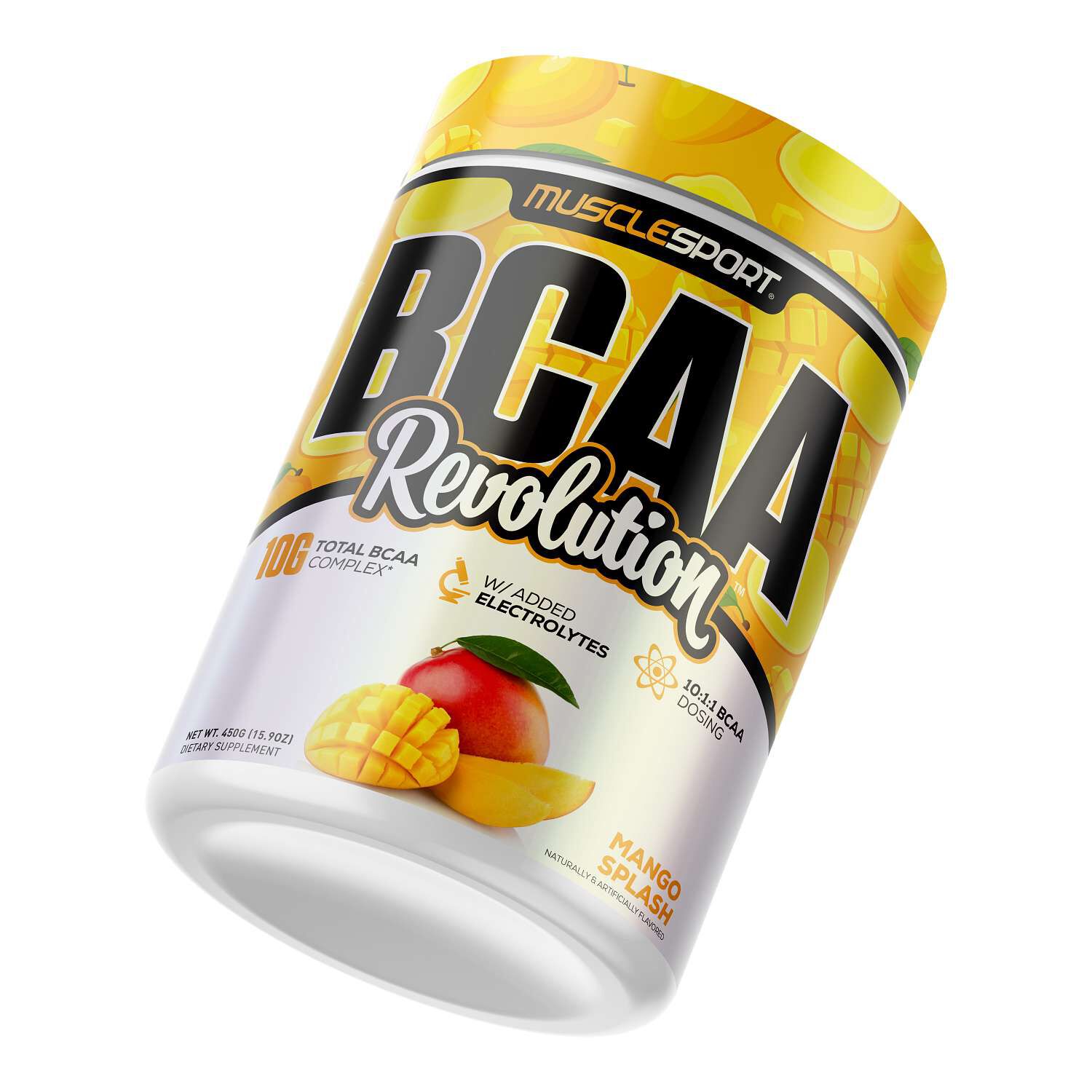
BCAA, glutamine, and creatine powders are sports nutrition supplements built around distinct ingredients, offered individually or combined in multi-ingredient formulas. BCAA stands for branched-chain amino acids: leucine, isoleucine, and valine. Glutamine is another amino acid found in the body and in protein-containing foods. Creatine is a compound naturally present in muscle, and creatine monohydrate is a common form used in powdered supplements. Although these ingredients often appear alongside one another in workout nutrition, they have different roles. BCAAs may support muscle recovery after exercise, while creatine may support strength and performance during repeated, short bouts of high-intensity activity. Glutamine often appears in formulas intended for post-workout use, but a shared label does not make these three ingredients interchangeable. A powder containing all three also differs from a protein powder, and the amount of each ingredient deserves more attention than the length of an ingredient list. These formats may appeal to adults who lift weights, participate in sprint-based sports, or prefer a measured supplement alongside an established exercise routine. Someone moving through sets of squats may have different preferences from someone packing a shaker for recreational basketball, even when both are comparing the same category. The distinction between a single-ingredient powder and a combination formula is useful here: one centers on a particular ingredient, while the other brings several ingredients into one serving. Neither format tells the whole story without its label. Training goals, usual food choices, flavor preferences, and the supplements already included in a routine all shape what makes sense to compare. BCAAs represent only three of the amino acids found in dietary protein, so a BCAA formula is not the same as a broader protein supplement. These distinctions give BCAA, glutamine, and creatine powders a clearer place within workout nutrition rather than treating every powder as an equivalent choice.
Label details help distinguish formulas that otherwise look similar. The BCAA Supplements Powder category centers on branched-chain amino acid formulas, while combination powders bring additional ingredients into the comparison. Some BCAA labels display a ratio such as 2:1:1, referring to the relative amounts of leucine, isoleucine, and valine. That ratio does not describe the weight of the entire serving, nor does it account for glutamine, creatine, flavoring, or other ingredients. The listed amount of each ingredient offers a more useful comparison than scoop size alone. A larger scoop might contain more flavoring or a broader blend rather than more of the ingredient a shopper is seeking. Likewise, servings per container depend on the serving directions, not simply the size of the tub. Clearly stated ingredient amounts are particularly useful when comparing a combined BCAA, glutamine, and creatine powder with separate formulas. Ingredient lists also distinguish straightforward powders from blends containing sweeteners, colors, electrolytes, or caffeine. The presence of those additions changes the formula, so the front label is only part of the picture. For someone who already uses several workout supplements, overlapping ingredients are another practical consideration when reading labels together. Flavor and texture matter, too, especially for a powder intended for regular use. Fruit-flavored formulas may suit someone who enjoys a distinct drink during a training session, while an unflavored format may suit someone who prefers mixing powder into another beverage according to its directions. Unflavored does not necessarily mean tasteless; individual ingredients have their own characteristics. Mixing directions, suggested liquid amounts, and ingredient statements help set expectations before the first serving. Dietary certifications and allergen statements are separate details worth checking rather than assuming that every amino acid or creatine powder shares the same sourcing or formulation. A clearly labeled formula leaves less guesswork about what is actually in the container.
The practical fit of a powder extends beyond its ingredient panel. A supplement kept at home for a consistent resistance-training routine has different handling needs from one carried between an office, a gym, and an evening practice. Container size, closure design, measuring tools, and the stated serving directions all influence that everyday experience. A wide-mouth shaker offers room for measuring powder without scattering it across a counter, while a securely closed lid matters when a bottle goes into a gym bag. Mixing behavior varies by ingredient and formula; some powders may disperse with shaking, while others may leave fine particles that settle between sips. The package directions provide the appropriate starting point for liquid volume and preparation rather than assuming that every powder mixes like a protein shake. Flavor concentration also depends on the suggested amount of liquid, making the preparation instructions relevant to taste as well as texture. Timing directions differ among formulas, so a powder described for use around exercise should still be considered according to its own label rather than a universal schedule. For storage, the original container retains the ingredient information, serving directions, and date markings in one place. A tightly closed lid, a dry measuring scoop, and storage away from moisture and direct sunlight help maintain suitable conditions for the powder. Leaving a tub open beside a sink or putting a damp scoop back inside introduces moisture that does not belong in a dry supplement. Shaker bottles also need washing and thorough drying between uses, particularly around lid threads and mixing inserts where residue collects. These details matter whether the routine involves a quiet home workout or regular sessions at a busy training facility. Taken together, ingredient transparency, intended use, flavor, preparation, and storage offer a grounded way to compare BCAA, glutamine, and creatine powders as part of a broader approach to food and training.
Best Sellers
-
 Create Wellness

Related Pages
Top Collections
- Zinc Supplements | Top Brands at Great Prices | GNC
- Cortisol Supplements
- Joint Mobility Supplement Packs
- NAD+ Supplement Tablets
- Best Brand of Magnesium Glycinate
- Top Rated Collagen | Shop Customer Favorites | GNC
- Iron Supplements
- Peptide Supplements
- Protein Powders For Muscle Growth Support
- Vitamins That Help Support Weight Gain