





Beet Juice Powder
(0 Results)
Experience a convenient way to incorporate all-natural beet juice into your daily routine with Beet Juice Powder. Packed with essential nutrients and antioxidants, beet juice powder offers a concentrated form of this vibrant vegetable's health benefits in a convenient, easy-to-use powder. Whether you're looking to support your cardiovascular health, boost your energy levels, or simply add a nutritious element to your diet, Beet Juice Powder is a versatile option that can be easily mixed into your favorite beverages or recipes. Discover a new way to embrace wellness with this nutrient-rich supplement.
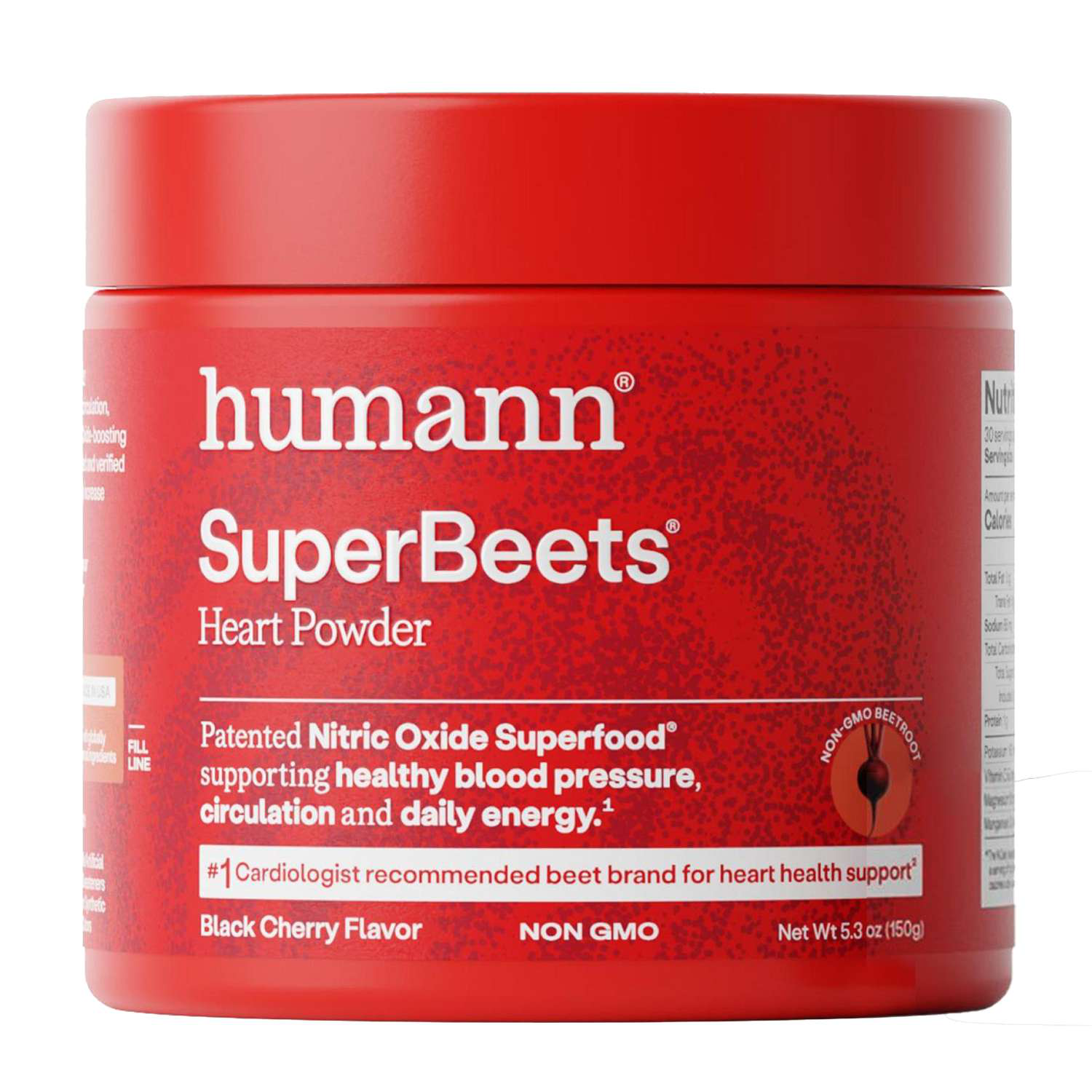

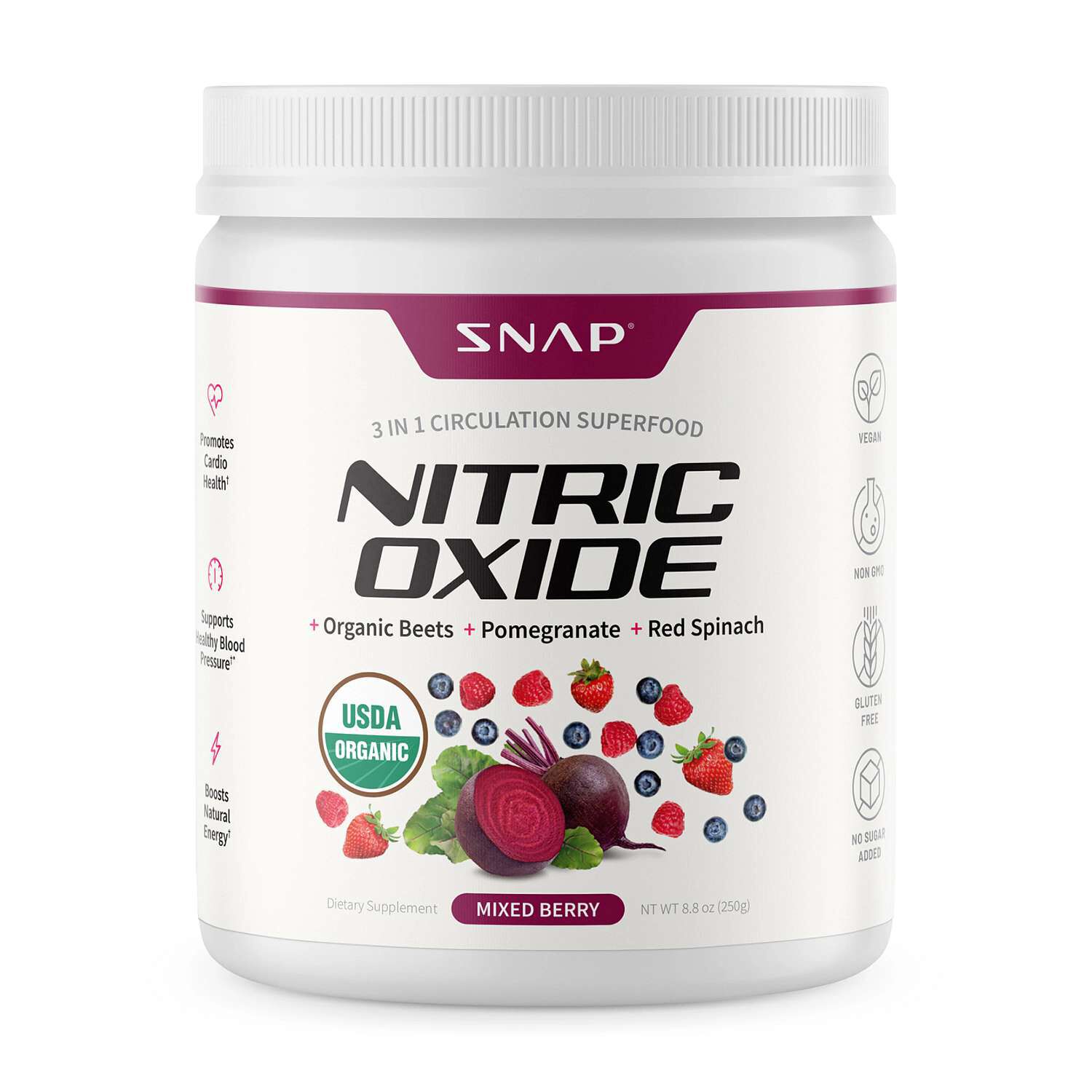
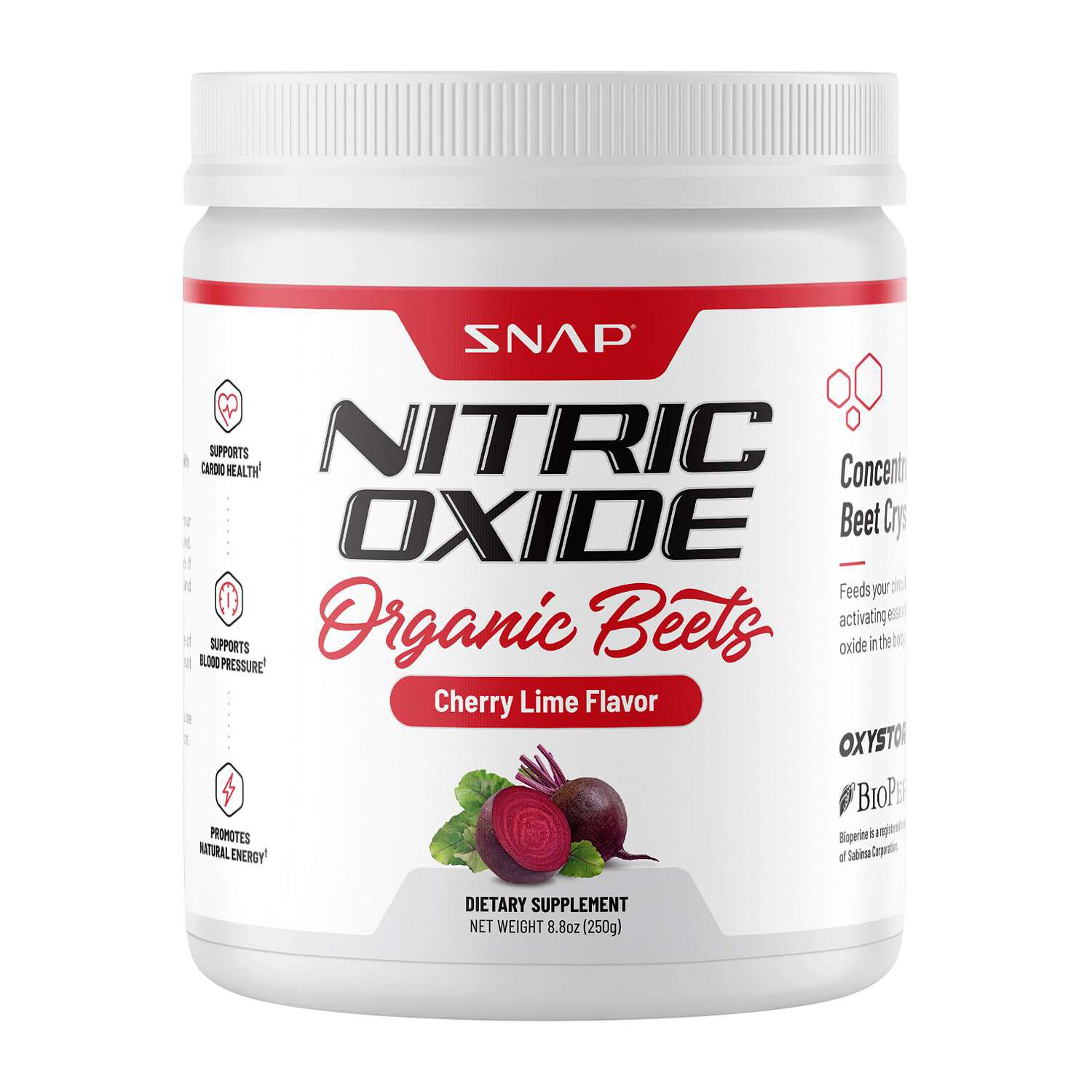


Beet juice powder is a dried form of juice extracted from beets, made for mixing into beverages and, when the label permits, foods. Its concentrated format brings the familiar earthy character of beet juice into a powder that can be measured by the serving without washing, peeling, or juicing fresh produce. Although the names are sometimes used interchangeably, beet juice powder and whole beet root powder are not necessarily the same. Juice powder starts with extracted juice, while whole-root powder is generally made from dried beet tissue and may retain more of the root’s fiber. Processing methods and added ingredients also vary, so the ingredient list provides a clearer picture than the name alone. Some formulas contain beet juice powder as the sole ingredient; others include fruit powders, flavorings, sweeteners, or ingredients used to help the powder disperse. Beets naturally contain dietary nitrates, but the amount in a serving of powder depends on the raw material, processing method, and formula. A deep red color does not establish nitrate content, and serving sizes from different powders are not automatically equivalent. The nutritional composition deserves the same attention: naturally occurring sugars, minerals, and fiber can differ between juice-based and whole-root formats. Information about fresh beets or bottled beet juice should not be assumed to describe every dried powder. Nutrition Facts or Supplement Facts, where applicable, identify the labeled serving and any declared nutrients. This distinction matters for shoppers comparing a food ingredient with a dietary supplement, since intended uses and preparation directions may differ. Beet juice powder may appeal to adults who enjoy vegetable-based drinks, people who prepare smoothies at home, and shoppers who prefer a measured powder format for an established routine. It also appears in products intended for use around exercise, although that positioning does not establish a particular outcome. The most useful comparison is between the actual formula, its labeled purpose, and the kind of drink or food it is intended to accompany.
Flavor, texture, and serving size shape the everyday experience of using beet juice powder. Its taste is often described as earthy with a mild natural sweetness, though drying methods and accompanying ingredients influence the finished flavor. An unflavored formula may suit someone who enjoys the character of plain beet juice, while a fruit-flavored blend may appeal to a shopper who prefers a different taste profile. In a smoothie, beet juice powder may pair well with berries, banana, citrus, or yogurt, depending on the formula and the preparation directions. A berry-based drink offers a different setting for that earthy flavor than a simple glass of water, and a thick smoothie has a different texture from a thin juice mixture. These distinctions help explain why a powder that suits one routine may not suit another. Not every beet powder dissolves in the same way. Juice-derived powders may disperse differently from whole-root powders, and some mixtures may leave sediment after standing. A shaker bottle or blender may produce a more even mixture than a quick stir with a spoon, but the package directions remain the reference for preparation. The scoop supplied with a container, when present, belongs to that formula; equal-looking scoops from different containers can represent different serving weights. For culinary use, a powder labeled for food preparation may contribute beet flavor and a red-to-purple hue to a dressing, yogurt mixture, or batter. The resulting color may vary with the other ingredients and the cooking method, so it should not be treated as a fixed shade. Concentrated beet pigment may also leave marks on porous surfaces or light fabrics, making a washable preparation area practical. For someone packing a drink for a commute or carrying a shaker to a workout, preparation and storage instructions are relevant parts of the purchase. A dry powder’s storage requirements differ from those of a prepared beverage, and the label should indicate how the product is intended to be handled before and after mixing.
Packaging, ingredient preferences, and storage requirements round out the comparison between beet juice powders. A resealable pouch may fit neatly into a pantry, while a container with a broad opening may make measuring less awkward. Individually portioned formats may appeal to someone who prefers not to carry a larger package, whereas a multi-serving container may suit regular preparation at home. The serving count and serving weight provide useful context for the package size without relying on how large the container looks. Care also matters after opening: moisture may cause powder to clump, and repeated exposure to air may affect its texture or flavor. A tightly closed package, a dry measuring utensil, and storage according to the label help keep the powder in suitable condition. Any stated storage directions and date markings take precedence over a general shelf-life estimate, since packaging and formulations differ. Shoppers with ingredient preferences can compare organic certification, the source of added flavors, the type of sweetener, and any dietary suitability statements printed on the package. Organic certification describes production standards; it does not establish a particular nitrate amount, nutritional profile, or exercise result. Likewise, a short ingredient list describes the formula but does not make two powders interchangeable. Those weighing juice-derived and whole-root formats can also explore Best Organic Beet Root Powder while keeping the distinction between those formats in mind. The practical fit often comes down to a few details: whether the powder is intended for drinks or food preparation, how its flavor works with familiar ingredients, how much preparation it requires, and whether the package suits the place it will be stored. Someone who enjoys a plain vegetable drink may have different preferences from someone adding beet flavor to a berry smoothie. A clearly labeled formula, understandable serving information, and suitable packaging give each shopper a more grounded way to compare beet juice powder with the routine it is meant to join.
Best Sellers
Related Pages

Top Collections
- Zinc Supplements | Top Brands at Great Prices | GNC
- Joint Mobility Supplement Packs
- Daily Collagen Supplements | Top Brands & Deals | GNC
- Cortisol Supplements
- Supplements For Yoga Joint Flexibility
- NAD+ Supplement Tablets
- Iron Supplements
- Best Brand of Magnesium Glycinate
- Chronic Fatigue Supplements
- Peptide Supplements