





Berry Probiotics For Kids With Dietary Restrictions
(0 Results)
Berry probiotics for kids with dietary restrictions offer a fun and flavorful way to support daily wellness routines. With delicious berry-inspired options, these probiotics are crafted to fit a variety of dietary needs, making it easier for parents to find choices that could align with their child’s lifestyle. Explore a selection designed for families seeking convenient, kid-friendly probiotic solutions that may suit different dietary preferences.
-
_Front.jpg?sw=305&sh=305&sm=fit "Kidophilus Plus - Berry - 90 Tablets (90 Servings) | GNC")
-

-
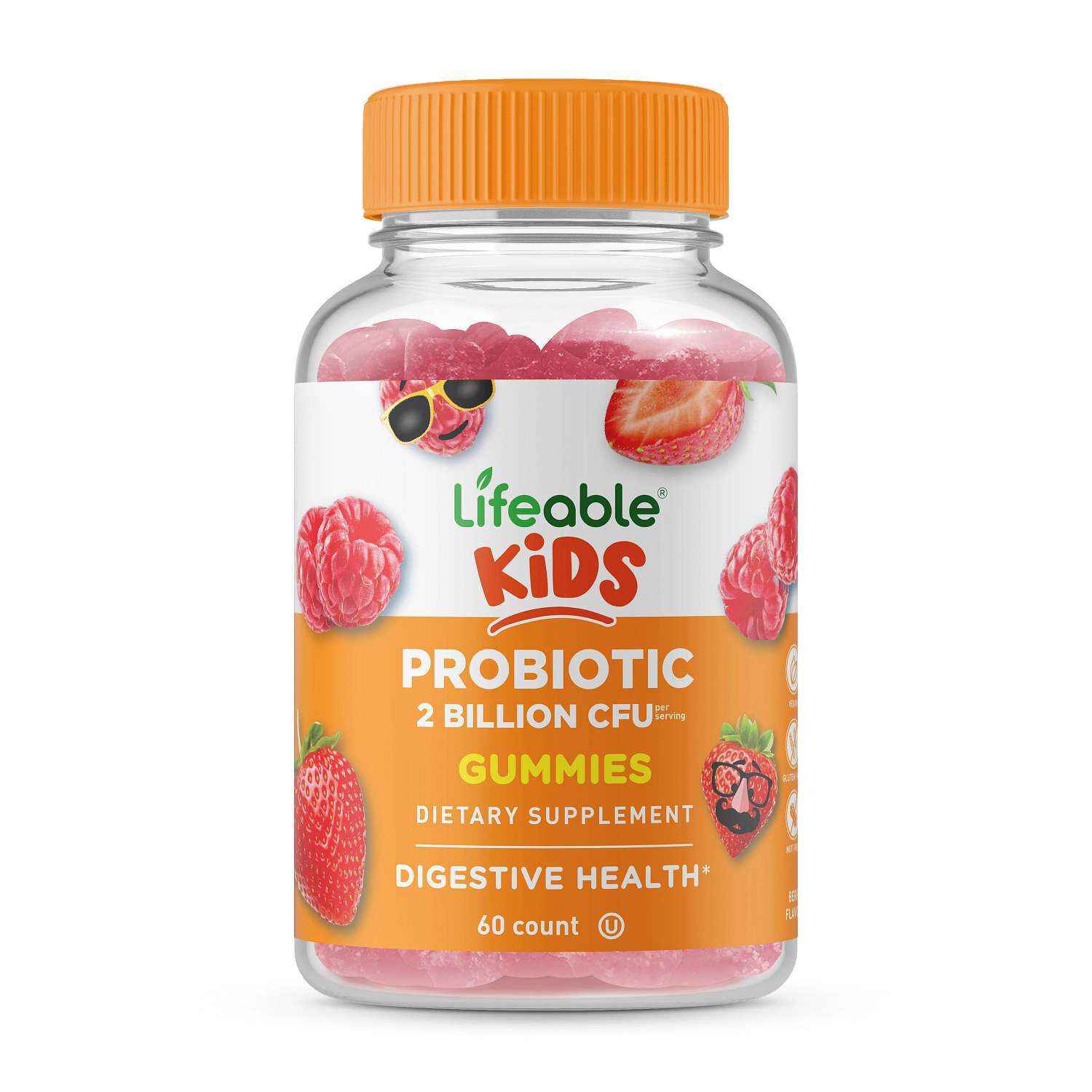 $13.99
 -
 $22.99
 -
 $22.99
 -
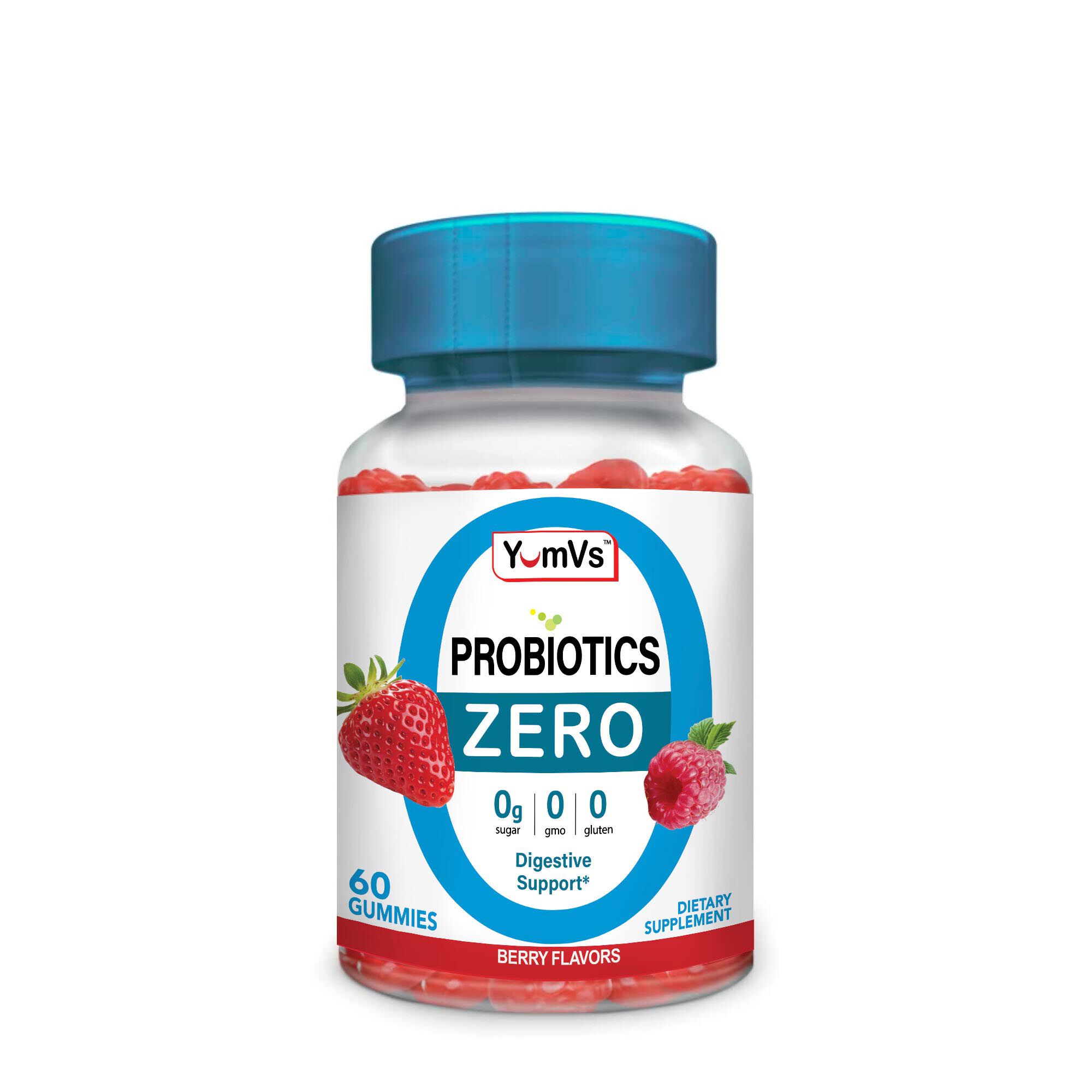 $18.99
 -
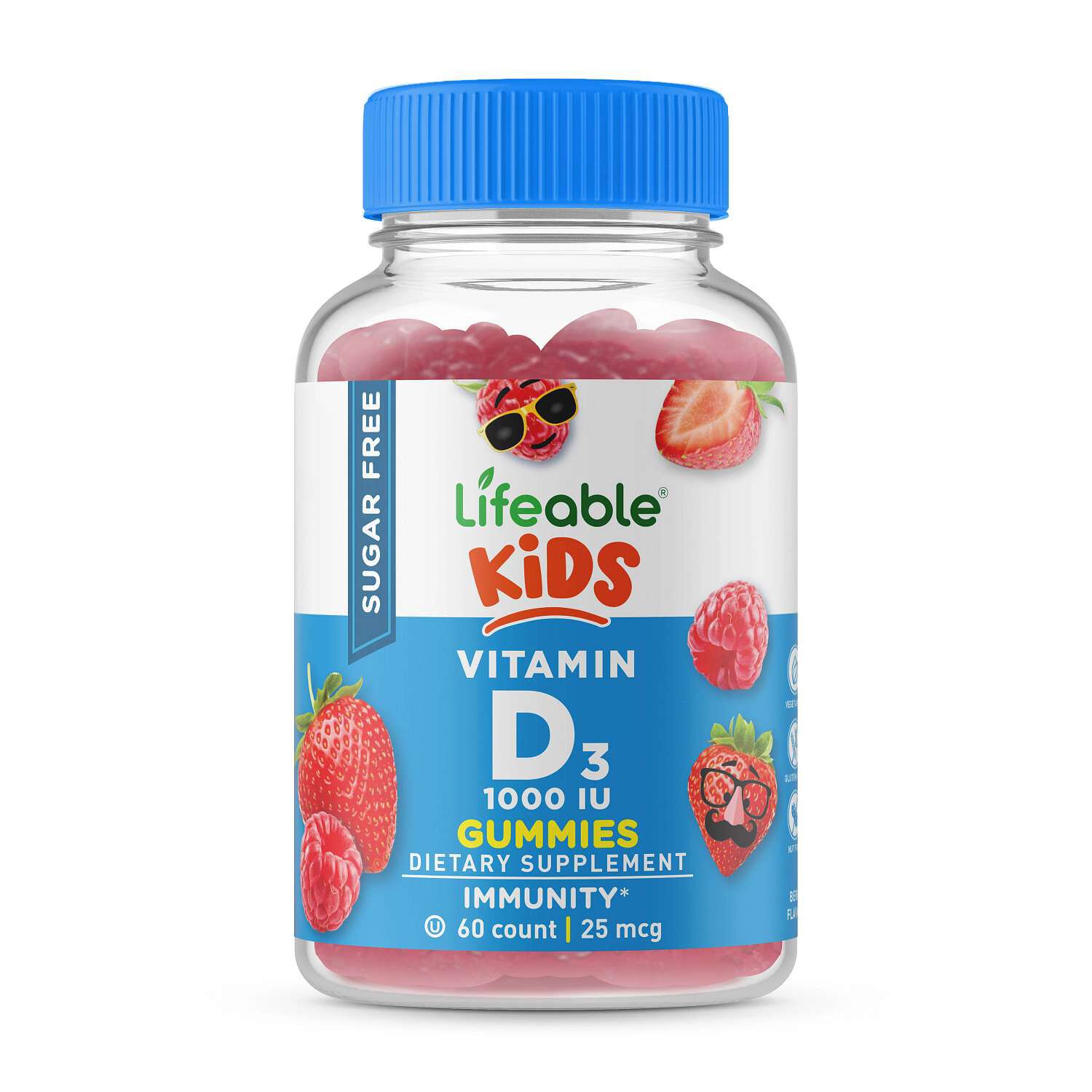 $14.99

Berry probiotics for kids with dietary restrictions can make it easier to build a consistent supplement routine around familiar flavors and family food preferences. These products typically contain live cultures, which may help support digestive balance when used as directed. Berry flavors, including strawberry, raspberry, mixed berry, and berry-cherry combinations, may feel more approachable to children than plain tablets or strongly flavored formulas. Chewable tablets, gummies, and liquid drops each offer a different experience, so the best format may depend on a child’s age, comfort with chewing, and daily routine. A child who enjoys a small chewable after breakfast may be more willing to stay consistent than one who dislikes swallowing tablets, while liquid drops may work well for younger children or for mixing into a cool food or beverage when the package allows. Parents, grandparents, and caregivers often look for these options when a child follows a dairy-free, gluten-free, soy-free, vegetarian, or vegan eating pattern, or when a household takes extra care with ingredient labels. Since dietary needs can differ from one child to another, the product label deserves close attention. “Made without dairy,” “made without gluten,” “made without soy,” and vegan statements may appear in different places on the package, and a formula that suits one restriction may not suit another. Checking the full ingredient list, allergen statement, and manufacturing information may help families choose with greater confidence.
When comparing berry probiotics for kids with dietary restrictions, start with the age guidance and serving instructions. Some formulas are intended for toddlers, while others are designed for school-age children or older kids. Package directions may also specify whether a serving should be taken with food, dissolved in liquid, or chewed thoroughly. Look at the number of live cultures listed on the label, often expressed as CFU, or colony-forming units. This number describes the amount of live culture included in a serving, but it does not tell the whole story about a product’s fit for your family. The types of cultures, storage instructions, serving size, and expiration information may also matter. Some products call for refrigeration, while others are made for room-temperature storage; following the package guidance may help preserve product quality. Sweeteners are another practical consideration. Berry gummies and chewables may include added sugar, fruit ingredients, or sugar alternatives, so reviewing the nutrition facts panel may help families choose an option that fits their preferences. Texture can matter just as much as flavor. A soft gummy may suit a child who enjoys a candy-like chew, a tablet may fit neatly into a morning routine, and liquid drops may be easier to measure for a younger child. For children with food allergies or highly specific dietary needs, read every label each time you purchase, since formulas and manufacturing details may change. A familiar berry flavor may make the daily routine feel less like a chore, especially when paired with a simple habit such as breakfast, brushing teeth, or packing a school bag.
These products may be useful for families creating a thoughtful wellness basket for a child, grandchild, niece, nephew, or young family friend who follows a special eating pattern. A berry probiotic can pair naturally with a reusable water bottle, lunch container, or other age-appropriate wellness items, making it a considerate gift for a new school routine, a birthday, or the cooler months when families often spend more time indoors. Gifting still calls for care: confirm the child’s age, dietary preferences, flavor likes, and household rules before selecting a supplement. Families may also appreciate a product with clear labeling, a manageable serving size, and packaging that is easy for an adult to store and monitor. Probiotic supplements are not a substitute for varied meals, hydration, sleep, or guidance from a qualified healthcare professional, and parents or caregivers should use them according to the package directions. If a child has a diagnosed allergy, follows a medically prescribed eating plan, or has questions about supplement use, the child’s healthcare professional may help the family review the ingredient list and serving instructions. For households comparing other kid-focused supplements by dietary preference, Zinc Gummies for Kids With Dietary Restrictions offers another category to browse alongside berry-flavored probiotic choices. By considering age, format, flavor, culture information, sweeteners, storage, and clearly stated dietary details, shoppers may find an option that fits comfortably into a child’s everyday routine.


 Chewable Tablets_Front.jpg?sw=305&sh=305&sm=fit "ChildCalm - 60 Chewable Tablets (30 Servings) | GNC")


